
Last updated November 18, 2026
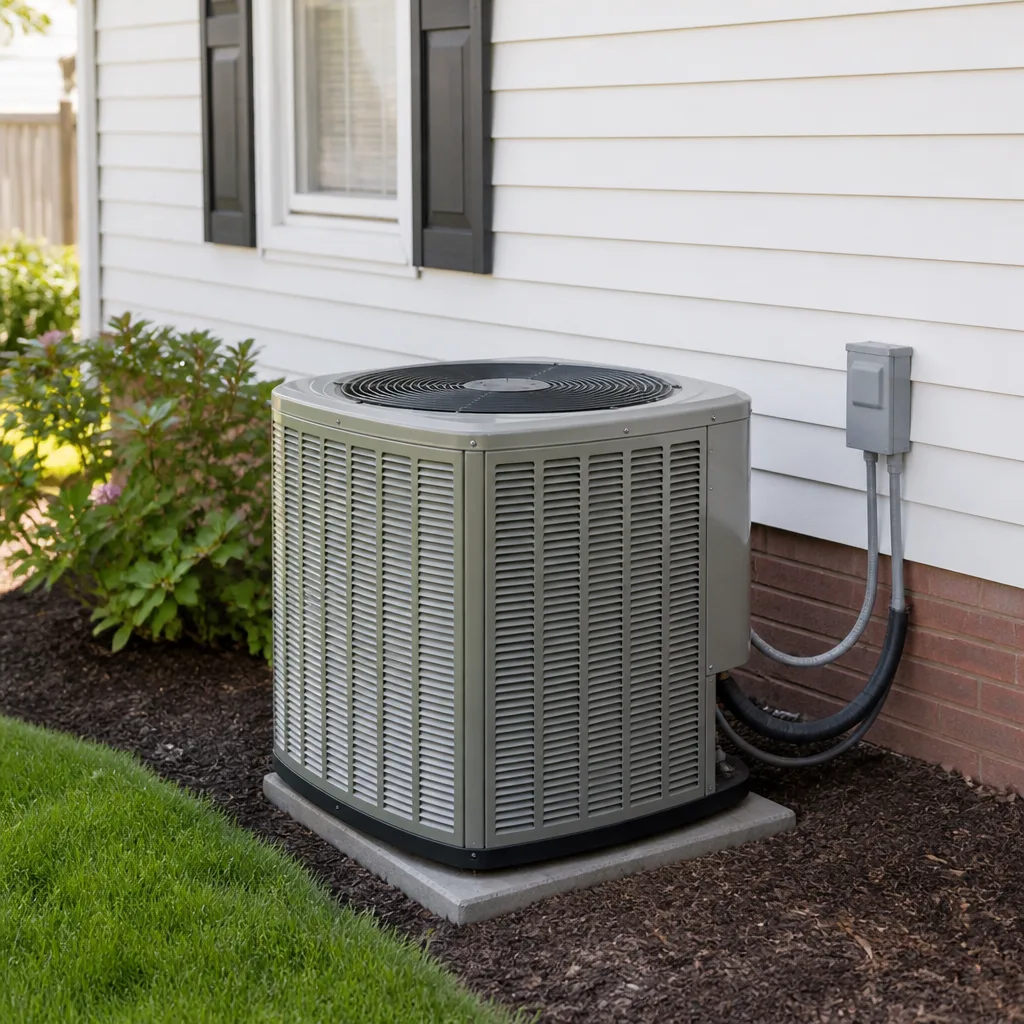 AC repair
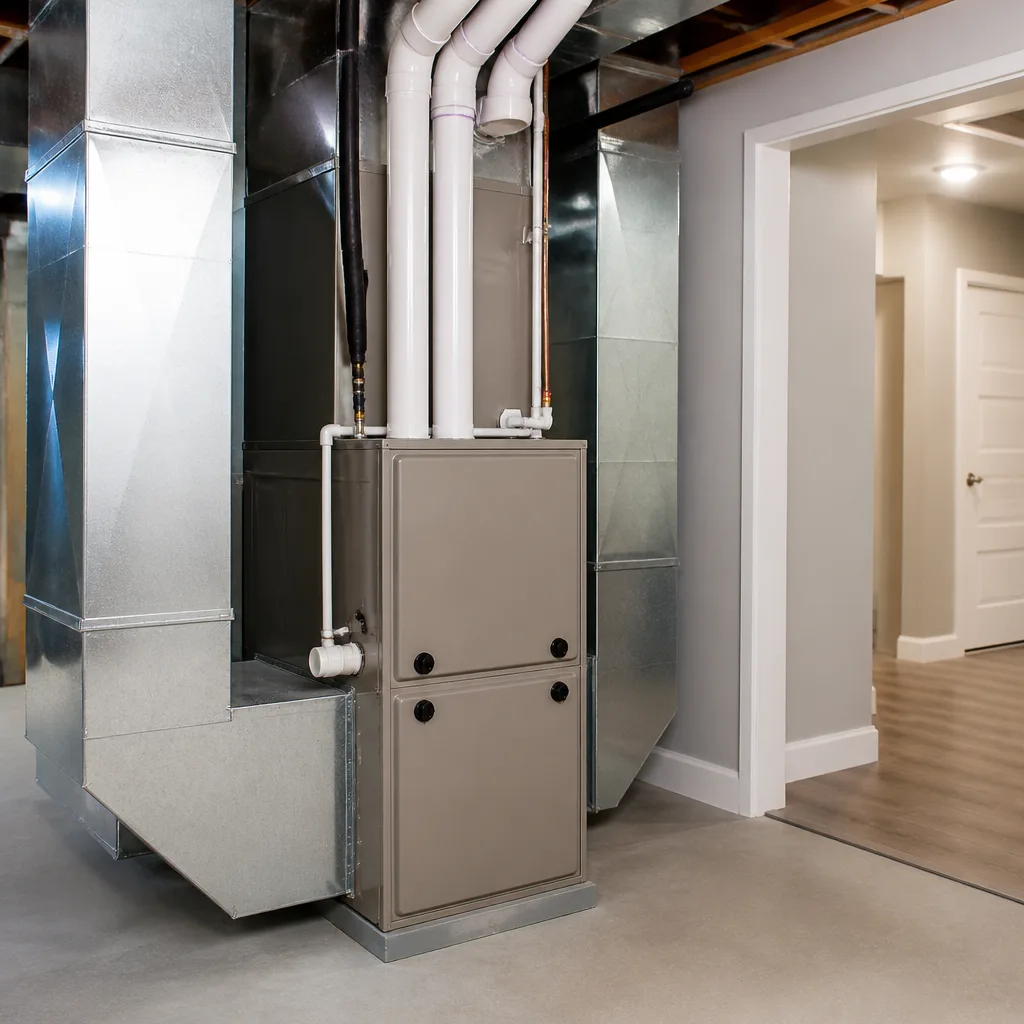 Furnace & heating
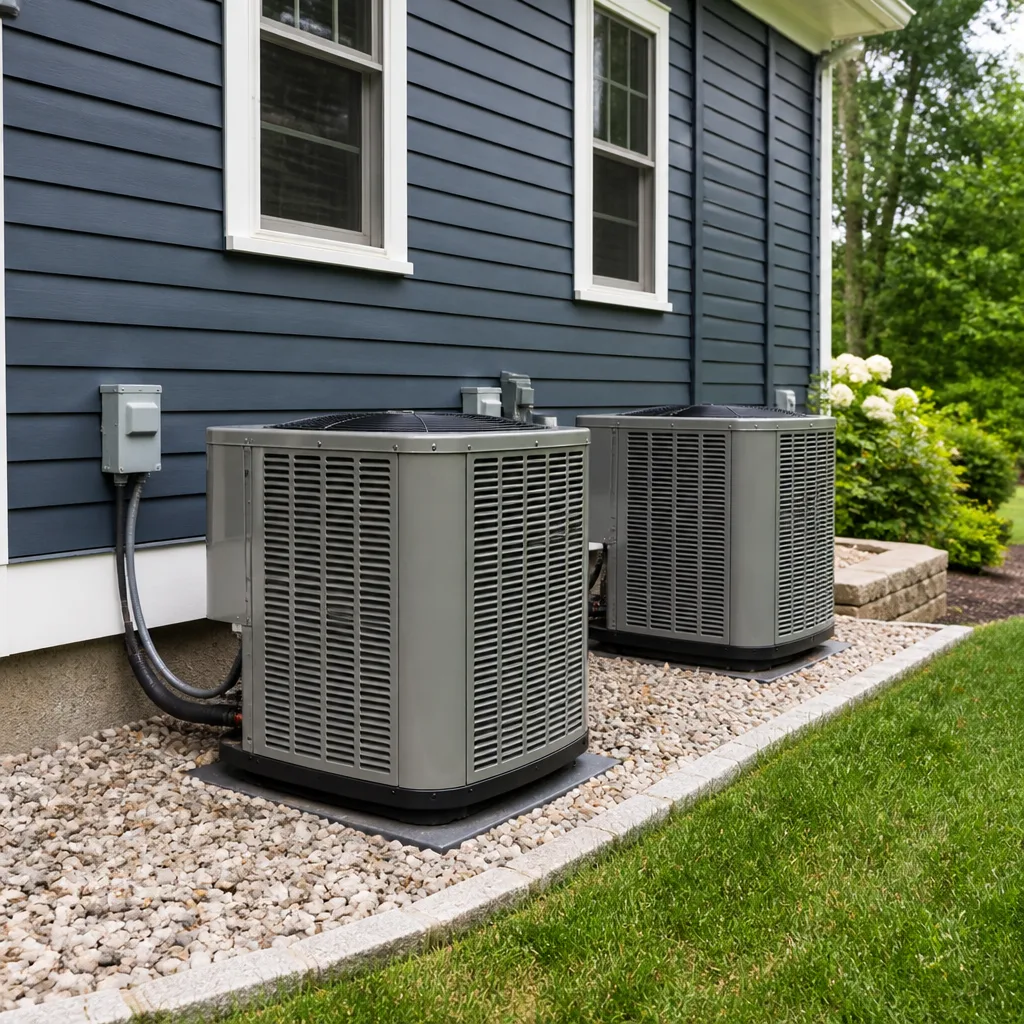 Heat pumps
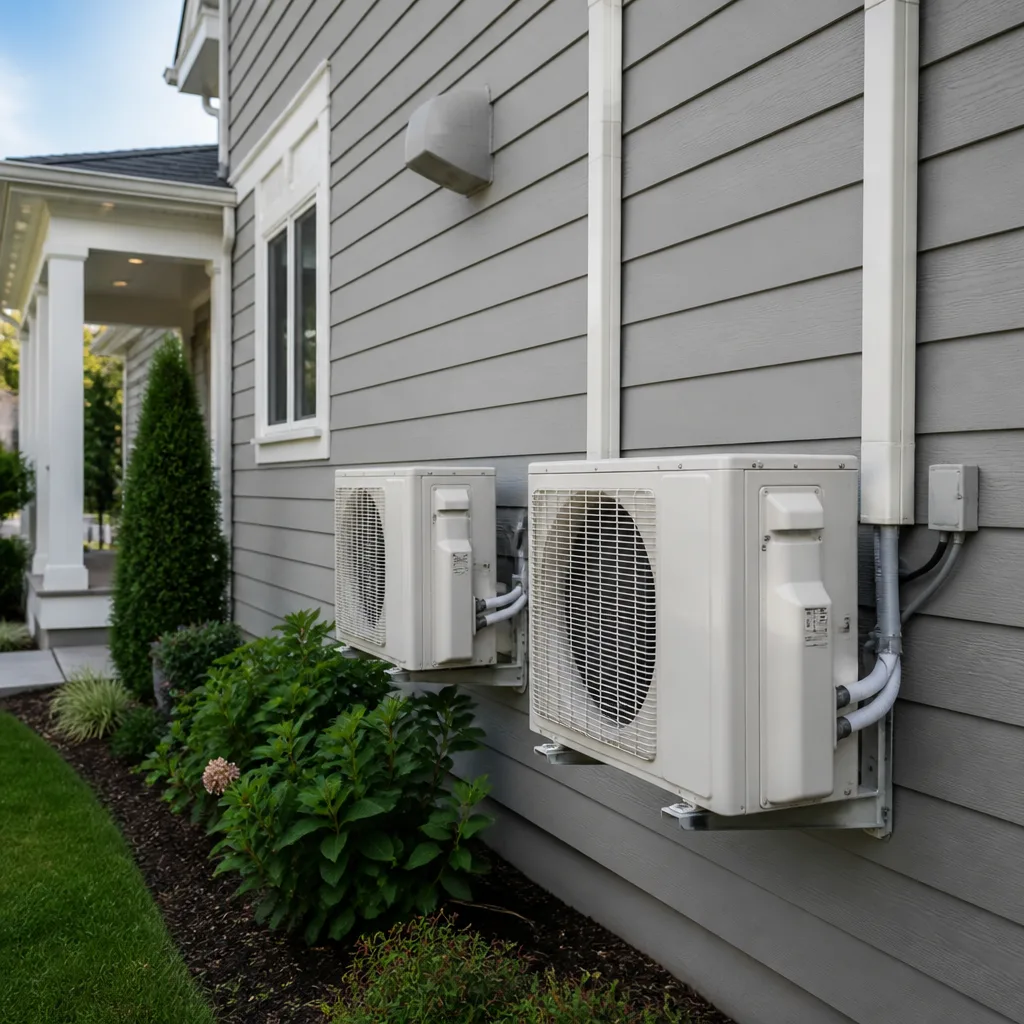 Ductless mini splits
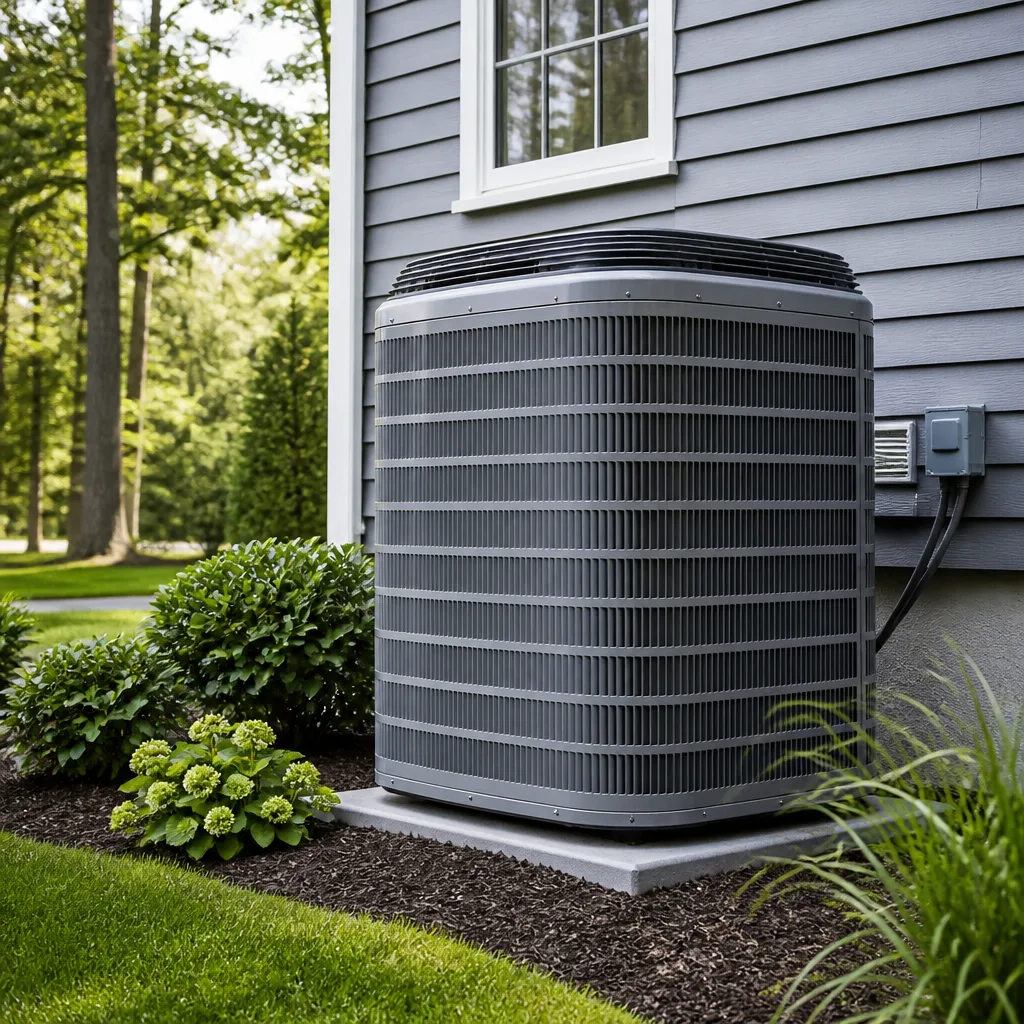 Carrier
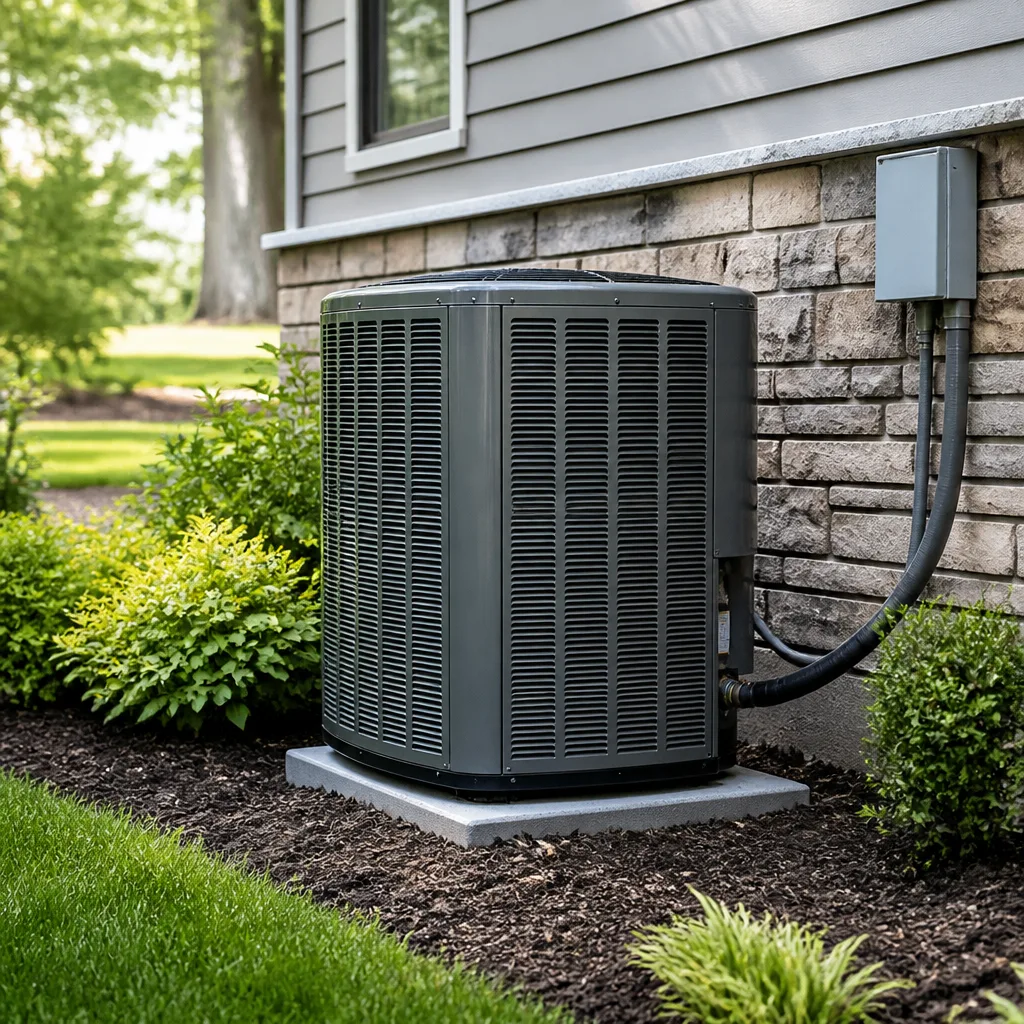 Trane
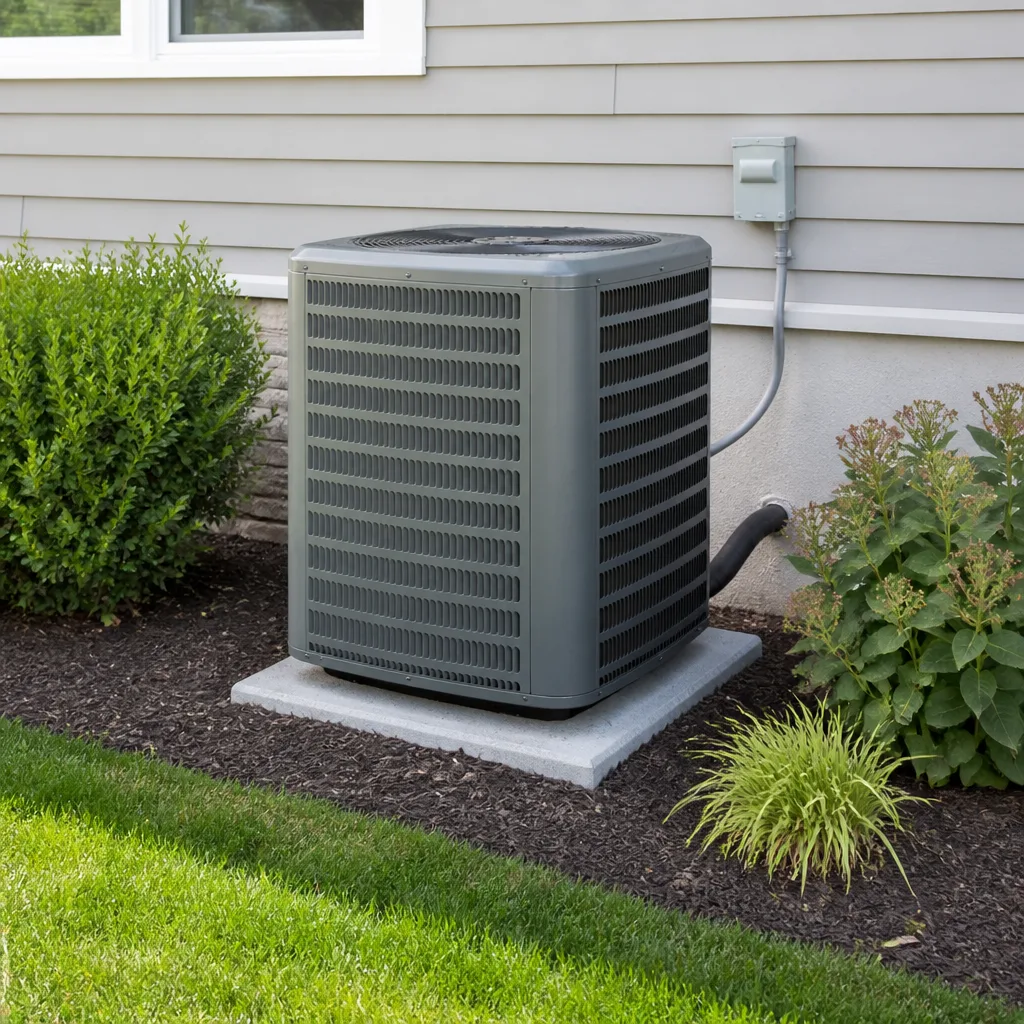 Goodman
Seasonal tune-up and full diagnostic on your Carrier, Trane, or Goodman system - readings shown to you before any repair is proposed
Diagnosis first, numbers second - you approve the repair price before a single part goes in.
Get your free estimateAir Quality & Ventilation Maintenance Schedule: What to Do and When
Here’s something the standard advice gets wrong for us. The famous “change your filter every 90 days” rule was written for a mild, damp climate like Portland’s. In Spring Valley, a filter can clog solid in 30 days during a dust event rolling off the desert, and nobody’s going to knock on your door to warn you. The calendar most homeowners follow was built for a place that runs its AC four months a year. We live in a valley that runs it nine. This guide rebuilds the whole schedule around what actually happens to filters, ducts, and vents in Nevada heat, with the monthly checks you can do yourself and the twice-yearly visits worth booking. Below is the printable task list, organized by frequency, so it doesn’t get lost behind the junk drawer.
Quick Answer
In Spring Valley, check your air filter every 30 days during dust season and peak cooling months, and every 60 during the mild stretches. Book a professional air quality and ventilation visit twice a year: spring startup in April or May, and fall before heating season in October. Your own monthly job is fast (filters, vent covers, exhaust fan blades), while ductwork seals, blower compartments, and humidity readings need the person who knows your system.
Styles & brands we work with
- AC repair
- Furnace & heating
- Heat pumps
- Ductless mini splits
- Carrier
- Trane
- Goodman
Table of Contents
- Why the Desert Rewrites Every Maintenance Interval
- Adjust Your Schedule by Season, Not Just the Calendar
- The Tasks You Can Do Versus What Needs a Technician
- Build a Two-Tier Schedule: Monthly Checks and Twice-Yearly Visits
- What Extreme Heat Cycles Do to Ductwork Seals
- Printable Task List, Organized by Frequency
- Ventilation Habits That Matter in a Closed-Up Desert House
- Warning Signs Your Air Quality Schedule Just Got Away From You
Why the Desert Rewrites Every Maintenance Interval
Every manufacturer’s maintenance chart assumes a normal range of temperature and dust. Spring Valley doesn’t deliver normal. Our valley floor gets wind events that lift fine caliche dust and push it through every return grille in the neighborhood, and our cooling season stretches from roughly April into October. That combination means the equipment is running far more hours than a climate-zone chart predicts, and each of those hours moves more particulate through the filter.
So the 90-day filter rule becomes a 30-day rule during dust season. A coil-cleaning interval that’s annual somewhere else becomes something we look at at both visits here. And ductwork takes a beating most national guides never mention: the metal expands and contracts through brutal afternoon heat cycles and cool nights, and every one of those cycles works on the seams and the tape.
There’s a local truth worth holding onto. In Spring Valley, the schedule that keeps your air clean is driven by what the desert is doing that month, not by what a chart printed in a factory says. When we look at a system, the dust load on the return side tells us more than the calendar does. That’s why the plan below flexes with the seasons.
Adjust Your Schedule by Season, Not Just the Calendar
Here’s how a full year actually breaks down for a Spring Valley home. Treat these as your seasonal anchors.
- Spring (March through May): Wind and dust peak. Check filters every 30 days, sometimes every two weeks if a big blow has come through. This is also the best window for your spring startup visit, before the first real heat wave. Getting ahead of cooling season matters in a valley where the first 100-degree day tends to arrive fast.
- Summer (June through September): The system runs nearly nonstop. Keep the 30-day filter check. Watch your outdoor condenser for dust and cottonwood fuzz, and clear it gently. This is the stretch where a clogged filter quietly raises your power bill before you notice anything is wrong.
- Fall (October through November): After the cooling season winds down, filters often look okay but the ductwork and vents have collected a summer’s worth of dust. Fall is your pre-heating visit. We time it before you start running the furnace so the first warm-air cycle doesn’t push a season of dust into the rooms.
- Winter (December through February): The heating months. Filters still need a look every 30 to 60 days, and closed-up houses make ventilation habits matter more. If you sealed up tight for the cold, crack a window or run the bath fan briefly to move stale air.
Notice the pattern: the desert compresses everything. What a mild-climate guide spreads across a year, Spring Valley packs into shorter, sharper cycles.
The Tasks You Can Do Versus What Needs a Technician
A lot of upkeep is genuinely yours to handle, and it saves you money. Other jobs either void a warranty or risk your safety if done wrong. Knowing the line is the whole point.
Tasks you can track yourself:
- Check and swap the air filter. Hold it up to a light; if you can’t see through it, it’s done.
- Wipe down and reseat vent covers and grilles around the house.
- Clean exhaust fan blades in bathrooms and the kitchen hood, which gum up with dust and grease fast.
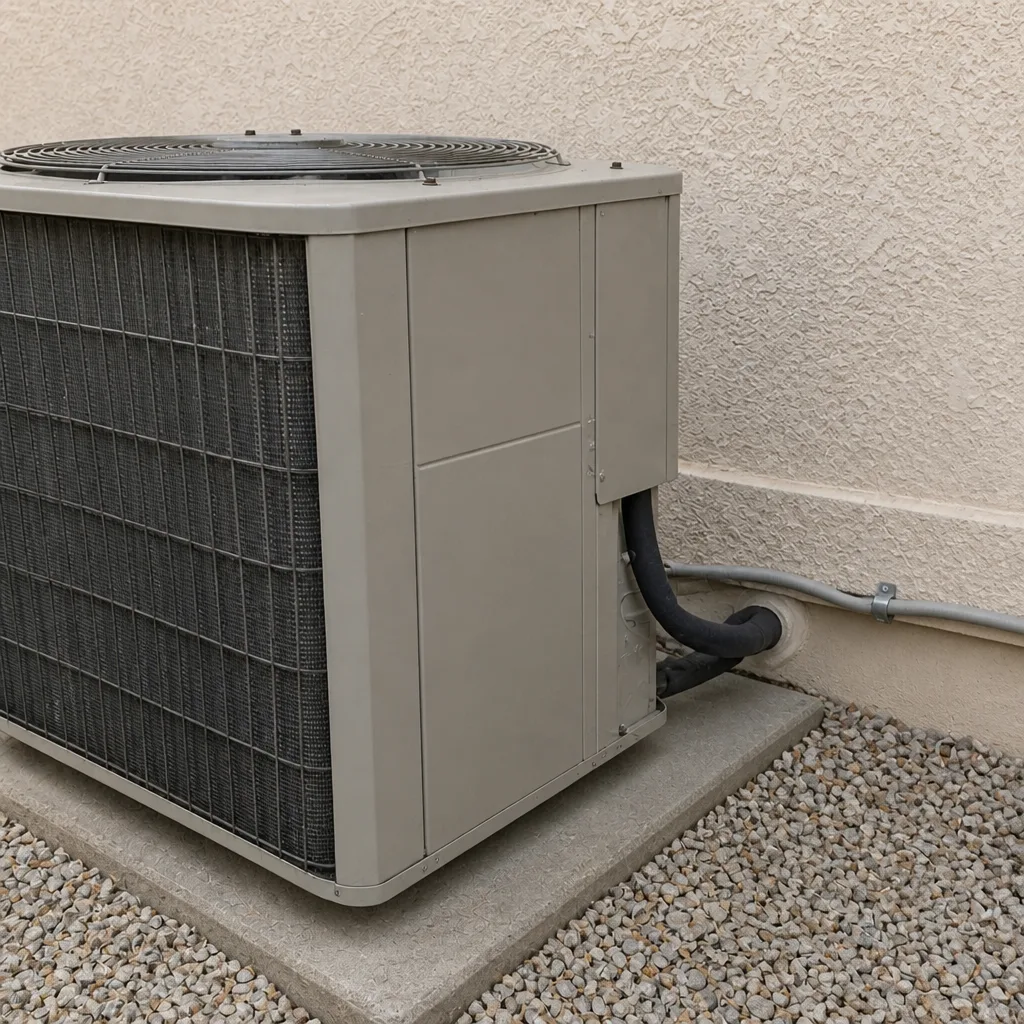
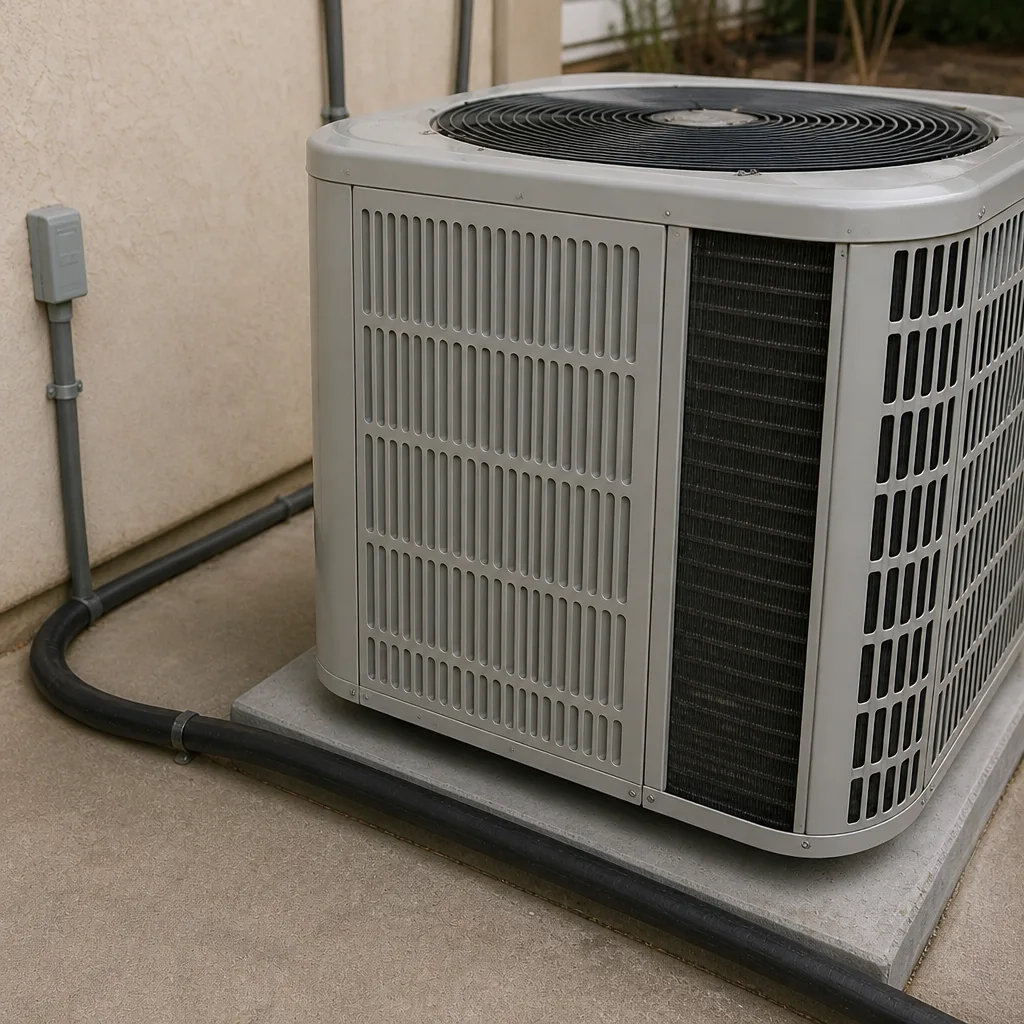
- Clear dust and debris from the outdoor unit’s fins with a soft brush or gentle hose spray (power off first).
- Confirm return grilles aren’t blocked by furniture, rugs, or a pushed-in couch.
What needs the person who knows your system:
- Inspecting and sealing ductwork, especially in the attic where heat stress is worst.
- Cleaning the evaporator coil and checking the blower compartment.
- Measuring humidity and checking that ventilation is actually moving enough air for your square footage.
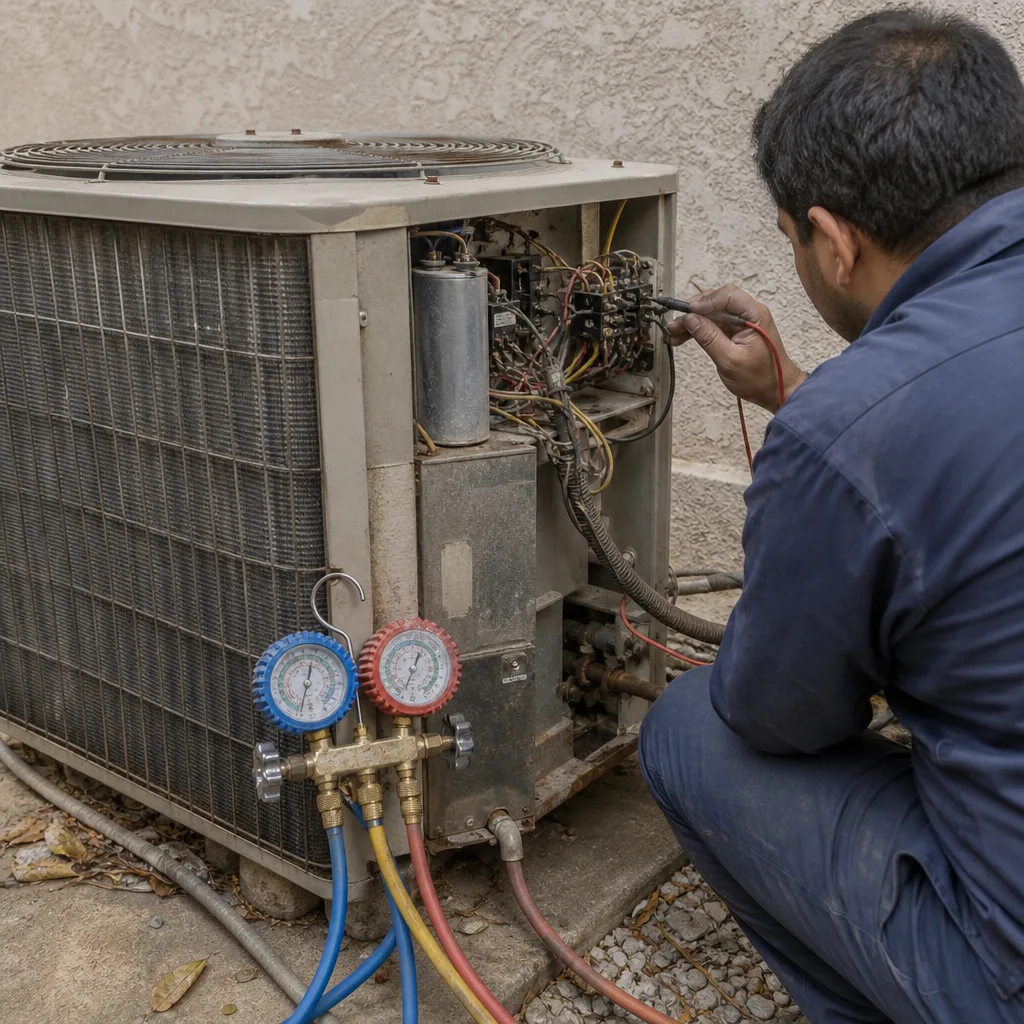
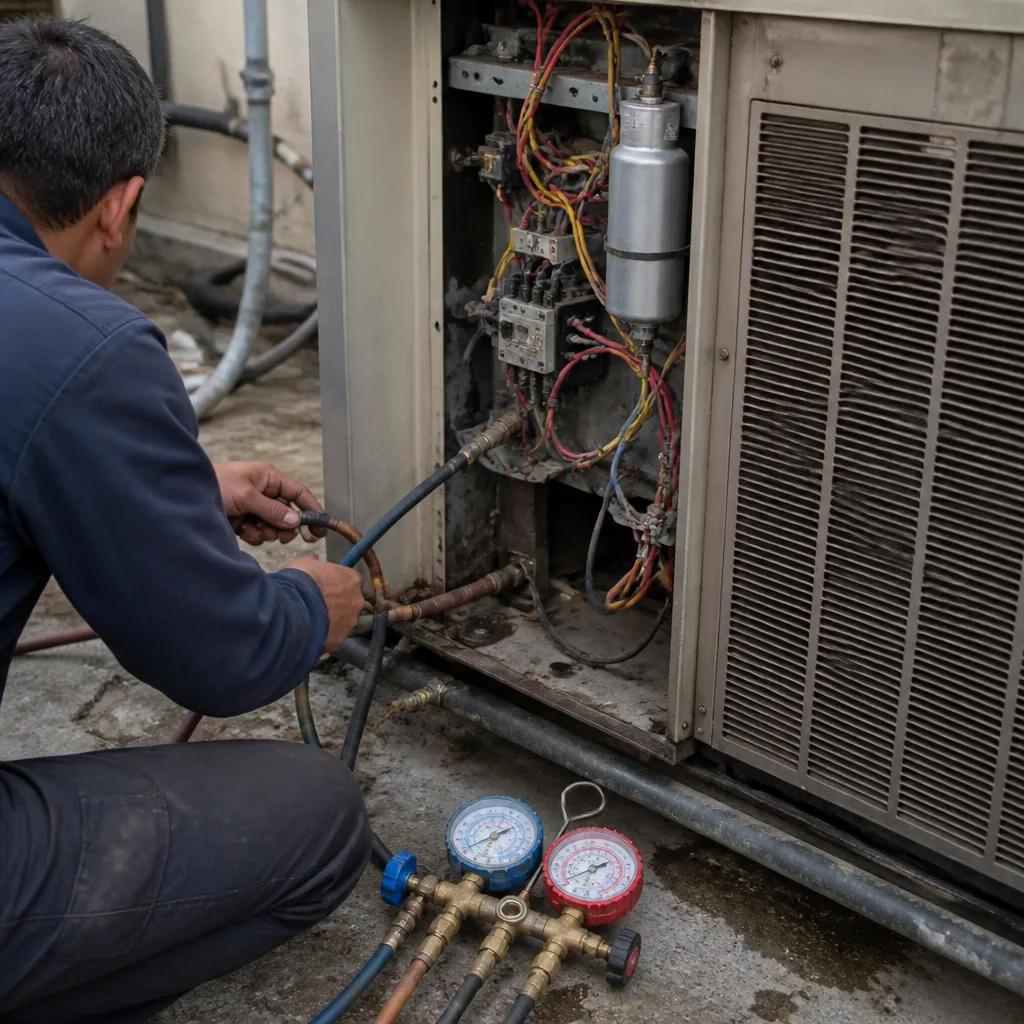
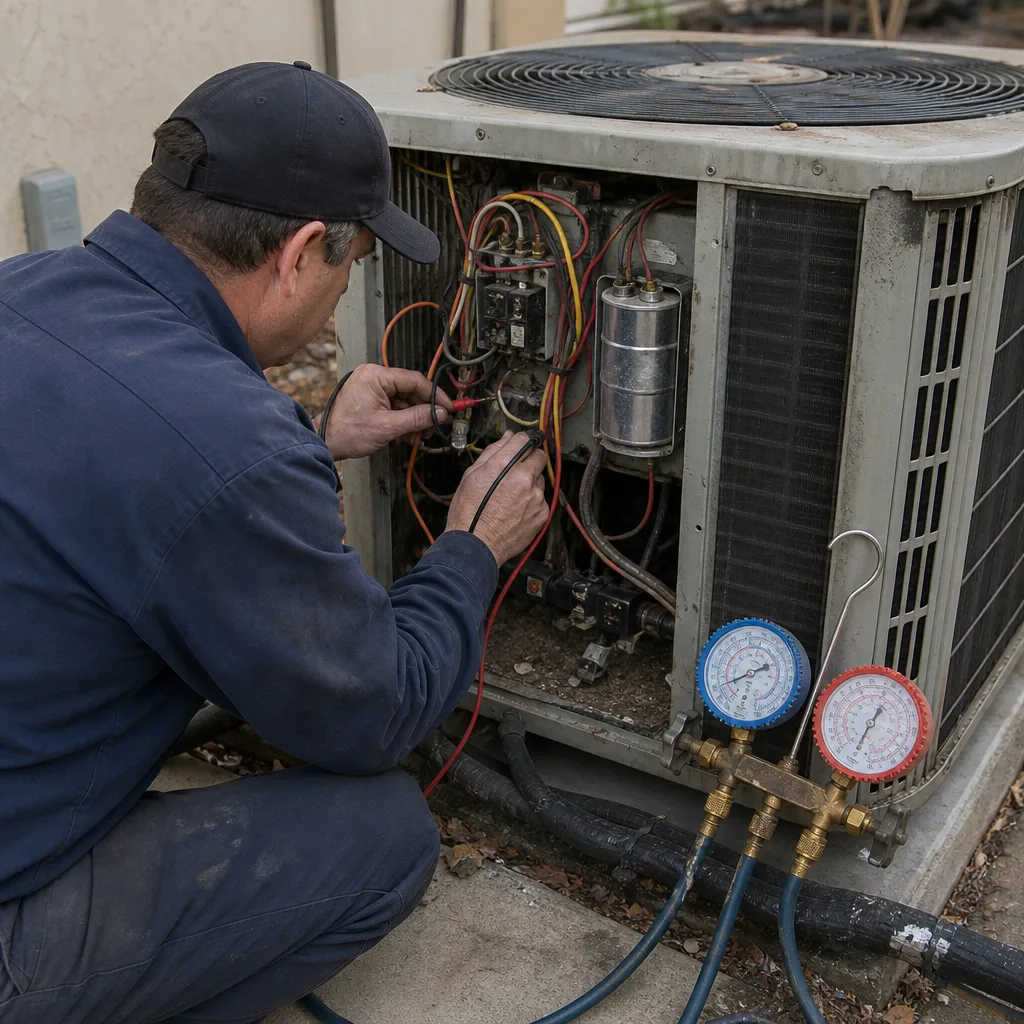
- Testing capacitors, thermostats, and electrical components. We test a capacitor before anyone says the word compressor, and that requires hands and meters, not guesswork.
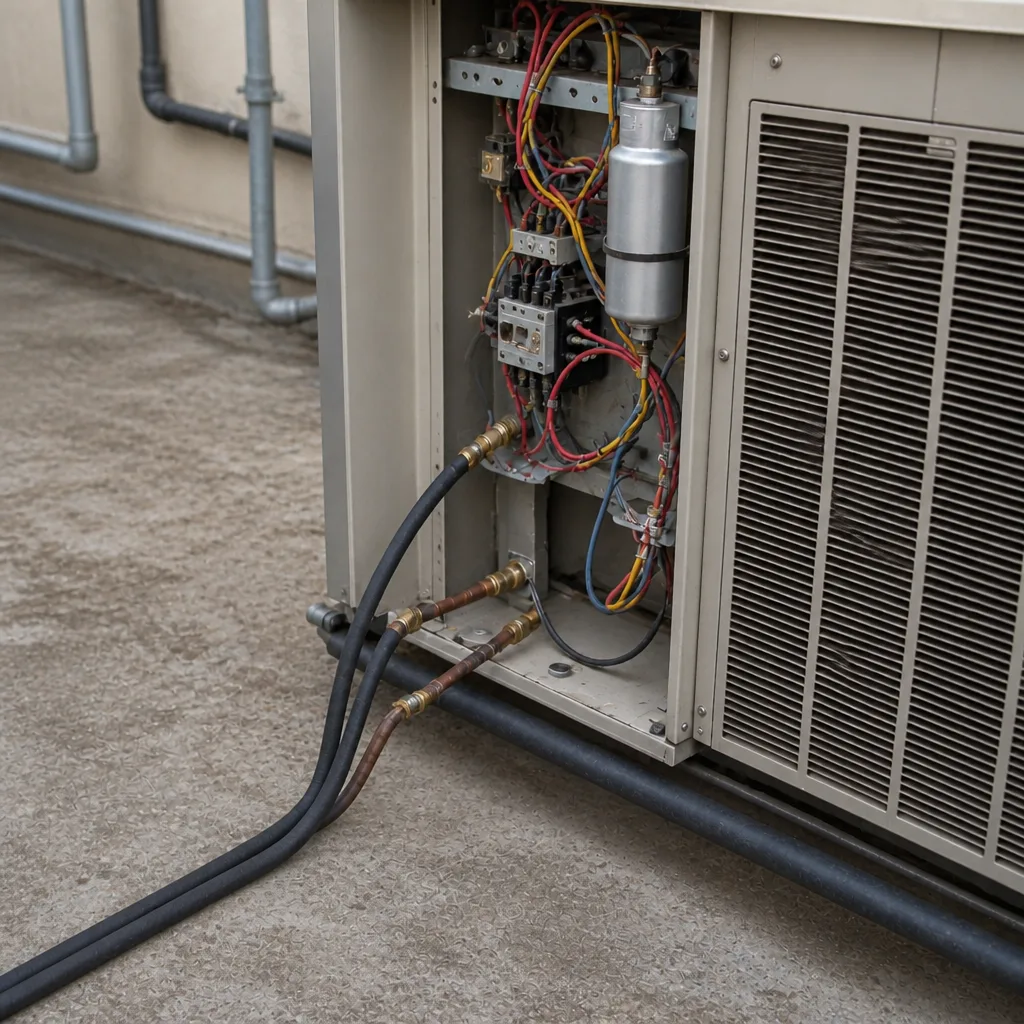
- Anything involving refrigerant lines or the sealed system. That’s not a homeowner job.
If you’re ever unsure which side of the line a task sits on, that’s exactly the moment for a plain conversation. The AC repair and installation in Spring Valley we do starts with readings, not a sales pitch.
Build a Two-Tier Schedule: Monthly Checks and Twice-Yearly Visits
If you take one system from this guide, take this two-tier structure. It’s simple, and it survives a busy life.
Tier one, your monthly quick-check (about 15 minutes):
- Pull the filter and check it against the light. Replace if clogged. In heavy dust months, do this every 30 days or sooner.
- Walk the house and look at every vent and return. Anything blocked, dusty, or loose gets fixed.
- Wipe the bathroom and kitchen exhaust fan blades.
- Look at the outdoor unit. Clear leaves, dust, and fuzz without being rough with the fins.
- Glance at the thermostat reading to catch an odd temperature drift early.
Tier two, the twice-yearly professional visit (spring startup and fall before heating season):
- Spring visit (April or May): Coil and blower look, duct inspection, filter guidance for the cooling months, and a humidity read. This is your jump on summer.
- Fall visit (October): Pre-heating check, duct seal review after the heat cycle has stressed the attic runs, and ventilation set up for a closed-up winter house.
Two visits a year, timed to the seasons. Not four, not one. That’s the rhythm that fits Spring Valley, and it’s a lot easier to remember than a vague “whenever it needs it.” If your cooling side needs attention between visits, our heat pump and mini split in Spring Valley work covers modern systems that run these year-round demands.
What Extreme Heat Cycles Do to Ductwork Seals
This is the part most national guides skip, and it matters more here than anywhere. Think about what your attic ductwork lives through in a single Spring Valley summer day. It bakes through the afternoon, then cools hard overnight, then bakes again. That expansion and contraction happens thousands of times over a cooling season. Every cycle flexes the metal and works at the seams, the joints, and the old tape.
The result is leaks you never see. Cooled air escapes into a 140-degree attic before it reaches the room, so your system runs longer to make up for it, and dust from that same attic gets pulled into the airstream. Most homeowners first notice this as uneven rooms or a power bill that crept up with no lifestyle change. That’s why we look at duct seals at both visits, not just once a year. A seam that looked fine in April can be loose by September after a summer of heat cycling.
Sealing is quick work compared to what a leaky duct run costs you over a couple of summers. If you’ve never had your ducts inspected, especially in a house more than a decade old or one with attic runs, that inspection is a smart first step. And if the cooling side is struggling at all, it’s worth pairing this with a proper checkup. Our heating and furnace in Spring Valley visits routinely catch duct issues in fall before heating season pushes air through the same stressed runs.
Printable Task List, Organized by Frequency
Print this, tape it inside a cabinet door, and check off as you go. Frequency beats memory.
Every 30 days:
- Check and replace the air filter if clogged (every 2 weeks during heavy dust events)
- Confirm all vents and returns are clear
- Wipe exhaust fan blades
Every 60 days (mild stretches):
- Filter check if the dust load has been light
- Quick look at the outdoor unit for debris
Twice a year (spring and fall):
- Professional air quality and ventilation visit
- Duct seal inspection
- Coil and blower check
- Humidity and airflow readings
Once a year:
- Full review of your schedule against the past year’s dust and heat. Adjust the filter cadence if the last year ran dirty.
Task lists are only useful if the person showing up actually knows your system. Ours have continuity, meaning the same face tends to come back. The people at your door are background-checked, uniformed, and they’ve seen these homes before. That’s the Ray’s Heating & Air Spring Valley home way of doing it: your system tells us what’s wrong, and we listen first.
Ventilation Habits That Matter in a Closed-Up Desert House
Air quality isn’t only about what your system filters. It’s also about how much fresh air moves through the house. In Spring Valley we spend a lot of the year sealed up against heat or against cold, and that closed-up stretch is when stale air, cooking moisture, and dust settle in.
Good habits are easy and free. Run the bath fan during and after showers. Use the kitchen hood when you cook, especially on high heat. On mild mornings in spring and fall, open a window for ten minutes and let the house breathe. Keep doors to unused rooms open enough that air circulates. If anyone in the house has allergies or asthma, these habits do as much for you as a better filter some weeks.
If you’ve noticed persistent stuffiness, lingering cooking smells, or dust settling faster than it used to, that’s a sign your ventilation is falling behind. That’s the moment a professional look pays for itself. When it’s time, our team services all major brands, from Daikin to Bryant to American Standard, so your equipment gets the attention it deserves whatever’s in the closet.
Warning Signs Your Air Quality Schedule Just Got Away From You
Life gets busy. Schedules slip. Here’s what tells you it’s time to reset, beyond a missed filter change.
- Dust shows up on furniture within a day or two of cleaning, which often points to leaking ducts or a clogged filter.
- Rooms cool unevenly, or the system runs noticeably longer to hit the same temperature.
- You notice a musty or dusty smell when the system kicks on, a common sign of a dirty coil or blower.
- Allergy symptoms get worse indoors, or you feel stuffy in the house even with windows shut.
- The power bill climbs with no change in how you use the house.
- Visible dust streaks at duct joints or grilles, which usually means a seal has let go.
Any two of these together is your cue to book the twice-yearly visit early rather than wait for the calendar. Catching a duct leak or a dusty coil in spring saves you from a harder problem in the August heat.
Common Mistakes to Avoid
- Following the 90-day filter rule here. That interval was written for a mild climate. In Spring Valley’s dust and long cooling season, 30 days is closer to right, sometimes less during a wind event.
- Skipping the spring visit. Waiting until the first heat wave to call means everyone else is calling at the same time. Book spring startup in April or May and you’re ahead of the rush.
- Ignoring the ductwork because the vents look fine. Heat cycling works on seams you can’t see. A duct inspection is cheap compared to cooling a 140-degree attic all summer.
- Cleaning the outdoor unit with a hard spray or a stiff brush. That bends the fins and hurts performance. Power the unit off and go gentle.
- Sealing the house up tight all winter and calling it good. Closed-up houses need ventilation habits, or the air gets stale and stuffy fast.
- Trusting a phone quote instead of a diagnosis. A real visit reads the system and shows you the numbers. If someone quotes a compressor before testing the capacitor, get a second opinion.
- Letting the task list live in your head. It gets forgotten behind the junk drawer. Print it, tape it up, check it off.
See the difference
 Before
 After
 Before
 After
 Before
 After
When to Call a Professional
Some things are worth a phone call the moment they show up. Call when your ducts are leaking or you see dust streaks at the joints, when you smell something musty every time the system starts, when rooms cool unevenly or your power bill jumps, or when it’s simply been a year or more since your last air quality and ventilation visit. If you’ve never had your attic ductwork inspected in a house more than a decade old, that’s a strong reason to call now. And if the system’s running but not keeping up, that’s a health concern in Nevada heat, not just a comfort one. Ray’s Heating & Air Spring Valley offers free estimates in Spring Valley. Call (833) 620-7288 and a live person answers, day or night. You’ll see the readings and the numbers before any work begins.
Frequently Asked Questions
Every 30 days during dust season and peak cooling months, and every 60 days in the milder stretches. Spring Valley’s desert dust can clog a filter solid in a month or less, so the standard 90-day rule doesn’t fit our climate. Hold the filter up to a light; if you can’t see through it, it’s time.
Yes, two timed visits fit Spring Valley best: spring startup in April or May and fall before heating season in October. Two visits let us catch duct seal issues after summer heat cycling and get you ahead of cooling season, and it’s a schedule that’s easy to remember. Call (833) 620-7288 to book yours, and estimates are free.
You can check filters, wipe vents, clean exhaust fan blades, and clear the outdoor unit safely. Coil cleaning, duct sealing, humidity readings, and any electrical or refrigerant work should go to a technician. If you’re unsure which side a task falls on, call us and we’ll tell you straight.
Because extreme heat cycles expand and contract the ductwork thousands of times over a Spring Valley summer, and that flexes the seams and tape loose. Most national guides never mention it, but it’s a real cause of uneven cooling and rising bills. A duct seal inspection at your fall visit catches it before it costs more.
It can, if ventilation habits slip. Stale air, cooking moisture, and dust build up in a sealed house, so run the bath fan and kitchen hood, and crack a window briefly on mild days. If the house feels stuffy even with that, it’s worth a ventilation check.
Print the task list in this guide and tape it inside a cabinet door, then check items off as you go. Frequency beats memory every time, and a dated list tells you at a glance whether it’s been a month or three. When it’s time for the seasonal visit, call (833) 620-7288.
The Bottom Line
The maintenance calendar most people follow was built for a mild climate, and Spring Valley isn’t that. Your filters need a 30-day check instead of 90, your ductwork takes a beating from heat cycling every single summer, and two timed professional visits beat a vague “whenever it needs it” every time. Do the fast monthly checks yourself, book spring startup and fall before heating season, and print the list so it doesn’t get lost. Our technicians have up to 24 years of experience with systems just like yours, and when you call, a live person answers. If your cooling side is struggling between visits, see our AC repair and installation in Spring Valley page and give us a call.
Ready to get ahead of the dust and heat? Call Ray’s Heating & Air Spring Valley at (833) 620-7288 for a free estimate, or reach out to book your spring or fall air quality and ventilation visit. Every job comes with the 90-Day Done Right Promise in writing: if it’s not done right, one call brings us back.
Written by the team at Ray’s Heating & Air Spring Valley.