
Last updated November 18, 2026
 AC repair
 Furnace & heating
 Heat pumps
 Ductless mini splits
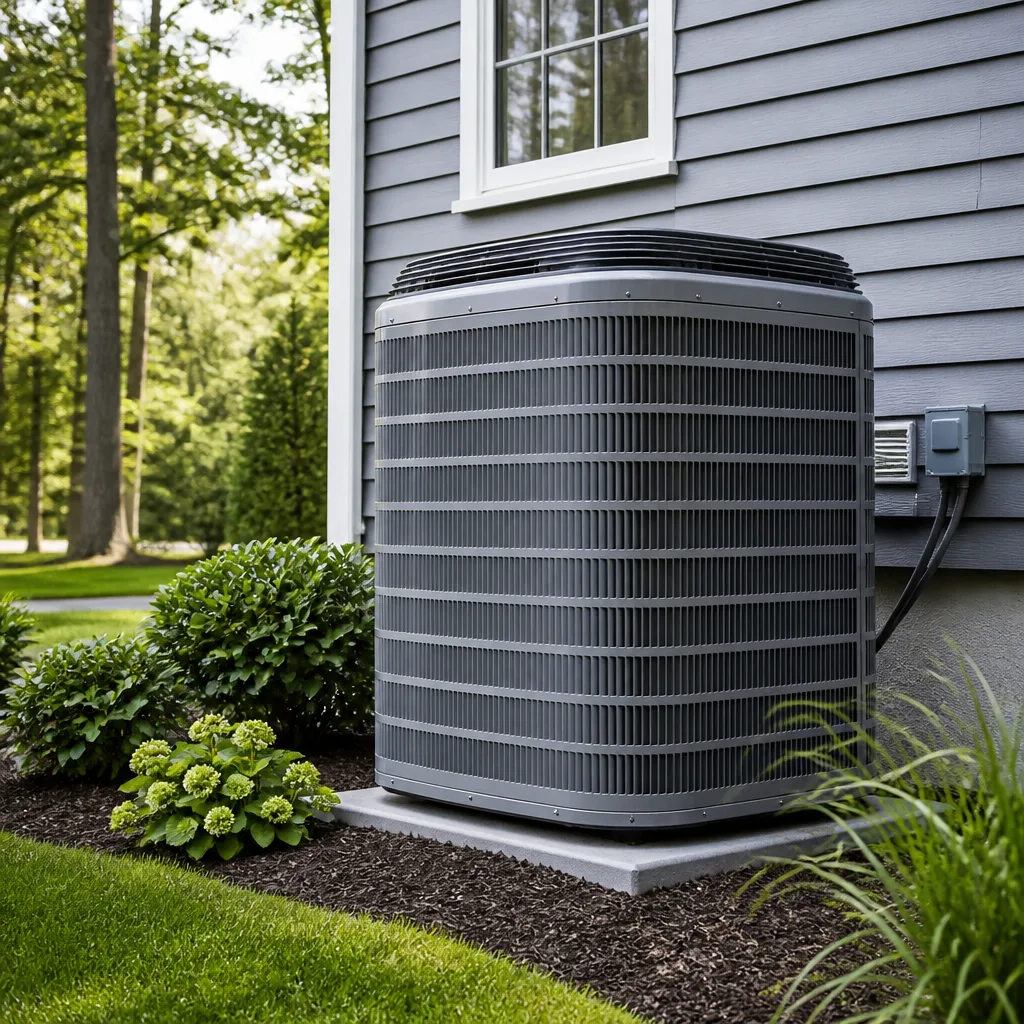 Carrier
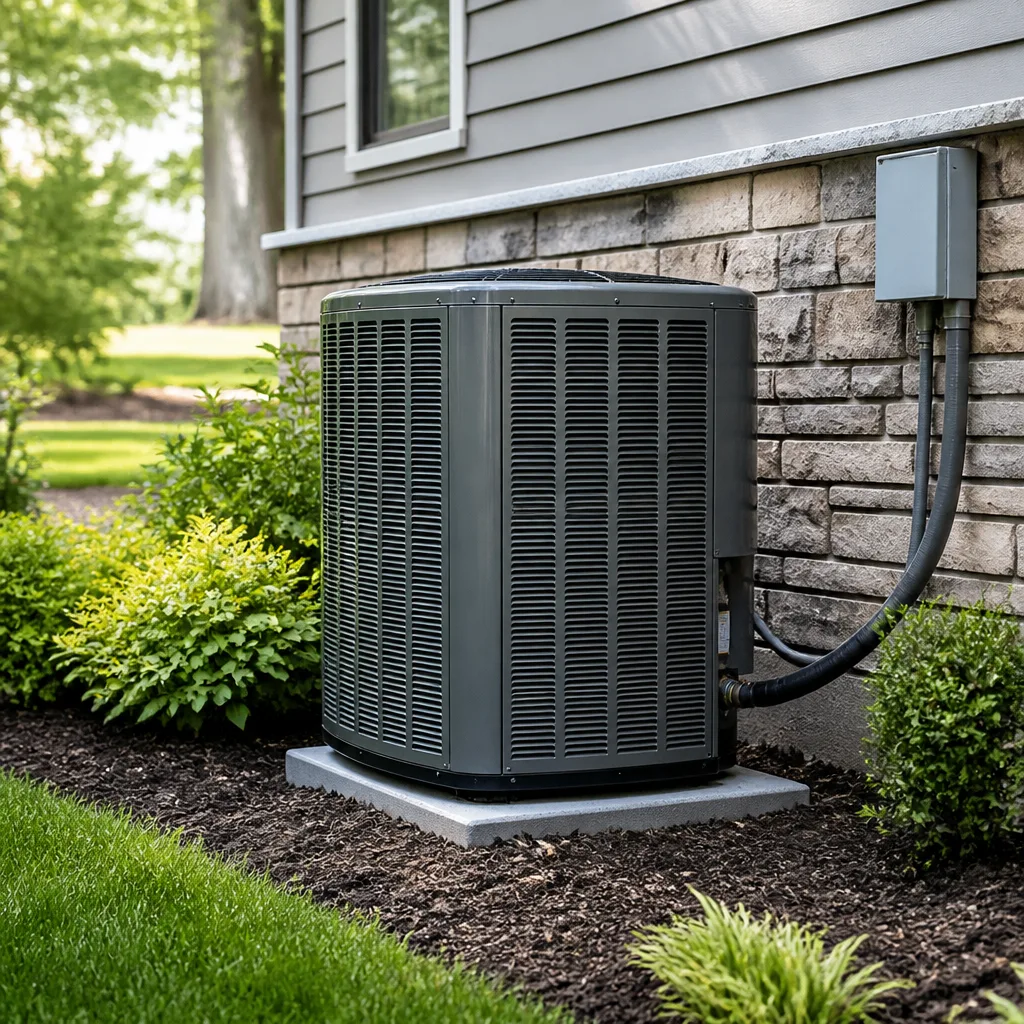 Trane
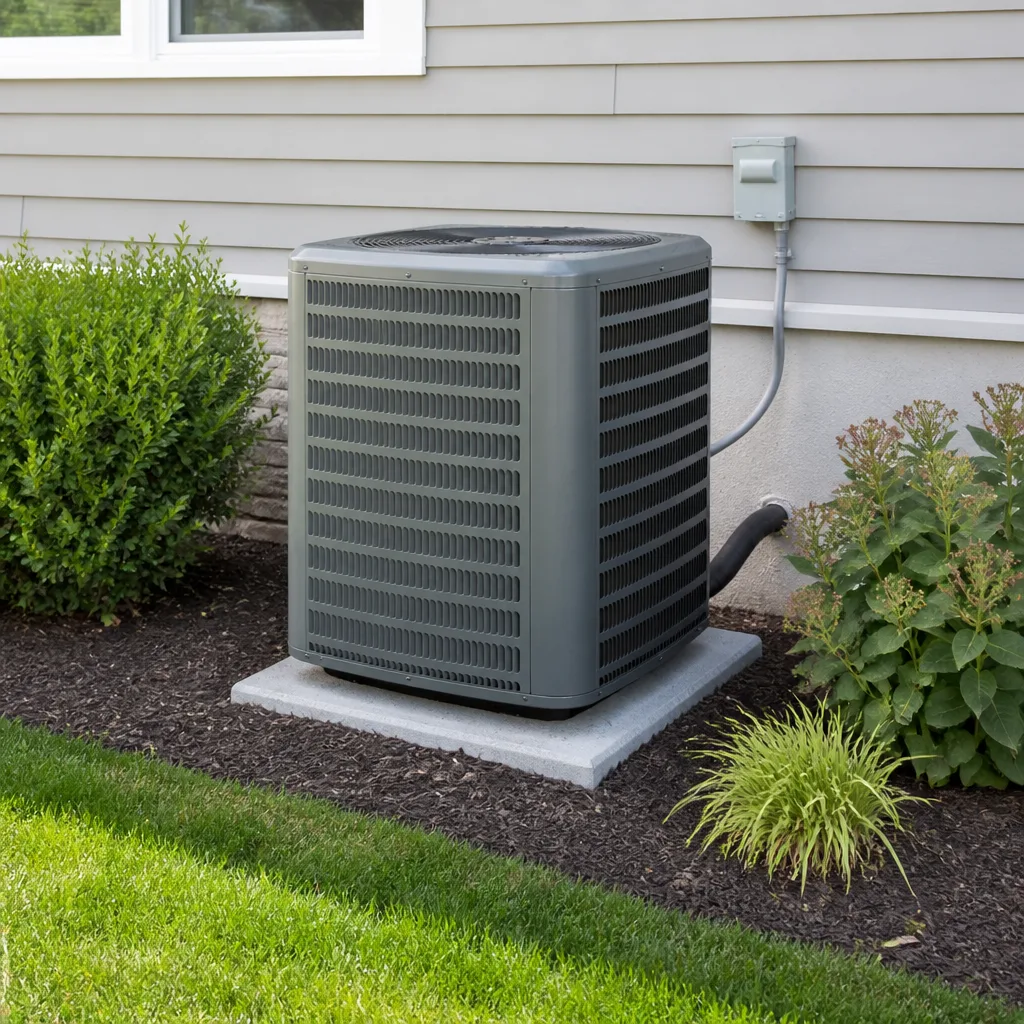 Goodman
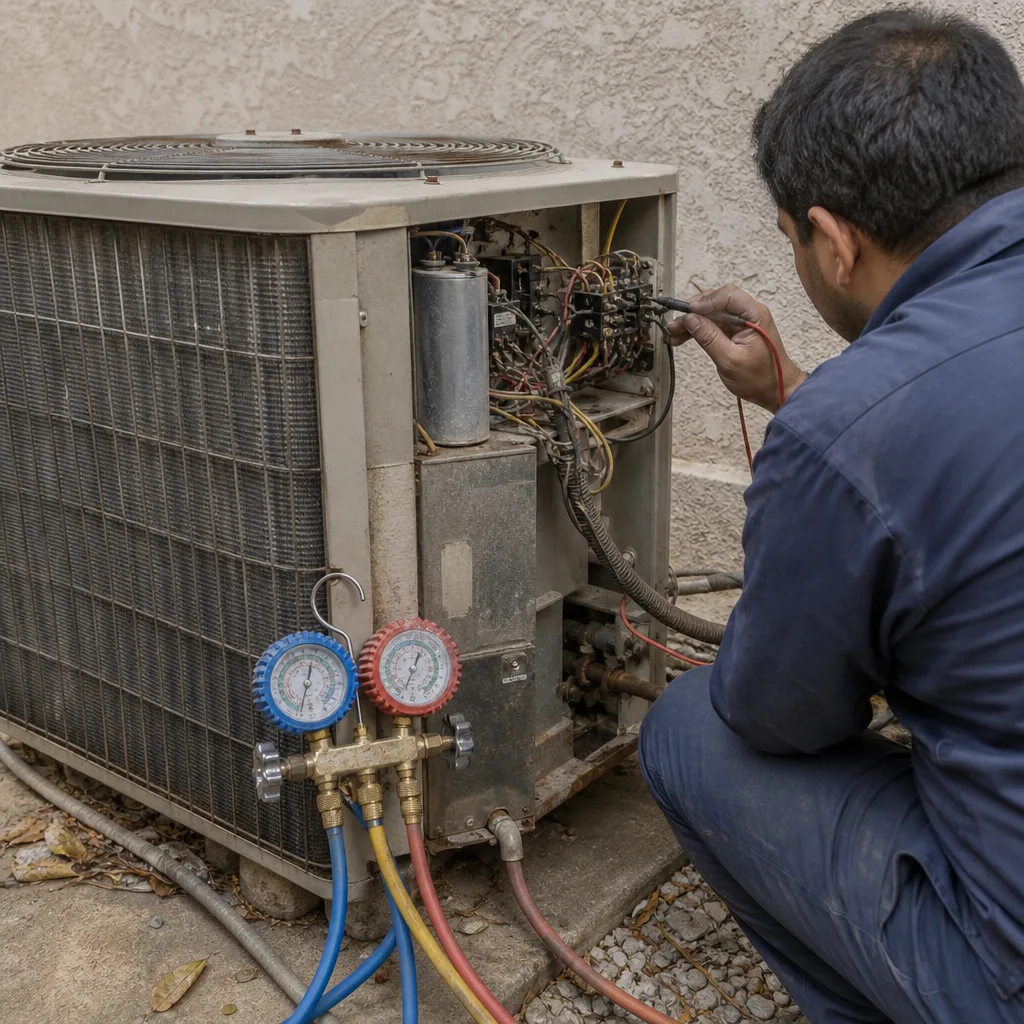
Seasonal tune-up and full diagnostic on your Carrier, Trane, or Goodman system - readings shown to you before any repair is proposed
Diagnosis first, numbers second - you approve the repair price before a single part goes in.
Get your free estimateChoosing the Right HVAC Brand: A Buyer’s Guide for Spring Valley
The brand rated number one by Consumer Reports is rated that way on aggregated data from Atlanta, Chicago, and Seattle. Your Spring Valley attic is a different machine than what those numbers were built from. An attic here spends July afternoons between 150 and 160 degrees, the condenser outside is pulling 115-degree air through the coil, and the equipment runs flat out for four months straight. National reliability scores average that away. This guide scores the major brands against the conditions actually present in Spring Valley, NV: what parts you can get at a Clark County distributor on a Tuesday in August, which manufacturers have real rep support in the Las Vegas metro, how SEER2 math shifts at desert temperatures, and what a 10-year compressor warranty actually says in the fine print.
Quick Answer
The best HVAC brand for Spring Valley is the one whose local distributor stocks its parts, whose manufacturer rep sits in the Las Vegas metro, and whose compressor warranty language protects you without a stack of exclusions. In practice that means a well-supported Carrier, Trane, or Lennox system matched to a correctly sized install, or a Goodman, Rheem, or York system where the local parts counter is strong and the price gap matters. Brand matters far less than the sizing, the install quality, and who answers when it breaks.
Styles & brands we work with
- AC repair
- Furnace & heating
- Heat pumps
- Ductless mini splits
- Carrier
- Trane
- Goodman
Table of Contents
- Why National Brand Rankings Don’t Describe Spring Valley
- How to Check Parts Availability Before You Buy
- Manufacturer Rep Support in the Las Vegas Metro
- SEER2 in Desert Climates: Why the Math Changes
- What a 10-Year Compressor Warranty Really Covers
- Brand-by-Brand Notes for Spring Valley Homes
- The Margin Question: What Your Contractor Makes on the Brand
- Why the Install Beats the Brand Every Time
Why National Brand Rankings Don’t Describe Spring Valley
Reliability rankings are built from warranty claim data pooled across the whole country. A heat pump in Portland runs a gentle shoulder season and rarely sees 100 degrees. A heat pump in Spring Valley runs 2,800 to 3,200 cooling hours a year and cycles hard from June through September. When those two machines get blended into one score, the number you read tells you more about the average of American climates than about your house on a 118-degree afternoon in the east valley.
The real failure modes here are different too. In Spring Valley we see:
- Capacitors and contactors failing in the first hot week of June, because they sat through a winter and then got hammered at 155-degree attic temperatures
- Drain lines clogging with dust and cottonwood, then tripping the float switch mid-July
- Compressors that run at the edge of their envelope all summer and show it after year eight or nine, not year twelve
- Coils that lose capacity faster than the national average because of dust loading and hard dry air
None of that maps cleanly to a star rating. What it does map to is parts, support, and the quality of the person who installed the system. That’s what the rest of this guide is about.
How to Check Parts Availability Before You Buy
A discontinued part in August is a real problem, and it’s the single most overlooked factor in brand choice. Every major brand has a distributor network, but the depth of local stock in Clark County varies. Before you sign anything, do a five-minute check.
- Ask the contractor which distributor they buy the brand from. If they can’t name one, that’s your answer.
- Ask what happens when a condenser fan motor fails in July – is it on the shelf locally, or shipped from a regional warehouse in another state?
- Check whether the brand is a “factory-direct” line in this market or sold through independent distribution. Factory-direct lines often have faster parts turnaround but thinner repair options.
- Ask about common failure parts specific to desert heat: capacitors, contactors, fan motors, and TXVs.
- Confirm whether the contractor keeps a small stock of the parts that fail most often on the brand they’re pushing.
Goodman and Rheem tend to have strong presence at local parts counters, which is one reason they’re common in Spring Valley service fleets. Carrier, Trane, and Lennox typically run through dealer-distributor networks with solid metro coverage. The practical test isn’t which brand has the biggest national footprint. It’s which brand’s parts are on a shelf within an hour of your house when it’s 112 outside.
Manufacturer Rep Support in the Las Vegas Metro
When a warranty claim gets contested, the deciding factor is often whether a manufacturer’s local representative will go to bat for you. Reps cover territory. A brand with an active rep in the Las Vegas metro can usually push a borderline claim through, get a part expedited, or approve a goodwill repair on a system that’s a few months out of coverage. A brand without that local presence means your contractor fights through a call center.
In our experience across Spring Valley, the brands with the most reliable metro rep coverage tend to be Carrier, Trane, and Lennox – they treat Southern Nevada as a serious cooling market and staff it accordingly. Goodman and Rheem also have distribution depth here because the volume is high. York is present but thinner on retail rep support; it’s often a stronger fit for commercial work than for a homeowner who wants a quick warranty handshake.
How to ask about this without getting a sales pitch:
- “Who is your area rep for this brand, and how fast do they respond?”
- “Have you filed a warranty claim on this brand in the last six months? How did it go?”
- “If the compressor fails at year nine, do you handle the paperwork or do I?”
Contractors who know their rep by first name are usually the ones who get things done. That matters more than a brochure claim.
SEER2 in Desert Climates: Why the Efficiency Math Changes
SEER2 is tested at standardized conditions: 80 degrees indoors, 95 degrees outdoors. Your Spring Valley attic is not 95 degrees. The condenser outside is pulling in 115-degree air, and in a tight side yard with a west-facing wall it can be hotter than that at 4 p.m. The efficiency number on the box is real, but it describes a milder climate than the one your system lives in.
Two things happen in desert heat. First, the gap between rated SEER2 and actual efficiency widens – a 15 SEER2 unit in Spring Valley delivers more like 11 to 12 in real-world equivalent. Second, the gap between brands narrows, because every brand loses efficiency in extreme heat; the difference is how gracefully it does so. Higher-end variable-speed and two-stage systems from Carrier, Trane, and Lennox hold capacity better in high ambient than single-stage units, mostly because they can run long and slow instead of short-cycling.
What that means for buying:
- A 15 SEER2 single-stage unit in a Spring Valley home with west-facing glass may cost more to run than a 16 SEER2 two-stage, because the two-stage runs longer cycles at lower speed
- Don’t buy a high-SEER2 system and then choke it with undersized ductwork – the efficiency never shows up
- Ask about the EER2 rating, not just SEER2, because EER2 is measured at a higher outdoor temperature and tracks desert performance better
If you want the technical detail on how the equipment selection interplays with actual Spring Valley summer loads, our AC Repair & Installation in Spring Valley page walks through it. The short version: don’t buy a number off a sticker. Buy the number that survives your climate.
What a 10-Year Compressor Warranty Really Covers
A 10-year compressor warranty sounds like a decade of protection. In the fine print, it’s a 10-year parts warranty on one component – not labor, not refrigerant, not diagnostic time, not the trip charge. And it typically has conditions that void it in exactly the kind of install a rushed contractor does.
Here’s what to compare across brands:
- Registration window: Most manufacturers require online registration within 60 to 90 days of installation. Miss it and the warranty drops to 5 years. Whoever installs must handle this for you, or you lose half the term.
- Original-owner only: Several brands tie the 10-year term to the original homeowner. Sell the house and it may drop to 5. Ask before you buy.
- Labor exclusion: The compressor may be covered; the 4 to 8 hours of labor to swap it usually isn’t.
- Refrigerant exclusion: R-410A and R-454B refrigerant is expensive. Many warranties exclude it.
- Maintenance requirement: Some brands require documented annual maintenance or they can deny the claim. That’s a real reason to keep maintenance records.
- Proper installation clause: If the system was installed outside manufacturer spec – wrong line set size, missing filter drier, wrong charge – the warranty can be denied entirely.
In practice, Carrier, Trane, and Lennox have the most robust language and the highest claim approval rates we see, but the differences matter less than the installer doing the paperwork. Goodman and Rheem offer generous terms for the price point; the catch is usually stricter registration requirements. A locked compressor at year nine is a $1,800 to $2,600 repair in Spring Valley. The warranty details are worth asking about before you buy, not after.
Brand-by-Brand Notes for Spring Valley Homes
Every major brand works in Spring Valley when installed correctly. The honest differences come down to parts support, price tier, and how the manufacturer handles claims. Ray services all of them – Carrier, Trane, Lennox, Goodman, Rheem, York, Daikin, Bryant, and American Standard – so this isn’t a pitch for one line.
Here’s what we see in the field:
- Carrier and Bryant (same corporate family): strong metro rep support, dependable parts depth in Clark County, upper-mid price. The Infinity line is where the efficiency math actually shows up in the summer bill. Good fit for a homeowner who keeps the system 12 to 18 years.
- Trane and American Standard (same family): similar picture, slightly different packaging. Compressor and coil reliability tends to be top-tier. Dealer network is deep here, so repair options are good.
- Lennox: excellent efficiency in the premium tiers, and strong metro support. Parts cost a touch more than mid-tier brands. If the budget allows, the two-stage and variable-speed options are worth the jump.
- Goodman: the workingman’s brand for a reason. Parts are widely stocked, price is lower, install quality drives the lifespan. In Spring Valley we see plenty of Goodman systems run well past 15 years because the install was done right.
- Rheem: similar value tier with reliable parts availability, good for budget-conscious replacements where the installer is solid.
- York: capable equipment; rep support in the metro is thinner than the majors, so warranty paperwork can be slower. Fine on a tight budget with a contractor who knows the brand.
Brand choice matters less the smaller your budget, because in that range the install quality is the dominant factor. It matters more the bigger your budget, because premium systems only pay back when they’re correctly sized and matched to the ductwork. For a look at how the equipment ties into the whole system, our Heating & Furnace in Spring Valley page covers the heat side of the same decision.
The Margin Question: What Your Contractor Makes on the Brand
Every contractor makes more on some brands than others. That’s not a scandal – it’s how the business works. What matters is whether the recommendation is driven by margin or by what fits your house. Here’s how to ask, and how to read the answer.
- Ask directly: “What’s your margin on this brand versus the alternatives you carry?” A contractor who flinches at this question is telling you something.
- Ask why they recommend this brand over the others they can install. “It’s what we carry” is honest. “It’s the best” without specifics is not.
- Ask what they’d put in their own house in Spring Valley. The answer should mention climate, sizing, and the specific needs of a desert install – not just brand name.
- Get a second opinion on the written estimate. That’s why we offer a standing Free Second Opinion on any written estimate, and a No Trip Charge inside the county. You shouldn’t have to take the first number on faith.
At Ray’s Heating & Air Spring Valley, we don’t tie ourselves to one brand because the margin says so. We’ll install the brand that fits your house, your budget, and the parts support available to you in Spring Valley. If that’s Goodman because the local counter has every part on the shelf, we say so. If it’s a top-tier Carrier because you’re staying 15 years and want the efficiency, we say that too.
Why the Install Beats the Brand Every Time
We’ve seen a $9,000 Carrier system fail at year six because it was installed on undersized ductwork with the wrong charge. We’ve seen a $5,000 Goodman run past 18 years in a Spring Valley house because the installer took three extra hours to do it right. The brand is the hardware. The install is the machine.
What “installed right” means in Spring Valley:
- Manual J load calculation done for your actual house, not a guess off square footage
- Ductwork checked for static pressure before the new system goes in – if it’s not right, the new equipment just works harder
- Line set sized to the manufacturer spec, filter drier replaced, nitrogen purge during brazing
- Charge set by subcooling or superheat, not just by weight
- Attic installs done with the system on vibration pads, drain lines run with a float switch, and insulation put back properly
- Warranty registration filed by the contractor, not handed to you
If you’re weighing repair versus replacement, or looking at heat pumps specifically for this climate, the Heat Pump & Mini Split in Spring Valley page has the trade-offs. Either way, the question to ask isn’t “which brand?” It’s “who’s going to install it?” The 90-Day Done Right Promise exists for exactly that reason – if it’s not done right, one call brings Ray back and he makes it right. That’s a written commitment on every heating and cooling job, no matter what name is on the box.
Common Mistakes to Avoid
- Buying on brand ranking alone. A national star rating says nothing about how a Spring Valley system holds up at 155-degree attic temperatures. Look at parts support, rep coverage, and install quality.
- Ignoring the EER2 rating. SEER2 alone tells you the efficiency at mild conditions. EER2 tells you the efficiency at high outdoor temps, which is what Spring Valley actually runs.
- Assuming a 10-year warranty covers the repair. Most cover the compressor parts only. Labor, refrigerant, and diagnostic time are usually on you.
- Skipping the manual J. Undersized or oversized systems both fail this climate. If nobody’s calculated the load on your house, don’t sign.
- Missing the warranty registration window. Most brands drop to 5 years if registration isn’t filed within 60 to 90 days. Make sure the installer handles it.
- Not asking what parts are stocked locally. A discontinued part in August is a genuine emergency in Spring Valley. Ask about the parts counter before the equipment goes in.
- Taking the first quote without a second opinion. A written second opinion on the estimate costs nothing and often reveals the difference between an honest install and a rushed one.
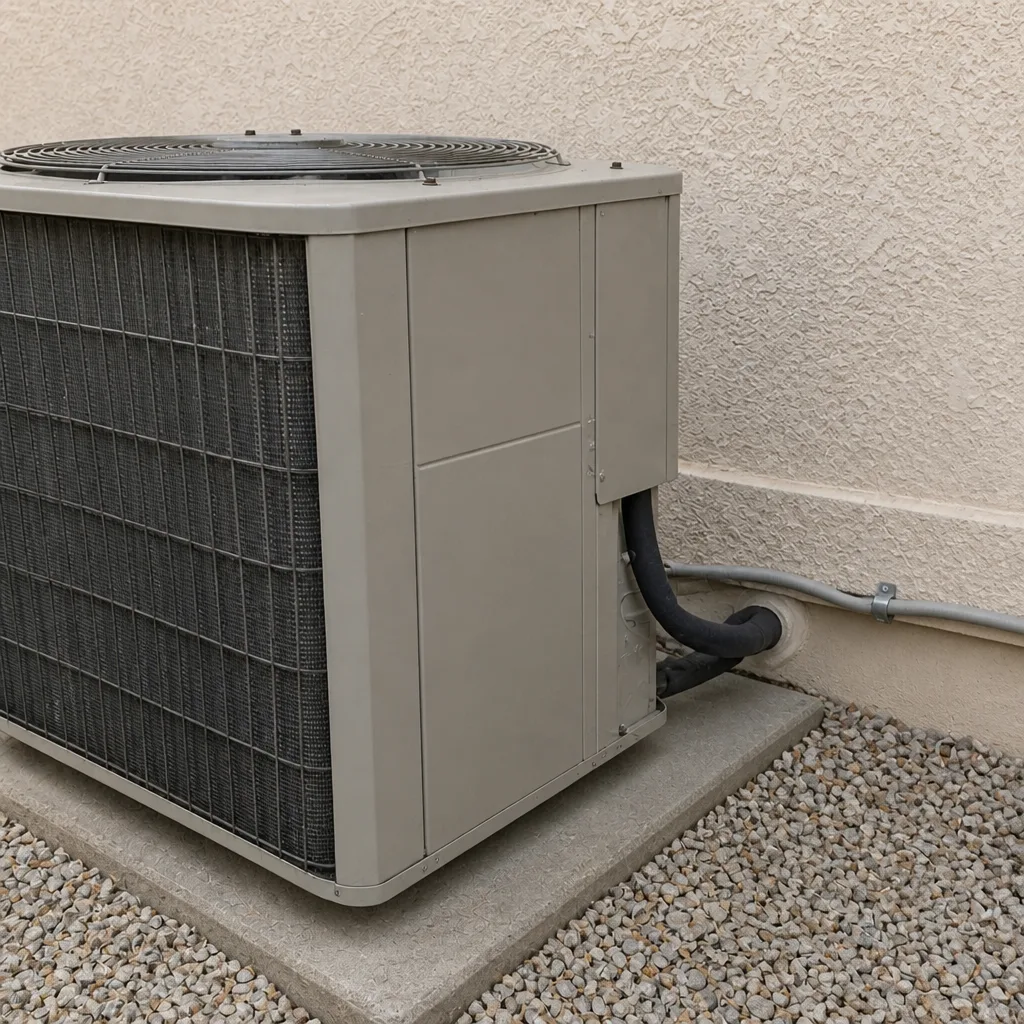
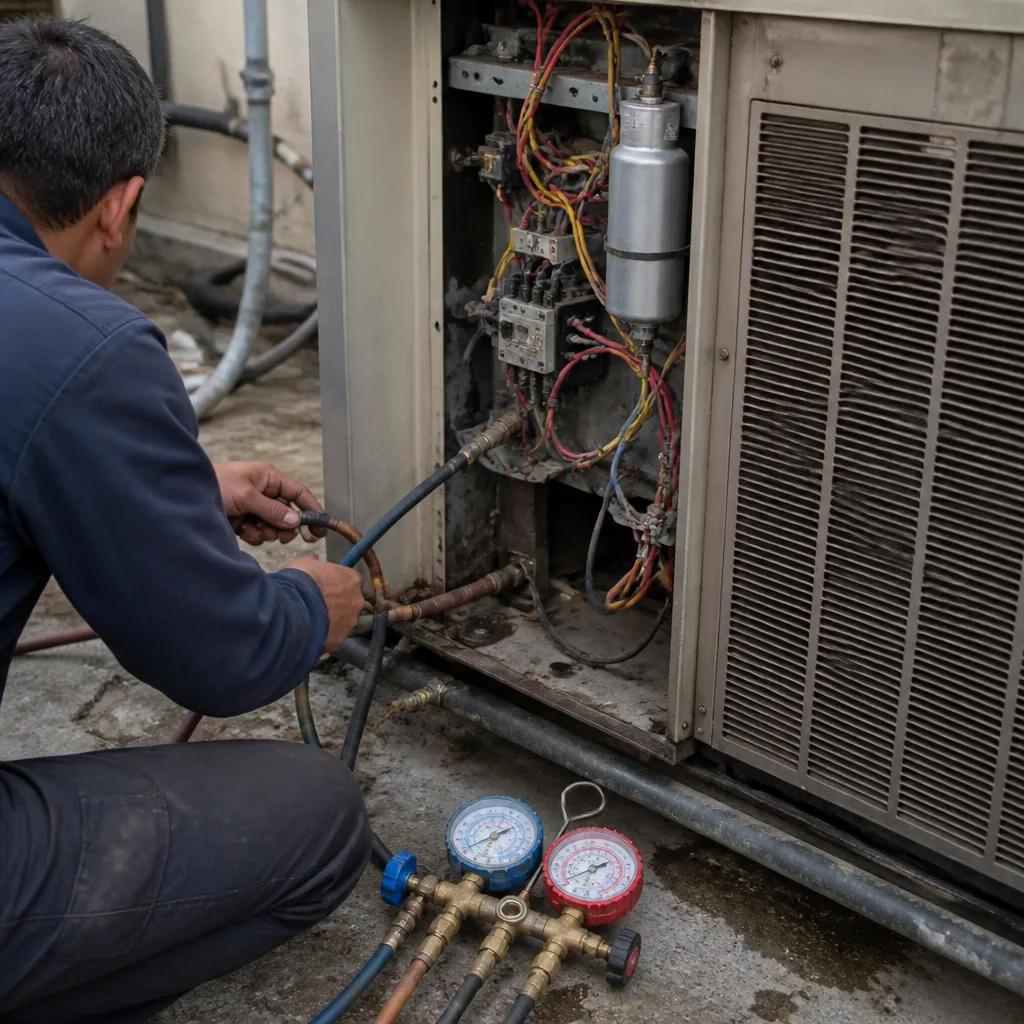
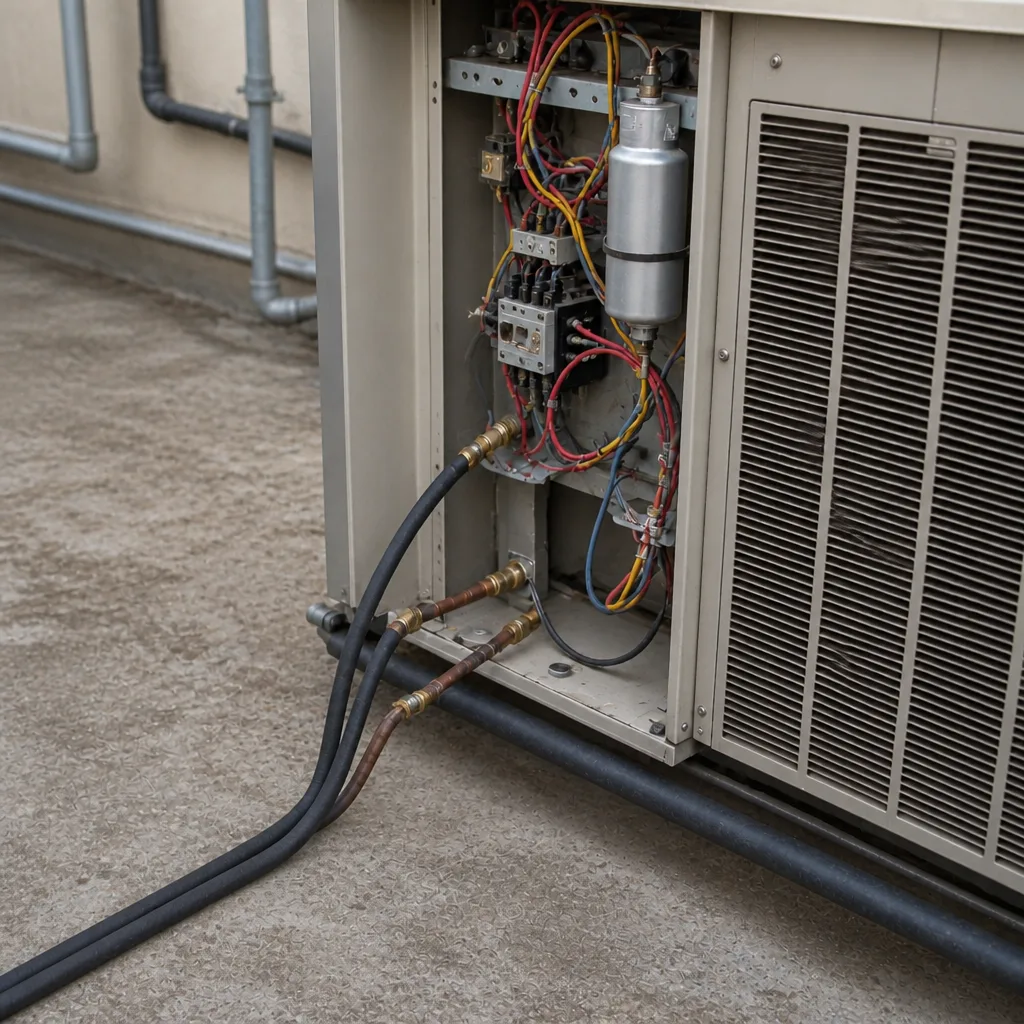
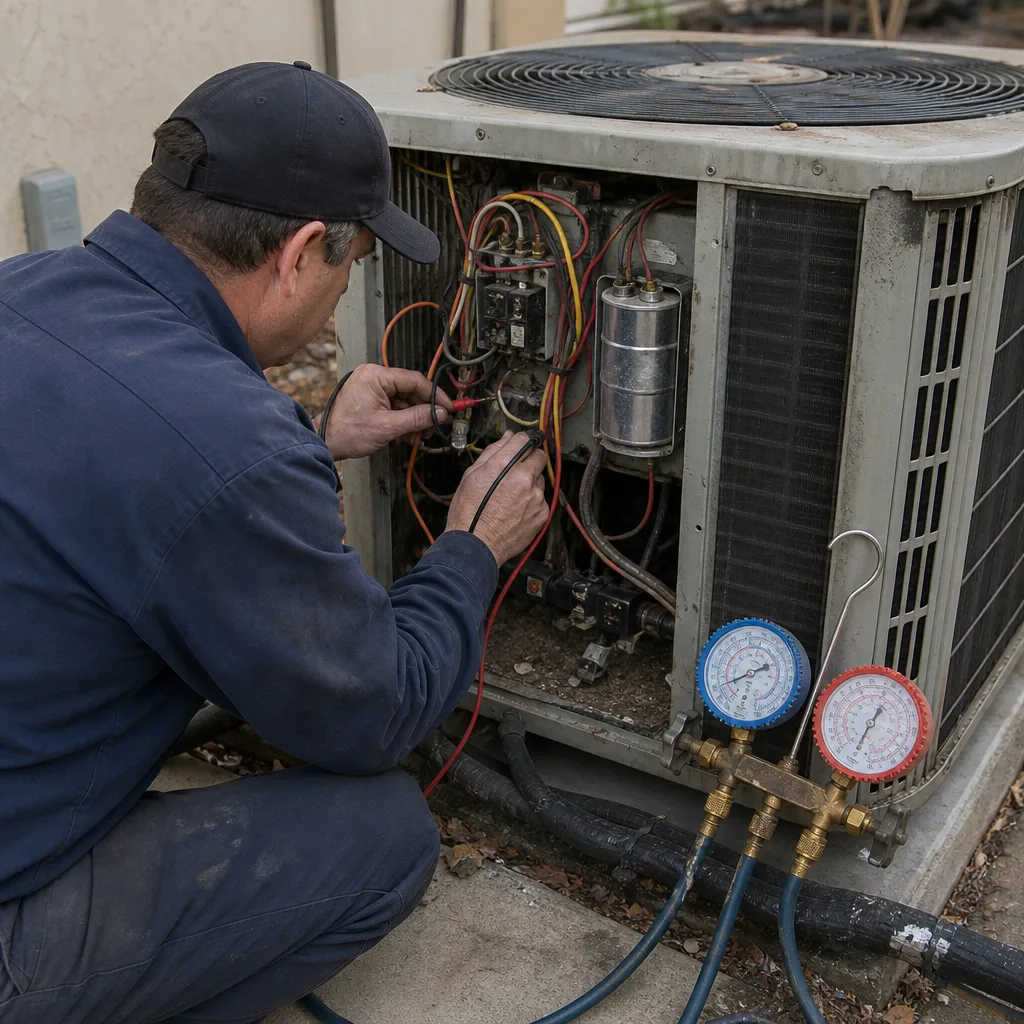
See the difference
 Before
 After
 Before
 After
 Before
 After
When to Call a Professional
If you’re comparing brands for a replacement, the first call should be a load calculation, not a quote. If your system is more than 12 years old and you had a refrigerant leak this summer, that’s a signal to look at replacement rather than another repair. If your electric bill jumped 20 percent or more year over year with the same usage, the system is losing efficiency. If it’s blowing warm air and it’s over 100 outside, that’s an emergency – a failed system in a Spring Valley July is a health risk, not just an inconvenience. And if you’ve had three repairs in the past two summers, you’re spending on the wrong end of the equation. Ray’s Heating & Air Spring Valley offers free estimates in Spring Valley – call (833) 620-7288. A live person answers, day or night, and if it’s two in the morning, it’s Ray himself.
Frequently Asked Questions
There isn’t one “best” brand for Spring Valley – the best brand for your house is the one with local parts support, metro rep coverage, and an installer who does a proper load calculation. Carrier, Trane, and Lennox have the strongest dealer and rep networks in the Las Vegas metro. Goodman and Rheem are solid value choices with deep parts availability. Call (833) 620-7288 for a free estimate and a straight answer on which fits your home.
No. SEER2 is rated at 95-degree outdoor conditions, and Spring Valley routinely hits 115 with attic temps 40 to 50 degrees higher. A rated 15 SEER2 unit delivers closer to 11 to 12 in real desert performance. Ask about EER2 as well – it reflects high-temperature efficiency more accurately. Call (833) 620-7288 to talk through the numbers on your specific house.
Ask the contractor which distributor they buy from and whether common failure parts (capacitors, contactors, fan motors) are on a local shelf. Goodman and Rheem tend to have the widest local parts presence in Clark County; Carrier, Trane, and Lennox run through dealer networks with solid metro stock. If the contractor can’t name a distributor, that’s the answer. Call (833) 620-7288 for a no-trip-charge visit inside the county.
It covers the compressor part for 10 years if registration is filed and maintenance requirements are met – it usually doesn’t cover labor, refrigerant, or diagnostic time. Some brands tie the 10-year term to the original owner only. The fine print matters: read it, and confirm the installer handles registration. Call (833) 620-7288 for a free second opinion on any written estimate.
Install quality matters more than brand at every budget. A budget Goodman installed correctly will outlast a premium Carrier installed poorly. Premium systems like the Carrier Infinity or Trane variable-speed lines make sense if you plan to stay more than 10 years and want lower summer bills. Budget choices make sense if the underlying ductwork and sizing are right. Call (833) 620-7288 for the honest version.
Just ask directly: “What’s your margin on this brand versus the others?” A straight contractor will tell you, or explain why they recommend one over another. A contractor who dodges the question is telling you something too. Ray publishes his name, address, and license number, so you can verify who you’re dealing with before you sign. Call (833) 620-7288 and ask anything.
The Bottom Line
Brand matters. Install matters more. Parts availability at Clark County distributors and local manufacturer rep support matter just as much as the label on the condenser. SEER2 is a real number, but it describes a milder climate than your Spring Valley attic. A 10-year compressor warranty is worth reading line by line, not skimming. And the brand ranked number one by Consumer Reports was ranked that way on data your house never generated. Pick a brand that has parts on a local shelf, and pick an installer you’ll see again at the hardware store. That combination is what gets a system to year 15 in this valley.
Ray’s Heating & Air Spring Valley is locally owned and owner-operated, with a published name, address, and license number. Every job carries the 90-Day Done Right Promise. For a free estimate on a new system, a second opinion on an existing quote, or just an honest conversation about which brand fits your house, call (833) 620-7288. A live person answers, day or night.
Written by the team at Ray’s Heating & Air Spring Valley.