
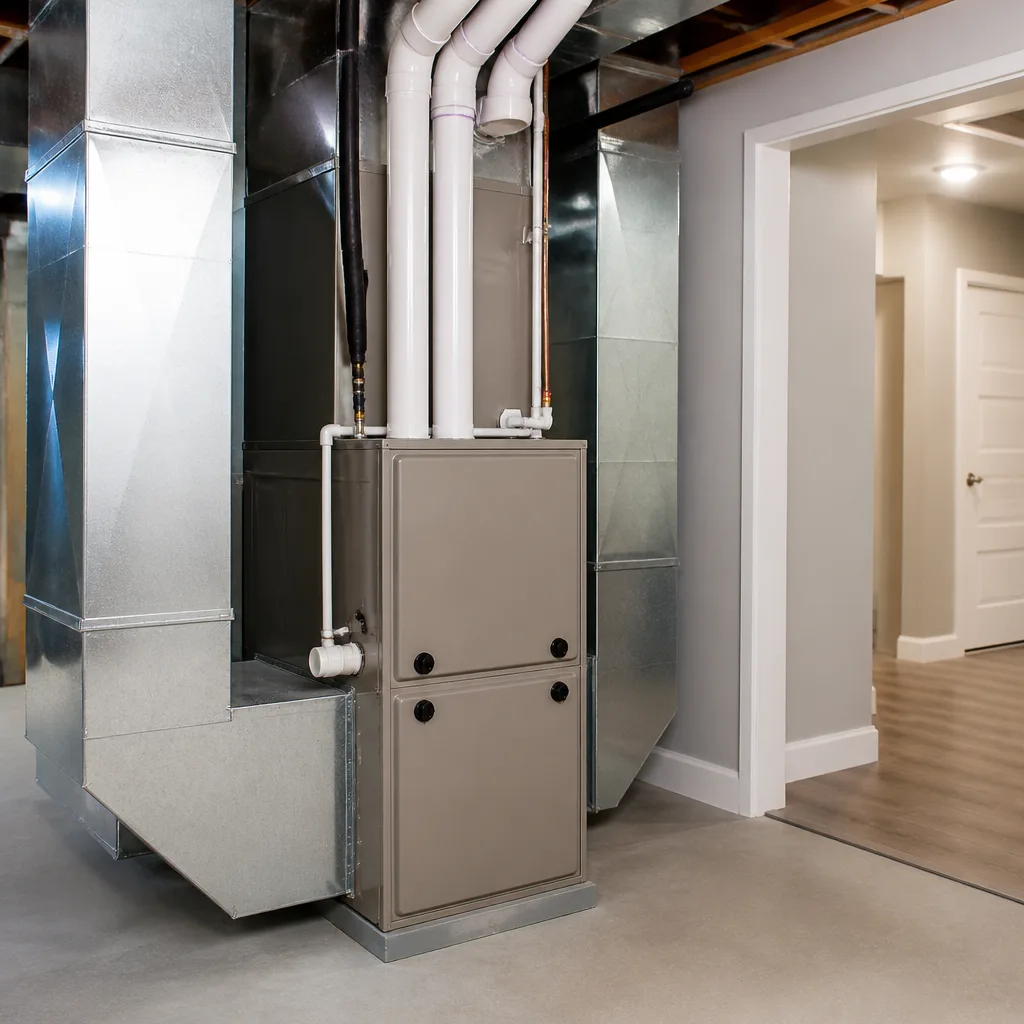
 Furnace & heating
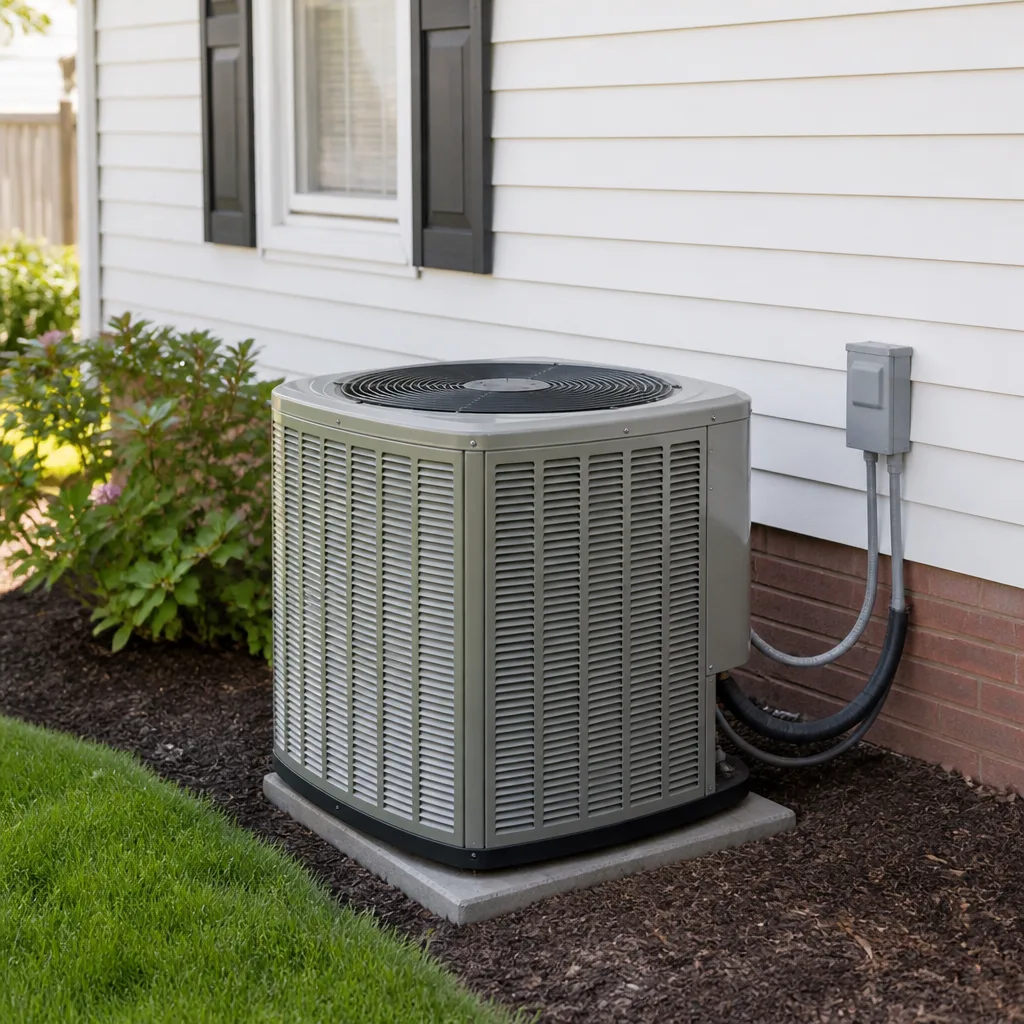 AC repair
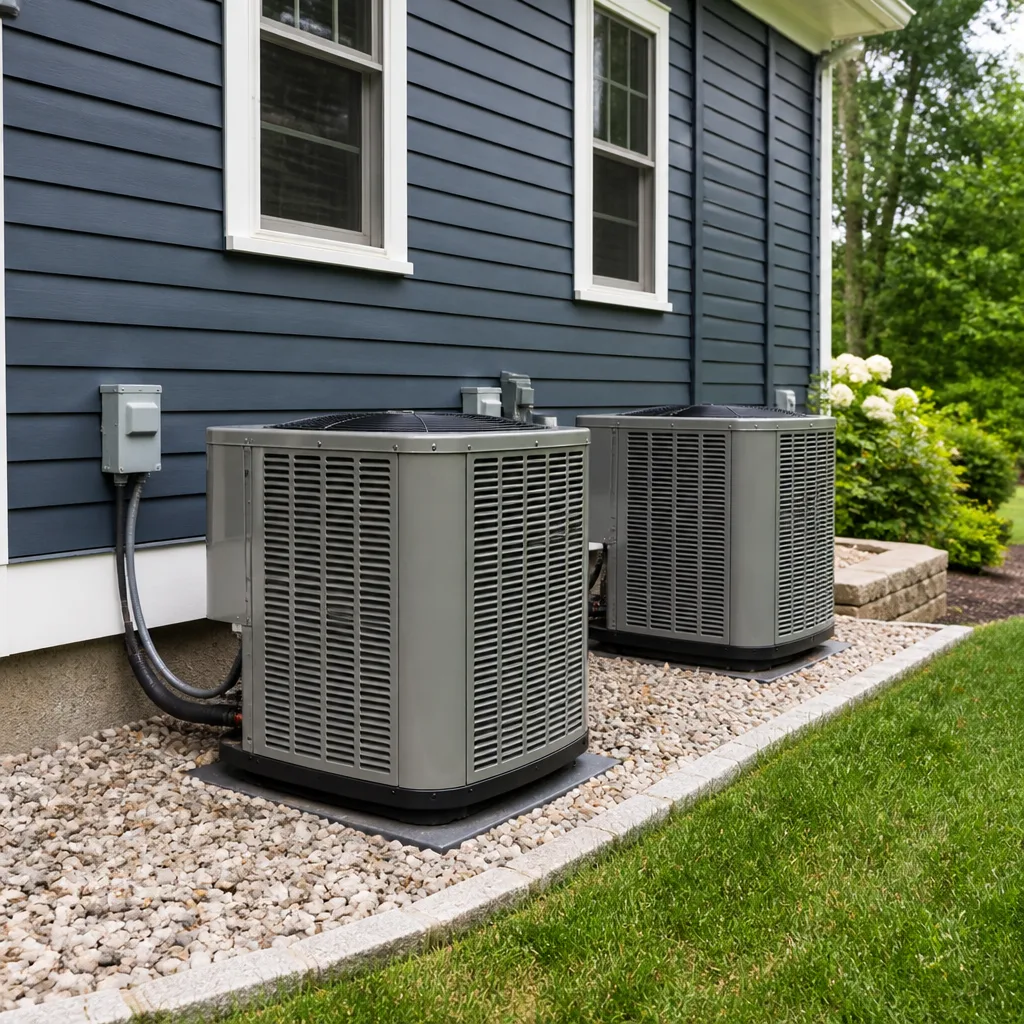 Heat pumps
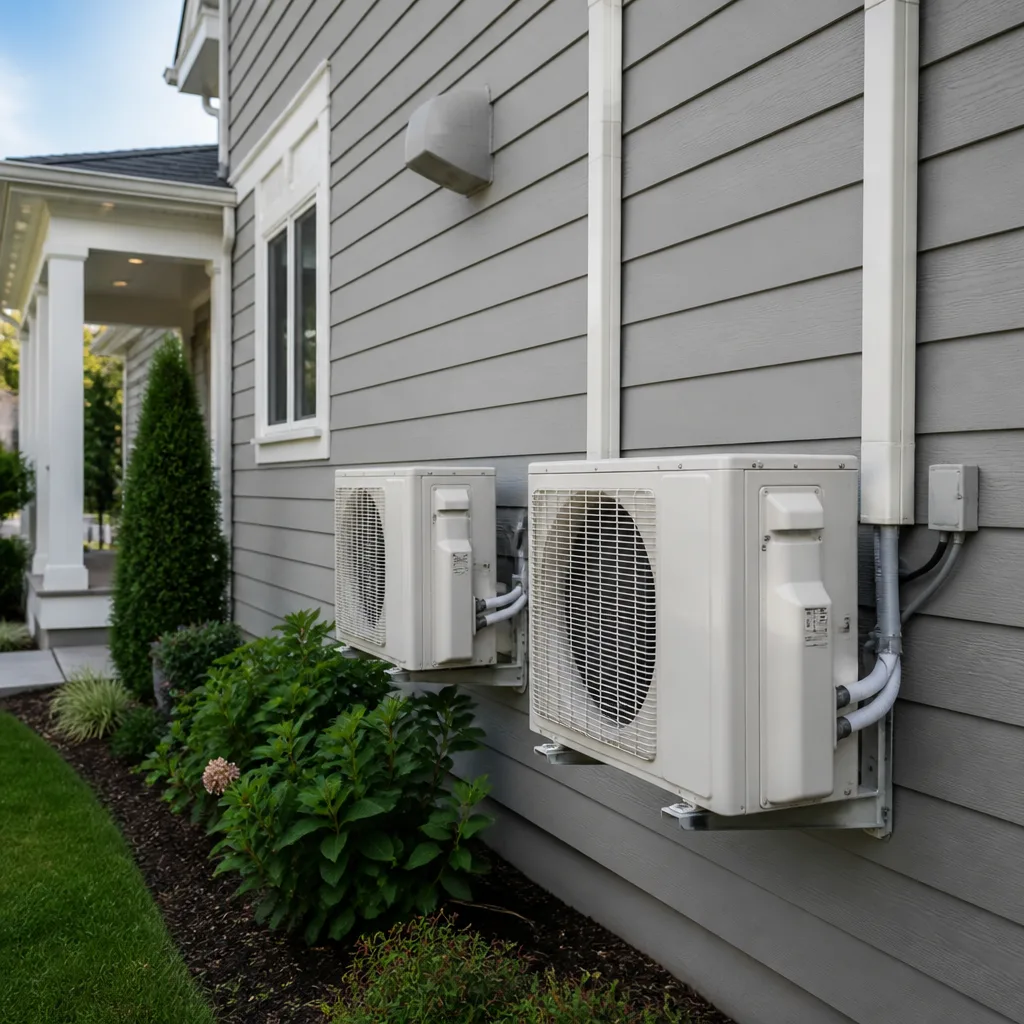 Ductless mini splits
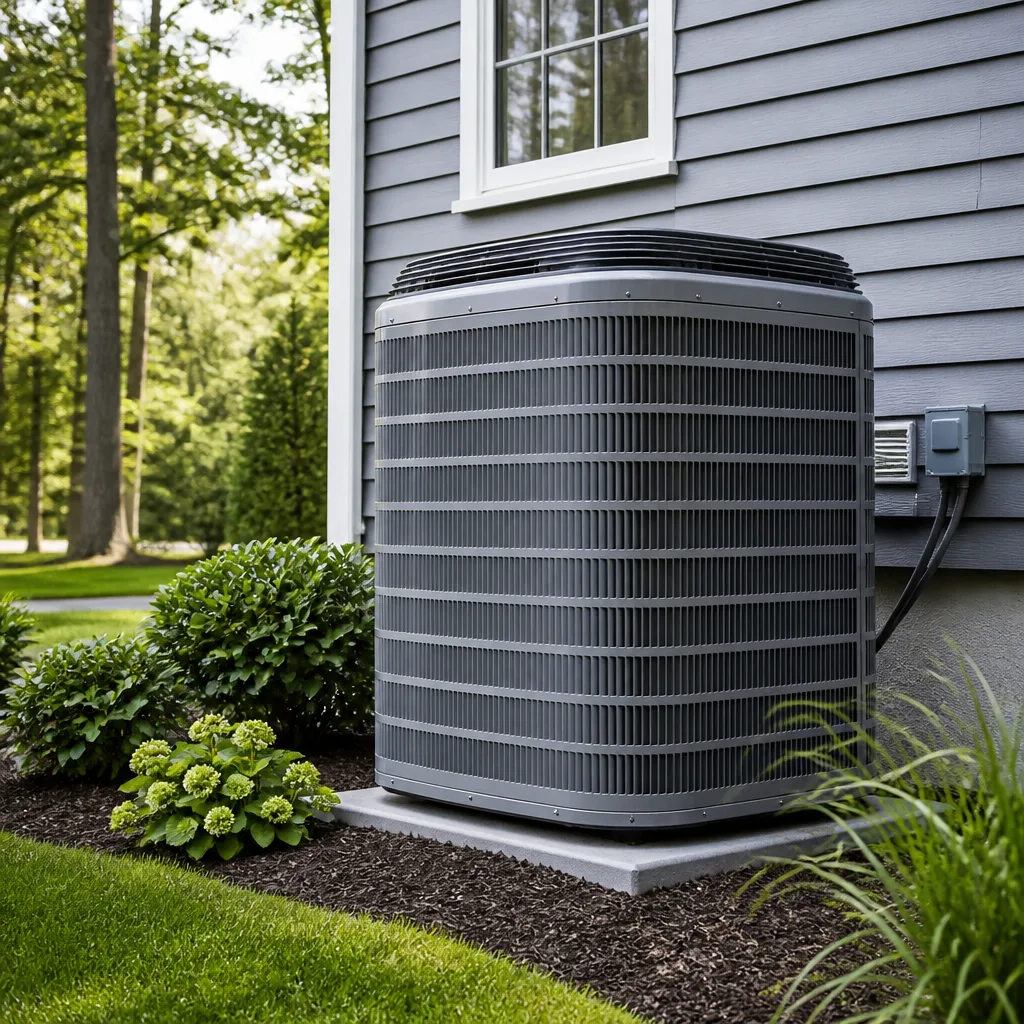 Carrier
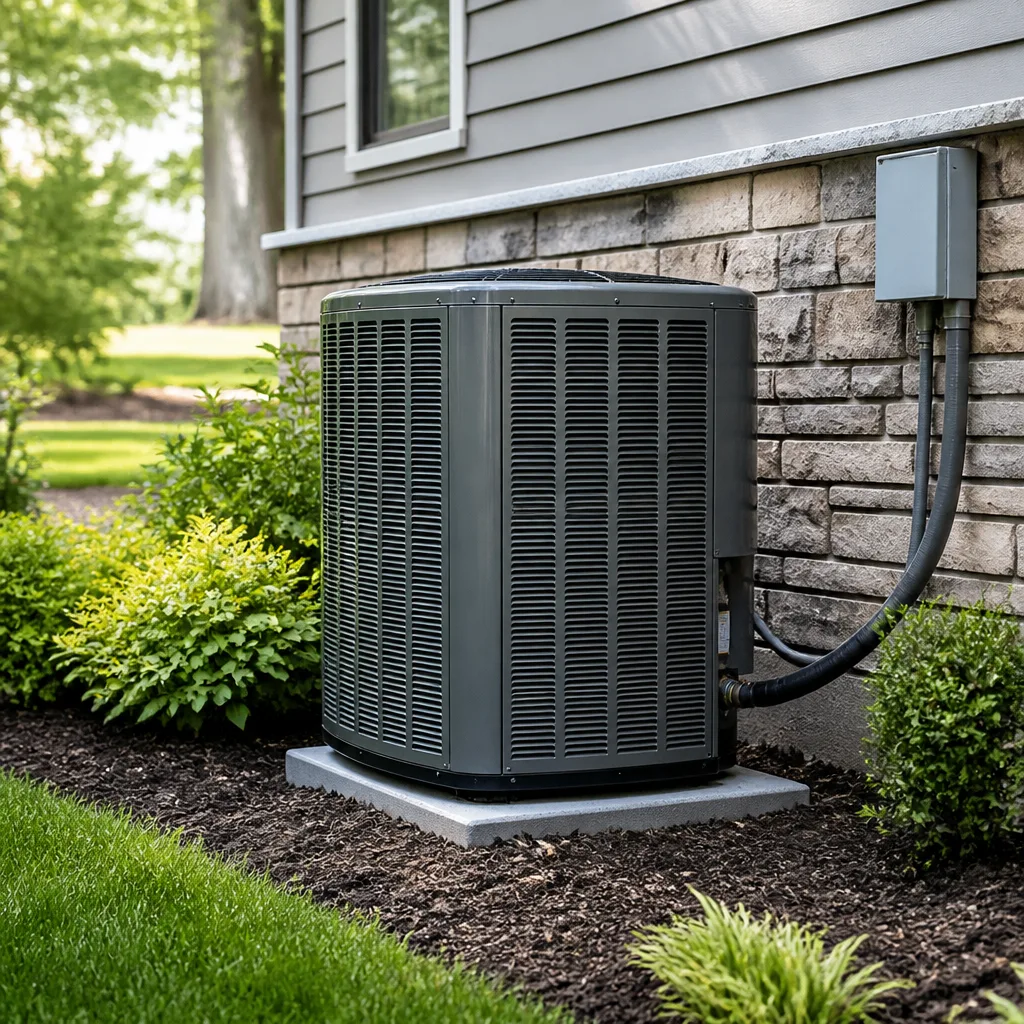 Trane
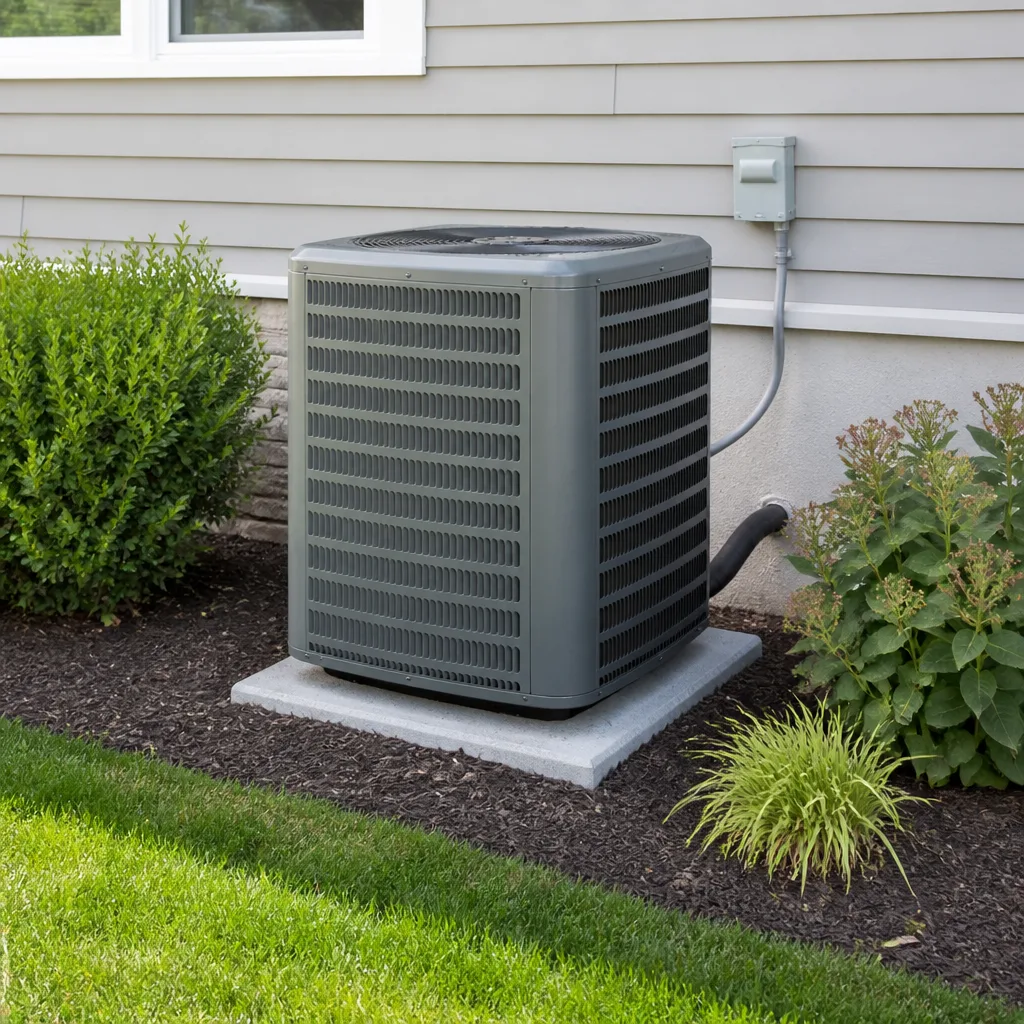 Goodman
Seasonal tune-up and full diagnostic on your Carrier, Trane, or Goodman system - readings shown to you before any repair is proposed
Diagnosis first, numbers second - you approve the repair price before a single part goes in.
Get your free estimateStyles & brands we work with
- AC repair
- Furnace & heating
- Heat pumps
- Ductless mini splits
- Carrier
- Trane
- Goodman
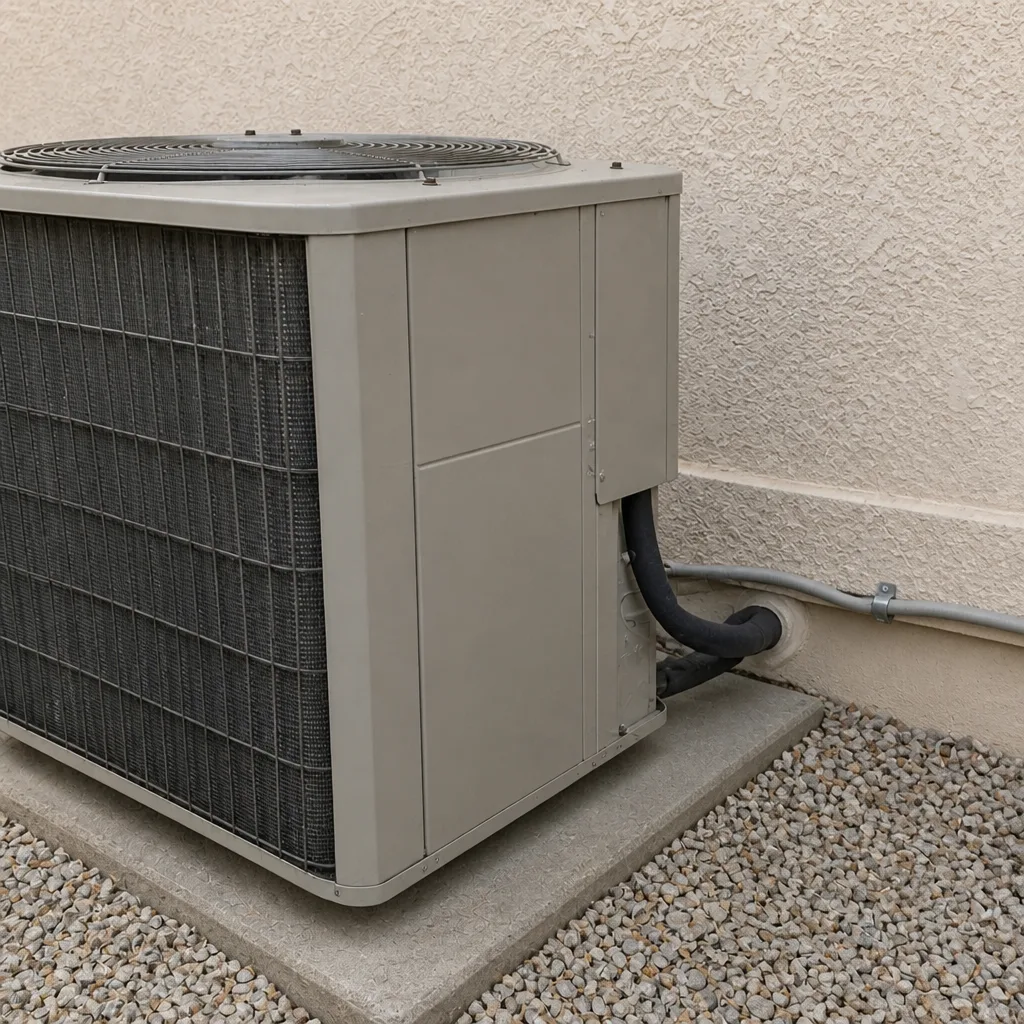
See the difference
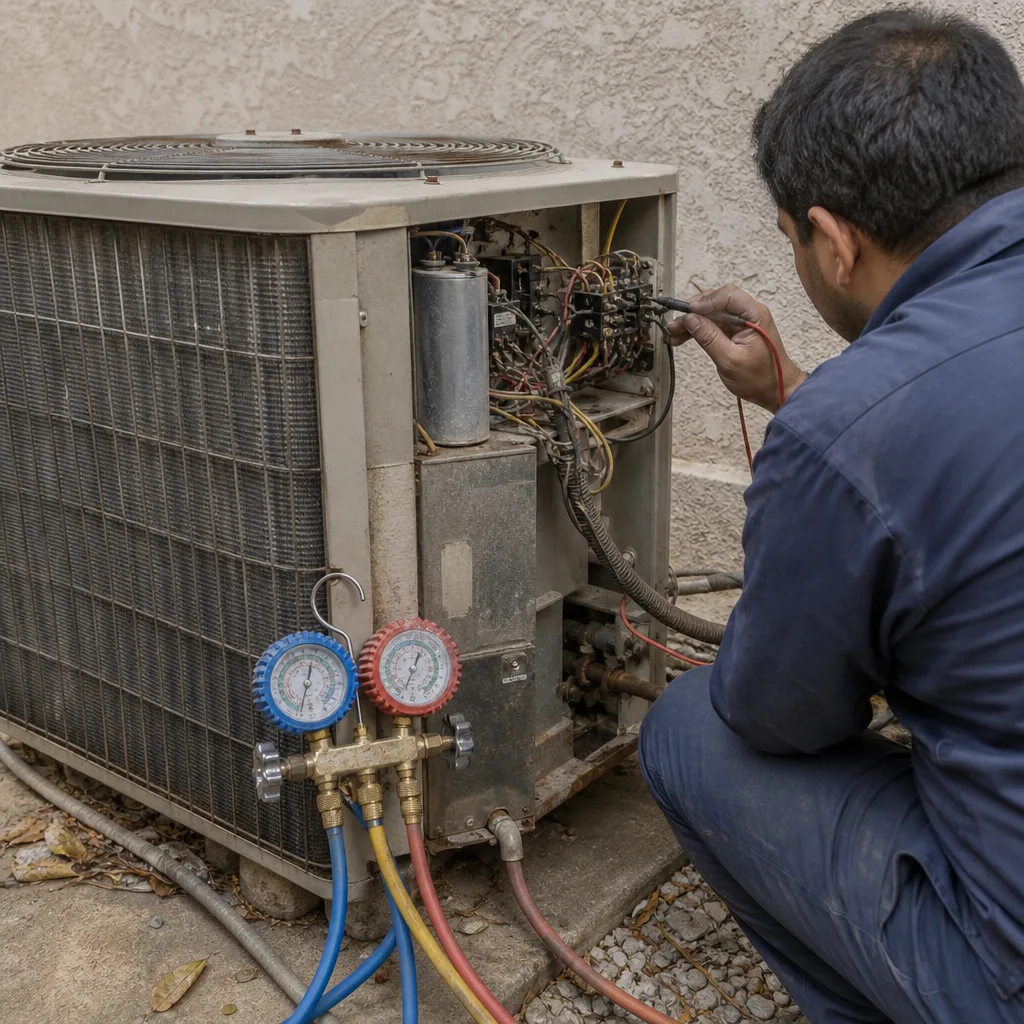 Before
 After
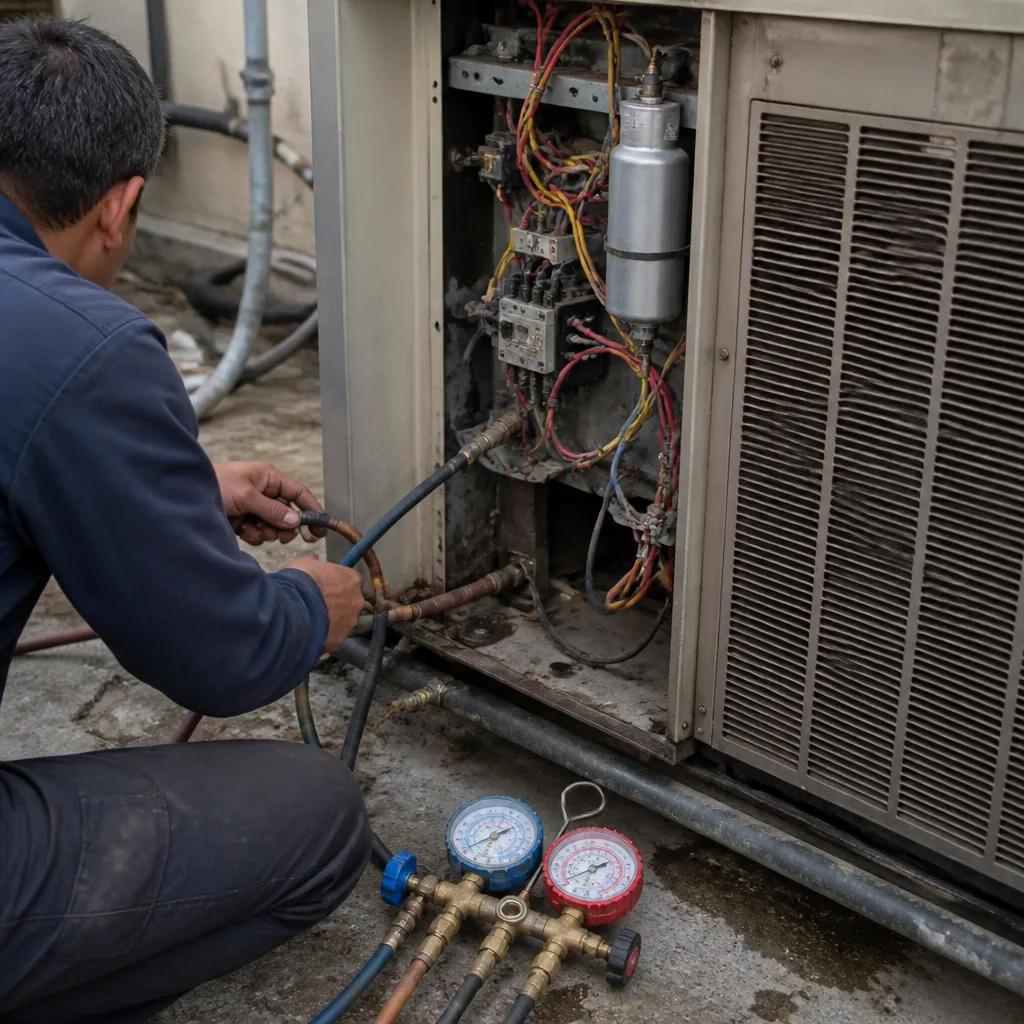 Before
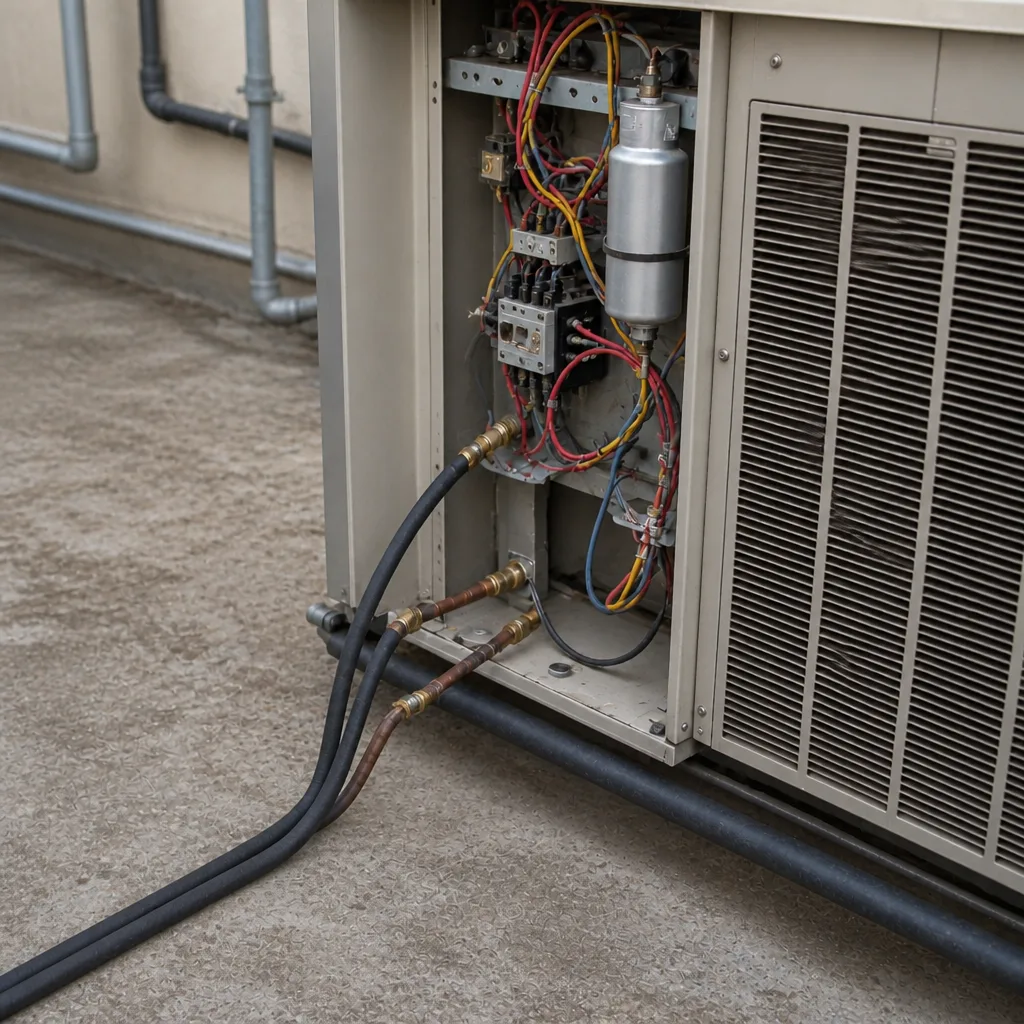 After
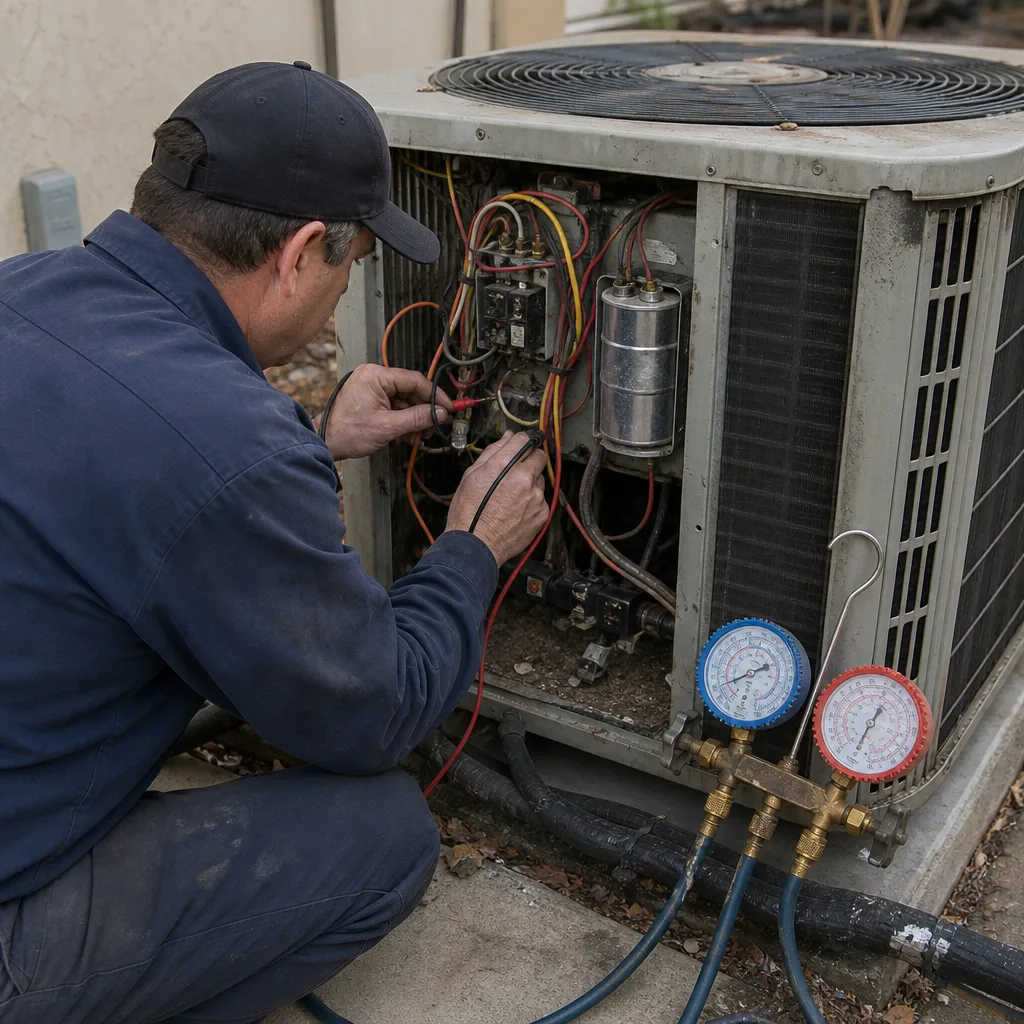 Before
 After
How Long Does a Furnace Last in Spring Valley, NV? The Honest Answer Is 10 to 14 Years Here
A furnace in Spring Valley typically lasts 10 to 14 years, not the 15 to 20 years the national guides promise. That shorter number comes from the desert itself: the same fine gypsum and silica dust that wears out AC systems here also works on furnaces from the inside, clogging secondary heat exchangers and fouling flame sensors every heating season. A system cared for on a desert-calibrated schedule can reach 15 years. One on a standard “change the filter, tune it up every other year” plan usually shows serious problems by year 10 to 12. If your furnace is in that range and acting up, call (833) 620-7288 and we’ll tell you straight where it stands.
If someone tells you a furnace lasts 20 years, ask them where they learned that. In Spring Valley, we’ve replaced furnaces at year 11 and 12 that were maintained “normally” – filter every three months, tune-up every other year. Normal maintenance for a mild climate is not normal maintenance for a house sitting in the Las Vegas Valley’s dust zone.
Why furnaces wear out faster in Spring Valley than the guides say
Spring Valley sits in the heart of the valley’s dust zone. Crushed granite and river rock landscaping is everywhere, and when the wind picks up, fine rock dust travels. Some of it ends up in your outdoor unit. The rest drifts through the house and into the return air, and the furnace wears it three ways:
- Flame sensor fouling. Gypsum and silica dust collect on the flame sensor and cause false ignition failures. The furnace lights, the sensor doesn’t read the flame, and the burner shuts down. Homeowners often assume the board is bad when a cleaning fixes it.
- Blower wheel imbalance. Dust packs onto the blower wheel unevenly, throwing it off balance. That imbalance chews through bearings a little faster every season until the motor starts drawing more amps than it should.
- High-limit trips. A loaded filter restricts airflow. The furnace overheats, the high-limit switch trips, and it does this again and again. Every trip thermally stresses the heat exchanger. Repeat that for a few winters and you’re looking at a cracked exchanger instead of a service call.
None of that shows up on a generic lifespan chart. It’s the local reality of living where the dust never really stops.
The five signs a Spring Valley furnace is done, not just broken
Most furnace problems are fixable. The trick is knowing which ones aren’t worth the money. Here’s how a diagnostic call actually sorts it out – readings first, numbers second, so you see both before anyone quotes anything.
- A cracked heat exchanger. We confirm it with a CO test, not a guess. A crack can leak carbon monoxide into the supply air. This is the one failure where we stop the conversation and talk replacement, for safety reasons.
- Blower motor bearing failure. An amperage draw test tells the story. If the motor is pulling high amps and the wheel is worn, the repair is real but the furnace is usually past its useful window anyway.
- Gas valve failure past year 12. On a younger system it’s a straightforward fix. On a 13-year-old furnace in Spring Valley, a gas valve plus whatever’s next usually isn’t worth it.
- Limit trips that come back after cleaning. If we clean the blower and exchanger plenum, restore airflow, and the high-limit still trips, the exchanger is telling you it’s fatigued.
- Secondary heat exchanger fouling on 90%-plus units. Those condensing units have a second exchanger that clogs with dust and corrodes. Once it’s fouled, efficiency drops and replacement is the honest call.
Repair typically runs $150 to $700 depending on the part. When a repair climbs toward the top of that range on an old system, we’ll say so. Heating & Furnace work is what we do most in the winter months, and we’d rather fix what’s fixable than sell you a furnace you don’t need.
What the Spring Valley housing stock is hiding
Most of Spring Valley’s homes are 1980s-to-2000s stucco-and-tile tract houses and low-rise condos, and a lot of those furnaces were already replaced once during the R-22-to-R-410A era. That puts a chunk of the neighborhood on its second replacement cycle right now. Here’s the problem: many of those second-generation units went in on the original undersized ductwork and have been running above design static pressure since day one. Restricted airflow plus desert dust is a hard combination on a heat exchanger.
Add the attic reality – shallow, tight scuttle, hard to reach – and you get furnaces that don’t get looked at as closely as they should. That’s part of why the practical lifespan here lands lower than the chart.
Why continuity matters more than the brand on the door
We service all the major brands – Trane, Lennox, Goodman, Rheem, Carrier, York, Daikin, Bryant, and American Standard – so brand isn’t the deciding factor in how long yours lasts. Maintenance history is. A technician who has been to the same house several times over six years actually knows the furnace: when the last limit trip happened, what the flame sensor looked like two winters ago, whether the exchanger showed stress marks at the last inspection. That history changes the repair-or-replace conversation more than any spec sheet.
Ray’s Heating & Air Spring Valley is owner-operated, and calls are answered by a live person around the clock. Our technicians have up to 24 years of experience, and we back every heating and cooling job with the 90-Day Done Right Promise in writing – if it isn’t done right, we make it right with one call. Curious how the rest of the system stacks up? Start with our home page or dig into the heating side specifically.
What upkeep actually buys you in years
A desert-calibrated maintenance plan isn’t complicated, but it looks different from the national checklist. Change filters on a schedule that matches the dust, not the calendar on the box. Have the blower wheel and heat exchanger plenum cleaned annually. Call the moment the high-limit trips instead of waiting to see if it “settles down.” Do that and 15 years is realistic. Skip it and year 10 to 12 is when the big bills show up. A tune-up runs $80 to $200 in Spring Valley, which is a lot cheaper than a mid-winter replacement.
FAQs
In Spring Valley, expect 10 to 14 years for a system on a standard maintenance schedule, and up to 15 with desert-specific care. The national 15-to-20-year figure assumes a milder, less dusty climate. Here the dust and the limit trips age the heat exchanger and blower faster. If you’re near year 10 and unsure, call (833) 620-7288 for a straight answer.
At year 12, a single inexpensive repair is usually worth doing, but a gas valve, blower motor, or cracked heat exchanger points toward replacement. We run the CO test and the amperage draw test before quoting either way, so you’re deciding on readings, not a sales pitch. Call (833) 620-7288 and we’ll walk you through it.
Not by itself, but a dirty flame sensor is a symptom. It means dust is getting into the system, and that same dust is loading the blower wheel and restricting airflow. Fix the sensor and ignore the dust and the limit trips keep coming. Estimates are free, so call (833) 620-7288 to get it checked.
Yes – Spring Valley heating calls get same-day attention when the schedule allows, and a live person answers the phone around the clock. We confirm what’s wrong with real readings before anyone says the word compressor or quotes a number. Call (833) 620-7288 for a free estimate.
If you’d rather have it looked at, Ray’s Heating & Air Spring Valley offers a no-pressure assessment in Spring Valley – call (833) 620-7288. We’ll show you the readings and the numbers, then you decide.
Written by the team at Ray’s Heating & Air Spring Valley, serving Spring Valley, NV.