
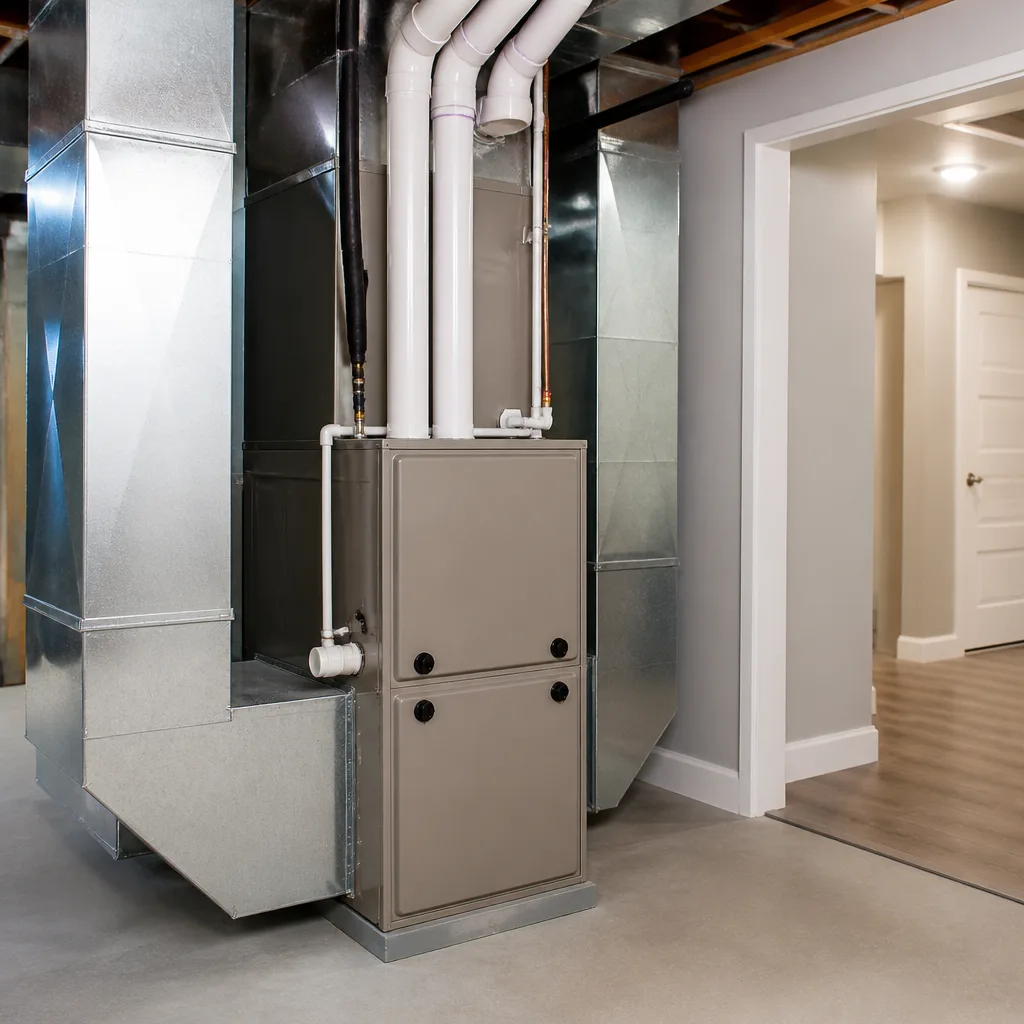
 Furnace & heating
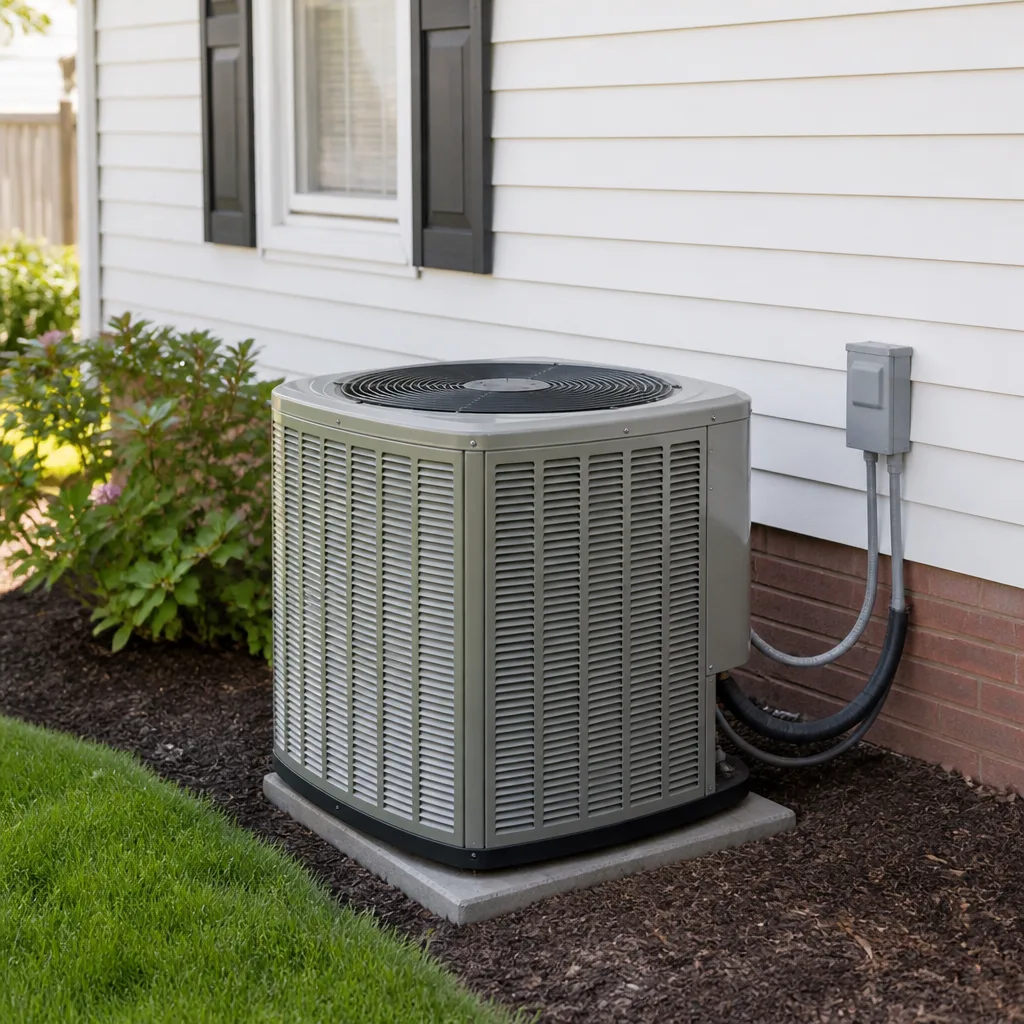 AC repair
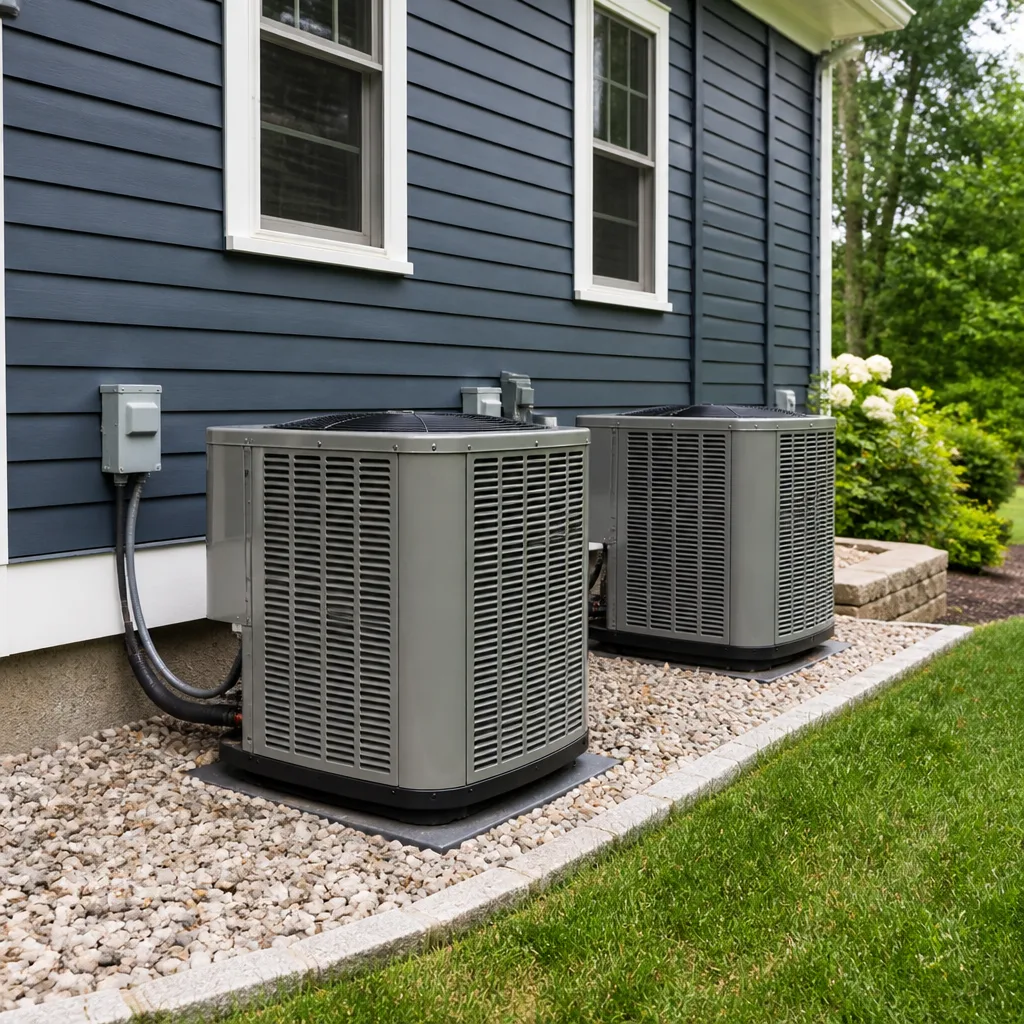 Heat pumps
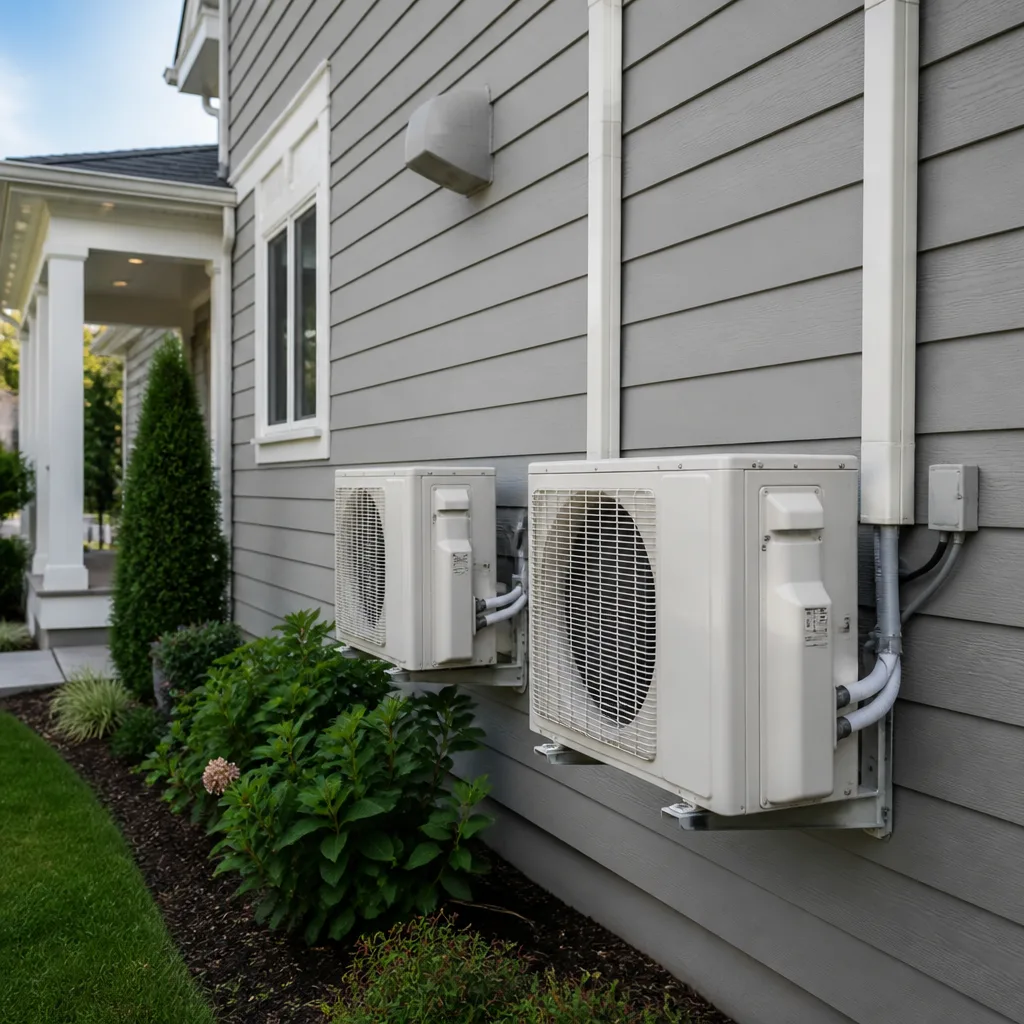 Ductless mini splits
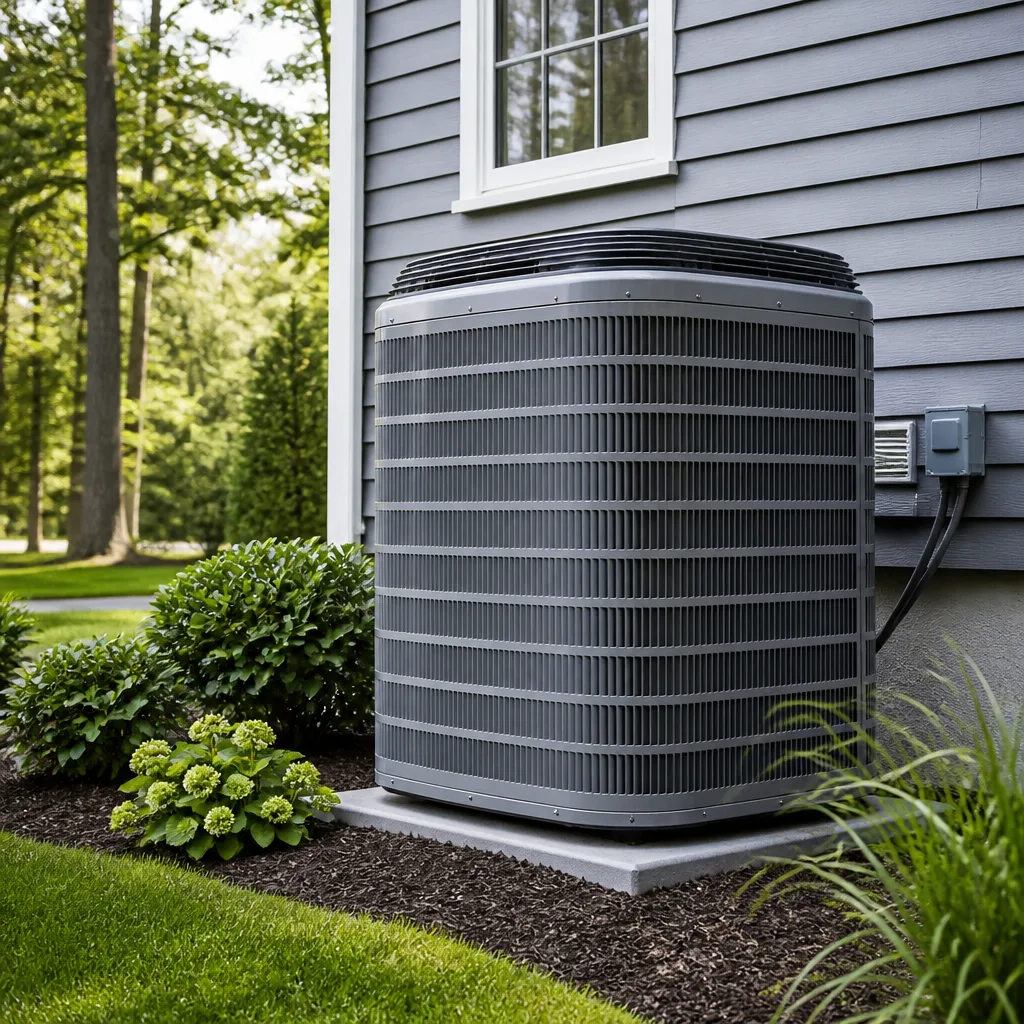 Carrier
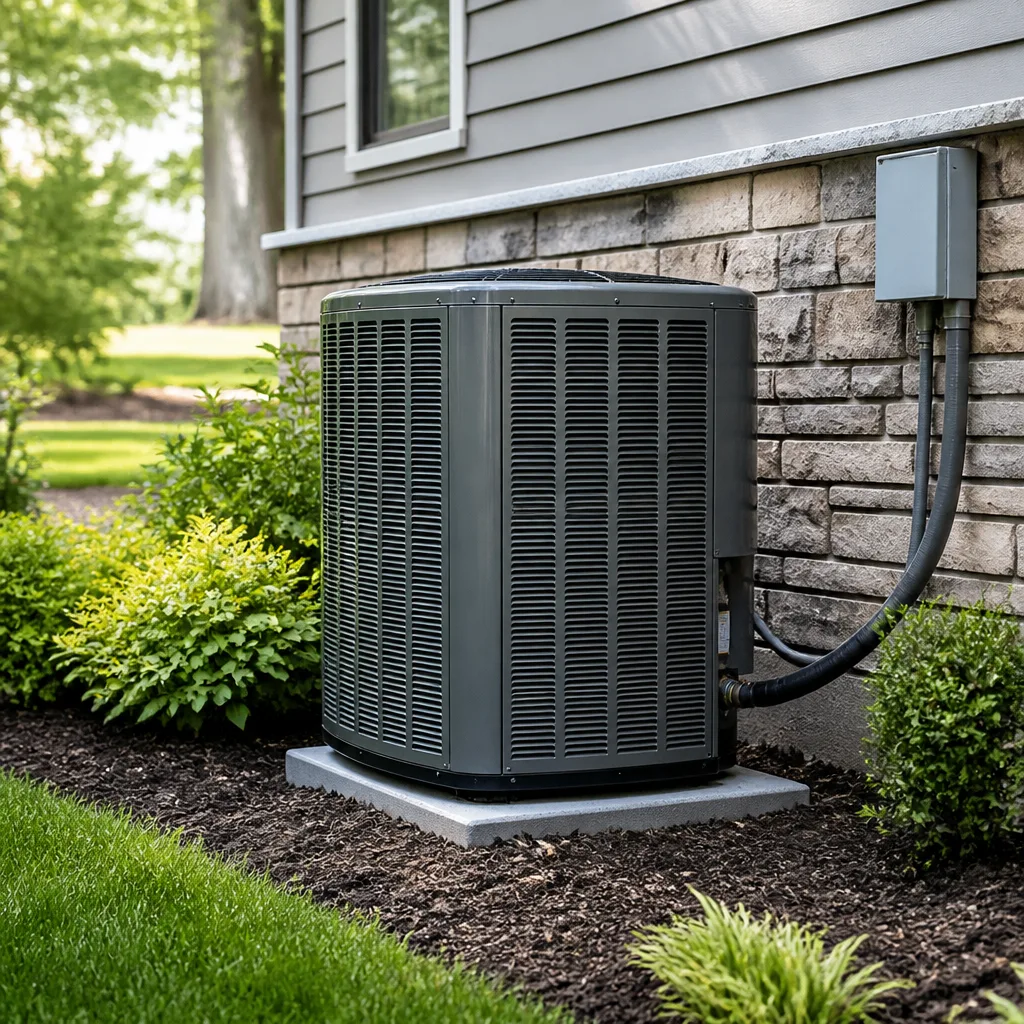 Trane
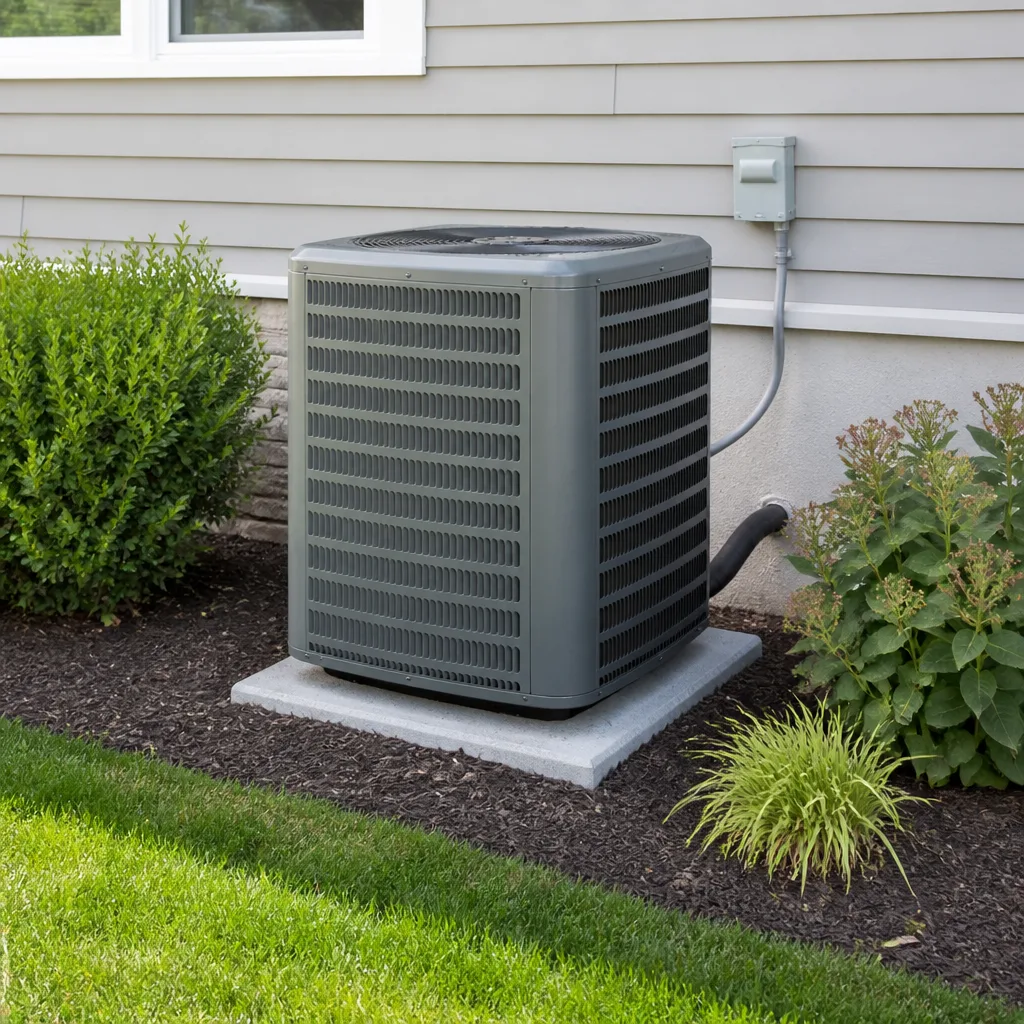 Goodman
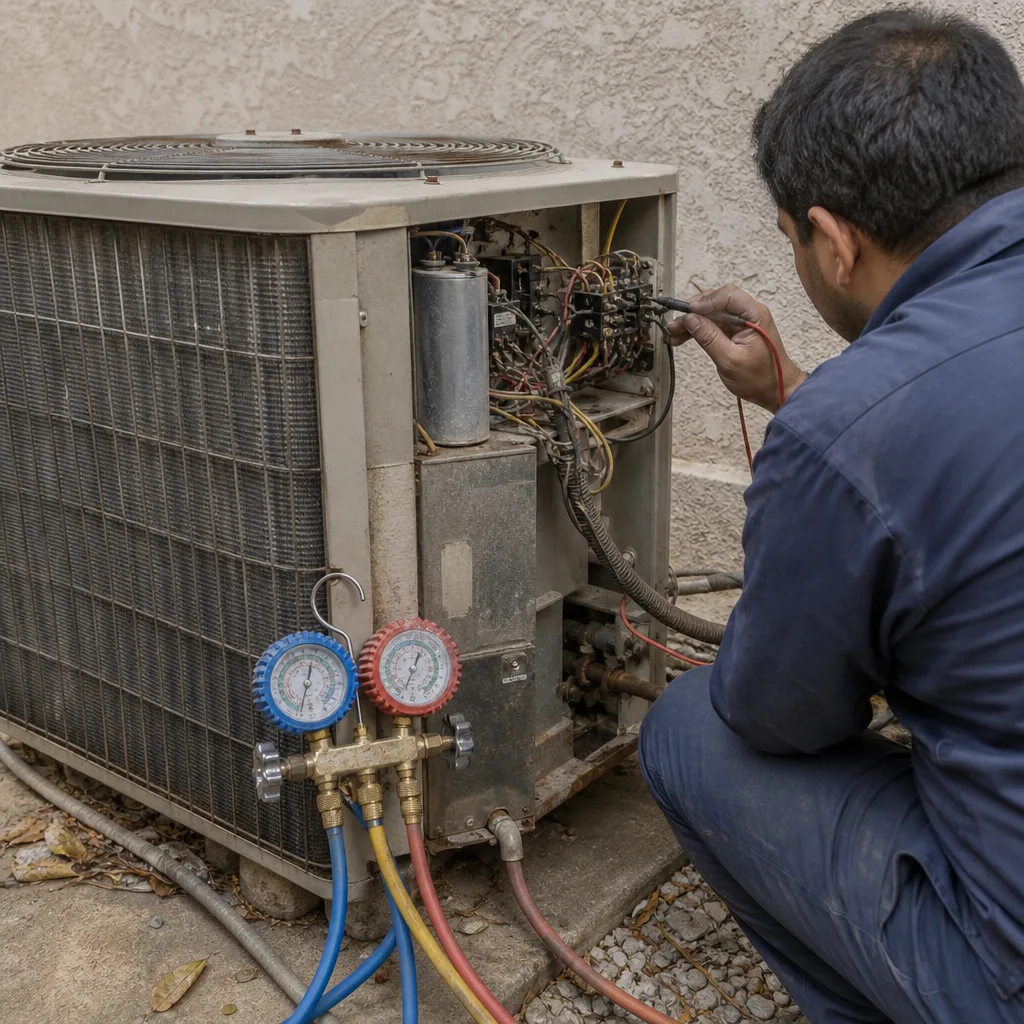
Seasonal tune-up and full diagnostic on your Carrier, Trane, or Goodman system - readings shown to you before any repair is proposed
Diagnosis first, numbers second - you approve the repair price before a single part goes in.
Get your free estimateStyles & brands we work with
- AC repair
- Furnace & heating
- Heat pumps
- Ductless mini splits
- Carrier
- Trane
- Goodman
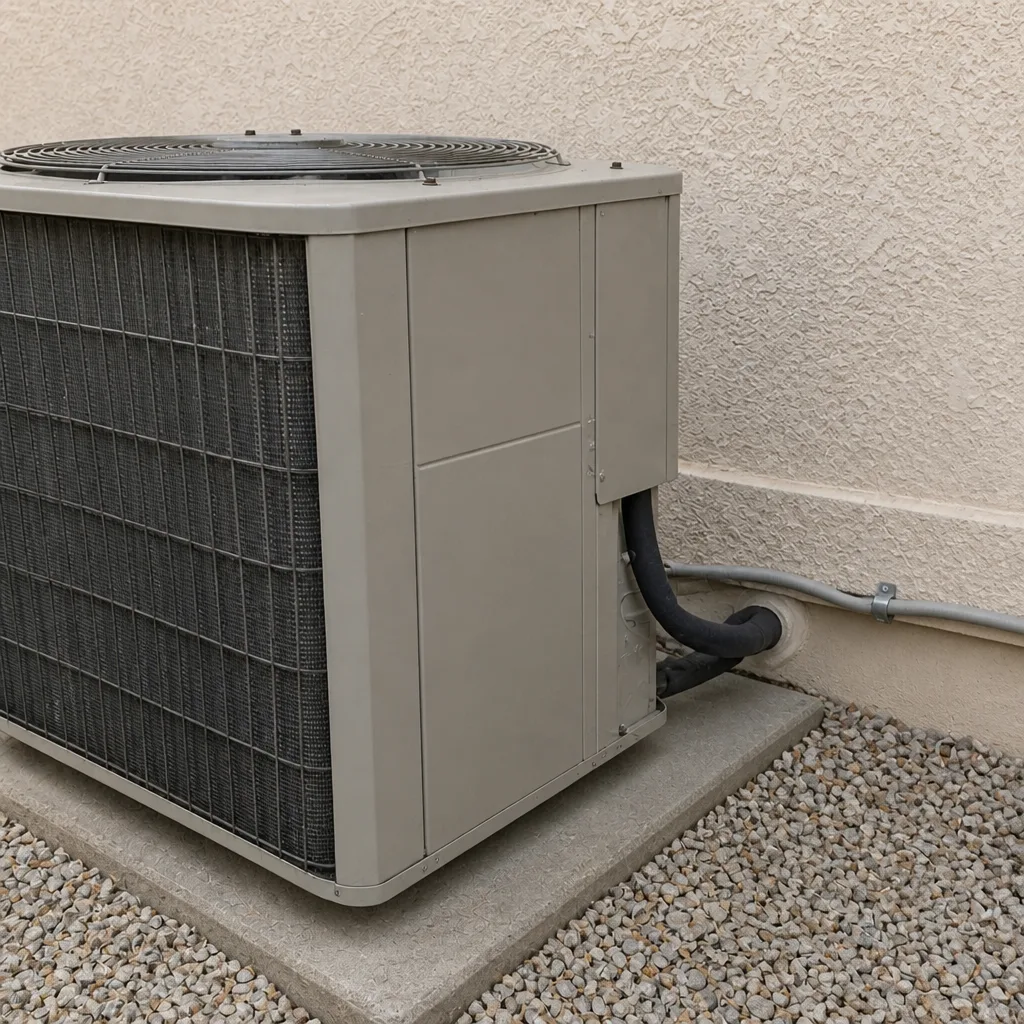
See the difference
 Before
 After
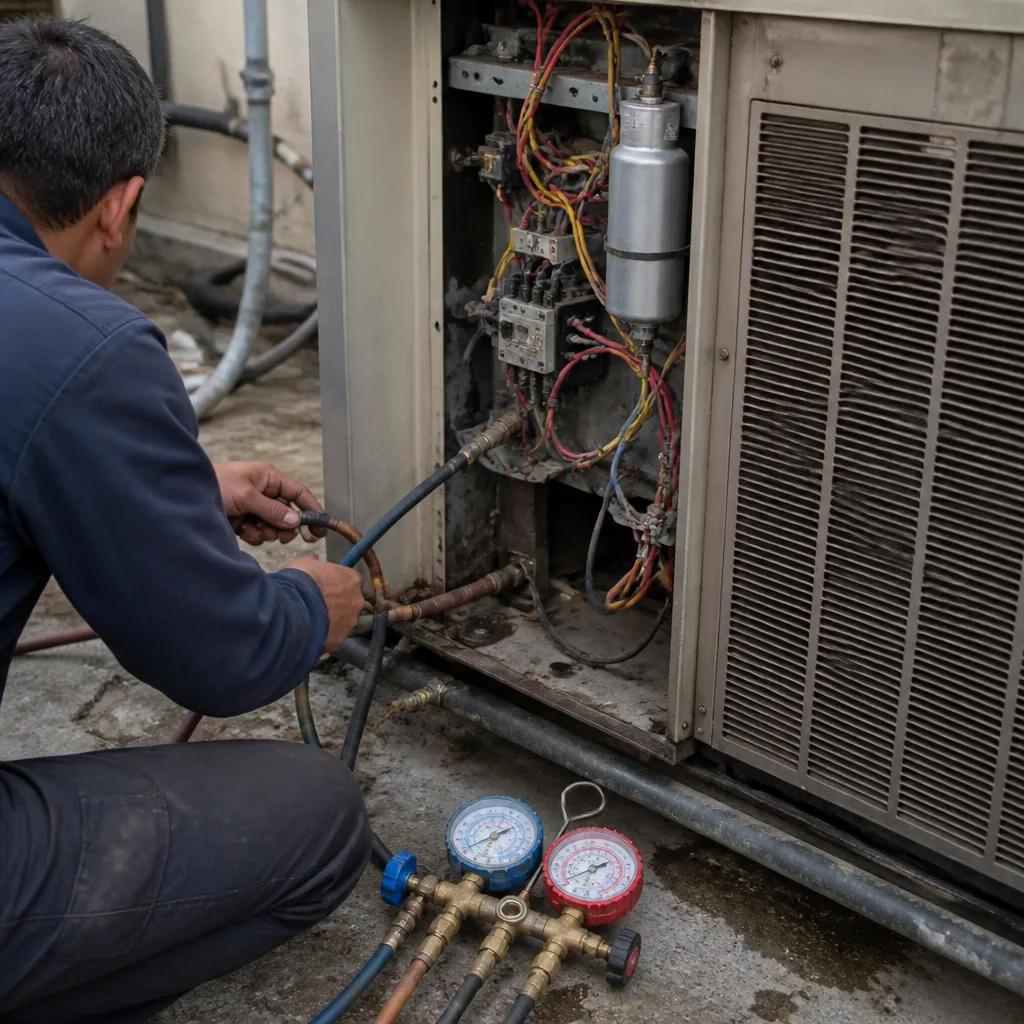 Before
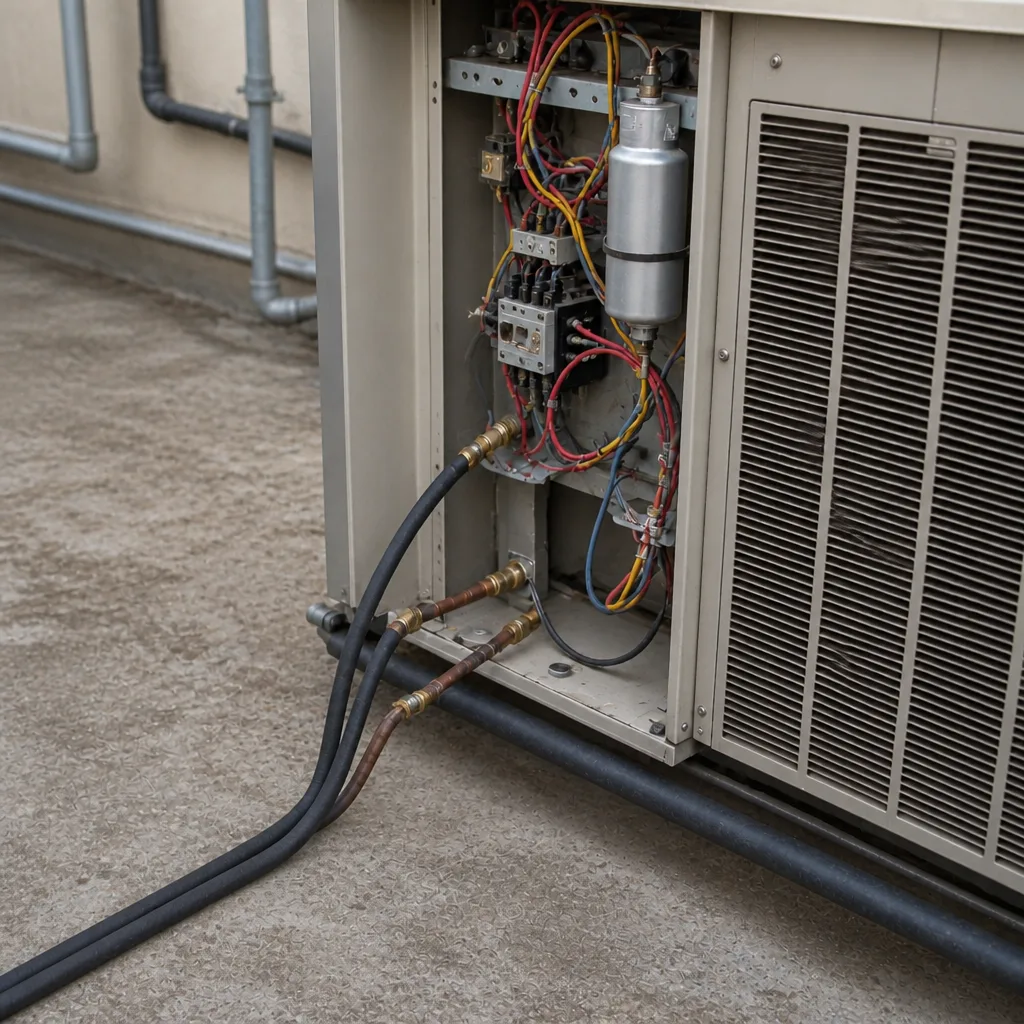 After
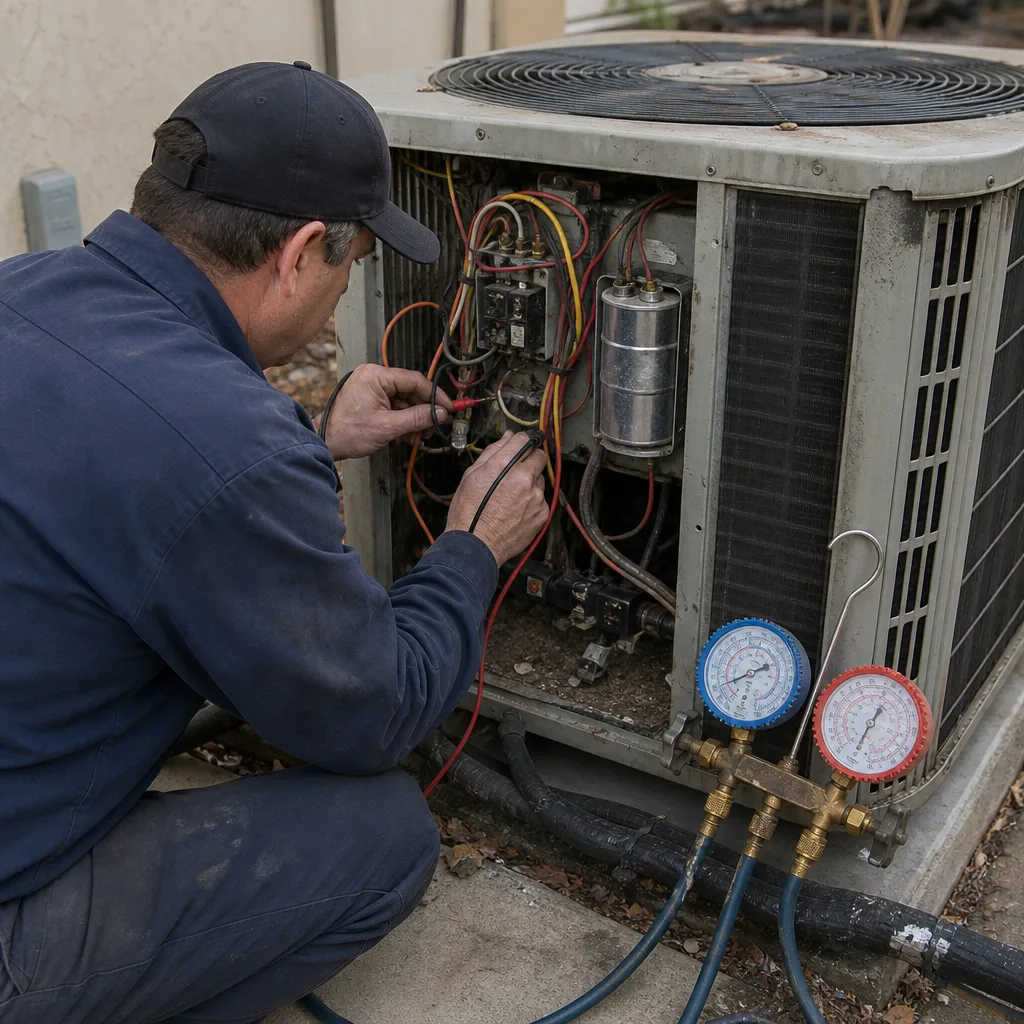 Before
 After
The Best HVAC System for a Cold Climate in Spring Valley, NV Is Usually Not a Cold-Climate System
Choose a standard high-efficiency heat pump or two-stage air conditioner rated for high-ambient cooling (125°F condenser) with electric strip heat backup – unless your Spring Valley home runs on propane or has no gas service, in which case a dual-fuel hybrid makes more sense. If you Googled “best HVAC for cold climate” and you live in Spring Valley, NV, the good news is you don’t have one. You have about three weeks a year of real cold, and the HVAC industry is quietly selling you cold-climate heat pump technology built for Minneapolis winters you are never going to have. If you want a straight answer on your own house, call (833) 620-7288 and we will talk it through.
Key Takeaways
- Spring Valley sees fewer than 20 days a year below 32°F and rarely holds below 25°F, so the sub-17°F advantage a cold-climate hyperheat pump charges a premium for almost never shows up here.
- The equipment stress that actually kills systems in this valley is heat-season durability, not cold performance – look for a 125°F-rated condenser and two-stage or variable compression.
- Homes on propane or with no gas service are the real dual-fuel candidates, and that decision starts with a Manual J load calculation, not a spec sheet.
- A Free Second Opinion on any written estimate means you can hear whether a cold-climate recommendation fits your house before you spend a dime.
What “Cold Climate” Actually Means in Spring Valley
The cold-climate label gets attached to heat pumps that keep rated capacity down to 5°F or lower, and hold useful output at 17°F. That engineering earns its money in places where January sits below 17°F for weeks. Spring Valley isn’t one of them. Our winter nights dip under 28°F maybe 20 times a year, and a hard freeze that holds below 25°F is rare enough that most homeowners remember the last one.
So the extra $1,500 to $3,000 a cold-climate specialty unit typically costs over a standard high-efficiency heat pump buys you capability you’ll almost never call on. The heating-only energy savings on a handful of cold nights rarely pay that premium back inside the equipment’s life.
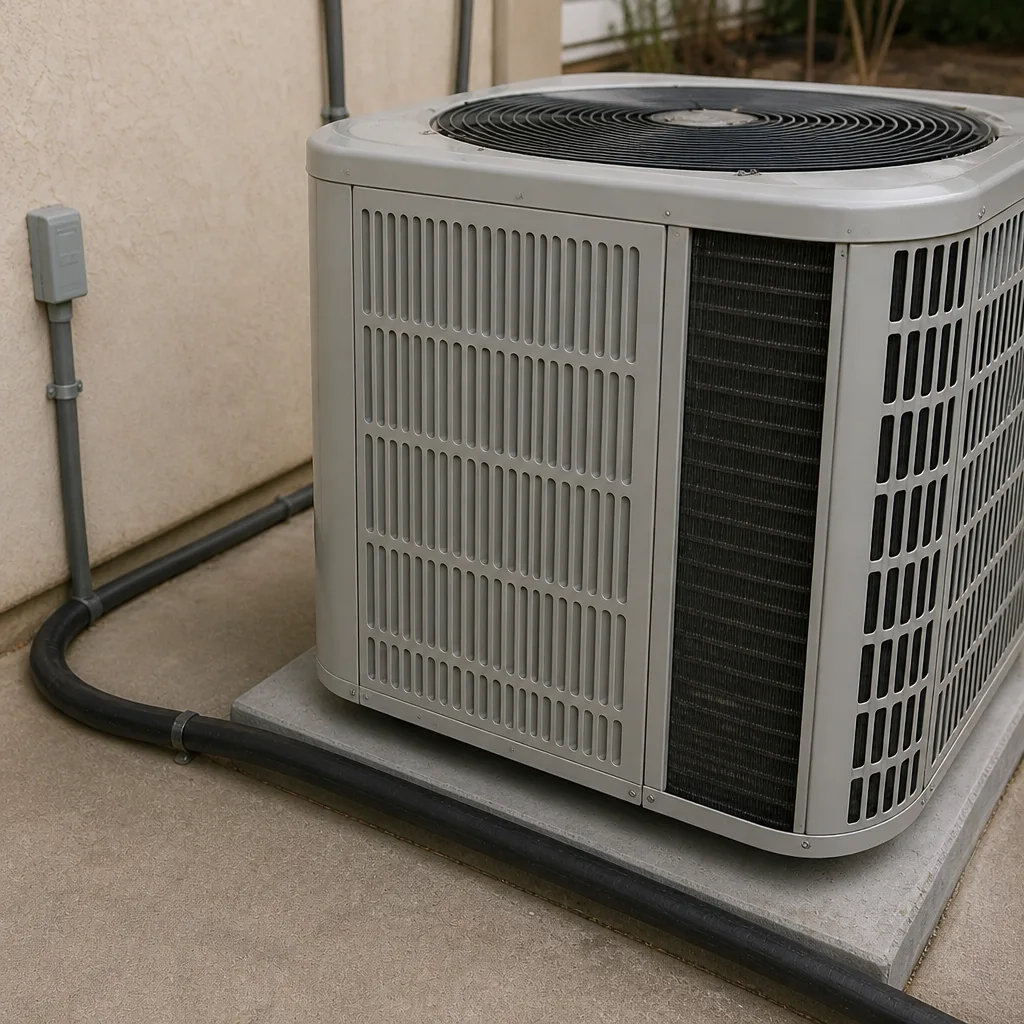
What does stress equipment here is the other ten months. Summer highs routinely push past 105°F, and a condenser sitting in full afternoon sun on a west-facing wall is running beyond its design temperature for weeks at a stretch. That’s why the honest recommendation for most Spring Valley homes is a system built for brutal cooling that also handles a mild winter – not a cold-weather specialist asked to survive a desert.
Our technicians have up to 24 years of experience, and the ones who’ve worked this valley the longest will tell you the same thing: the systems that fail early here die in July, not January.
What to Look For in Spring Valley: A Side-by-Side
Here’s how the two paths compare against the conditions you actually live in.
| What matters here | Cold-climate hyperheat pump | Standard high-efficiency + strip heat |
|---|---|---|
| Rated cooling capacity in 105°F+ heat | Varies by model – must be checked | 125°F-rated condenser available |
| Heating below 17°F | Strong (rarely needed here) | Strip heat covers the few cold nights |
| Upfront cost premium | Higher | Lower |
| Payback from heating savings in this climate | Slow – few cold hours to save on | Not the goal; cooling performance is |
| Best fit for | Propane homes, no-gas homes, hybrid setups | Most gas-heated Spring Valley homes |
A few things to put on your shortlist regardless of which path you pick:
- A 125°F-rated condenser. This is the single spec that matters most in Spring Valley. Standard units are rated to 115°F; a unit rated higher holds capacity when the afternoon peaks and doesn’t short-cycle its way to an early compressor failure.
- Two-stage or variable compression. Long, gentle run times handle our latent-load swings better than a single-stage unit slamming on and off, and they dehumidify through monsoon season without over-cooling the house.
- A real Manual J load calculation. Not a rule-of-thumb square-footage guess. Spring Valley’s 1980s-to-2000s stucco-and-tile tract homes often still have original undersized ductwork and single-pane or early dual-pane windows that leak enough heat to run the load 10 to 15% above nameplate. Size to the house, not the label.
- Coil and filter access. A shallow attic with a tight scuttle means service access matters. So does the crushed-granite and river-rock landscaping that’s everywhere in this valley – high winds pull fine rock dust into outdoor units and pack the condenser fins. A unit you can actually clean is a unit that lasts.
Brand choice matters less than the install, but if you’re comparing, Lennox and Goodman both offer solid two-stage options, and Rheem and York have dependable 125°F-rated condensers worth pricing.
When a Dual-Fuel Hybrid Actually Wins
The one group in Spring Valley where cold-climate thinking earns its keep is homeowners on propane or with no gas line at all. If you’re heating with propane, you’re paying a premium fuel price all winter, and a dual-fuel hybrid – heat pump for the mild months, gas furnace for the cold snaps – can cut that bill meaningfully. If there’s no gas service, a cold-climate-capable heat pump makes more sense than a standard one, because you have no backup and you want the unit to hold output on the handful of nights it matters.
But even then, the decision starts with a load calculation, not a brochure. Ray has run load calculations in this valley since 2002, and the pattern he sees most is homeowners being quoted a system sized to a spec sheet instead of their actual house. Undersizing in pursuit of the “right-size” number on paper leaves you hot in August, no matter what the efficiency rating says.
If you’re weighing furnace versus heat pump for the heating side, our page on Heating & Furnace walks through how the two compare in this climate, and the Heating & Furnace in Spring Valley guide covers what a furnace replacement looks like locally.
What It Costs in Spring Valley
Real numbers, so you can plan. These are the ranges we quote in this valley.
| Service | Typical range |
|---|---|
| AC repair | $150-$650 |
| Furnace repair | $150-$700 |
| New AC installation | $3,500-$7,500 |
| Tune-up | $80-$200 |
A few standing offers apply: $40 off any repair over $200, a Free Second Opinion on any written estimate, no trip charge inside the county, and a 10% senior and veteran discount. That second-opinion offer is the one that matters here – if a competitor is pushing a cold-climate unit on your Spring Valley house, Ray will tell you honestly whether it’s a fit. No charge to hear the answer.
How the Decision Gets Made: Step by Step
- Walk the house. We look at window type, attic insulation, duct condition, and the condenser’s sun exposure and dust load.
- Run a Manual J load calculation. Room by room, accounting for the 10 to 15% penalty single-pane or early dual-pane windows add.
- Test the equipment. Readings first, numbers second – we test the capacitor before anyone says the word compressor.
- Compare both paths. Cold-climate versus standard high-efficiency, with real upfront costs and honest energy estimates for this climate.
- Quote in writing. You see the readings and the numbers before any work begins, and every job carries the 90-Day Done Right Promise in writing.
The point of the process is to make the recommendation fit your house, not the marketing. You can start with a home visit and go from there.
FAQs
For most Spring Valley homes, no – the cold-climate premium rarely pays back here because we see fewer than 20 nights a year below 32°F. It becomes worth considering if your home runs on propane or has no gas service, where a cold-climate model or dual-fuel hybrid makes real sense. Call (833) 620-7288 for a free second opinion on any quote – no charge, no pressure.
A 125°F-rated condenser with two-stage or variable compression and electric strip heat backup is the best fit for most homes here, because our stress test is cooling, not cold. That combo covers our mild winters and survives the summer heat that actually wears equipment out. Call (833) 620-7288 for an exact quote – estimates are free.
AC installation in Spring Valley typically runs $3,500-$7,500, depending on tonnage, efficiency tier, and whether ductwork needs work. Cold-climate specialty units sit at the top of that range and often beyond it. Call (833) 620-7288 for a written estimate with the readings in front of you.
Yes – Ray gives a Free Second Opinion on any written estimate, so if a competitor is recommending a cold-climate system for your Spring Valley house, you can hear whether it’s an honest fit before you spend anything. The phone is answered by a live person around the clock. Call (833) 620-7288.
Talk to Ray Before You Buy the Wrong System
If you’d rather have it looked at, Ray’s Heating & Air Spring Valley offers a no-pressure assessment in Spring Valley – we’ll run the load calculation, compare both paths honestly, and tell you if the cold-climate unit you were quoted is a poor fit for this valley. Locally owned and owner-operated, with the 90-Day Done Right Promise in writing. Call (833) 620-7288.
Written by the team at Ray’s Heating & Air Spring Valley, serving Spring Valley, NV.