
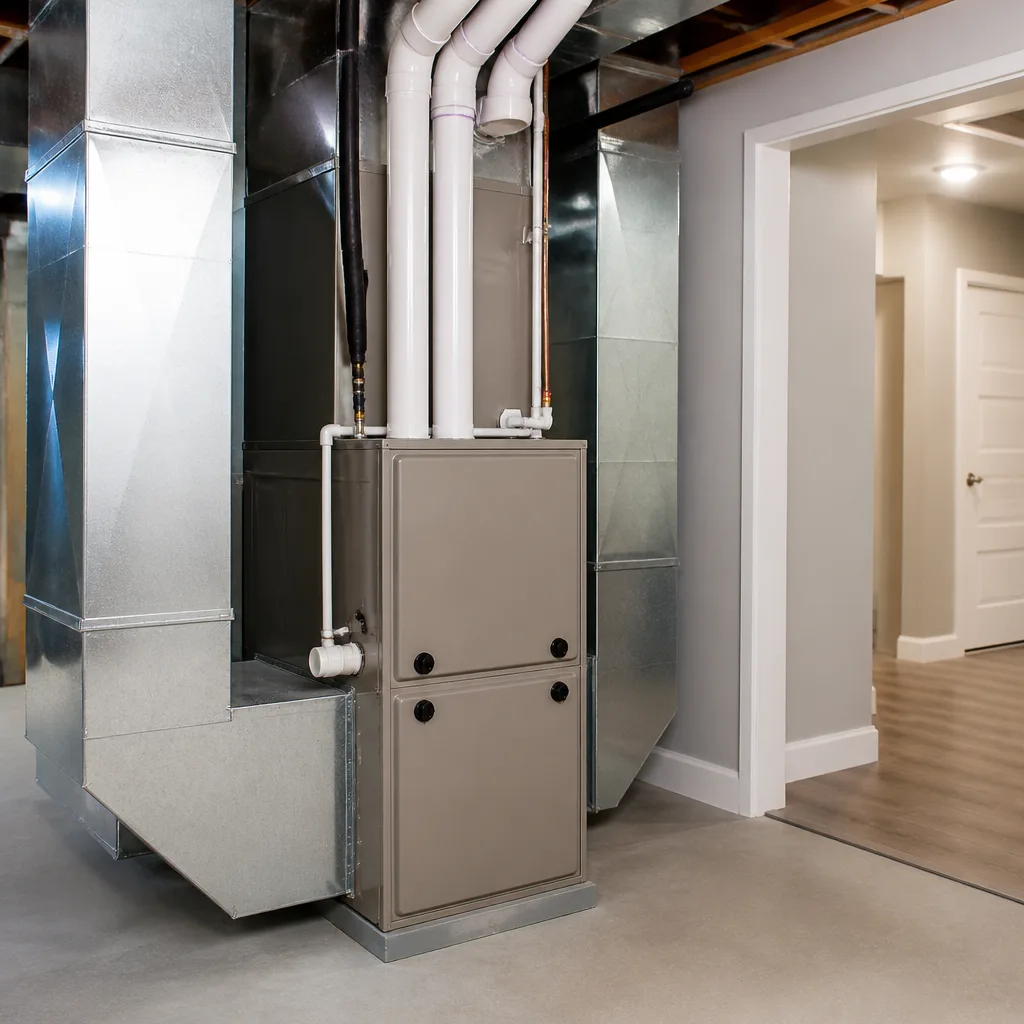
 Furnace & heating
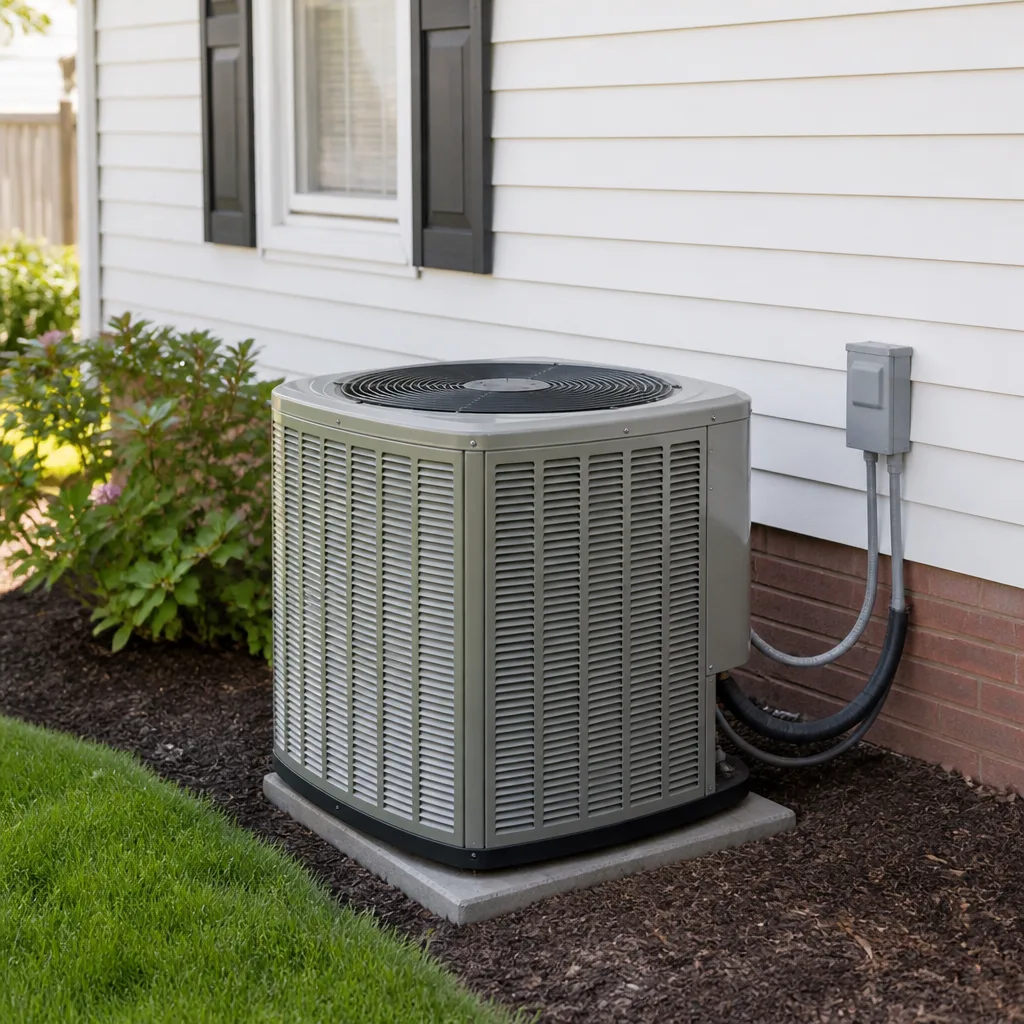 AC repair
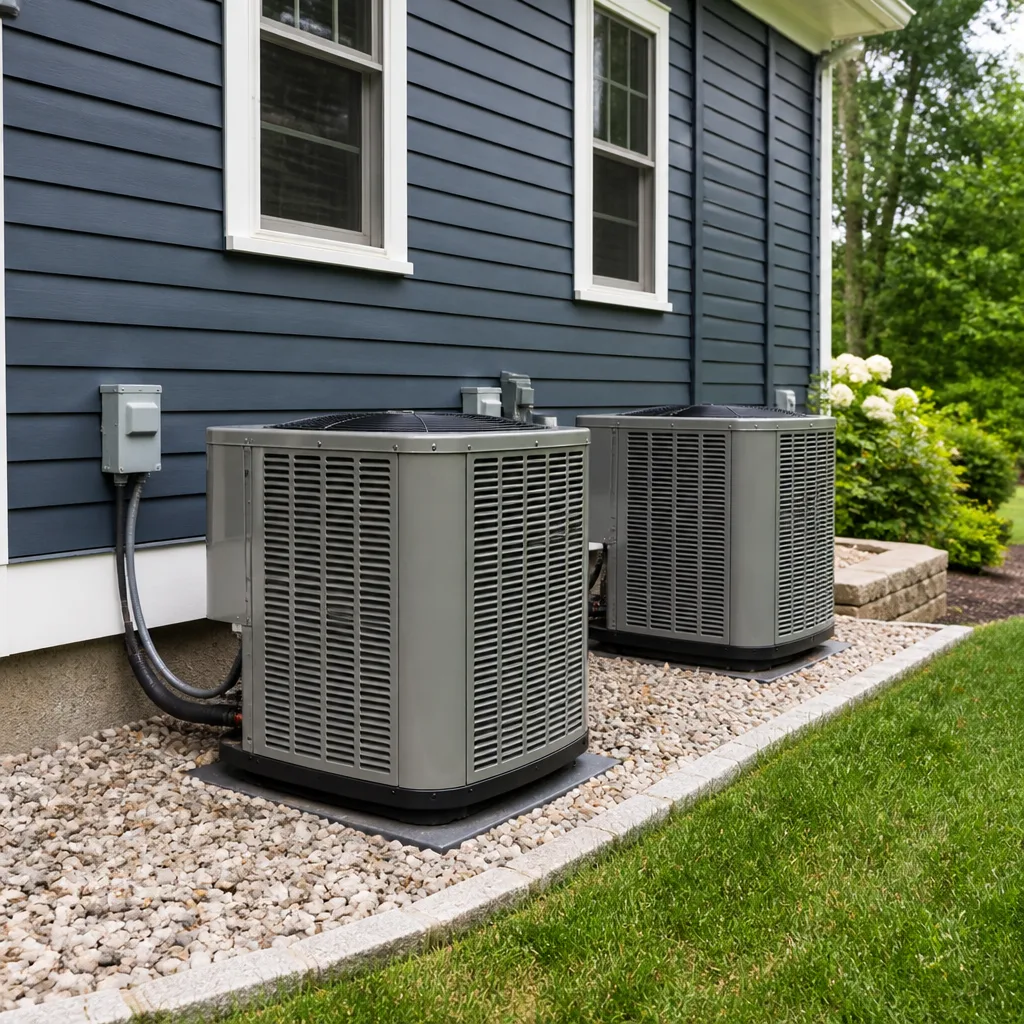 Heat pumps
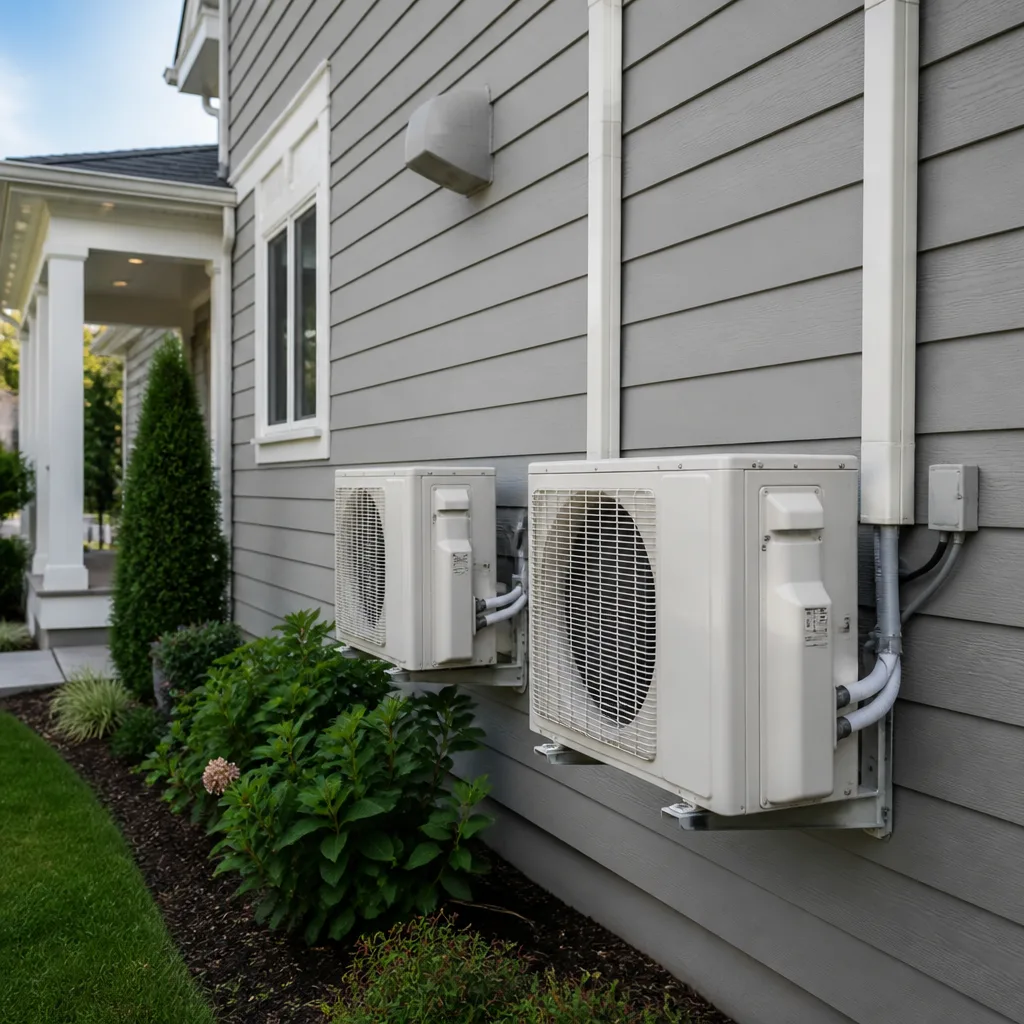 Ductless mini splits
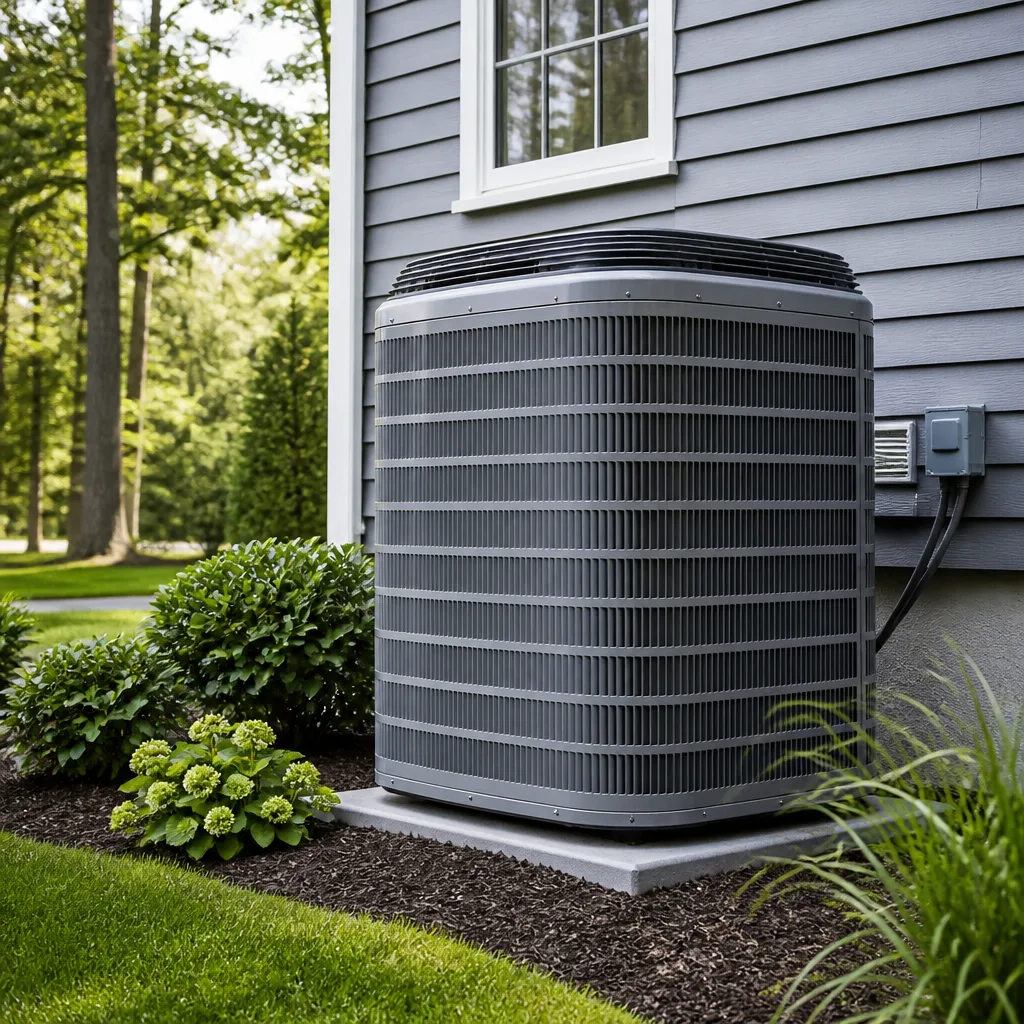 Carrier
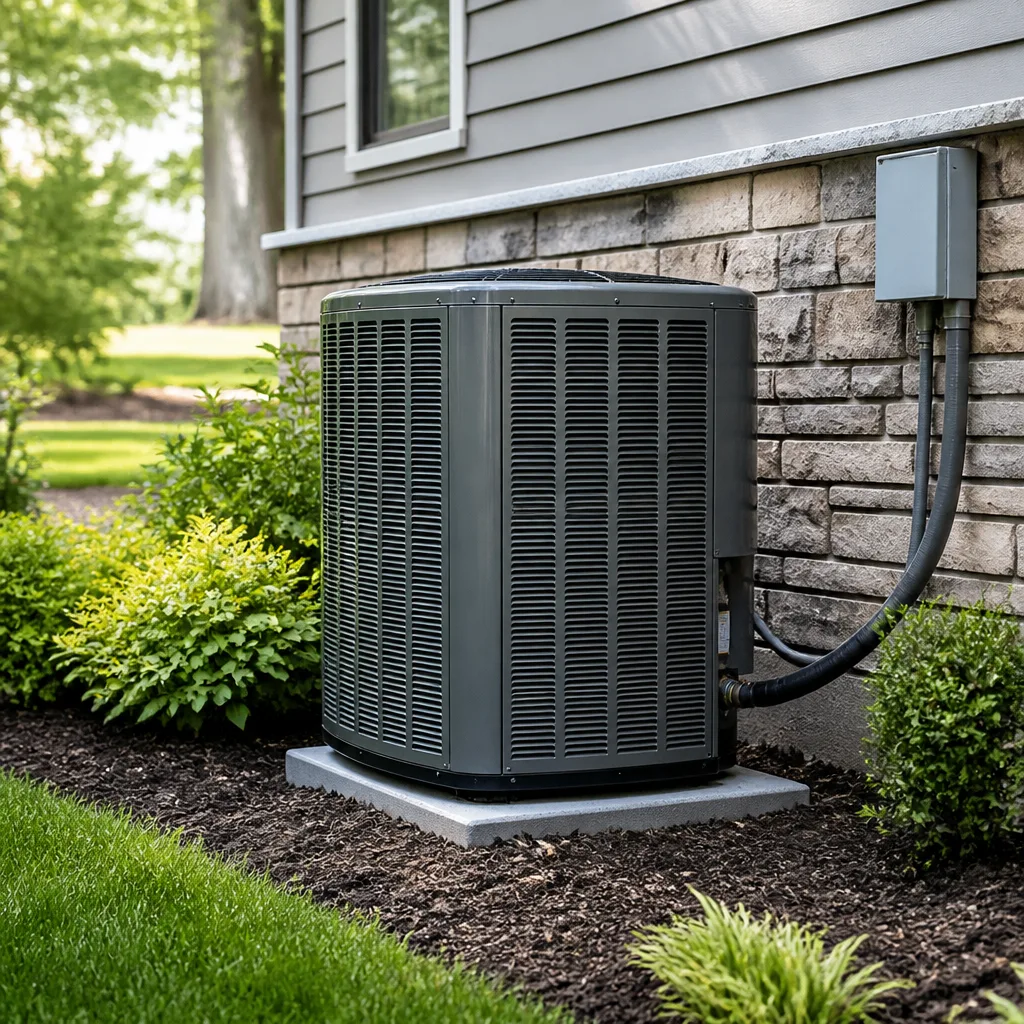 Trane
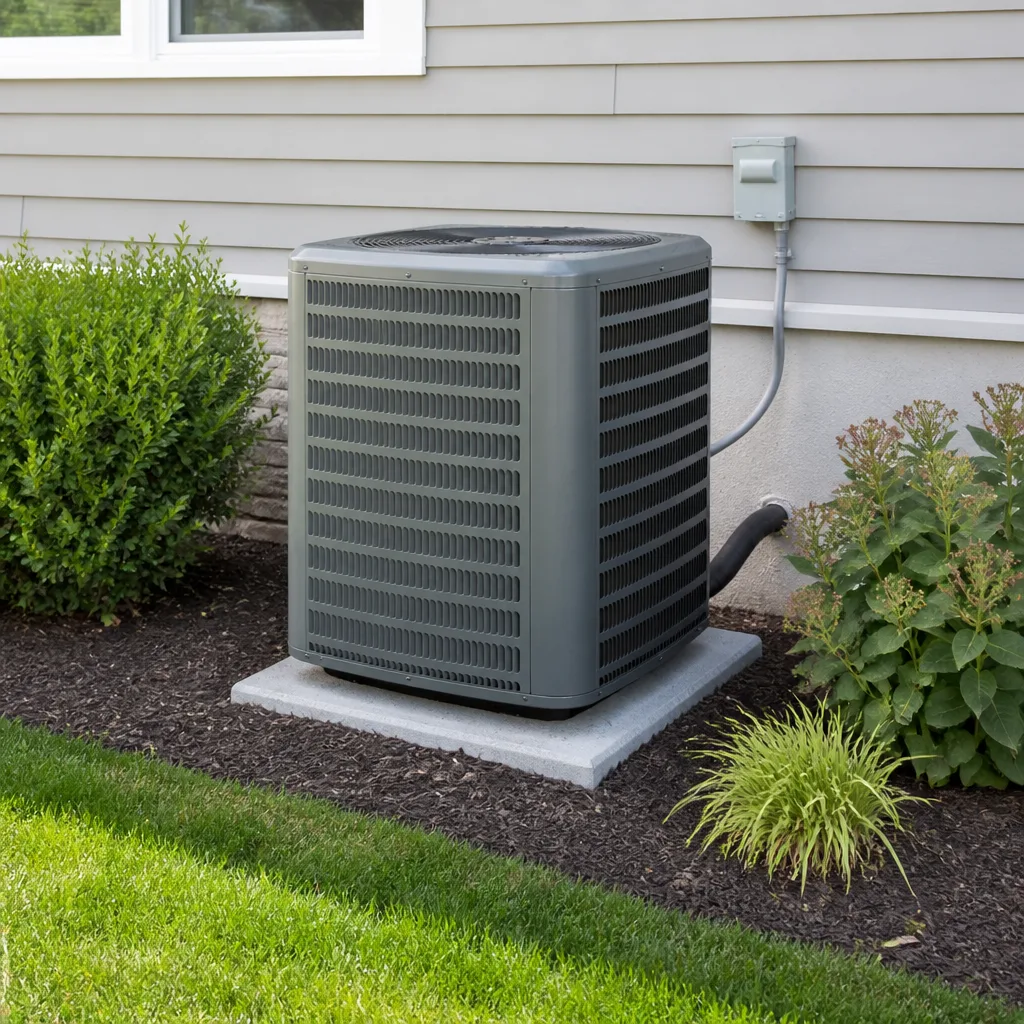 Goodman
Seasonal tune-up and full diagnostic on your Carrier, Trane, or Goodman system - readings shown to you before any repair is proposed
Diagnosis first, numbers second - you approve the repair price before a single part goes in.
Get your free estimateStyles & brands we work with
- AC repair
- Furnace & heating
- Heat pumps
- Ductless mini splits
- Carrier
- Trane
- Goodman
See the difference
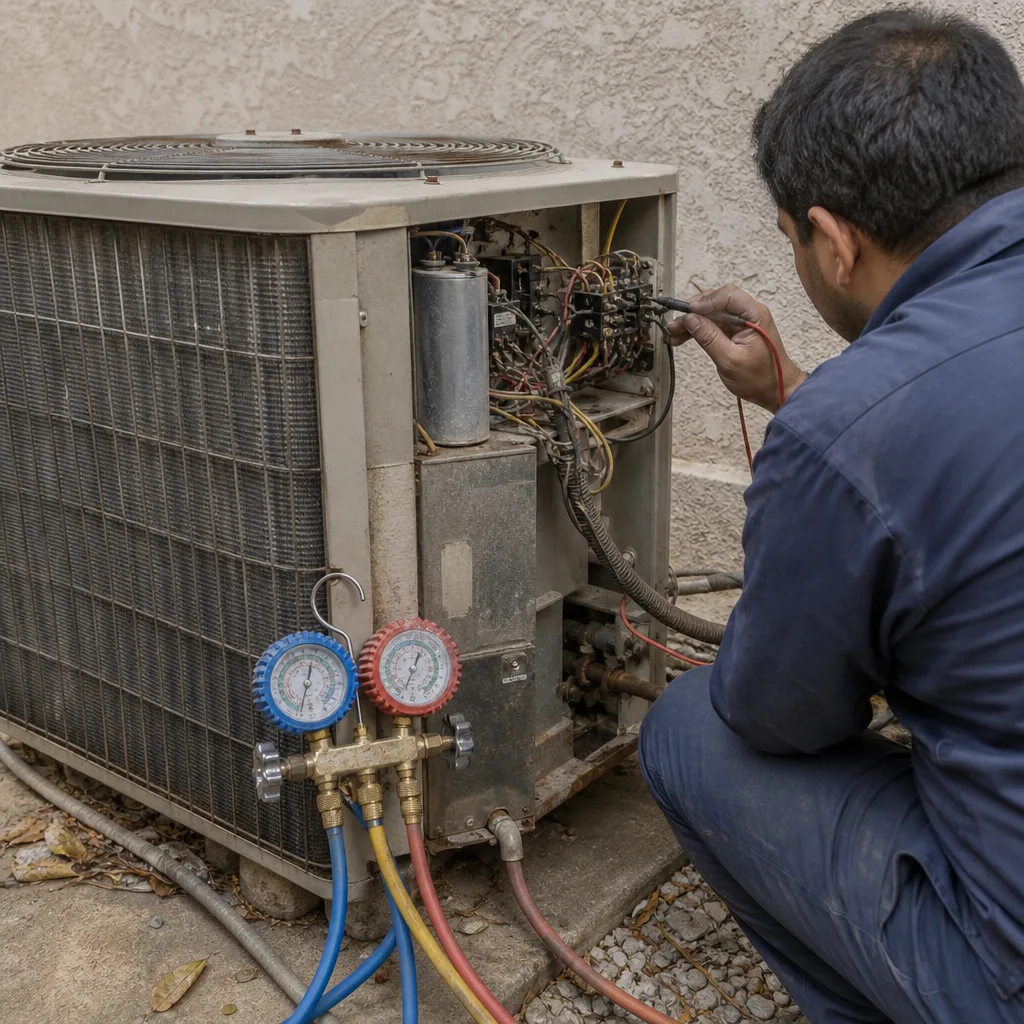 Before
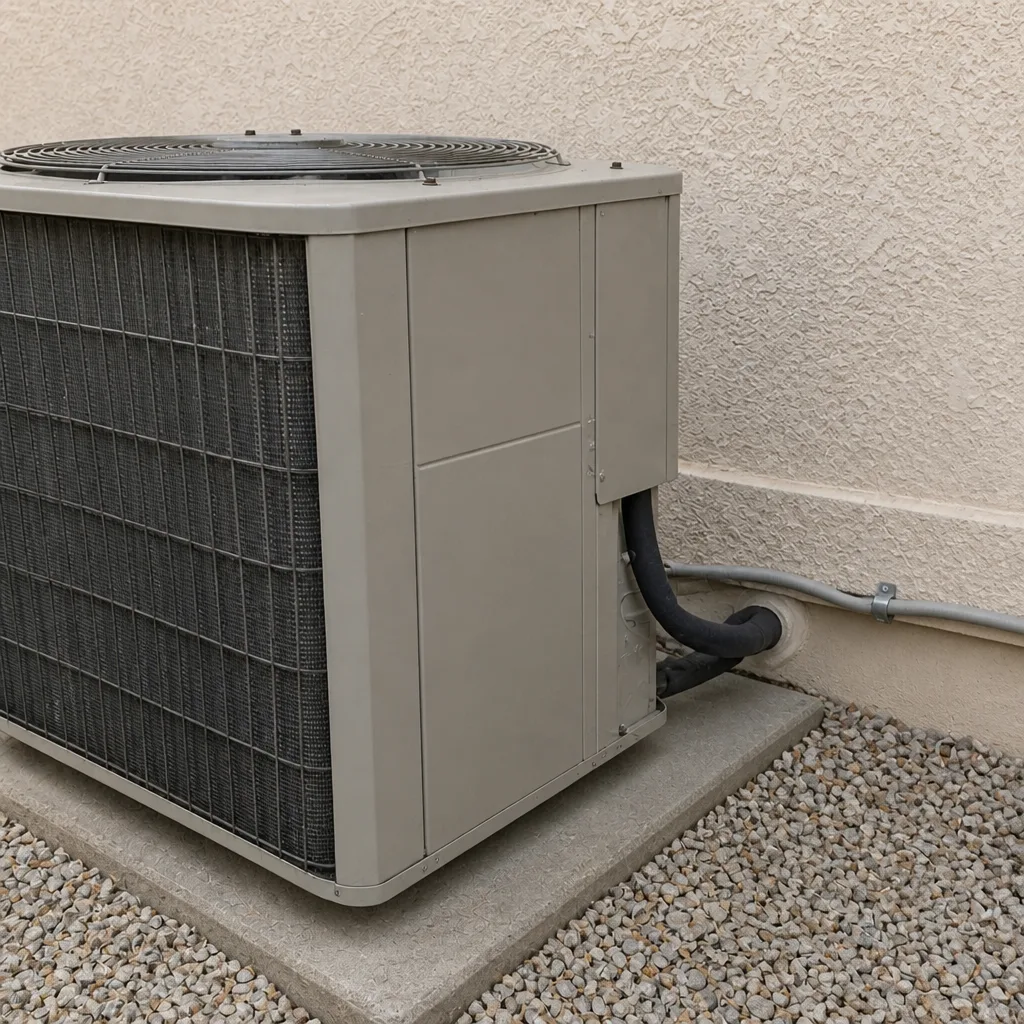 After
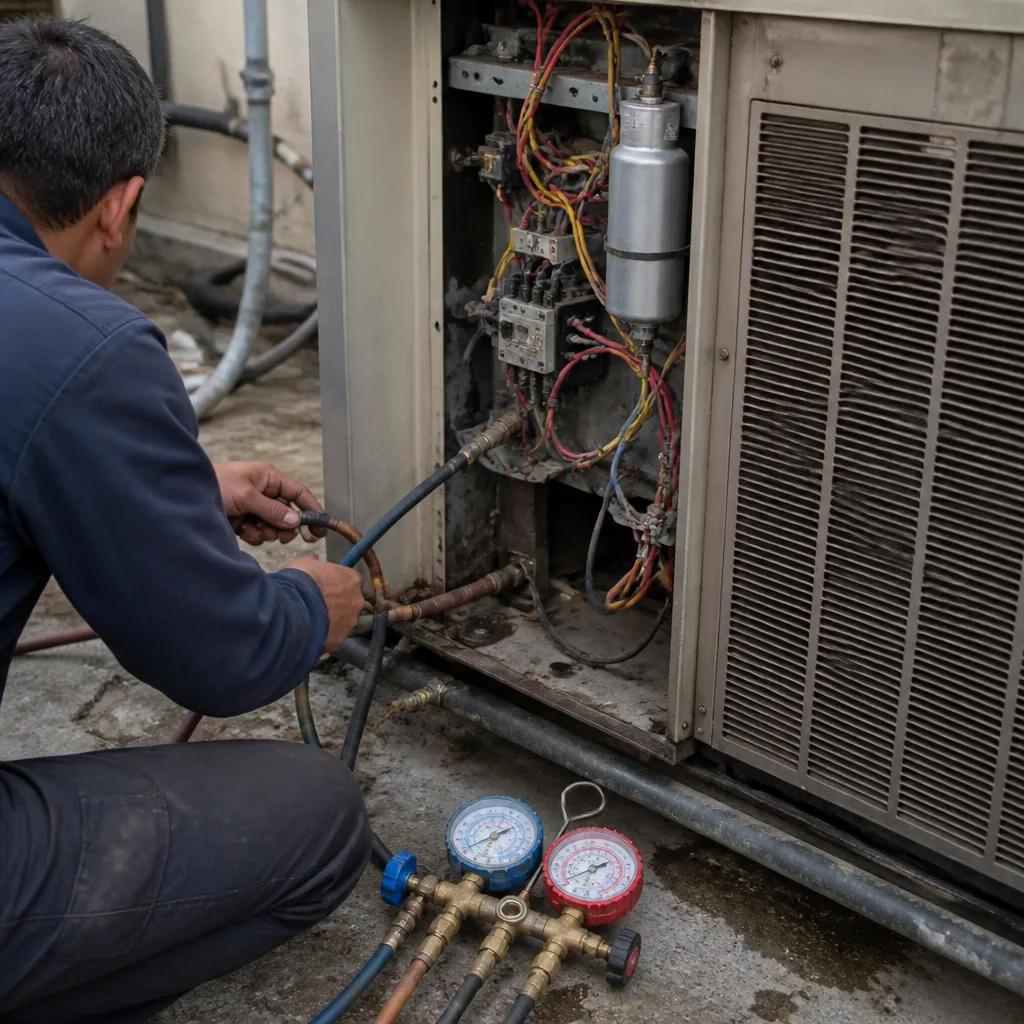 Before
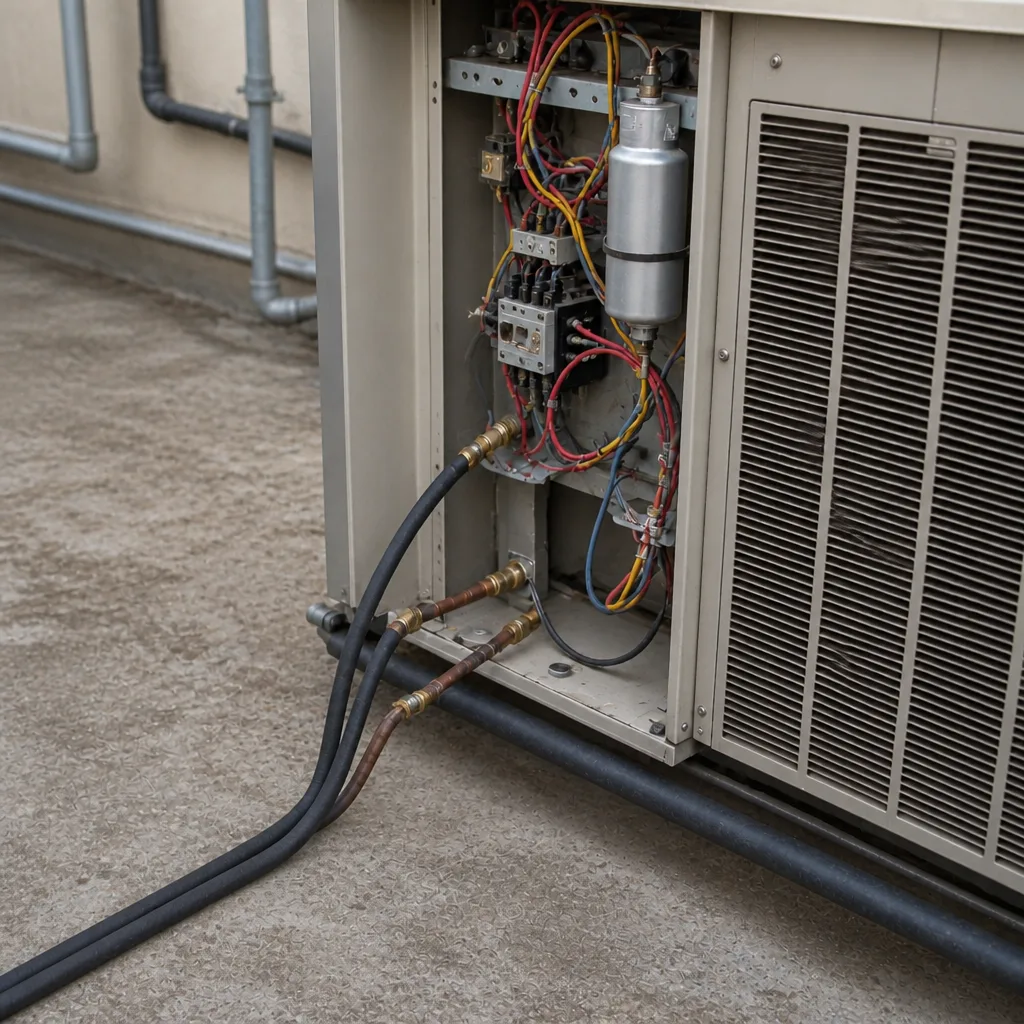 After
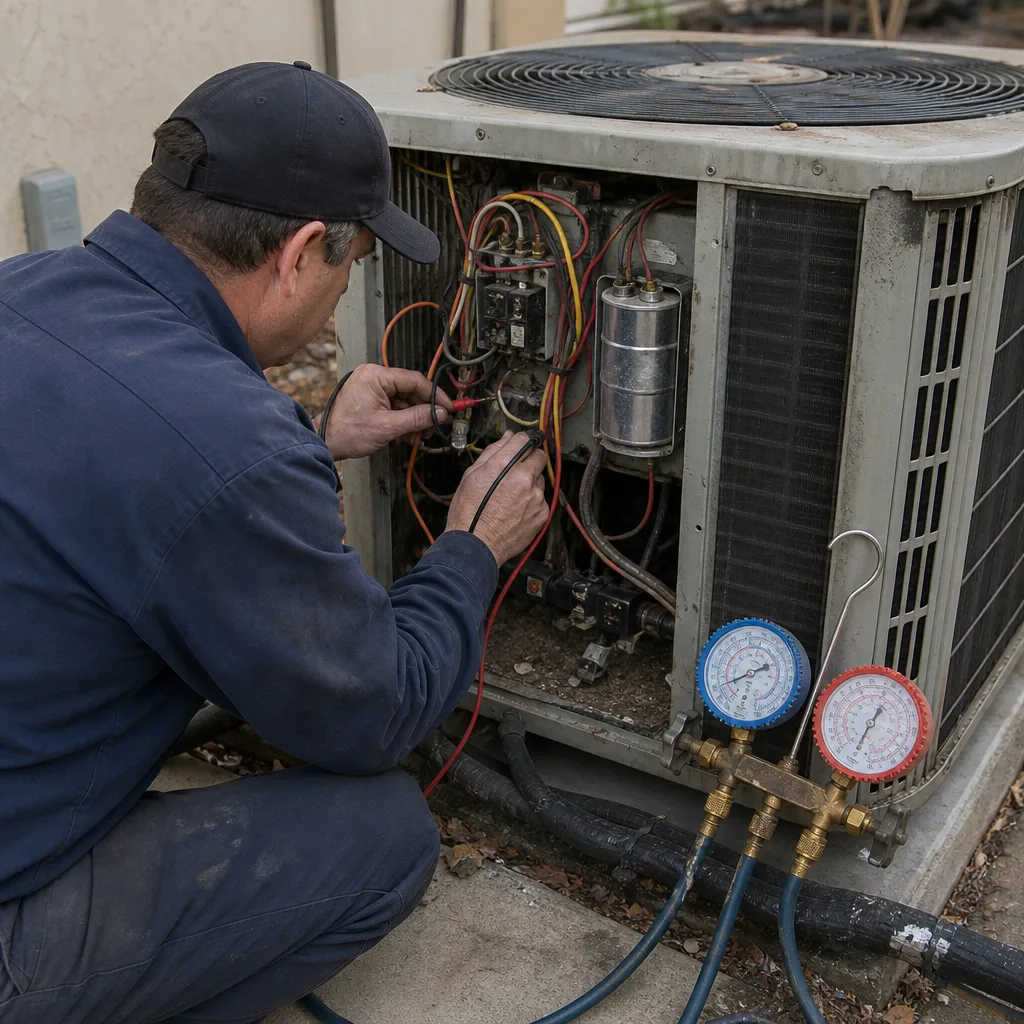 Before
 After
Furnace Blowing Cold Air in Spring Valley? Here’s What’s Usually Wrong
The most likely cause of a furnace blowing cold air in Spring Valley is a tripped high-limit switch: the heat exchanger overheats because the blower can’t push enough air past it, a safety switch shuts the burners off, and the fan keeps running – so you feel cool air coming from vents while the furnace is technically “on.” A clogged filter or dust-packed blower wheel is the usual reason, not a failed gas valve. If you’d rather have it looked at than guess, call (833) 620-7288 and a live person picks up, day or night.
Why Spring Valley Furnaces Go Cold on the First Cold Day
Your furnace in Spring Valley sat idle from roughly April to November. Seven months of fine gypsum and silica dust – the same stuff that coats every crushed-granite yard in this part of the valley – settled into the blower compartment, the heat exchanger plenum, and whatever filter was left in the return. On the first cold morning you fire it up, airflow might be running at 40% of what it should be. The heat exchanger overheats, the high-limit switch trips, the burners cut out, and the fan keeps spinning. Cold air from a furnace that’s “running.”
That isn’t a broken furnace. It’s a dirty one. Usually. Our technicians have up to 24 years of experience, and this is the single most predictable first-cold-day call we see in Spring Valley’s 1980s-to-2000s stucco tract homes and low-rise condos – the ones with shallow attics and original ductwork that’s already a size too small.
What the High-Limit Switch Actually Does
Think of it as a thermostat with one job: keep the heat exchanger from cooking itself. When airflow drops, heat builds up in the exchanger, and the limit switch cuts the gas to protect the metal from cracking. The blower stays on because the system is still trying to cool things down. That’s why you get a running fan pushing room-temperature air.
Homeowners call us convinced it’s a gas problem or an ignition problem. Nine times out of ten in Spring Valley, it’s airflow. A furnace that would last 15 years in a milder climate often needs major service by year 10 here, and the dust load is a big part of why.
The Spring Valley Diagnostic Order – What Ray Actually Finds
Readings first, numbers second. Here’s the realistic order of probability when we roll up on a cold-air call in Spring Valley, from most to least common:
- Restricted airflow and high-limit trip. Clogged filter, dust-fouled blower wheel, or a return that’s blocked by furniture. The number-one cause, and the cheapest to fix.
- Flame sensor fouling. The sensor gets a film on it, the board stops sensing flame, and the burners shut down a few seconds after ignition. Common on older systems sitting through a dusty off-season.
- Ignitor or pilot failure. Older standing-pilot units and early electronic-ignition furnaces in the valley’s R-22-era housing stock are prone to this.
- Gas valve issue. Less common, and we confirm it with a manometer reading before anyone says the word “valve.”
- An actual failed limit switch or control board. Rare, and usually a symptom of a problem that’s been ignored for a while.
That order matters because it keeps the conversation honest. If your system is a Trane or Carrier from the boom years, the odds are heavily on the airflow side. We test before we quote – the same way we test a capacitor before anyone says the word compressor.
How Much Does Furnace Repair Cost in Spring Valley?
Most Spring Valley furnace repairs land in the $150 to $700 range. A filter and blower cleaning on a limit-trip call sits at the low end; a flame sensor, ignitor, or control board replacement climbs toward the middle and top. You’ll see the readings and the numbers before any work begins, and if you have a written estimate from someone else, we’ll give you a free second opinion on it.
| Service | Typical Spring Valley Range |
|---|---|
| Furnace repair | $150 - $700 |
| Seasonal tune-up | $80 - $200 |
| AC repair (same ductwork, shared blower) | $150 - $650 |
| Full system installation | $3,500 - $7,500 |
One thing worth knowing: the blower and ductwork are shared between heating and cooling. A system that fought dust all summer and then sat all fall is the same one that’ll choke in July. Our Heating & Furnace page covers the seasonal tune-up schedule that keeps both sides clean.
Two Things to Check Before You Call Anyone
Neither of these requires tools or touching a gas line, and both will help you describe the problem accurately if you do call.
- Pull the return filter and look at it. Hold it up to a light. If you can’t see through it, that’s your first suspect. Replace it – a cheap pleated filter is fine; skip the high-MERV ones, which choke airflow worse.
- Reset the furnace at the power switch, not just the thermostat. Flip the furnace’s own power switch off for a minute, then back on. If it fires, runs 10 to 15 minutes, then goes cold again while the fan keeps blowing, write that down. That pattern – fire, run, cold, fan – is the classic high-limit cycle, and describing it that way saves diagnostic time.
A safety note before you go further. We’re not going to walk you through burner or heat exchanger work, and no one should. If you smell gas, shut the gas off at the meter and leave the house before calling. Furnace internals, gas valves, and heat exchangers are genuinely dangerous to open up without training and the right combustion tools.
The Heat Exchanger Question – and Why We Always Check
A cracked heat exchanger is rare, but it’s the one finding on a furnace call that changes the whole conversation, because a crack can let carbon monoxide into your home’s air. That’s why a visual inspection and a CO reading happen on every furnace call we run – not to sell you a new system, but because a homeowner with a cracked exchanger needs to know before they run that furnace through a Spring Valley winter.
If the exchanger is sound, we say so and you keep your system. If it isn’t, you’ll see what we see and get the repair-versus-replace math in plain numbers. The Heating & Furnace in Spring Valley page lays out how we handle that decision in more detail.
Why Spring Valley Dust Keeps Winning
Spring Valley sits in the heart of the valley’s dust zone. The crushed-granite and river-rock yards that define so many streets here are gorgeous in a photo and brutal on equipment: during high winds, fine rock dust pulls straight into the return and packs into every crevice of the blower compartment. That’s the local pattern standard furnace guides miss, because most of them are written for humid climates where dust settles differently and rust is the bigger worry.
This is the same reason a system that blew dust all summer needs its filter checked before the first cold snap, not after. If you’ve already had the cooling side looked at, it’s the same diagnosis on the heating side.
Ray’s Heating & Air Spring Valley backs every heating job with the 90-Day Done Right Promise – if it isn’t done right, one call brings Ray back – and happily takes a free second opinion on any written estimate you’ve already been handed.
FAQs
The fan keeps running because the high-limit switch shut off the burners to protect the heat exchanger, but the blower stays on to cool things down – so you feel room-temperature air at the vents. Restricted airflow, usually a clogged filter or dust-packed blower wheel, is the most common reason in Spring Valley. If it isn’t that, a flame sensor or ignitor issue is the next suspect. Call (833) 620-7288 for an exact diagnosis.
Most Spring Valley furnace repairs run $150 to $700, and a filter-and-blower cleaning on a limit-trip call sits at the low end of that range. You’ll see the readings before the numbers. Call (833) 620-7288 for a free estimate – no surprises at the door.
In most cases, yes. We prioritize cold-air calls in winter, and a live person answers the phone around the clock – no voicemail maze. Have your furnace’s fire-run-cold pattern ready and we’ll know what we’re walking into. Call (833) 620-7288.
Repair is almost always cheaper if the heat exchanger is sound – a limit-trip fix runs in the hundreds, not the thousands. A cracked exchanger changes the math and points toward replacement in the $3,500 to $7,500 range. We’ll show you what we found before you decide. Call (833) 620-7288 for a no-pressure assessment.
Key Takeaways
- Cold air from a running furnace is usually a high-limit trip from blocked airflow, not a gas or ignition failure.
- Spring Valley’s seven-month off-season dust is the number-one culprit – check your filter before first use.
- Test the pattern: fire, run 10-15 minutes, cold, fan still on. That’s the high-limit cycle.
- Heat exchanger cracks are rare but serious – a CO check on every call is standard, not an upsell.
- Most furnace repairs in Spring Valley land between $150 and $700.
If you’d rather have it looked at than chase it yourself, Ray’s Heating & Air Spring Valley offers a no-pressure assessment in Spring Valley. Call (833) 620-7288 and a live person will pick up – even at two in the morning.
Written by the team at Ray’s Heating & Air Spring Valley, serving Spring Valley, NV.