
Last updated November 18, 2026
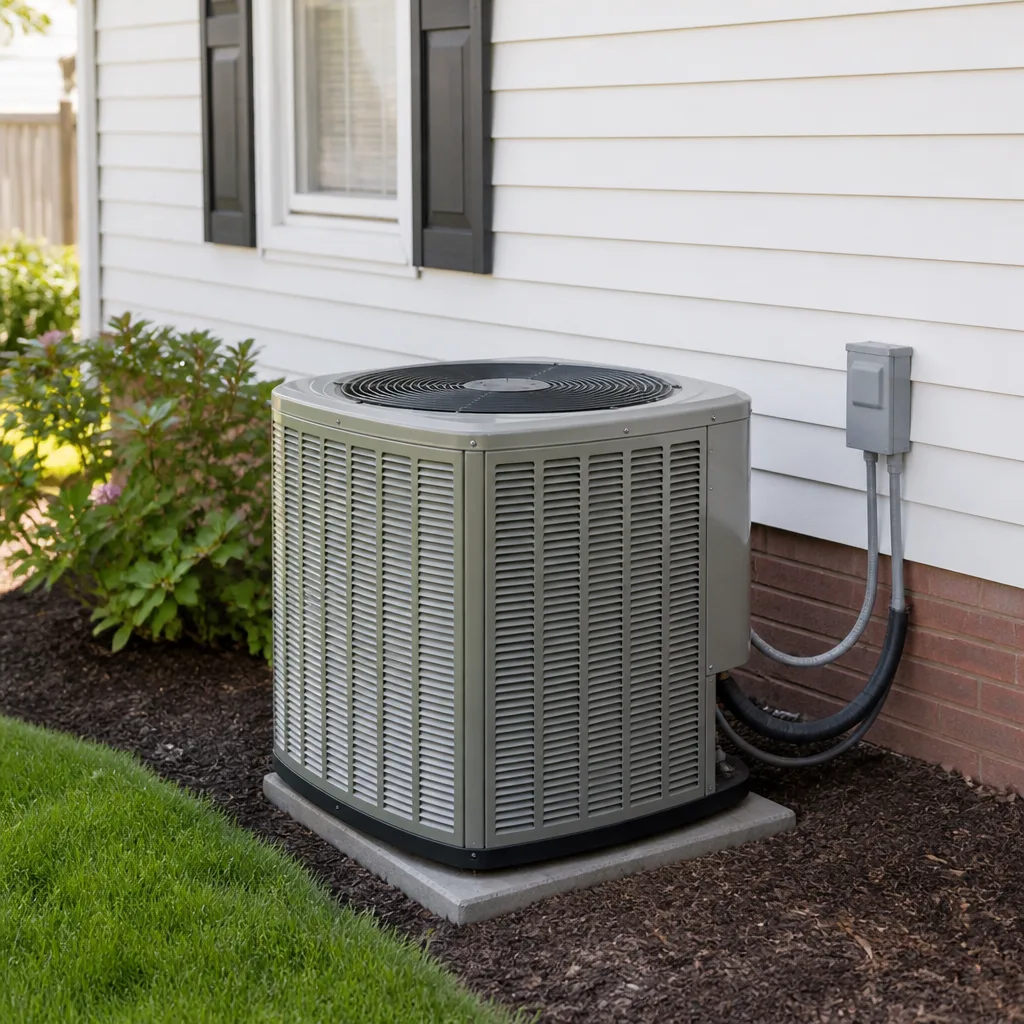 AC repair
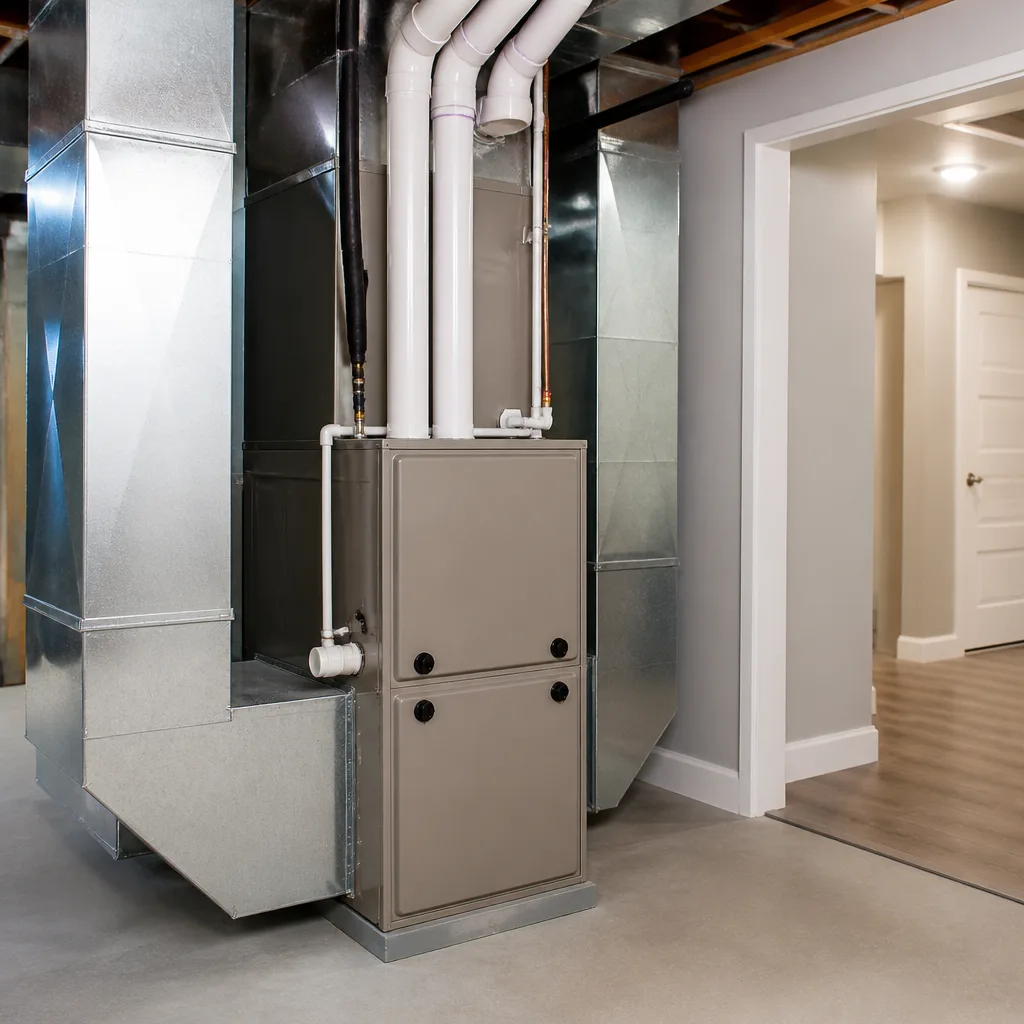 Furnace & heating
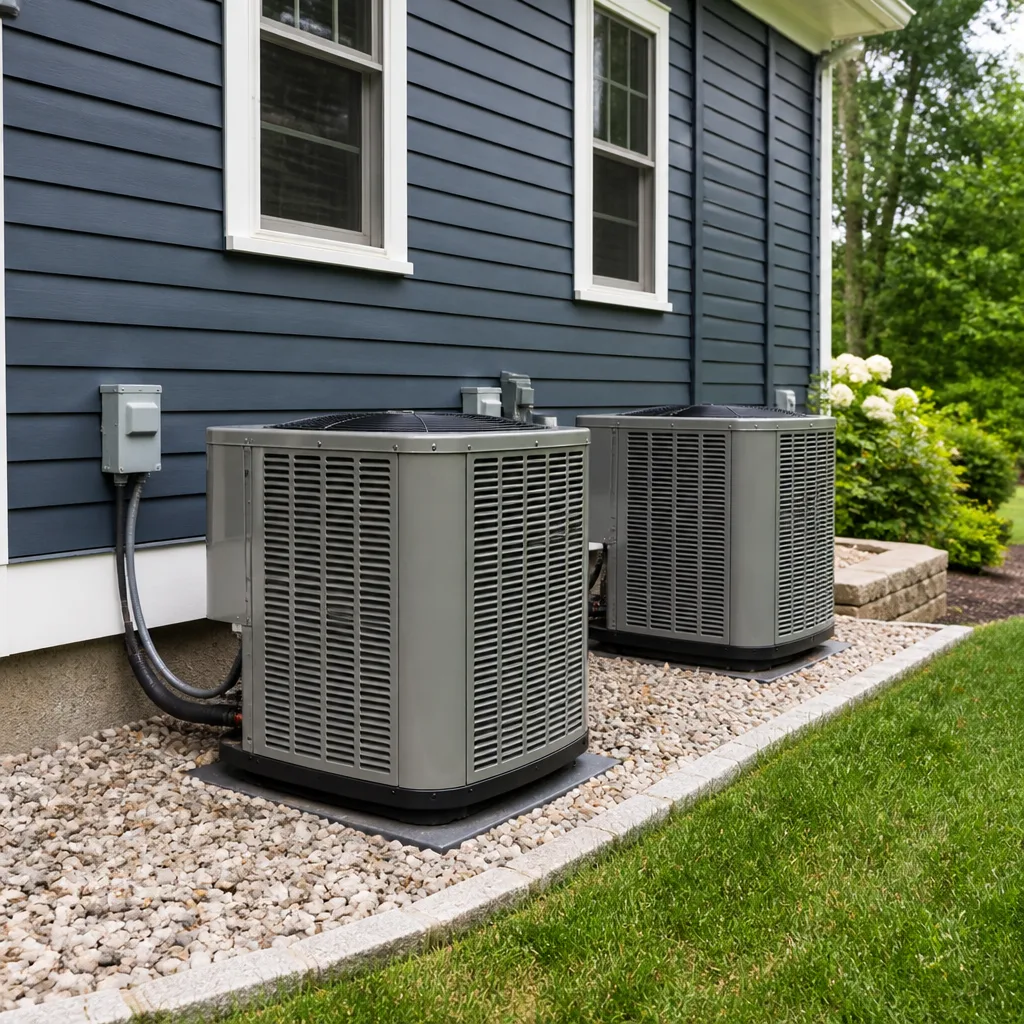 Heat pumps
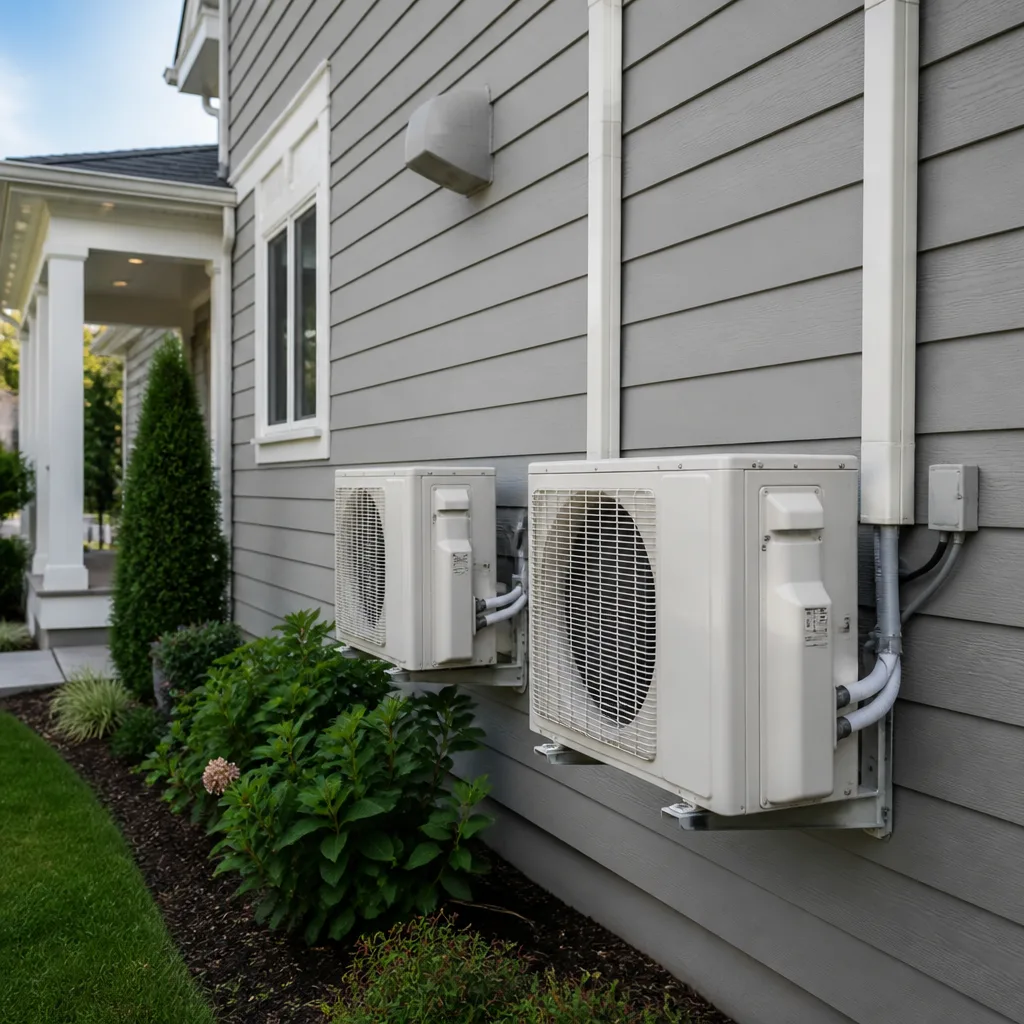 Ductless mini splits
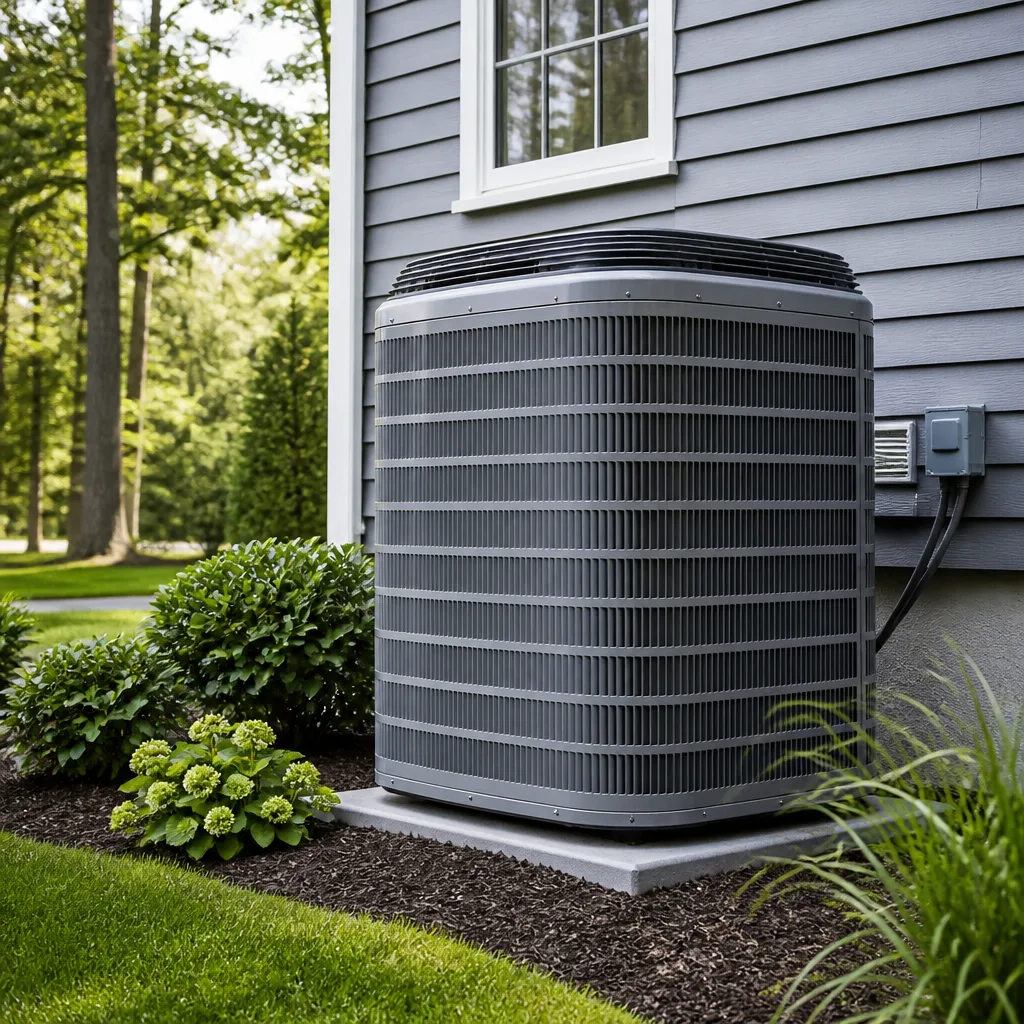 Carrier
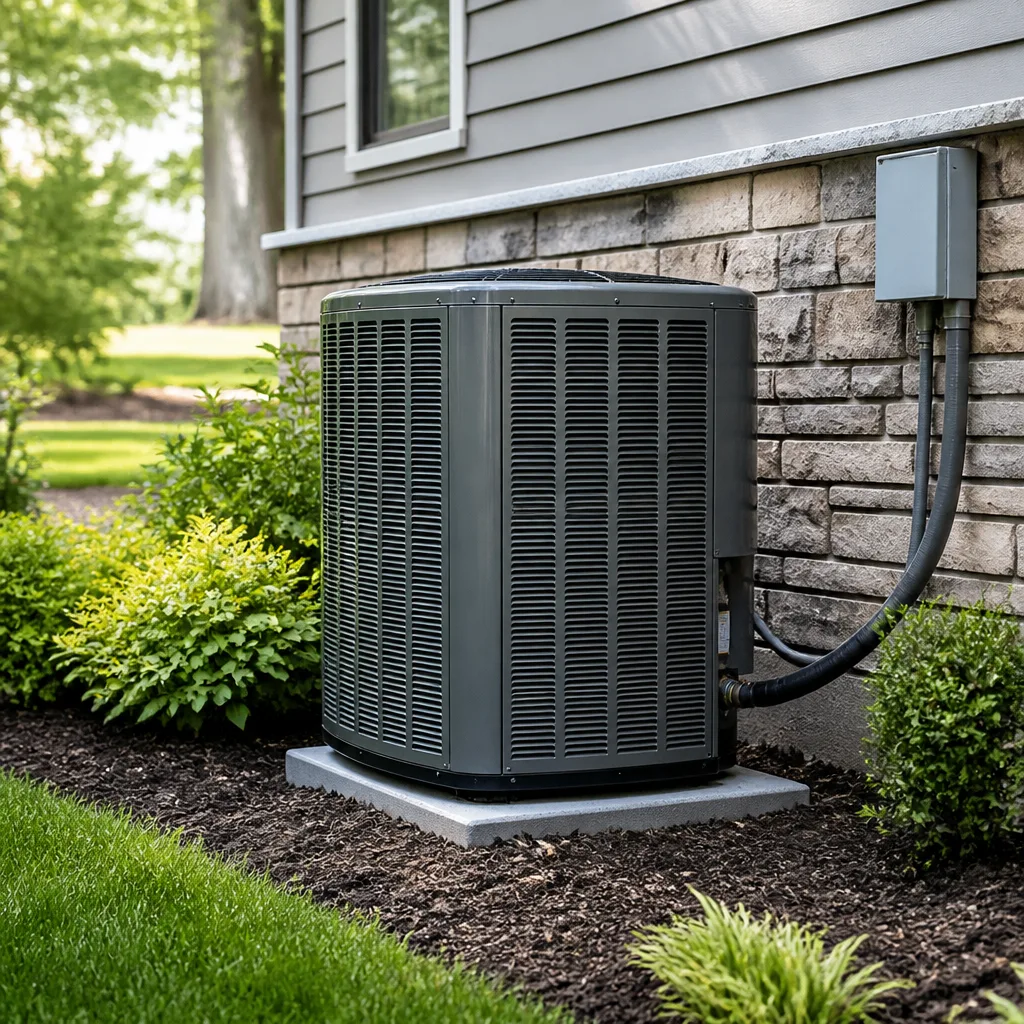 Trane
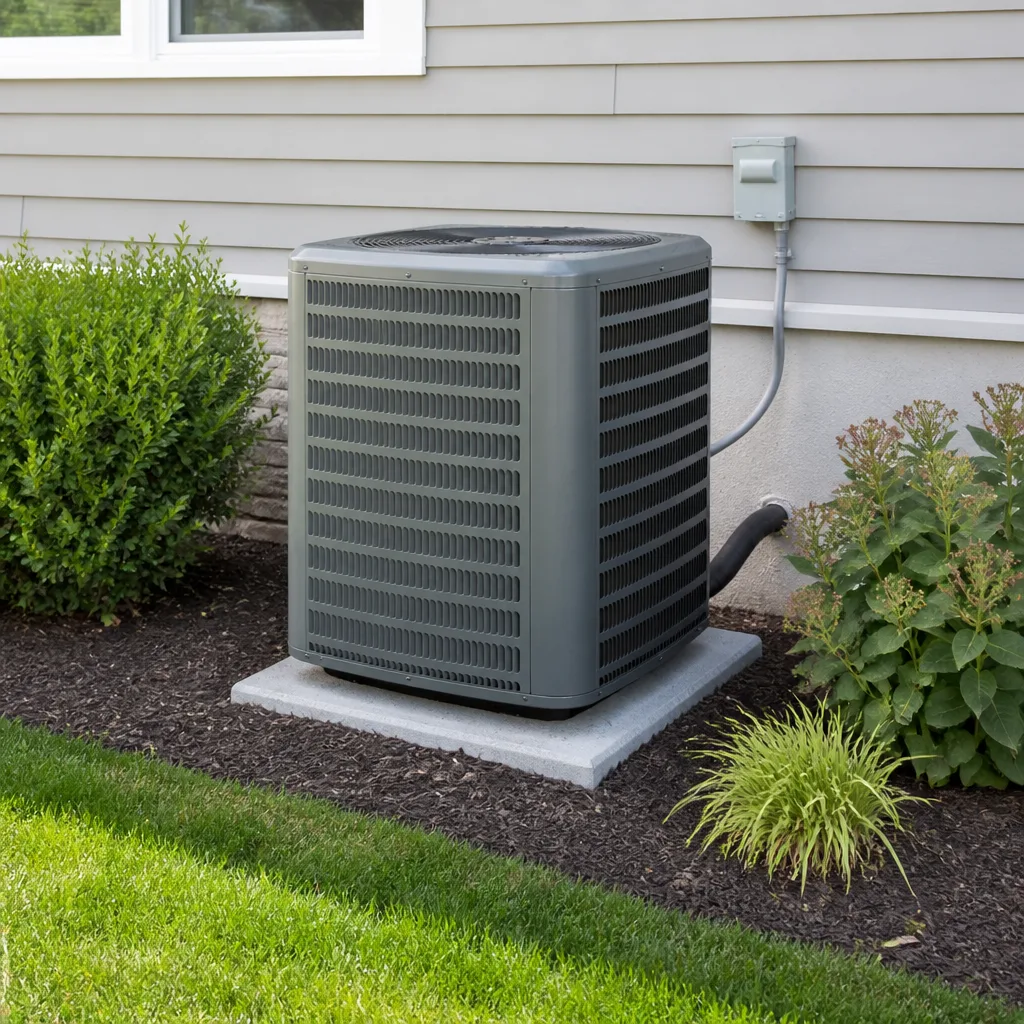 Goodman
Seasonal tune-up and full diagnostic on your Carrier, Trane, or Goodman system - readings shown to you before any repair is proposed
Diagnosis first, numbers second - you approve the repair price before a single part goes in.
Get your free estimateThe Complete Guide to HVAC in Spring Valley
Here is a number that surprises most homeowners: we’ve opened up hundreds of Spring Valley homes built during the 1995-2005 boom, and the majority are still running ductwork sized for a system that was replaced years ago. When a bigger, newer unit gets bolted onto those old ducts, it pushes roughly 30% harder than it should. The house never quite cools right, the electric bill climbs, and nobody can explain why. This guide treats Spring Valley as its own problem – the caliche under your slab, the tract-home duct layouts, the 115°F peaks and the time-of-use windows that decide what you pay. By the end you’ll know what’s actually wrong with your system, what a fair price looks like, and when to call someone.
Quick Answer
The biggest HVAC problem in Spring Valley isn’t the equipment itself – it’s the mismatch between aging tract-home ductwork and modern replacement units, made worse by caliche soil that traps condensate around ground-level equipment. A right-sized system, a clean duct run, and scheduling around NV Energy’s time-of-use windows will cut your summer bills more than any brand name will. When something fails, get readings before you get a price.
Styles & brands we work with
- AC repair
- Furnace & heating
- Heat pumps
- Ductless mini splits
- Carrier
- Trane
- Goodman
Table of Contents
- Why Your Spring Valley Ductwork Is Fighting Your New Unit
- What Caliche Soil Does to Your Equipment and Drain Pan
- Timing Your System Around NV Energy Time-of-Use Windows
- The Permits and Inspections a Full Changeout Requires in Clark County
- What “Right-Sized” Really Means in a Desert Climate
- How a Real Diagnostic Works: Readings First, Numbers Second
- Repair or Replace? A Plain-Facts Decision Guide
Why Your Spring Valley Ductwork Is Fighting Your New Unit
If your home went up between 1995 and 2005 – which covers most of the tract development in Spring Valley from Rhodes Ranch over toward the older pockets near Flamingo and Decatur – your ducts were sized for the tonnage the builder installed at the time. Builders in that era sized to the code minimum, not to how the house actually behaves in a 115°F summer. Fast-forward twenty-plus years, and that original unit has been swapped once, maybe twice. The replacement was probably upsized “to be safe.”
Here’s what happens next:
- The new unit moves more air than the old ducts can handle, so static pressure climbs.
- High static pressure forces the blower to work harder, drawing more amps and more watts.
- Airflow through the registers drops even though the unit is bigger – rooms stay warm.
- The system short-cycles, never reaching full dehumidification or steady temperature.
This is why a Spring Valley homeowner can buy a higher-efficiency unit and see the bill go up. The equipment is fine. The delivery system isn’t. If any of this sounds familiar, our AC Repair & Installation in Spring Valley page walks through what a proper load calculation and duct evaluation look like before we recommend anything.
What Caliche Soil Does to Your Equipment and Drain Pan
Spring Valley sits on top of a hard caliche layer – that white, cement-like soil that eats shovels and laughs at post hole diggers. Homeowners see it every time they try to plant a tree. What most don’t see is what it does to HVAC equipment sitting at ground level.
Caliche doesn’t drain. Water sits on it or runs sideways instead of soaking in. In our experience, three things go wrong because of this:
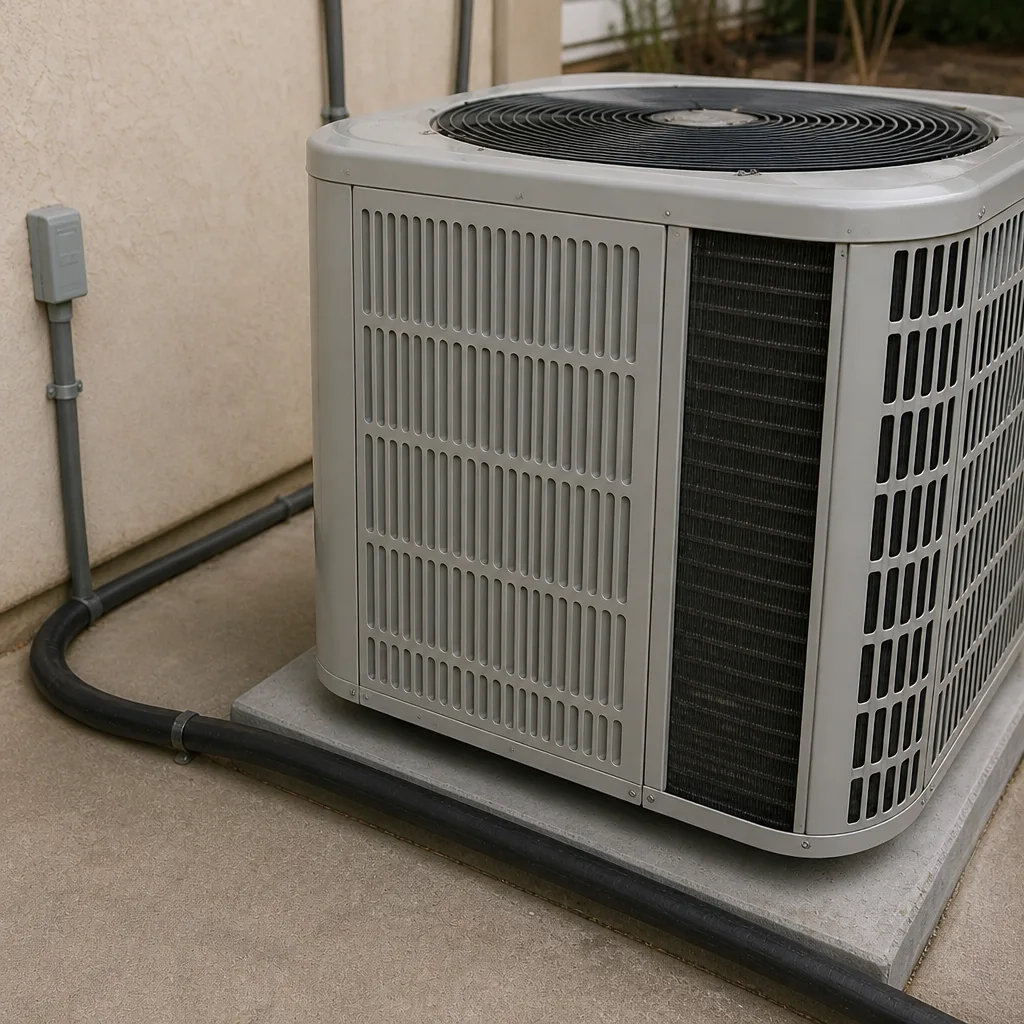
- The drain pan fills and overflows. A condensate pan that would drain fine in sandy soil sits in standing water here, and standing water finds its way into the cabinet, the coil, and eventually the ceiling below.
- The pad settles unevenly. Condensers set on caliche can tilt over a few summers, putting stress on the compressor mounts and stressing the refrigerant lines.
- Rust starts at the base. The cabinet bottom is the first thing to go, and by the time you see rust streaks on the concrete, the coil has usually been wet for a while.
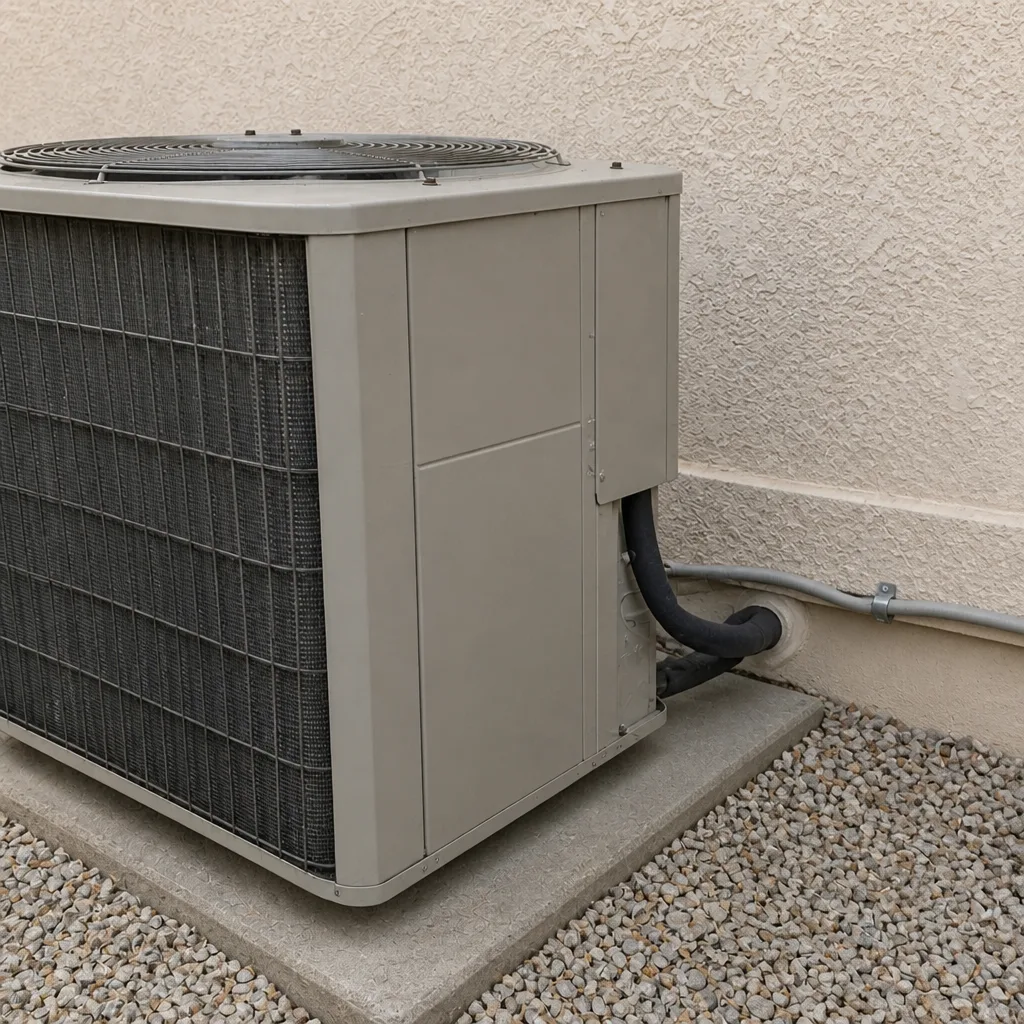
When we set or service a unit on a caliche-heavy lot in Spring Valley, we check the pad slope and the drain path before we do anything with refrigerant. A bad drain can mimic a failed system. It shouldn’t cost you a compressor to find that out.
Timing Your System Around NV Energy Time-of-Use Windows
If you’re on a time-of-use rate plan, the hours between roughly 5 p.m. and 8 p.m. on summer weekdays are when power is most expensive and the grid is most stressed. That’s also when homes in Spring Valley are hottest, because the afternoon sun has been baking west-facing walls for hours and the system has to work against all of it.
A little scheduling goes a long way. Here’s the approach that works in our experience:
- Pre-cool before 5 p.m. Drop the thermostat two to three degrees around 3:30 or 4 p.m. while rates are still low. The house has thermal mass – it will hold.
- Raise the setpoint during peak. Two degrees up during the rate window is barely noticeable if the house is pre-cooled, but it cuts runtime significantly.
- Shift heavy appliance use off-peak. Laundry, dishwasher, and EV charging all compete for the same expensive hours. Move them.
- Let a smart thermostat do the work. Programmable schedules beat willpower every time. Set it and forget it.
We’ve seen Spring Valley homeowners shave meaningful dollars off summer bills just by respecting the rate window. It’s the cheapest upgrade available, and it costs nothing.
The Permits and Inspections a Full Changeout Requires in Clark County
A full system changeout in Clark County isn’t a handshake job. The Nevada State Contractors Board licenses the contractor; Clark County Building and Fire issues the permit; and the work itself gets inspected. Skipping any of this is a bad idea, and here’s why it matters to you:
- Resale. An unpermitted HVAC changeout can surface during a buyer’s inspection and cost you the deal or a credit.
- Insurance. If a fire or water claim traces back to unpermitted work, your carrier has an argument it didn’t have before.
- Warranty. Most manufacturer warranties assume a licensed, permitted install. Unpermitted work can void the coverage you paid for.
The steps are straightforward when done right:
- Verify the contractor’s license with the Nevada State Contractors Board before signing.
- Confirm the permit is pulled in the contractor’s name – not yours.
- Get the permit number and inspection schedule in writing.
- Keep the inspection sign-off with your equipment paperwork.
Any contractor who suggests skipping the permit to save a few dollars is telling you how they’ll handle the rest of the job too.
What “Right-Sized” Really Means in a Desert Climate
Your neighbor’s 5-ton isn’t your answer. In humid climates, the rule of thumb leans big because you want to wring moisture out of the air. In a desert climate the opposite is often true: an oversized system blasts cold air, satisfies the thermostat in a few minutes, and never runs long enough to pull moisture or stabilize the house. You get short cycles, uneven rooms, and more wear on the compressor.
Right-sizing in Spring Valley starts with a real load calculation – a Manual J or equivalent – that accounts for:
- Window area and orientation (west-facing glass is punishing here)
- Insulation levels, which vary block by block in the 90s and 2000s builds
- Duct location – attic ducts in a 140°F attic lose capacity you paid for
- Actual square footage and ceiling height, not the listing square footage
Two homes on the same street can need different tonnage. The house tells you what it needs; the number on the box just says what it can deliver. That’s a conversation worth having before you sign anything, and our Heat Pump & Mini Split in Spring Valley page covers how right-sizing changes when you’re considering a heat pump or mini-split approach.
How a Real Diagnostic Works: Readings First, Numbers Second
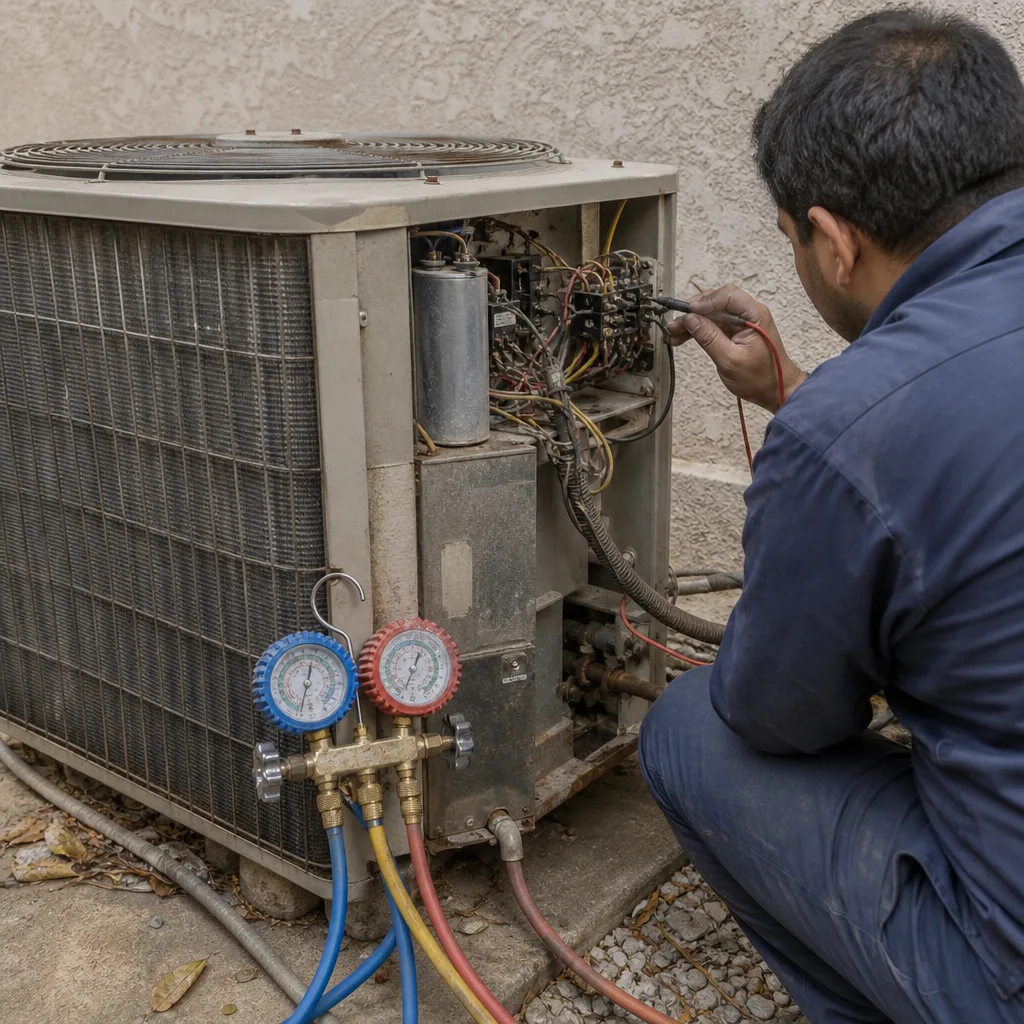
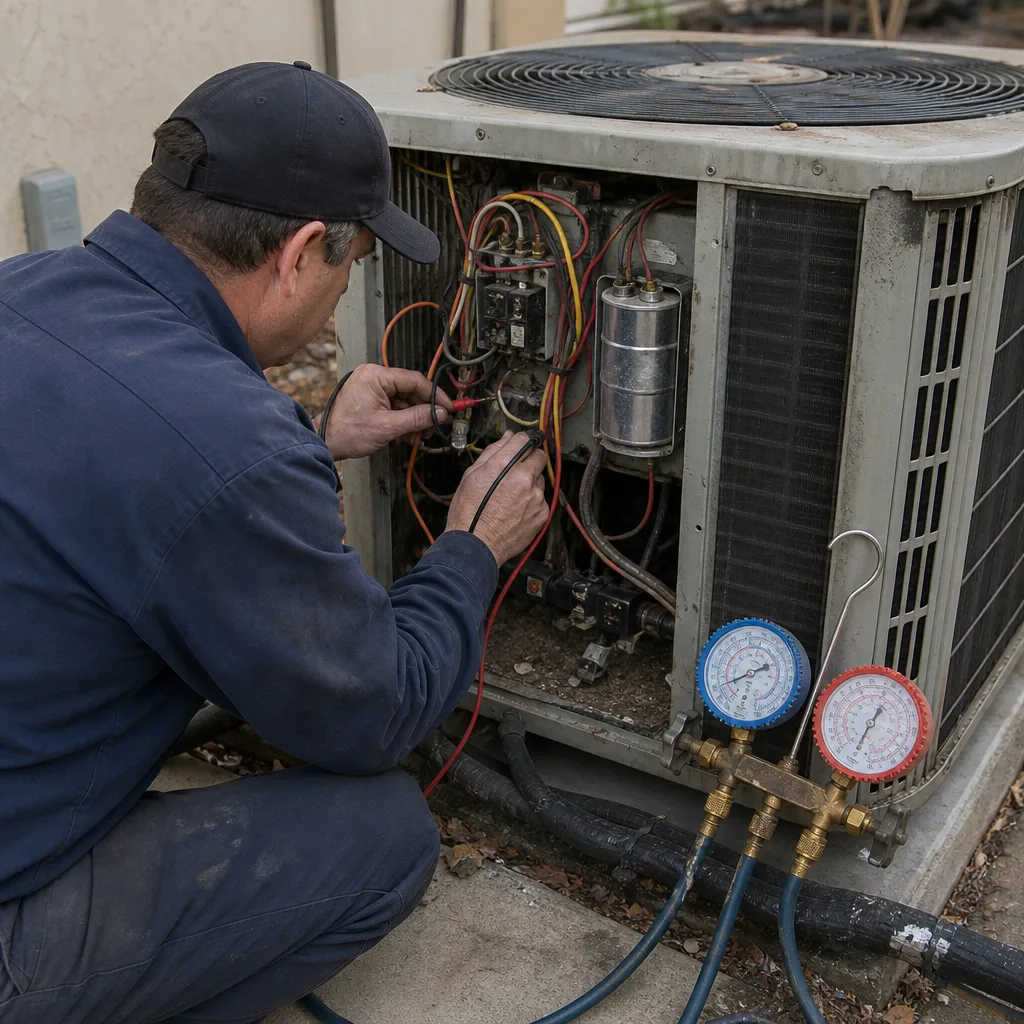
When a system is running warm, you should see readings before you see a price. Anyone who names a part before touching a meter is guessing, and you’re paying for the guess. Here’s the order we work in:
- Test the capacitor first. A weak capacitor is one of the most common summer failures and one of the cheapest fixes. We test it before anyone says the word compressor.
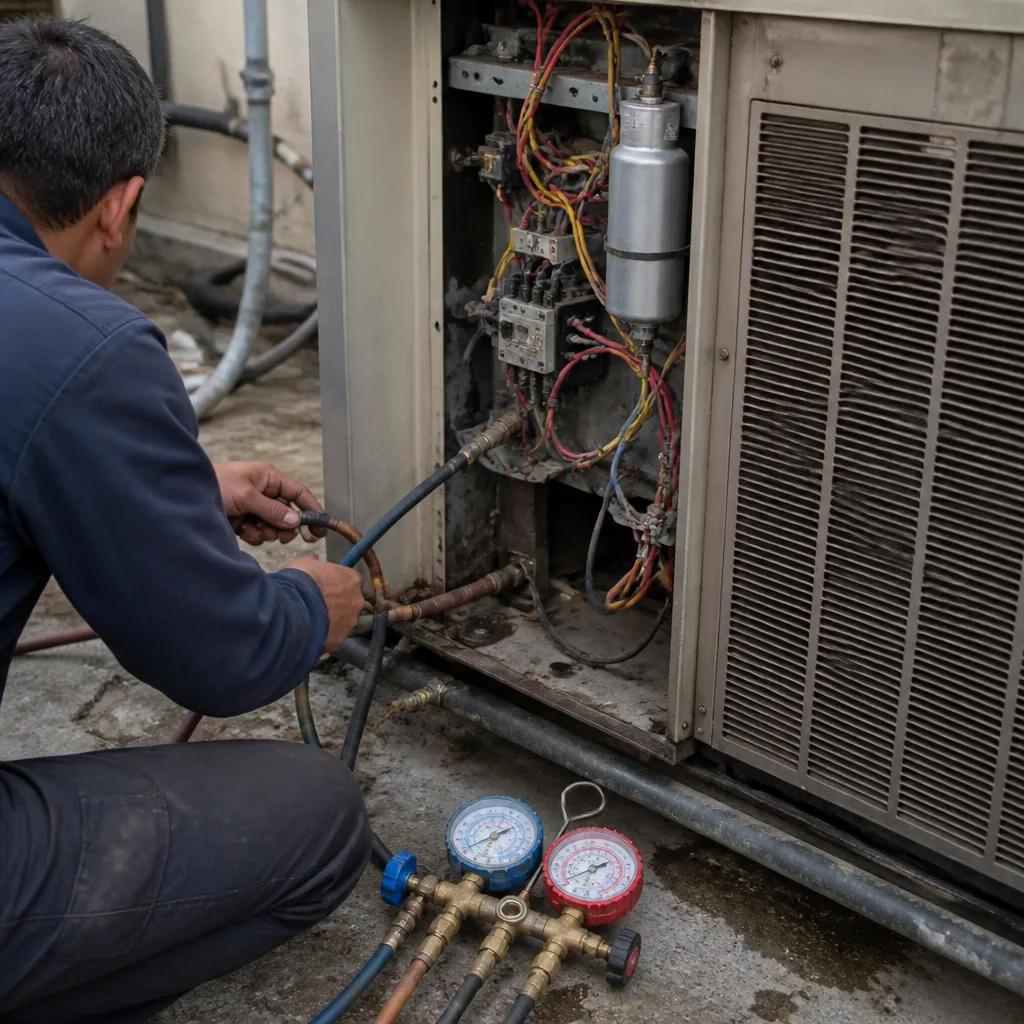
- Check refrigerant pressures and superheat/subcool. This tells you whether the system is low on charge, overcharged, or fine.
- Measure temperature split across the coil. A proper split confirms whether the system is actually moving cold air into the ductwork.
- Check static pressure and airflow. This is where the duct mismatch shows itself.
- Look at the electrical draw. A compressor pulling high amps is telling you something.
We show you the numbers before we quote a repair. When the readings point to something, you can see it. When they don’t, we say so. That’s the whole point of the 90-Day Done Right Promise – if it’s not done right, we come back and make it right.
Repair or Replace? A Plain-Facts Decision Guide
The rule we use: if the repair costs more than 30% of a new system and the unit is over 12 years old, it’s usually time to talk replacement. But that’s a starting point, not a verdict. Here’s how to think it through:
- Age. Most systems in Spring Valley get 12 to 16 years of useful life, sometimes less in a hot attic install.
- Refrigerant type. Older R-22 systems are expensive to service. The math shifts toward replacement.
- Repair history. Two compressor-related repairs in three years means the next one is probably coming.
- Efficiency gap. A 10-SEER unit running against a 15-SEER replacement will pay back the difference over its lifetime in this climate.
- Duct condition. If the ducts need major work anyway, replacing the unit at the same time is more economical than doing it in two phases.
The right answer depends on your specific readings, not a generic chart. Get the numbers first, then decide.
Common Mistakes to Avoid
- Upsizing “to be safe.” A bigger unit on undersized ducts in a Spring Valley home runs worse than the right-sized unit on the right ducts. More tonnage is not more comfort.
- Skipping the permit. An unpermitted changeout is a resale problem, an insurance problem, and often a warranty problem. It’s not a shortcut – it’s a liability.
- Replacing the condenser without the coil. A mismatched coil and condenser can cut efficiency dramatically and shorten compressor life. Replace as a set.
- Ignoring the drain pan on a caliche lot. Rusted pans and blocked drain lines cause water damage that costs far more than a service call. Check it during every tune-up.
- Letting the peak-rate hours stay peak. If you’re on NV Energy time-of-use and you’re running laundry at 7 p.m. in July, you’re doing it the expensive way.
- Trusting a phone quote. A price quoted before anyone has seen the system, tested the capacitor, or measured static pressure is a guess dressed up as a number.
- Choosing the cheapest bid. The low bid usually comes from a crew that will not be back. The name matters, the license matters, and the promise matters.
See the difference
 Before
 After
 Before
 After
 Before
 After
When to Call a Professional
Some problems are worth a look yourself – a tripped breaker, a clogged filter, a thermostat set to the wrong mode. But a few situations call for a trained professional right away: any refrigerant work, because it’s regulated and it’s dangerous; any electrical component inside the cabinet; a compressor that won’t start or keeps tripping; a system that’s running but no longer cooling in a Spring Valley summer; and any coil or drain-pan issue where water is finding its way into walls or ceilings. Refrigerant and high-voltage components are not DIY territory – they can hurt you, and they can make a repairable system worse. Ray’s Heating & Air Spring Valley home offers free estimates in Spring Valley – call (833) 620-7288.
Frequently Asked Questions
Most full system changeouts in Spring Valley land between $6,500 and $11,500 installed, depending on tonnage, SEER rating, duct condition, and whether a heat pump is part of the package. Attic installs and caliche-heavy lots with pad work push toward the higher end. Call (833) 620-7288 for an exact quote – estimates are free and we show you the readings first.
We don’t recommend it. A capacitor holds a dangerous charge even when the power is off, and the underside of an air handler is one of the most common spots for a serious shock. Let someone with a meter and the training handle it – it’s usually a quick, inexpensive repair.
Nine times out of ten it’s the ductwork, not the unit. Spring Valley homes built in the 90s and 2000s have ducts sized for older, smaller systems. A newer unit pushes against ducts that can’t carry the airflow, and the house stays warm even though the compressor is running hard. A static pressure check tells you in about ten minutes.
Once a year for the AC, once a year for the heat, ideally spring and fall. The desert dust, the long cooling season, and the 140°F attic conditions here wear equipment faster than milder climates. A tune-up catches a weak capacitor and a clogged drain pan before they become a no-cooling call in July.
Often yes – through NV Energy programs and federal tax credits that change year to year. We walk through what’s currently available and handle the paperwork as part of the install. Call (833) 620-7288 to review your options.
All major brands – Carrier, Trane, Lennox, Goodman, Rheem, York, Daikin, Bryant, and American Standard, plus heat pump and mini-split systems. Our technicians have up to 24 years of experience across the brands you’ll find in Spring Valley homes. Heating & Furnace in Spring Valley covers the heating side of the same systems.
The Bottom Line
The HVAC reality in Spring Valley comes down to three things most guides ignore: ductwork from the 90s boom sized for equipment that’s long gone, caliche soil that traps water under your equipment, and summer peaks at 115°F colliding with an already-stressed grid. Fix the duct match, watch the drain pan, respect the time-of-use window, pull the permit, and right-size for the desert rather than the humid-climate rulebook. Get readings before you get a price. Repair if the numbers make sense; replace when they don’t. And when something fails, call (833) 620-7288 for a free estimate – we’ll be there.
Written by the team at Ray’s Heating & Air Spring Valley.