
Last updated November 18, 2026
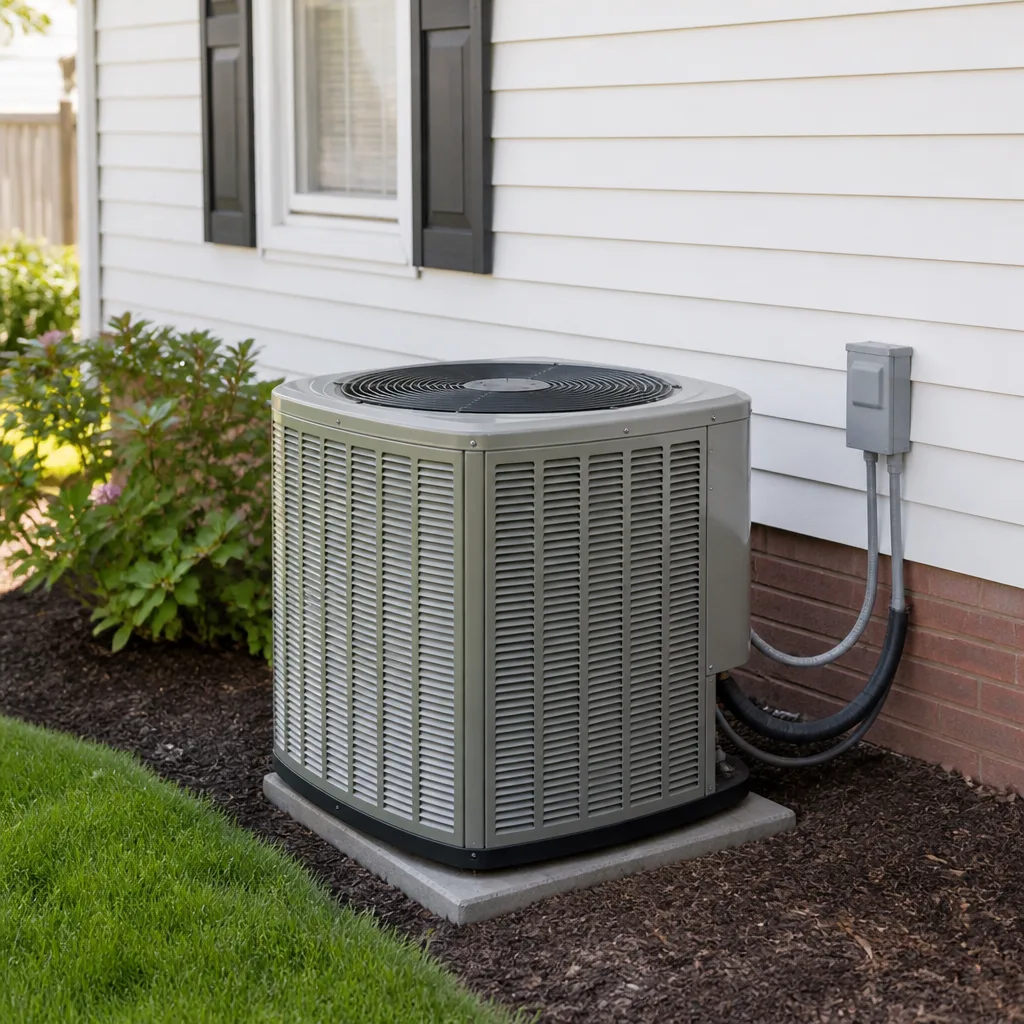 AC repair
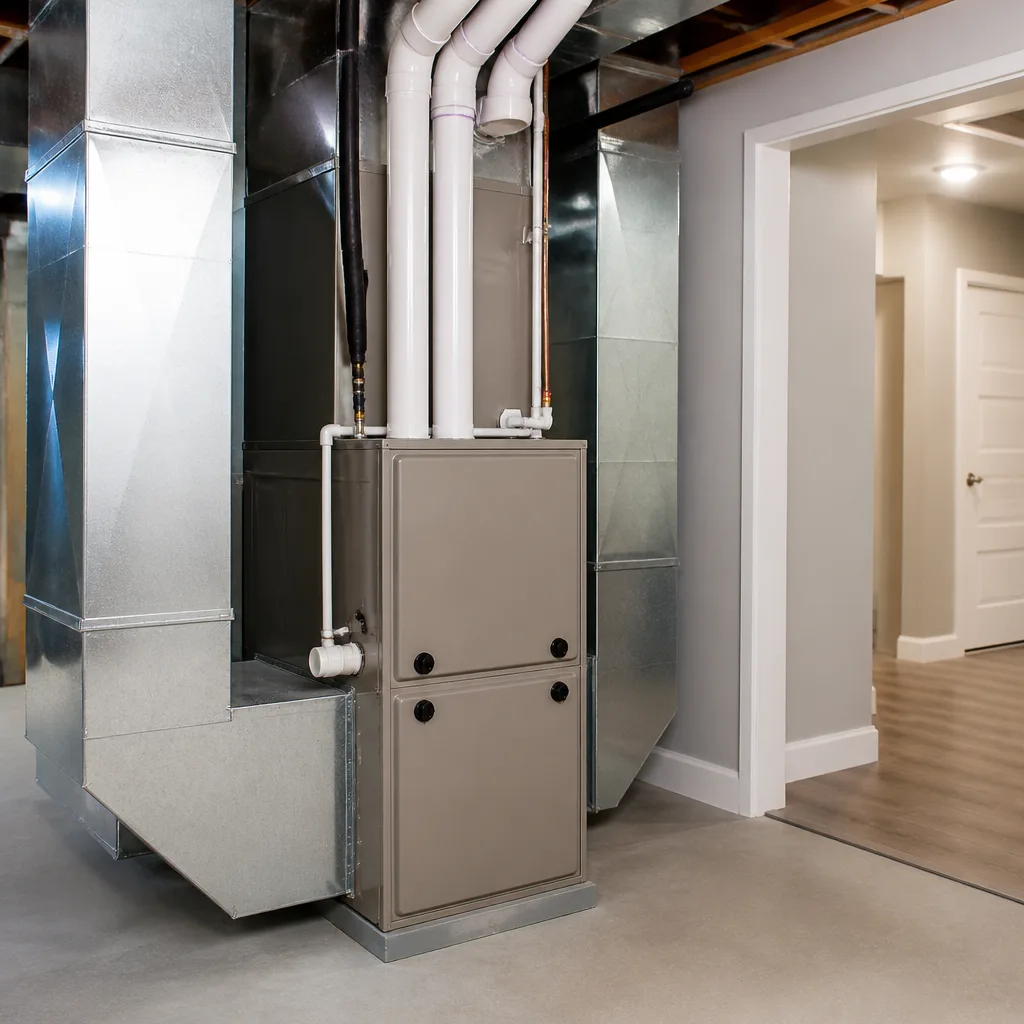 Furnace & heating
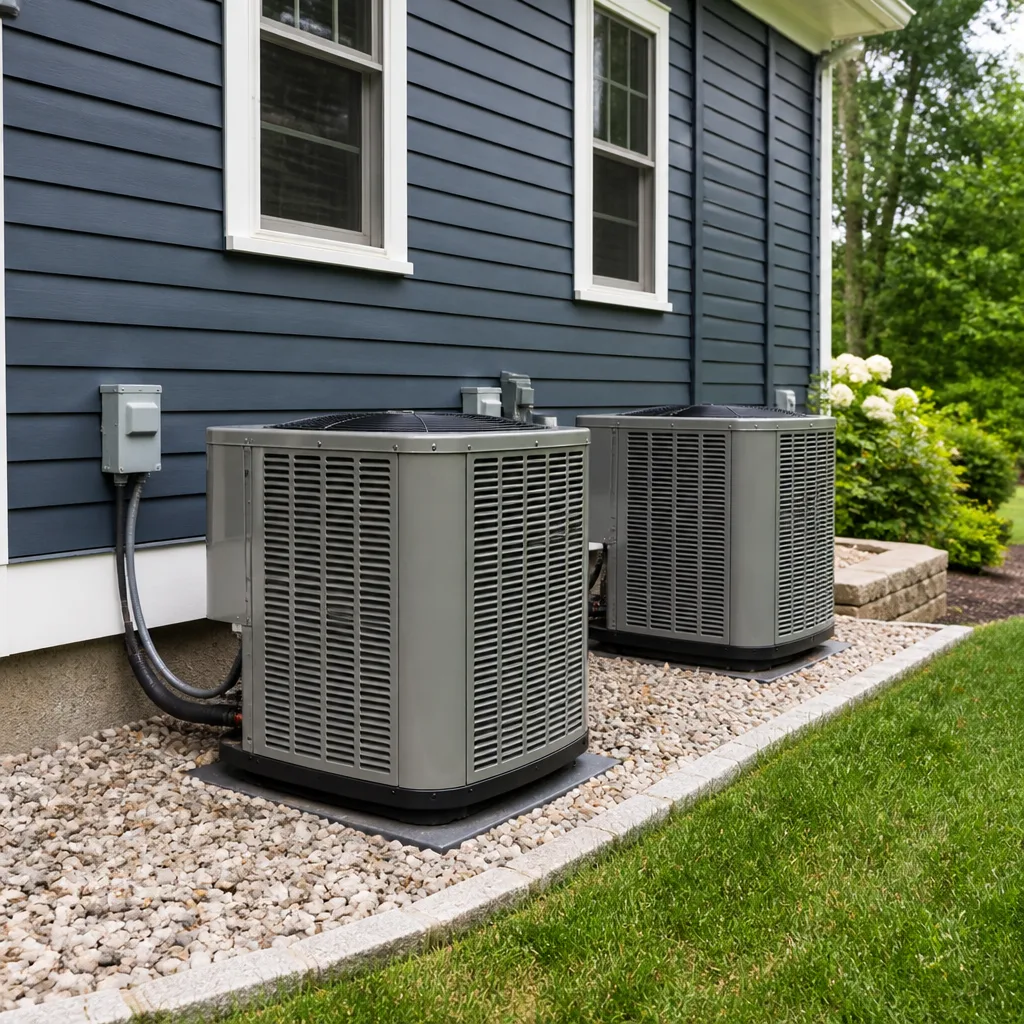 Heat pumps
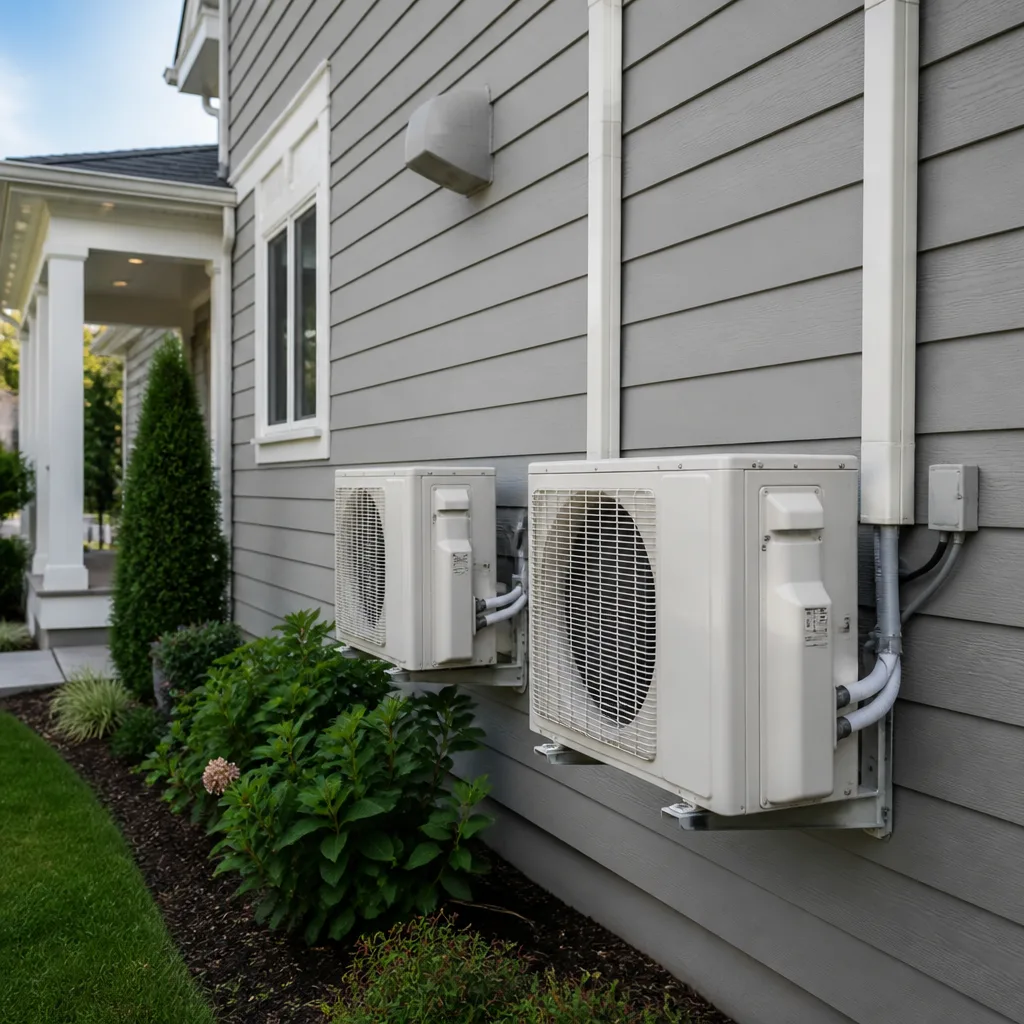 Ductless mini splits
 Carrier
 Trane
 Goodman
Seasonal tune-up and full diagnostic on your Carrier, Trane, or Goodman system - readings shown to you before any repair is proposed
Diagnosis first, numbers second - you approve the repair price before a single part goes in.
Get your free estimateDIY vs Professional AC Repair & Installation: What’s Safe to Do Yourself
Replacing a capacitor yourself is legal, cheap, and genuinely within reach for anyone who can swap an outlet. Touching the refrigerant lines on that same unit without an EPA 608 card is a federal violation with fines starting at $44,539 per day. Same machine. Two completely different rules. Most homeowners never hear that distinction, because the YouTube thumbnail doesn’t mention it. This guide draws the line clearly, without talking down to anybody, and separates what’s legal from what’s smart from what can flat-out hurt you. We’re writing it from Spring Valley, where summer afternoons hit 105 and a dead AC isn’t a nuisance, it’s a health risk.
Quick Answer
Changing a filter, cleaning the outdoor coil, and replacing a run capacitor are legal and reasonable for a handy homeowner. Anything involving refrigerant, the sealed system, gas lines, or the main electrical feed to the unit requires a licensed professional in Nevada, and doing it yourself can void your warranty, fail a home inspection, and in the worst cases cause serious injury. The gray zone in between is where most of the money and most of the risk actually live.
Styles & brands we work with
- AC repair
- Furnace & heating
- Heat pumps
- Ductless mini splits
- Carrier
- Trane
- Goodman
Table of Contents
- The Legal Line in Nevada: What You Can and Can’t Do
- The Capacitor Truth: Safe DIY and How to Do It Right
- Warranty Math: The $4,000 System You Void to Save $150
- The Electrical Risk Nobody Warns You About
- What “Improper Installation” Costs You at Resale
- How to Spot an Upsell and What to Ask First
- The Gray Zone: You Can, But You Probably Shouldn’t
- Why Spring Valley Heat Changes the Calculation
The Legal Line in Nevada: What You Can and Can’t Do
Here’s the part that surprises people. Nevada law doesn’t treat all AC work the same. The line isn’t drawn around “difficulty,” it’s drawn around what touches the refrigerant circuit and what touches the building’s electrical and gas systems. That’s why an honest contractor will tell you a capacitor swap is yours to make and a refrigerant recharge is not.
Legally DIY-able in Nevada for a homeowner:
- Replacing air filters (monthly in summer here, no exceptions)
- Cleaning the outdoor condenser coil with a garden hose
- Straightening bent coil fins with a fin comb
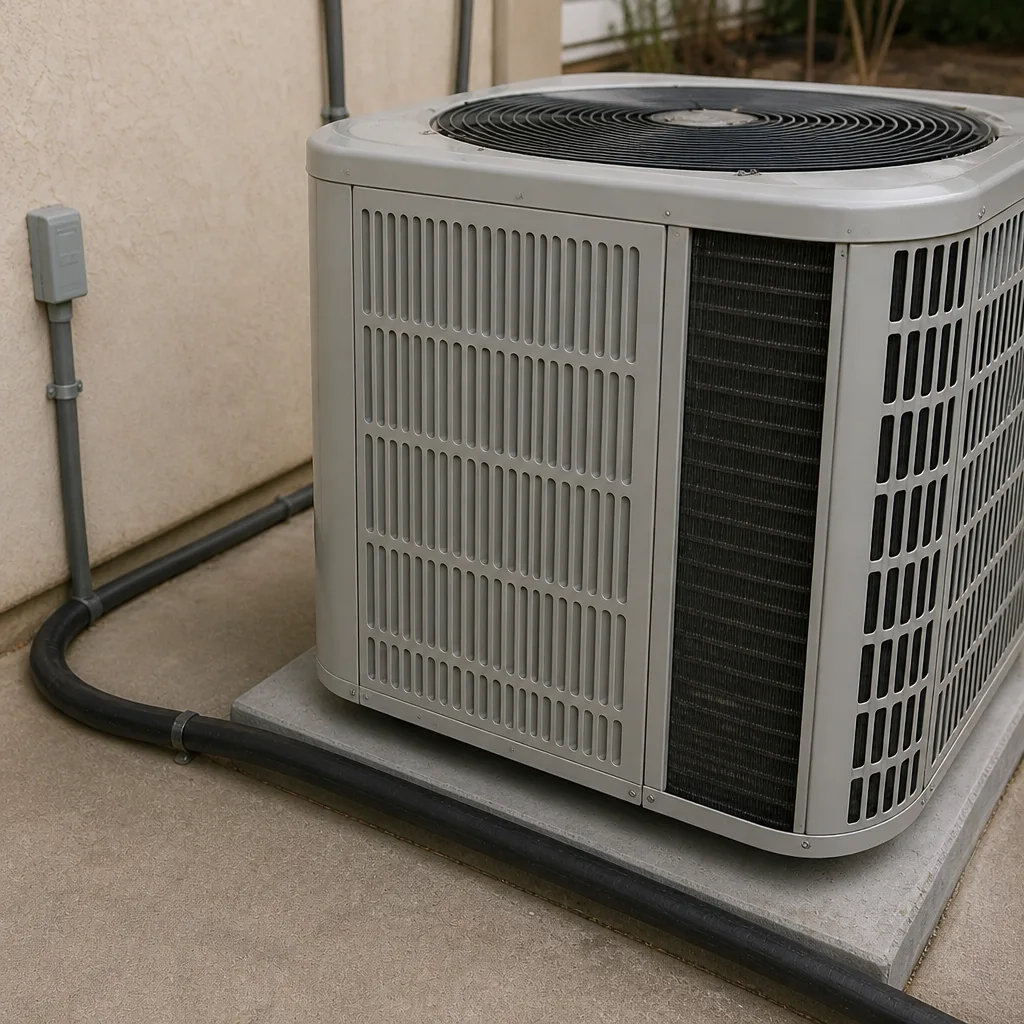
- Replacing a run capacitor or start capacitor on the outdoor unit, with the power off at the disconnect
- Clearing a condensate drain line
- Replacing a thermostat (low-voltage only, and this one has caveats)
- Cleaning debris out of the unit’s cabinet
Requires a licensed contractor by law:
- Anything that opens the refrigerant circuit – recharge, leak repair, evaporator or condenser replacement
- Recovering or handling refrigerant (federal EPA Section 608 certification required, separately from state licensing)
- Running new electrical circuits or replacing the disconnect box
- Gas line work on a furnace or gas-pack unit
- Full system installation or replacement
- Ductwork that’s part of the permitted mechanical system
The federal refrigerant rule is the one that bites hardest. The EPA’s fine schedule starts at $44,539 per day per violation for knowingly venting refrigerant. That’s not a typo and it’s not theoretical. It’s why the refrigerant lines are the one place where “I watched a video” meets federal law and loses badly.
The Capacitor Truth: Safe DIY and How to Do It Right
Capacitors are the single most common AC failure in Spring Valley. The heat is brutal on them, and a $15 to $40 part is what’s keeping your house at 78 instead of 105. Replacing one is genuinely within reach, and we’d rather you know how to do it safely than guess.
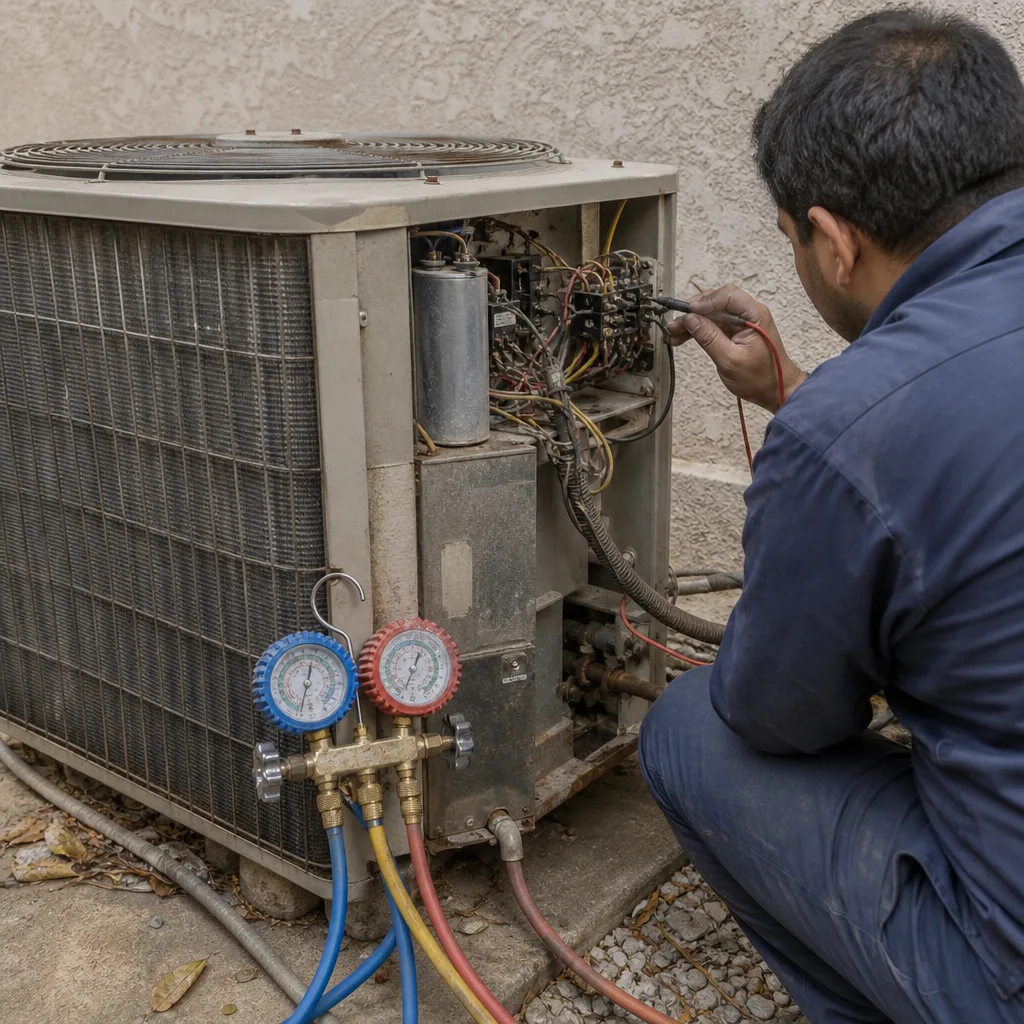
The danger isn’t the shock from the wall. It’s the charge the capacitor itself holds after the power is off. A capacitor can hold a lethal charge for minutes or longer after you pull the disconnect. That’s the part the video skips.
If you’re going to do this, do it in this order:
- Kill power at the thermostat, then pull the outdoor disconnect. Confirm the unit is dead by trying to start it.
- Wait at least five full minutes.
- Discharge the capacitor safely using an insulated-handled screwdriver across the terminals, or better, a proper capacitor discharge tool. Never your fingers, never a bare tool.
- Photograph the wiring before you touch anything. Label the terminals if you’re unsure.
- Match the microfarad rating and voltage exactly. A 45/5 µF 370V is not interchangeable with a 35/5 µF 440V unless the label on your motor says so.
- Install with the terminals in the same orientation and reconnect exactly as photographed.
- Restore power and test.
If any of that reads as more than you want to take on, that’s a smart read. There’s no shame in it. For anything past this, the better move is our AC Repair & Installation in Spring Valley page, where the work and the warranty live.
Warranty Math: The $4,000 System You Void to Save $150
Here’s the math nobody runs until after the fact. A new Carrier or Trane system installed in Spring Valley runs $4,000 to $7,500 depending on tonnage and ductwork. That system carries a manufacturer’s parts warranty, typically 5 to 10 years on the compressor and coil, and it’s conditional.
The condition is almost always: installation and service by a licensed contractor, and no unqualified tampering. Change a capacitor correctly and you’re fine. Touch the refrigerant circuit, bypass a safety switch, or install the system yourself without a permit, and the warranty can be denied on the exact failure you’re calling about.
Run the numbers. You saved $150 on a service call. The compressor fails at year four. The warranty pays nothing because the install record doesn’t show a licensed contractor. Now you’re looking at $1,400 to $2,600 for a compressor replacement on a system that should have been covered. That’s the trade most people don’t see until they’re standing in it.
The Electrical Risk Nobody Warns You About
AC condensers pull serious amperage. A 3-ton unit draws 15 to 20 amps at 240 volts on a dedicated circuit, and that circuit doesn’t care whether you read the label. The real risk isn’t the running current, it’s the stored charge in the capacitor and the possibility of an arc flash if you contact live terminals with a tool.
Two things make this more dangerous in a Spring Valley summer than people realize. First, the outdoor disconnect often sits in direct sun and the plastic housings get brittle and crack – the disconnect itself becomes a hazard. Second, condensate. Our units run hard from May through October, and water pools near the pad, the electrical, and the disconnect more than in cooler climates. Wet hands, wet tools, wet concrete, live electricity.
If you’re going to work on your own unit, the rule is simple: power off, wait five minutes, discharge the capacitor, and use one hand where possible. If you see scorched wiring, a melted disconnect, or a tripped breaker that keeps tripping, stop. That’s not a DIY problem. That’s a call.
What “Improper Installation” Costs You at Resale
A home inspector doesn’t need to open the unit to find a bad install. They find it in the details, and those details come back at the negotiating table years later.
What “improper installation” looks like on a report:
- No visible permit record for the system replacement
- Refrigerant line set run too long or improperly insulated
- Condensate drain with no trap, or a trap that drains uphill
- Missing or undersized return air
- Electrical disconnect not properly bonded or the wrong amperage
- Unit sitting on a pad that’s settled or pitched, causing the compressor to run off-level
- Ductwork taped with the wrong tape, or disconnected in the attic
Any one of these can knock $1,500 to $4,000 off a Spring Valley sale, because the buyer’s agent now has a reason to ask for a credit. We’ve seen a $900 corner cut on install cost the seller $3,200 at closing. Installation is a permit-and-record business for a reason. It protects the guy who owns the house ten years later.
How to Spot an Upsell and What to Ask First
Not every big quote is an upsell, and not every small one is honest. The difference is almost always whether the person showed you the readings before they showed you the price. Our own rule is readings first, numbers second – you should see the capacitor test result, the amp draw, and the refrigerant pressures before anyone says the word “compressor.”
Questions to ask before you agree to anything:
- Can I see the reading that says this part is bad?
- What’s the part cost versus the labor cost?
- Is this part still under the manufacturer’s warranty?
- Would a capacitor test or a hard-start kit fix this for less?
- What happens if we do nothing for 30 days?
- Can I get a written second opinion on that estimate?
If the answer to question one is a shrug, you have your answer. If it’s a meter held in front of you with a reading on it, that’s a real diagnosis. Ray’s Heating & Air publishes a Free Second Opinion on any written estimate precisely because this question comes up. For a look at what a real Spring Valley repair actually costs, the cost breakdown on our AC repair page is a solid benchmark to hold any quote against.
The Gray Zone: You Can, But You Probably Shouldn’t
There’s a category that nobody talks about. Legal for you to do. Easy enough to do. And still a bad idea, because the failure mode is expensive, invisible, or both.
- Thermostat replacement. A basic 5-wire heat/cool stat is a 20-minute job. A communicating or heat-pump thermostat – the kind that runs a modern Lennox or Goodman variable-speed system – is not. Wire one wrong and you fry the control board, which is a $400 to $900 part.
- Condensate drain clearing. Safe to do. But if you clear it and don’t find the real growth source, it clogs again in three weeks, and the second time it floods the ceiling below.
- Adding refrigerant from a can. It is illegal without EPA 608 certification, and the “recharge in a can” sold at hardware stores is either a stop-leak snake oil or a top-off that masks the actual leak. It’ll work for a month. Then it doesn’t.
- Filter selection. Sounds trivial. A MERV 13 filter on an older system can starve the return air and freeze the coil. In Spring Valley’s dust, most homes are better served by MERV 8 changed monthly than a restrictive filter changed twice a year.
- Duct tape on duct leaks. Standard duct tape fails in 90 days in our attic heat. Foil tape or mastic works. Getting up in a 140-degree attic to find the leak is where the risk lives.
Why Spring Valley Heat Changes the Calculation
Our climate makes a difference to this whole question. A system in a mild climate gets more slack – a slightly undercharged unit or a marginal capacitor might limp along for a few seasons. In Spring Valley, the unit runs 8 to 10 hours a day from June through September. Marginal parts fail fast, and small inefficiencies compound.
That cuts two ways. It means DIY-friendly repairs like a capacitor swap are more likely to actually be needed here. It also means the cost of getting it wrong is higher, because a system that fails at 2 p.m. in August isn’t a “we’ll get to it Saturday” situation. It’s 105 inside by evening.
Around Spring Valley, we regularly see spring failures tied to the first big heat wave – the unit that limped through May gives up in the first week of June. A $2,000 replacement debate in July was a $200 capacitor in April. That’s why we run spring tune-ups on the Heating & Furnace in Spring Valley side of the house too, because the same habits protect both systems.
For homeowners running heat pumps or ductless mini-splits, the DIY line is a little tighter. Those systems rely more on the compressor and refrigerant charge than a standard split, so the gray zone gets wider. Our Heat Pump & Mini Split in Spring Valley team handles the part of the work that a homeowner can’t legally touch.
Common Mistakes to Avoid
- Not pulling the disconnect before touching the unit. The thermostat off is not enough. A second set of contacts can still be live. Pull the outdoor disconnect every time.
- Skipping the capacitor discharge. The single most common way a “simple repair” turns into an ER visit. Wait five minutes, then discharge with a proper tool.
- Adding refrigerant from a store-bought can. Illegal without certification, and it masks the real leak instead of finding it. It buys a month and costs you a compressor.
- Installing your own system to save on labor. You’ll void the manufacturer’s warranty, skip the permit, and the buyer’s inspector will find it at resale. That $1,500 you saved becomes a $3,000 negotiation.
- Swapping a thermostat on a communicating system. Basic stats are fine. Communicating systems need a communicating stat or you’ll burn the control board.
- Using standard duct tape on attic ductwork. It fails in one Spring Valley summer. Foil tape or mastic, or nothing.
- Chasing the cheapest quote without asking for readings. A quote with no diagnostic behind it is a guess. A quote with a meter reading is a diagnosis. Ask for the reading first.
See the difference
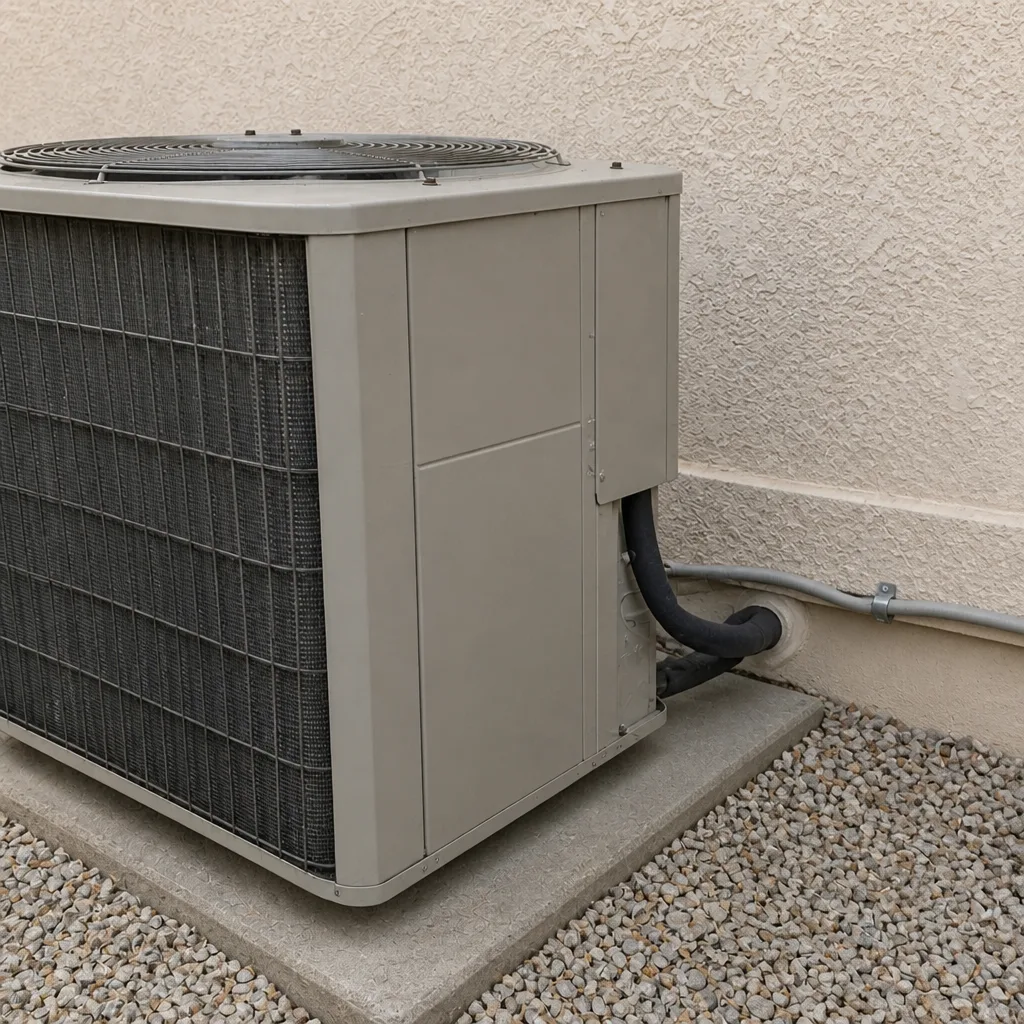
 Before
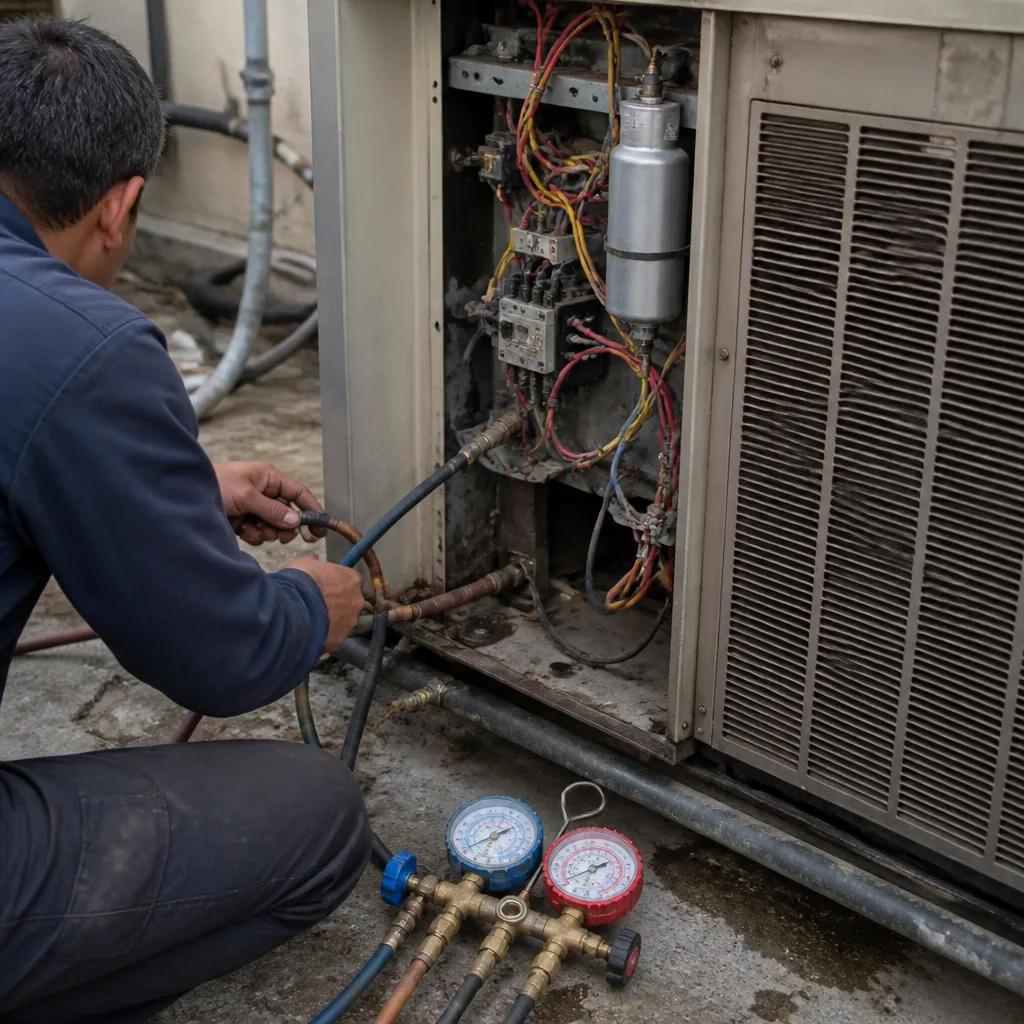
 After
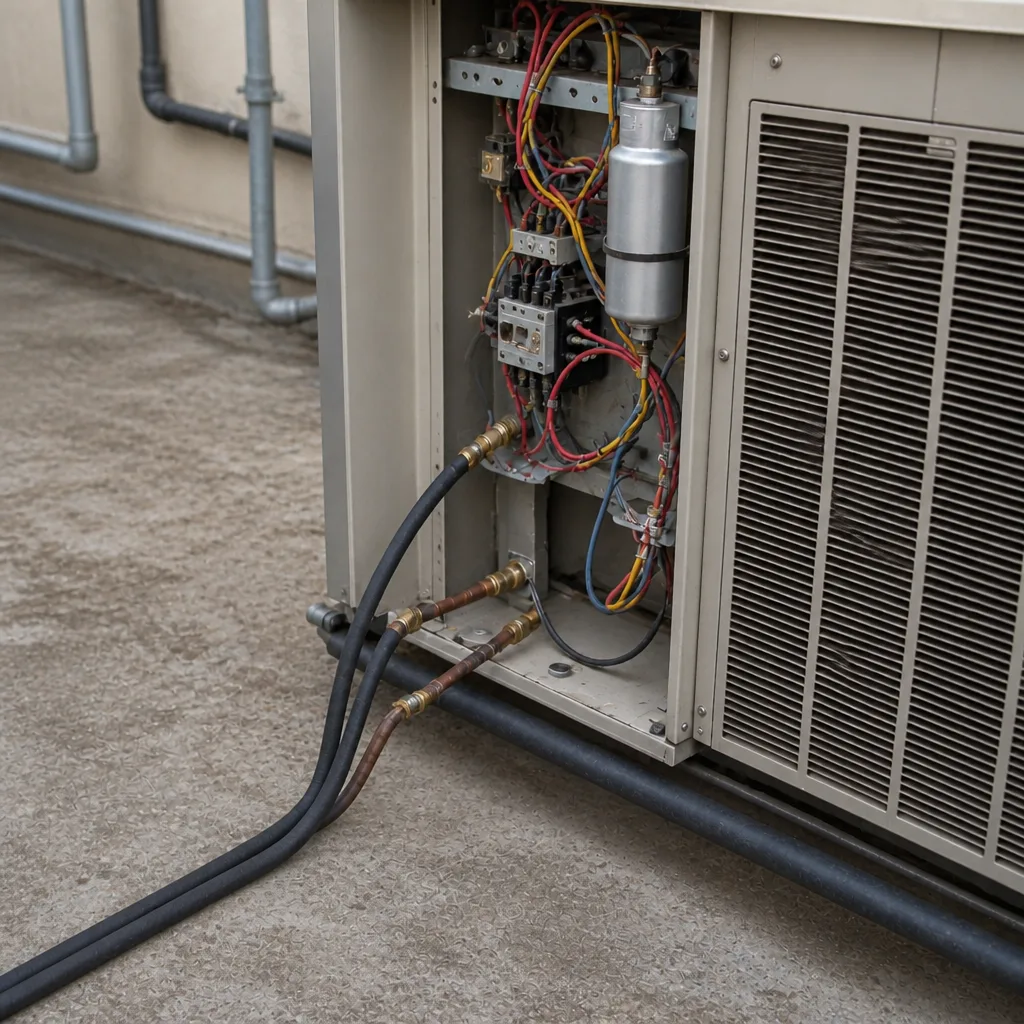
 Before
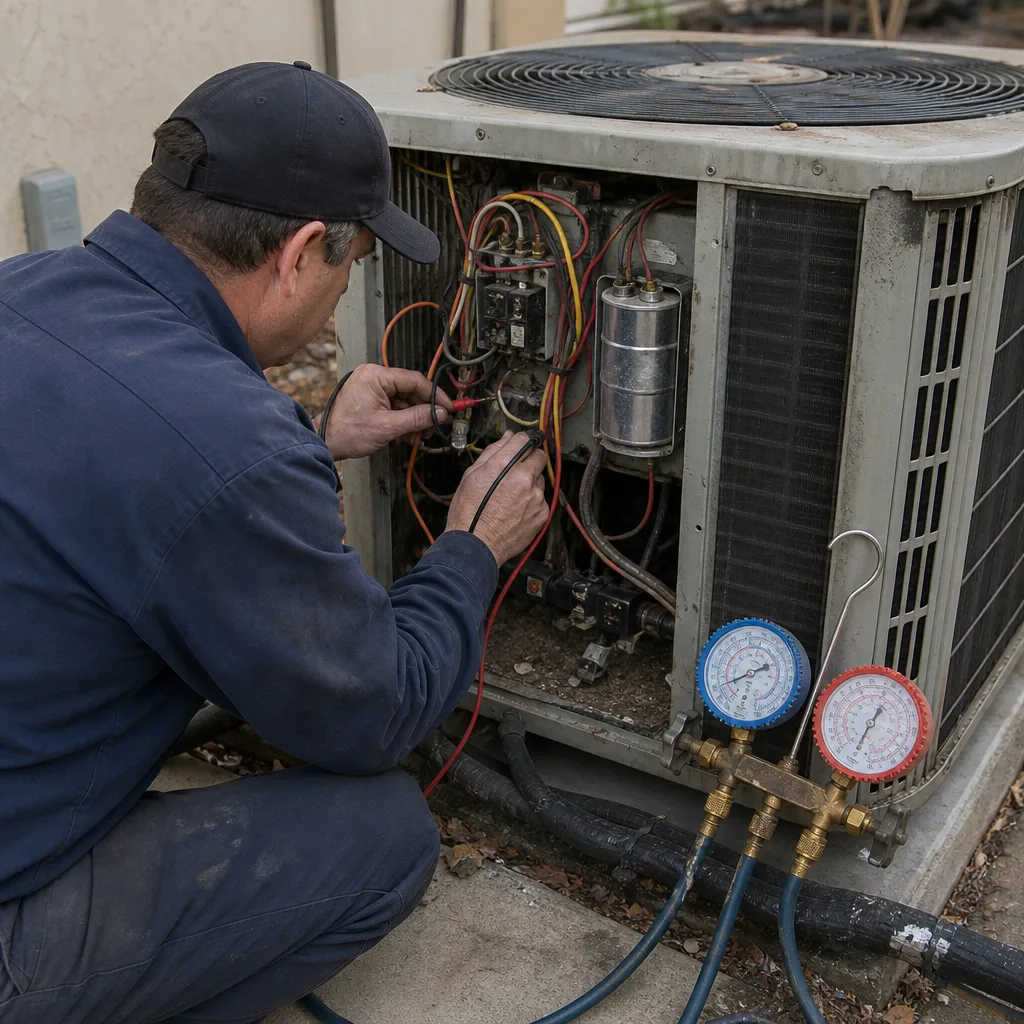
 After
 Before
 After
When to Call a Professional
Call when the job touches refrigerant, the sealed circuit, gas lines, or the main electrical feed. Call when the breaker keeps tripping, when you smell burning plastic near the disconnect, or when the unit won’t start after a clean capacitor swap. Call when the system is old enough that a repair is throwing good money after bad – a 15-year-old unit with a tired compressor is a replacement conversation, not a repair conversation. Call when the thermostat is a communicating or heat-pump stat and you aren’t sure. And call when you want a second opinion before you commit to a big ticket number from someone else. Ray’s Heating & Air Spring Valley offers free estimates in Spring Valley – call (833) 620-7288. A live person answers.
Frequently Asked Questions
Yes, replacing a run capacitor or start capacitor on your own outdoor unit is legal for a homeowner in Nevada, provided you kill power at the disconnect, wait five minutes, discharge the capacitor safely, and match the microfarad and voltage ratings exactly. It’s the most common AC failure in our area and a reasonable DIY repair. If you aren’t confident about the discharge step, call (833) 620-7288 for a free estimate it’s a quick job for us.
Yes. Handling refrigerant requires EPA Section 608 certification, and knowingly venting it can carry federal fines starting at $44,539 per day. This is separate from Nevada contractor licensing. There is no legal homeowner path to a DIY refrigerant recharge, no matter what a hardware store can sells you. Call (833) 620-7288 and we’ll find the leak instead of masking it.
Sometimes. Most manufacturer warranties in Spring Valley are conditional on licensed installation and service. A correctly done capacitor swap usually doesn’t void anything. Touching the refrigerant circuit, bypassing a safety switch, or a self-install without a permit can cause a warranty claim to be denied on the exact failure you’re calling about. Call (833) 620-7288 before you take on anything that touches the sealed system.
It usually means a missing permit record, an oversized or improperly insulated line set, a condensate drain without a trap, undersized return air, or an electrical disconnect that’s wrong for the unit. Each one can cost a Spring Valley seller $1,500 to $4,000 in buyer credits at closing. Call (833) 620-7288 if you’re selling and want a pre-listing look at your system.
Not legally to completion. You can run the mounting and the line set chase, but connecting the refrigerant lines, charging the system, and the electrical hookup need a licensed professional under Nevada law. A self-installed mini-split also typically voids the manufacturer warranty on the compressor. Call (833) 620-7288 – the estimate is free and the paperwork on rebates is handled by us.
Ask to see the reading behind the recommendation – the capacitor test, the amp draw, the refrigerant pressures. A real diagnosis shows you numbers before it shows you a price. If the person at your door can’t produce the reading, that’s the answer. Ray’s Heating & Air offers a Free Second Opinion on any written estimate, so call (833) 620-7288 and we’ll read it with you.
The Bottom Line
The DIY-versus-pro question isn’t about how handy you are. It’s about three things: what Nevada law lets you touch, what your warranty survives, and what can actually hurt you. Change your filter. Clean your coil. Swap a capacitor if you’re comfortable with the discharge step. Stop at the refrigerant lines, the main electrical feed, the gas, and the whole-system install – those are licensed work and they carry consequences that a service-call savings doesn’t come close to covering. Everything else, get a reading before you get a quote. For a look at where the work and the warranty live in Spring Valley, start at our Ray’s Heating & Air Spring Valley home page.
Ready to stop guessing? Ray’s Heating & Air answers the phone around the clock, and the estimate is free. Call (833) 620-7288 for a free estimate in Spring Valley, and we’ll show you the readings before we show you a number.
Written by the team at Ray’s Heating & Air Spring Valley.