
Last updated November 18, 2026
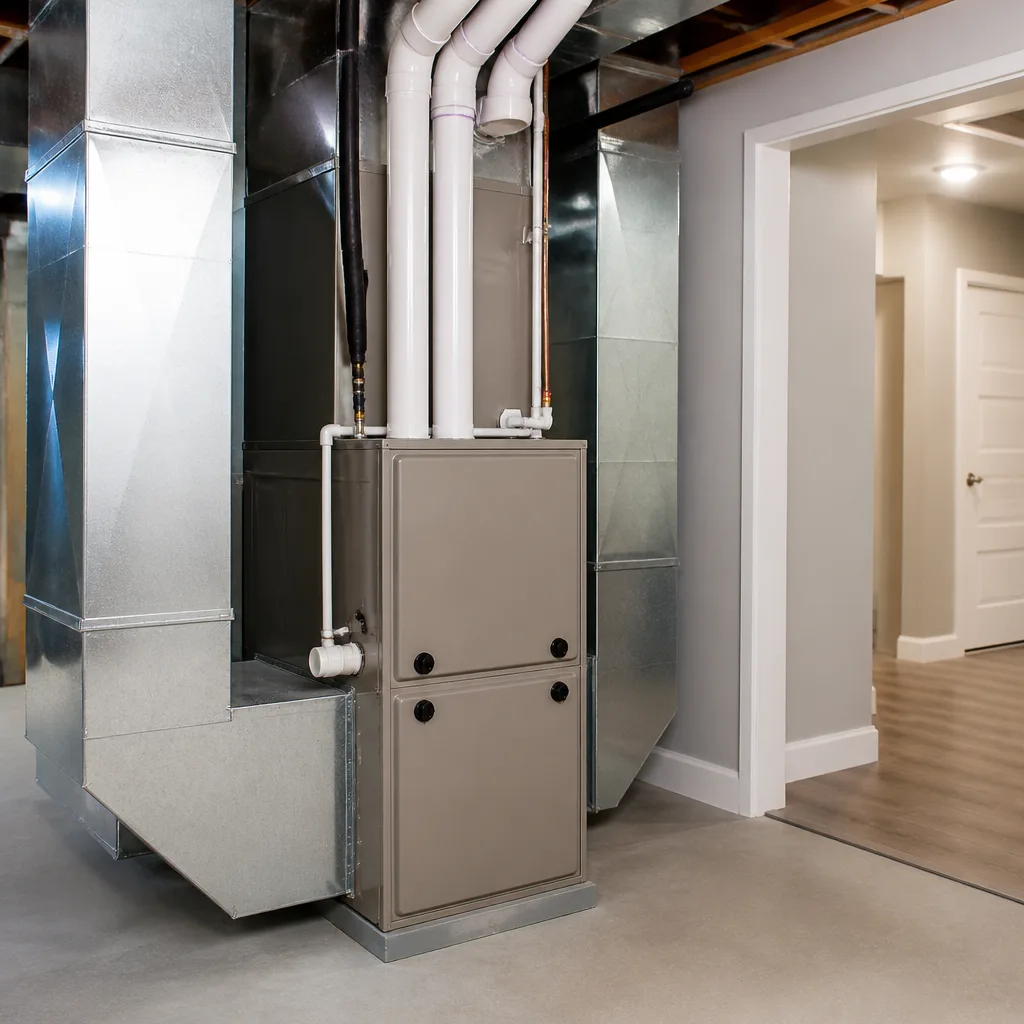 Furnace & heating
 AC repair
 Heat pumps
 Ductless mini splits
 Carrier
 Trane
 Goodman
Seasonal tune-up and full diagnostic on your Carrier, Trane, or Goodman system - readings shown to you before any repair is proposed
Diagnosis first, numbers second - you approve the repair price before a single part goes in.
Get your free estimateThe Complete Heating & Furnace Guide for Spring Valley Homeowners
Las Vegas sees an average of 25 nights below freezing every winter. That’s enough to burst pipes, trip the furnace lockout sensor, and fill every tech’s schedule for a week. It usually happens between December 10th and January 15th, year after year. Most Spring Valley homeowners ignore the furnace for ten months, fire it up once in October to “test it,” and then discover it’s dead the same week every company in the valley is booked solid. This guide is about not being the person in the dark on a 28-degree night. You’ll learn how the desert heating season creates its own failure pattern, the real difference between a heat pump and a gas furnace, how to check a Nevada contractor’s gas certification, what rebates actually exist, and when a carbon monoxide problem means you call a pro instead of a YouTube video.
Quick Answer
If your Spring Valley furnace won’t start, the most common causes are a dirty flame sensor, a failed igniter, a tripped high-limit switch, or a furnace that’s simply sat idle for nine months and needs a real tune-up before cold weather hits. In Spring Valley, the smart move is to get your furnace serviced in September or early October, before the December rush, and to have a licensed Nevada contractor inspect the heat exchanger on any unit over 15 years old for carbon monoxide safety. Waiting until it fails at 6 a.m. on a freezing morning means a spot in line behind everyone else in the valley.
Styles & brands we work with
- AC repair
- Furnace & heating
- Heat pumps
- Ductless mini splits
- Carrier
- Trane
- Goodman
Table of Contents
- Why the Desert Heating Season Causes a Unique Failure Pattern
- Heat Pump vs. Gas Furnace vs. Electric Air Handler: What Makes Sense in Spring Valley
- How to Verify a Nevada HVAC Contractor’s Gas Line Certification
- NV Energy and Southwest Gas Rebates for High-Efficiency Furnaces
- Carbon Monoxide Risk in Older Spring Valley Tract Homes
- Repair or Replace: How to Decide When It’s Cold Outside
- Your September Furnace Prep Checklist
Why the Desert Heating Season Causes a Unique Failure Pattern
Most of the country runs a furnace for five or six months straight, so a worn part announces itself with a rattle or a rough start long before it fails. Spring Valley doesn’t work that way. A gas furnace here runs maybe four weeks a year, in short bursts. That idle time is where problems hide.
Here’s the pattern we see in Spring Valley neighborhoods like Rhodes Ranch and the older tracts off Flamingo: a system sits for nine months, gathers dust and spider webs on the burners, then gets fired up once in October for a quick check. It runs for five minutes, throws a little rust smell, and everyone says “good enough.” Then December hits, the temperature drops into the high 20s, the furnace comes on for real, and the parts that were quietly failing all summer finally give out. The flame sensor is coated. The igniter is cracked. The blower capacitor is weak. The whole thing locks out at 11 p.m. and the house is 54 degrees by morning.
The fix isn’t complicated. Get your heating system looked at in September or the first week of October, before the same-week rush that hits every December. A proper tune-up cleans the burners and flame sensor, tests the igniter and capacitor, checks the heat exchanger, and confirms the unit will actually run when you need it. That single appointment is what keeps a Spring Valley home off the emergency list. We’ve seen this play out in Spring Valley enough times to know it’s not bad luck. It’s the schedule.
Heat Pump vs. Gas Furnace vs. Electric Air Handler: What Makes Sense in Spring Valley
Spring Valley sits in one of the mildest winter climates in the country, and that changes which heating system makes sense. You don’t need a furnace built for a Minnesota winter. You need something that runs efficiently on the handful of cold nights that actually matter and doesn’t waste money the other 340 days of the year.
Gas furnace. Most Spring Valley tract homes built before 2010 have a forced-air gas furnace paired with a central AC. Natural gas is cheap in this valley compared to electricity, and modern 96% AFUE furnaces like a Bryant or York unit squeeze almost all the heat out of the fuel. If you’ve already got a gas line and the ductwork, replacing an aging furnace with a high-efficiency model is usually the lowest cost-per-BTU path.
Heat pump. A heat pump is essentially an air conditioner that runs backward in winter, pulling heat from outside air and moving it into the house. In Spring Valley’s climate, where winter lows typically bottom out in the 30s and 40s with occasional dips into the 20s, a modern cold-climate heat pump works well. It doubles as your cooling system, which means one piece of equipment year-round. The catch is NV Energy’s tiered electric rates. A heat pump running during a cold snap can push your electric bill higher than natural gas would, so the math depends on your rate tier and how well the house is sealed. A dual-fuel setup (heat pump primary, gas furnace backup for the coldest nights) is the setup a lot of Spring Valley homeowners land on once they see the numbers.
Electric air handler. Older Spring Valley homes sometimes have an electric air handler with heat strips instead of gas or a heat pump. It’s the most expensive way to heat a house because you’re basically running a giant toaster. If you have one, upgrading to a heat pump or adding a gas line is worth pricing out. A Daikin or Rheem high-efficiency unit running on a heat pump can cut winter operating costs by a wide margin.
If you’re weighing which system fits your home, Heat Pump & Mini Split in Spring Valley walks through the sizing and running-cost math in more detail.
How to Verify a Nevada HVAC Contractor’s Gas Line Certification
Nevada requires a separate credential to work on gas lines, and a lot of homeowners don’t know to ask. An HVAC contractor can hold a basic license and legally work on your air conditioner all day, but connecting or repairing a gas line to your furnace requires a plumber’s or qualifying gas certification under Nevada State Contractors Board rules. If the person swapping your furnace can’t produce that, the job isn’t being done to code.
Here’s how to verify it before anyone touches your equipment:
- Ask for the contractor’s Nevada State Contractors Board license number and look it up on the Board’s website. Every license is public.
- Confirm the license classification covers heating and sheet metal (or the appropriate gas classification for gas line work). Don’t take a verbal yes; confirm the specific classification.
- Ask whether the person doing the actual gas connection holds the qualifying credential, not just the person on the phone.
- Ask for proof of insurance and bonding while you’re at it. A legitimate contractor will hand it over without a fuss.
- Get the work scope and the gas certification requirement in writing on the estimate.
There’s a reason we bring this up. When a national outfit subs your furnace install to whoever’s available that day, the credential check gets skipped. When it’s the same person showing up every time, the credential is on the truck. If you’re having heating work done anywhere in Spring Valley and nobody asks you to verify a license, that’s a flag.
NV Energy and Southwest Gas Rebates for High-Efficiency Furnaces
Both NV Energy and Southwest Gas run efficiency programs that can take a bite out of a furnace upgrade, but the qualification rules matter and they change. Here’s what we tell Spring Valley homeowners to check before they pick a unit.
- Southwest Gas high-efficiency furnace rebates. Southwest Gas has historically offered rebates on qualifying gas furnaces, typically requiring an AFUE rating of 95% or higher and installation by a licensed contractor who submits the paperwork. Amounts vary by program year.
- NV Energy programs. NV Energy’s efficiency programs focus more on heat pumps and cooling equipment, but qualifying high-efficiency heat pump installations can receive rebates. If you’re upgrading to a dual-fuel or heat pump system, check NV Energy’s current offerings before you buy.
- Federal tax credits. The federal energy efficiency tax credit has covered high-efficiency heat pumps and furnaces in recent years. These are claimed on your tax return, not at the point of sale, so keep your receipts and the manufacturer’s spec sheet.
- What disqualifies you. Missing paperwork, an unlicensed installer, or a unit that just misses the AFUE threshold will kill the rebate. Get the efficiency rating in writing on the quote.
Rebate amounts and rules shift year to year, so the honest answer is to ask the contractor to confirm the current offer before you sign. A contractor who handles the rebate paperwork for you is worth the call. The point is to size the upgrade right and pick a unit that qualifies, whether that’s a Rheem, a Bryant, or another brand that meets the spec.
Carbon Monoxide Risk in Older Spring Valley Tract Homes
A gas furnace produces carbon monoxide. That’s normal and safe when the heat exchanger is intact and the exhaust vents properly. The risk in older Spring Valley homes is that the original heat exchangers from the 1980s and 1990s are now 30 to 40 years old, and a cracked heat exchanger lets CO leak into the ductwork and into the house.
CO is invisible and odorless, which is why it kills. The early symptoms are headache, nausea, dizziness, and fatigue that gets worse indoors and better when you leave. If more than one person in the house feels that way at the same time, or a pet gets sick, get everyone outside and call the gas company from the driveway. Don’t go back in to “check one more thing.”
What to test and when:
- Have the heat exchanger visually inspected and, when possible, tested for cracks at every annual tune-up on any furnace older than 10 years.
- Install a UL-listed CO alarm on each level of the home and outside sleeping areas. Test the batteries twice a year.
- Watch for rust streaks, soot, or a yellow (rather than blue) burner flame. A yellow flame is a combustion problem.
- Check the flue for blockages, especially after a bird or rodent finds a way in.
- Never run a gas furnace with a damaged heat exchanger, even “for a few days.” A cracked exchanger is a replace-now situation, not a repair.
When a tech tells you the heat exchanger is cracked, listen. Some “repairs” on a compromised exchanger are a liability, not a fix, and a real professional will say so. This is one of the cases where the safest call is the fastest one.
Repair or Replace: How to Decide When It’s Cold Outside
The general rule is anything over 15 years old with a repair bill over half the cost of a new unit is a replacement conversation. But there are Spring Valley specifics that move that line. If your furnace is a builder-grade unit original to a 1995 tract home, it’s already past its expected life, and a $600 repair on a system that could fail again in January is usually money thrown at a problem that’s only going to get worse.
Ask yourself these questions:
- How old is the unit? Most gas furnaces last 15 to 20 years with regular service. Past that, it’s borrowed time.
- How much is the repair relative to a new install? Over half the cost of new, and it’s usually time to replace.
- What’s the AFUE? An old furnace at 78% AFUE is burning a lot of gas to heat less of your house than a 96% replacement would.
- Has it failed more than once this season? Two failures in one winter is a pattern, not a fluke.
- Is the heat exchanger suspect? That alone tips it to replace.
When it is time to replace, you want a written fixed price and a set install date, not a same-day promise. A furnace install is load-calculated, ordered, and scheduled. Heating & Furnace in Spring Valley covers the sizing and installation side, and the team can also handle the rebate paperwork so nothing gets left on the table.
Your September Furnace Prep Checklist
This is the list that keeps a Spring Valley home off the December emergency queue. Run it before the first cold snap, ideally in September.
- Replace the air filter. A clogged filter is the single most common cause of a furnace overheating and tripping on high-limit.
- Turn the furnace on for a full 15 minutes and listen. Any rattle, boom, or repeated shutdown is worth a call.
- Test the CO alarms on every level. Replace the batteries if you can’t remember the last time you did.
- Clear the area around the furnace and the outdoor vents. Blocked combustion air or a snow-buried vent pipe is a hazard.
- Book a professional tune-up. Cleaning the burners and flame sensor, testing the igniter and capacitor, and inspecting the heat exchanger is the appointment that pays for itself.
- Confirm your thermostat is holding setpoint. A thermostat that reads 68 but isn’t calling for heat is its own problem.
If you’ve got a heat pump with a heat strip backup, add a check that the reversing valve and defrost cycle work before the cold nights hit. If you’re on a dual-fuel setup, confirm the switchover works. Our Ray’s Heating & Air Spring Valley home page has the full service list if you’re not sure which category your system falls into.
Common Mistakes to Avoid
- Ignoring the system all summer and testing it once in October. That five-minute “test” doesn’t exercise the parts that fail under real load. It just gives you a false sense of security.
- Not asking for the gas line certification. Plenty of HVAC licenses don’t cover gas line work. If you didn’t verify the classification, you don’t know who’s on your gas line.
- Skipping the heat exchanger inspection on an old unit. A 30-year-old Spring Valley furnace with a cracked exchanger is a CO hazard, not a maintenance item.
- Buying on AFUE alone without checking the rebate paperwork. The unit can hit 96% and still get no rebate if the installer doesn’t file correctly or isn’t licensed as the program requires.
- Calling at 6 a.m. on the first freezing morning and being surprised you’re in a queue. The week of December 10th is the busiest of the year. Book the tune-up in September.
- Replacing a furnace without a load calculation. An oversized unit short-cycles, rusts out faster, and costs more to run. Sizing matters more than brand.
- Treating a yellow burner flame as normal. A healthy flame is blue. Yellow means incomplete combustion, and that’s a CO warning sign.
See the difference
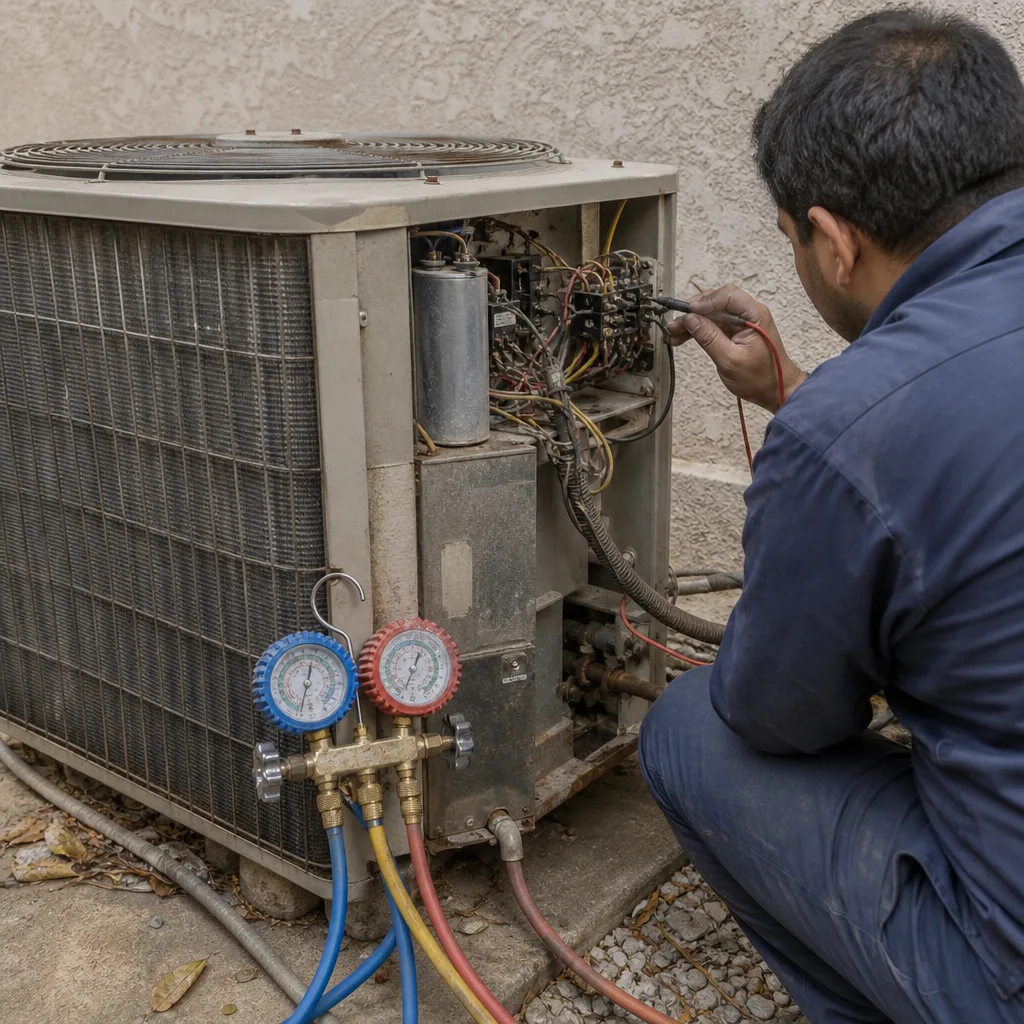 Before
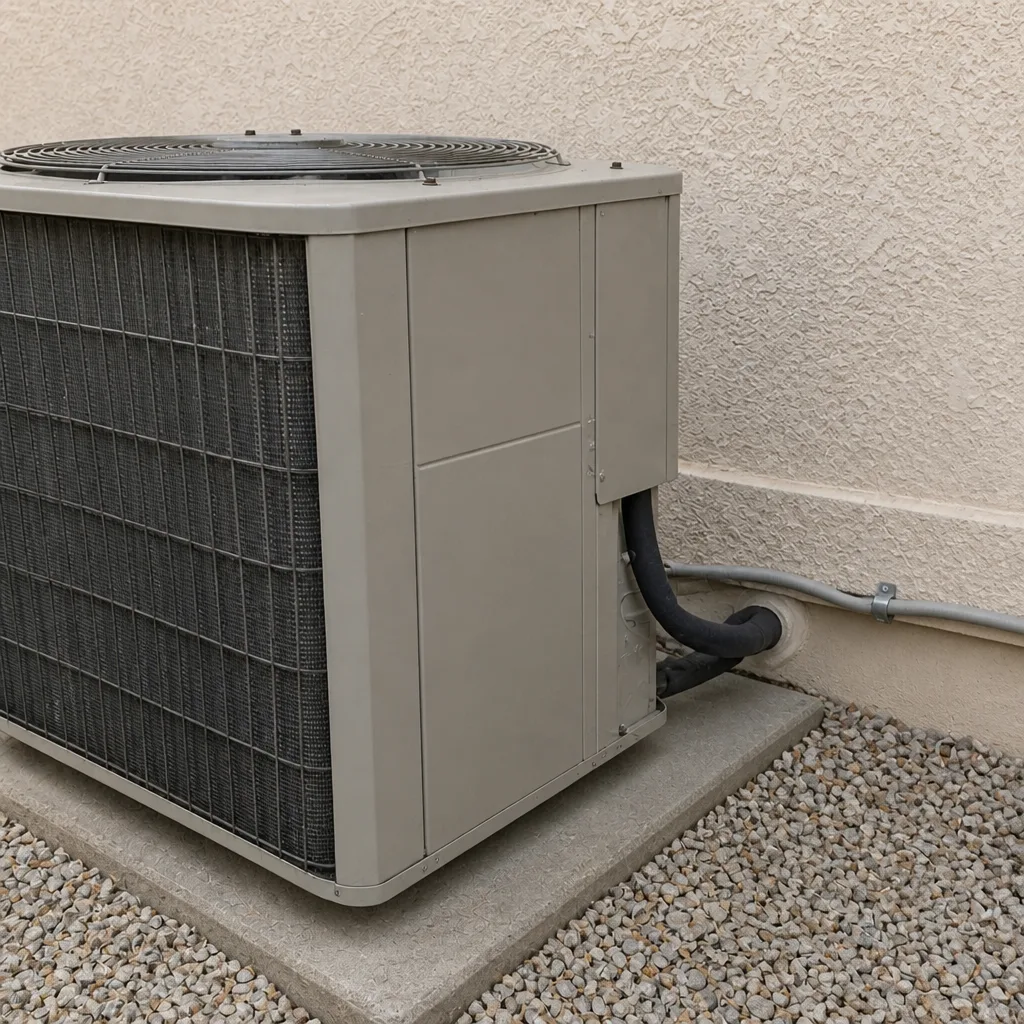 After
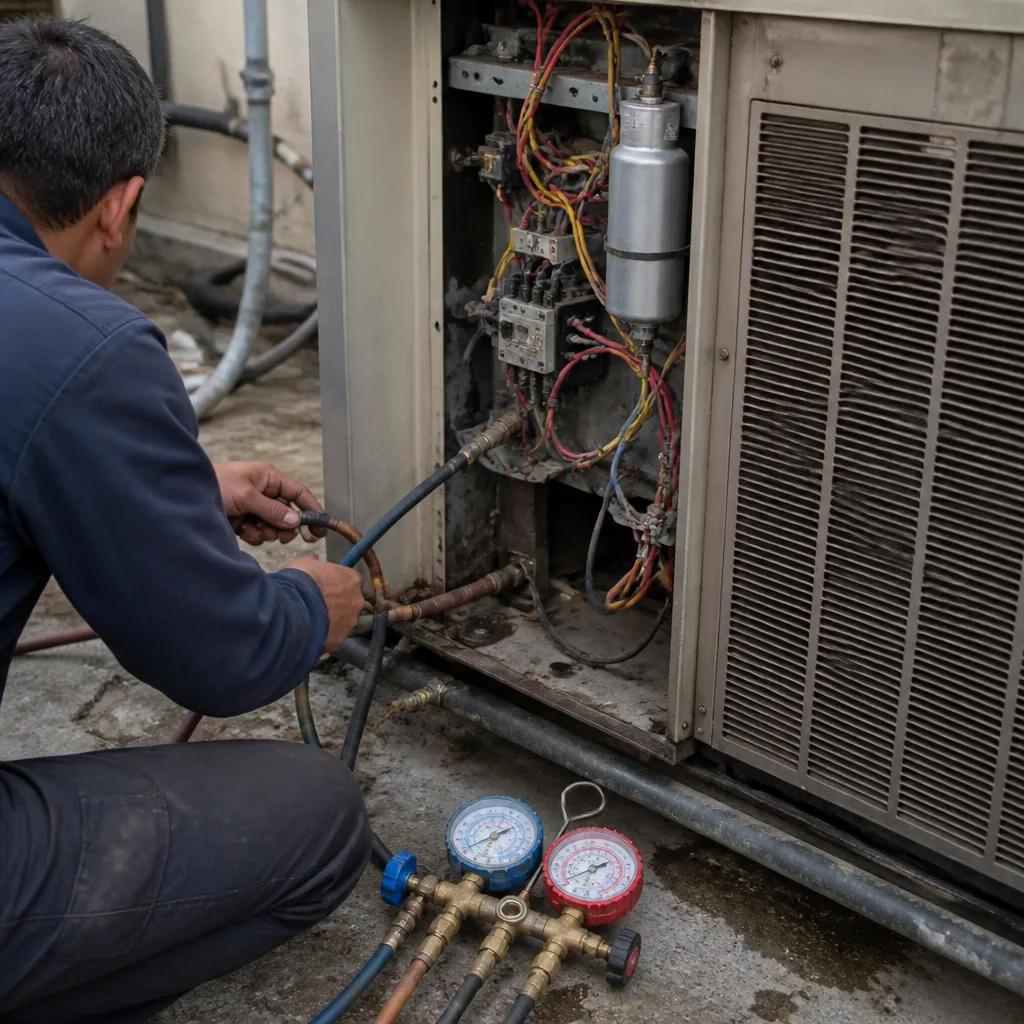 Before
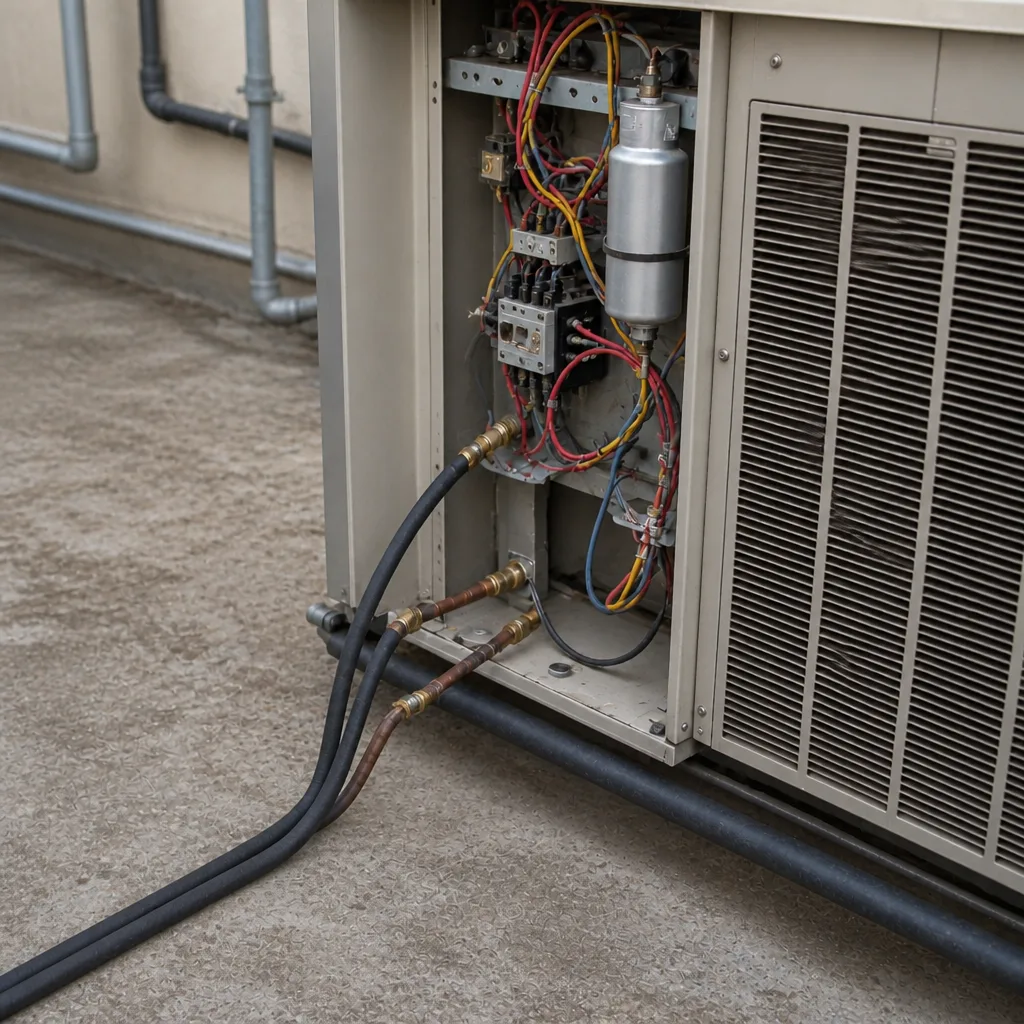 After
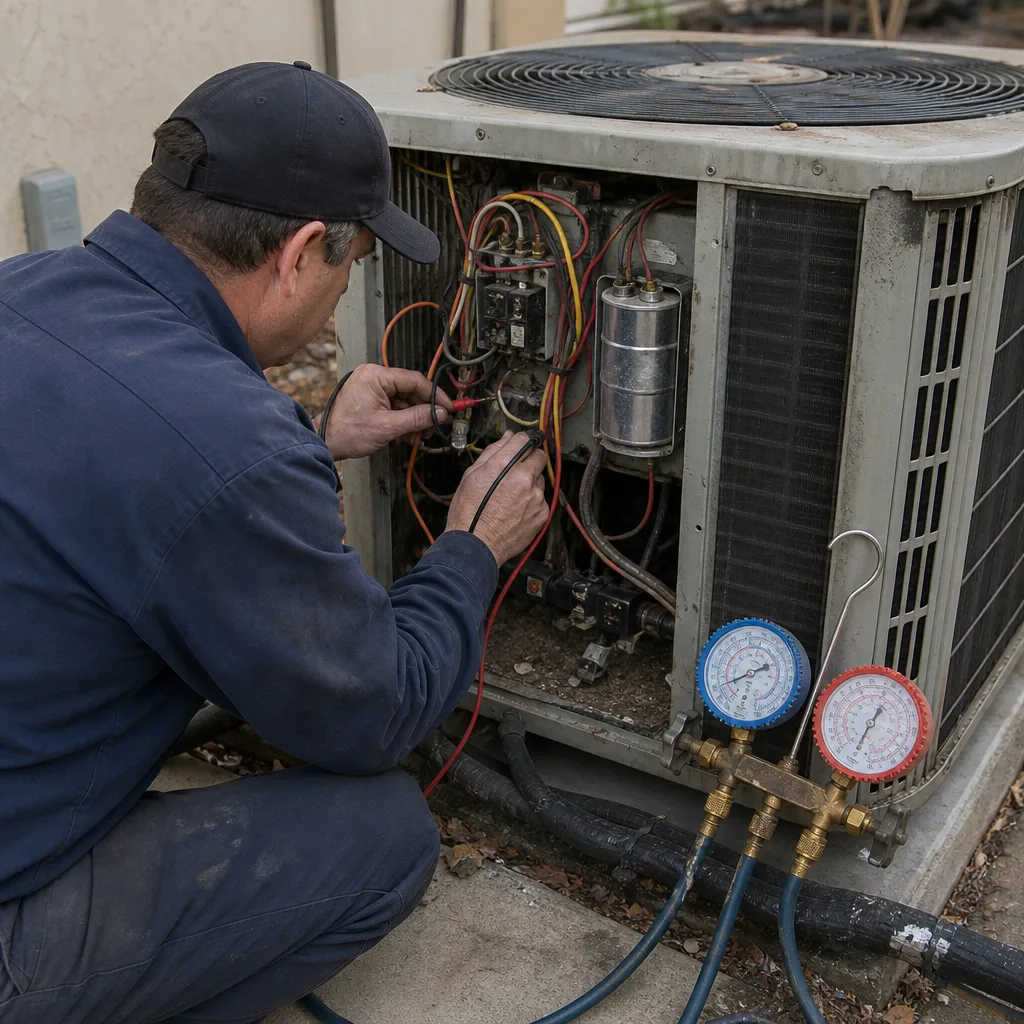 Before
 After
When to Call a Professional
Call a pro when the furnace won’t fire after a filter change and a thermostat check, when you smell gas, when a CO alarm goes off, when the heat exchanger is suspect, when the burner flame is yellow or sooty, or when the unit repeatedly trips the high-limit switch. Also call before the cold rush if your system is over 10 years old and hasn’t been serviced this year. Those are the cases where a real diagnostic beats a guess. A trained tech reads the system’s numbers first and reports back before any work begins. Ray’s Heating & Air Spring Valley offers free estimates in Spring Valley. The number is (833) 620-7288, and a live person answers every call, including at two in the morning. If you want a second opinion on a written estimate from another company, that’s free too.
Frequently Asked Questions
Most furnace repairs in Spring Valley run from about $150 to $450 depending on the part, with igniters and flame sensors near the low end and blower motors or control boards higher. You’ll see the readings and the numbers before any work starts, so there are no surprises on the invoice. Call (833) 620-7288 for an exact quote. Estimates are free.
A well-maintained gas furnace in Spring Valley lasts 15 to 20 years, though a builder-grade unit original to a 1990s tract home is often on borrowed time past 15. The desert’s short heating season helps, but the long idle period means the parts sit unexercised for months, so an annual tune-up matters more here than in colder climates. If yours is pushing 18 years and failing, it’s replacement time. Call (833) 620-7288 to talk through your options.
Often yes, especially if you call before the December rush. The week between December 10th and January 15th is the busiest of the winter, so the earlier you call, the sooner someone can get to you. A live person answers every call, even overnight, so you’re never stuck in a voicemail maze. Call (833) 620-7288 for same-day availability.
A furnace burns gas (or runs electric heat strips) to make heat, while a heat pump moves existing heat from outside air into the house using the same equipment that cools it in summer. In Spring Valley’s mild winters, a modern heat pump performs well and doubles as your AC, but NV Energy’s tiered rates can make gas cheaper to run on the coldest nights. A dual-fuel setup often ends up the smart middle ground. Call (833) 620-7288 to talk through which one fits your home.
Yes. Southwest Gas has offered rebates on qualifying high-efficiency gas furnaces, typically requiring 95% AFUE or higher, and NV Energy runs programs for qualifying heat pumps, with the amounts and rules changing year to year. Federal tax credits may also apply, but they’re claimed on your return. Confirm the current offer in writing before you sign. Call (833) 620-7288 and we’ll walk through what qualifies right now.
The rule of thumb is replace when the unit is over 15 years old and the repair costs more than half of a new install, when it’s failed more than once in a season, or when the heat exchanger is suspect. Anything under that line is usually worth repairing. If you’re on the fence, a free second opinion on any written estimate will help you decide. Call (833) 620-7288.
The Bottom Line
The desert winter is short, but it’s real, and it arrives on a predictable schedule. The Spring Valley homes that don’t end up cold on a December night are the ones whose owners got the furnace serviced in September, verified the gas certification, checked the heat exchanger, and knew where the rebate paperwork was before they needed it. If you take one thing from this guide, take the September tune-up. It’s the cheapest insurance against being the person calling at 6 a.m. on the busiest week of the year. For AC work too, the AC Repair & Installation in Spring Valley page covers the summer side of the same system.
Ray’s Heating & Air Spring Valley answers the phone every hour of every day, with the owner himself on the line at two in the morning. Upfront pricing, a real diagnostic before any numbers, and a 90-Day Done Right Promise in writing on every job. If it’s not done right, one call brings Ray back. Call (833) 620-7288 for a free estimate, a free second opinion on any written estimate, and no trip charge inside the county. Ask anyone on your street.
Written by the team at Ray’s Heating & Air Spring Valley.