
Last updated November 18, 2026
 AC repair
 Furnace & heating
 Heat pumps
 Ductless mini splits
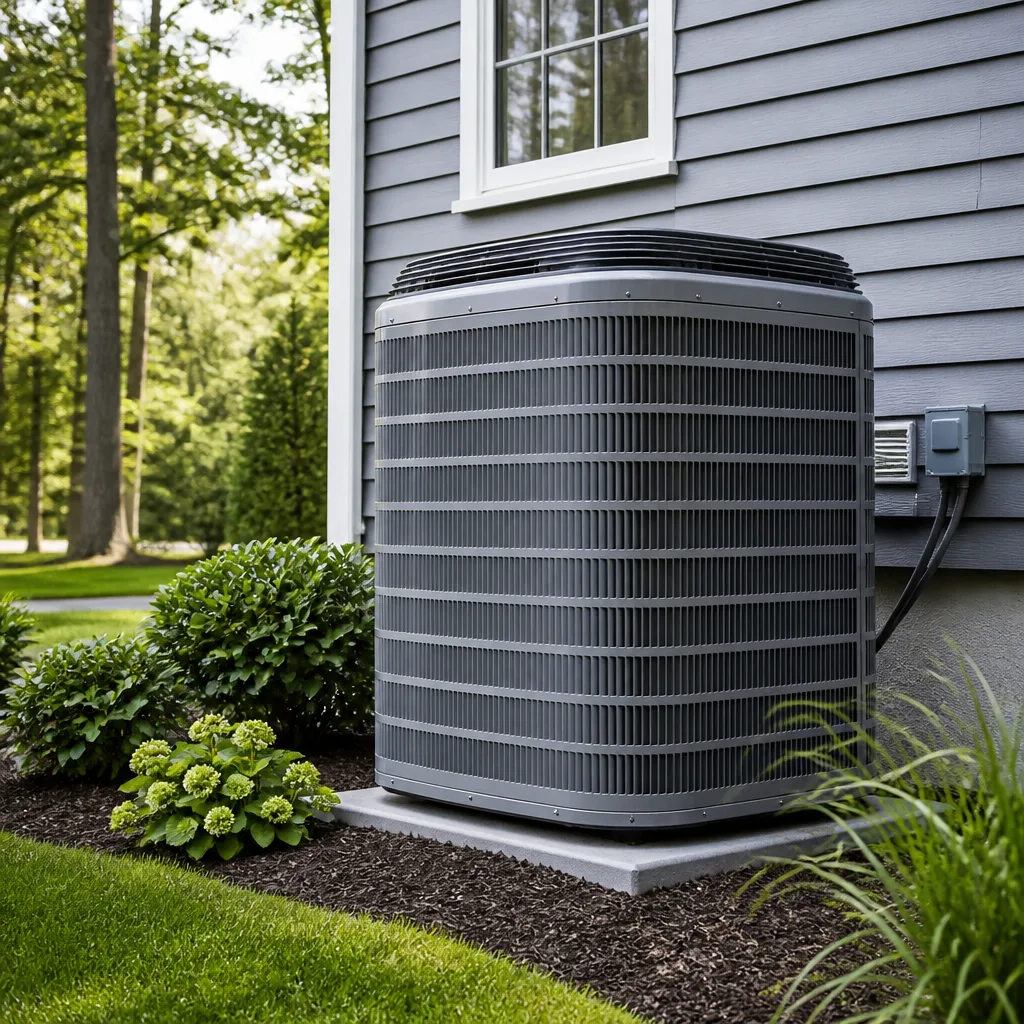 Carrier
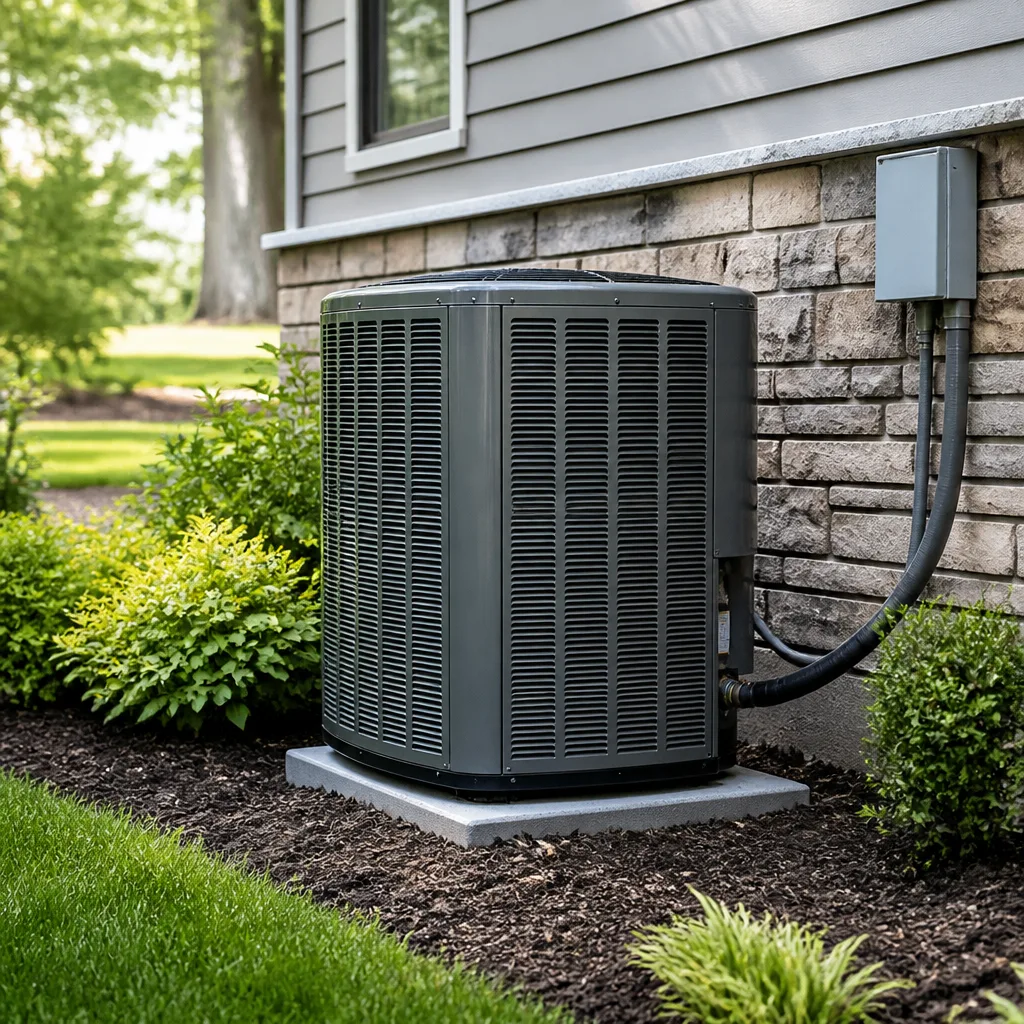 Trane
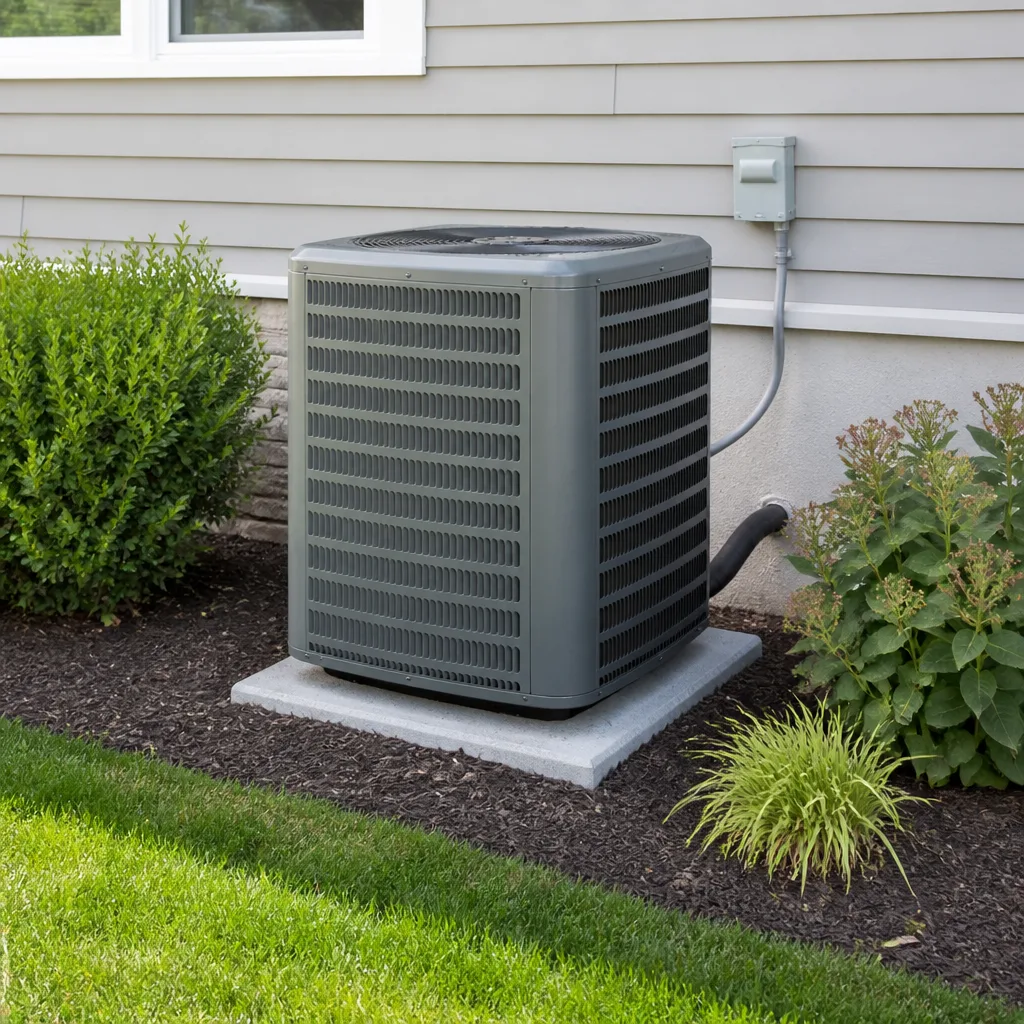 Goodman
Seasonal tune-up and full diagnostic on your Carrier, Trane, or Goodman system - readings shown to you before any repair is proposed
Diagnosis first, numbers second - you approve the repair price before a single part goes in.
Get your free estimateThe Complete Emergency & Commercial HVAC Guide for Spring Valley Homeowners
The Las Vegas metro recorded more than 100 heat-related deaths in a single recent summer. A meaningful share of those deaths happened indoors, in homes where the air conditioning had failed and nobody realized how fast the temperature was climbing. That fact reframes everything about HVAC in Spring Valley. An AC failure here is not a comfort problem. It is a medical event with a clock on it, especially for a 68-year-old on a fixed income living alone in a 1980s ranch house off Flamingo. This guide covers the environment Spring Valley actually lives in, what to do in the first 30 minutes of a failure, how to separate a real emergency from a wait-until-Monday problem, and how to hire at 2 AM without getting gouged.
Quick Answer
In Spring Valley, treat any AC failure between May and October as an emergency if the indoor temperature is climbing past 85°F or anyone in the home is elderly, very young, or on medications that affect heat tolerance. Otherwise it is usually safe to wait until morning. Before you call anyone, check the breaker, the filter, and the thermostat batteries – a huge share of “emergency” calls turn out to be one of those three. When you do call, a legitimate emergency HVAC pro in Spring Valley will quote a diagnostic fee up front, test the capacitor before mentioning the compressor, and hand you a written ticket. Call (833) 620-7288 any hour and a live person picks up.
Styles & brands we work with
- AC repair
- Furnace & heating
- Heat pumps
- Ductless mini splits
- Carrier
- Trane
- Goodman
Table of Contents
- Why Spring Valley’s climate is harder on HVAC equipment than the national average
- What to do in the first 30 minutes of an HVAC failure
- Emergency or wait until Monday? How to tell the difference
- How to vet an emergency HVAC tech at 2 AM in Spring Valley
- How to document an emergency call so you have recourse
- Commercial HVAC in Spring Valley: what’s different about it
- Monsoon season: the refrigerant surprises nobody warns you about
- The maintenance schedule that prevents most 10 PM Friday calls
Why Spring Valley’s Climate Is Harder on HVAC Equipment Than the National Average
Equipment is sold with an expectation baked in: it will run maybe 1,500 to 2,000 hours a year in a normal climate. In Spring Valley it runs closer to 4,000. That’s not a sales line. It’s the reason a condenser in a Spring Valley neighborhood like Rhodes Ranch hits its mid-life repair years at year seven or eight, while the same unit in Ohio coasts to year fifteen on the same parts. Heat kills compressors. Continuous duty kills capacitors and contactors. The desert accelerates both.
Three specific local factors tend to come up:
- Design temperatures above 100°F. Most residential systems are rated to a 95°F outdoor design condition. On a 108°F July afternoon in Spring Valley, equipment is running past its rated envelope. Capacitors weaken, pressures climb, and a system that was “fine” in June can trip on thermal overload in July.
- Monsoon humidity spikes. From July through September, dew points can jump 30 degrees in a day. Systems sized for dry desert air suddenly need more latent (moisture) capacity than they have. You’ll see condensation, frozen coils, and ice on lines that were dry a week earlier.
- Dust and caliche. Fine dust from construction and open desert loads filters fast. Coils in homes near the 215 or in older pockets of Spring Valley clog with dust and cottonwood fluff that sticks to dust. A clogged condenser coil on a 105°F day is a compressor eating itself.
None of that is a reason to panic. It’s a reason to expect shorter equipment life (10-12 years is realistic in Spring Valley versus 15-20 elsewhere), plan for it, and take the $150 tune-up seriously in April instead of skipping it. Our technicians have up to 24 years of experience in this exact climate and know exactly what to look for on a Spring Valley system. If you want the deeper homeowner overview, our Ray’s Heating & Air Spring Valley home page has the full picture.
What to Do in the First 30 Minutes of an HVAC Failure
Here’s the pre-call checklist we walk every Spring Valley homeowner through. Do these in order before you dial anyone:
- Check the indoor temperature. A digital thermometer in the main living room is worth $12. If it’s under 85°F and cooling, you have time. If it’s above 88°F and climbing, treat it as urgent.
- Look at the thermostat. Is the screen blank? Fresh batteries, usually two AA, often fix a “dead system” in thirty seconds. Is the mode set to COOL (not FAN or HEAT)? Is the setpoint actually below current room temperature?
- Check the breaker at the panel. The indoor air handler and the outdoor condenser usually each have their own 240-volt breaker. Look for one that’s tripped (not fully in the ON or OFF position – somewhere in between). If it trips again immediately after reset, do not keep flipping it. Call.
- Replace the filter. A filter so clogged the air handler can’t move air will freeze the coil and stop cooling entirely. It is the single most common “emergency” call we get in Spring Valley.
- Go outside and listen. With the breaker on and the thermostat calling for cool, is the outdoor fan spinning? Is the compressor running (a low hum)? Is there ice on the copper lines? Ice is a refrigerant or airflow problem – you cannot fix it yourself. Turn the system off and call.
- Open windows and use fans while you wait. A box fan pushing air out a window on the shaded side of the house actually does move the needle in dry Spring Valley air. Evaporative cooling works. It won’t in monsoon humidity, which is why step one matters.
If anyone in the home is a senior, an infant, pregnant, or taking blood-pressure or antidepressant medication, skip the checklist and drive to a cool place – a neighbor’s house, a library, a shopping center. The equipment can wait. People can’t. For a full walkthrough of diagnosing AC problems, see our AC Repair & Installation in Spring Valley page.
Emergency or Wait Until Monday? How to Tell the Difference
This is the question that decides whether you spend $250 or $900 on a Sunday night. It’s worth being honest with yourself.
It is a true emergency in Spring Valley when:
- Outdoor temperature is above 100°F and indoor temperature is above 90°F and climbing.
- Anyone in the home is over 70, under 2, or has a chronic health condition affected by heat.
- You smell burning, see sparks, or the breaker trips repeatedly.
- You hear a loud grinding, screeching, or banging from the equipment (not a gentle tick).
- There’s water pooling around the indoor unit and the ceiling below is beginning to sag.
- You have a commercial space (restaurant, clinic, retail) with customer or patient exposure.
It can usually wait until morning:
- The system is running but not cooling well, and indoor temps are holding under 85°F.
- You noticed ice on the outdoor unit but the breaker hasn’t tripped.
- The thermostat is dead but the equipment is silent (batteries, usually).
- You have a second system or mini-split serving the bedrooms.
- The noise is a fan or whistle but the equipment is still cooling.
That said – “wait until Monday” does not mean “wait until next month.” An AC that isn’t cooling well in June is a system in cardiac arrest, not a system having a bad day. R-410A leaks, failing capacitors, and dirty coils all get worse on their own, and the cost of a fix in July is always higher than the cost of the same fix in May. In our experience, a Spring Valley homeowner who calls on Tuesday for a non-cooling call spends a fraction of what a Monday-morning-after-Friday-failure emergency customer does.
How to Vet an Emergency HVAC Tech at 2 AM in Spring Valley
This is where people get hurt. At 2 AM, in 105°F heat, with a sick family member in the house, every homeowner’s standards go down. Corrupt operators know this. Here’s how to hold the line without ever being rude about it:
- Ask for the total price before they roll a truck. A legitimate emergency call should be quoted as “diagnostic visit of $X, plus cost of any parts, and here’s our hourly rate.” If a dispatcher can’t (or won’t) quote a number, that’s your answer. Hang up.
- Ask for the license number and the physical address. In Nevada, an HVAC contractor license is required for work over a certain dollar amount – ask them to text or read you the number. If they can’t, they aren’t operating legitimately.
- Ask who is coming. “We’ll dispatch a technician” is not an answer. “Ray’s coming himself, he’ll text you when he’s leaving” is. Continuity matters – the person who shows up should be the person who did the job last time.
- Watch for the upsell script. If the first words out of anyone’s mouth are “your compressor’s going out,” before a meter has touched a terminal, stop. The correct order is: test the capacitor, test the contactor, test pressures, then diagnose. Anyone who diagnoses a $2,400 compressor before testing a $40 capacitor is not diagnosing. They’re selling.
- Confirm they carry the common parts. Capacitors, contactors, thermostats, and common blower motors should be in any emergency vehicle that’s actually running emergency calls. If every fix is “we’ll have to order it,” ask when the last time was that they actually did an emergency call.
- Ask about the warranty on tonight’s work in writing. A 90-Day Done Right Promise should be on the ticket before they leave. If they won’t put it in writing, find someone who will.
Ray’s Heating & Air Spring Valley answers the phone with a live person around the clock, seven days a week. No voicemail maze. Part of why we keep that policy is that the man who runs it will be the one at your door at 2 AM. His name, address, and license number are published on every invoice, and our 90-Day Done Right Promise is stamped right on the ticket. You can call (833) 620-7288 any hour you’re worried.
How to Document an Emergency Call So You Have Recourse
Ninety percent of the disputes we hear about in Spring Valley start the same way: “the fix didn’t hold and they won’t come back.” The reason is almost always that the homeowner has nothing in writing. Here’s the documentation that actually protects you, in order of importance:
- The signed written estimate or ticket before work begins. It should list the diagnosis, the parts, the labor, the total price, and – critically – what warranty applies. A photo of this on your phone is enough.
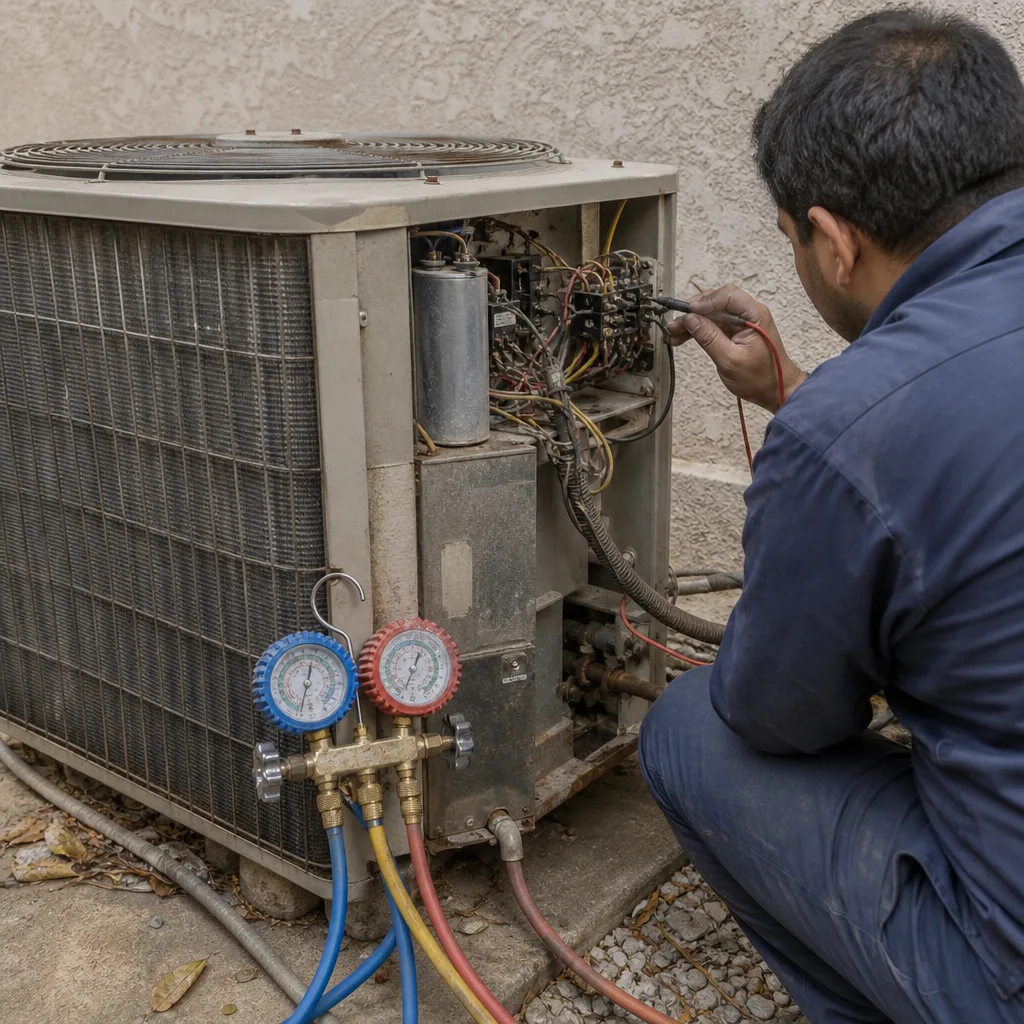
- The readings. A professional will show you what they measured. Capacitor microfarads, superheat, subcooling, amp draw, static pressure. You don’t need to understand all of it. You need to know they took it and wrote it down. “Readings first, numbers second” is our rule, and it should be every honest tech’s rule.
- The model and serial numbers of the equipment serviced. Every major brand – Carrier, Trane, Lennox, Goodman, Rheem, York, Daikin, Bryant, American Standard – has a serial number that records the equipment age. If someone claims your 6-year-old Daikin is a 15-year-old unit, the serial number settles it.
- Photos of the before and after. Particularly on refrigerant work or compressor replacement. A photo of the new part with its label visible is worth a lot of arguing.
- The receipt showing you paid. Obvious, but worth saying: never pay cash with no receipt. A card or check gives you a paper trail and a dispute path.
If the ticket has a written warranty and the fix didn’t hold, the recourse conversation changes completely. A 90-Day Done Right Promise means one call brings Ray back to make it right, with no argument about the diagnosis. That’s not generosity – that’s just how the accountability is supposed to work. For the full repair-or-replace conversation, our Heating & Furnace in Spring Valley page covers how we think about it.
Commercial HVAC in Spring Valley: What’s Different About It
Commercial HVAC in Spring Valley is a different animal from residential work, and it’s worth spelling out why. A residential split system cools 1,200 to 2,500 square feet. A commercial rooftop unit serving a restaurant on Spring Valley’s Rainbow corridor might serve 4,000 square feet with a kitchen hood dumping 140°F air into the return all day. The load calculations are different, the code is different, and the failure mode is different.
Three points worth knowing:
- Restaurant and clinic downtime is business interruption. A failed rooftop unit on a 110°F day means a closed dining room or a rescheduled patient load. In commercial terms, waiting until Monday is often not an option and shouldn’t be treated as one.
- Rooftop unit access and code. Spring Valley commercial RTUs are typically governed by Clark County code for access, ventilation, and economizer function. A legitimate commercial HVAC contractor knows the local code and pulls permits when required. Ask.
- Refrigerant transition is a real cost right now. R-410A is being phased down nationally in favor of R-454B and R-32 blends. That means commercial equipment replacements booked this year can involve refrigerant selection decisions that will affect operating cost for a decade. Get a written comparison, not a verbal one.
We handle emergency and commercial HVAC in Spring Valley across the major brands – Carrier, Bryant, and Daikin among them. If you’re a property manager or a business owner trying to keep the doors open, call (833) 620-7288 and we’ll walk the situation with you, including a free second opinion on any written estimate you already have. Commercial mini-split and multi-zone work falls under our Heat Pump & Mini Split in Spring Valley page if you’re weighing options.
Monsoon Season: The Refrigerant Surprises Nobody Warns You About
Ask any Spring Valley homeowner who’s been through a few summers and they’ll tell you: July and August are when the weird calls happen. Monsoon season runs roughly July through September in the Las Vegas valley, and it brings a distinct set of HVAC problems that dry-desert equipment isn’t fully designed for.
Three things you’ll see:
- Frozen lines and coils. A system that ran fine in June at 8% humidity can ice up in July at 40% because the coil is running colder than the added moisture can handle. The homeowner sees ice and thinks “refrigerant leak.” Sometimes it is. Often it’s airflow or charge that needs adjusting for the humidity swing.
- Refrigerant pressure surprises. A system slightly undercharged in dry weather can look normal on gauges and then push poor cooling during a monsoon humidity load. The right test is subcool and superheat, not a glance at the sight glass.
- Condensate drain backups. High humidity means more condensation, which means the drain line actually needs to work. Many Spring Valley homes have a float switch that shuts the system down when the pan fills – which is what you want, but it looks like a dead system. A condensate trap is not a bad thing to have installed.
If your system has iced up on a monsoon day, turn it off at the thermostat. Do not try to clear ice with a screwdriver or any tool. Refrigerant lines under a running system can cause frostbite burns, and the ice can hide a stressed joint. Wait for it to thaw, then call. This is a professional-only diagnosis. The same rule applies in winter, by the way, and the heating side of our guide covers that in the same spirit.
The Maintenance Schedule That Prevents Most 10 PM Friday Calls
The honest truth: nearly every emergency we’ve seen in Spring Valley in June, July, and August was a maintenance issue that nobody caught in April. This is the schedule that keeps people out of the emergency call pool.
- April: spring tune-up. Before the first 100°F day. Condenser coil clean, capacitor tested, refrigerant charge verified, contactor inspected. This is the one that matters most. Also the best time to catch a capacitor before it fails.
- May: filter change and check drain line. Some homes can push filters 3 months. In dusty Spring Valley neighborhoods, more like 30 to 45 days. Cheap insurance.
- July: post-monsoon check. A quick visit to verify pressures and confirm nothing shook loose in the first humidity swing.
- October: heating tune-up. Before the first cold night when the furnace or heat pump has to actually work again. The furnace sits dormant for 7 months and then suddenly runs – that’s when cracks and pilot issues show up.
- January: post-heating check. Particularly on heat pumps that run in defrost cycling.
Any maintenance plan that doesn’t put a written report in your hand at the end of the visit is charging you for a filter change. Our technicians aren’t paid on what they sell, and we put every finding in writing. Careful maintenance alone prevents the majority of emergency calls, and for the failures it can’t prevent, being a known customer of a real local shop makes the emergency call easier.
Common Mistakes to Avoid
- Turning the system off and back on twenty times. Short-cycling a compressor that’s trying to start against a seized condition can turn a $180 capacitor job into a $2,400 compressor replacement. If it doesn’t start the first time, stop.
- Calling the first number you see on a yard sign. Spring Valley has a lot of “emergency HVAC” signs at intersections that are third-party lead generation numbers, not HVAC contractors. Ask who’s coming and where their office is.
- Letting the ice “melt on its own” in the middle of a monsoon July. Ice usually means the coil is frozen solid, not the surface. Running the system with a frozen coil can damage the compressor. Turn it off, then diagnose.
- Doing a compressor replacement without a second opinion. In our experience, “you need a compressor” is the single most commonly misdiagnosed problem in Spring Valley. A failed run capacitor, a bad start relay, or a tripped internal overload can all present like a dead compressor. Any reputable shop will show you the test readings, not just the diagnosis. We’ll give a free second opinion on any written compressor estimate.
- Skipping the tune-up because “it’s running fine.” Every dead compressor in August was running fine in April. That’s what a tune-up catches – the parts that are about to stop being fine.
- Ignoring the commercial RTU filter schedule. A restaurant rooftop unit on a busy Spring Valley corridor needs a filter check every 30 days during summer, not quarterly. Clogged commercial filters are a top cause of compressor failure on RTUs.
- Hiring on price alone at midnight. The 2 AM price tells you what someone thinks you’ll pay to save your family. A fair price tells you what the job is actually worth. Ask what’s included in the number, not just how big it is.
See the difference
 Before
 After
 Before
 After
 Before
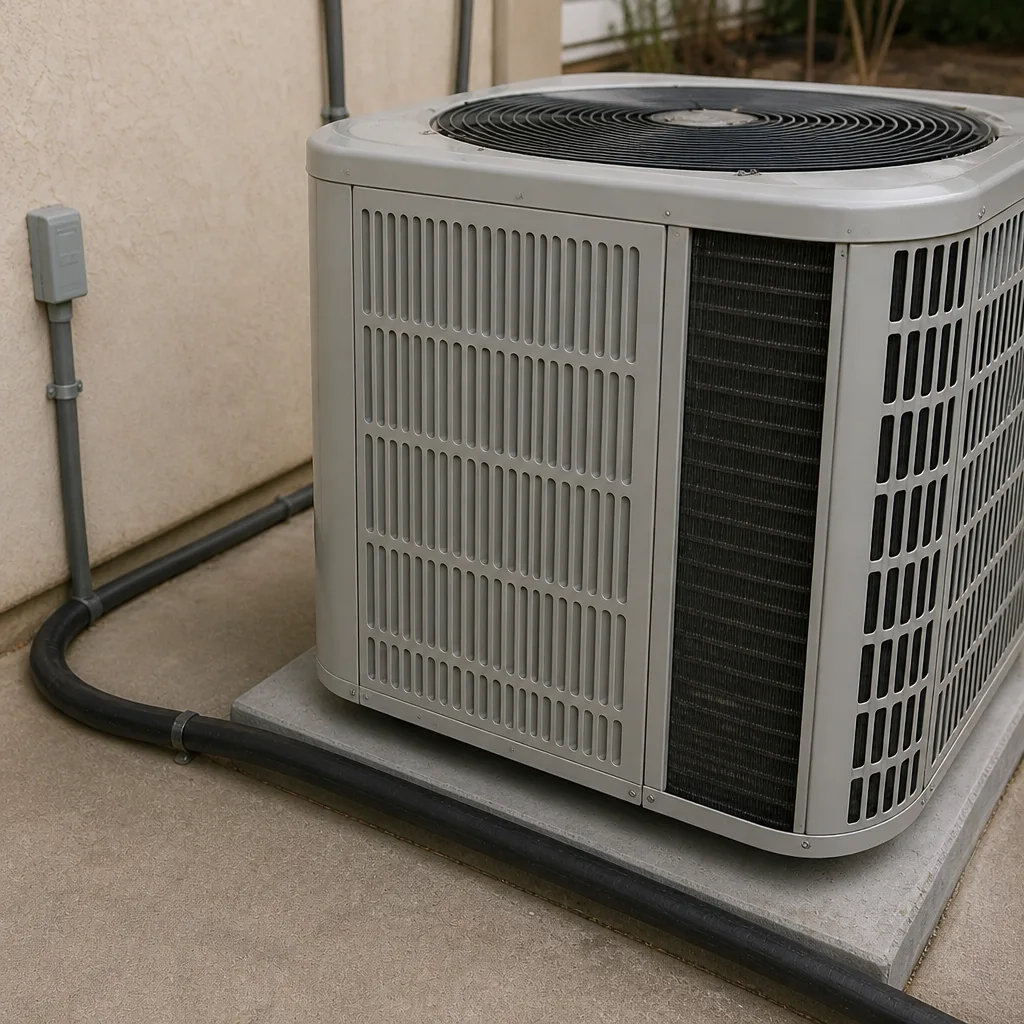 After
When to Call a Professional
Call a professional in Spring Valley when the indoor temperature is climbing past 85°F and outside is over 100°F. Call when the breaker trips twice in a row, you smell burning, you see ice on the copper lines, or the equipment makes a noise you can’t describe to a spouse without flinching. Call for anything involving refrigerant, compressor diagnosis, electrical panels, or gas furnaces – those are the jobs where a mistake causes fire, frostbite, or carbon monoxide, and no video tutorial makes them safe. Call for commercial work, anything requiring a permit, and anything you’ve already had “fixed” twice. And call the same day if anyone in the home is elderly, very young, or on heat-sensitive medication, even if the temperature hasn’t climbed yet. Ray’s Heating & Air Spring Valley offers free estimates in Spring Valley – call (833) 620-7288.
Frequently Asked Questions
Expect $180 to $350 for the emergency diagnostic visit itself, plus $40 to $400 for the actual repair depending on what failed. A capacitor is typically $180 to $260 installed; a contactor is $200 to $320; a blower motor is $400 to $900; a compressor is $1,800 to $3,200 depending on tonnage and brand. Any honest emergency tech should quote the diagnostic fee before rolling a truck, then quote the repair after showing you the test readings. Call (833) 620-7288 for an exact quote – estimates are free.
Yes. Calls to (833) 620-7288 are answered by a live person around the clock, every day, and emergency calls go out the same night. That includes weekends and holidays. There is no answering service and no voicemail maze – you reach someone who can make the call about whether to roll a truck now or wait until morning. If waiting is the safer choice for your situation, we’ll tell you that instead.
A tune-up is a scheduled $100-to-$180 visit that inspects the burners, heat exchanger, flue, and controls while the system is working. An emergency call is for a furnace that won’t ignite, smells gas, has a yellow or orange flame instead of blue, or is leaving soot near the register. If you smell gas, leave the house and call Southwest Gas’s emergency line first – then call us. Never attempt to diagnose a gas furnace yourself. Call (833) 620-7288 for a tune-up or an emergency.
Repair if the unit is under 10 years old and the fix is a capacitor, contactor, or blower motor. Replace if the unit is 12 or more years old, the compressor has failed, or you’ve already spent more than a third of a new system’s cost on repairs in the last two years. In Spring Valley’s climate, the calculus tilts toward replacement faster than it does nationally because equipment life is shorter here. We’ll give you both scenarios in writing with rebate and financing options, and never pressure the decision. Call (833) 620-7288 for a free repair-or-replace assessment.
Yes, though the exact programs change. The federal 25C tax credit, NV Energy efficiency rebates, and manufacturer rebates on qualifying high-efficiency systems (Carrier, Daikin, and American Standard all run programs) can add up to meaningful savings on a heat pump or high-SEER2 system. We’ll put the rebate paperwork together as part of the replacement proposal, at no extra charge. Call (833) 620-7288 and ask specifically about rebates and financing.
Every 30 to 45 days during cooling season, yes, for most Spring Valley homes. The dust load here is heavier than the national average, especially near construction corridors and open desert edges. A clogged filter is the number one cause of frozen coils and the number one cause of “not cooling” calls we get. It costs under $15 and takes two minutes. When in doubt, hold it up to the light – if you can’t see through it, it’s done. Call (833) 620-7288 if a filter change doesn’t restore cooling.
The Bottom Line
Spring Valley runs its HVAC equipment harder than the national average, which means the timeline for every part in the system is compressed. The systems that make it ten years without a major failure are the ones that get an April tune-up, a monthly filter, and a real diagnosis when something changes. The emergencies that turn into disasters are almost always the ones where someone panicked, hired by price at 2 AM, and got a compressor sold to them for a $40 capacitor. Do the maintenance. Know the signs. Keep a written ticket for every visit. And when the indoor temperature is climbing and the outside is over 100°F, call a real local number – (833) 620-7288 – and get a live human on the phone, day or night.
Written by the team at Ray’s Heating & Air Spring Valley.