
Last updated November 18, 2026
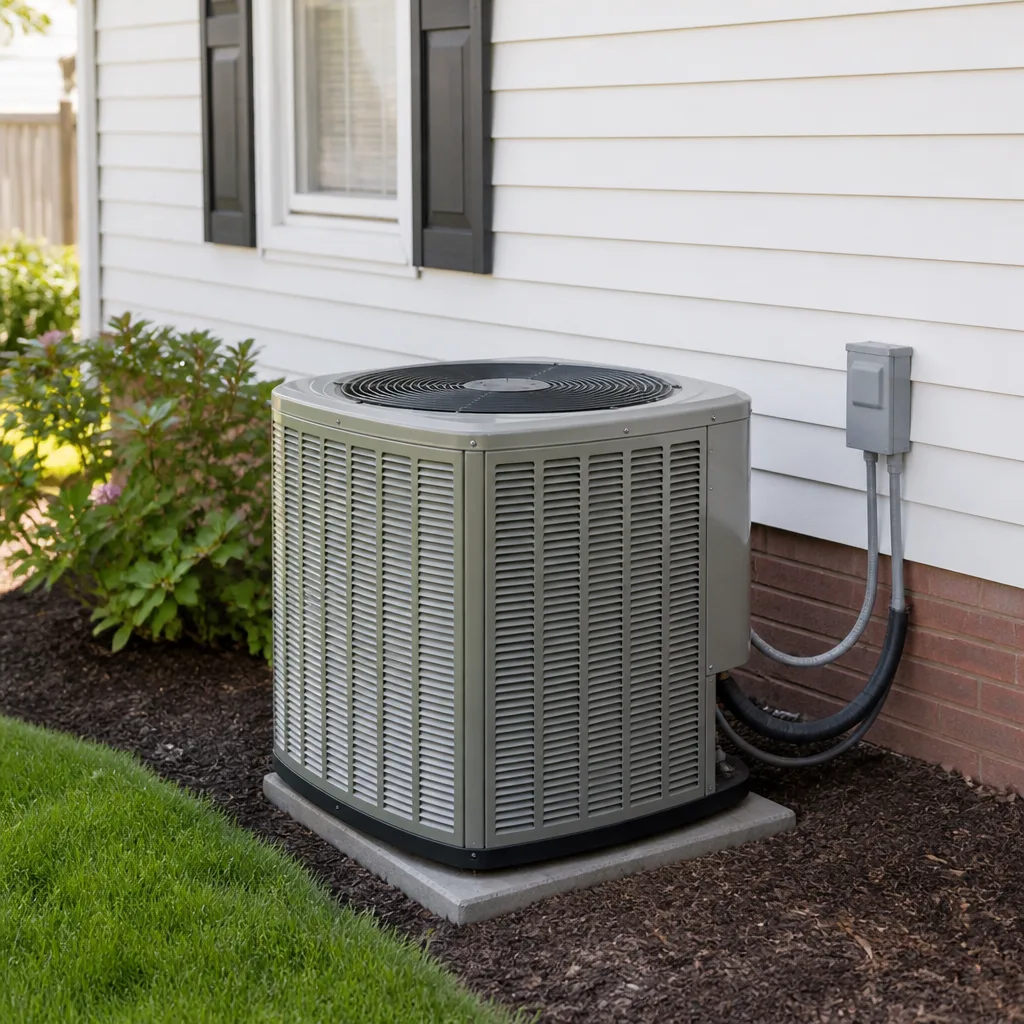 AC repair
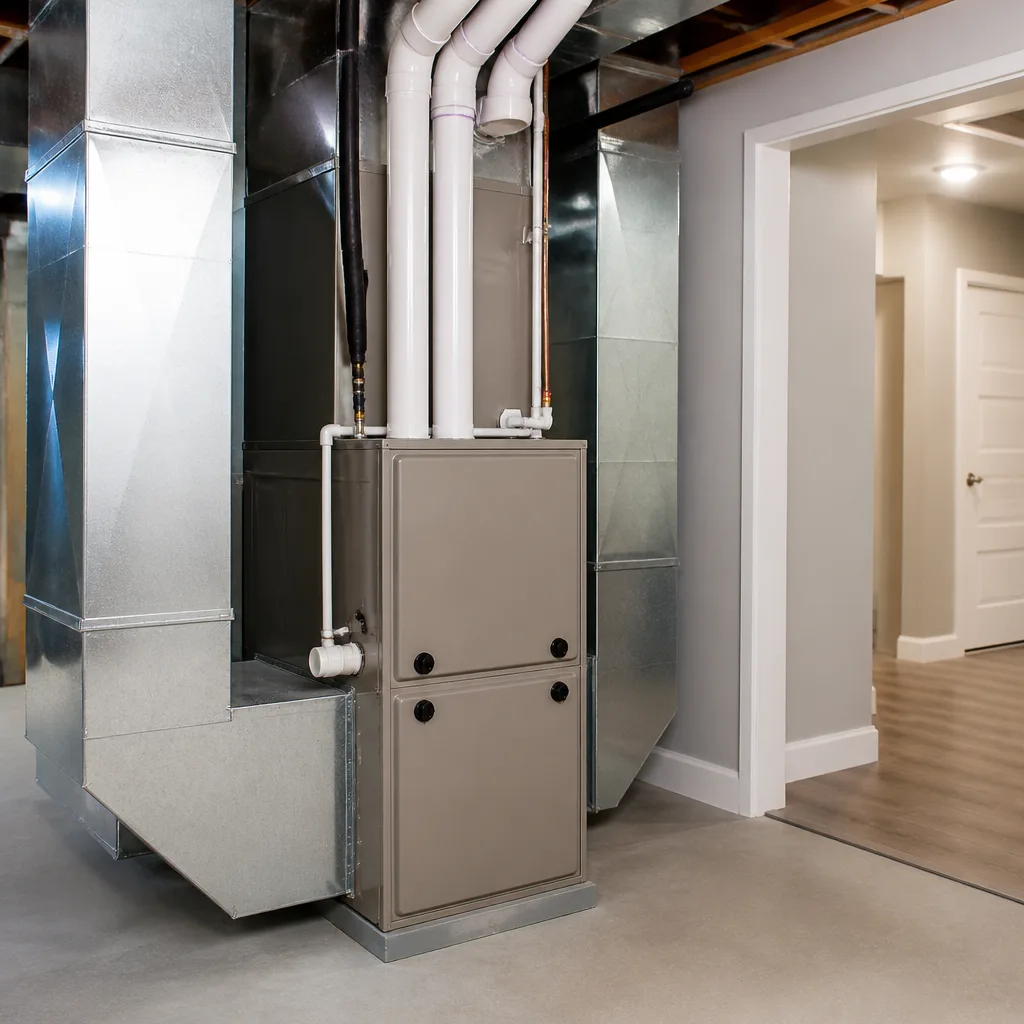 Furnace & heating
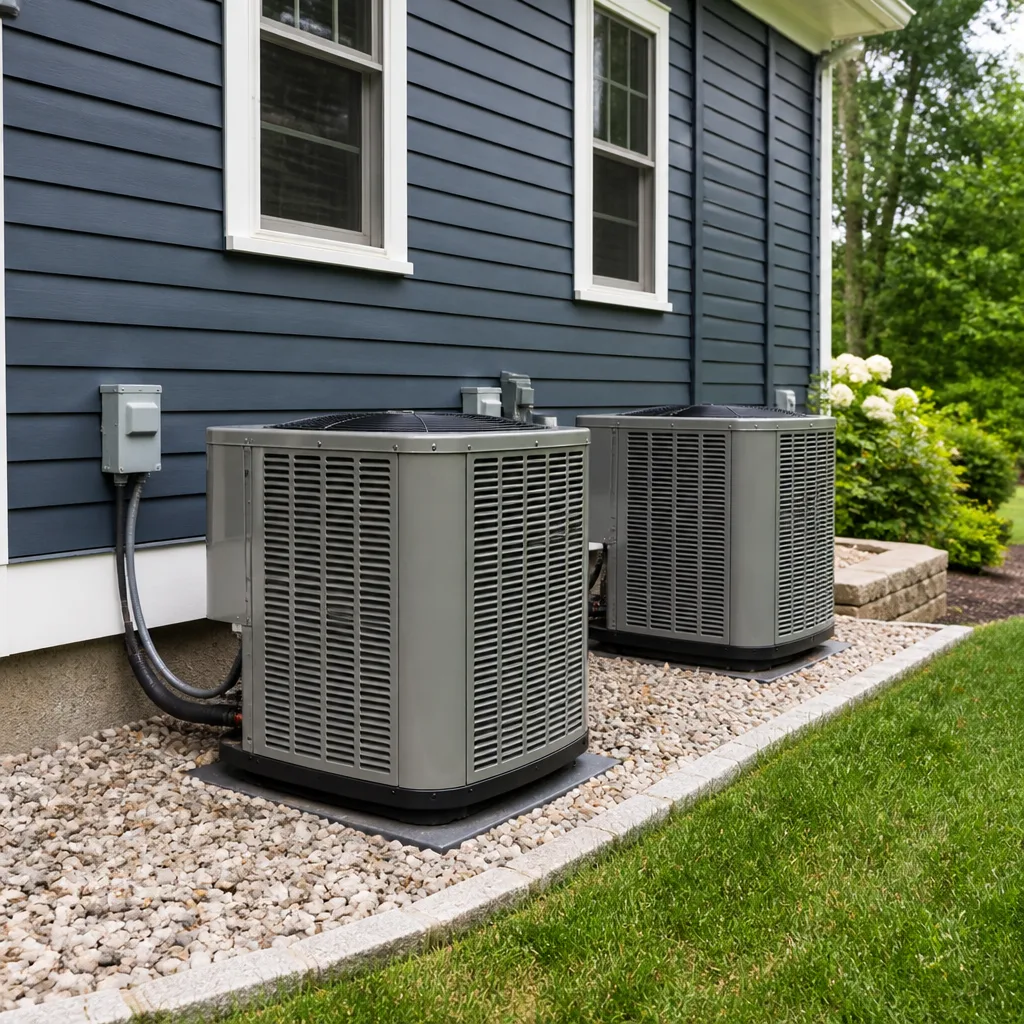 Heat pumps
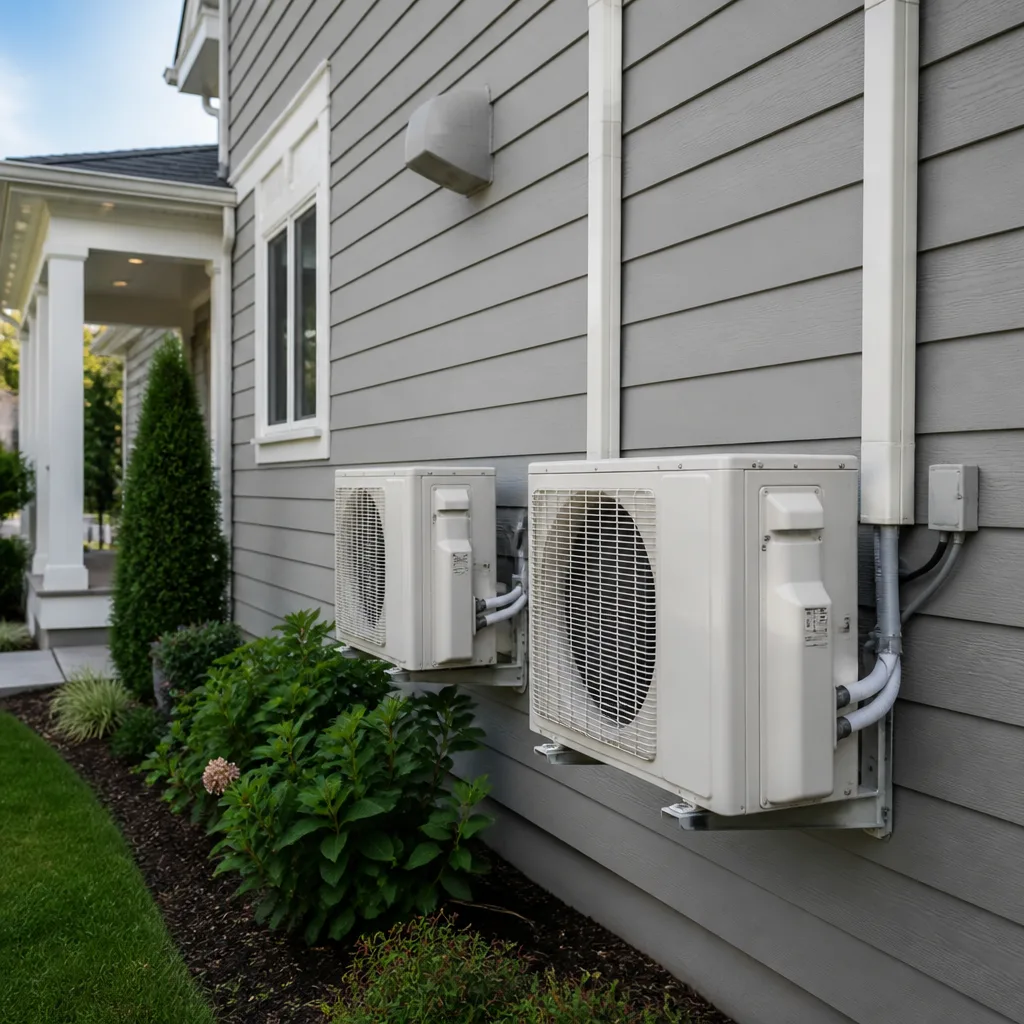 Ductless mini splits
 Carrier
 Trane
 Goodman
Seasonal tune-up and full diagnostic on your Carrier, Trane, or Goodman system - readings shown to you before any repair is proposed
Diagnosis first, numbers second - you approve the repair price before a single part goes in.
Get your free estimateThe Complete Air Quality & Ventilation Guide for Spring Valley Homeowners
The Las Vegas Valley ranks among the top 25 most polluted metro areas in the country for year-round particle pollution. Spring Valley sits right in the middle of it. Here is the part that surprises folks: sealing your house tighter to save on summer cooling bills, without adding any ventilation, quietly makes the air inside worse than the air on your patio. We’ve walked into Spring Valley homes where the indoor air was measurably dirtier than the street. This guide explains what’s actually polluting your air, which filters and purifiers earn their money, which are expensive placebo, and how to ventilate a desert house without throwing your electric bill out the window.
Quick Answer
The core air quality problem in Spring Valley is fine particulate matter (PM2.5) from construction dust, caliche soil, traffic, and summer wildfire smoke, plus high ozone on hot days. The fixes that actually work are a properly sized high-MERV filter (MERV 11-13) changed on schedule, source control on VOCs inside the house, and a balanced ventilation strategy like an ERV rather than a cheap plug-in purifier. A $30 drugstore air cleaner does essentially nothing for the pollutants this valley produces.
Styles & brands we work with
- AC repair
- Furnace & heating
- Heat pumps
- Ductless mini splits
- Carrier
- Trane
- Goodman
Table of Contents
- What’s Actually in Spring Valley’s Air
- The Tight-House Paradox: Why Newer Homes Breathe Worse
- Filters and MERV Ratings: What Works and What’s Marketing
- ERV vs. HRV vs. Exhaust-Only: Ventilation for a Desert Climate
- Whole-Home Purifiers and UV Systems: Ask These Questions First
- The Worst Air Months in Spring Valley (May-September)
- A Step-by-Step Air Quality Plan for Your Home
What’s Actually in Spring Valley’s Air
Spring Valley’s air quality problem isn’t one thing; it’s a cocktail that changes with the season and the wind. If you don’t know which pollutant you’re fighting, you’ll buy the wrong tool every time.
PM2.5 – fine particulate. This is the big one. Particles 2.5 microns and smaller (about 1/30th the width of a human hair) come from construction dust, unpaved lots, brake and tire wear on the 215 and Flamingo, and caliche – that hard calcium-carbonate soil that gets pulverized into powder every time a new development gets graded. Caliche dust is nasty because it stays airborne longer than ordinary dirt. It also gets deep into your lungs.
Ozone (O3). On summer days when the temperature climbs past 105°F and the wind dies, nitrogen oxides from traffic bake in the sun and form ground-level ozone. Spring Valley regularly sees “Ozone Action Days” from June through August. Ozone is a lung irritant that gets worse the harder you’re breathing – so it hits people working outside or exercising hardest.
Wildfire smoke. In recent summers, smoke from California and northern Nevada fires has rolled into the valley and pushed PM2.5 readings into the “unhealthy” range for days at a stretch. When that happens, Spring Valley’s air can be worse than Beijing’s on a bad day – and it can smell like a campfire inside your house if your filter isn’t up to the task.
VOCs and indoor chemistry. Inside the house, the pollutant list changes. Volatile organic compounds from paint, cabinets, flooring, cleaning sprays, air fresheners, and even new furniture off-gas for months to years. See the next section for why that matters more than most people realize.
The Tight-House Paradox: Why Newer Homes Breathe Worse
Here’s the counterintuitive part. A 1990s Spring Valley house with leaky single-pane windows and a wobbly sliding door exchanges air with the outdoors constantly. Some of that exchange is wasted energy – but it also flushes out indoor pollutants. A 2018 house built to modern energy code has spray foam, taped seams, and tight doors. It holds your cool air in beautifully. It also holds everything else in.
We’ve tested Spring Valley homes where the indoor PM2.5 reading was three times the outdoor reading, on a day when the outdoor air was already rated “moderate.” The cause wasn’t the outdoor air sneaking in. It was cooking, candles, an off-gassing couch, and a bathroom fan that vented into the attic instead of outside.
The specific indoor pollutants to know about in a tight Spring Valley home:
- Formaldehyde from pressed-wood cabinets and some carpets. Off-gasses for years, especially when the house is hot.
- VOCs from paint, adhesives, and household cleaners. “Fragrance-free” is doing more work than you think.
- Cooking particulate – browning meat or stir-frying on a gas range can push kitchen PM2.5 past a wildfire day. Vent the hood to the outdoors, not back into the room.
- Radon, occasionally – not the valley’s biggest problem, but worth a cheap test kit if your home has a slab-on-grade foundation.
- Moisture and mold from a bathroom fan that dumps humid air into the attic instead of outside. Easy to check, easy to fix.
The fix isn’t “open the windows more,” because half the year the outdoor air is worse than the indoor air. The fix is controlled ventilation – bringing in filtered outdoor air on a schedule, not on a hope.
Filters and MERV Ratings: What Works and What’s Marketing
Your first line of defense is the filter in the return grille of your air handler. Here’s what the MERV number actually means and where the honest cutoff is.
| MERV Rating | What It Captures | Verdict for Spring Valley |
|---|---|---|
| MERV 6-8 | Hair, lint, large dust | Protects the equipment, does nothing for PM2.5. The cheap default. |
| MERV 11-13 | Fine dust, pollen, most smoke particles, some bacteria | The sweet spot for Spring Valley. Real PM2.5 protection without choking airflow. |
| MERV 14-16 | Very fine particles, viruses | Only works if your blower and ductwork were designed for the pressure drop. Usually not. |
| “HEPA” claim on a 1″ filter | Marketing | A true HEPA filter is too restrictive for a standard residential system. Skip. |
A MERV 13 filter in a standard 1-inch slot is a reasonable compromise. Change it every 60 days May through September in Spring Valley – the dust load here eats filters faster than most of the country. If your filter is grey and matted at the 90-day mark, you were already breathing the bypass.
The bigger issue is the filter slot itself. Many Spring Valley homes have a 1-inch filter grille with visible gaps around the frame – air goes around the filter, not through it. An HVAC tech can check that in about ten minutes. If your return air is a slot with daylight showing through, no filter rating in the world will save you.
What MERV won’t do: it doesn’t touch gases, odors, or VOCs. For those you need ventilation or carbon. More on that below.
ERV vs. HRV vs. Exhaust-Only: Ventilation for a Desert Climate
Ventilation sounds simple – bring in fresh air – but in a desert you’re cooling the house seven to nine months out of the year. Every cubic foot of hot outside air you bring in is a cubic foot your AC has to cool and dry. That’s why the ventilation you install matters.
Exhaust-only ventilation. A quiet fan pulls stale air out of the house, and replacement air leaks in through cracks and gaps. It’s cheap to install and works fine in mild climates. In Spring Valley, it means pulling 110°F air through every gap in your building envelope, unfiltered. Not great in July.
HRV – Heat Recovery Ventilator. Two air streams pass through a core. The outgoing stale air warms (or cools) the incoming fresh air without the two mixing. Good for cold climates where you want to keep heat inside.
ERV – Energy Recovery Ventilator. Same idea as an HRV, but the core also transfers humidity. In a desert, this matters enormously: an ERV pulls most of the moisture out of incoming air before it enters the house, so your AC isn’t fighting a muggy living room. For a Spring Valley home with a modern tight envelope, an ERV is usually the right answer – not the HRV.
- Get a blower door test first. Ventilation sizing starts with how leaky your house is. Without a blower door, you’re guessing.
- Size to ASHRAE 62.2, the residential ventilation standard. Most homes need roughly the CFM equivalent of one bathroom fan running continuously.
- Filter the incoming air. An ERV with a MERV 13 intake filter is doing more for your indoor PM2.5 than any standalone purifier you can buy at Costco.
- Duct the bathroom and kitchen exhaust outside, not into the attic. This is one of the cheapest air quality upgrades we do.
If you’re considering a heat pump or mini-split at the same time, our Heat Pump & Mini Split in Spring Valley page covers how to integrate ventilation with the system rather than bolting it on after.
Whole-Home Purifiers and UV Systems: Ask These Questions First
This is where a lot of Spring Valley homeowners get sold something they don’t need. There’s real technology here – and also a lot of expensive placebo. Here’s how to tell the difference before you spend $800.
What has independent data behind it:
- High-MERV filtration with a proper sealed cabinet. The boring, proven winner. Real PM2.5 reductions. Cheap to change, easy to verify.
- Polarized-media or “electronic” filters (sometimes called electrostatic). Real, measurable particle capture – but you have to clean the cells regularly or they lose effectiveness and can even produce ozone. Ask how often cleaning is required.
- UV-C lamps inside the coil cabinet, aimed at the evaporator coil. They work as mold and biofilm control on a wet coil – which is a legitimate Spring Valley problem in summer. They are not an air purifier for the room. If a salesperson says UV will “sterilize the air you breathe,” ask them for the independent test. You won’t get one.
Which is expensive placebo:
- Cheap plug-in “ionizers” – they produce ozone as a byproduct and do little for PM2.5. Not recommended.
- Ozone generators sold as “air cleaners.” Actively harmful. Skip.
- UV lamps in the airstream with a 5-second exposure time. A fluence calculation will show you it isn’t enough to matter. The physics doesn’t support the claim.
- “Fragrance” cartridges added to a purifier. Adding VOCs to fight VOCs is a losing trade.
Before you sign anything, ask these five questions:
- Can you show me the independent third-party test for the specific pollutant you’re claiming to reduce?
- Does this add measurable pressure drop to my system? (If yes, will my blower handle it?)
- What’s the annual maintenance cost, and who does it?
- Does this produce ozone, and what’s the CARB certification number?
- What does “MERV” or “CADR” rating mean for this exact product, and where is it published?
If a salesperson can’t answer those, they’re selling a story. A name you can verify and a worksheet you can read beats a story every time – which is why our Ray’s Heating & Air Spring Valley home page publishes the license and phone number in plain sight.
The Worst Air Months in Spring Valley (May-September)
Spring Valley’s air quality calendar is not random. The bad days cluster, and knowing the pattern lets you plan around it.
May-June: dust and caliche season. Wind season meets construction season. PM2.5 spikes from grading and unpaved lots. If you see a dirt plume coming off a construction site near you, expect a bad air day within 24 hours.
July-August: ozone and smoke. Ozone peaks on hot, windless afternoons. Wildfire smoke can arrive with no warning from out of state and settle in the valley for a week. When it does, the AQI can hit “unhealthy for sensitive groups” or worse.
September: the transition. First fall storms can kick up dust on the way in.
What to actually do differently during those weeks:
- Run the “fan on” setting on your thermostat so your filter is continuously filtering, not just when the AC calls. It costs a few dollars a month in fan power and does more than a whole-home purifier.
- Upgrade to your highest safe MERV during smoke events if your system can handle it. Check with someone who knows your blower.
- Close windows and doors on smoke days, and check your weather stripping. Old weather stripping is one of the cheapest upgrades you’ll ever do.
- Cook with the hood fan on, and run your bathroom fan during and 20 minutes after every shower.
- Watch the AQI on AirNow.gov during a smoke event and don’t be a hero. Cancel the outdoor run, not the indoor one.
Spring Valley’s heat makes this worse: opening the windows on a bad-air July day means you’re bringing in hot outdoor air. Your AC kicks on, your electric bill goes up, and the particulate comes in with it. That’s the moment an ERV earns its keep, and the moment a $30 purifier proves what it is.
A Step-by-Step Air Quality Plan for Your Home
- Test the baseline. Buy or borrow a PM2.5 monitor (about $100 for a decent one) and take readings in three rooms over a week. Write down the numbers. Without a baseline you can’t tell whether anything you do is working.
- Seal the return. Check the filter slot for gaps. Weatherstrip if needed. This is 20 minutes of work.
- Upgrade to MERV 11-13 and change every 60 days in dust season. Ask your HVAC tech whether your blower can handle it before you buy the case.
- Fix the exhaust paths. Bathroom fan and kitchen hood must vent outdoors, not into the attic. Confirm visually.
- Do a blower door test before deciding on ventilation. The number it gives you determines whether exhaust-only, ERV, or nothing is right.
- Install an ERV if you’re tight enough and you’re serious. Whole-home, filtered, integrated with your HVAC. This is the upgrade that actually changes the number on your monitor.
- Re-test after 30 days. If the readings haven’t moved, the money was spent on the wrong thing. Diagnose again.
If your AC or heat pump is part of the plan – and it usually is – our AC Repair & Installation in Spring Valley and Heating & Furnace in Spring Valley pages walk through how the equipment side fits into the air quality side. We service Carrier, Trane, Lennox, and American Standard systems and use the same readings-first approach to sizing and diagnostics.
Common Mistakes to Avoid
- Buying the $30 drugstore purifier and calling it done. These units move too little air to matter for a real bedroom, let alone a whole house, and they do nothing for the caliche dust that Spring Valley actually produces.
- Cranking the MERV rating without checking the blower. A MERV 16 filter on a blower that can’t push through it does more harm than the MERV 8 it replaced. Airflow drops, coils freeze, filters get bypassed around the frame.
- Sealing the house for efficiency and forgetting ventilation. Tight envelopes are good – but without fresh air, VOCs and cooking particulate build up. That’s the tight-house paradox in one sentence.
- Venting the bathroom fan into the attic. Common in older Spring Valley homes. It creates a mold problem above your ceiling and does nothing for the bathroom.
- Trusting “HEPA” on a 1-inch filter label. True HEPA is too restrictive for residential HVAC. If a box says HEPA and fits a standard slot, read the fine print.
- Skipping the re-test. If you spend $800 and never measure, you have no idea whether it worked. Baseline first, re-test after.
- Falling for the smoke-day “purifier party.” Three plug-in ionizers in a room is not the same as one properly sized, filtered whole-home solution. And the ozone byproduct is real.
See the difference
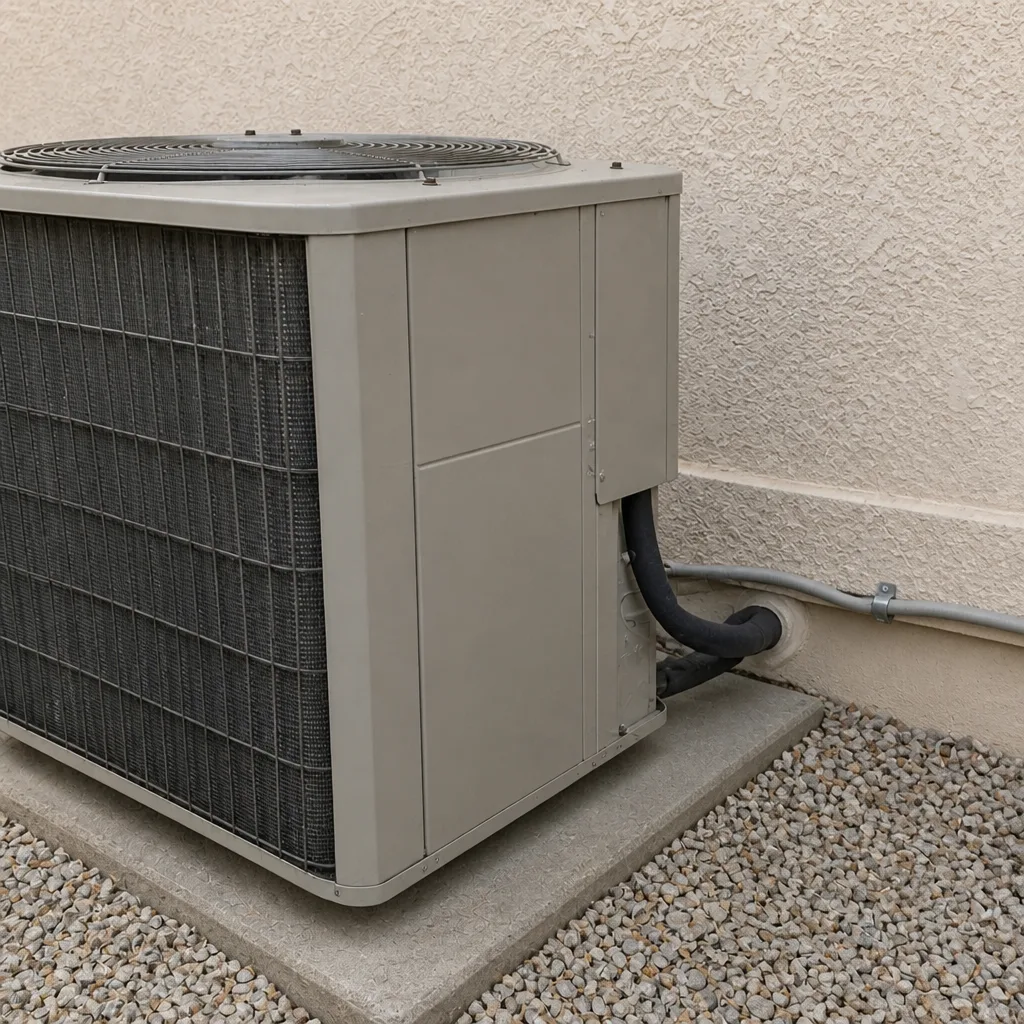
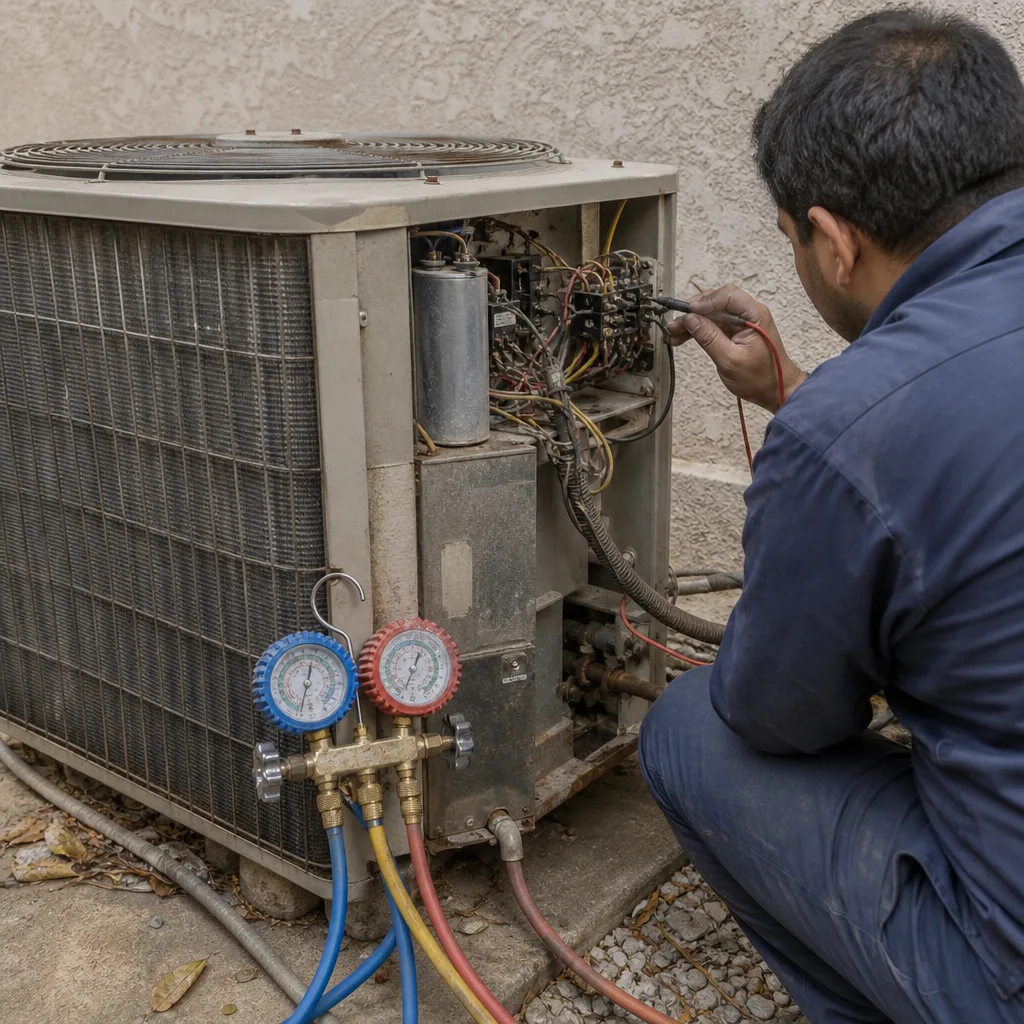 Before
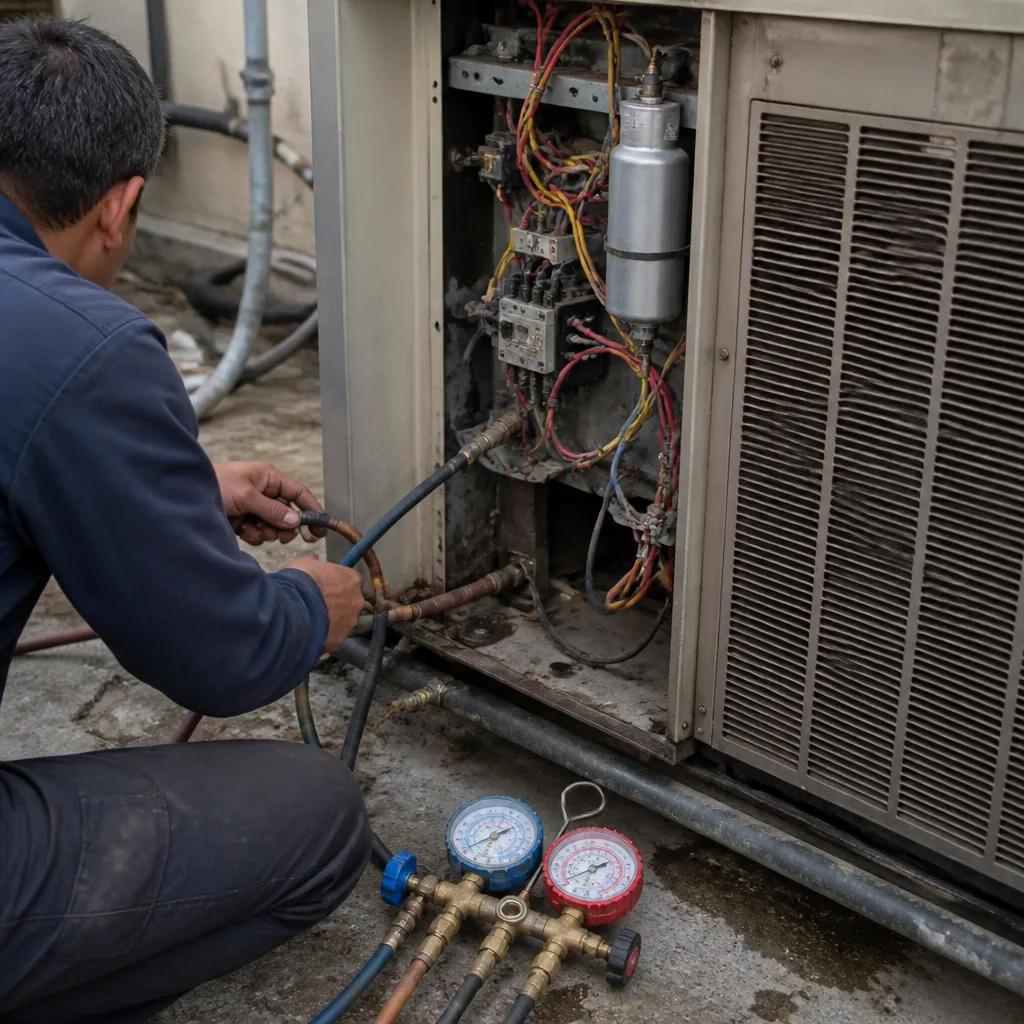
 After
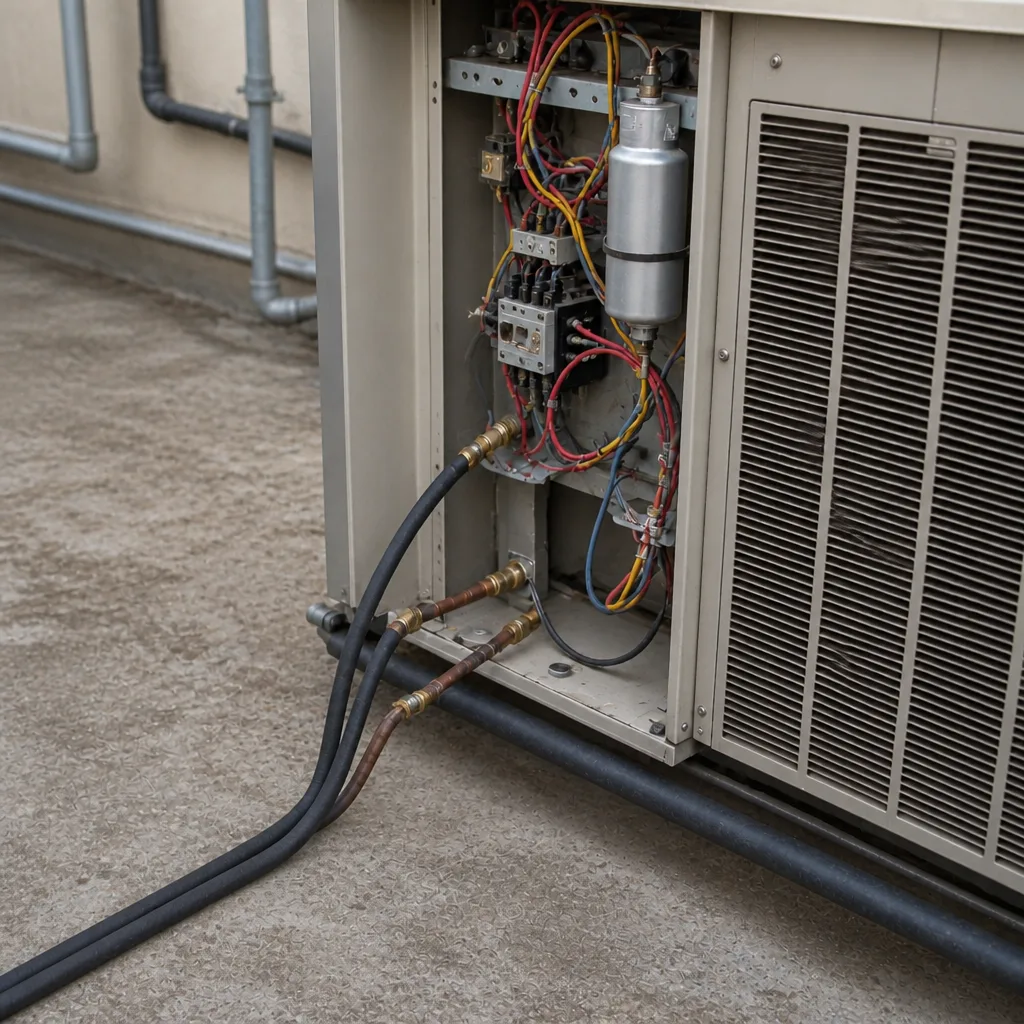
 Before
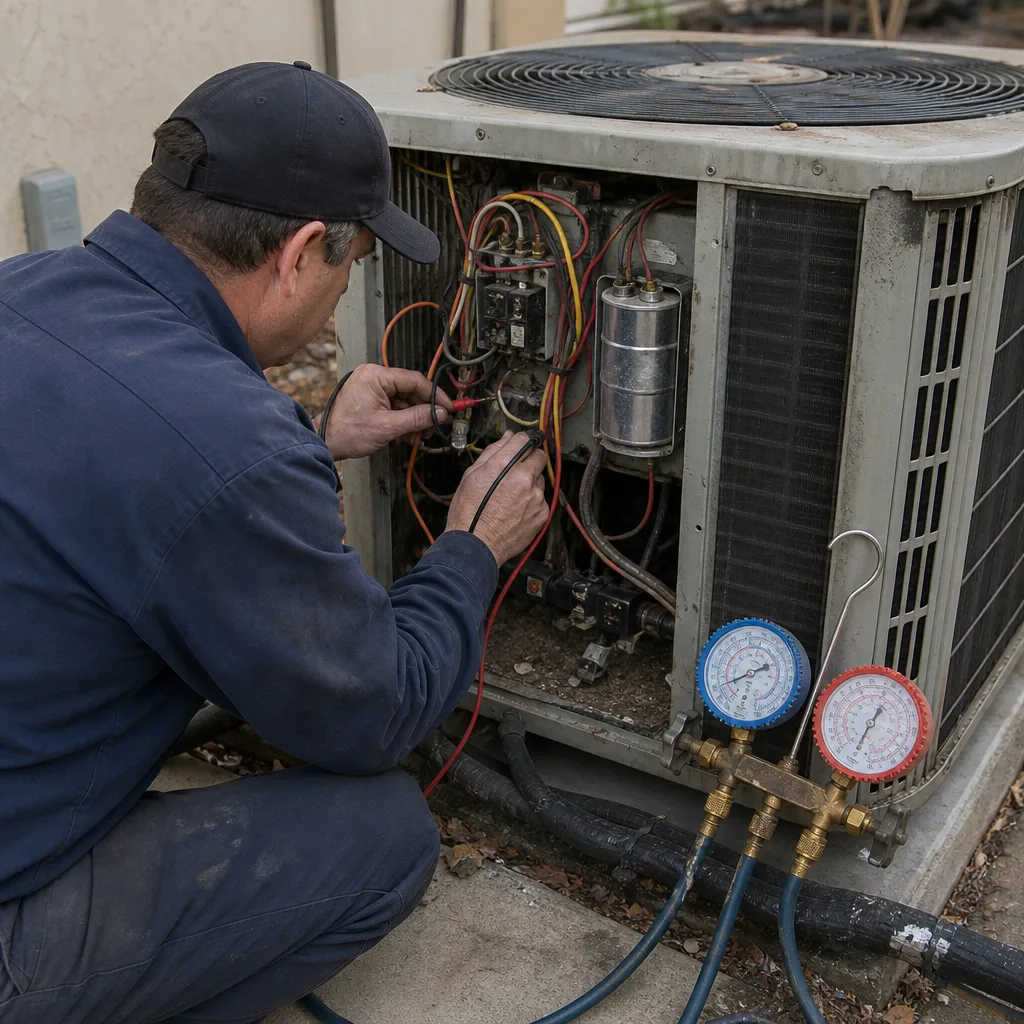
 After
 Before
 After
When to Call a Professional
Some of this is DIY-friendly: filter swaps, weather stripping, watching the AQI. Some of it isn’t. Call us when you need a blower door test, when you’re considering an ERV or whole-home ventilation, when your filter is bypassing or your airflow is dropping, when you smell mold near the air handler, or when a UV system or whole-home purifier is being pitched to you and you want a second opinion before you sign. We test the readings first and quote from there – no untested upsells. We also don’t guess at sizing, because a ventilation system that’s wrong for your house is worse than none. Ray’s Heating & Air Spring Valley offers free estimates in Spring Valley – call (833) 620-7288.
Frequently Asked Questions
The Las Vegas Valley ranks among the top 25 most polluted U.S. metro areas for year-round particle pollution, and Spring Valley sits in the middle of that valley. Fine particulate from caliche dust, construction, and traffic is a year-round issue, and wildfire smoke adds spikes in summer. The good news is that indoor air can be dramatically improved with the right filter, the right ventilation, and source control. Call (833) 620-7288 for a free estimate.
For a Spring Valley house, a cheap plug-in purifier does not move enough air to lower PM2.5 in a real bedroom, let alone the whole house. A properly sized high-MERV filter with a sealed cabinet, plus a balanced ERV if your house is tight, does more than any plug-in. If someone is selling you a whole-home purifier, ask for the independent test and the CARB ozone certification before you write a check.
ERV is usually the right choice in Spring Valley because it transfers moisture as well as heat. An HRV recovers heat but brings humid summer air inside, which your AC then has to dry. In a desert climate where you’re cooling most of the year, ERV wins. We’d still want a blower door test first to size it right.
Every 60 days from May through September, and every 90 days the rest of the year, for a standard 1-inch MERV 11-13 filter. Dust season here loads filters faster than most of the country. If your filter is matted and grey at 60 days, change it sooner and check the filter slot for bypass.
Run your thermostat fan on “on” instead of “auto” during dust and smoke months, fix the bathroom fan venting, weatherstrip the doors and windows, and stop using scented sprays and plug-ins. Those cost almost nothing and move the needle. Then measure with a cheap PM2.5 monitor so you know whether the bigger upgrades are worth it.
UV-C lamps aimed at the evaporator coil help control mold and biofilm on a wet coil, which is a real problem in Spring Valley summers. They do not sterilize the air passing through the ductwork in the seconds it takes to pass, and any claim otherwise needs independent fluence data. We install them for coil maintenance, not for a sterilizing claim.
The Bottom Line
Spring Valley’s outdoor air is a real problem, but the bigger issue in most homes is that the indoor air is tighter, more polluted, and less filtered than anyone realizes. Fix the basics first: MERV 11-13 filters, sealed filter slots, correct exhaust venting, and source control on VOCs. Then, if your house is tight enough to need it, add an ERV sized by a blower door test – not an HRV, and not a cheap plug-in. UV and whole-home purifier claims need to come with independent data and a CARB number, or they’re a story. Test the baseline, do the work, and re-test. That’s the whole plan. It holds up in May, in August, and during the next smoke event.
Written by the team at Ray’s Heating & Air Spring Valley.
Contact
If your house is tighter than it used to be, if your filter is bypassing, or if you’re ready to think seriously about an ERV or a whole-home ventilation plan, call us at (833) 620-7288 for a free estimate. We’ll take the readings first, walk you through what we’re seeing, and quote from there. No untested upsells, no “sign here” pressure. Just a plan built around your house.