
Last updated November 18, 2026
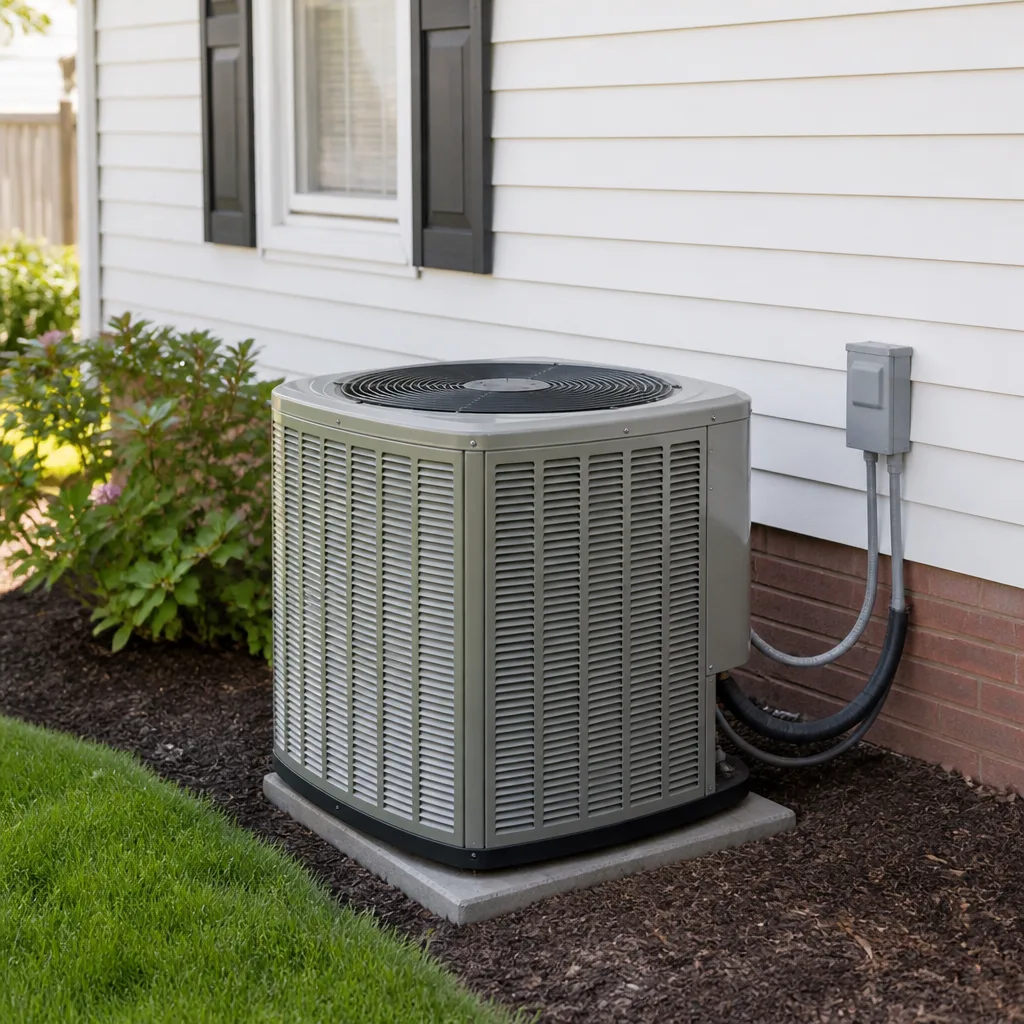 AC repair
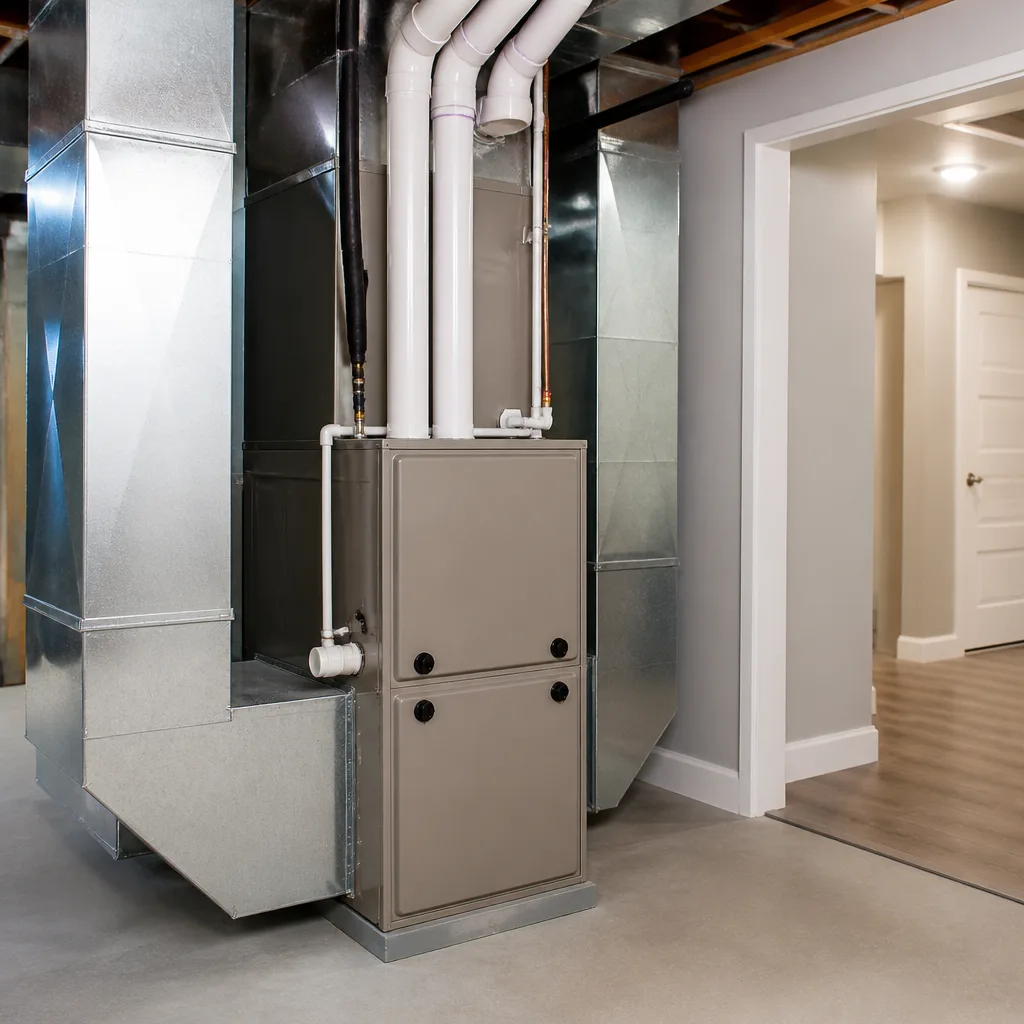 Furnace & heating
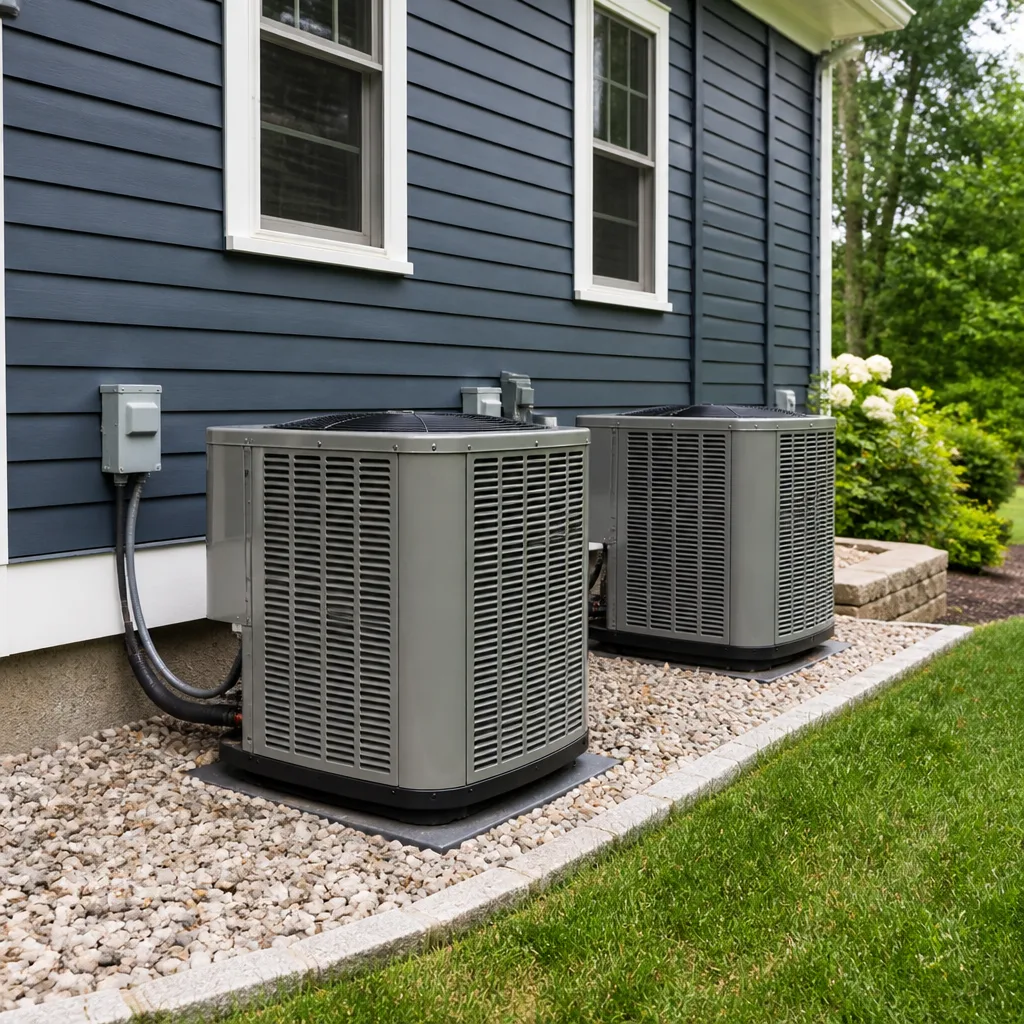 Heat pumps
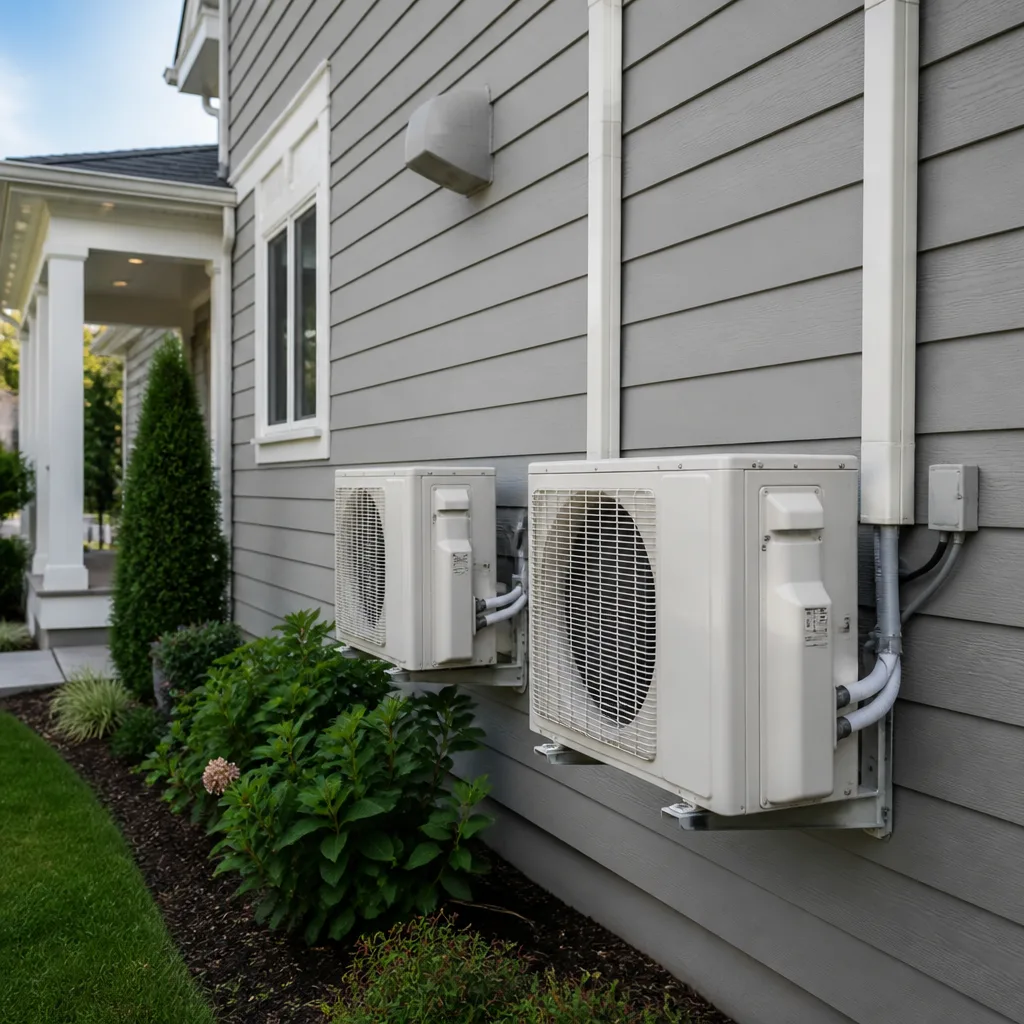 Ductless mini splits
 Carrier
 Trane
 Goodman
Seasonal tune-up and full diagnostic on your Carrier, Trane, or Goodman system - readings shown to you before any repair is proposed
Diagnosis first, numbers second - you approve the repair price before a single part goes in.
Get your free estimateAC Repair & Installation Troubleshooting: Common Problems and How to Fix Them
A tripped breaker looks exactly like a dead compressor from inside the house. One costs you nothing to fix. The other can run $1,800 or more. The difference takes about 90 seconds to figure out if somebody tells you where to look. Most troubleshooting guides hand you an alphabetical list of symptoms like a medical dictionary. This one works the way a problem actually unfolds at 9 PM on a Tuesday when it’s 108 outside and you need to know right now whether to call or flip a switch. We’re going to walk the four paths a failing system takes, show you the cheap stuff you can solve yourself, and help you spot the expensive stuff before Spring Valley heat turns it into something worse.
Quick Answer
Most cooling problems in Spring Valley come down to one of four things: a tripped breaker or blown fuse, a dirty filter choking airflow, a failed run capacitor or contactor, or low refrigerant from a leak. Check the breaker, the filter, and the outdoor unit first, since those are safe for a homeowner to inspect. If the unit hums but won’t start, clicks and shuts off, or the coil is frozen, it needs a licensed tech with a meter and EPA 608 certification to diagnose it safely.
Styles & brands we work with
- AC repair
- Furnace & heating
- Heat pumps
- Ductless mini splits
- Carrier
- Trane
- Goodman
Table of Contents
- Path One: The System Runs But There’s No Cold Air
- Path Two: Weak Airflow From the Vents
- Path Three: The Unit Is Frozen Solid
- Path Four: Strange Noises You Shouldn’t Ignore
- Why Capacitors and Contactors Fail So Fast Here
- Short Cycling: The Slow Killer of Compressors
- What You Can Safely Reset or Clean vs. What Requires a License
- How to Describe Your Problem So a Tech Can Quote Honestly
Path One: The System Runs But There’s No Cold Air
The fan’s blowing, the thermostat says “cool,” and the air coming out feels like a hair dryer. This is the most common complaint we hear in Spring Valley between June and September, and it splits into two very different problems depending on whether the outdoor unit is actually running.
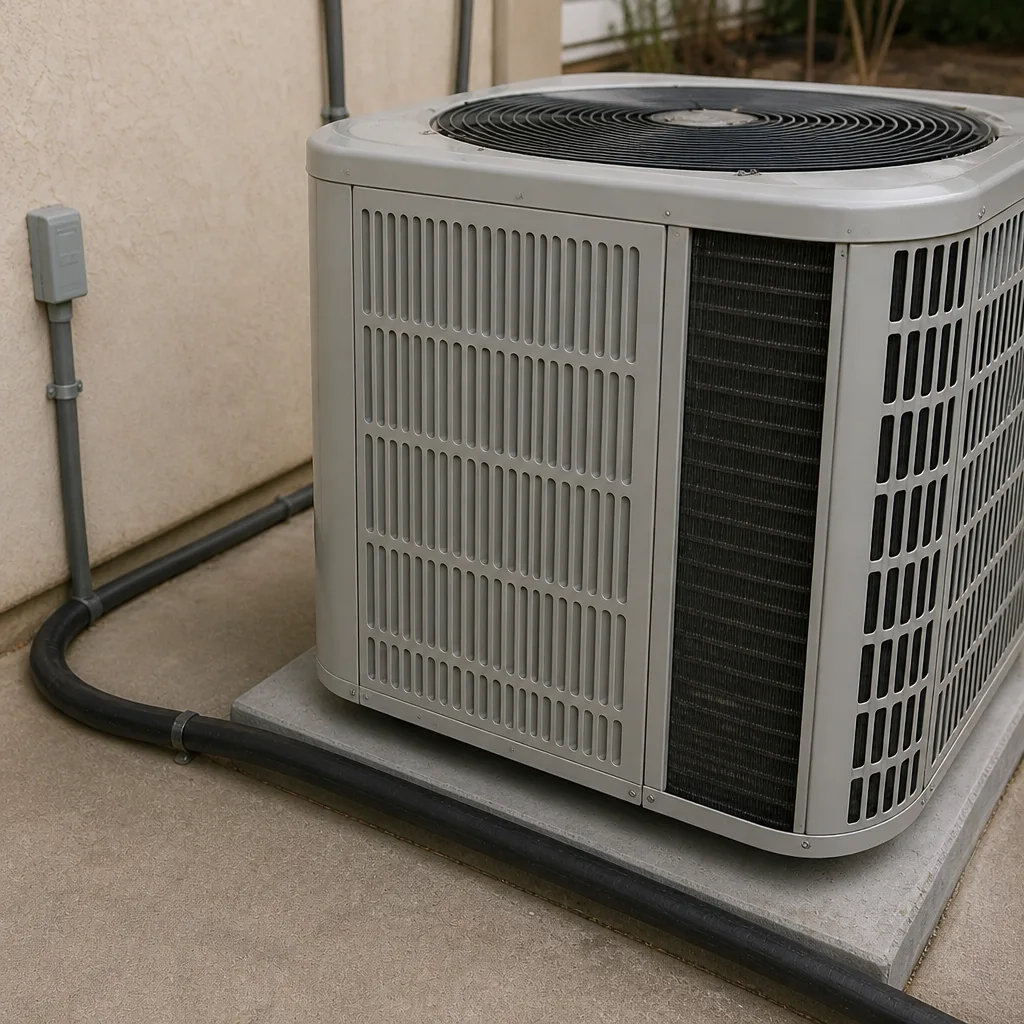
Walk outside and put your hand near the top of the condenser. If the fan is spinning and you feel warm air blowing out, the compressor may be running but the system is low on refrigerant or the coil is fouled. If the fan isn’t spinning at all, or it’s humming but not moving, you’re looking at an electrical problem, usually a capacitor or contactor. Those two failures look nothing alike to a meter but sound almost identical from inside the house.
Start with the simple checks:
- Confirm the thermostat is set below room temperature and in “cool” mode, not “fan” or “auto” stuck on heat.
- Check the air filter. A clogged filter can restrict airflow enough to make the system feel like it isn’t cooling.
- Go to the electrical panel and look for a tripped breaker labeled for the AC or “air handler.”
- Find the outdoor disconnect box (a small metal box on the wall near the condenser) and check whether the pull-out fuse or breaker inside is intact.
- Look at the copper lines running into the house. If they’re coated in white frost, skip ahead to Path Three.
If all of that checks out and the air is still warm, the issue is inside the sealed system or the electrical controls, and that’s a call. Our team at AC Repair & Installation in Spring Valley handles this exact scenario daily in the summer.
Path Two: Weak Airflow From the Vents
You feel cold air, but it’s a trickle instead of a rush. Rooms farthest from the air handler never cool down, and the system runs all day without catching up. Weak airflow is almost always a duct, filter, or blower problem, and it’s the one category where a homeowner can fix a surprising amount without touching a screwdriver to the equipment.
In Spring Valley, dust and cottonwood debris are the usual suspects. We see return grilles packed solid by late June, filters that haven’t been changed since March, and supply registers closed in rooms nobody uses, which throws the whole system’s balance off. A single closed register in a spare bedroom can starve the rest of the house by 10 to 15 percent of its airflow.
Try these in order:
- Replace the filter. Use the size printed on the old one and pick a MERV rating between 8 and 11. Higher MERV sounds better but chokes a residential blower.
- Open every supply and return register. Walk the house and physically check each one.
- Vacuum the return grille. The big one in the hallway is usually the culprit.
- Check for crushed flex duct in the attic if you can safely peek. Look for kinks or disconnected runs.
- Listen at the air handler. A blower that sounds labored or screeches is a bearing or wheel problem.
If the filter is fresh, the registers are open, and the airflow is still weak, the blower motor or the ductwork needs a trained eye. A blower running on a failing capacitor draws high amps and can burn out its motor in a week, so don’t let this one ride.
Path Three: The Unit Is Frozen Solid
You see ice on the copper lines or a block of frost on the indoor coil, and the house isn’t cooling. Frozen coils are counterintuitive: ice means the system is starving for heat, not that it’s working too hard. Low refrigerant or restricted airflow drops the coil temperature below freezing, and the condensation on it turns to ice.
Turn the system off at the thermostat. Don’t just switch to fan; set it to “off” and let it thaw for a few hours. Running a frozen system can slug liquid refrigerant back into the compressor, which is the single most expensive failure in residential HVAC. A new compressor installed runs well north of $1,800 in most Spring Valley homes, so this is one to respect.
Once thawed, check the air filter again and look for a return duct disconnected in the attic. If neither turns up, the system is likely low on refrigerant from a leak, and refrigerant handling is regulated. Under Section 608 of the Clean Air Act, only a certified technician can legally add or recover refrigerant. That’s not a sales pitch, it’s federal law.
For a full look at what a proper repair visit involves, see our Ray’s Heating & Air Spring Valley home page. And if the coil keeps freezing after every thaw, the leak has to be found and fixed, not just topped off.
Path Four: Strange Noises You Shouldn’t Ignore
Every AC makes some noise. The question is which noises mean “shut it down now” and which mean “get it looked at this week.” Here’s how to sort them.
- Clicking that repeats every few minutes: a contactor or control board cycling. Usually a $200 to $400 repair if caught early, a burned-out compressor if ignored.
- Buzzing or humming from the outdoor unit with no fan movement: almost always a failed run capacitor or a stuck contactor. Shut it off at the breaker and call.
- Rattling or clanking: loose panels, a failing fan motor bearing, or debris in the condenser. Sometimes a $0 fix with a screwdriver, sometimes a motor replacement.
- Screeching or squealing: blower or fan motor bearings drying out. These fail hard within days.
- Hissing or bubbling at the copper lines: refrigerant escaping. Shut the system down, don’t add refrigerant yourself, and call.
In our experience around Spring Valley, the contactor and capacitor failures are so common in July and August that we keep both in the truck on every call. The heat here cycles those parts millions of times per season and they simply wear out. If you catch the clicking early, you’re looking at a modest repair. If you wait for the compressor to lock up, you’re looking at a system replacement.
Why Capacitors and Contactors Fail So Fast in Nevada Heat
A run capacitor is a small cylinder inside the outdoor unit that gives the compressor and fan motor the jolt they need to start. A contactor is a set of electrical contacts that closes when the thermostat calls for cooling. Both live outside, both sit in the sun, and both take a beating when afternoon temperatures push past 105 in Spring Valley.
Heat degrades the dielectric fluid inside a capacitor and oxidizes the silver contacts inside a contactor. The failure is gradual. First you might hear a soft click when the system tries to start, then a pause, then a start. Then the pause gets longer. By the time the system won’t start at all, the capacitor has been weak for weeks, and the compressor has been starting under load the whole time. That’s what burns compressors out.
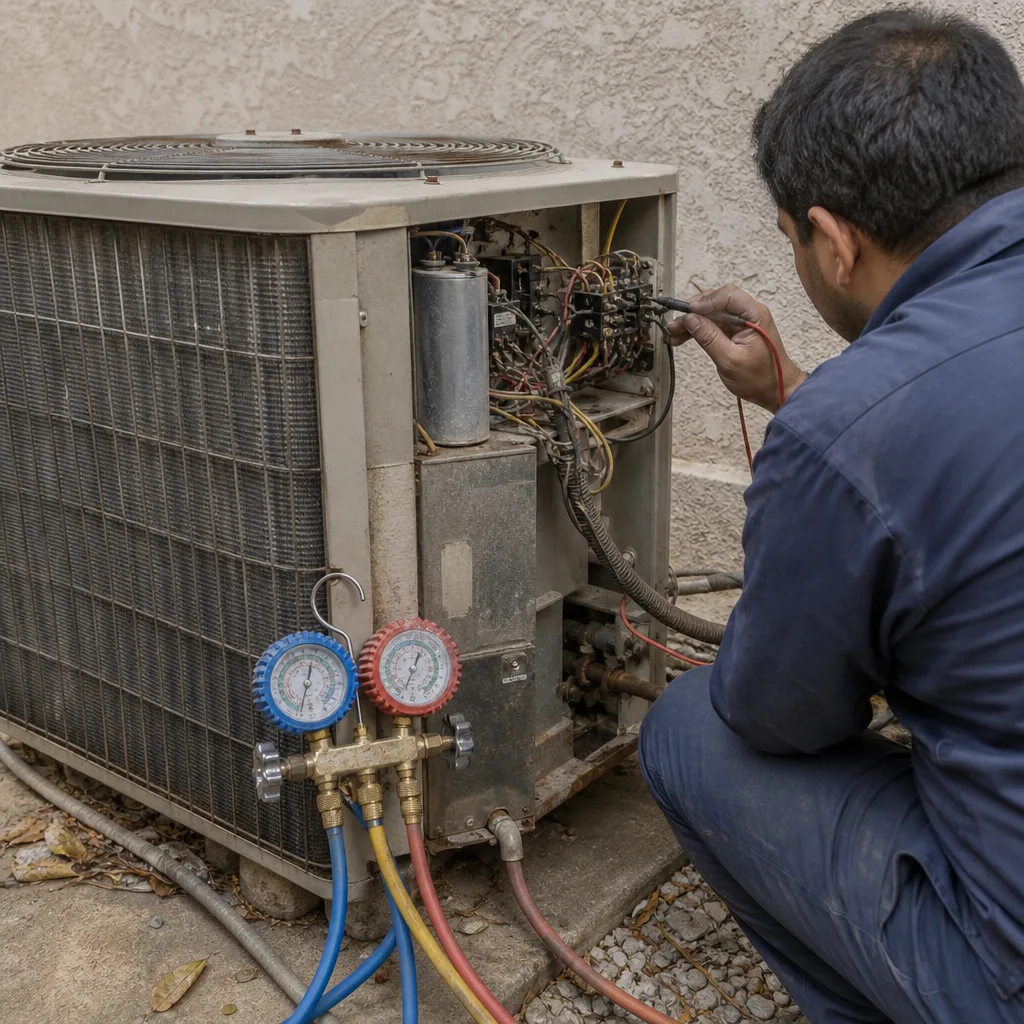
What it sounds like before it fails: a click, then a hum, then the hum peters out. Repeat. Sometimes the fan starts and the compressor doesn’t, or the reverse. A technician with a multimeter tests capacitance in about 30 seconds and knows immediately. This is why the person at your door should be testing the capacitor before anyone says the word compressor. The readings first, the numbers second.
Cost to replace a run capacitor runs roughly $150 to $280 in this market. A contactor is similar. A compressor is many times that. The math is easy when you catch it early.
Short Cycling: The Slow Killer of Compressors
Here’s a scenario that costs homeowners in Spring Valley real money every summer. The system “seems fine.” It cools, then shuts off, then comes back on three or four minutes later. The house stays sort of comfortable. Nothing dramatic happens. So the homeowner does nothing.
Short cycling is actually worse for a compressor than a total breakdown. Every start-up pulls a massive inrush of current, and the motor windings take the hardest hit in those first two seconds. A system that starts eight times an hour instead of once is doing roughly 900 extra starts a week. That’s where compressor life goes to die.
Common causes:
- An oversized system that cools the house too fast and never runs long enough to dehumidify or stabilize.
- A refrigerant charge that’s off, cycling the system on a pressure switch.
- A failing thermostat or a thermostat placed in a hot hallway or near a supply vent.
- A dirty evaporator coil that’s icing and thawing repeatedly.
- A restricted filter that’s tripping a high-limit safety.
If your Goodman or Rheem system is cycling every few minutes, get it looked at. It doesn’t feel urgent because the house stays cool, but the compressor is taking the hit. A repair now is a fraction of a replacement later.
What You Can Safely Reset or Clean vs. What Requires a License
There’s a line between homeowner maintenance and work that requires certification, and it’s worth knowing where it sits. Crossing it isn’t just risky, it can be illegal.
Safe for you to handle:
- Replacing air filters. Do this every 1 to 3 months in Spring Valley.
- Resetting a tripped breaker at the electrical panel.
- Pulling and inspecting the outdoor disconnect fuse (with the thermostat off).
- Vacuuming return grilles and wiping down supply registers.
- Clearing leaves and debris from around the outdoor unit.
- Hosing off the condenser coil from the outside with the power off.
Requires a licensed, certified technician:
- Anything involving refrigerant handling, recovery, or charging. EPA Section 608 certification is required by federal law.
- Opening the electrical panel inside the outdoor unit to test or replace a capacitor or contactor.
- Diagnosing or replacing a compressor.
- Brazing, evacuating, or repairing refrigerant lines.
- Any work inside the air handler cabinet where the blower and evaporator coil live.
The line is really about two things: high-voltage electrical work and the refrigerant circuit. Those are where serious injury and expensive mistakes happen. Everything on the first list is safe, and it’s where you should start.
How to Describe Your Problem So a Tech Can Quote Honestly
This is the part most guides skip, and it’s the part that saves homeowners the most money. When you call, the difference between a vague “my AC isn’t working” and a precise description is the difference between a real estimate and “we’ll see when we get there.”
Have these ready when you call:
- What the thermostat says – setpoint, actual temperature, mode.
- What the outdoor unit is doing – fan spinning or not, humming, clicking, silent.
- What the indoor air feels like – warm, cool, weak, strong.
- The age of the system – model and serial off the outdoor unit’s nameplate if you can read it.
- The filter’s last change date – be honest, it helps.
- Whether the breaker tripped – and whether it stays reset or trips again.
A trained ear on the other end of the phone can often diagnose a capacitor or a contactor from that description alone and quote the repair before the truck rolls. That’s the honest version of an estimate. In Spring Valley, our team takes calls like this around the clock, and a live person answers every one. No voicemail maze, no callback queue. If you’re not sure whether your issue needs a Heat Pump & Mini Split visit instead of a straight AC call, that’s worth mentioning on the phone too.
Common Mistakes to Avoid
- Setting the thermostat to 60 to “cool faster.” It doesn’t cool faster. It just runs longer and freezes the coil. Set it to 78 and leave it there.
- Using a high-MERV filter “for better air.” A MERV 13 in a residential system starves the blower. MERV 8 to 11 is the sweet spot for most Spring Valley homes.
- Topping off refrigerant without finding the leak. That’s a band-aid that costs you again every season. The leak has to be fixed.
- Running a frozen system to “see if it thaws.” It’ll thaw, and then the compressor gets slugged with liquid refrigerant and you’re looking at a full replacement.
- Ignoring short cycling because the house stays cool. The house being cool while the compressor eats 900 extra starts a week is not a good trade.
- Hiring on the phone quote alone. Any number quoted without seeing the unit’s readings is a guess dressed as an estimate.
- Closing registers in unused rooms. That throws off the whole system’s static pressure and makes every other room worse.
See the difference
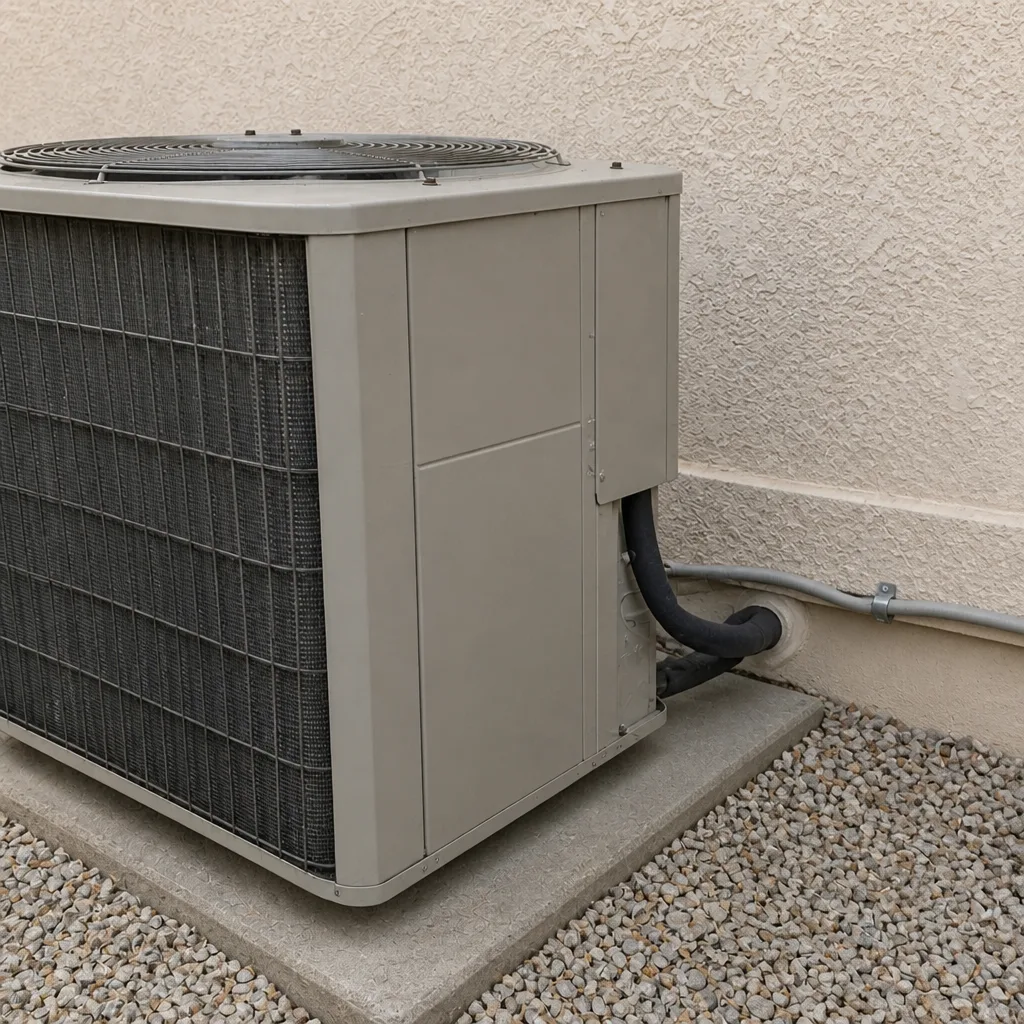
 Before
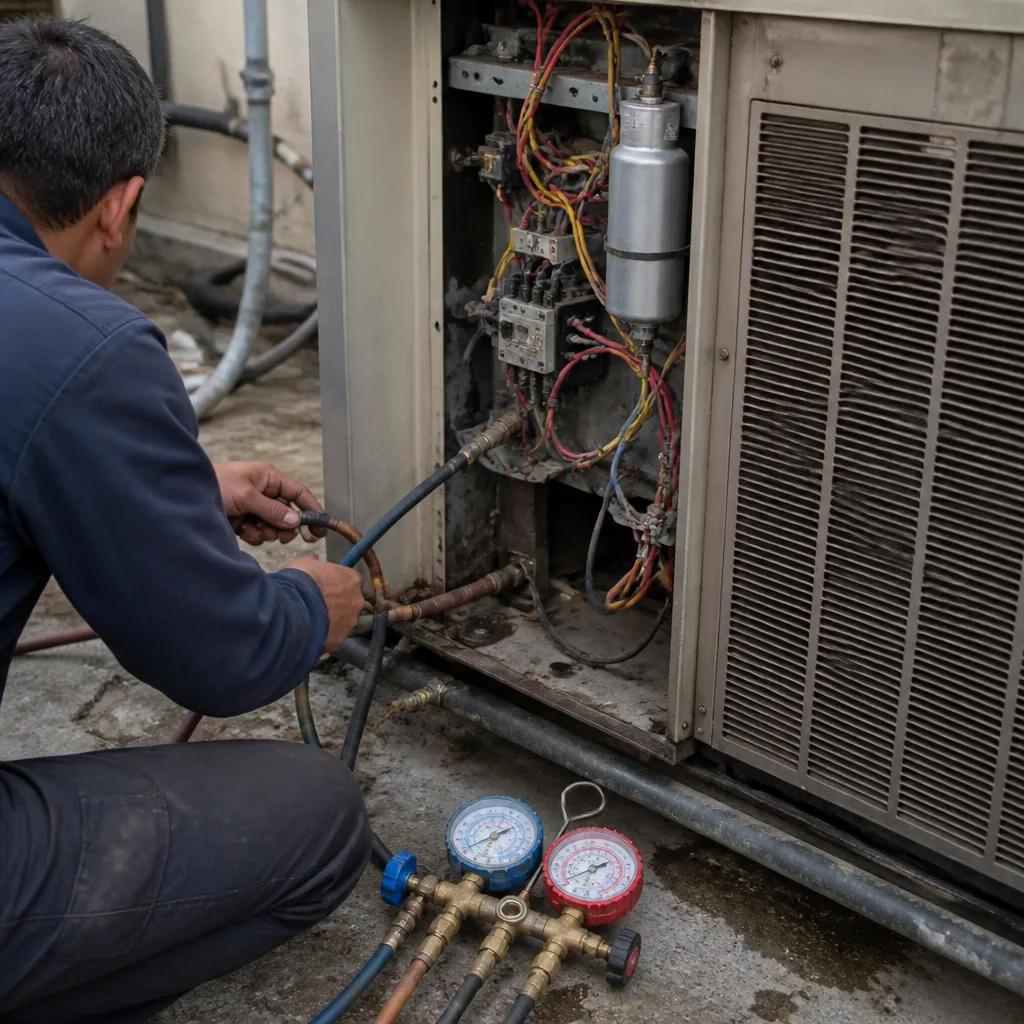
 After
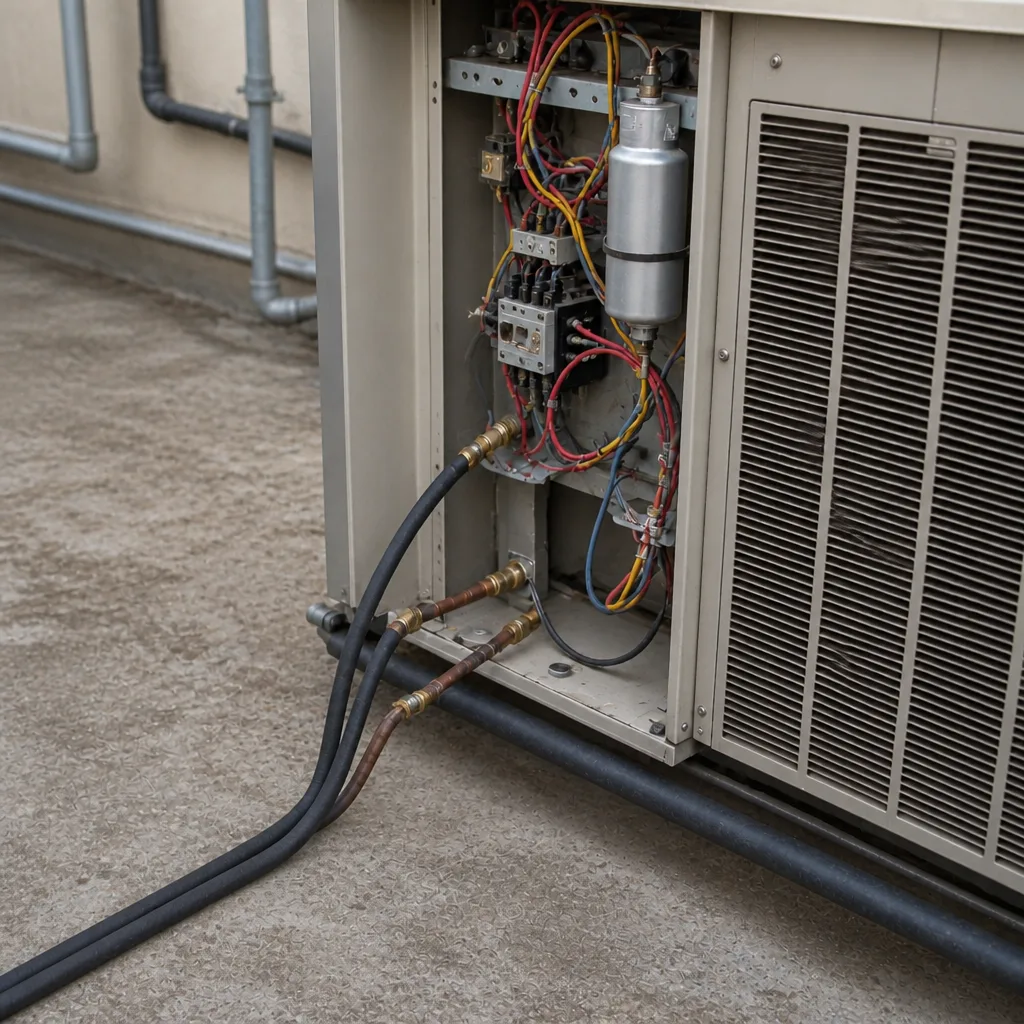
 Before
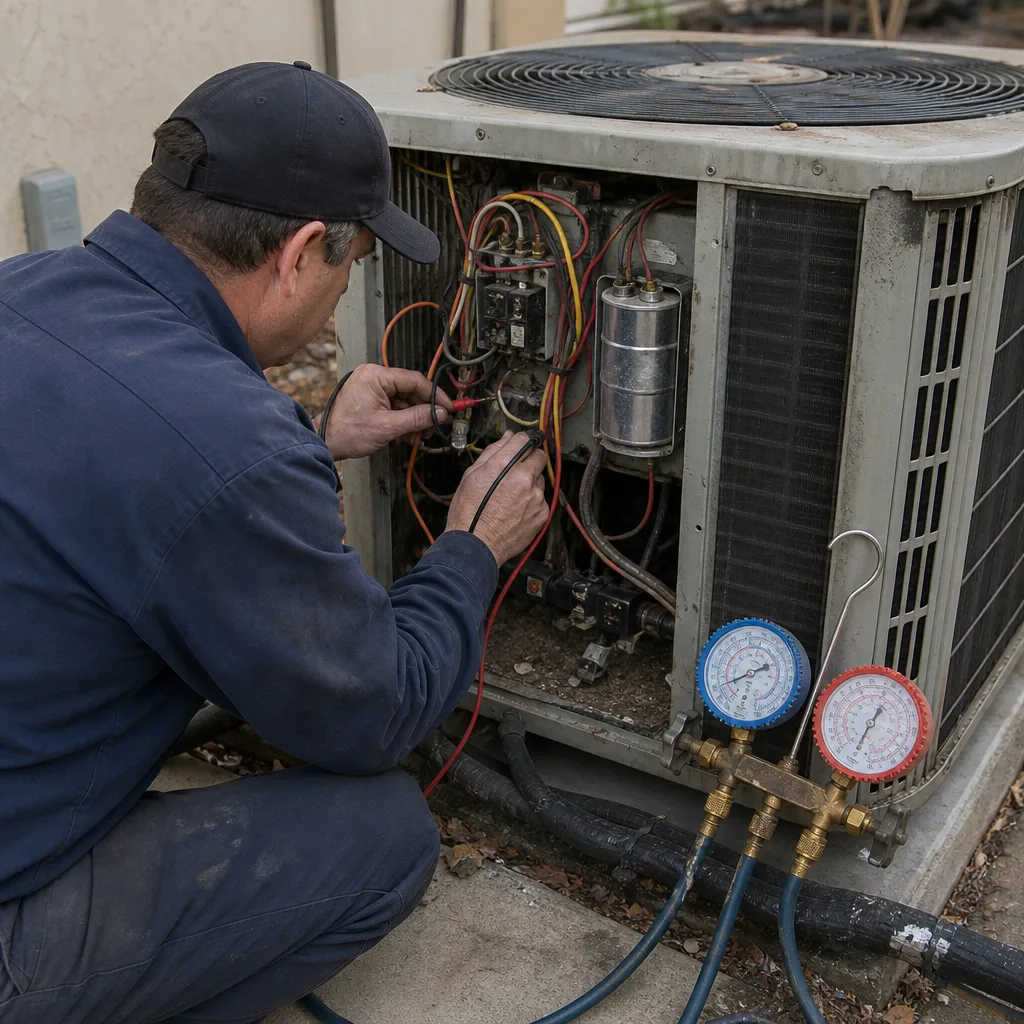
 After
 Before
 After
When to Call a Professional
Call a licensed tech when the breaker trips twice in a row, when you hear a repeated click or hum with no fan movement, when the coil is frozen and refreezing after a thaw, when you smell burning or see scorching at the outdoor unit, or when the air is warm and the inspection list from Path One checks out. Those are all meter-level problems, and the safety stakes are real. High-voltage capacitors hold a charge even after power is off, and refrigerant work is regulated by federal law. Ray’s Heating & Air Spring Valley offers free estimates in Spring Valley – call (833) 620-7288 and a live person will pick up. If you already have a written estimate from another company, bring it. The second opinion is free and there’s no trip charge inside the county.
Frequently Asked Questions
Most often it’s a failed capacitor, a stuck contactor, or low refrigerant. Check the breaker, the filter, and whether the outdoor fan is spinning first. If those look fine and the air is still warm, a technician needs to test the electrical components and refrigerant pressures. Call (833) 620-7288 for a free estimate.
Typical repairs run $150 to $400 depending on the part and diagnosis. Capacitor replacement is on the low end, blower motors and control boards on the higher end. A compressor replacement runs considerably more, which is why diagnosing early saves real money. Call (833) 620-7288 for an exact quote based on real readings.
If the system is under 12 years old and the repair is under a third of a replacement cost, repair usually wins. If it’s over 15, has had two repairs this season, or the compressor has failed, replacement makes more economic sense. We’ll give you the numbers both ways and let you decide.
Yes, if the breaker is clearly labeled for the AC and it trips once. Flip it fully to off, then to on. If it trips again within minutes, stop resetting it. A breaker that keeps tripping is telling you something in the circuit is shorted or the compressor is drawing too much current, and that’s a call.
Freezing is almost always low refrigerant or restricted airflow, not too much heat. Both drop the coil temperature below freezing. Turn the system off, let it thaw completely, change the filter, and if it refreezes, the system has a leak that needs a certified tech to find and repair. Call (833) 620-7288.
No overtime charge. Calls are answered around the clock by a live person, and a single number gets you through whether it’s Tuesday at noon or 2 AM on a holiday. Call (833) 620-7288 any time.
The Bottom Line
Most AC problems in Spring Valley split cleanly into two buckets: the cheap stuff you can check yourself in ten minutes and the expensive stuff that gets worse every hour you wait. The breaker, the filter, the registers, and the outdoor disconnect are all safe for you to look at right now. The capacitor, the contactor, and anything in the sealed refrigerant system need a meter, a license, and a tech whose name you can look up. Read the readings before you agree to the numbers. That single habit is what separates an honest estimate from the other kind. And when you’re not sure which bucket your problem is in, call and describe it. A trained person can tell you a lot without a truck in your driveway.
For AC repair and installation in Spring Valley, heating and furnace work, heat pump and mini-split service, air quality, or emergency HVAC, the team at Ray’s Heating & Air Spring Valley answers the phone around the clock. We service all major brands – Carrier, Trane, Lennox, Goodman, Rheem, York, Daikin, Bryant, and American Standard – with background-checked, uniformed technicians and upfront pricing where you see the readings and the numbers before any work begins. Every job carries the 90-Day Done Right Promise in writing. Call (833) 620-7288 for a free estimate, and remember: Heating & Furnace in Spring Valley and Heat Pump & Mini Split in Spring Valley are both one call away too.
Written by the team at Ray’s Heating & Air Spring Valley.