
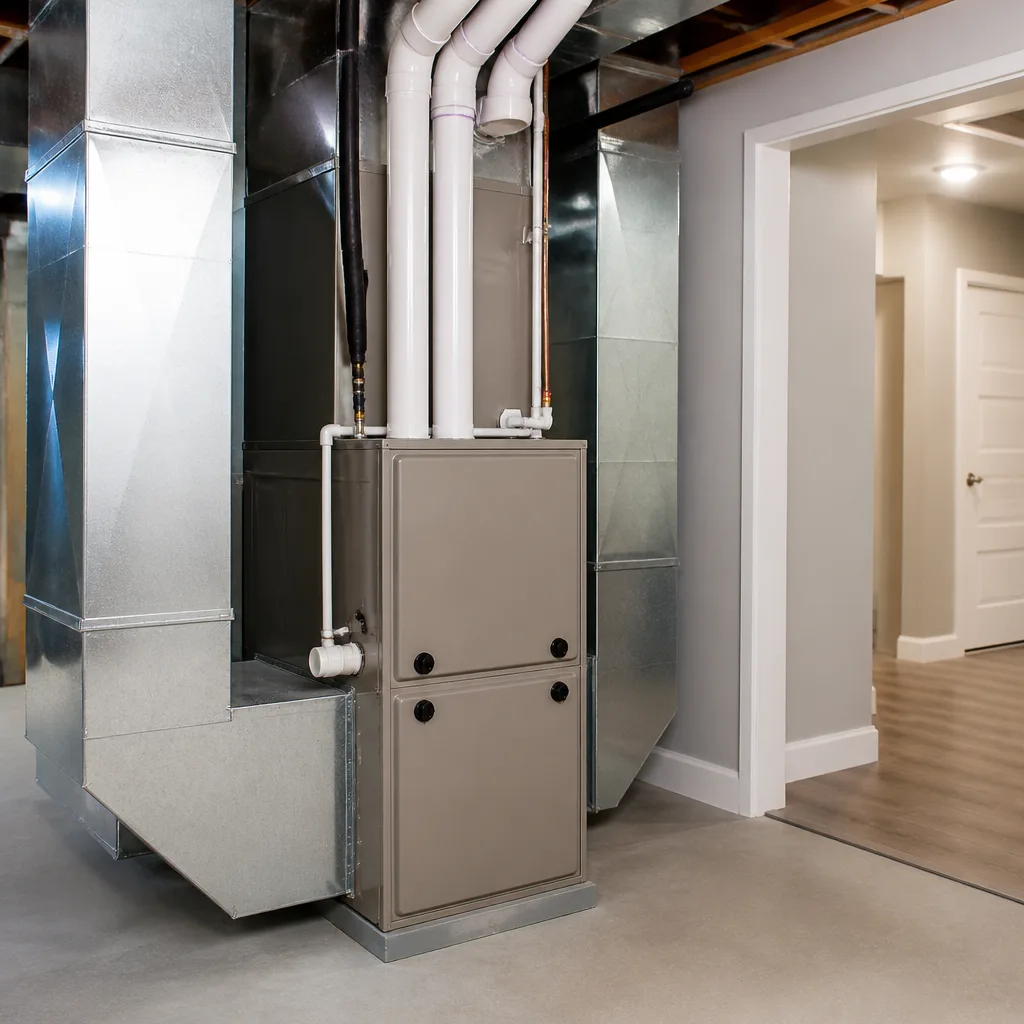
 Furnace & heating
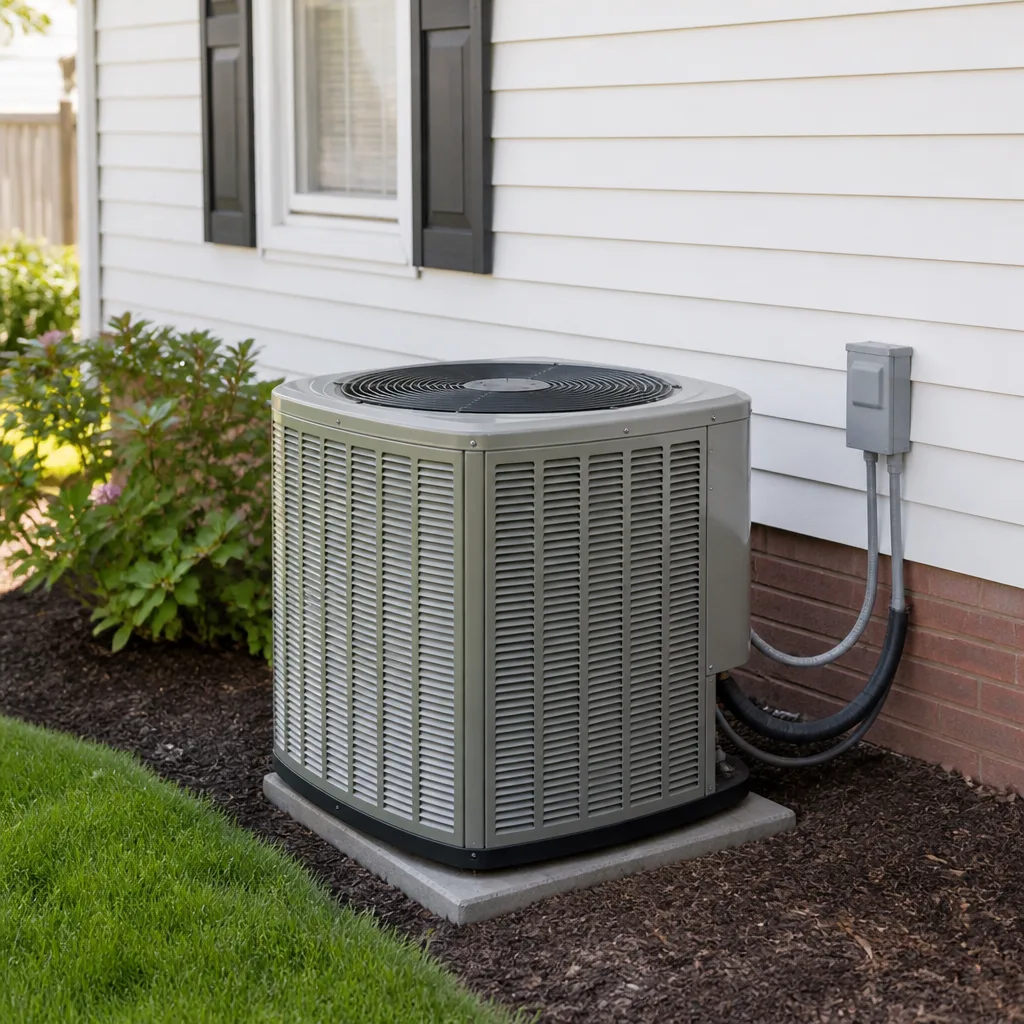 AC repair
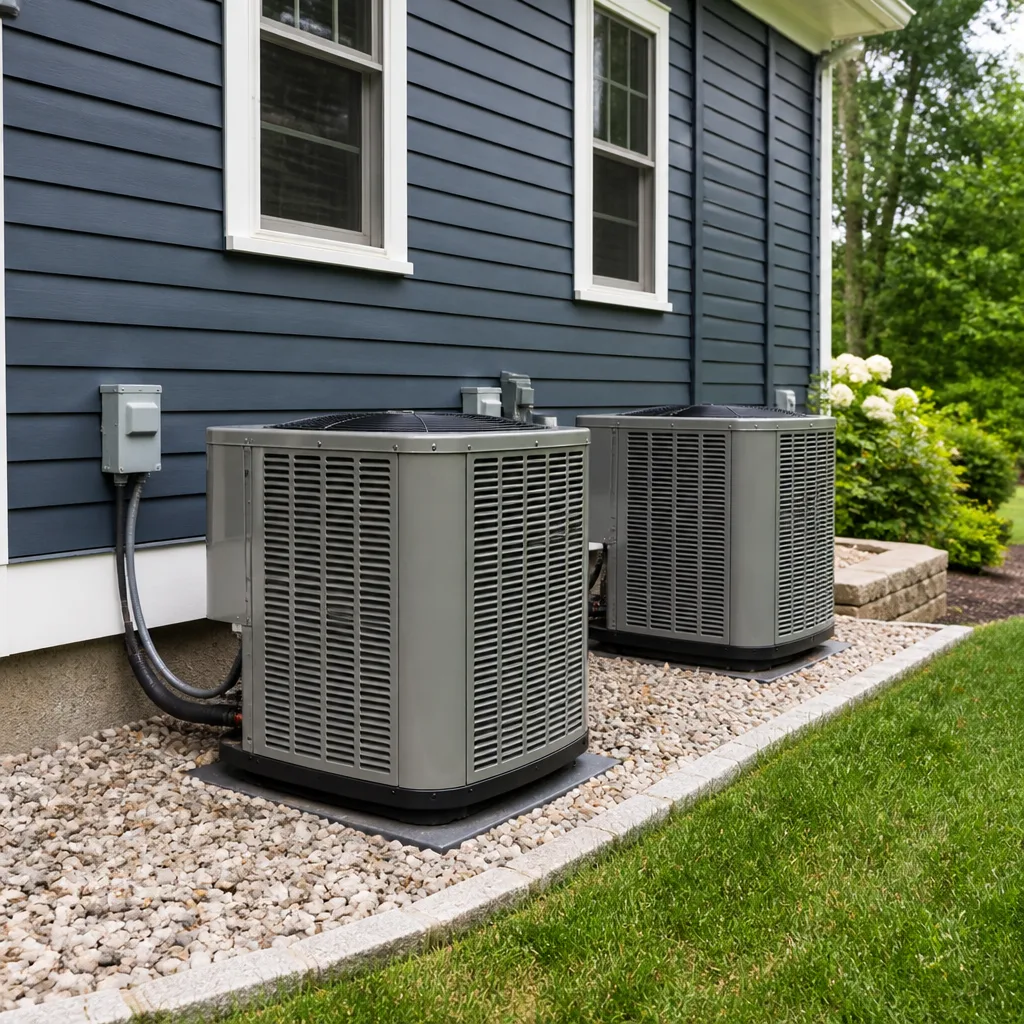 Heat pumps
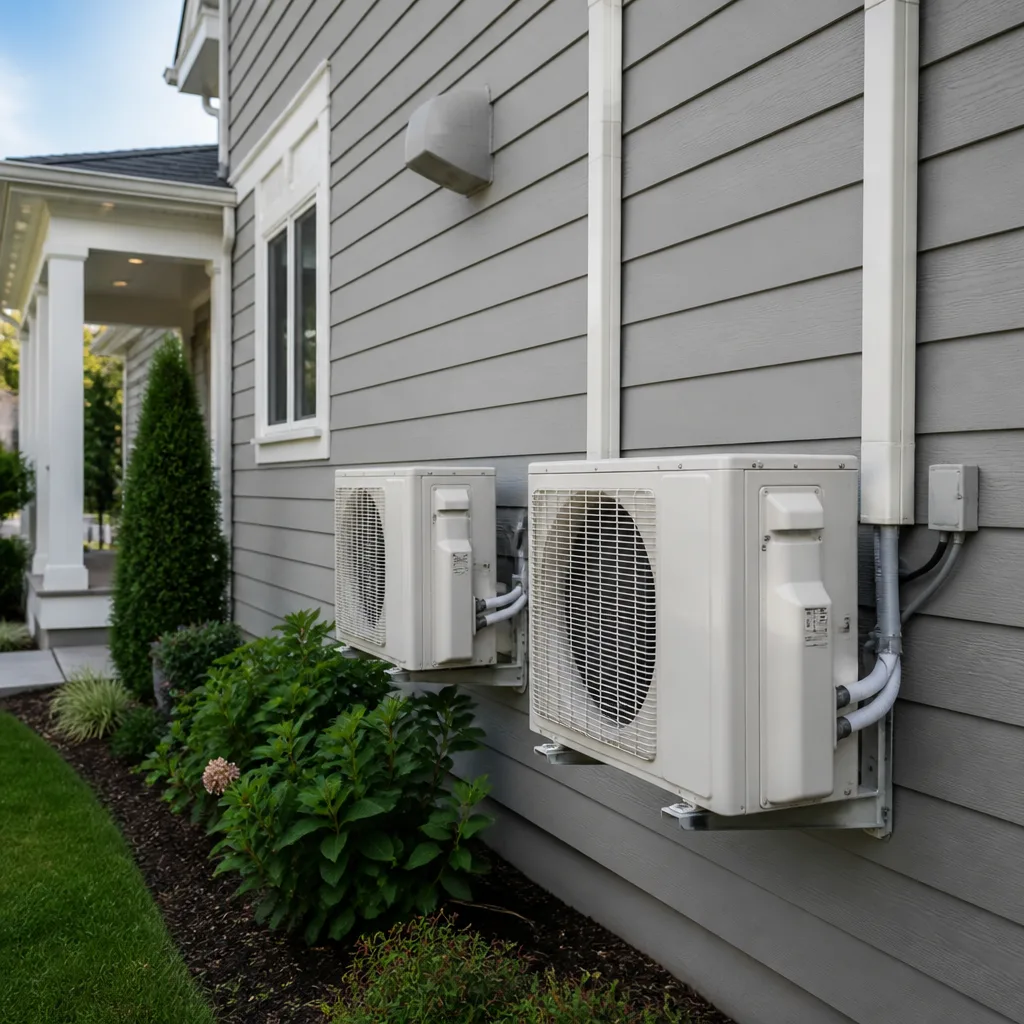 Ductless mini splits
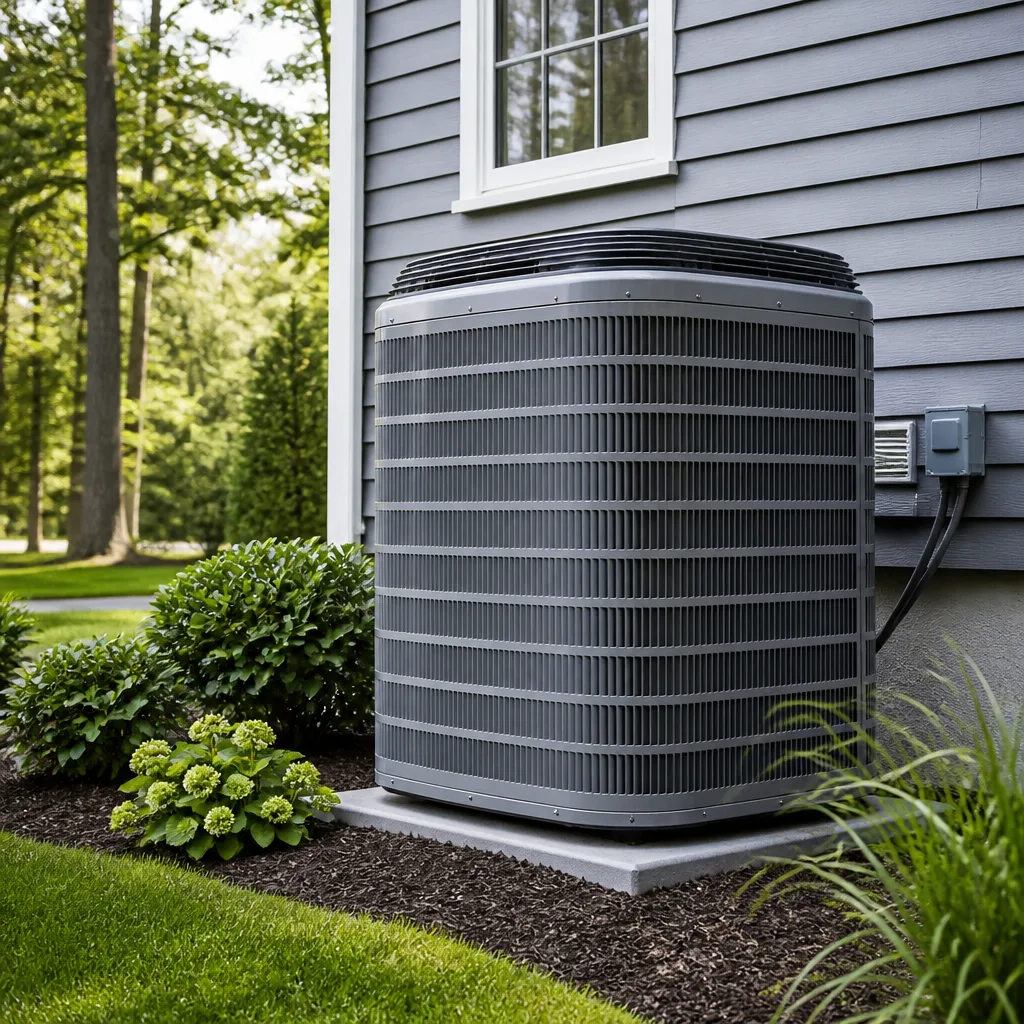 Carrier
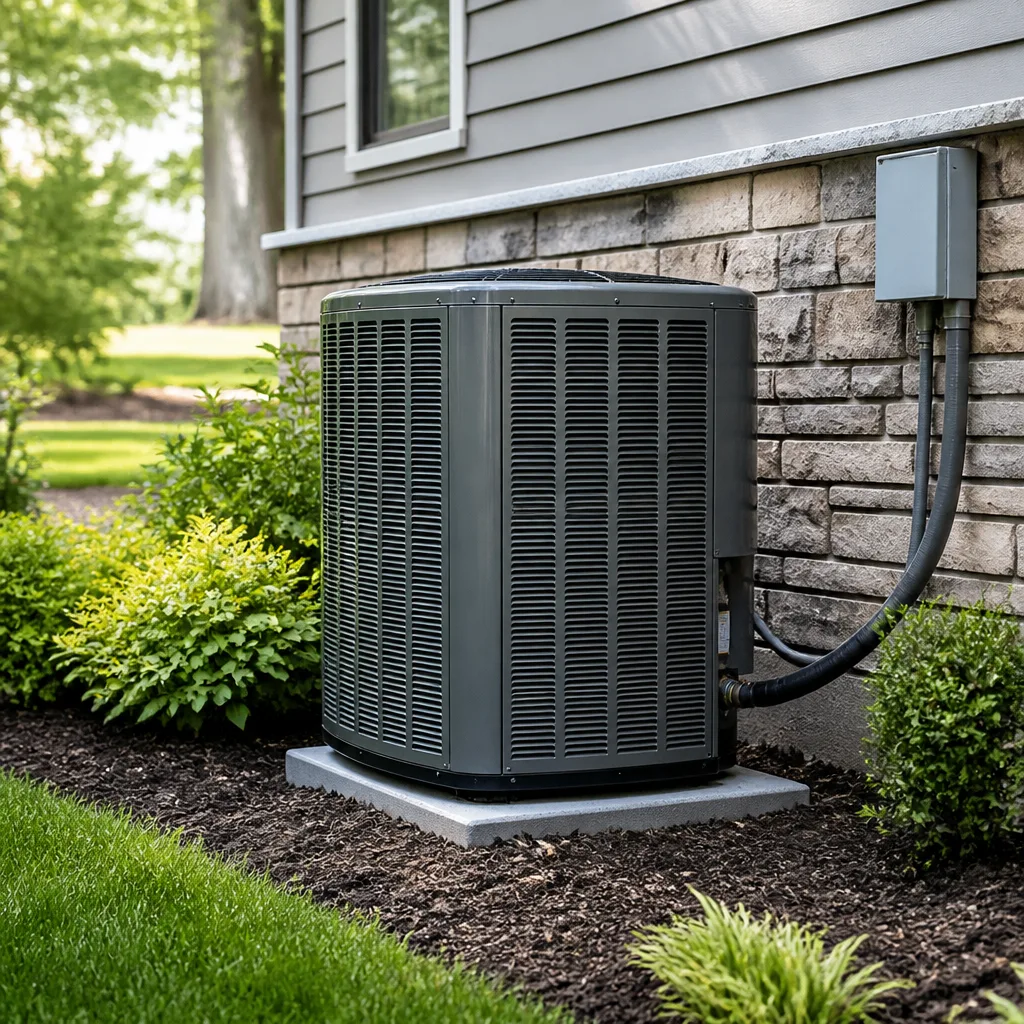 Trane
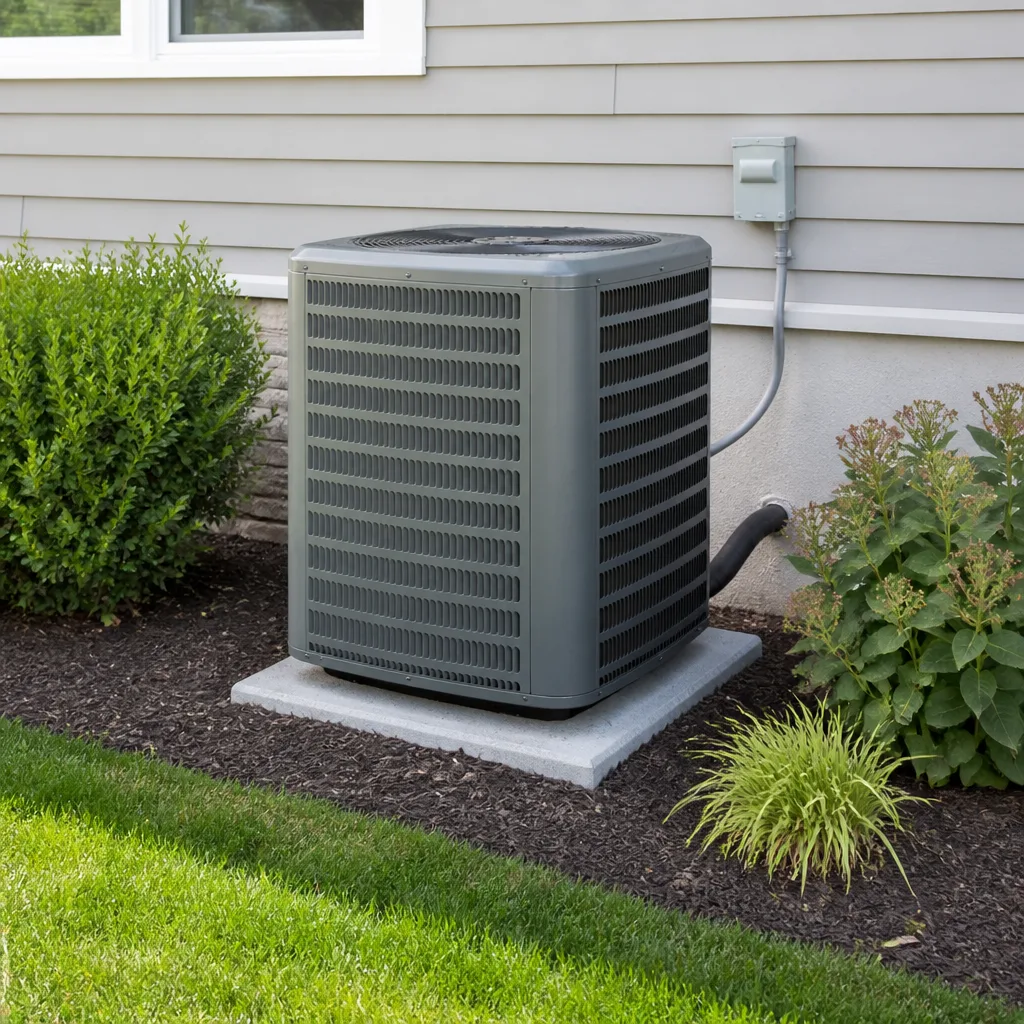 Goodman
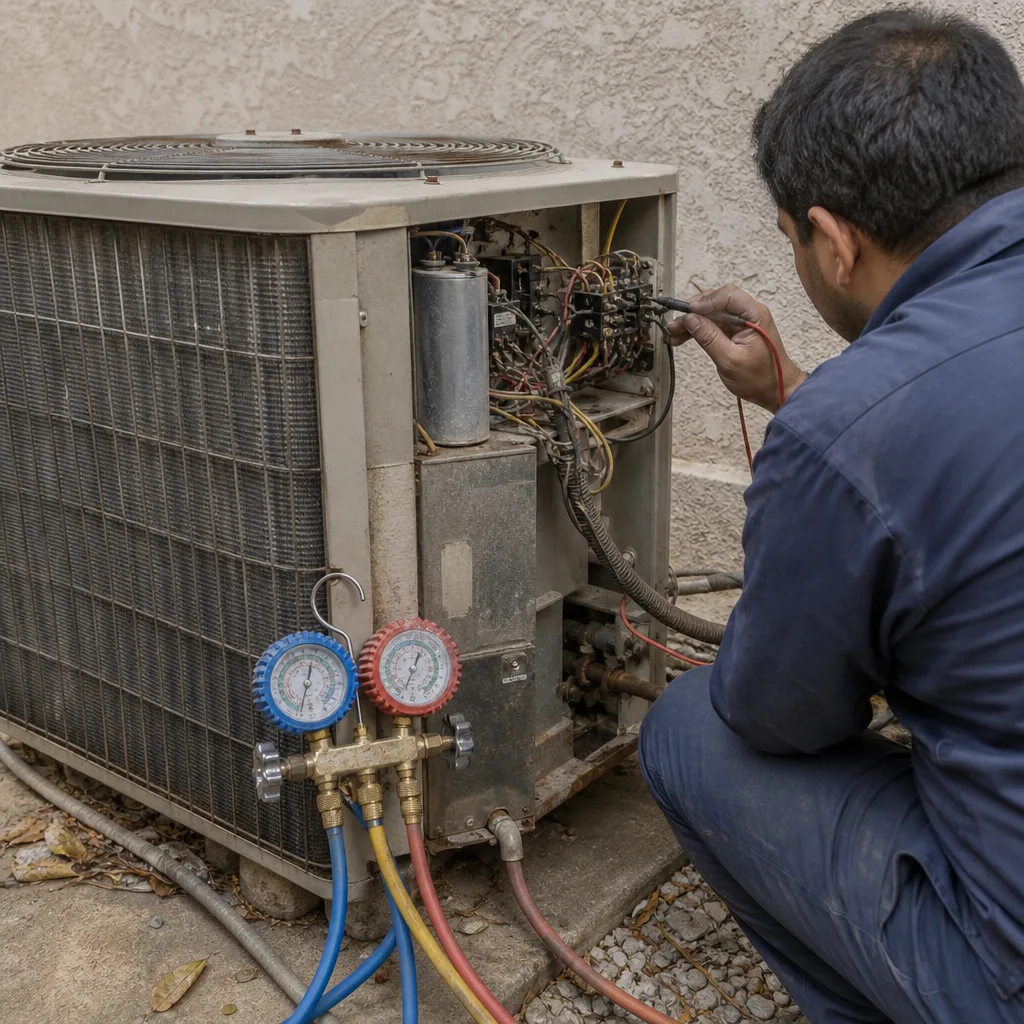
Seasonal tune-up and full diagnostic on your Carrier, Trane, or Goodman system - readings shown to you before any repair is proposed
Diagnosis first, numbers second - you approve the repair price before a single part goes in.
Get your free estimateStyles & brands we work with
- AC repair
- Furnace & heating
- Heat pumps
- Ductless mini splits
- Carrier
- Trane
- Goodman
See the difference
 Before
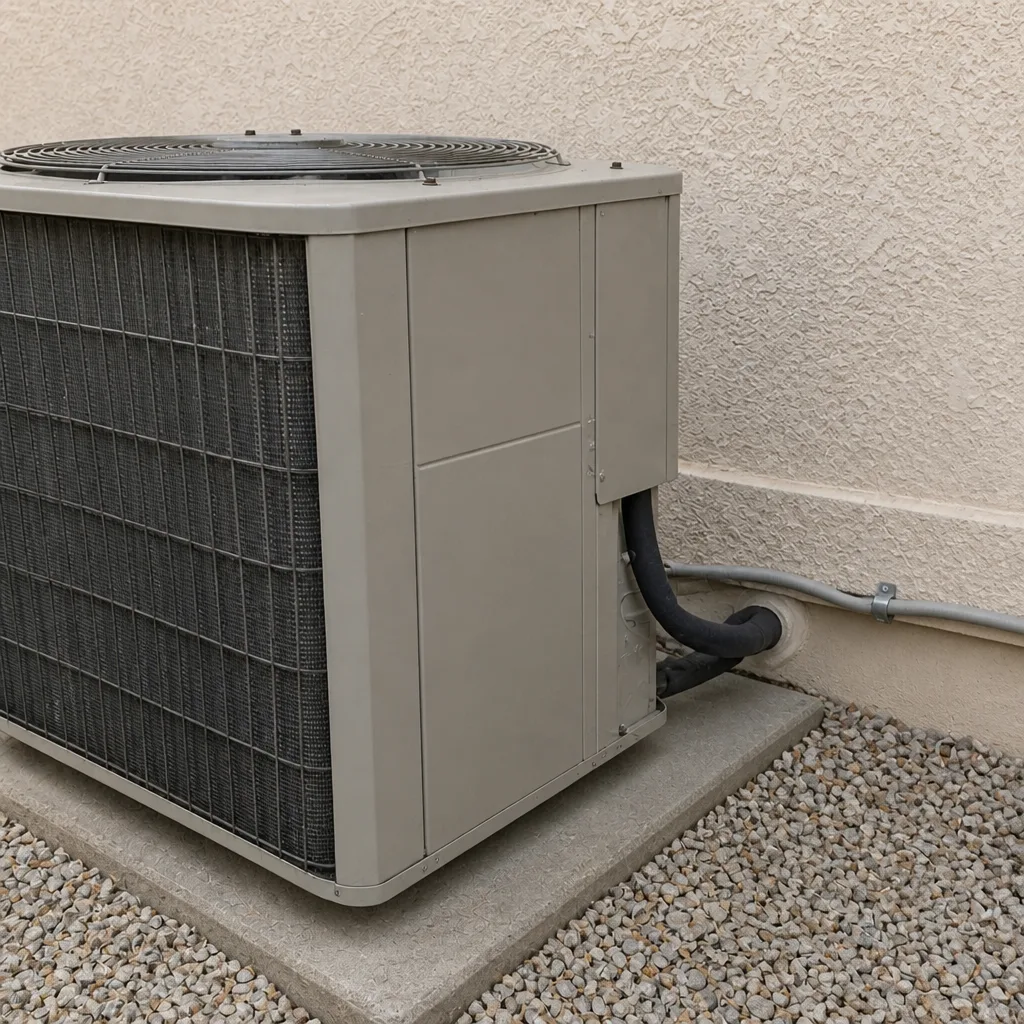 After
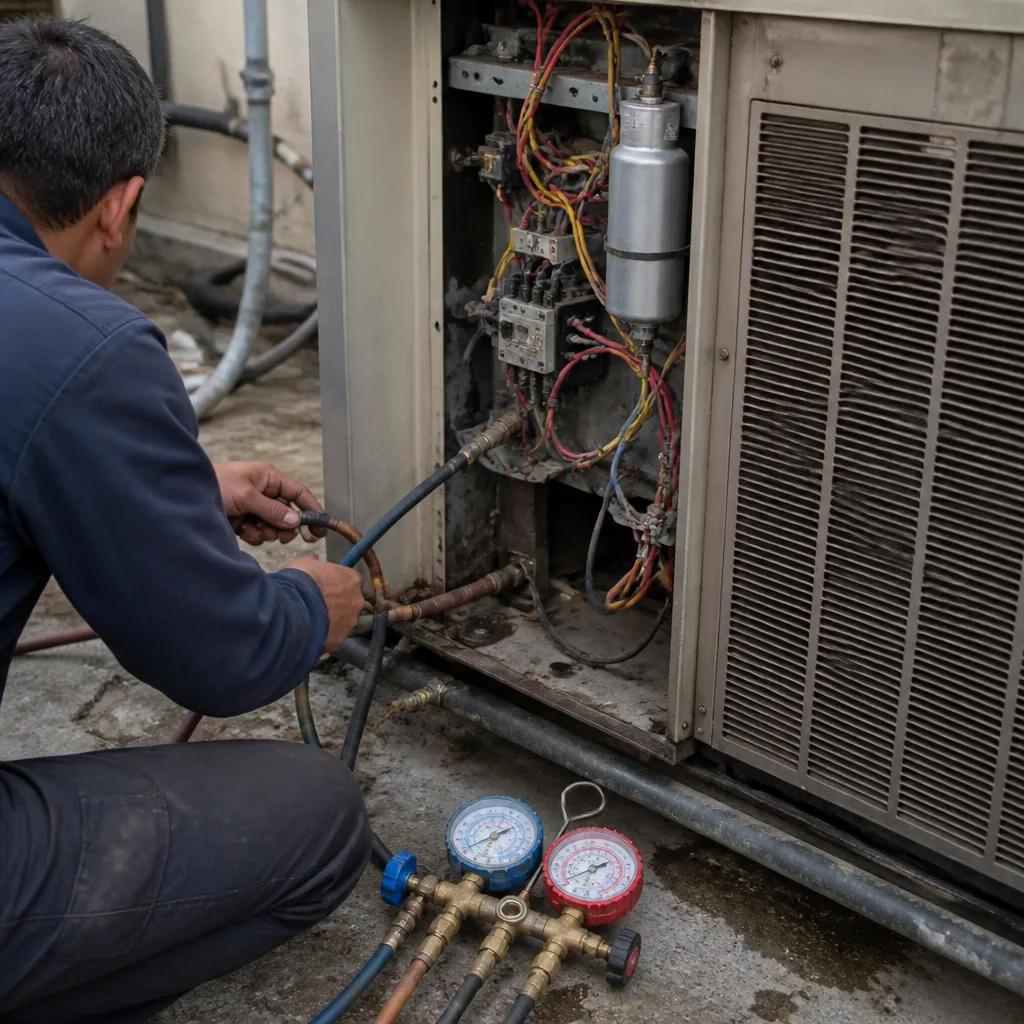 Before
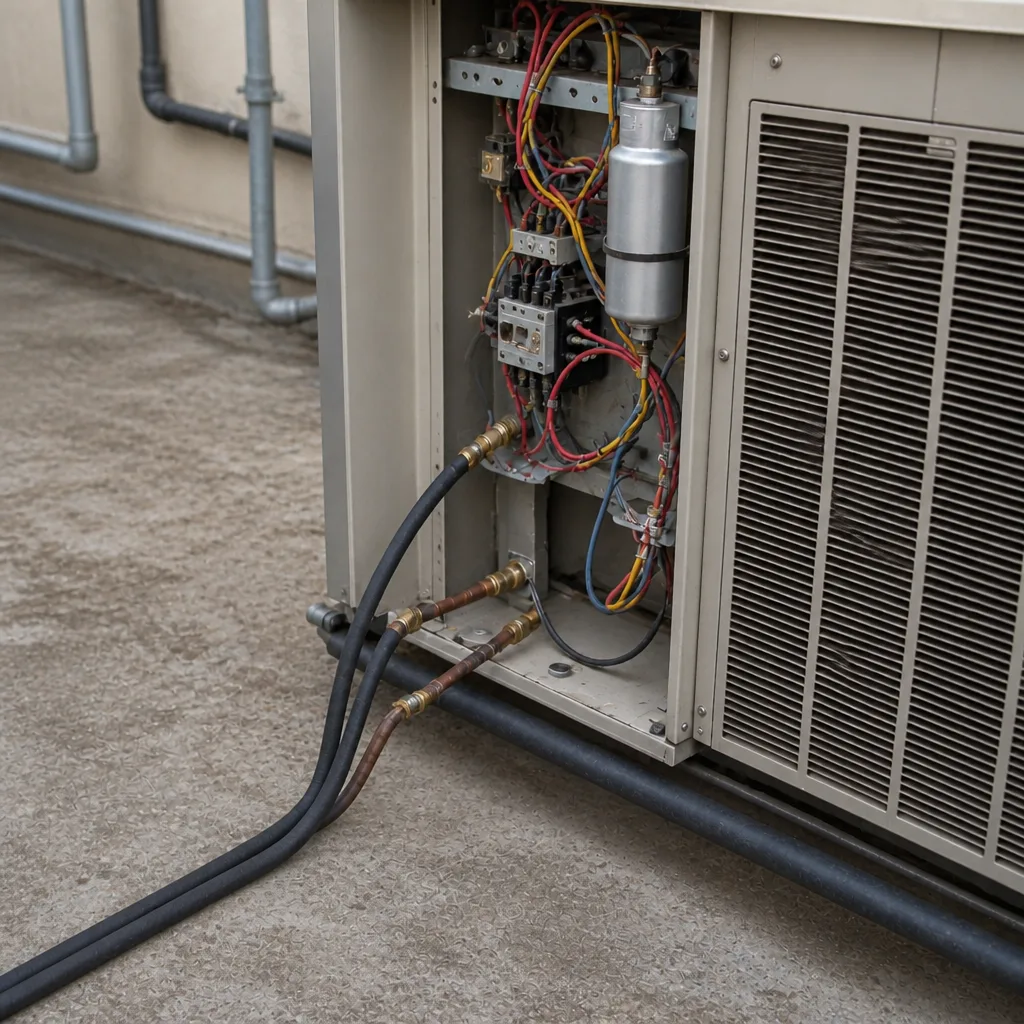 After
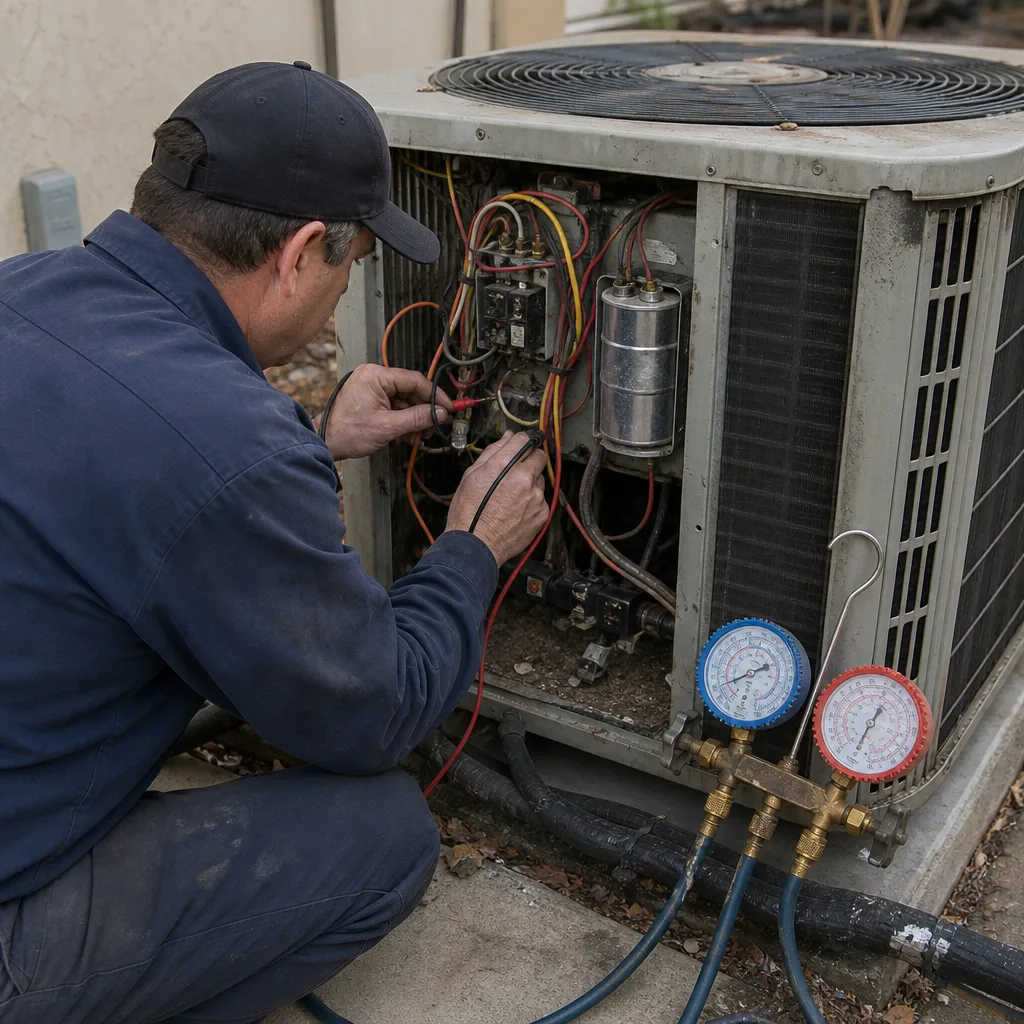 Before
 After
Heat Pump vs Furnace in Spring Valley, NV: Choose a Heat Pump Unless You Have a Real Reason to Stay on Gas
For most Spring Valley homeowners, a heat pump beats a furnace. Your cooling season runs about 150 days and your heating season maybe 60, so you should be buying an air conditioner that can also heat, not a furnace with an AC bolted on. The catch is that the heat pump you pick has to survive a 110°F August without tripping on high-pressure lockout, and most standard residential units are rated for peak efficiency at 95°F ambient. Get that part wrong and the “right” choice fails in year seven. Call Ray’s Heating & Air Spring Valley at (833) 620-7288 and we’ll pull real load numbers before anyone quotes equipment.
Key Takeaways
- A heat pump wins in Spring Valley because you’re buying cooling first and heating second.
- Standard heat pumps lose efficiency fast above 95°F outdoor. Spring Valley routinely runs past 105°F.
- Dual-fuel hybrids make less sense here than in cold climates, because you barely have heating hours below 35°F.
- Existing 1980s-2000s ductwork was sized for furnace airflow and often can’t feed a heat pump properly.
- No equipment recommendation until someone has measured your house, not read the old nameplate.
Why This Debate Gets Written for the Wrong Climate
Every heat-pump-vs-furnace article you’ll read was written for someone in Denver or Charlotte, where heating is the dominant load and the whole conversation is about cold-weather performance. In Spring Valley, the math flips. Your furnace runs roughly 60 days a year. Your cooling system runs 150. So when we sit down with a homeowner, the actual question isn’t which one heats better. It’s whether the heat pump they’re about to buy can handle the cooling season without eating its own compressor.
That reframing changes the brand and staging recommendations completely. A unit that’s a smart buy in a mild climate is a maintenance liability here.
What 105°F+ Ambient Does to a Standard Heat Pump
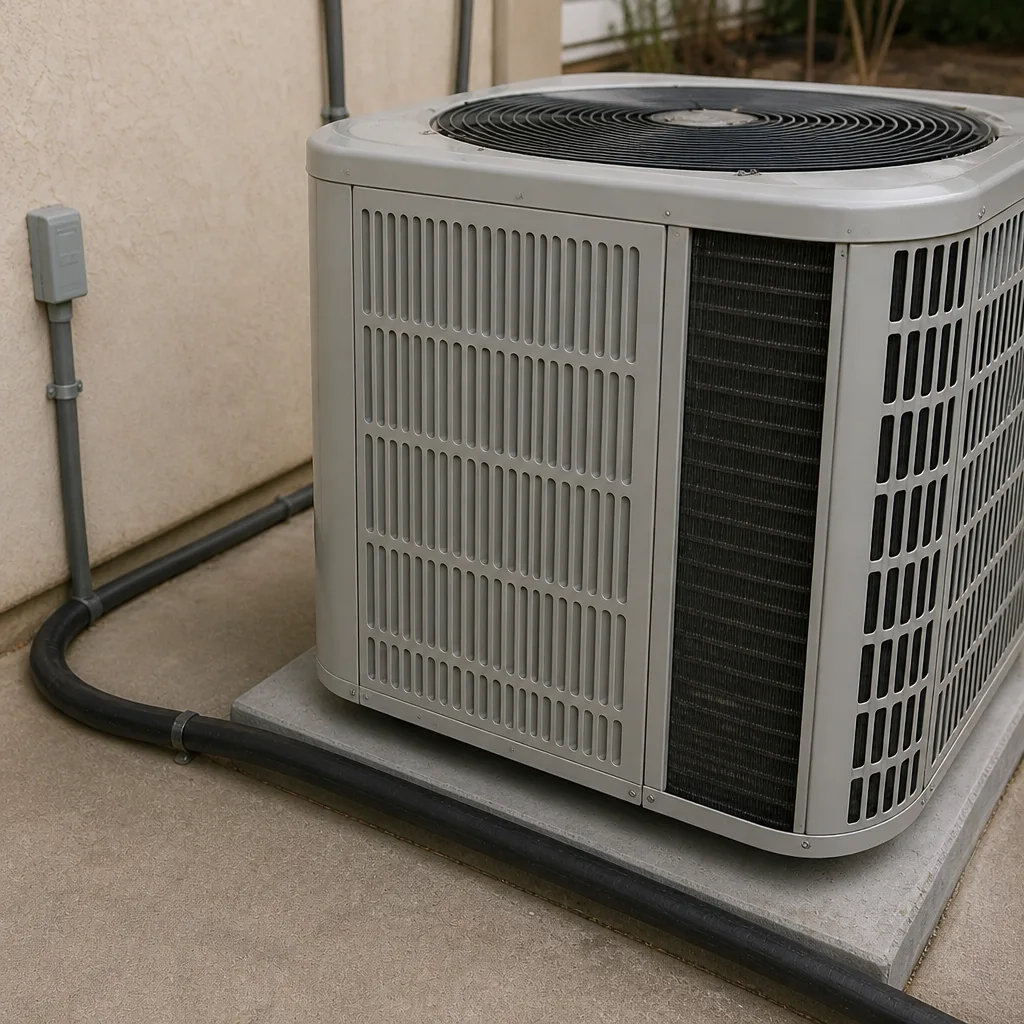
Most standard residential heat pumps are rated for peak efficiency at 95°F outdoor ambient. Spring Valley’s summer highs routinely exceed 105°F, and a condenser sitting on a sun-baked south wall or in a rock yard can see even hotter air at the coil. At that point the compressor is working well beyond its comfort zone, pressures climb, and the unit either trips on high-pressure lockout or just runs hot for years until the compressor quits.
So the comparison has to include high-ambient-rated equipment, not just the standard residential line. Some manufacturers offer models rated to 125°F ambient, and those are the ones worth pricing for a Spring Valley install. It’s one of the few places where spending up on the outdoor unit genuinely pays back. The Heat Pump & Mini Split side of our work is built around this reality.
There’s a second local factor that kills heat pumps early: dust. Spring Valley sits in the heart of the Las Vegas Valley’s dust zone, and the crushed granite and river rock yards all over this neighborhood are a hidden HVAC hazard. During high winds, fine rock dust gets pulled into the outdoor unit, packs the condenser fins, and the compressor runs hot and fails young. We’ve watched first-generation heat pump installs in Spring Valley fail in year seven for exactly this reason, because nobody accounted for coil fouling. It’s why we test condenser airflow and fin condition before recommending any equipment. Add the July-September monsoon turning that accumulated dust into muddy paste and you can seize a blower motor or overflow a drain pan in one storm.
Heat Pump vs Furnace: The Side-by-Side for Spring Valley
| Factor | Heat Pump | Gas Furnace |
|---|---|---|
| Heating hours per year here | Handles them fine | Handles them fine |
| Cooling season | Built in (it’s your AC) | Needs a separate AC |
| Performance above 105°F | Needs a high-ambient-rated model | Not affected |
| Ductwork demand | Higher air volume, lower temp rise | Lower air volume |
| Dust fouling risk | High (outdoor coil) | Lower (indoor only) |
| Best fit | Most Spring Valley homes | Homes keeping gas for other reasons |
Read that table honestly and the recommendation sorts itself out. If you’re staying on gas for a cooktop or water heater and your ductwork is already marginal, a furnace plus AC is a defensible call. For everyone else, a heat pump with electric strip backup for the handful of cold nights is the smarter split.
The Dual-Fuel Question, Answered Straight
Hybrid systems, where a heat pump handles mild days and a gas furnace takes over below about 35°F, are a great idea in cold climates. In Spring Valley they make less financial sense, because you see very few heating hours below 35°F to begin with. You’d be paying for a furnace and a heat pump to cover a window that barely opens.
A straight heat pump with an emergency strip backup covers the same ground for less. But that calculation only holds if someone actually runs a Manual J load on your house. A salesman’s rule of thumb isn’t load numbers, and it’s how homes end up with equipment that’s the wrong size for the wrong reasons.
Your Ductwork Is Probably the Real Problem
Spring Valley’s housing stock is dominated by 1980s-2000s stucco-and-tile tract homes and low-rise condos, many with R-22-era splits retrofitted to R-410A but still running the original undersized ductwork. Furnaces move a smaller volume of hotter air. Heat pumps move a larger volume of cooler air. Drop a heat pump onto furnace-sized ducts and it short-cycles and underperforms no matter whose name is on the box.
The attics here don’t help. Shallow, tight-scuttle attics make duct work slow and easy to shortcut. And many homes still have single-pane or early dual-pane windows that leak enough heat to push load calculations 10-15% above nameplate ratings. A 3-ton nameplate on the old unit tells you what someone installed years ago, not what your 1990 stucco ranch with single-pane sliders actually needs today.
How We Decide, Step by Step
- Pull real Manual J load numbers on your house, including windows, insulation, and orientation.
- Inspect the ductwork for sizing, leakage, and attic routing before any equipment conversation.
- Test condenser airflow and fin condition, and check coil fouling from rock dust.
- Match the unit to the load, favoring high-ambient-rated models for Spring Valley summers.
- Review actual readings with you, then give you the numbers, written down.
That’s the order. Readings first, numbers second, and you see both. It’s also why we won’t quote a replacement off a phone call.
What It Costs in Spring Valley
Equipment replacement is real money, so here’s the honest range rather than a guess:
- AC installation: $3,500-$7,500
- AC repair: $150-$650
- Furnace repair: $150-$700
- Tune-up: $80-$200
We service all major brands, including York, Daikin, Bryant, and American Standard, so you’re not locked into one line. Every heating and cooling job carries our 90-Day Done Right Promise in writing: if it’s not done right, one call brings us back. There’s also a standing Free Second Opinion on any written estimate and No Trip Charge inside the county. A capacitor gets tested before anyone says the word compressor. If you want the bigger Heat Pump & Mini Split in Spring Valley picture, that page walks through the equipment side.
FAQs
A heat pump is the better choice for most Spring Valley homes because your cooling load is far bigger than your heating load and the heat pump does both. The one condition is buying a high-ambient-rated model that won’t trip on high-pressure lockout in a 110°F August. Call (833) 620-7288 and we’ll run the load numbers on your house before you commit to anything.
Plan on $3,500-$7,500 for AC installation, which is the cooling half of the heat pump decision, and repairs run $150-$650 for AC and $150-$700 for furnace. Exact pricing depends on the load numbers and ductwork condition. Call (833) 620-7288 for a free estimate with the numbers in writing.
Usually not. Dual-fuel pays off in cold climates with long stretches below freezing, and Spring Valley has very few heating hours below 35°F, so a straight heat pump with strip backup covers the cold nights for less. We’ll confirm it with Manual J numbers rather than a rule of thumb. Call (833) 620-7288 to get yours measured.
Often not without evaluation. Spring Valley’s 1980s-2000s tract homes and condos were ducted for furnace airflow, and heat pumps move more air at a lower temperature differential, so undersized ducts cause short-cycling. We inspect the ducts and attic routing before recommending equipment. Call (833) 620-7288 to book an assessment.
Ask Ray Before You Buy
If you’d rather have it looked at than argued about online, Ray’s Heating & Air Spring Valley offers a no-pressure assessment in Spring Valley. We’ll pull the load numbers, check the ducts and coil, and tell you straight whether a heat pump or a furnace fits your house. Call (833) 620-7288 for a free estimate. Live person answers every call, 24/7, including the two-in-the-morning ones.
You can start with our home page to see everything we handle.
Written by the team at Ray’s Heating & Air Spring Valley, serving Spring Valley, NV.