
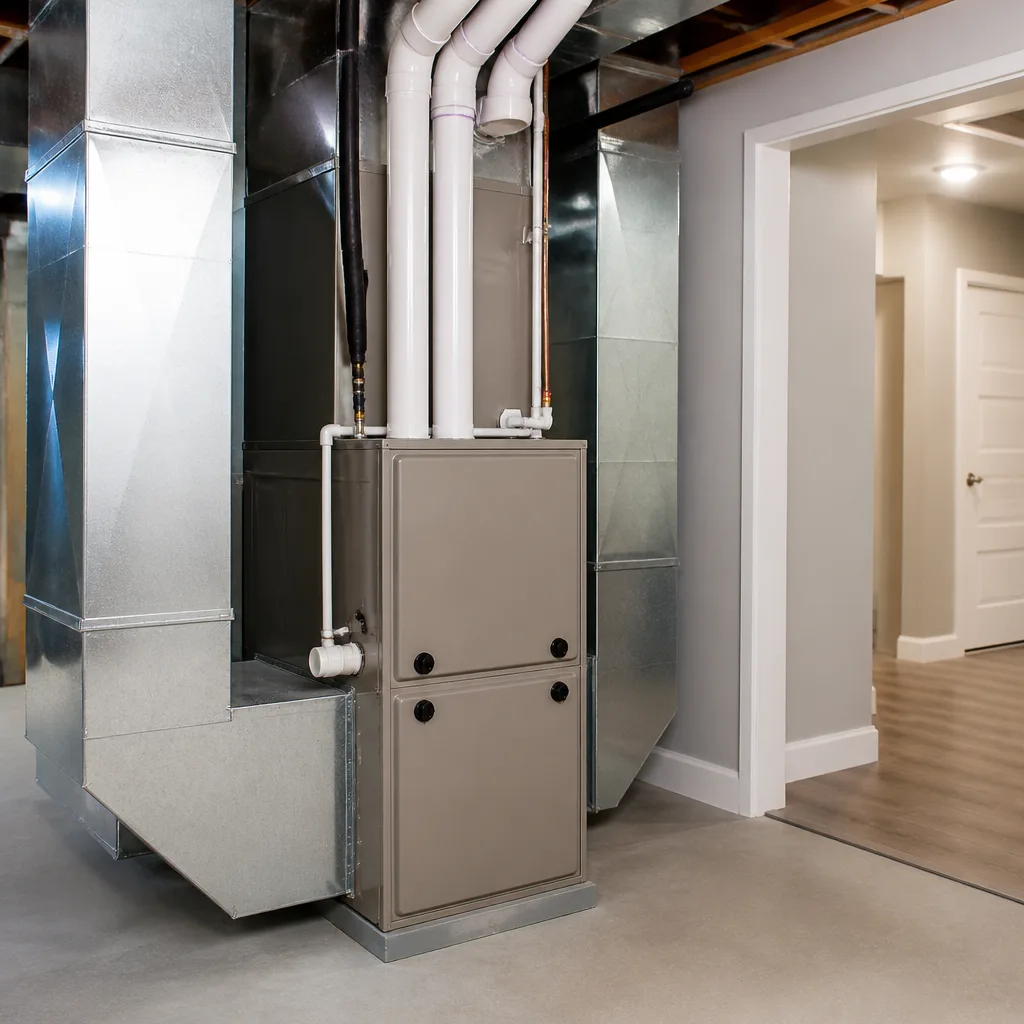
 Furnace & heating
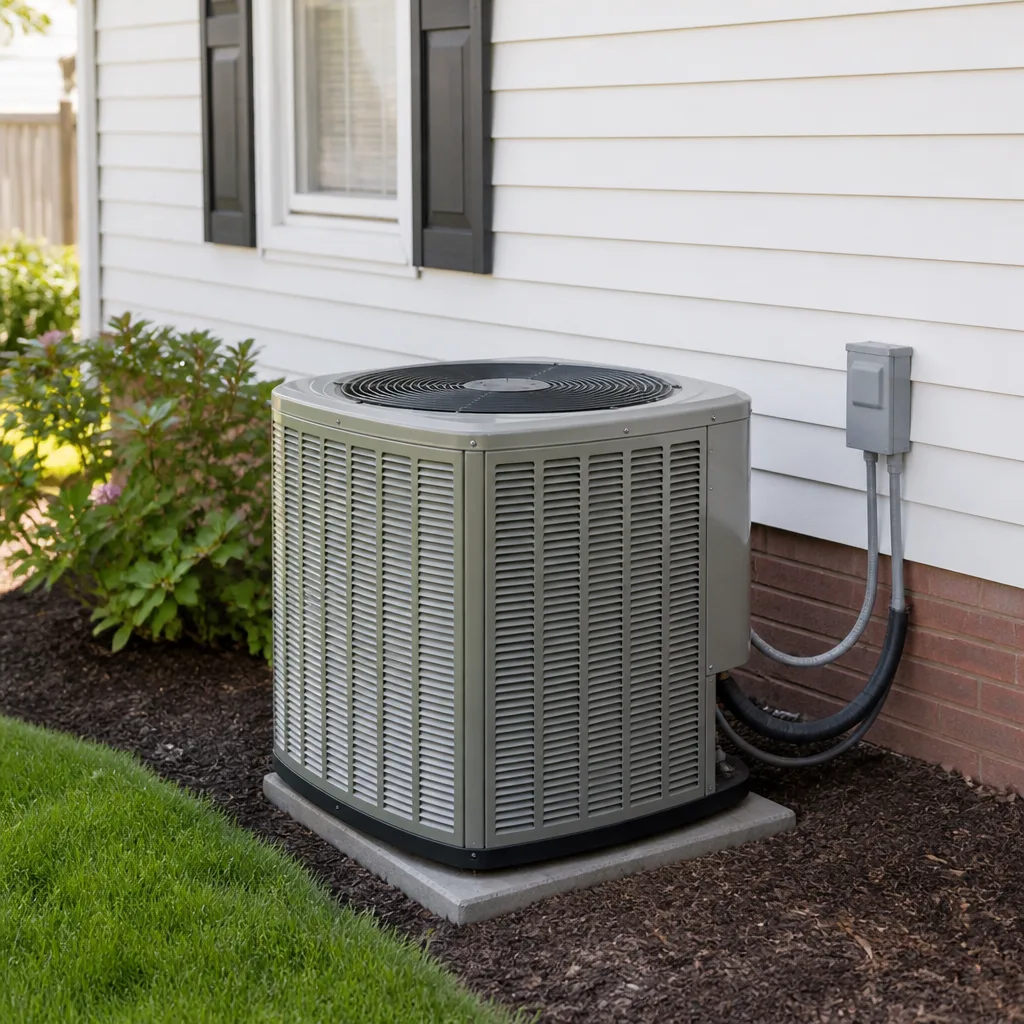 AC repair
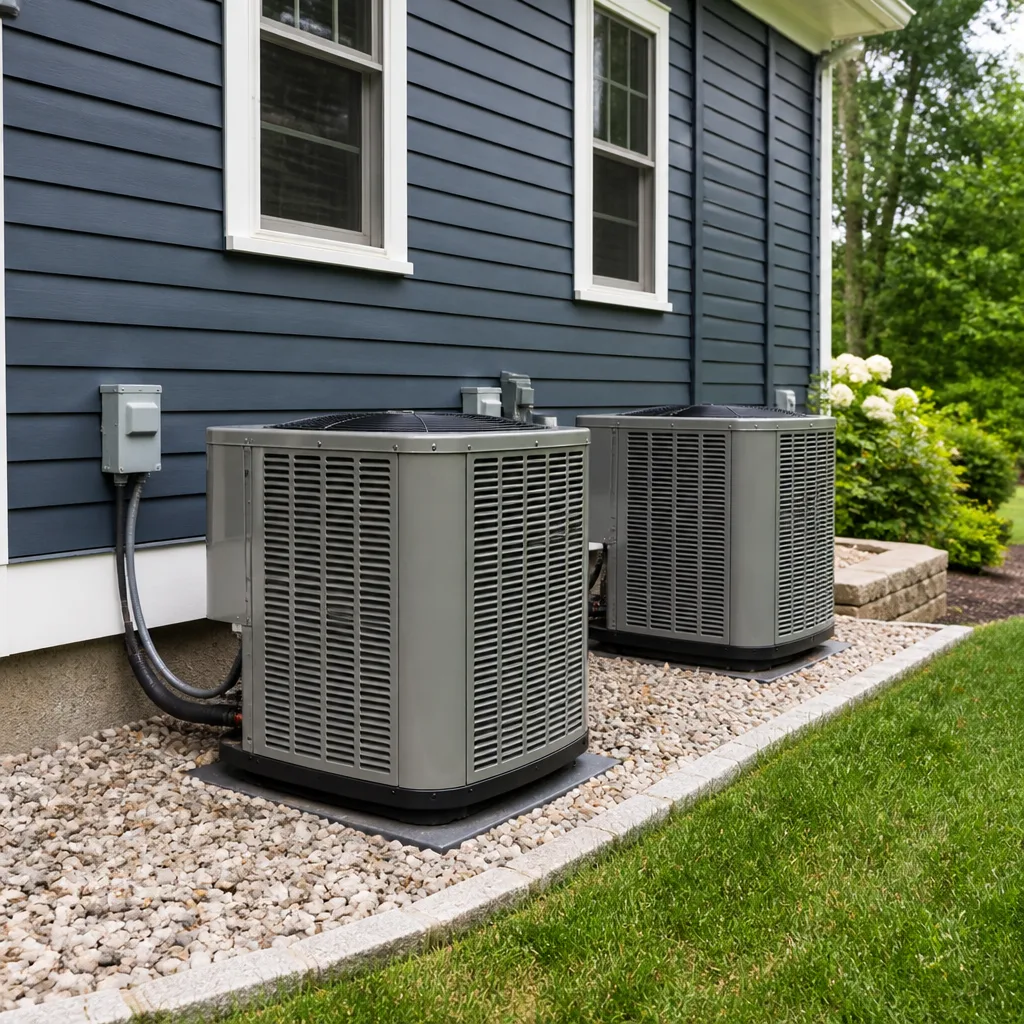 Heat pumps
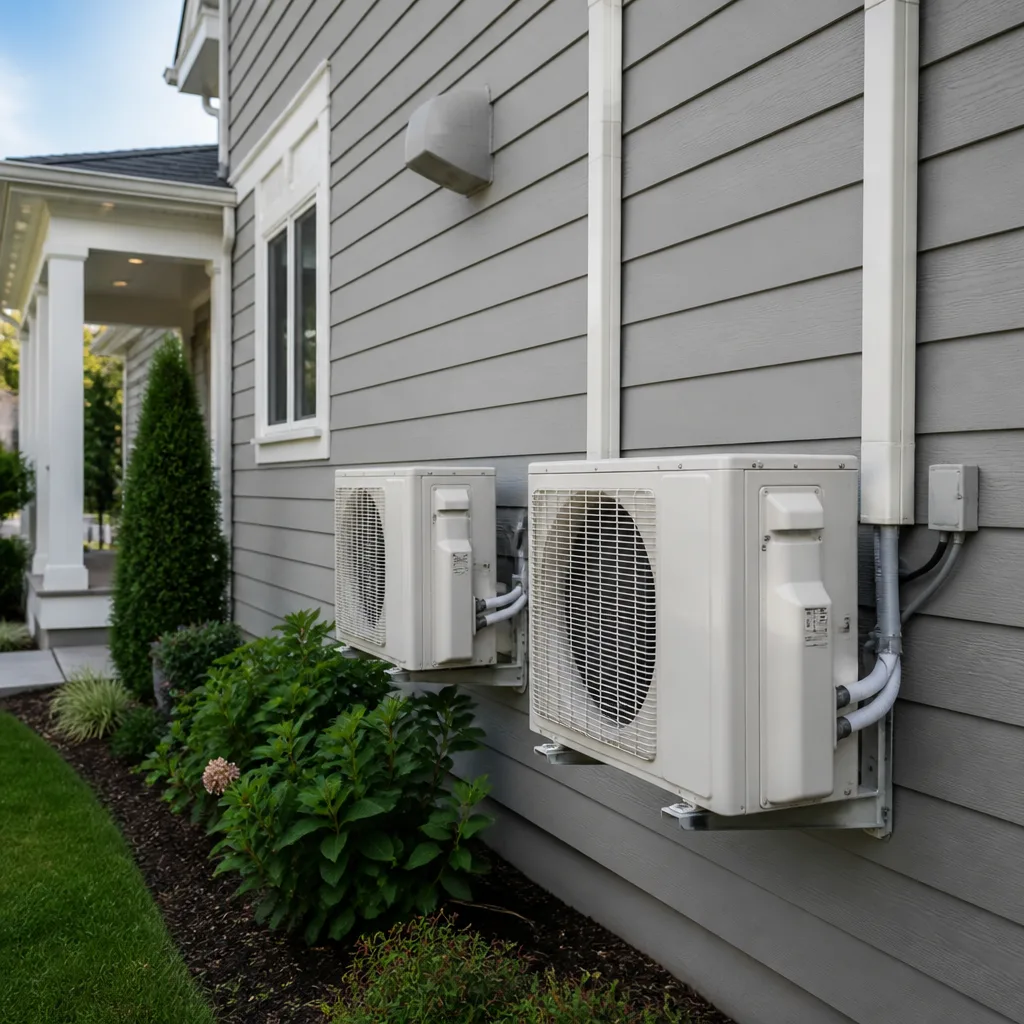 Ductless mini splits
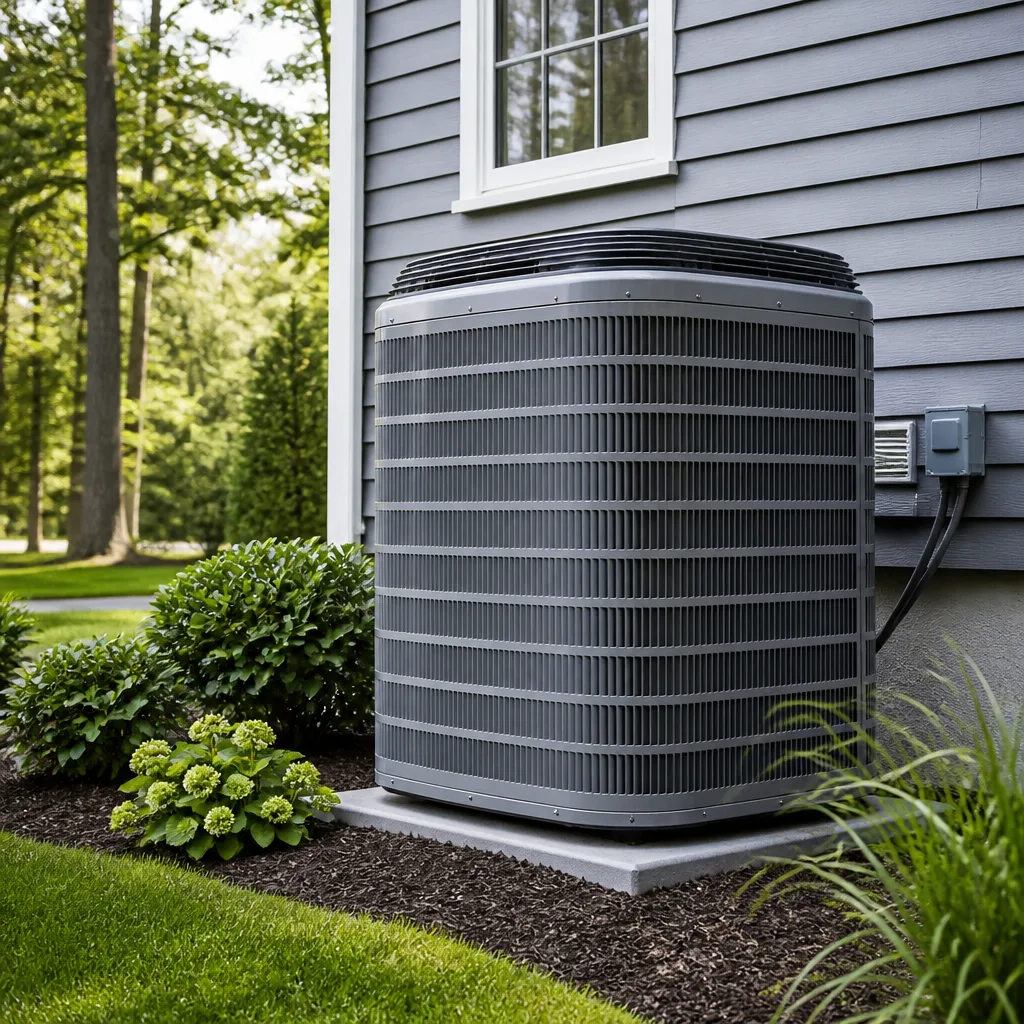 Carrier
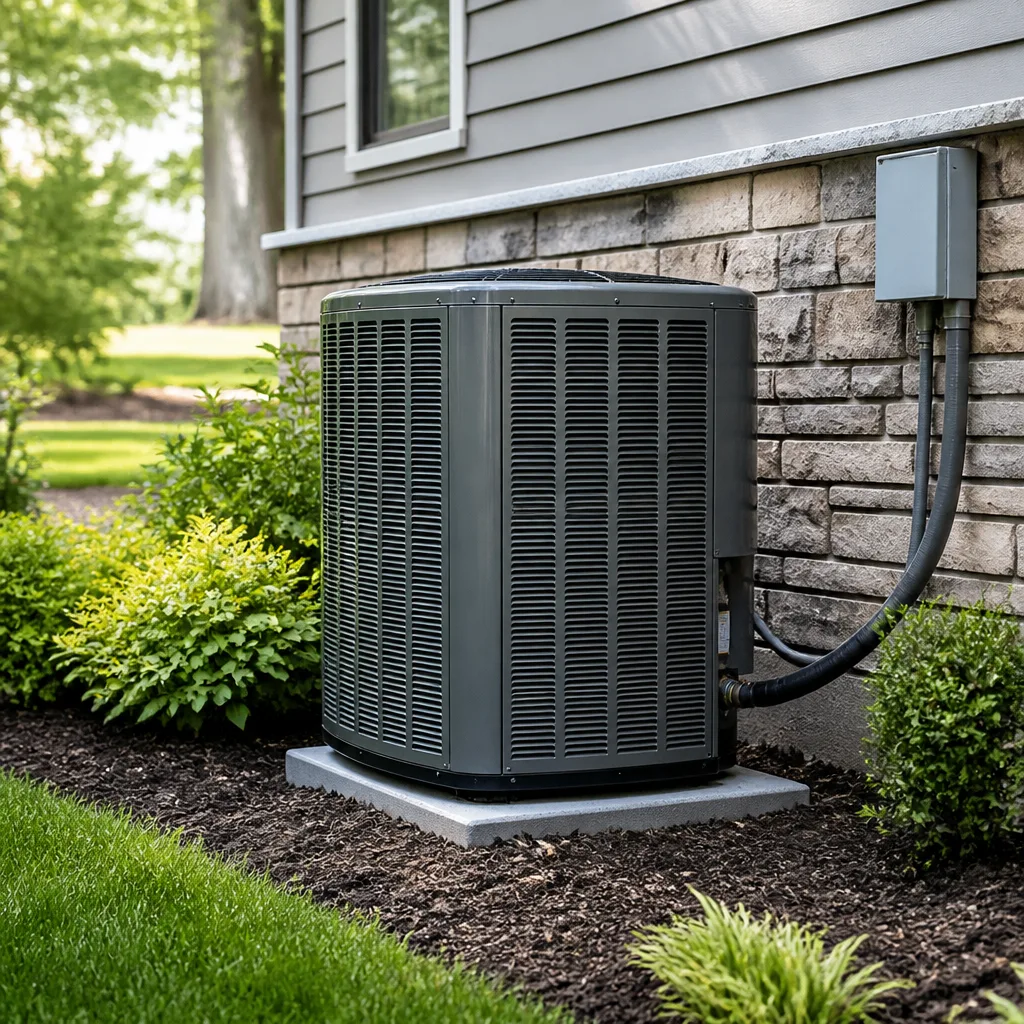 Trane
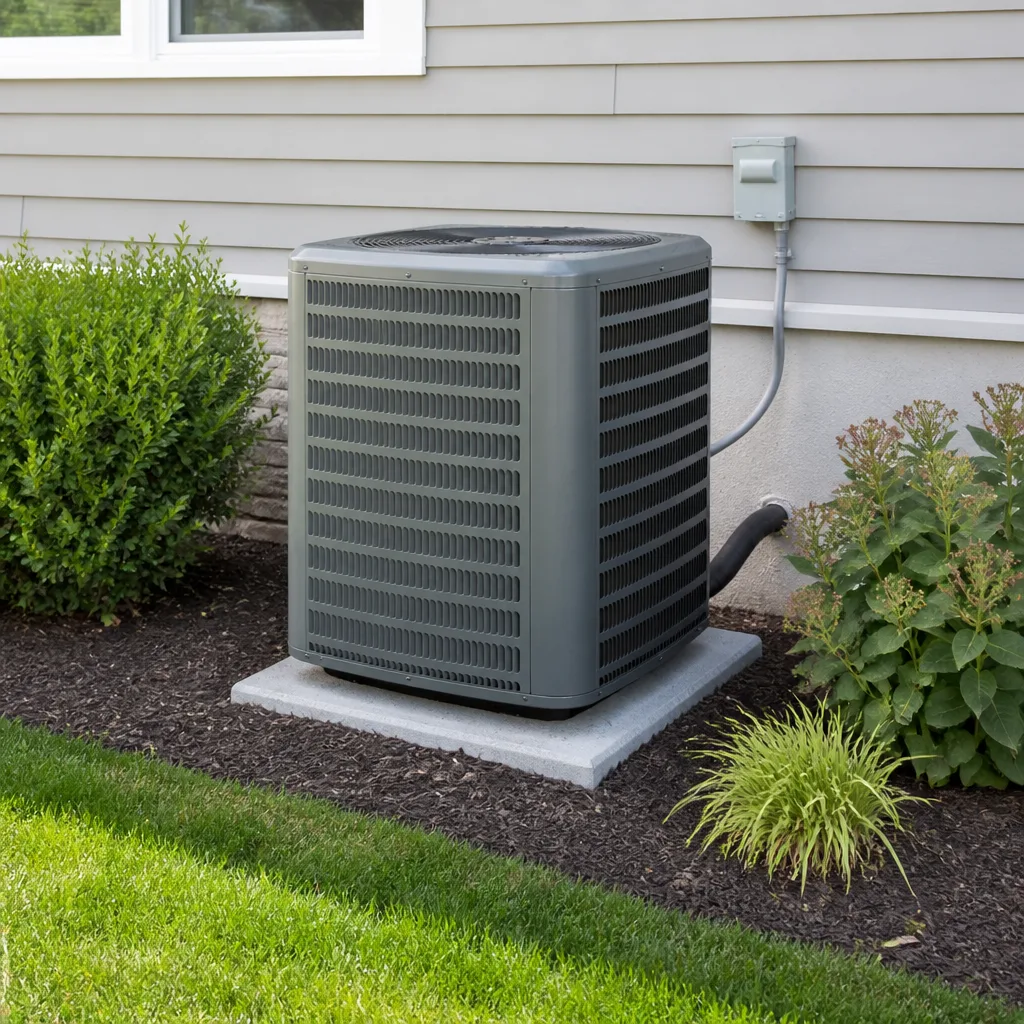 Goodman
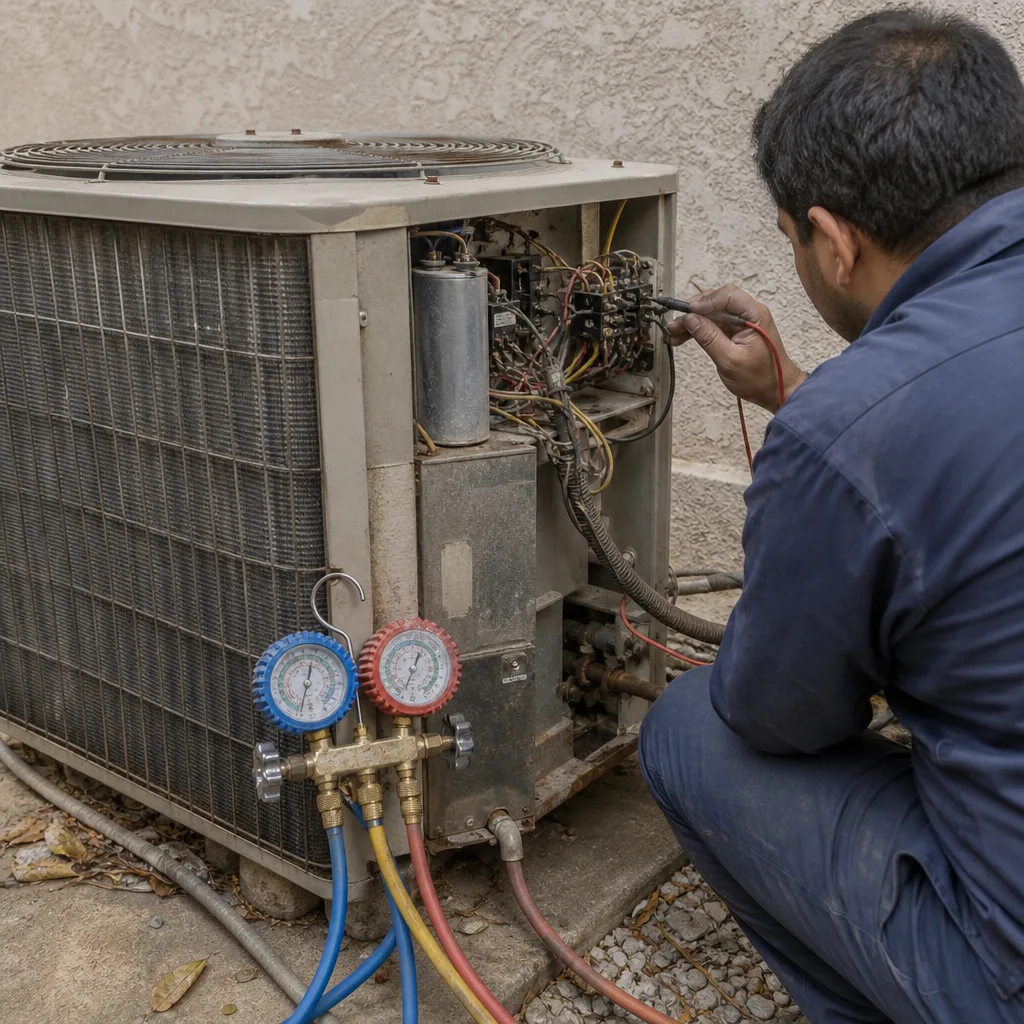
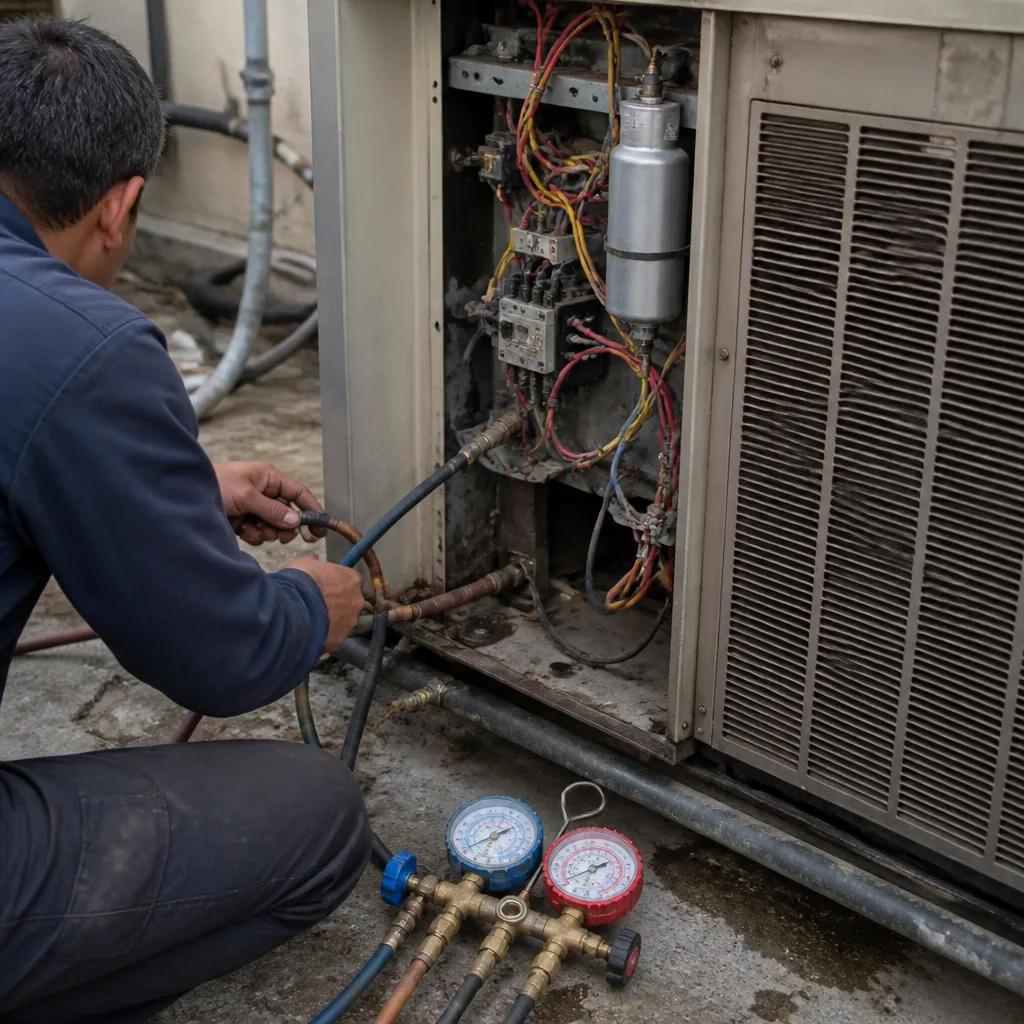
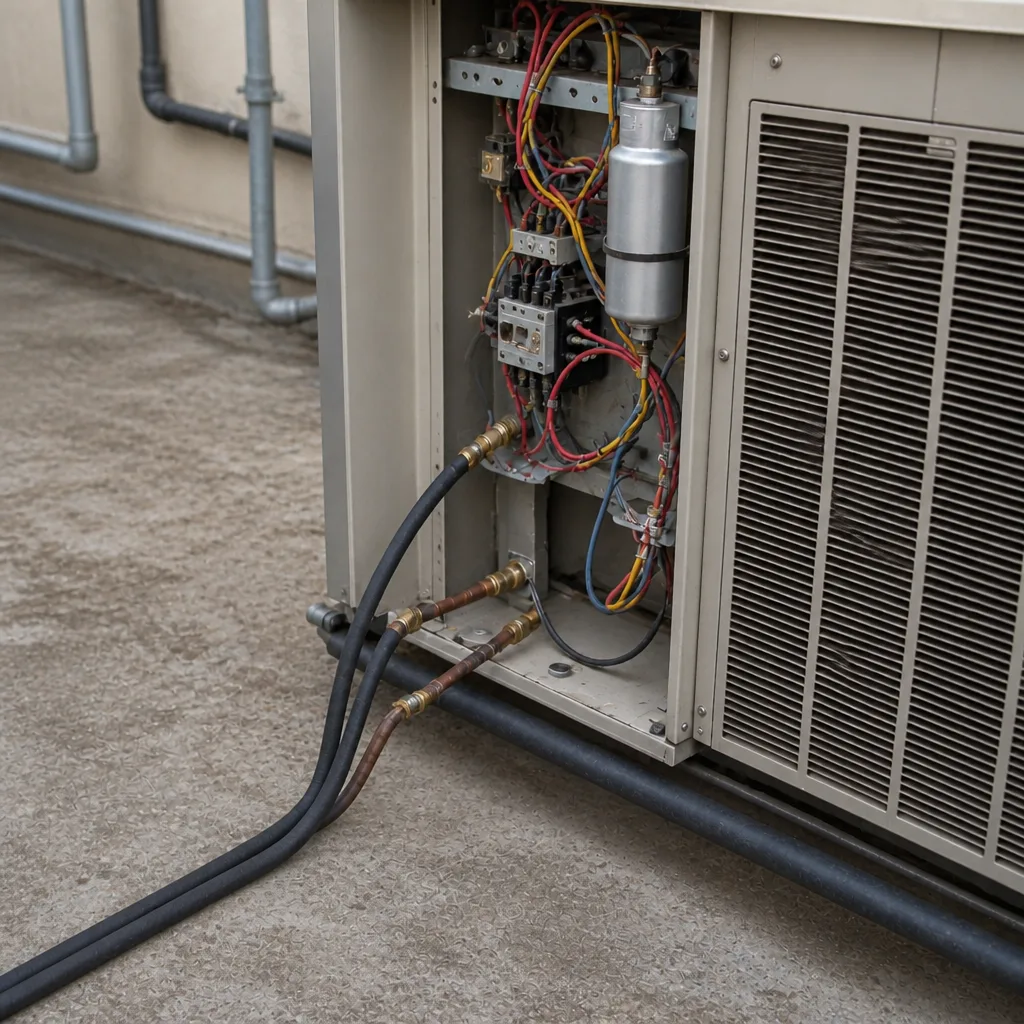
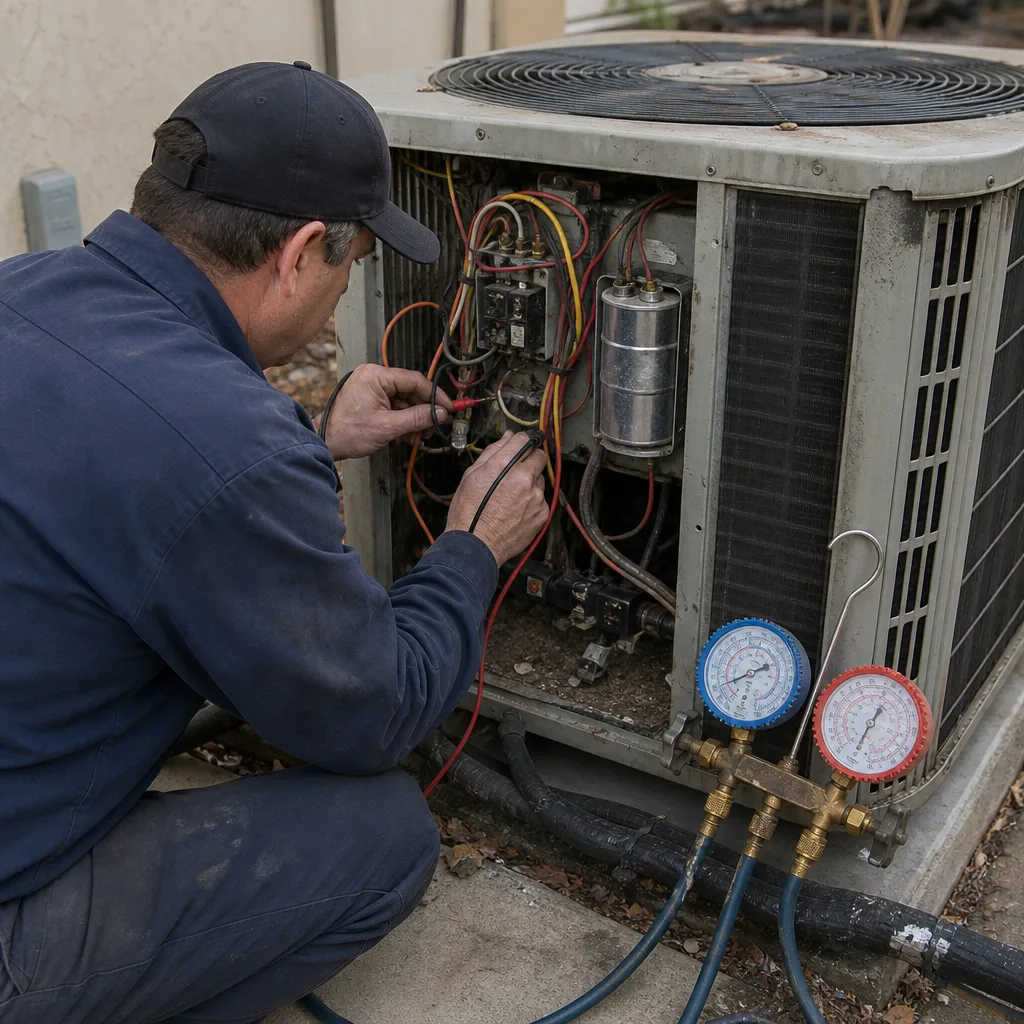
Seasonal tune-up and full diagnostic on your Carrier, Trane, or Goodman system - readings shown to you before any repair is proposed
Diagnosis first, numbers second - you approve the repair price before a single part goes in.
Get your free estimateStyles & brands we work with
- AC repair
- Furnace & heating
- Heat pumps
- Ductless mini splits
- Carrier
- Trane
- Goodman
See the difference
 Before
 After
 Before
 After
 Before
 After
Mini Split vs Central Air in Spring Valley, NV: The Honest Answer
Choose central air unless you’re cooling an addition, a converted garage, a casita, or one problem room in a house where re-ducting would cost more than the system itself. In Spring Valley’s 1980s-to-2000s tract homes, that last case comes up more than you’d think, because a 14-inch attic scuttle and ductwork sized back in 1988 don’t leave much room to work. If you’re weighing it right now and want a straight answer on your house, call (833) 620-7288 and we’ll talk it through before anyone touches a thing.
Here’s the short version of where we land. Whole house, main living space, one system keeping everything even? Central air, sized right, high-ambient condenser. One room that never got comfortable, or a space that was added after the fact? A single-zone mini-split is often the cheaper, cleaner fix. The part most comparison articles skip is what your attic and your yard actually allow.
Why Spring Valley’s Attics Change This Decision
Most of the housing here went up during the valley’s eastward boom, stucco-and-tile tract homes with shallow attics you reach through a tight scuttle and nowhere near enough headroom to swing a duct trunk. If you want to extend central air into a room that was added later, someone has to cut into ceilings, patch drywall, and re-run supply and return runs through a space that was never laid out for it. That drywall and framing work is where the bill climbs, and it’s the number generic mini-split pages never put on the table.
On plenty of Spring Valley jobs, the duct modification alone runs past what a single-zone mini-split would cost installed, before you even price the bigger condenser you’d need. That’s the structural reality the “is a mini-split worth it” debate usually ignores.
The math, in plain numbers
These are our Spring Valley ranges for the two paths, so you can see where they separate:
| What you’re paying for | Typical Spring Valley range |
|---|---|
| AC installation (central, whole-house, sized right) | $3,500-$7,500 |
| AC repair (existing central system) | $150-$650 |
| Seasonal tune-up | $80-$200 |
| Furnace repair | $150-$700 |
The mini-split side of the quote depends heavily on line-set runs and where the outdoor unit can legally and sensibly sit, which brings us to the thing that actually bites people in this part of the valley.
The Decorative Rock Problem Nobody Warns You About
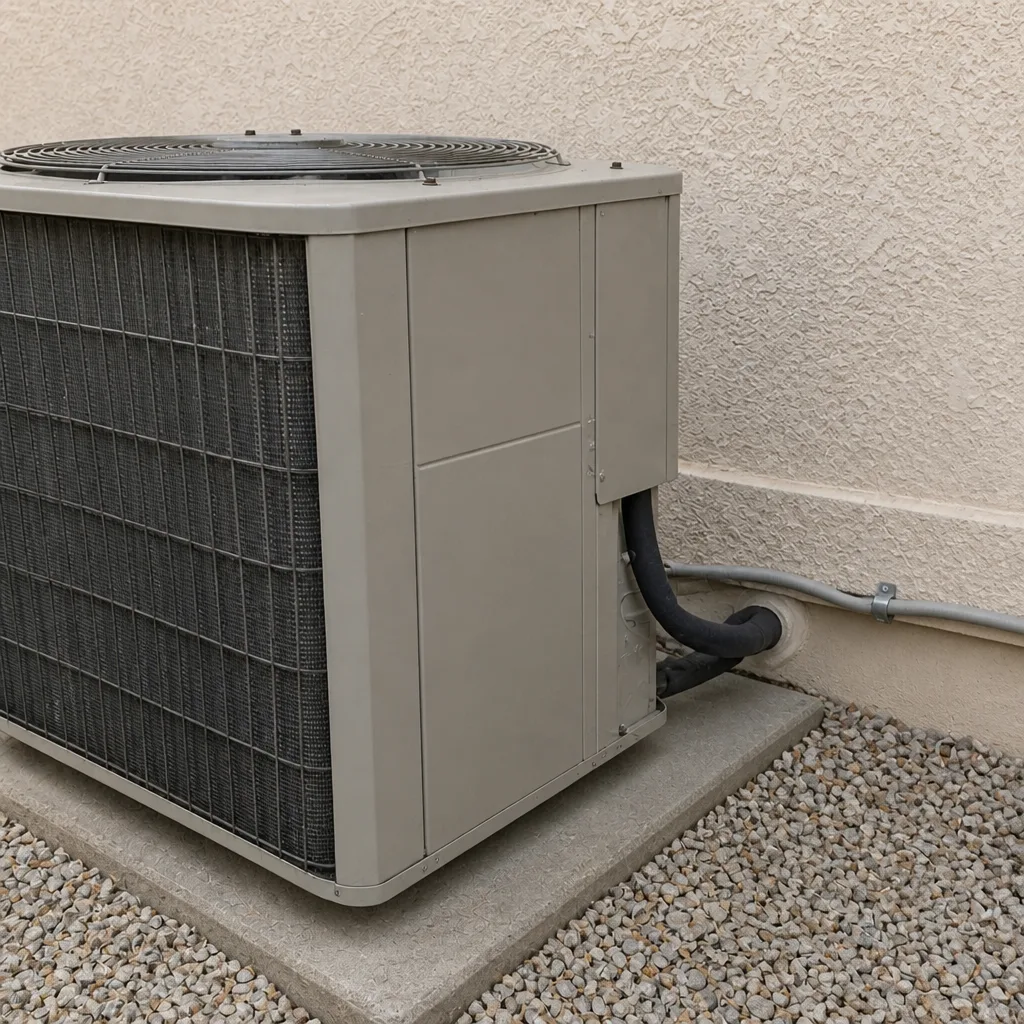
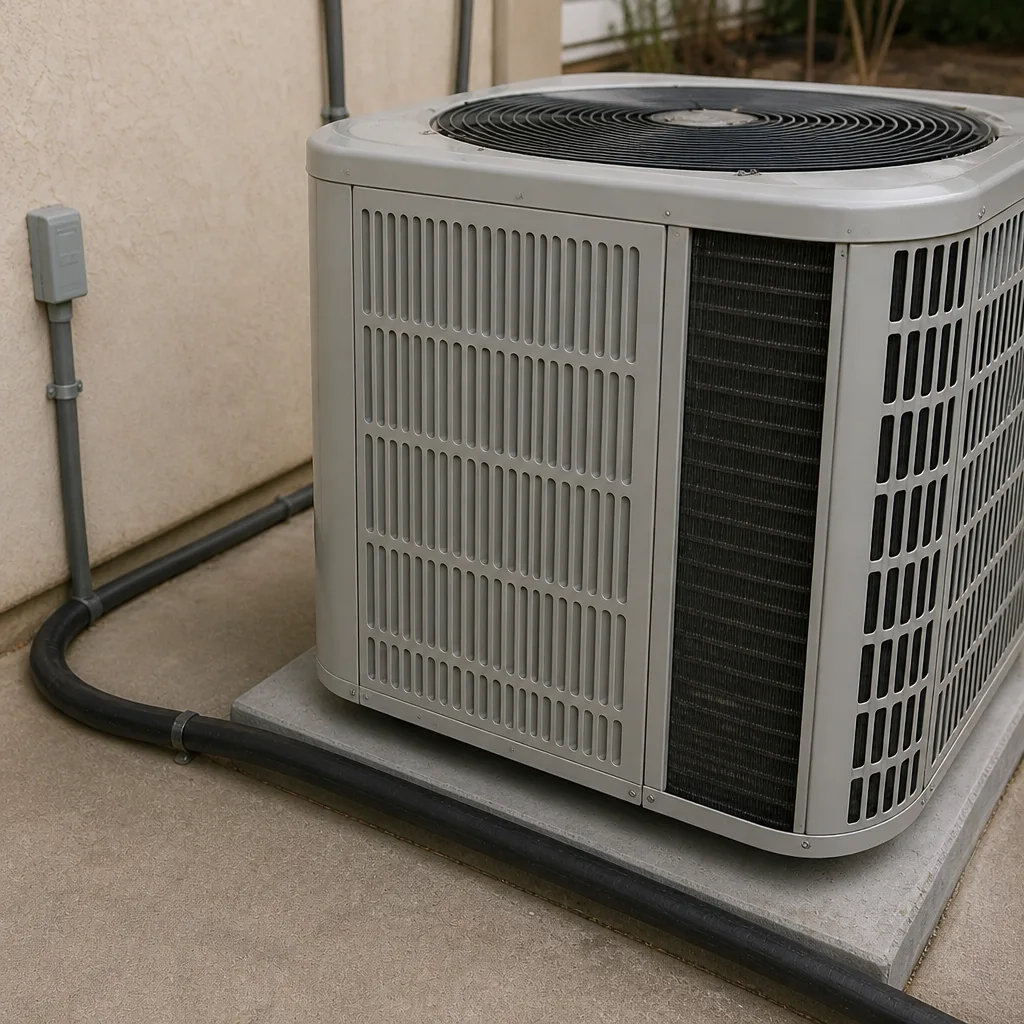
Spring Valley’s yards are crushed granite and river rock, and those yards are a quiet hazard for any outdoor unit mounted low. During high winds, fine rock dust gets pulled straight into the condenser and packs the fins. A mini-split condenser sitting three inches off a gravel yard will cake its coil solid within a season, run hot, and start short-cycling. We’ve pulled pans of grit out of units that were only two years old.
If we’re putting a mini-split in, the outdoor unit gets elevated on a proper wall bracket or a raised pad with real clearance underneath and a clear approach for wind-blown dust. Position matters more than the brand name on the box. Done that way, a Daikin or Bryant single-zone holds up here. Dropped on the ground next to the rock bed, it won’t.
- Mount it up. Wall bracket or raised pad, clear of the gravel line, so wind-blown rock dust doesn’t collect at the coil face.
- Keep the coil face clear. No rock bed, no shrubs, no patio furniture knocked up against it.
- Rinse the coil on a schedule. In this dust zone, that’s maintenance, not optional extra.
- Check the drain pan. When the monsoon mugginess rolls in July through September, a unit that wasn’t sized for latent load will overflow. We look at that before we recommend anything.
Where Central Air Still Wins: The Hottest Weeks
During sustained 108-112°F stretches, a properly sized ducted system with a high-ambient-rated condenser simply moves more BTUs per hour across the whole house than a comparable multi-zone mini-split. The efficiency numbers mini-splits advertise look great at moderate temperatures. At the top of a Spring Valley July, that gap narrows, and even distribution across every room matters more than the spec sheet.
That’s why our honest call for most homes here with a working central system is a hybrid, not a forced either/or. Keep the central unit serving the main living area. Add a single-zone mini-split to the master bedroom addition, the converted garage, or the casita that never got its own duct run. You get the room you actually wanted conditioned, without the tear-out, and you didn’t pay to re-duct a whole house that was working fine.
Before we recommend either path, we check static pressure and duct leakage. We won’t sell you a central upgrade into a leaking duct network, and we won’t mount a mini-split three inches off a rock yard. Readings first, numbers second. If you’d like the full rundown on the equipment side, our Heat Pump & Mini Split page goes deeper.
How We Actually Decide (Step by Step)
- Measure the attic. Scuttle size, headroom, and whether a new duct trunk can physically pass. Sometimes the answer is no without drywall work, and we say so up front.
- Test static pressure and duct leakage. A leaky network makes even a great condenser underperform. We see the real numbers before quoting anything.
- Run a load calc on the real house. Single-pane and early dual-pane windows here leak enough heat that load calculations come in 10-15% above what nameplate ratings suggest. We size to the house, not the sticker.
- Price both paths, side by side. Central install, duct modification, and single-zone mini-split, laid out in one place so you can see where the dollars actually land.
- Place the outdoor unit for this yard. Elevated, clear of the rock bed, checked for monsoon drainage. Every time.
Ray’s Heating & Air Spring Valley has been locally owned and owner-operated since 2002, and every job carries the 90-Day Done Right Promise in writing. One call brings Ray back if it isn’t right. Phones are answered by a live person around the clock, and equipment here works across all major brands, including York, Daikin, Bryant, and American Standard. If you want to see how we handle the rest of the picture, start at our home page.
FAQs
For one room or an addition, yes, often by a wide margin once you count the duct and drywall work central air would require in a tight-scuttle attic. For a whole-house replacement where the ducts are already sound, central air usually wins on total cost and even comfort. Call (833) 620-7288 for an exact comparison on your house.
Yes, if it’s sized correctly and the outdoor unit is placed with real airflow and clearance. The failure we see here isn’t the heat itself, it’s a unit choking on rock dust because it was set low next to a gravel yard. Mounted properly, a single-zone handles our summers fine. Call (833) 620-7288 to talk sizing.
Not automatically. Undersized, leaky ductwork is common in Spring Valley’s older tract homes, but the fix might be sealing and balancing rather than abandoning the system. We test static pressure and leakage first, then tell you what the readings say. Call (833) 620-7288 for a no-pressure assessment.
A single-zone mini-split for a converted garage or room addition typically comes in under what extending central ductwork would cost, once drywall repair is factored. Your exact number depends on the line-set run and outdoor placement. Call (833) 620-7288 and we’ll give you a straight range.
If you’d rather have it looked at, Ray’s Heating & Air Spring Valley offers a no-pressure assessment in Spring Valley. We’ll measure the attic, read the ducts, and price both paths so you can decide with real numbers in front of you. Call (833) 620-7288 for a free estimate.
Written by the team at Ray’s Heating & Air Spring Valley, serving Spring Valley, NV.