
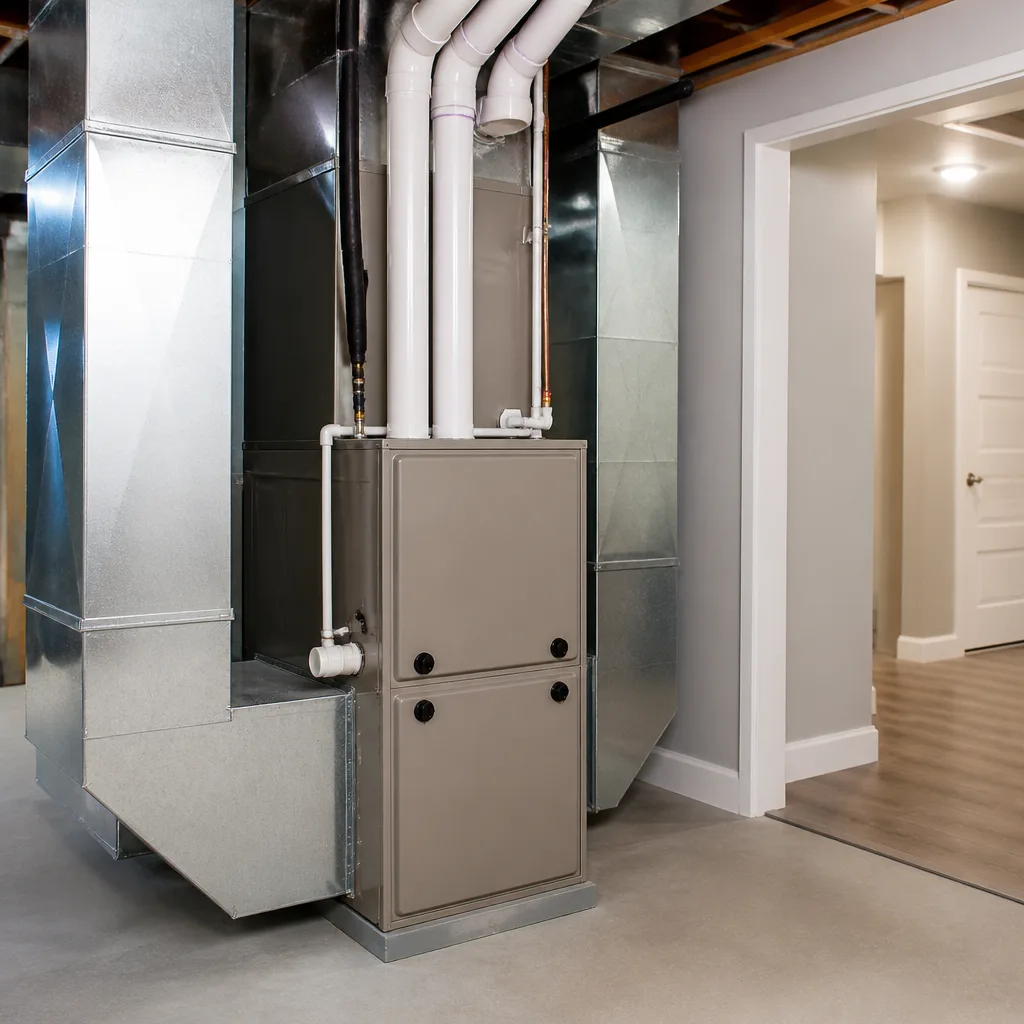
 Furnace & heating
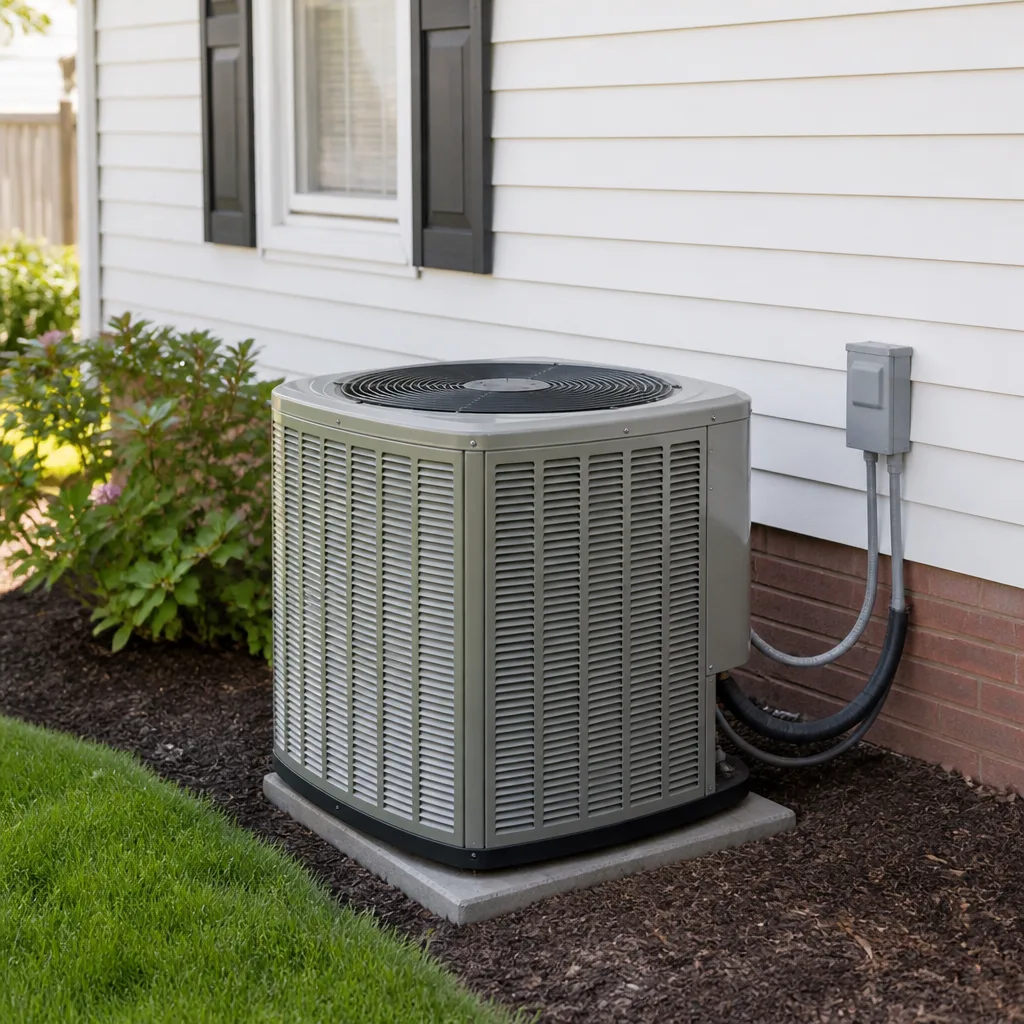 AC repair
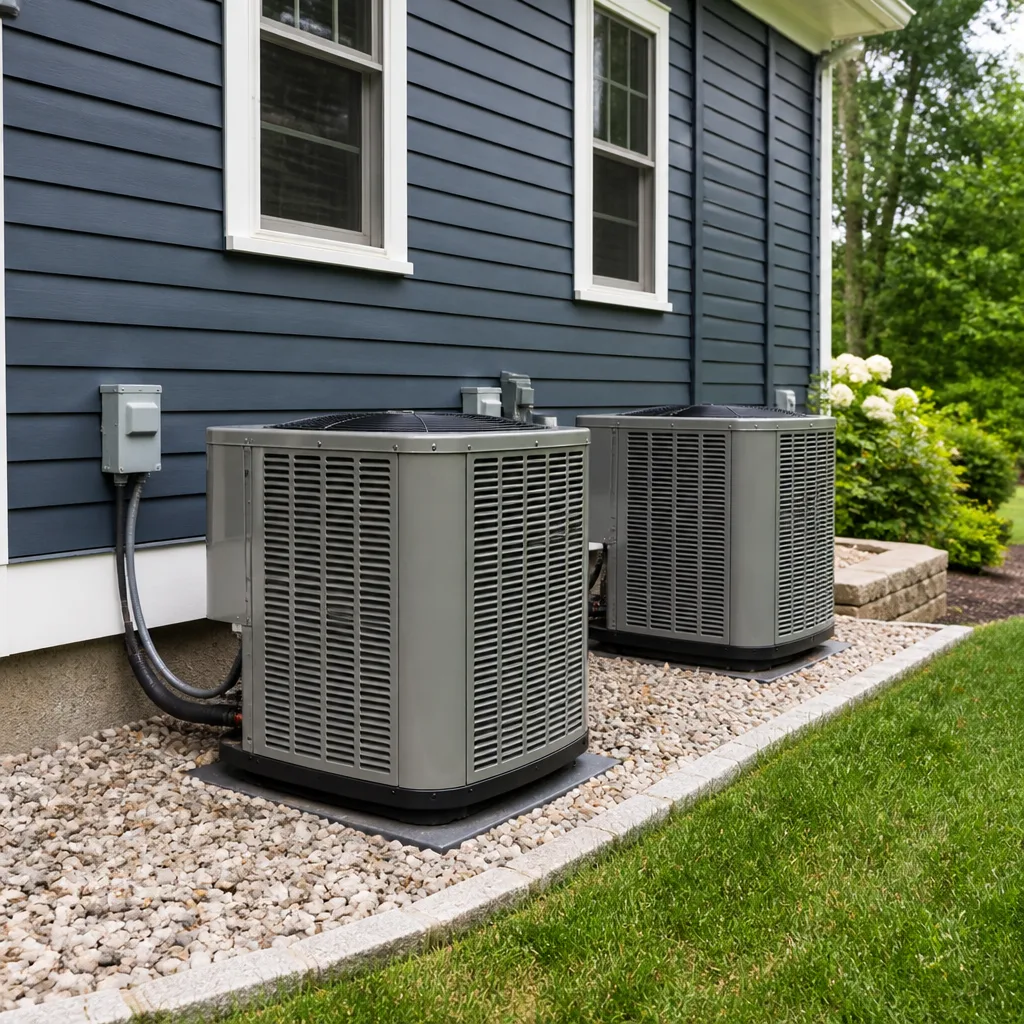 Heat pumps
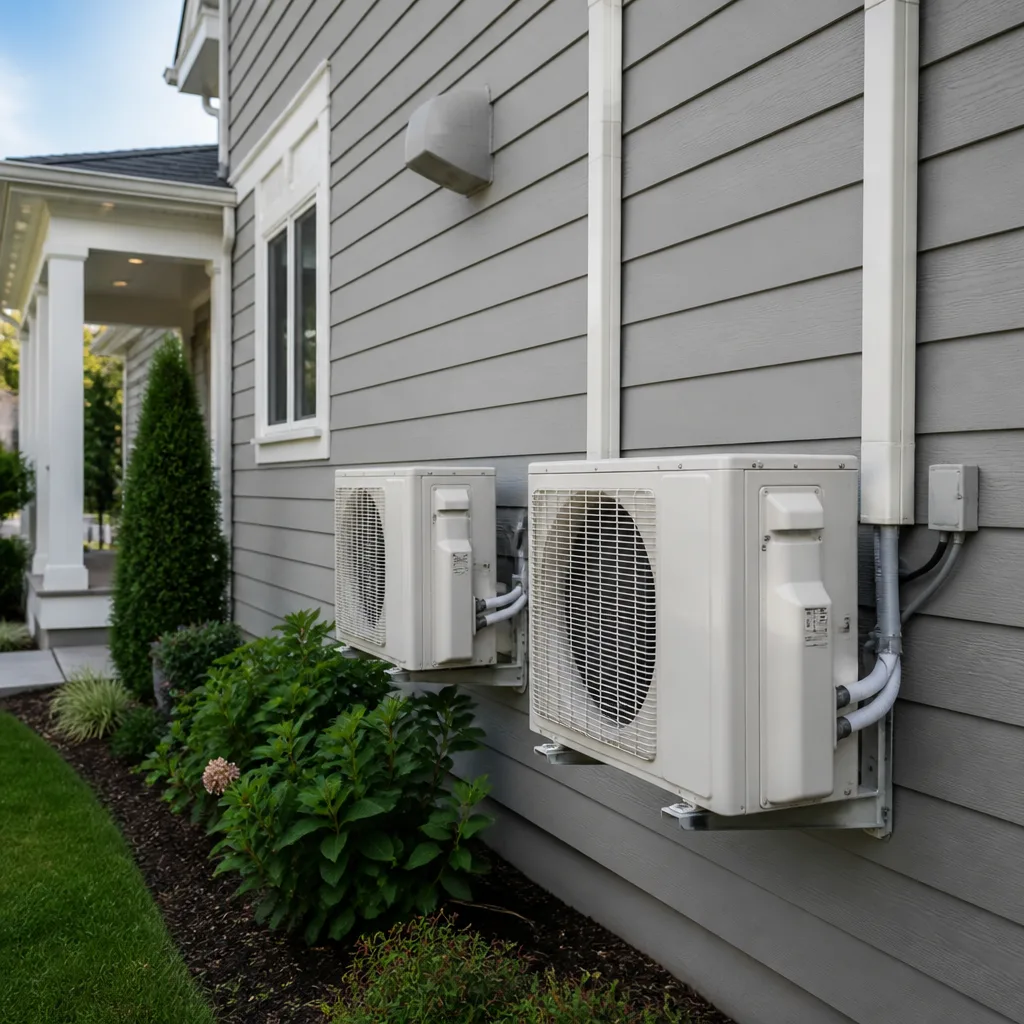 Ductless mini splits
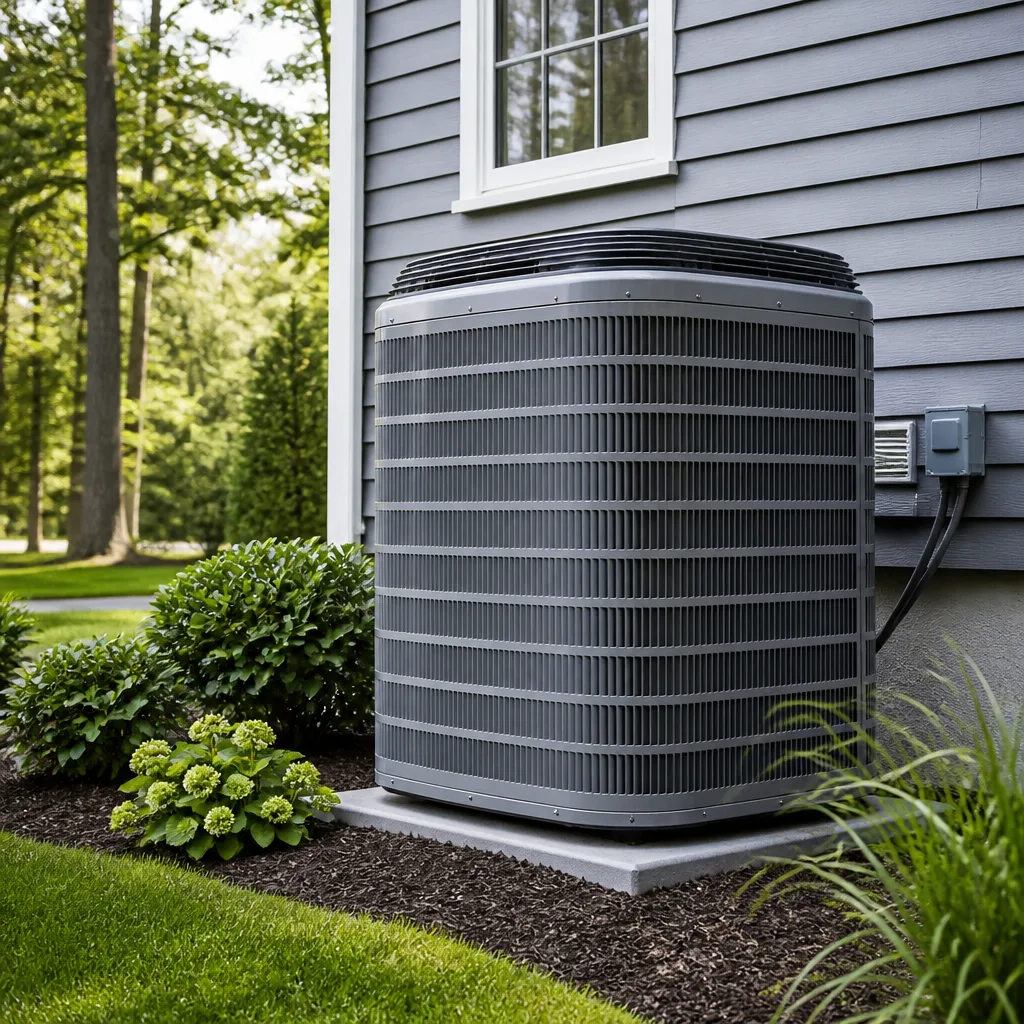 Carrier
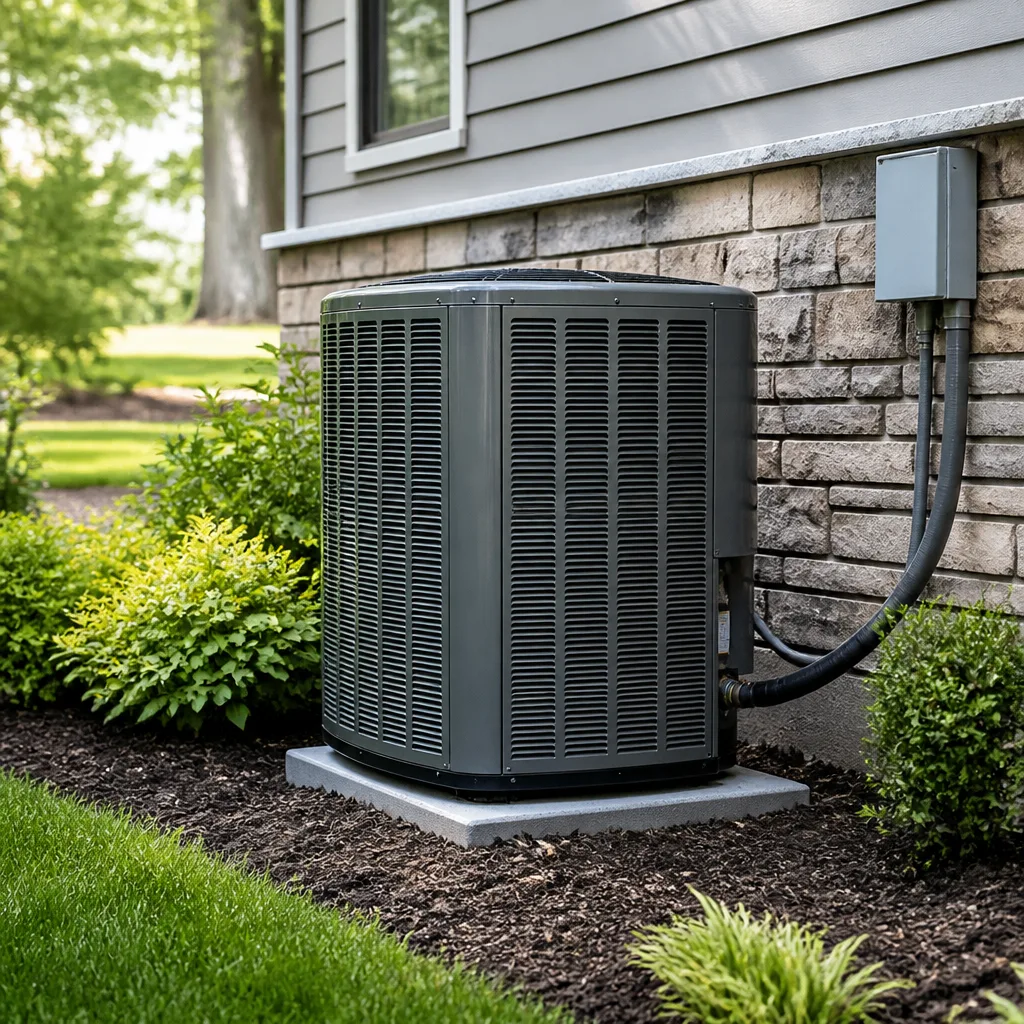 Trane
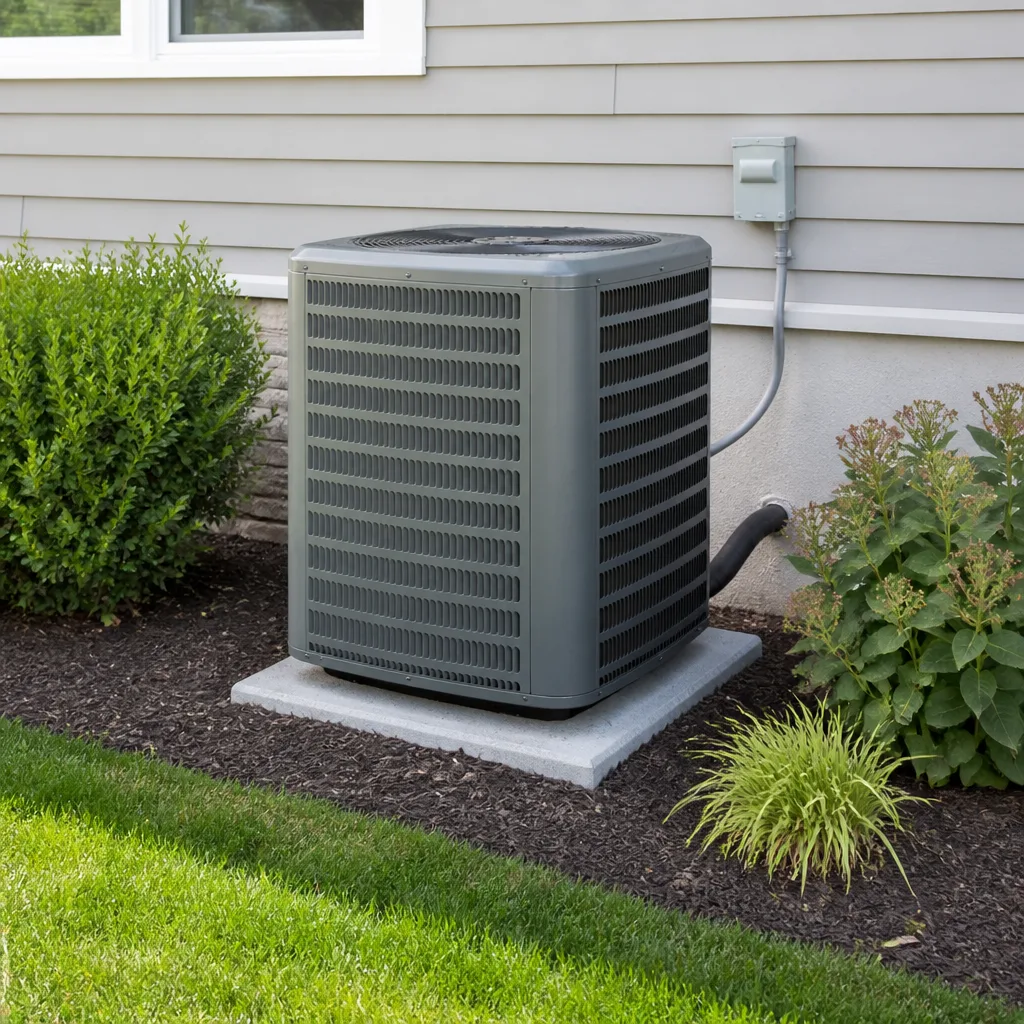 Goodman
Seasonal tune-up and full diagnostic on your Carrier, Trane, or Goodman system - readings shown to you before any repair is proposed
Diagnosis first, numbers second - you approve the repair price before a single part goes in.
Get your free estimateStyles & brands we work with
- AC repair
- Furnace & heating
- Heat pumps
- Ductless mini splits
- Carrier
- Trane
- Goodman
See the difference
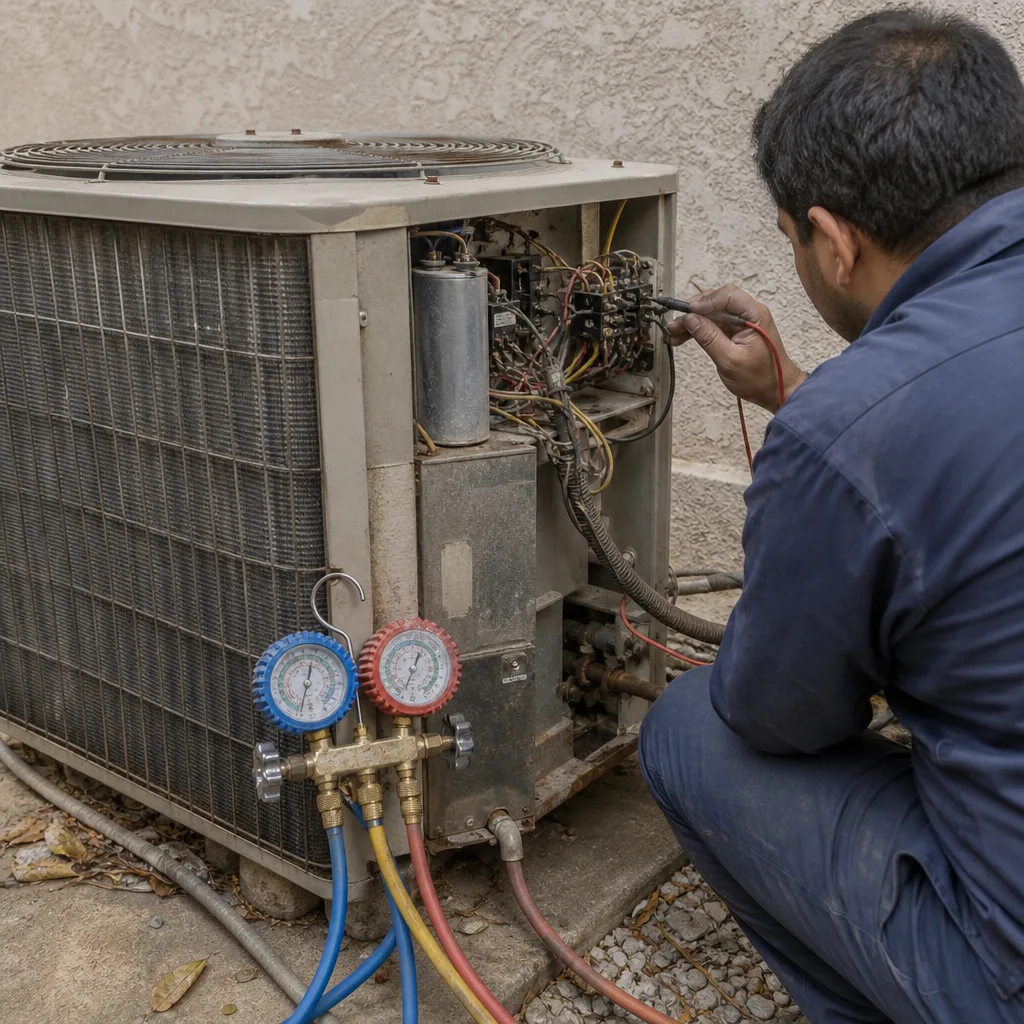 Before
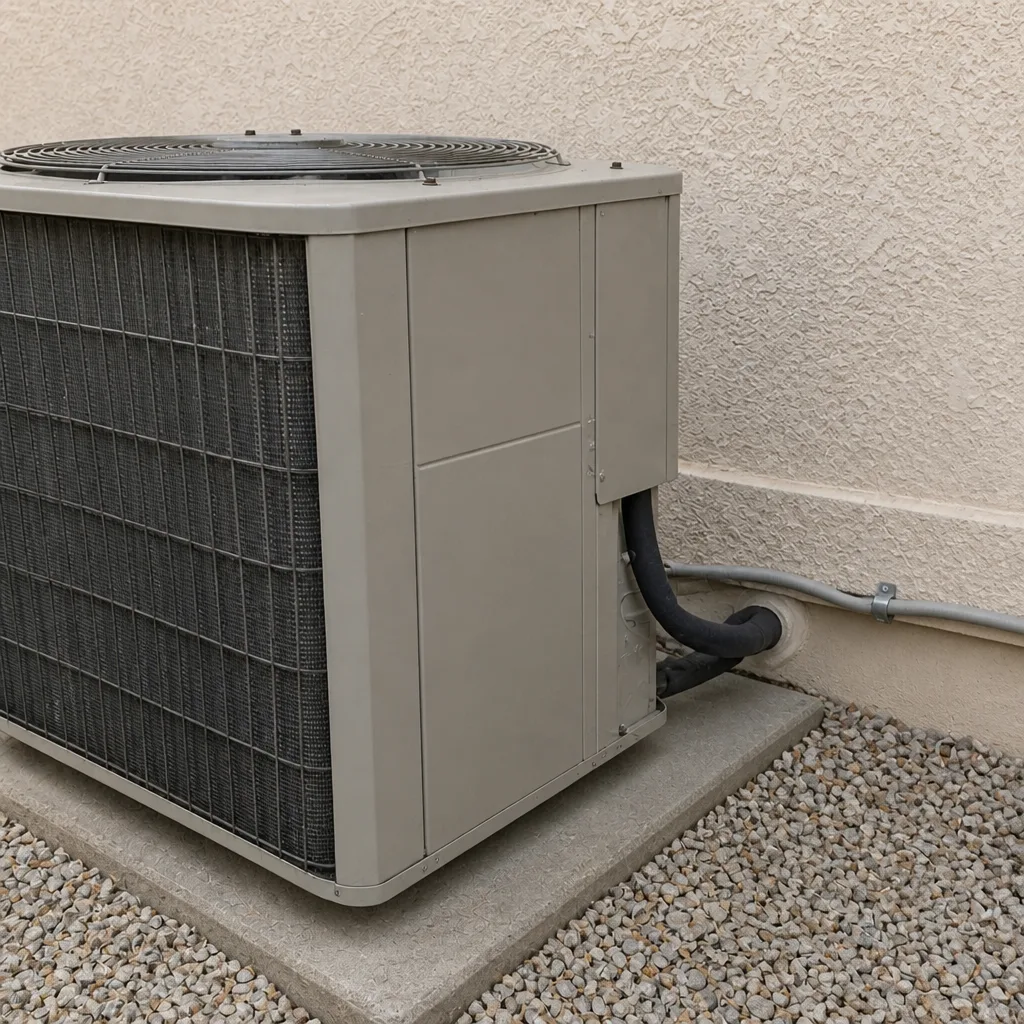 After
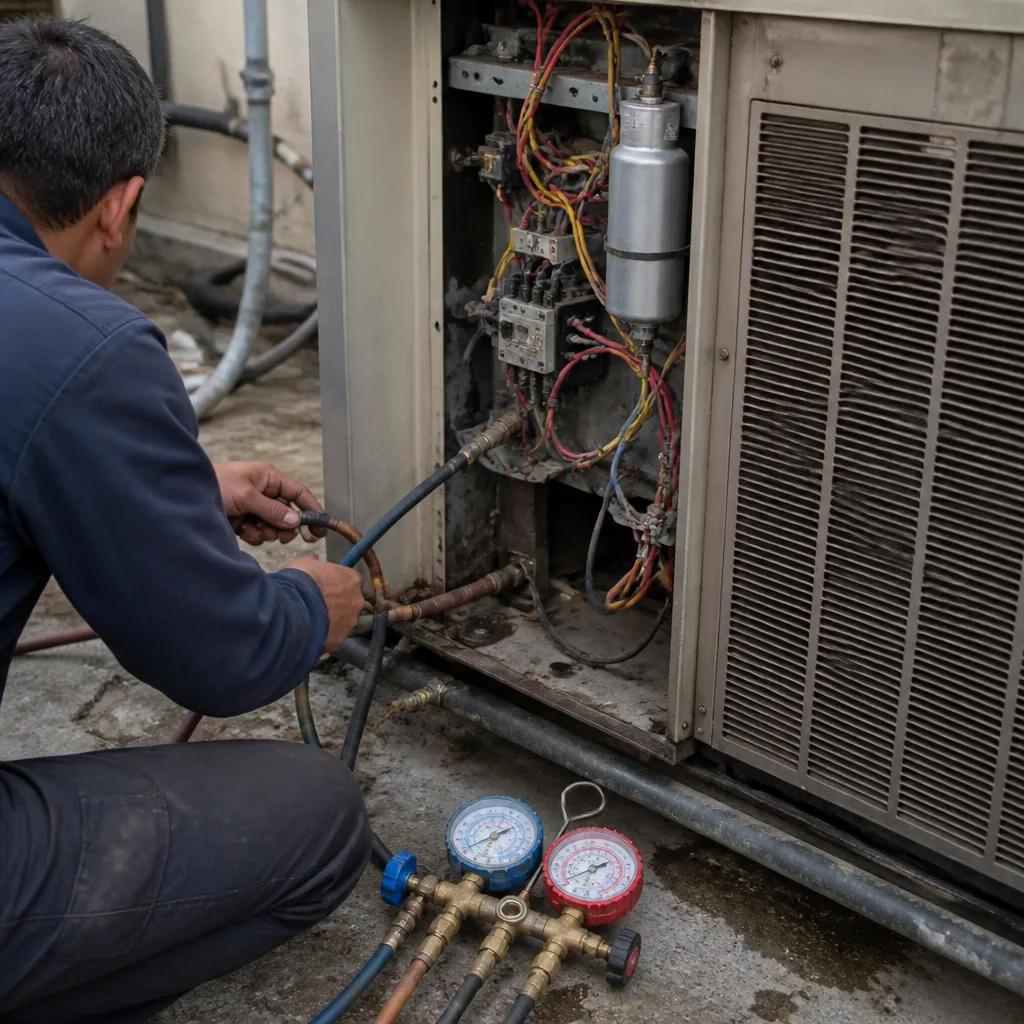 Before
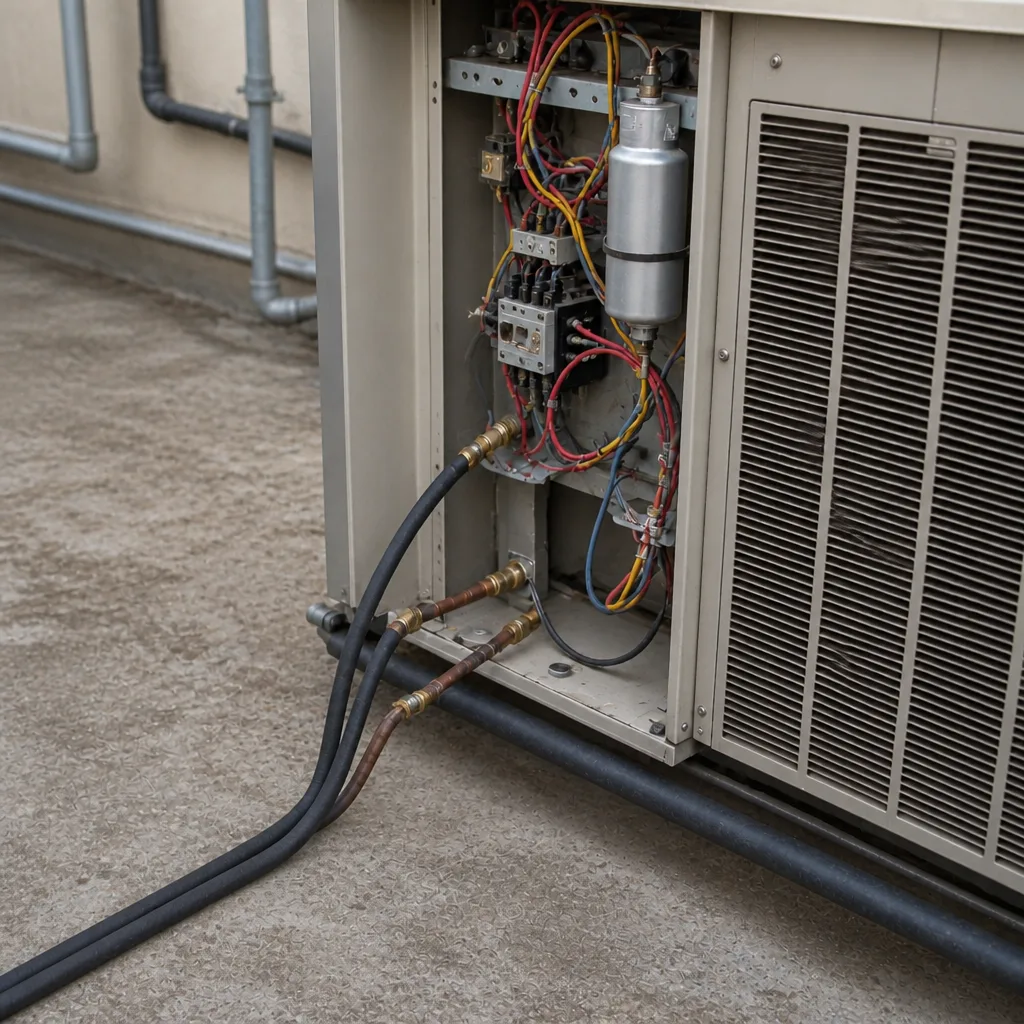 After
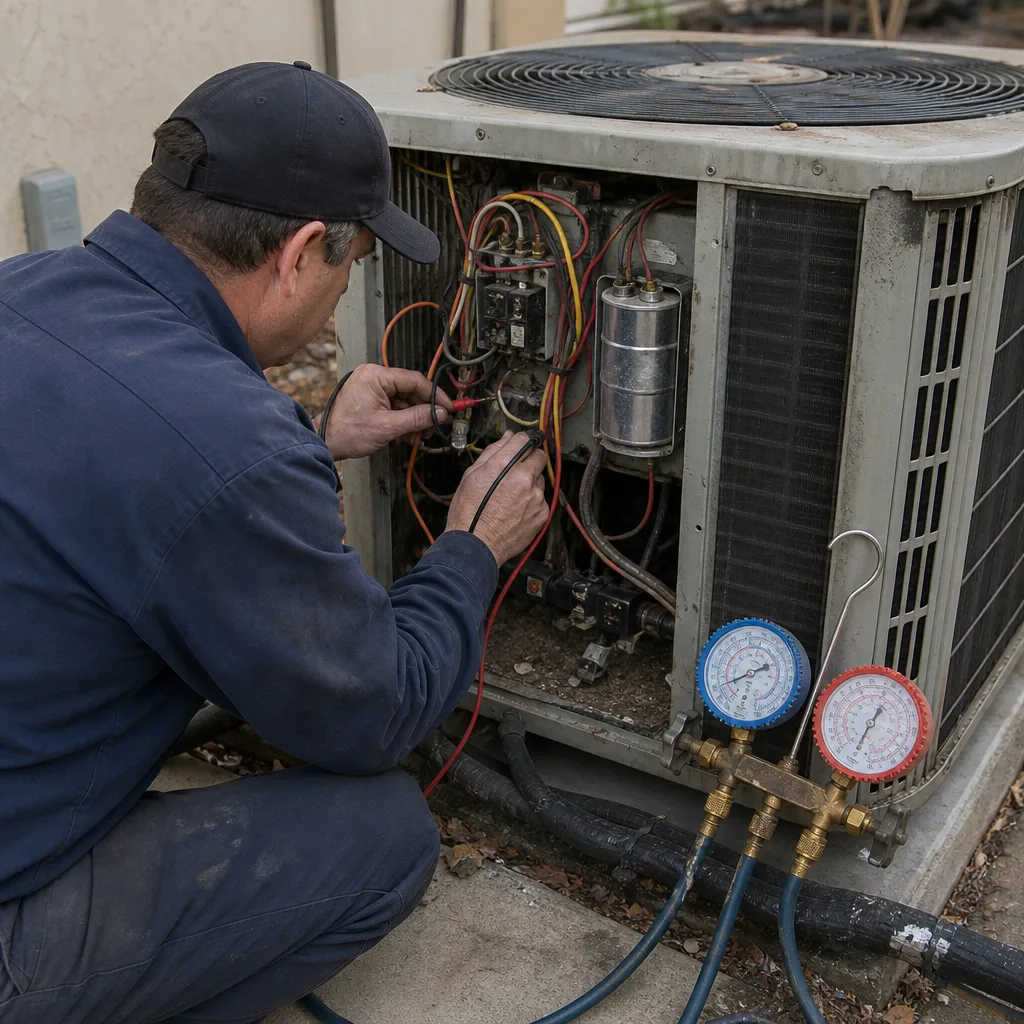 Before
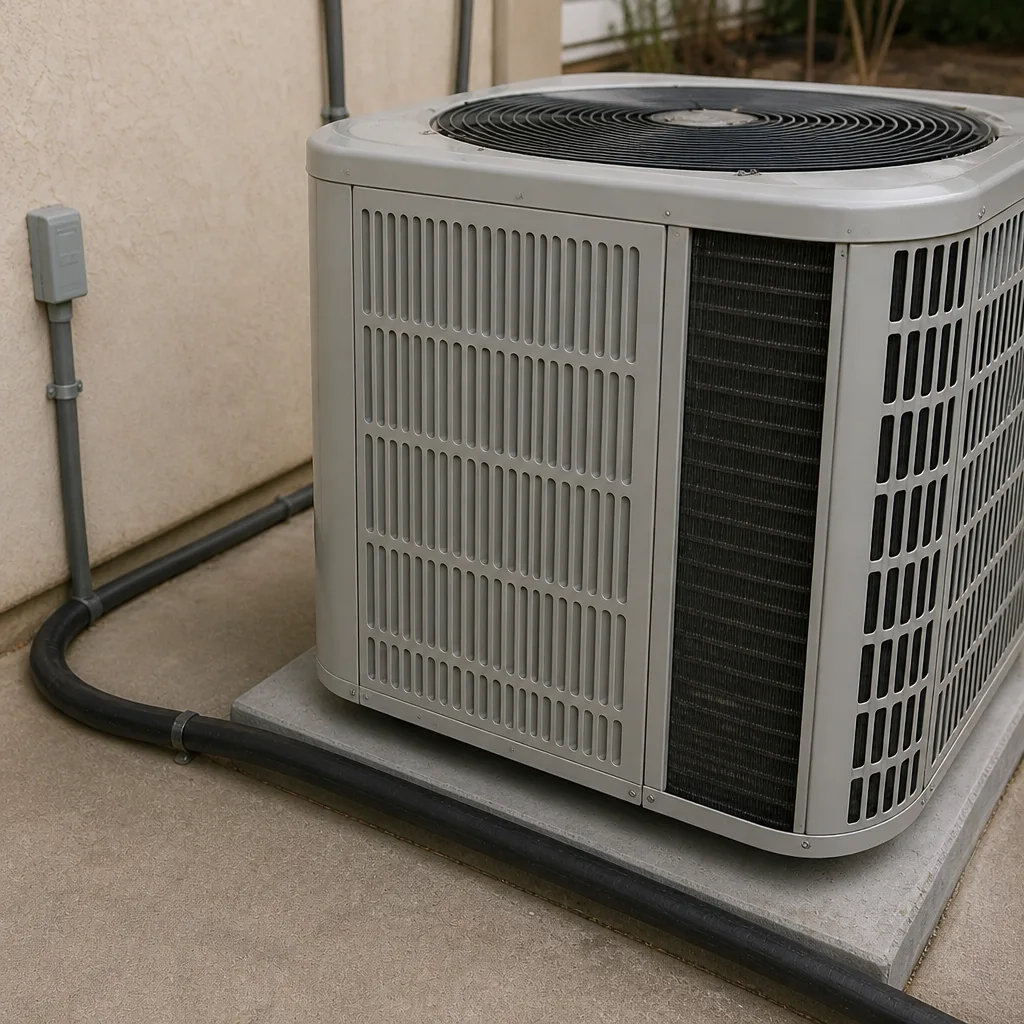 After
What Mini Split Installation Costs in Spring Valley, NV (and Why Placement Matters More Than the Price Tag)
Mini split installation in Spring Valley typically runs $3,500 to $6,200 for a single-zone system and $6,800 to $12,000 for a multi-zone setup, depending on line-set length, electrical work, and how the condenser gets mounted. The number that surprises most homeowners isn’t the equipment – it’s the bracket and placement decisions nobody quotes up front. Call (833) 620-7288 for a free estimate, and we’ll walk the yard before we ever put a number on paper. No trip charge anywhere in the county.
Here’s the thing about Spring Valley. The front yard is decorative river rock. The wind kicks gypsum dust across the valley most afternoons in summer. A mini-split condenser mounted at the standard ground height that comes in the box is sitting in a dust funnel, and it’s going to pack its fins with rock dust a whole lot faster than the installer’s brochure promised.
Why Spring Valley Mini Split Condensers Fail Early (and How We Prevent It)
Mini-splits look simple on paper: one outdoor unit, one or more wall heads, a line set between them. What the spec sheet doesn’t tell you is that those outdoor units sit lower to the ground by default than a full-size central condenser. In a crushed-granite or river-rock yard, that means the coil face is closer to the dust source, not farther from it.
Spring Valley’s rock landscaping is everywhere, and it’s the culprit. During a high-wind afternoon – and we get plenty between May and September – fine rock dust and silica get pulled straight into the outdoor unit’s coil. The fins pack. The compressor runs hot trying to reject heat it can’t get rid of. We’ve seen mini-split condensers in this valley foul their coils in two seasons when they were set flat on a rock bed with no clearance.
So we mount them higher, or we offset them from the rock field on a bracket and pad. It costs a little more in bracket hardware and a little more labor up front. Over five years, it’s the difference between a condenser that’s still breathing and one that’s already lost efficiency or failed.
What the placement decision actually involves
- Wall-bracket mounting – lifts the unit above splash and dust zone. Best for tight side yards and stucco walls.
- Elevated pad on a stand – gets the coil face above the rock field without drilling into the wall.
- Offset from the rock bed – clears the immediate dust source so intake air isn’t pulled through decorative stone.
- Clearance to the wall and to each other – mini-split condensers need breathing room; crowded placement kills them fast in this heat.
None of this is exotic. It’s just the part most cheap bids skip, because the bid was written from a chart and not from your yard.
The Stucco Wall Problem: Core Drilling vs. Chase Routing
Spring Valley’s housing stock is mostly 1980s-through-2000s stucco-and-tile tract homes and low-rise condos. That matters for a mini-split install because the line set has to get from the outdoor unit to the wall head, and in stucco-and-tile construction that means one of two paths – and they cost differently.
Core drilling through the stucco and the wall assembly takes a hammer drill, a hole saw sized to the line set, and careful sealing afterward. Done right, it’s clean and weather-tight. Done cheap, it leaves a gap that lets in pests, air, and monsoon moisture.
Chase routing runs the line set through an existing chase or in a line-hide cover on the exterior. It’s often faster on a stucco wall, but it’s more visible and it has to be pitched correctly for the condensate drain.
Either way, the sealing step matters more than the drilling step. A cheap bid that drills and doesn’t seal is inviting pests and air infiltration, and it’ll show up as a draft or a bug problem before it shows up as an HVAC problem. Ask any installer in Spring Valley what they do after the hole is drilled. If they can’t answer, that’s your answer.
What Mini Split Installation Costs in Spring Valley: Line-Item Pricing
Here’s the range we quote most often in this valley. These are market-calibrated for Spring Valley’s housing stock, stucco walls, and rock-yard siting – not national averages.
| Line item | Typical cost range |
|---|---|
| Single-zone mini split install (equipment + labor) | $3,500 - $6,200 |
| Multi-zone mini split install (2-4 heads) | $6,800 - $12,000 |
| Condenser bracket / elevated pad (Spring Valley rock-yard siting) | $150 - $450 |
| Line set, standard length (up to 25 ft) | included in install |
| Line set, extra length (per additional foot) | $25 - $55 / ft |
| Stucco core drilling + sealing for line-set penetration | $200 - $500 |
| Electrical circuit / disconnect (if not present) | $350 - $800 |
| Condensate drain routing and pump (if needed) | $150 - $400 |
| Startup, vacuum, and system verification | included in install |
You’ll see other HVAC companies quote a flat number over the phone. That number is real, and it’s real until the installer walks up and sees the stucco, the rock field, and the old window in the casita. Readings first, numbers second – the same rule we use on repair jobs, applied to install quotes. We walk the yard, measure the line-set run, check the electrical, and quote the full job – bracket, line set, electrical, drain, and startup – before the first hole is drilled.
If you’re still comparing mini-splits to a central system, our Heat Pump & Mini Split page lays out how the two compare on efficiency and cost in this climate. And if you’re adding a mini-split to a casita or converted garage, that’s the next section.
Casitas and Converted Garages: Sizing Off the Real Room, Not the Chart
Half the mini-split requests we get in Spring Valley are for a casita, a converted garage, or a room over the garage. And here’s where cheap bids get sizing wrong. Many of these spaces still have the original single-pane or early dual-pane windows from the tract-home build, and those windows leak enough heat that a load calculation runs 10-15% higher than the nameplate rating suggests.
Size a head unit off a standard chart in a space like that, and you’ll get a system that runs short cycles, never quite pulls the room down in July, and dries out the air while it’s at it. We size the head to the actual room load – insulation, window type and exposure, ceiling height, sun angle. That’s the work behind the number, and it’s why the number varies from house to house on the same street.
What to Check Before You Sign a Mini Split Install Bid
You’re going to get three or four bids, and they’ll look similar. Here’s what separates a bid that holds up from one that comes back around as a callback.
- Is the condenser bracket or elevated pad in the quote? If it’s not, the installer is planning to drop it on the rock and hand you the bill in two years.
- Is the stucco core drilling and sealing itemized? Skipped sealing means pests and drafts.
- Is the line-set run measured or guessed? Extra length over 25 feet should be priced per foot, not padded into a flat rate.
- Is the electrical circuit checked? A new dedicated circuit may not exist, and that’s a real cost.
- Is the drain routing planned? In monsoon season, a poorly pitched drain becomes an overflow.
- Is startup and vacuum included? It has to be. A system that isn’t evacuated properly won’t last.
We work on American Standard, Carrier, and Trane equipment most often in this valley, and the placement and sizing rules apply to all of them. If you have a written estimate from another company and you’re not sure about any of those six points, our free second opinion on any written estimate is a standing offer. No charge, no pressure.
A Word on Dust, Monsoons, and Why Spring Valley Systems Age Fast
Spring Valley sits in the Las Vegas Valley’s dust zone, and HVAC equipment here ages on a compressed timeline. A system that would last 15 years in a milder climate often needs major service by year 10, and mini-splits aren’t exempt. The monsoon season that runs July through September is the other half of the equation – it briefly spikes humidity and sends dust-laden wind across the valley, which turns all that accumulated rock dust and gypsum into muddy paste on the coils and condensate lines.
So the placement decision isn’t just about the install. It’s about how often the unit needs cleaning, how hard the compressor works, and how long it lasts. A mini-split set high and offset from the rock stays cleaner through monsoon season, drains better, and holds its efficiency longer. That’s not a sales angle; it’s what we see on service calls.
FAQs
Mini split installation in Spring Valley runs $3,500 to $6,200 for a single-zone system and $6,800 to $12,000 for a multi-zone setup with two to four heads. The range reflects line-set length, stucco core drilling, electrical work, and condenser placement for our rock-landscape yards. Call (833) 620-7288 for an exact quote – estimates are free and there’s no trip charge in the county.
Yes, in most Spring Valley yards you do, because crushed granite and river-rock landscaping sit right where a standard-ground-height condenser would be, and that dust packs the coil fins fast. A bracket or elevated pad lifts the unit above the dust zone and offsets it from the rock field. It adds $150 to $450 to the job and pays off over the life of the system.
Yes – stucco core drilling is standard work for us on Spring Valley’s tract homes, and the sealing step after the hole is drilled matters as much as the drilling. We itemize the drilling and sealing on the written estimate so you can see it’s covered. Cheap bids that skip the sealing leave gaps that invite pests and air infiltration.
Most single-zone installs in Spring Valley are completed in one day, and a multi-zone system usually runs one to two days depending on line-set routing and electrical work. We plan the placement and the stucco penetration before we start so the day doesn’t stretch. Call (833) 620-7288 to schedule a walkthrough and get a written estimate.
Ready for a Straight Answer on Your Mini Split Install?
If you want a written number that includes the bracket, the line set, the electrical, the drain, and the startup – and a walkthrough of your own yard before anyone quotes a price – call Ray’s Heating & Air Spring Valley at (833) 620-7288 for a free estimate. No trip charge in the county. Free second opinion on any written bid you’ve already got. You’ll get the same person at your door and the same 90-Day Done Right Promise in writing, and if it’s not done right, one call makes it right.
Want the bigger picture on heat pumps versus mini-splits before you decide? Start at our home page, then read the Heat Pump & Mini Split in Spring Valley guide.
Written by the team at Ray’s Heating & Air Spring Valley, serving Spring Valley, NV.
What Our Customers Say
"No heat at two in the morning in January with a newborn in the house. Ray answered his own phone, talked me through the reset while he was getting dressed, and was here in forty minutes when that did not work."
- Henrietta Balfour"The maintenance plan is genuinely maintenance. He actually cleans the coil and checks the charge rather than turning up, standing there for ten minutes and leaving a sticker."
- Odessa Freelan"Ray has been out to this house four times over six years and it has been Ray every single time. Not a rotating cast of technicians who have never seen the system before."
- Dwight Kasprzak