
Last updated November 18, 2026
 Heat pumps
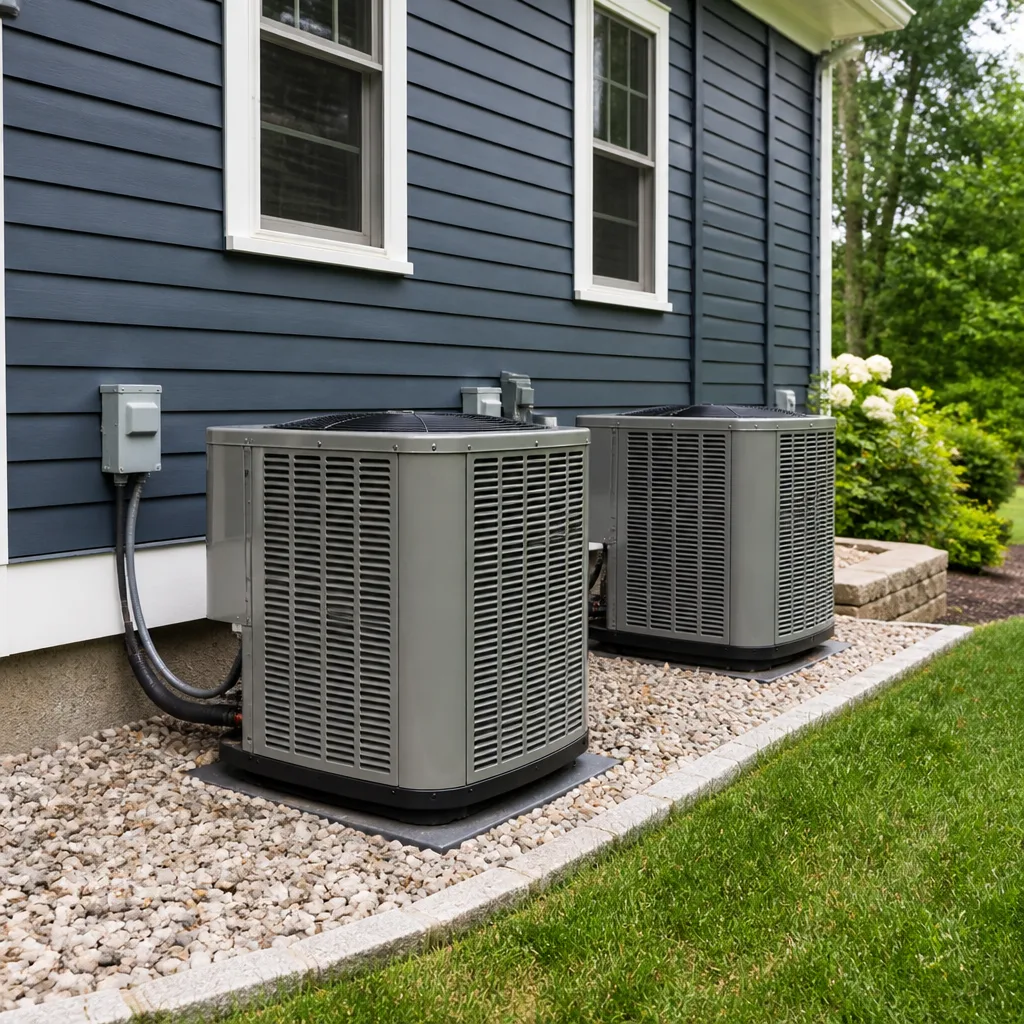
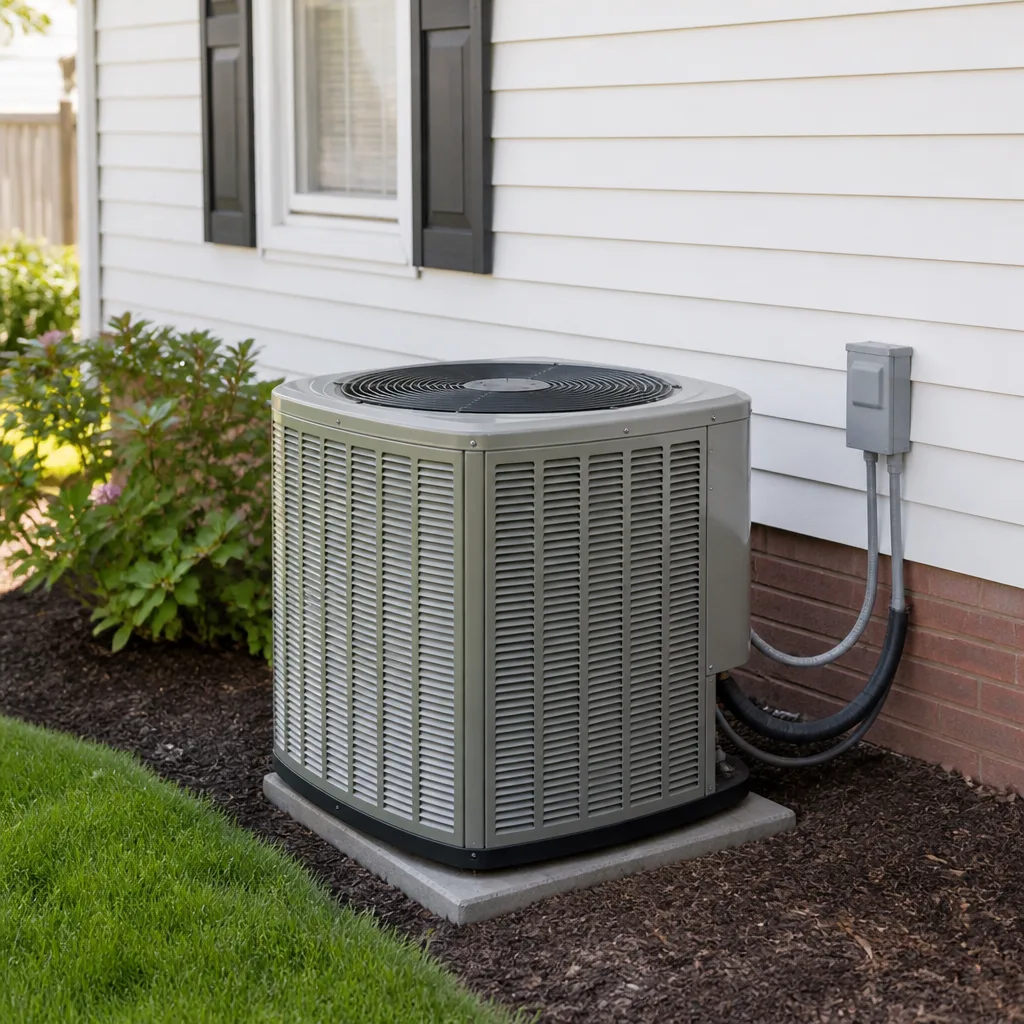 AC repair
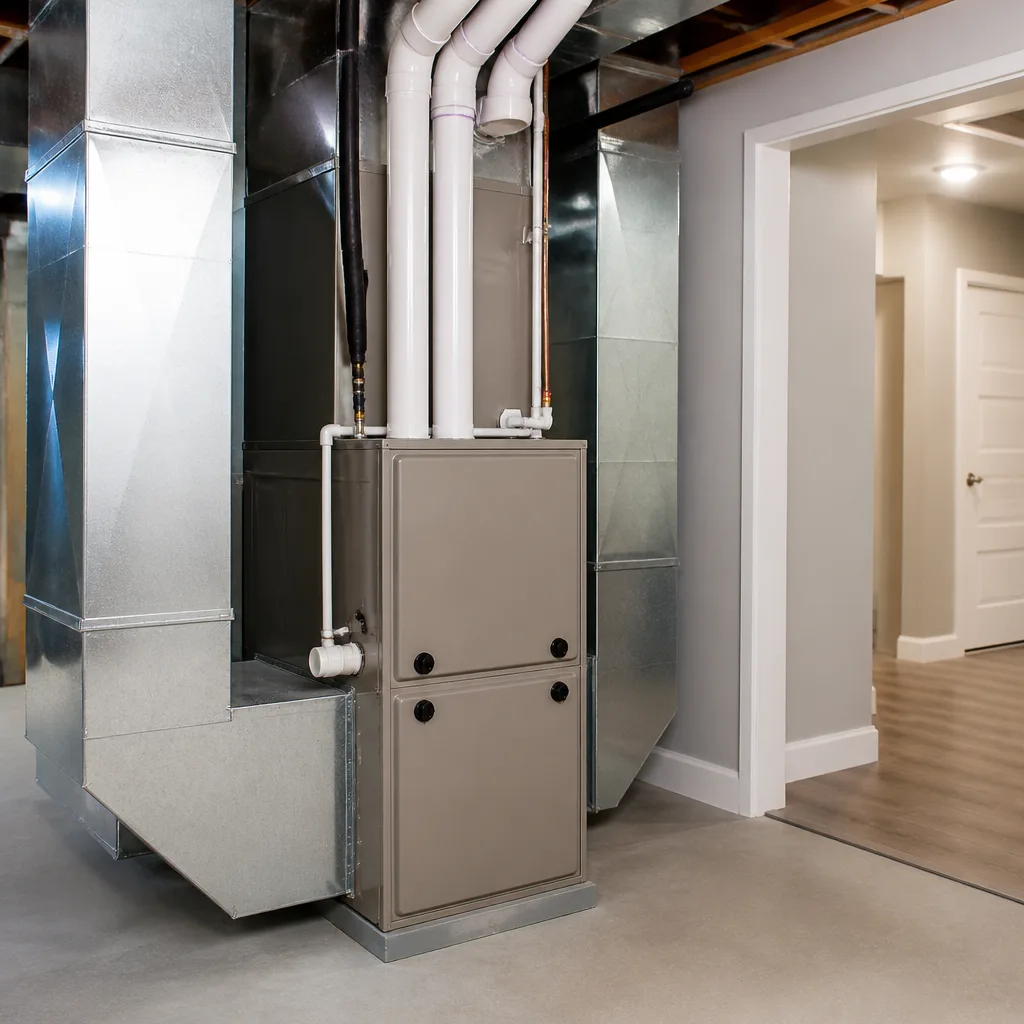 Furnace & heating
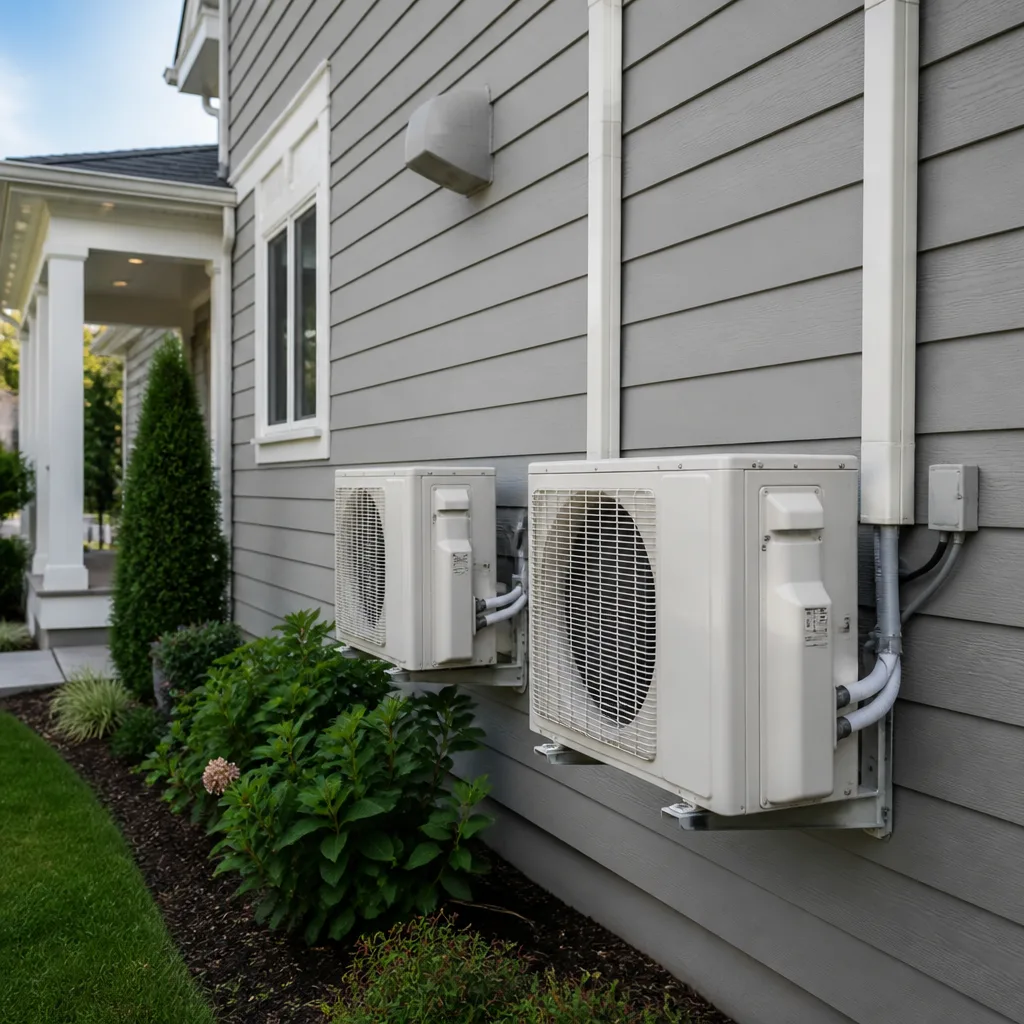 Ductless mini splits
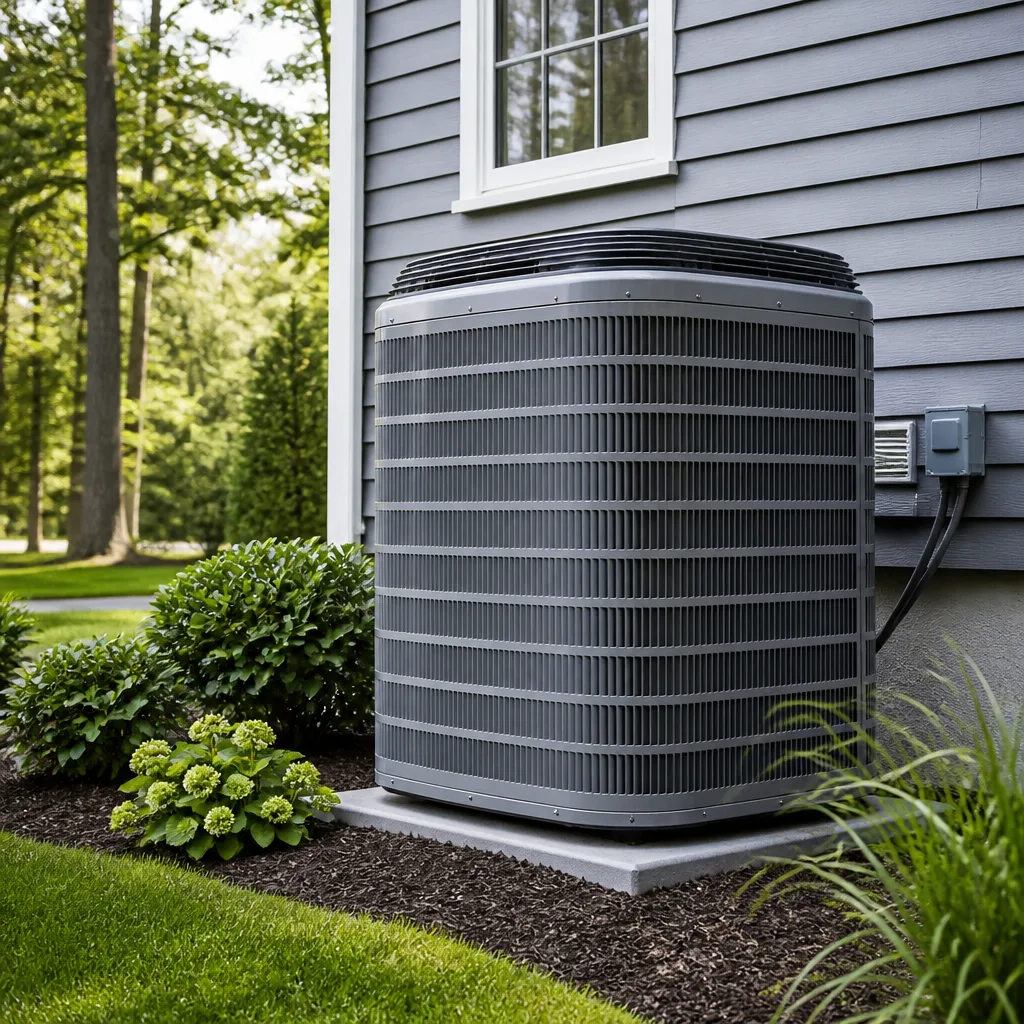 Carrier
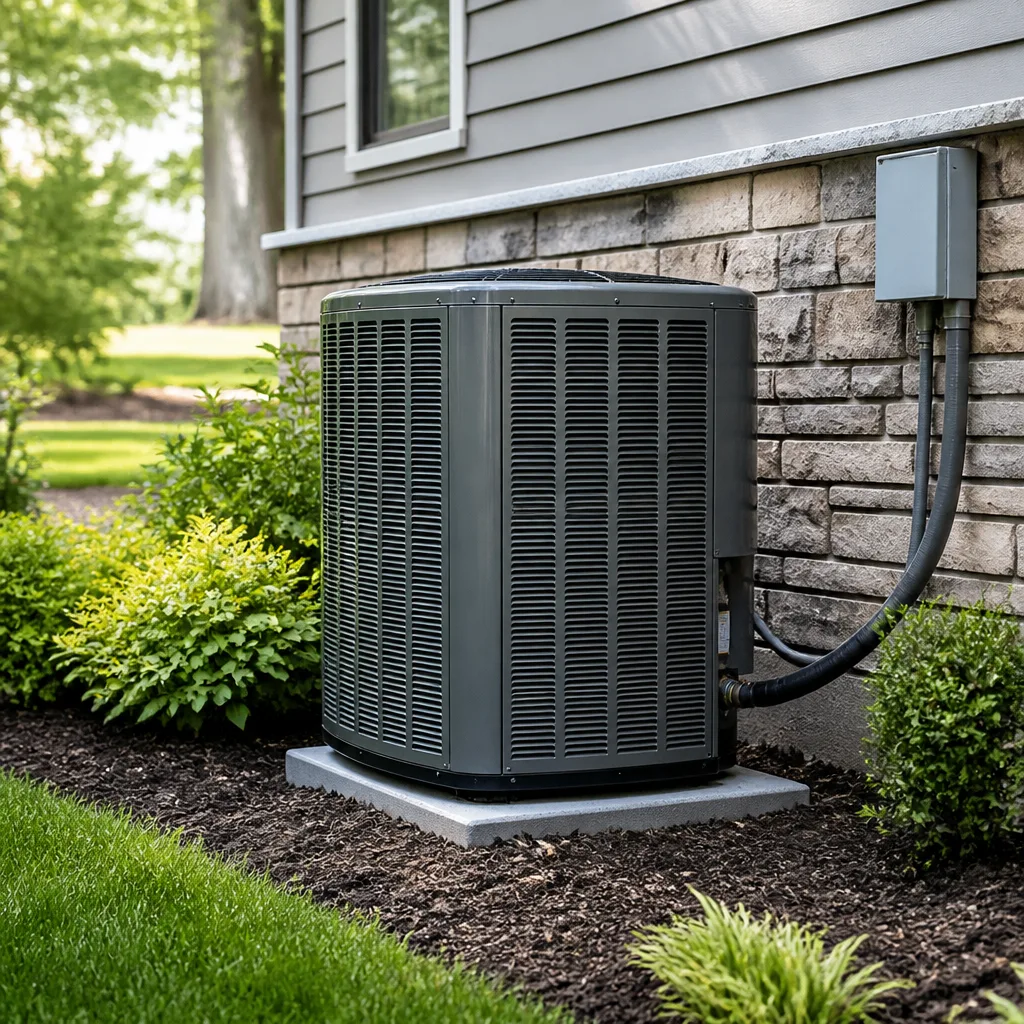 Trane
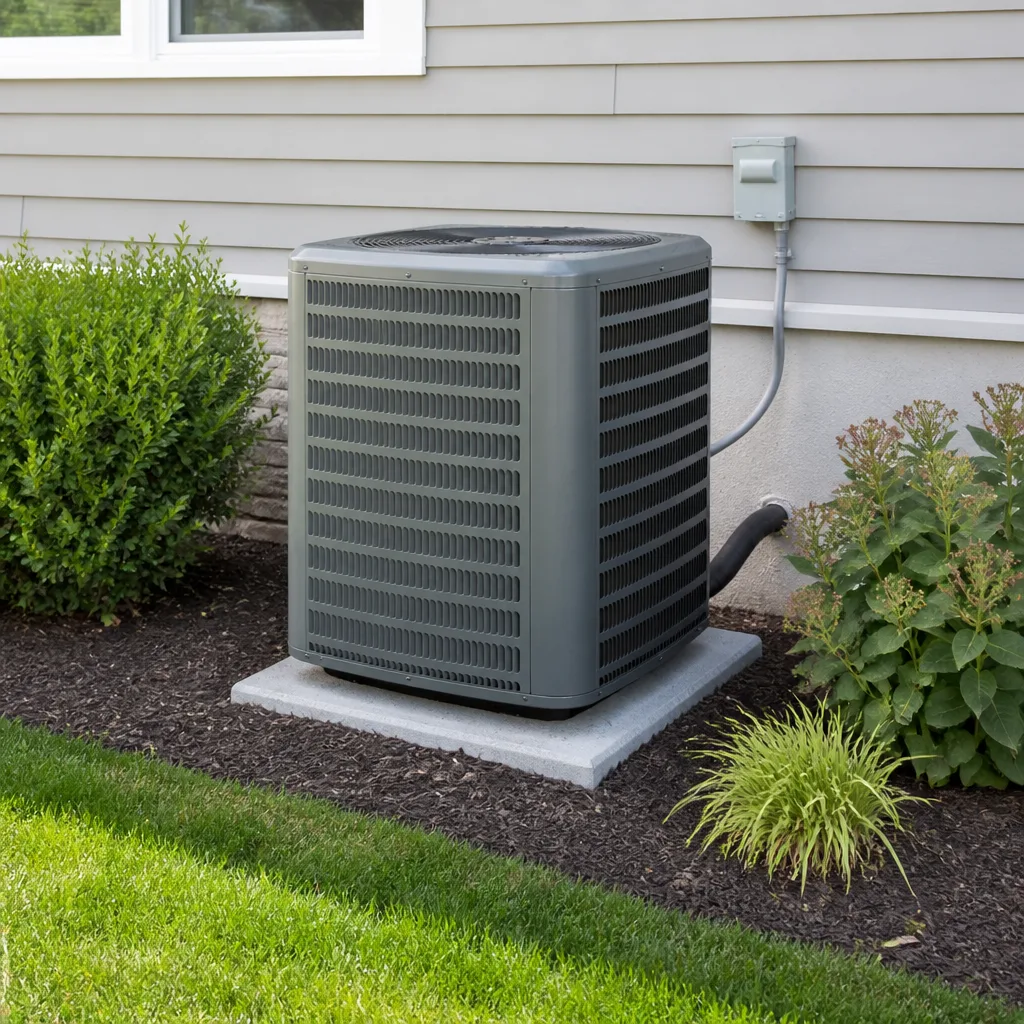 Goodman
Seasonal tune-up and full diagnostic on your Carrier, Trane, or Goodman system - readings shown to you before any repair is proposed
Diagnosis first, numbers second - you approve the repair price before a single part goes in.
Get your free estimateHeat Pump & Mini Split Troubleshooting: Common Problems and How to Fix Them
The single most common mini-split service call we get is for a unit that’s “not cooling” – and in about 30% of those visits, the fix is a clogged filter or a tripped breaker the homeowner could have handled in four minutes. Not a refrigerant leak. Not a dead compressor. A filter you can rinse in the sink and a breaker you can flip. That number is real, and it’s the reason this guide exists. Mini-split error codes are written by engineers for engineers. A blinking E6 or P4 on your display tells you nothing about whether to grab a screwdriver or grab the phone. So here’s the plain-language triage, written from Spring Valley, where a heat pump works harder than almost anywhere in the country.
Quick Answer
Most mini-split “not cooling” problems come down to three things you can check in four minutes: a clogged air filter, a tripped breaker, or a thermostat set wrong. If those are clean and clear and the unit still blows warm air, or you see ice on the line set or a repeating error code on the display, it’s time for a licensed tech – refrigerant work is not a homeowner job. The guide below sorts every common symptom into “you can handle this” versus “call someone.”
Styles & brands we work with
- AC repair
- Furnace & heating
- Heat pumps
- Ductless mini splits
- Carrier
- Trane
- Goodman
Table of Contents
- Start With the Symptom, Not the Code
- The Four-Minute Check Before You Call Anyone
- Unit Runs But the Room Won’t Cool
- Decoding the Common Error Codes
- Ice, Oil Stains, and the Refrigerant Truth
- Defrost Cycle vs. Refrigerant Problem
- What We Check in the First Ten Minutes
- It’s Blowing Warm Air in Heat Mode
Start With the Symptom, Not the Code
Most homeowners never see a code until after they notice a problem. You notice it’s blowing warm air. You notice a weird smell. You notice the outside unit is steaming or the indoor head is dripping water. The display comes later, if it comes at all. That’s why a symptom-first troubleshooting tree beats a code-first one every time.
Here’s how to think about it. Before you ever stare at that blinking display, ask three questions:
- Is it running at all? Fan moving, air coming out, unit responding to the remote.
- What is it doing wrong? Warm air, weak airflow, strange noise, water, ice, or a smell.
- When did it start? Right after a power blip, after a filter change, mid-heat wave, or gradually over weeks.
Those three answers narrow the problem faster than the code does. In our experience across Spring Valley, the “right after a power blip” answer alone points you to a tripped breaker about half the time. And in a place where summer afternoons run past 105 degrees and monsoon storms knock the grid around, power blips are a weekly thing. The code is useful, but the symptom is the map.
The Four-Minute Check Before You Call Anyone
Run this list in order before you pick up the phone. It costs nothing and it solves about a third of the no-cool calls we make.
- Check the filter. Pop the front panel on the indoor head, pull the mesh filter, and hold it up to the light. If you can’t see through it, it’s clogged. Rinse it in lukewarm water, let it dry, put it back. Spring Valley’s dust and pollen load clogs filters fast – a unit near an open patio or a dirt road can clog one in three weeks during a dry spring.
- Check the breaker. Go to the panel and look for a tripped breaker on the mini-split’s circuit. Flip it fully off, then back on. Sometimes the outdoor unit trips and the indoor head keeps running, so you get weak or warm air with a fan still moving.
- Check the remote. Confirm it’s set to COOL, not FAN or AUTO, and that the setpoint is actually below room temperature. Sounds obvious. It happens every week.
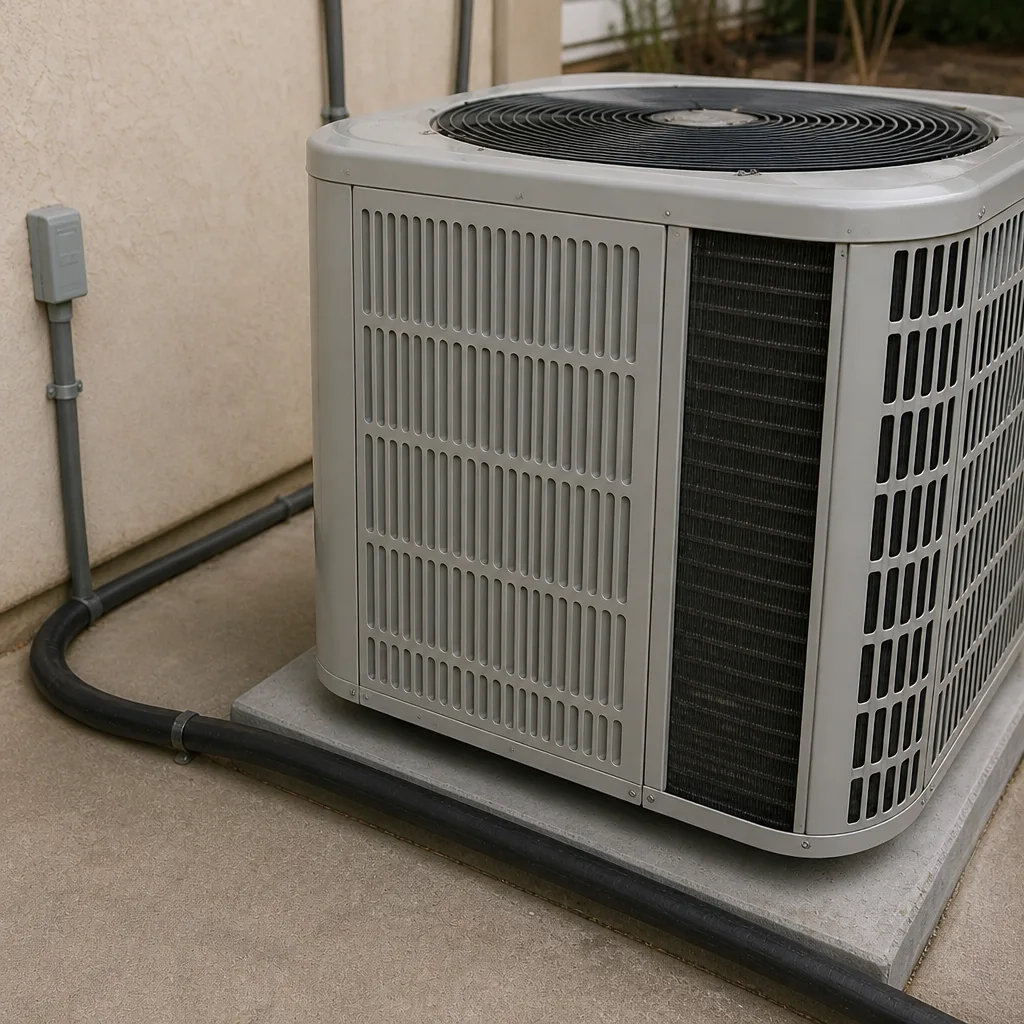
- Check the outdoor unit. Is the fan spinning? Is there debris (leaves, cottonwood fluff, a tarp) blocking the coil? Is the unit buried in weeds? Clear the space around it.
If all four are clean and the unit still won’t cool, you’ve done your part. That’s when a licensed hand earns their keep. Ray’s Heating & Air handles heat pump and mini-split work in Spring Valley and can talk you through what you’re seeing before anyone rolls a truck.
Unit Runs But the Room Won’t Cool
This is the sneaky one. The unit is on. The fan blows. The room just stays warm. Nine times out of ten, it’s not the equipment – it’s how the equipment was installed or how you’re using it.
Undersized installs. A mini-split sized by guesswork instead of a load calculation will run nonstop and never catch up on a 108-degree Spring Valley afternoon. We’ve walked into plenty of Spring Valley homes where a single 12,000-BTU head was asked to cool an open-plan living room and kitchen. It can’t. No repair fixes that. Only a properly sized system does.
Closed doors and blocked airflow. Mini-split heads push air across the room. If a couch, a curtain, or a bookshelf sits in front of the head, the cold air pools at the ceiling and the room stays warm. Same story with doors: a head in one room won’t cool a hallway if the connecting door is shut.
Thermostat placement. The temperature sensor lives inside the indoor head or in the remote, depending on the model. If the head is mounted above a heat source, near a sunny window, or in a spot where hot air pools, it reads the wrong number and shuts off early. A remote-control sensor left on the kitchen counter reads the kitchen, not the bedroom.
Walk through those three before you assume the system is broken. If the unit is the right size, the airflow is clear, and the room still won’t cool, that’s a diagnostics call.
Decoding the Common Error Codes
Every brand writes its own codebook, and the same two letters mean different things on a Lennox than they do on a Goodman. But a handful of codes show up again and again, and it helps to know the neighborhood. Here’s the plain-language version.
- E1 / E2 (communication or room-temp sensor fault): The indoor and outdoor units have stopped talking, or a temperature sensor has failed. Sometimes a power cycle clears it. If it returns, a sensor or board is the likely culprit.
- E6 / communication error: Usually a wiring or control-board problem between the head and the condenser. Not a homeowner fix. Needs a meter and a wiring diagram.
- P4 / high-pressure or overheat protection: The system is protecting itself. Common causes are a dirty outdoor coil, a blocked fan, or low airflow indoors. Often paired with a unit that shuts itself off after a few minutes.
- F-series codes: On many brands, an F code points at a sensor or a refrigerant-side fault. Don’t guess. Note the exact code.
- H-series codes (defrost): On a heat pump in heating mode, an H code often means the unit is in a defrost cycle, which is normal. More on that below.
Here’s the honest part: a code tells a technician where to look. It almost never tells a homeowner what to fix. Write the code down, note what the unit was doing when it appeared, and hand both to the person at your door. That single habit gets you a faster, more accurate diagnosis than any code chart on the internet.
Ice, Oil Stains, and the Refrigerant Truth
If you see ice on the copper line set or the indoor coil, that’s a refrigerant problem until proven otherwise. A low charge makes the coil run colder than it should, and that cold coil frosts over and freezes. Ice is the system’s way of saying “I’m low on refrigerant” or “I can’t move enough air across this coil.”
The other tell is oil. Refrigerant carries a little oil with it. Where a fitting is leaking, you’ll often see a dark, oily stain or a greasy film on the brass. That stain is the leak’s fingerprint.
What You Can Check:
- Is the indoor filter clean? A clogged filter mimics a low charge by choking airflow.
- Is the outdoor coil clear of leaves and debris?
- Is the indoor fan actually moving air, or barely breathing?
What You Should Not Do: Add refrigerant yourself. Refrigerant handling is regulated under EPA Section 608, and a can of “top-off” gas from a big-box store is not a repair – it’s a delay that hides the leak and can damage the compressor. A proper repair means finding the leak, fixing it, pulling a vacuum, and charging to the manufacturer’s spec. A top-off that skips the leak hunt will just leak again.
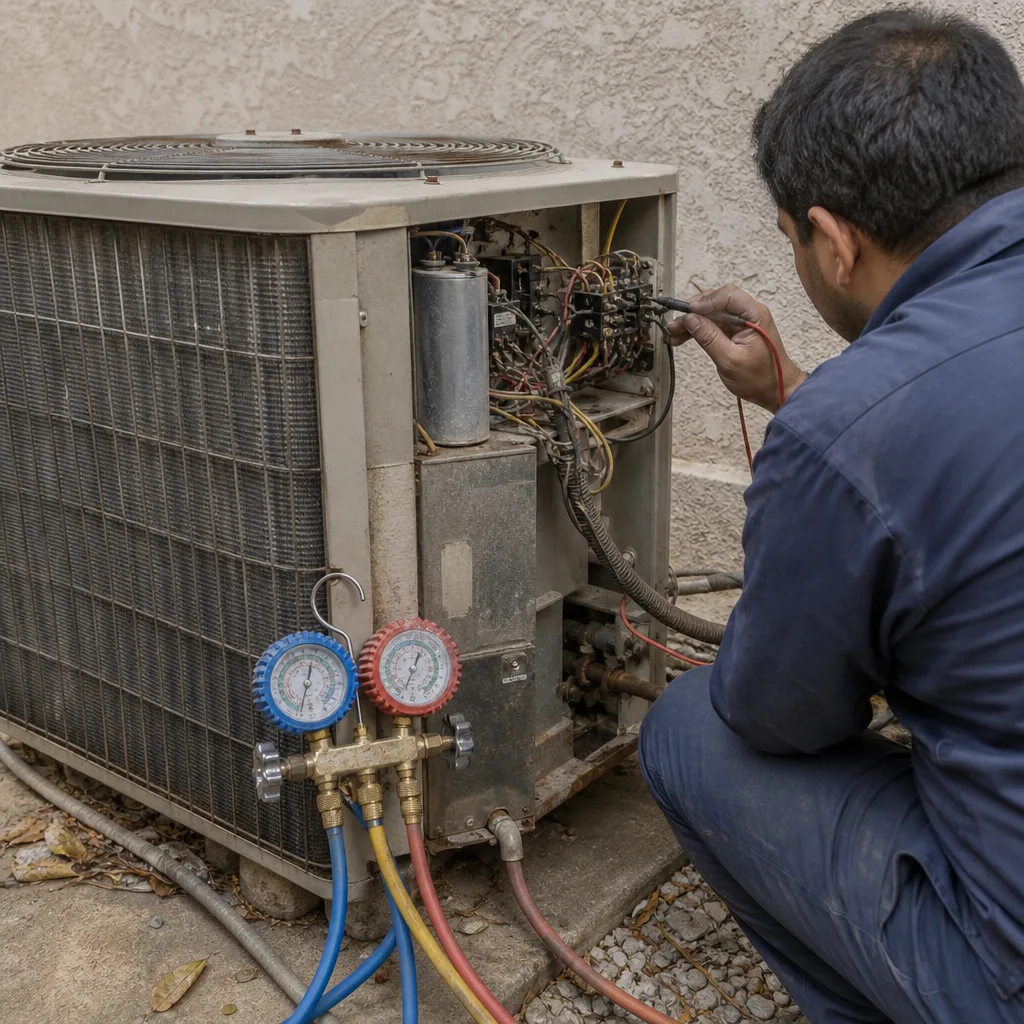
Ray’s Heating & Air tests the capacitor and checks pressures before anyone says the word “compressor.” Readings first, numbers second – you’ll see both.
Defrost Cycle vs. Refrigerant Problem
This confusion drives a lot of unnecessary service calls, especially in the shoulder months. Both look like steam. One is normal; one isn’t.
Defrost cycle (normal). In heating mode, a heat pump pulls warmth from the outdoor air, and the outdoor coil can frost up. The unit reverses itself briefly to melt that frost. You’ll see steam rising off the outdoor unit, hear the fan stop or the compressor change tone, and the indoor head may pause. It usually lasts a few minutes and cycles off on its own. On a chilly Spring Valley morning, this is exactly what you want to see.
Refrigerant issue (not normal). If the outdoor unit steams, but the indoor head keeps running and the frost never clears, or you get ice that stays for hours, or the pattern repeats every few minutes without a real melt, that’s not a healthy defrost. That’s the system fighting a low charge or a bad defrost sensor.
The simple test: watch it for ten minutes. A normal defrost ends. A refrigerant problem doesn’t.
What We Check in the First Ten Minutes on a No-Cool Call
If you can relay any of these over the phone, the person on the other end can often tell you what’s wrong before the truck moves. That saves you a diagnostic fee and gets the right parts on the first trip.
- The filter and the airflow. Clean filter? Strong airflow at the indoor head? Weak airflow points to a dirty coil or blower.
- The breaker and the power. Did anything trip? Did the outdoor unit’s fan run at all?
- The display and any stored codes. The exact letters and numbers, not “some code.”
- The line set and the coil. Ice, frost, or oil stains anywhere on the copper or at the fittings?
- The call history. When did you last have it serviced? Was it cooling fine two weeks ago and slowly quit, or did it stop dead overnight?
That last one matters more than people think. A slow decline usually points to a leak or a dirty coil. A sudden stop usually points to electrical. Hand those five answers to Ray’s crew and the diagnosis gets faster and cheaper. And that’s the point.
It’s Blowing Warm Air in Heat Mode
For the cold months, a heat pump that blows cold air when you want heat is the flip side of the same coin. A few causes to rule out first:
- It’s in defrost. See above. Give it ten minutes.
- The outdoor unit is iced solid. Not the normal defrost pattern – a thick, persistent ice blanket that never clears. That’s a defrost fault or a low charge.
- It’s set to COOL or FAN by accident. Check the remote mode.
- The aux heat isn’t kicking in. Some systems use electric strip heat as backup on the coldest mornings. If it’s not engaging, the room stays cold even though the pump runs.
Our Heating & Furnace service in Spring Valley covers the heat-pump side of this too. If your heat pump is the only heat in the house and it’s blowing cold on a 30-degree night, that’s a real call, not a “wait until Monday” call.
Common Mistakes to Avoid
- Topping off refrigerant from a store can. It hides the leak, can damage the compressor, and it’s not legal to handle refrigerant without certification. A proper repair finds the leak first.
- Running the unit with ice on the coil. Some people run it “until it cools.” That just stresses the compressor. Turn it off and call.
- Ignoring a stuck filter in Spring Valley’s dry, dusty springs. In our part of the valley, a filter can clog in weeks. A monthly rinse is the cheapest maintenance you’ll ever do.
- Ignoring a small water drip from the indoor head. A clogged condensate drain line can overflow and damage drywall. In the summer moisture swings, that’s a constant problem here.
- Assuming the unit is broken when it’s undersized. A guest-house unit sized for 400 square feet won’t cool 700. No repair fixes a sizing problem.
- Resetting the breaker over and over. If it trips twice, stop. A recurring trip is a wiring or component fault, and forcing it back on can cause real damage.
- Never cleaning the outdoor coil before summer. In Spring Valley, a coil packed with cottonwood fluff and dust loses a big chunk of its cooling capacity before July even arrives.
See the difference
 Before
 After
 Before
 After
 Before
 After
When to Call a Professional
Call in – don’t wait – if you see ice on the line set or the coil, an oil stain near a fitting, a repeating error code that won’t clear, a breaker that trips twice, a unit that runs but never cools after the four-minute check, or a heat pump blowing cold on a winter night. Same if you smell burning, hear a grinding noise, or see water pooling around the indoor head.
Anything involving refrigerant, wiring, or a control board is a licensed job. The safety edge is real: refrigerant is a pressurized gas, live circuits are live, and a mistake can damage the compressor or worse. Ray’s Heating & Air Spring Valley offers free estimates in Spring Valley – call (833) 620-7288. Phones are answered by a live person around the clock, every day, and there’s never a voicemail maze.
Frequently Asked Questions
The most common causes are a clogged filter, a tripped breaker, blocked airflow around the indoor head, or a dirty outdoor coil. Check those four in that order. If they’re all clean and the unit still blows warm air, or you see ice on the copper line, it’s a refrigerant or control-board issue that needs a licensed tech.
E6 almost always points to a communication fault between the indoor unit and the outdoor condenser – often a wiring or control-board problem. A power cycle sometimes clears it. If the code comes back, call a tech; it’s not a homeowner fix.
Yes. Ice on the copper line set or indoor coil usually means the system is low on refrigerant or can’t move enough air across the coil. Turn the unit off and get a tech to look. Running it with ice can stress the compressor.
A defrost cycle is normal and short – the outdoor unit steams, the fan may pause, and it clears in a few minutes. A refrigerant problem looks similar but the frost never fully clears, or it ices over solid and stays that way. Watch for ten minutes: a healthy defrost ends, a bad one doesn’t.
Often it’s not the equipment. An undersized head, a closed door blocking airflow, or a thermostat sensor reading the wrong spot will keep a room warm even with a perfectly working system. Measure the room, clear the airflow, and check the remote sensor location before assuming the unit is broken.
Often, yes. For a no-cool call in Spring Valley, we can usually get someone out the same day for diagnostics, and the four-minute filter-and-breaker check above solves roughly a third of these calls before anyone rolls a truck. Call (833) 620-7288 and tell us exactly what you’re seeing – the answer might save you a visit.
The Bottom Line
Most mini-split “it’s not cooling” problems are a clogged filter, a tripped breaker, or blocked airflow – a four-minute fix, not a service call. The ones that aren’t break down into two buckets: refrigerant problems (ice, oil stains, a leak) and control problems (a repeating code, a warm-air heat pump). Bucket one is a licensed job, every time. Bucket two needs a meter and a wiring diagram. Know which bucket you’re in before you pick up the phone, tell the tech exactly what you saw, and the diagnosis gets faster and cheaper. That’s the goal.
When the four-minute fix doesn’t do it, Ray’s Heating & Air is here. Call (833) 620-7288 for a free estimate – live person, no voicemail maze, and a name and license number you can check before anyone shows up.
For a broader look at our services, visit Ray’s Heating & Air Spring Valley home, our AC Repair & Installation in Spring Valley page for cooling-season work, or our Heat Pump & Mini Split in Spring Valley page for system-specific service.
Written by the team at Ray’s Heating & Air Spring Valley.