
Last updated November 18, 2026
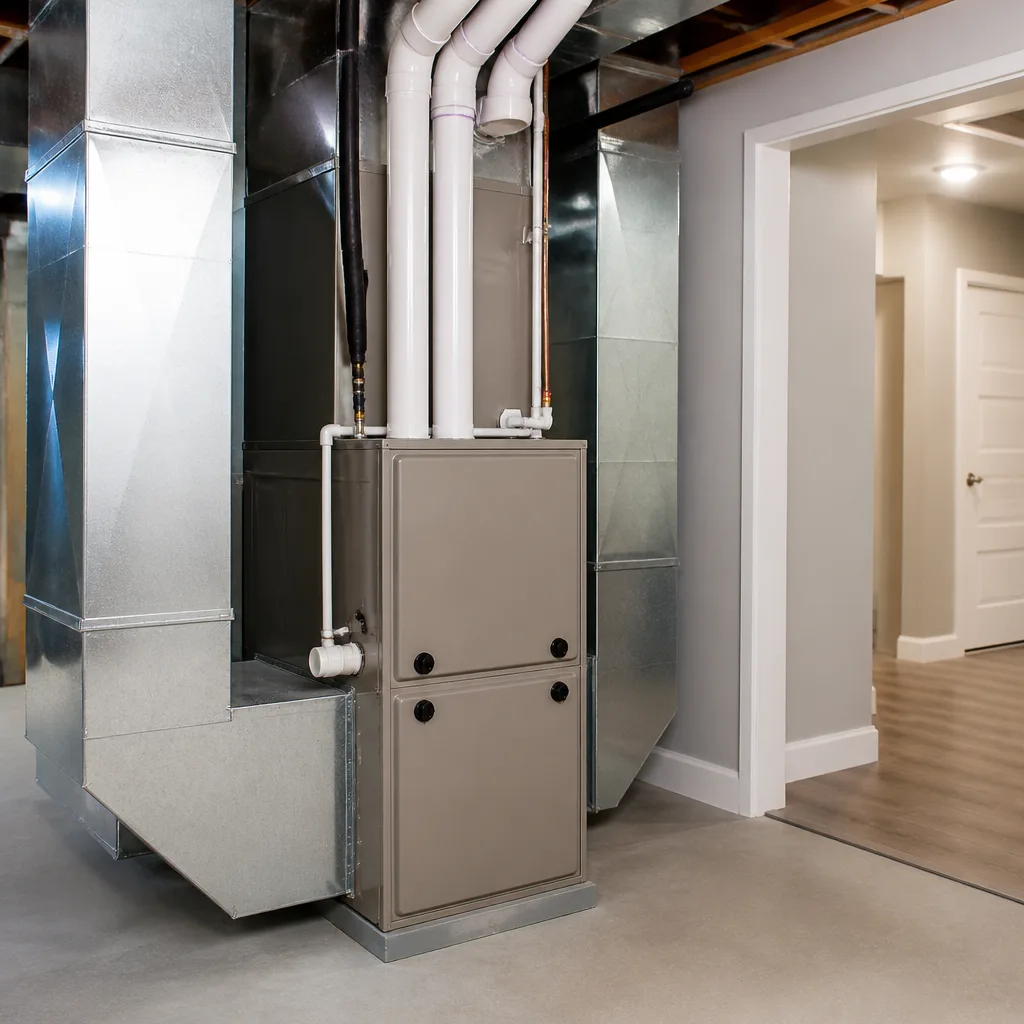 Furnace & heating
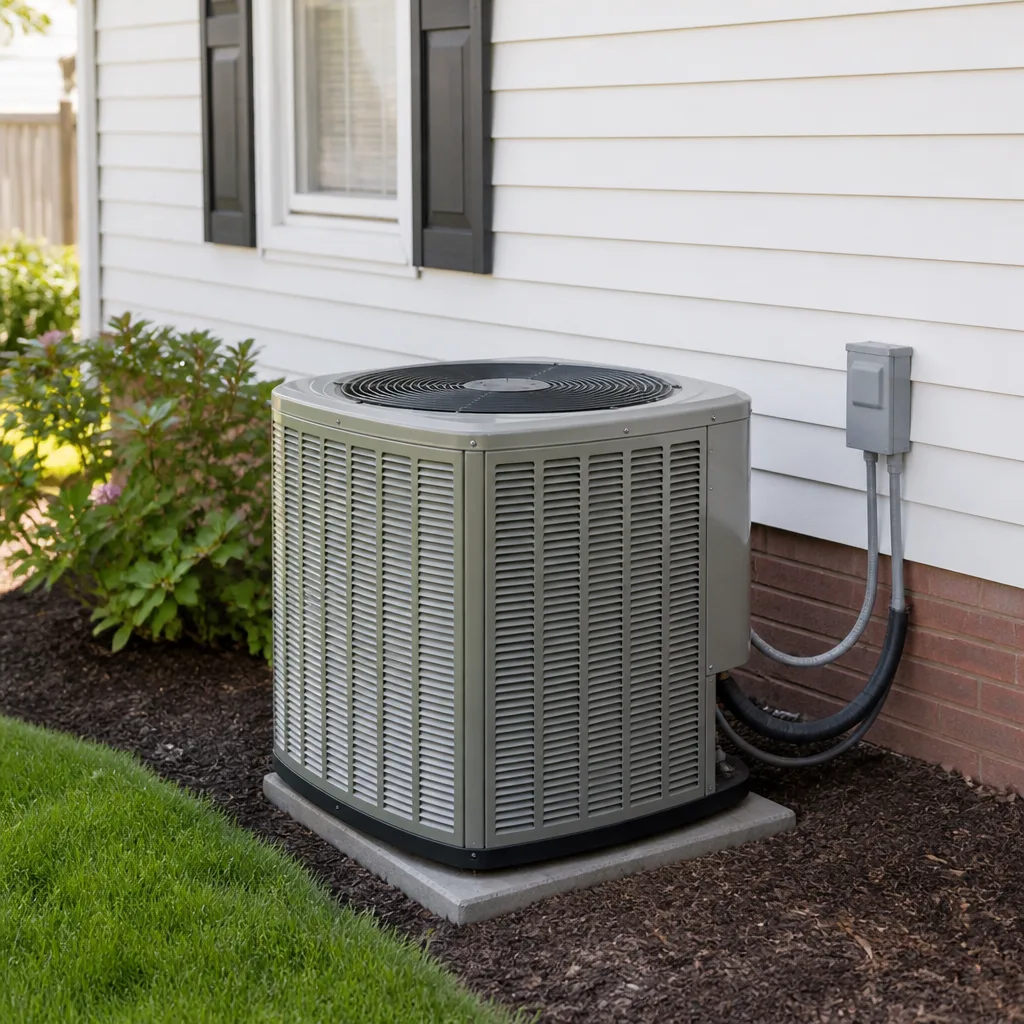 AC repair
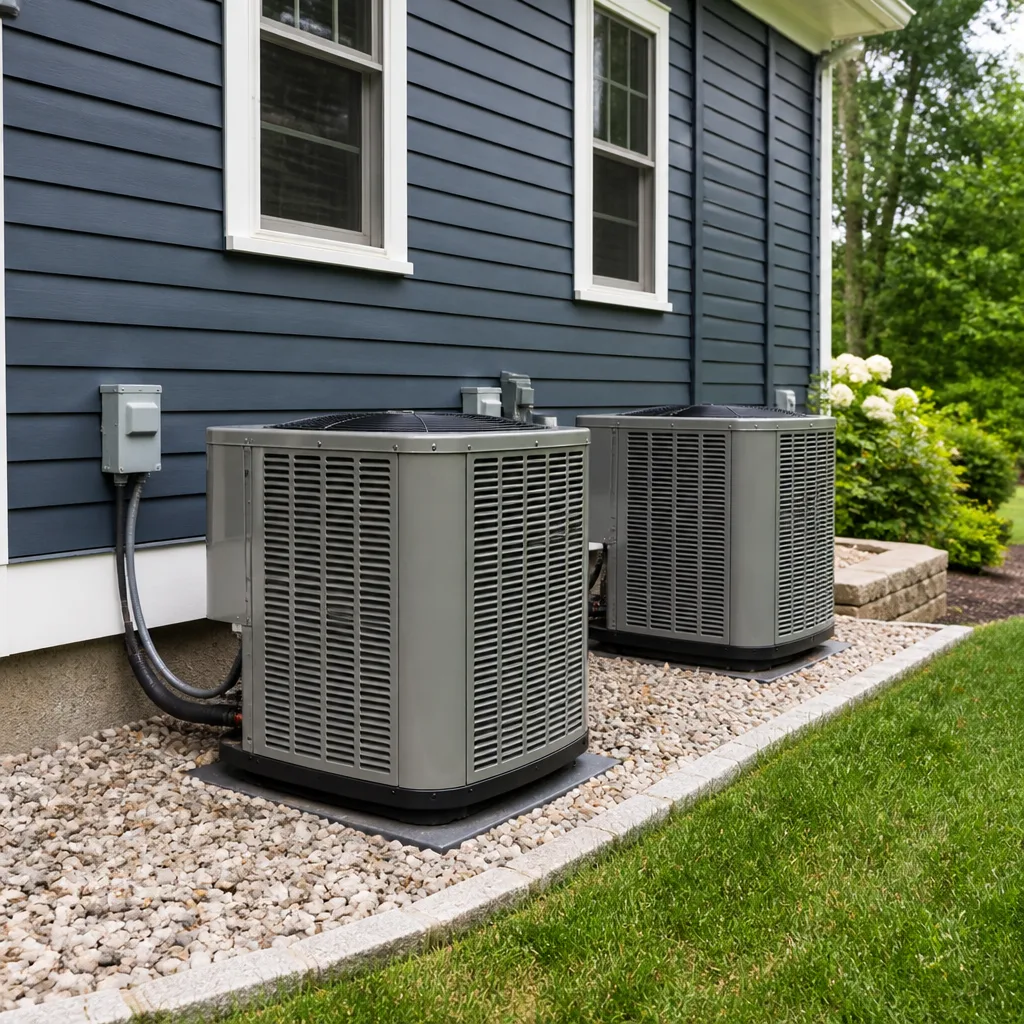 Heat pumps
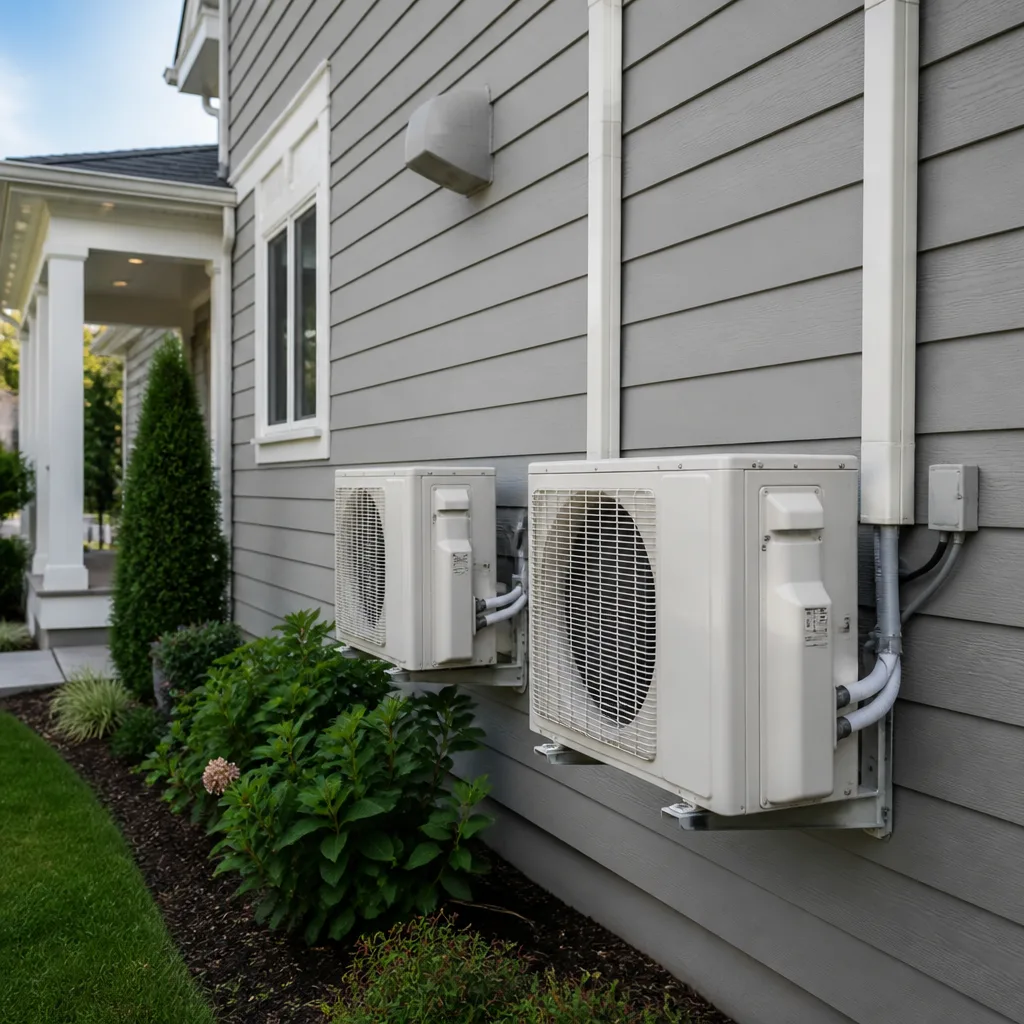 Ductless mini splits
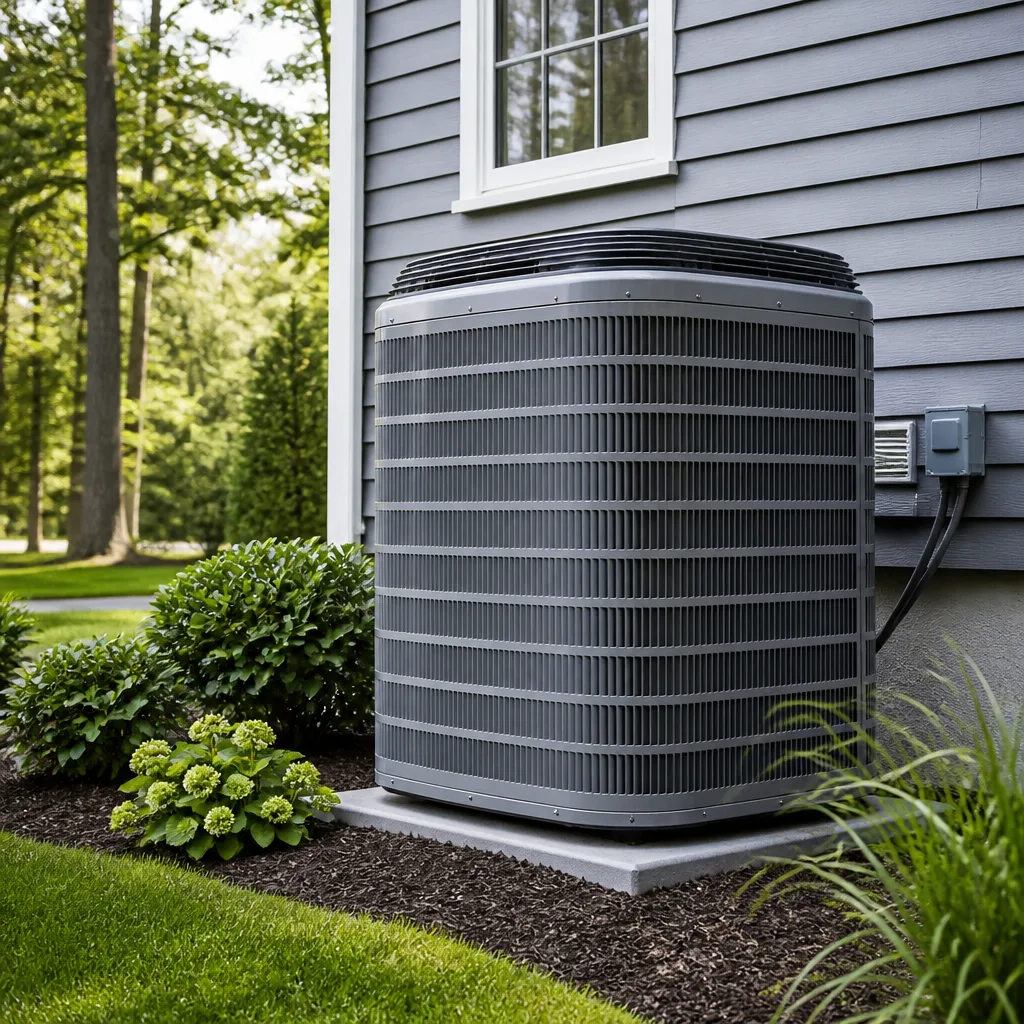 Carrier
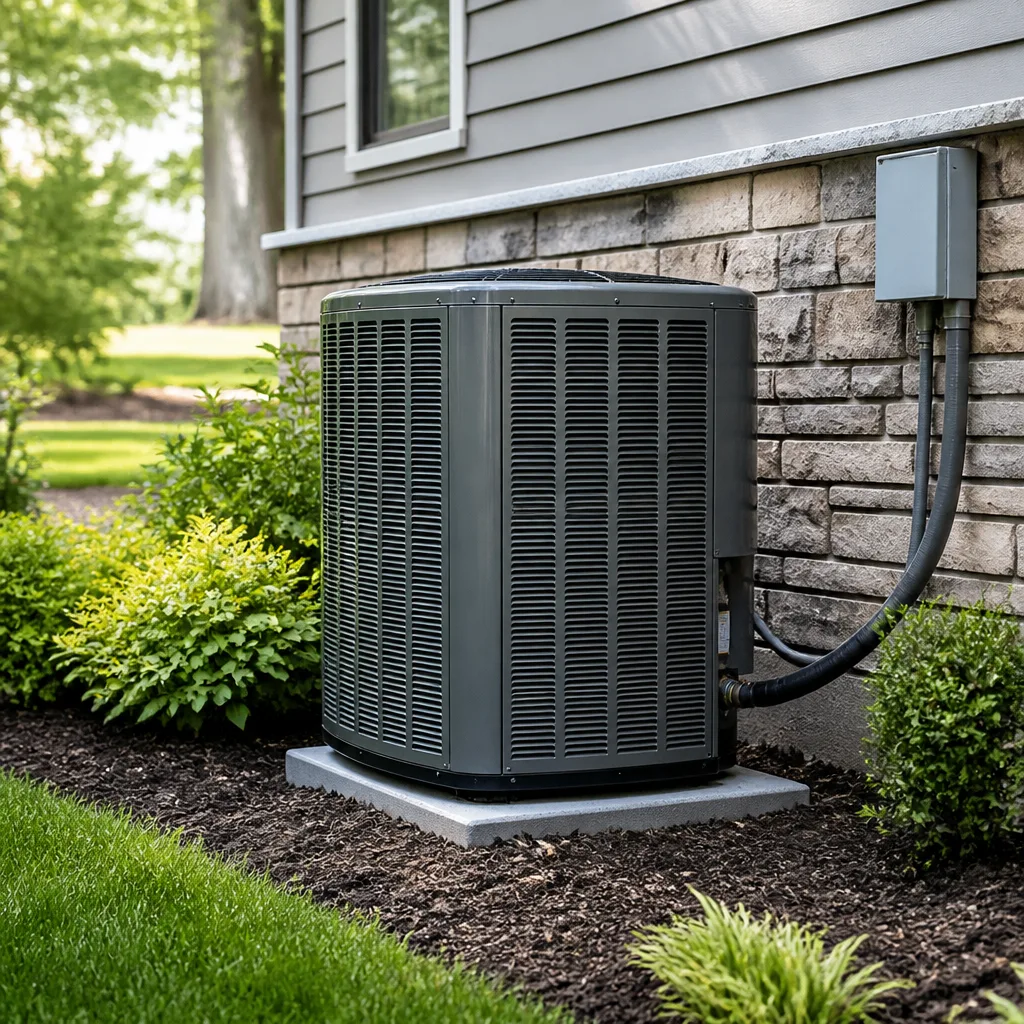 Trane
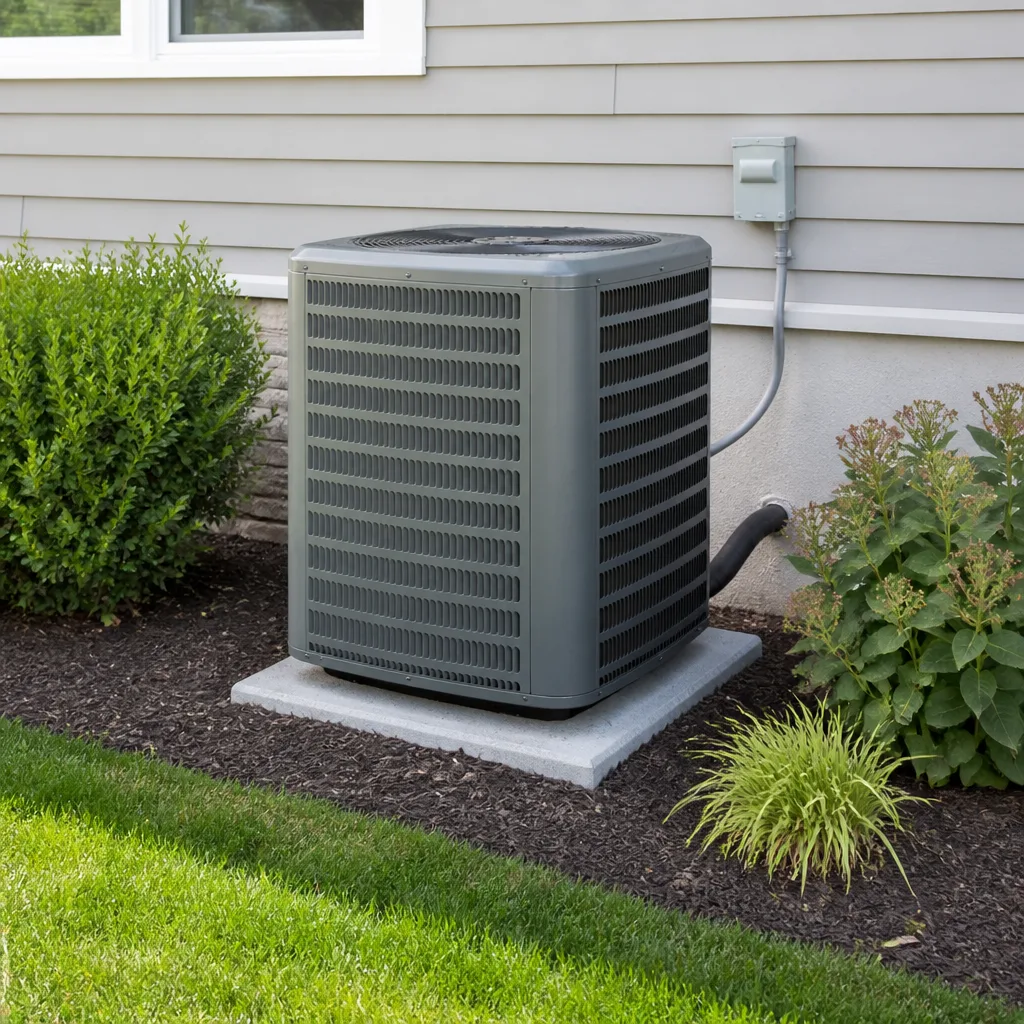 Goodman
Seasonal tune-up and full diagnostic on your Carrier, Trane, or Goodman system - readings shown to you before any repair is proposed
Diagnosis first, numbers second - you approve the repair price before a single part goes in.
Get your free estimateHeating & Furnace Troubleshooting: Common Problems and How to Fix Them
The number one furnace call we get every December in Spring Valley isn’t a broken part. It’s a flame sensor so coated in oxidation from sitting idle all summer that the furnace lights, doesn’t “see” the flame, and shuts itself off in about three seconds. A piece of steel wool and ten minutes fixes it. But you have to know what you’re looking at. That’s the wrinkle cold-climate troubleshooting guides skip entirely: most furnace failures here aren’t from wear and tear, they’re from dormancy. This guide walks through the five things that fail because your furnace sat untouched for eight months in desert heat, how to read the LED blink codes on the brands in Spring Valley tract homes, and the one problem where “I’ll wait and see” is genuinely dangerous.
Quick Answer
Most furnace failures in Spring Valley come from dormancy, not wear: a dirty flame sensor, a seized inducer motor, or a cracked ignitor that sat idle since February and got asked to work in December. Start by checking your filter, your thermostat batteries, and the LED error code on the control board. If you smell gas or see a cracked heat exchanger, stop and call a professional.
Styles & brands we work with
- AC repair
- Furnace & heating
- Heat pumps
- Ductless mini splits
- Carrier
- Trane
- Goodman
Table of Contents
- Why Desert Furnaces Fail: The Dormancy Problem
- A Dormancy-First Troubleshooting Sequence
- How to Read Your Furnace’s LED Error Code Without the Manual
- Filter Restriction: The Failure You Create Yourself
- Cracked Heat Exchanger: The One Problem You Don’t Wait On
- Pilot Light vs. Electronic Ignition
- Safety First: What Not to Touch
- When to Call a Professional
Why Desert Furnaces Fail: The Dormancy Problem
A furnace in most of the country runs seven or eight months a year. It stays warm, its moving parts stay limber, and problems show up gradually. A furnace in Spring Valley runs maybe three months, sometimes less. From March through November it sits in a garage or a closet, gathering dust, and the desert does things to idle equipment that cold climates never see.
We’ve pulled flame sensors out of Goodman and Rheem units in Spring Valley that were coated in a thin brown film of oxidation, thick enough to block the tiny current the board uses to confirm a flame. The furnace lights, the board doesn’t sense the flame, and the gas valve shuts off within seconds. The homeowner hears the burner fire, then quit, then fire, then quit. Three tries and the board locks out. That’s a ten-minute fix with steel wool and a screwdriver, but only if you know that’s what you’re looking at.
Here’s what actually goes wrong after eight months of sitting:
- Flame sensor oxidation. The most common December call. The sensor gets a film that blocks the flame signal.
- Seized inducer motor bearings. The inducer pulls combustion gases out of the heat exchanger. Idle for months in dry heat, the bearings dry out and the motor drags or won’t start. You’ll hear a hum but no airflow.
- Cracked hot-surface ignitor. These are ceramic and fragile. Temperature swings in an unconditioned closet plus a little dust can crack one while it sits. No glow, no ignition.
- Dust-clogged burners. Desert dust settles in the burner tubes and the orifices. Flame rolls instead of lighting cleanly.
- Spider webs and insect nests in the intake or pressure switch tubing. More common than you’d think out here. A mud dauber in a pressure switch port will keep the furnace from firing at all.
If your system is a heat pump rather than a gas furnace, the dormancy pattern is different and worth a separate read: see our Heat Pump & Mini Split in Spring Valley page for what fails after a long idle season on those systems.
A Dormancy-First Troubleshooting Sequence
Do these in order. Most homeowners find the problem in the first four steps, before they’ve touched anything with a screwdriver.
- Check the thermostat first. Batteries, mode (Heat, not Auto or Cool), and setpoint. A thermostat on Cool mode in December will run the outdoor unit and never fire the furnace. If you have a smart thermostat, check whether a schedule or a geofence setting is holding it off.
- Check the filter. Pull it out and hold it up to a light. If you can’t see light through it, it’s starving the system. We’ll get to why that matters in a minute.
- Check the breaker and the furnace switch. There’s usually a light switch or a toggle near the furnace, often on the side of the unit or on the wall. Someone turned it off in March and forgot.
- Check the gas valve. The manual shutoff valve on the gas line to the furnace should be parallel with the pipe, not perpendicular. If it’s perpendicular, it’s off.
- Look at the LED on the control board. Most furnaces have a small blinking light on the board inside the access panel. That light is telling you exactly what’s wrong. See the next section.
If those five steps don’t get you there, you’re into flame sensor cleaning, ignitor inspection, and inducer diagnosis, which is where a lot of homeowners should stop and call. More on that below.
How to Read Your Furnace’s LED Error Code Without the Manual
Open the furnace access panel and look for a small LED on the control board. It blinks in a pattern. A steady blink means normal. A sequence of blinks followed by a pause is a fault code. You count the blinks, pause, and count the next set. Three blinks, pause, two blinks is code 32. That’s the language.
Here’s what those patterns typically mean on the brands installed in most Spring Valley tract homes. The exact code numbers vary by maker, but the blink language is close enough to get you pointed in the right direction.
- Goodman and Amana: A rapid single blink usually means a flame sense fault, which almost always traces to a dirty flame sensor after a long idle. Three blinks often means the pressure switch didn’t close, which is often a blocked inducer or a piece of tubing with a spider in it.
- Rheem and Ruud: A code in the 30s is typically a pressure switch or inducer fault. A code in the 50s is usually a flame sense or ignition lockout.
- York and Coleman: One blink often indicates a lockout after three failed ignition tries, which points you straight back at the flame sensor or the ignitor.
- Daikin and Amana (some models): Blink codes track closely to the Goodman family. A continuous rapid blink with no pause usually means the board itself is in a lockout state rather than reporting a new fault.
- Carrier, Bryant, and Payne: Codes run in the 30s for pressure switch and inducer faults, and in the 10s for ignition faults.
When in doubt, kill power to the furnace, find the sticker on the blower door or the back of the access panel, and match your blink count. If you’re staring at a code you can’t place, that’s a fine time to call. We troubleshoot these on every brand, and a quick call often saves a diagnostic fee. If your furnace is refusing to fire, our Heating & Furnace in Spring Valley page covers what a service visit looks like.
Filter Restriction: The Failure You Create Yourself
Desert dust is relentless. A 1-inch filter that a manufacturer says lasts three months in most of the country might need changing every four to six weeks in Spring Valley during a windy spring. Most homeowners stretch it to the season change. Some stretch it to “when I remember.” That’s when things go sideways.
A clogged filter restricts return airflow. The furnace’s blower has to work harder, the heat exchanger runs hotter than it’s designed to, and in a gas system that elevated temperature is exactly the condition that stresses the metal until it cracks. We’ve pulled heat exchangers out of Spring Valley furnaces that looked fine from the outside but had a hairline crack along the seam, and about half the time the homeowner admitted they were changing the filter “maybe once a year.”
Here’s how to tell if airflow starvation may already have done damage:
- You smell a faint metallic or exhaust-ish odor when the heat runs.
- The furnace short-cycles, running for a couple of minutes then shutting off before the house reaches setpoint.
- You see soot or dark scoring near the burner area.
- Your carbon monoxide detector alarms.
Change the filter every 30 to 60 days during heating season out here, and use a MERV 8 to MERV 11 rating. Going higher than MERV 11 in a system not designed for it chokes airflow just as badly as a dirty filter.
Cracked Heat Exchanger: The One Problem You Don’t Wait On
A cracked heat exchanger is the one furnace problem where “I’ll wait and see” is genuinely dangerous. The heat exchanger is the metal chamber that separates combustion gases from the air you breathe. When it cracks, carbon monoxide can enter your supply air. CO is colorless and odorless, and the symptom of exposure at low levels is a headache that feels like a bad day, not a poison.
What a failing heat exchanger looks, smells, and sounds like:
- Looks like: soot streaks near the burner, a visible crack or pitting when you look at the exchanger with a flashlight, discoloration along the seams.
- Smells like: a faint exhaust or metallic smell on startup, or the smell of formaldehyde that some people report when a crack first opens.
- Sounds like: a popping or rumbling that wasn’t there last winter, or an uneven flame that lifts off the burners.
If you suspect a cracked heat exchanger, shut the furnace off at the thermostat, shut the gas valve at the furnace, open a window, and call. Don’t turn it back on to “see if it happens again.” We treat a suspected crack as a no-heat emergency and get out the same day. Our AC Repair & Installation in Spring Valley page covers the cooling side of the same system, and the safety standards carry across both.
Pilot Light vs. Electronic Ignition
This distinction matters more than most guides admit, because the troubleshooting steps are completely different depending on which system you have. A standing pilot light has a small blue flame that’s always burning. Electronic ignition uses a hot-surface ignitor that glows red-hot only when the furnace calls for heat.
If you have a standing pilot:
- The flame should be blue and steady. A yellow or lifting flame is a sign of a dirty pilot orifice or a gas pressure problem.
- If the pilot’s out, the thermocouple is usually the culprit. That’s the small probe the pilot flame hits. A dirty or failed thermocouple won’t hold the gas valve open.
- Relighting a pilot per the manufacturer’s sticker is fine for most homeowners. Diagnosing gas pressure or thermocouple failure isn’t.
If you have electronic ignition:
- Watch for a glow at the ignitor when the thermostat calls for heat. If you see no glow at all, the ignitor is cracked or failed.
- If it glows but the gas doesn’t ignite, that’s a gas valve or flame sensor issue, not the ignitor.
- If it ignites and then shuts off in a few seconds, that’s almost always the dirty flame sensor we opened with.
Most of the furnaces we see in Spring Valley have electronic ignition. A failed ignitor is the second-most-common dormancy failure after the flame sensor. We keep the common ones on hand.
Safety First: What Not to Touch
Some of furnace troubleshooting is fine to do yourself: filters, thermostats, breaker checks, and reading an LED code. Some of it genuinely isn’t, and we’d rather you call than get hurt.
Don’t do these yourself:
- Don’t open the combustion chamber or pull a heat exchanger. That requires gas-rated tools and an inspection light, and a failed reassembly is a CO leak.
- Don’t bypass a pressure switch or a flame sensor. Never mind what a video told you. These are safety interlocks, and defeating them is how people die.
- Don’t work on gas piping or the gas valve. A leak in the gas line to the furnace is a fire or explosion risk. That’s a licensed call.
- Don’t reach into the blower compartment with the power on. The blower wheel will take a finger.
If you smell gas anywhere in the house, leave, call your gas utility from outside, and then call us. Gas smell is not a troubleshoot-it-yourself moment.
Common Mistakes to Avoid
- Skipping the filter because “it’s still winter and I changed it in October.” Desert dust doesn’t respect the calendar. We’ve seen 30-day filters clogged in three weeks during a windy March.
- Assuming the furnace is broken when the thermostat is on the wrong mode. More December no-heat calls than we’d like to admit end with a thermostat fix and no charge.
- Running the furnace with a suspected cracked heat exchanger because “it’s working fine otherwise.” CO exposure at low levels feels like a bad day. It can still be serious over a winter in Spring Valley.
- Replacing the flame sensor when the real problem is the board or the gas valve. There are four or five things that produce the same light-then-quit symptom, and only one of them is the sensor.
- Bypassing a safety switch to “get through the cold snap.” That’s the one shortcut that turns a repair call into a hazard call.
- Believing “I’ll get to it next fall” after a summer season of not touching the furnace. December in Spring Valley is when the backlog of dormancy failures hits all at once.
- Calling a national outfit that “dispatches the nearest tech” and getting a different face every winter. When the same person works on your system year after year, they know what your furnace has already survived.
See the difference
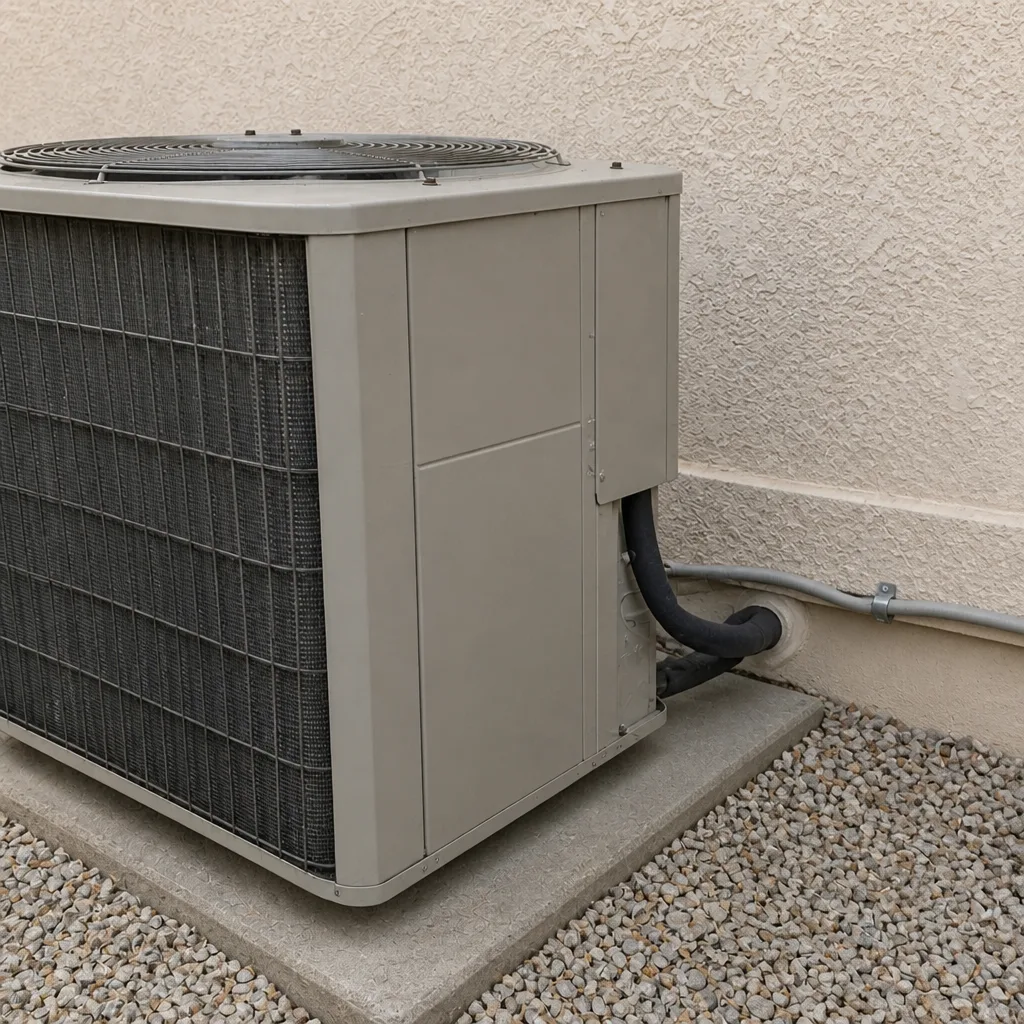
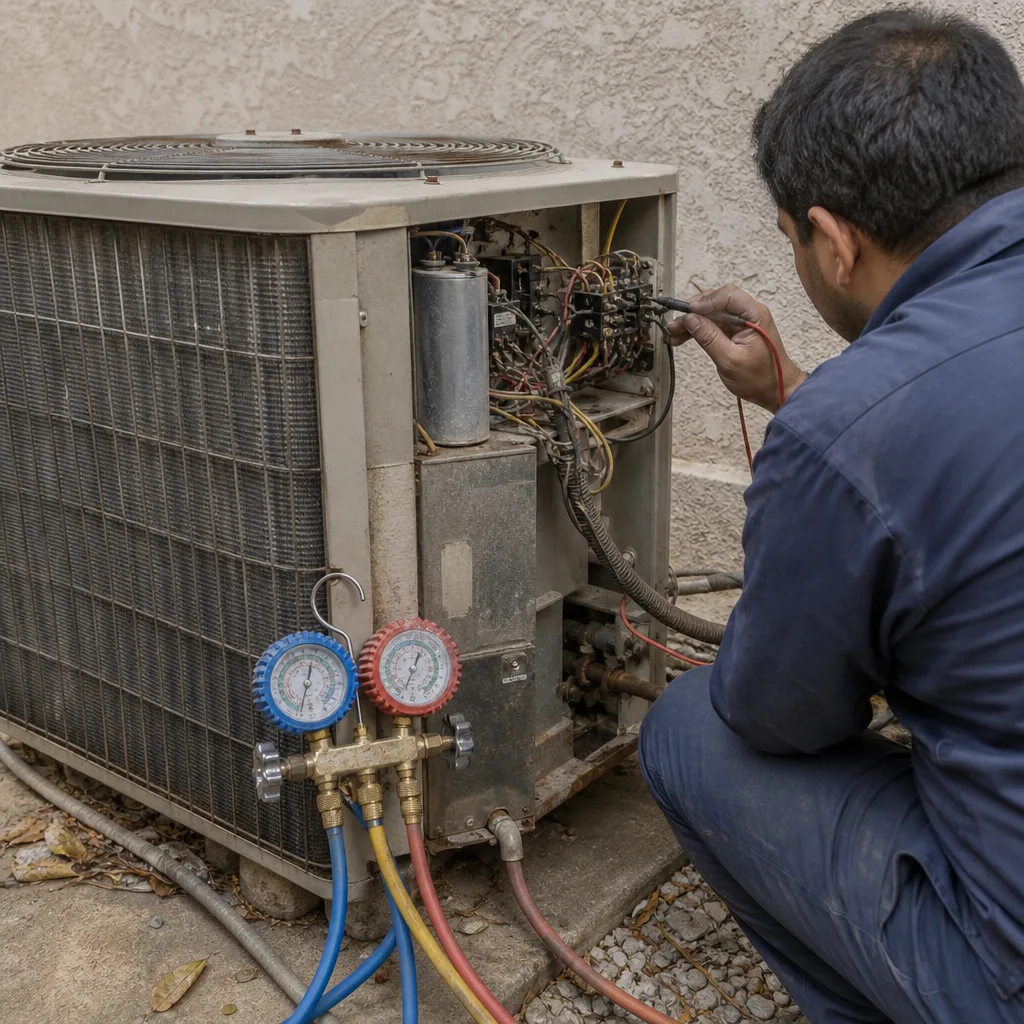 Before
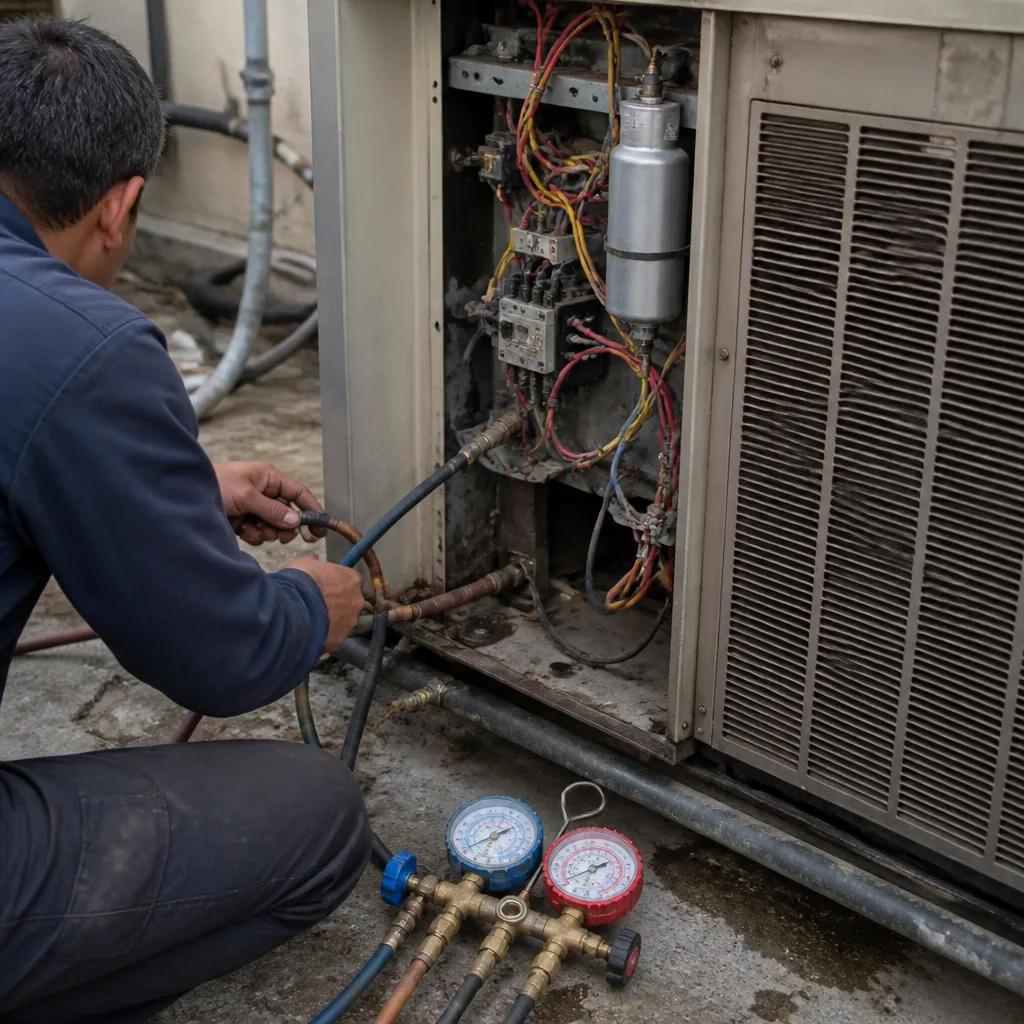
 After
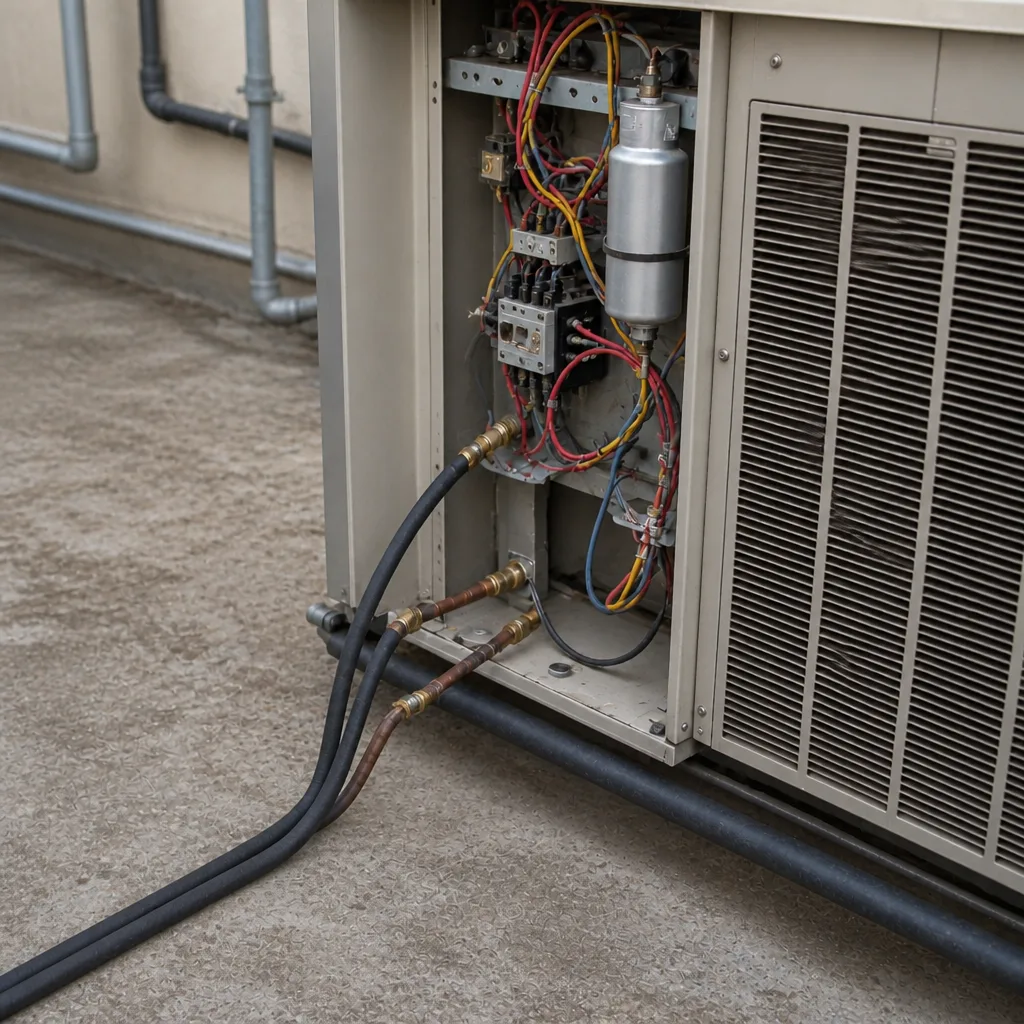
 Before
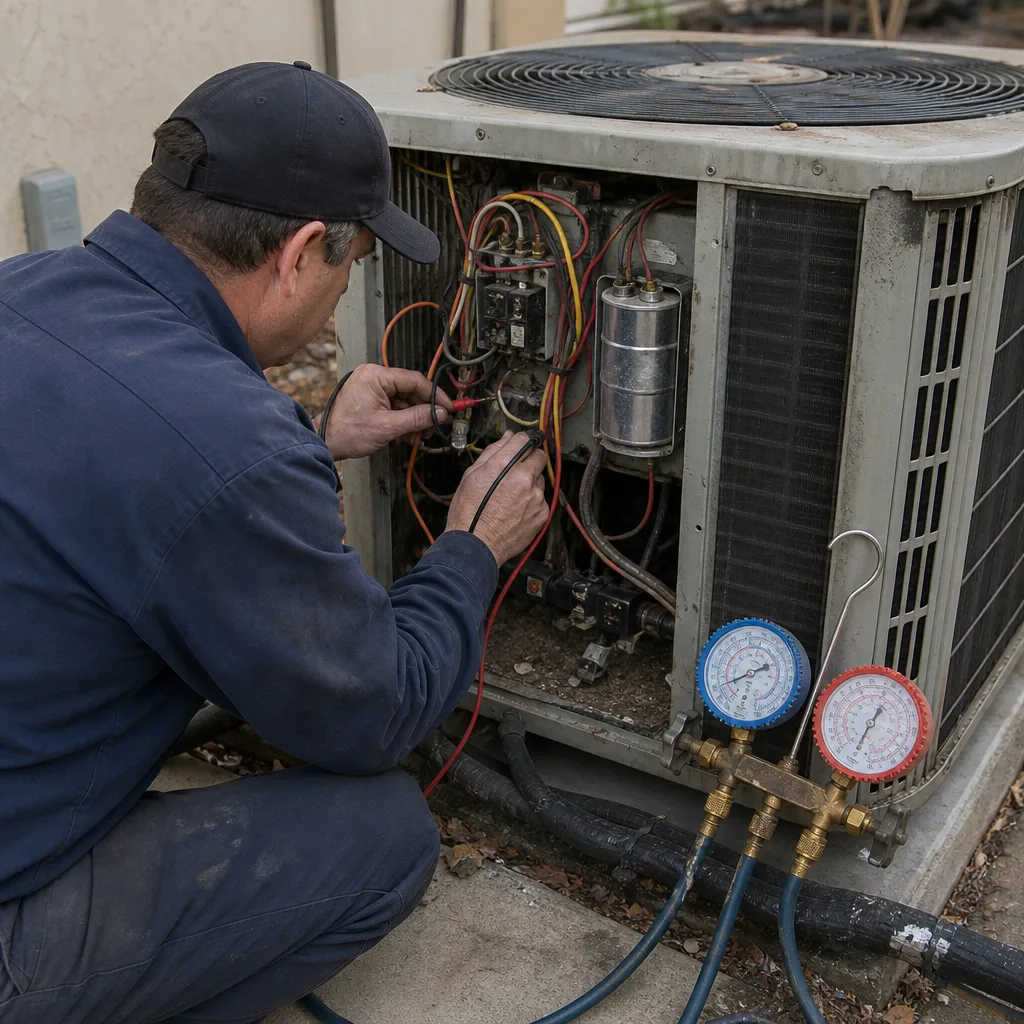
 After
 Before
 After
When to Call a Professional
Call us when: you smell gas, your CO detector alarms, you suspect a cracked heat exchanger, the furnace won’t stop short-cycling, you see a blinking error code you can’t place, the flame is yellow or rolling instead of blue, you’ve cleaned the flame sensor and the furnace still won’t stay lit, or the blower runs but there’s no heat at all. Those are the situations where a diagnostic visit saves you money and possibly a lot more. We give you a free second opinion on any written estimate, so if a national outfit has already quoted you, we’ll tell you what we think. Free estimates in Spring Valley. Call (833) 620-7288 for a visit today.
Frequently Asked Questions
That’s almost always a dirty flame sensor. The furnace lights, the sensor doesn’t confirm the flame, and the board shuts the gas valve off as a safety measure. Cleaning the sensor with steel wool fixes it about 80% of the time. If it doesn’t, the sensor itself or the board may have failed. Call (833) 620-7288 and we’ll take a look. Estimates are free.
Yes, if your furnace has a standing pilot and the manufacturer’s relighting sticker is legible on the unit. Turn the valve to Pilot, hold the button down, apply the flame, hold for 30 seconds, release. If the pilot won’t stay lit, the thermocouple has failed and needs a licensed repair.
Every 30 to 60 days during heating season, and shorter during a windy spring. Desert dust loads a filter faster than the manufacturer’s 90-day guideline assumes. A quick light test tells you whether it’s still flowing.
Yes. A crack allows carbon monoxide to mix into your supply air. CO is colorless and odorless, and the symptoms of exposure are easily missed. Any suspicion of a cracked heat exchanger means shut the system off, leave the area, and call a professional. (833) 620-7288 gets a live person, day or night.
Most diagnostic visits land in the $90 to $150 range for a standard visit, and we credit the fee toward the repair when you move forward. There’s no trip charge inside our county, and no-hassle upfront pricing means you see the readings and the numbers before any work begins. Call for an exact quote.
Past 15 to 18 years, repair starts to look like a poor investment if the fix is a heat exchanger, inducer, or control board. If the fix is under $400 and the system is otherwise healthy, repair. If you’re looking at $1,200 or more on a 20-year-old unit, replacement is usually the better call. We’ll give you the readings and let you make the decision. Free second opinion on any written estimate. Call (833) 620-7288.
The Bottom Line
Most Spring Valley furnace failures in December aren’t from wear. They’re from dormancy: flame sensors coated in oxidation, inducer motors that sat dry for eight months, ignitors that cracked in the heat. Start with the thermostat, the filter, the breaker, the gas valve, and the LED error code before you touch anything with a screwdriver. Clean the flame sensor if you know what you’re looking at. Call a professional for anything involving gas, combustion chamber, or a suspected cracked heat exchanger, because that’s the one where waiting isn’t safe. A little troubleshooting in October saves a cold December. Call (833) 620-7288 for a free estimate, and we’ll walk you through the whole system.
Written by the team at Ray’s Heating & Air Spring Valley.