
Last updated November 18, 2026
 AC repair
 Furnace & heating
 Heat pumps
 Ductless mini splits
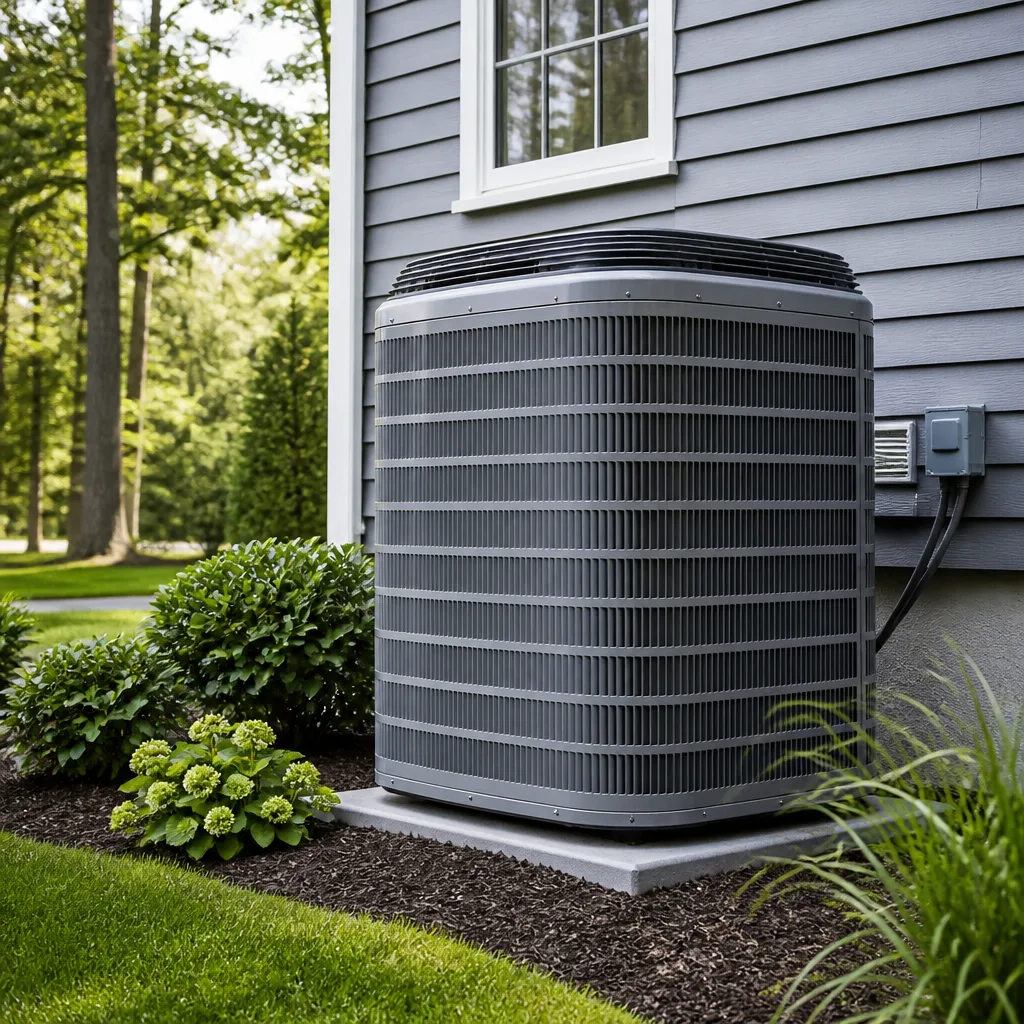 Carrier
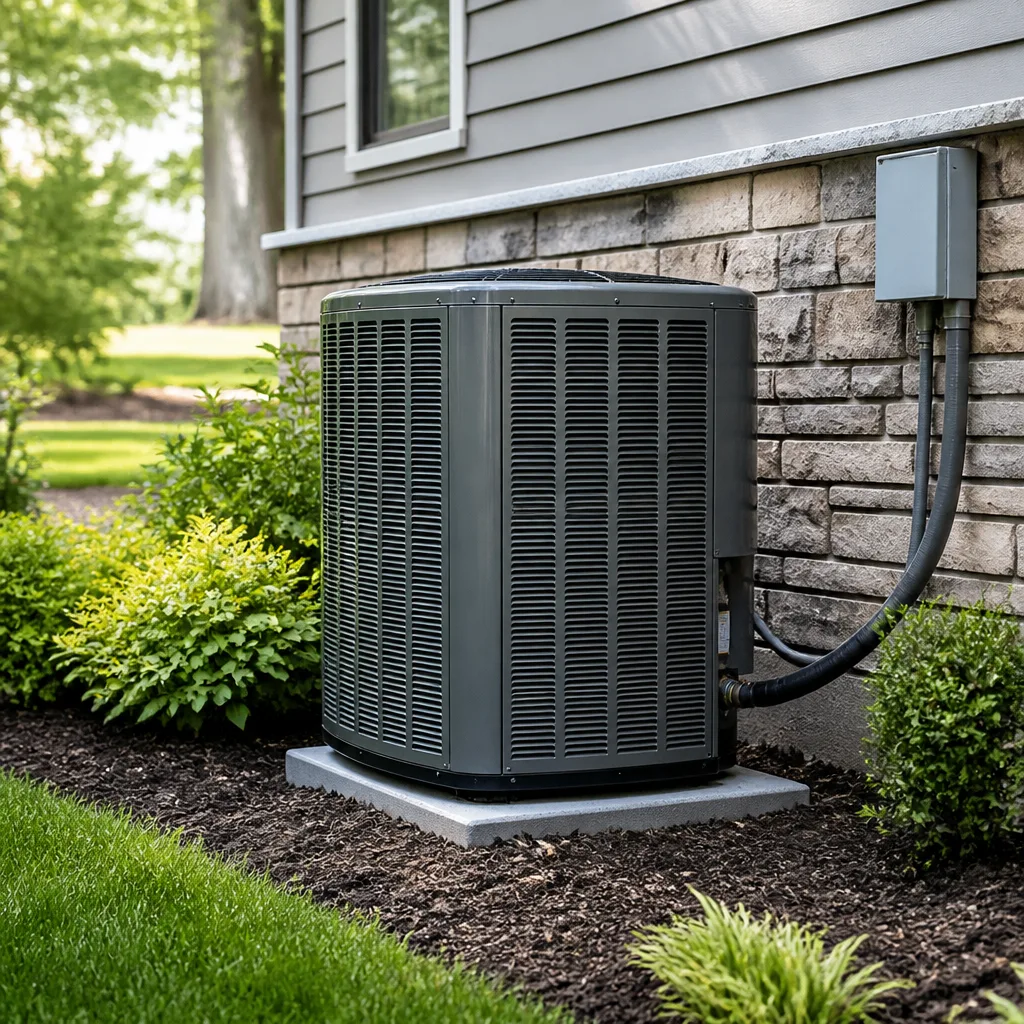 Trane
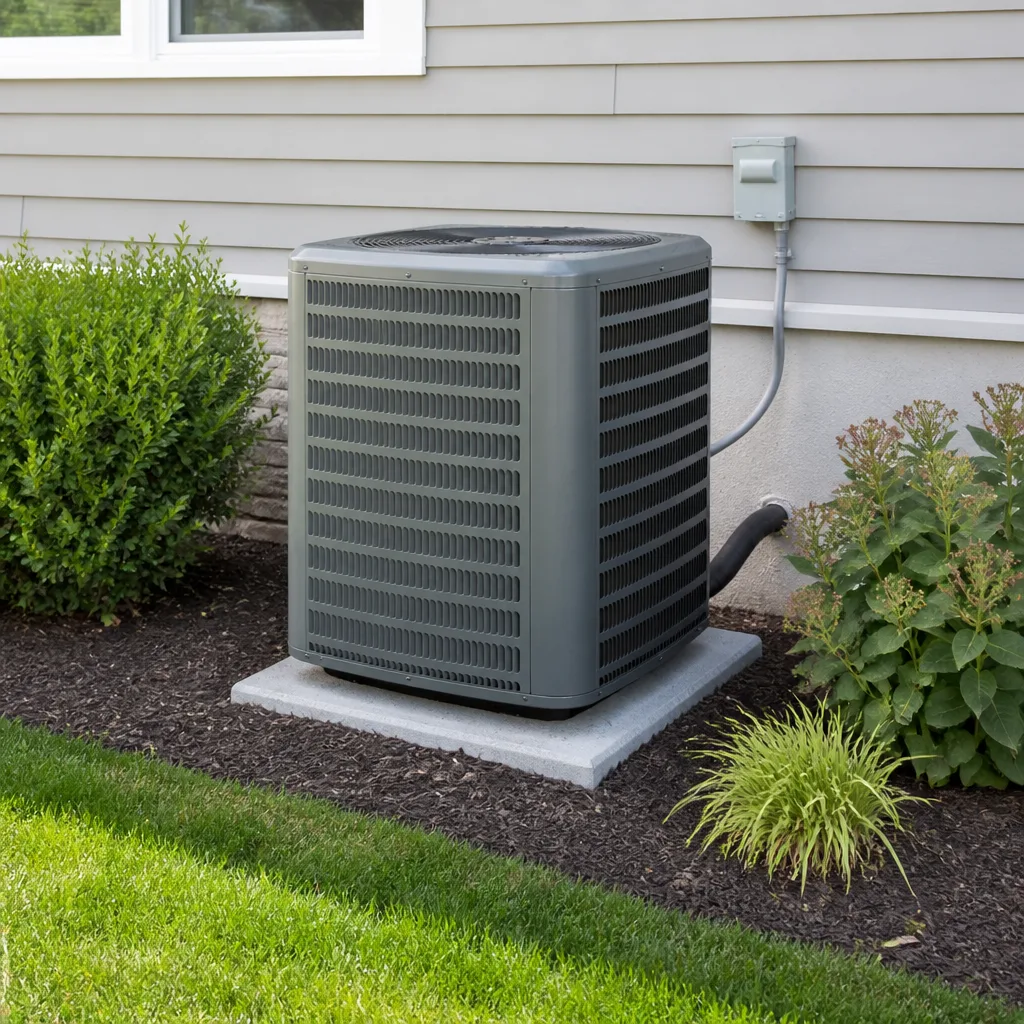 Goodman
Seasonal tune-up and full diagnostic on your Carrier, Trane, or Goodman system - readings shown to you before any repair is proposed
Diagnosis first, numbers second - you approve the repair price before a single part goes in.
Get your free estimateAC Repair & Installation Maintenance Schedule: What to Do and When
The average AC system in the Las Vegas valley runs about 2,400 hours a year. A system in Minneapolis runs maybe 800. If you’re maintaining yours on a Minneapolis schedule, you’re 1,600 hours behind before the first triple-digit day even hits. That gap is why we see five-year-old condensers in Spring Valley acting like fifteen-year-old units. This guide is a month-by-month calendar built around Nevada’s actual weather: the dust, the monsoon spikes, the dry heat that never really quits. You’ll get the filter interval that fits our dust, the coil-inspection routine you can do yourself, and the line between maintenance that protects your warranty and tinkering that voids it.
Quick Answer
In Spring Valley and the rest of the Las Vegas valley, your AC needs attention about every three to four months, not once a year. Change or clean the filter every 30 to 45 days during cooling season, rinse the outdoor coils after any dust storm, and get a full professional tune-up in February before startup plus a second visit in October after the brutal stretch ends. Coil cleaning, refrigerant checks, and electrical inspections belong to a technician; filter swaps, coil rinses, and thermostat batteries are yours to handle.
Styles & brands we work with
- AC repair
- Furnace & heating
- Heat pumps
- Ductless mini splits
- Carrier
- Trane
- Goodman
Table of Contents
- Why One Spring Tune-Up Isn’t Enough in Spring Valley
- The Spring Valley Month-by-Month Calendar
- The Real Filter Interval for Spring Valley Dust
- How to Check Your Coils After a Dust Storm
- What Protects Your Warranty and What Voids It
- What a Real Maintenance Visit Includes and Costs
- Maintenance After a New AC Installation
- Why October Matters More Than You Think
Why One Spring Tune-Up Isn’t Enough in Spring Valley
Every manufacturer’s website tells you to schedule one annual tune-up in spring. That advice is written in Ohio, or Michigan, or wherever the cooling season runs four months and the heating season runs six. Here in Spring Valley, your AC works from late March straight through October. Nine months. Often longer.
That changes the math. Components wear by the hour, not the calendar. A capacitor that lasts ten seasons in a mild climate is running a much harder lap here. Belts, contactors, and bearings all age at the rate the machine runs. Run it three times as long per year and you’ll see failures three times sooner, which is exactly what we find on service calls across Spring Valley in June and July.
The seasonal rhythm is different too. Spring Valley has two things that genuinely punish HVAC gear:
- Dust events. Spring and summer wind storms push fine desert dust into every crevice of your condenser coils and blower housing. That dust insulates the coil and forces the compressor to work harder.
- Monsoon humidity spikes. July through September, moisture rolls in with the storms. Your system suddenly has to pull water out of the air as well as heat, and that’s a heavier load than the dry heat numbers on the spec sheet suggest.
Skipping that second look in fall is how systems fail in January, when most folks aren’t thinking about their AC at all. We walk through the full AC Repair & Installation in Spring Valley picture on that page, but the maintenance calendar below is where most of the savings live.
The Spring Valley Month-by-Month Calendar
Here’s the calendar we hand homeowners. Pin it to the fridge. It’s built for our climate, not a brochure from a plant in Tennessee.
February: Pre-Season Tune-Up
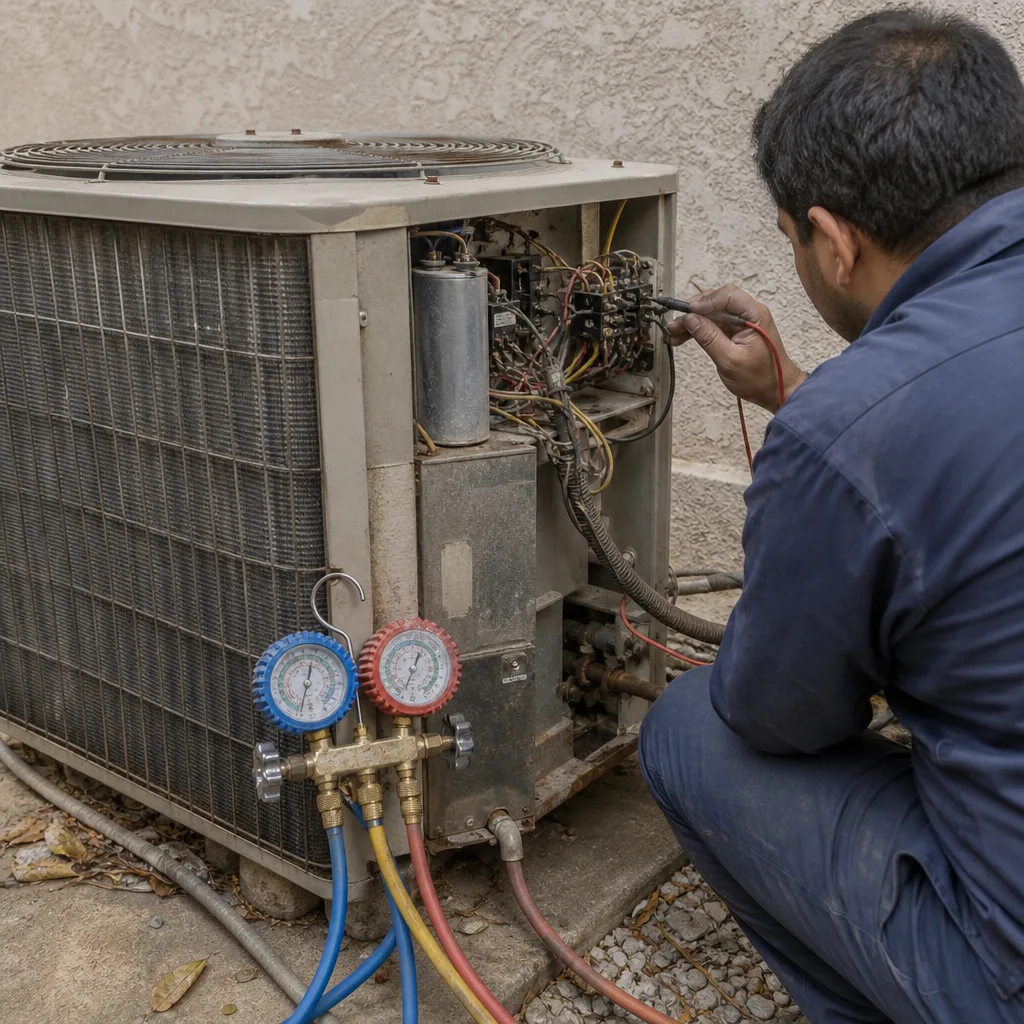
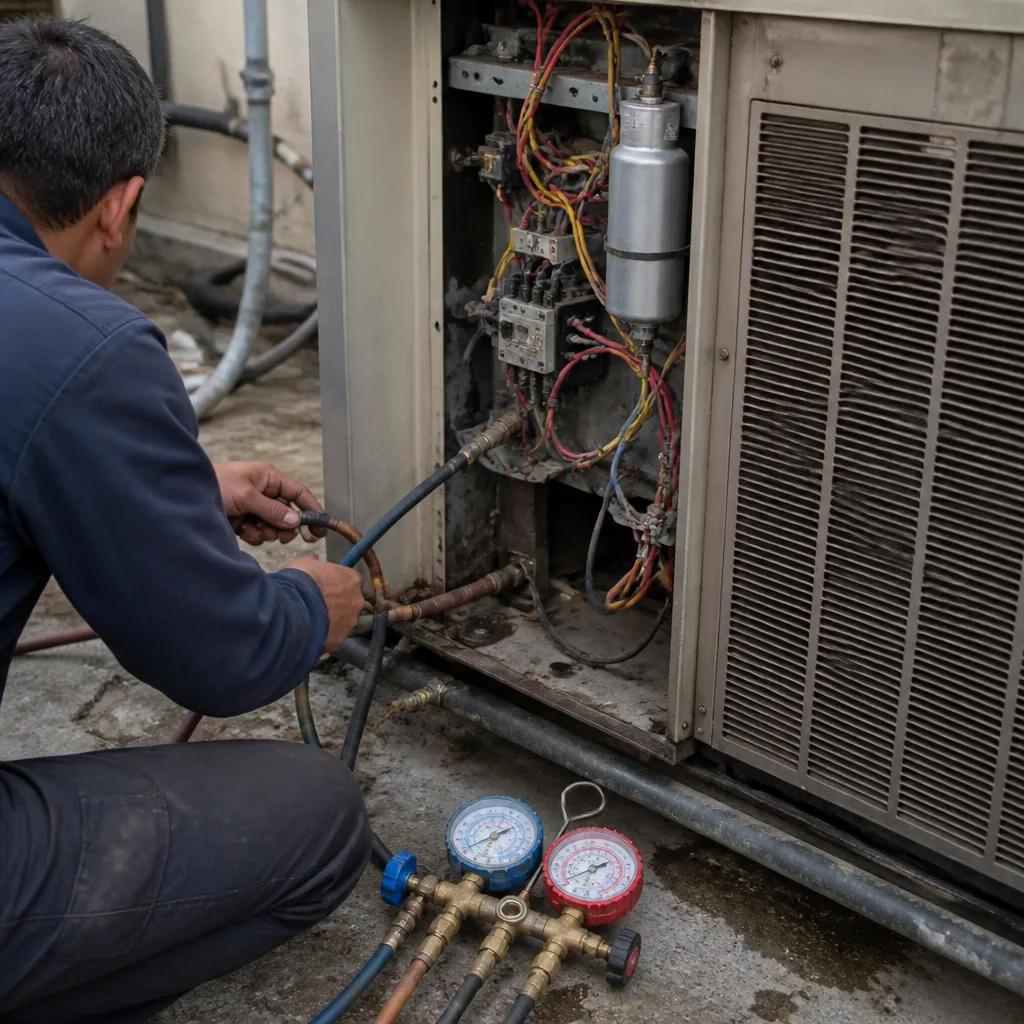
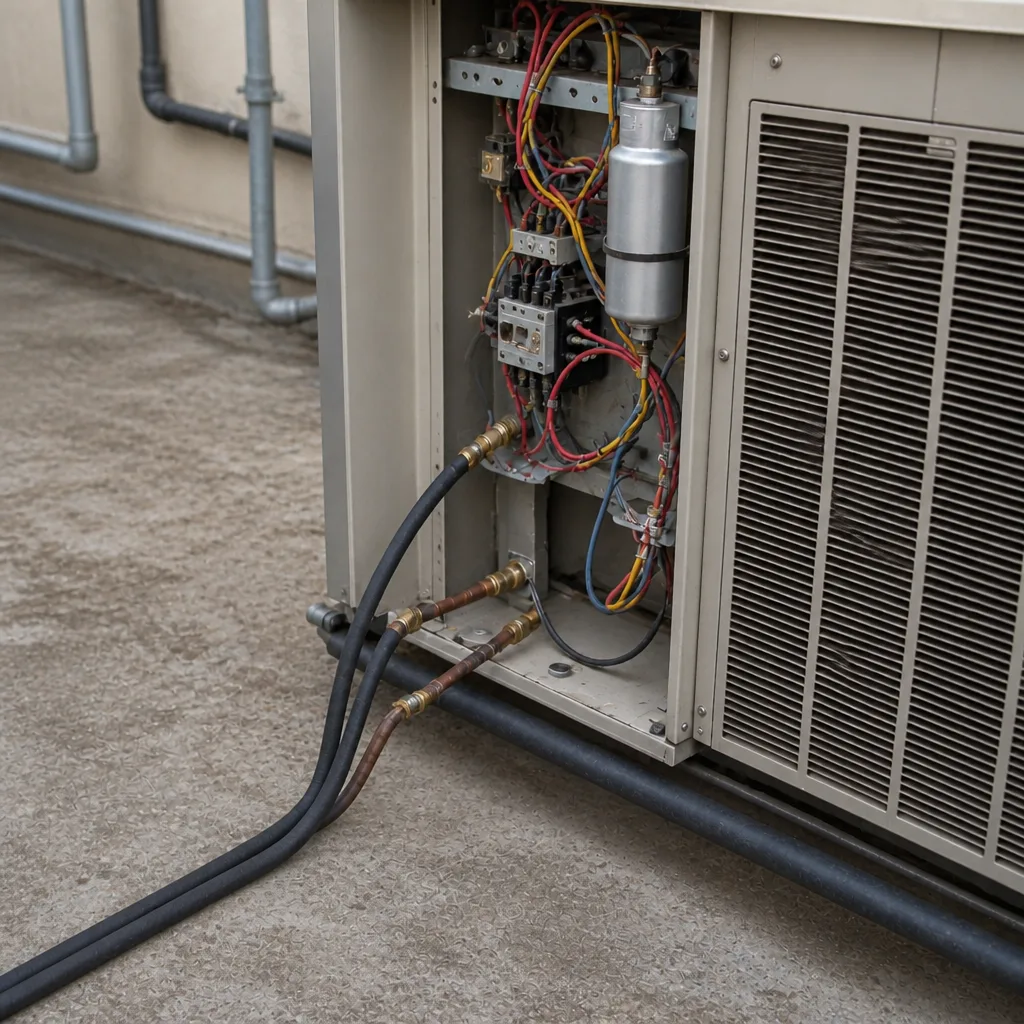
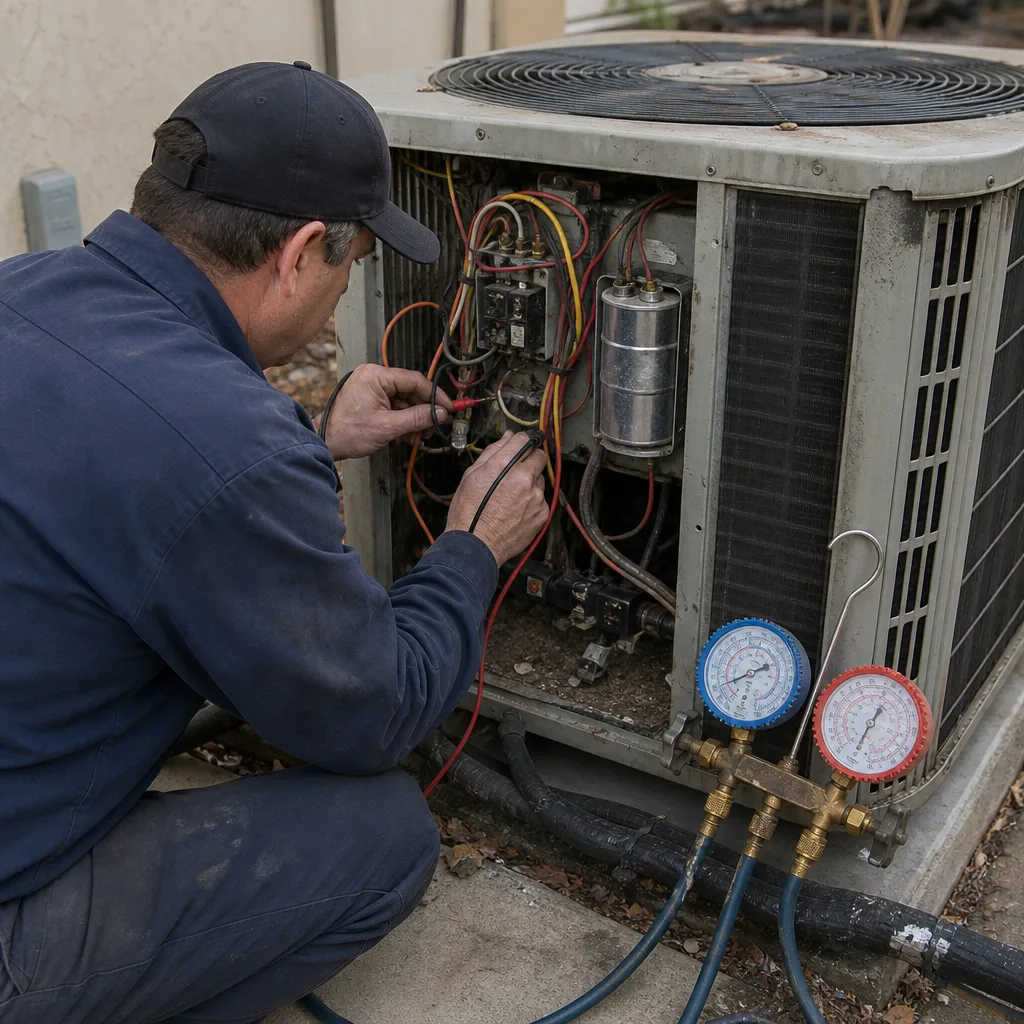
Before the first warm week hits, get a full professional inspection. This is the visit that catches the failing capacitor or low refrigerant charge while the weather’s still mild and nobody’s sweating. Ask for readings: amp draw on the compressor, superheat and subcool, capacitor microfarads. A real tune-up leaves you a written report.
March – April: Startup and First Filter Change
Fire up the system on a warm afternoon and listen. Any rattle, hiss, or short cycle is worth a call before it becomes a July emergency. Change the filter now if you haven’t since fall. Spring winds start loading it fast.
May – June: Peak Load Watch
This is when the thermostat starts running flat-out. Change the filter on the 30-45 day clock and check that the outdoor unit has clear airflow, no weeds, no stored junk against the cabinet. Note any room that stays warm. A single hot room in June usually means a duct issue, not a refrigerant issue.
July: Post-Monsoon Check
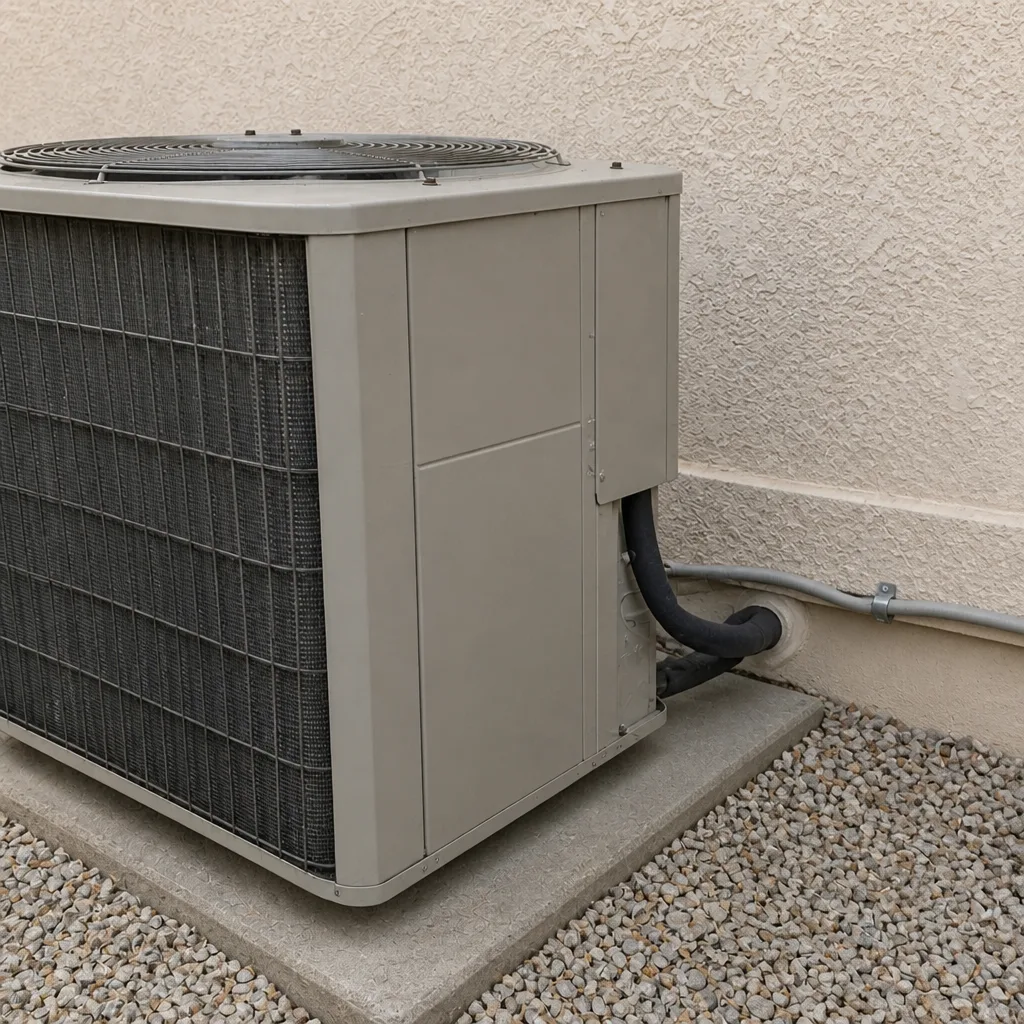
After the first big dust-and-rain storm, walk outside and look at the condenser. Rinse the coil fins with a garden hose on low pressure from the inside out. If the coil stays matted or the system starts short-cycling, call. We’ll cover the coil test below.
August – September: Mid-Season Filter and Coil
Another filter change, another coil inspection. Late monsoon humidity means the drain line needs attention too. Pour a cup of water in the condensate pan and make sure it drains freely. A clogged drain line is one of the most common August calls in Spring Valley.
October: Post-Season Inspection
This is the visit most homeowners skip. October is when we find what nine months of running did. Worn contactors, pitted capacitors, loose electrical connections that were fine in May. Catching them now means a lower-cost repair in fall instead of a no-cooling emergency next June.
November – January: Heating Season
If you have a heat pump or furnace, shift attention to it. Change the filter, listen for the ignition sequence, and get a professional check before the first cold snap. Details live on the Heating & Furnace in Spring Valley page.
The Real Filter Interval for Spring Valley Dust
Read the packaging on a 1-inch pleated filter and it’ll say “change every 90 days.” For Spring Valley, that number is optimistic by a factor of two to three. During dust season and peak cooling season, we tell homeowners to check the filter every 30 days and change or clean it every 30 to 45 days. That’s the honest interval for our dust load.
A few rules of thumb that hold up:
- 1-inch filter, Spring Valley summer: 30-45 days.
- 4-5 inch media filter: every 6 to 9 months, but check monthly during dust-storm season.
- Washable electrostatic filter: rinse monthly, replace the media if it’s the disposable kind.
- Pets in the house: shorten every interval by about a third.
- New construction or recent remodel nearby: check weekly for the first month after any major drywall work.
A clogged filter is the cheapest thing on this list and also the one that kills compressors. Restricted airflow drives up discharge temperatures and pressures, and that’s a compressor failure waiting to happen. Check it more often than feels necessary. Then check it again. Alongside filtration, Heat Pump & Mini Split in Spring Valley systems have their own filter locations worth knowing about too.
How to Check Your Coils After a Dust Storm
The outdoor condenser coil is the one thing you can inspect yourself without opening a panel. Here’s how, and where the line is.
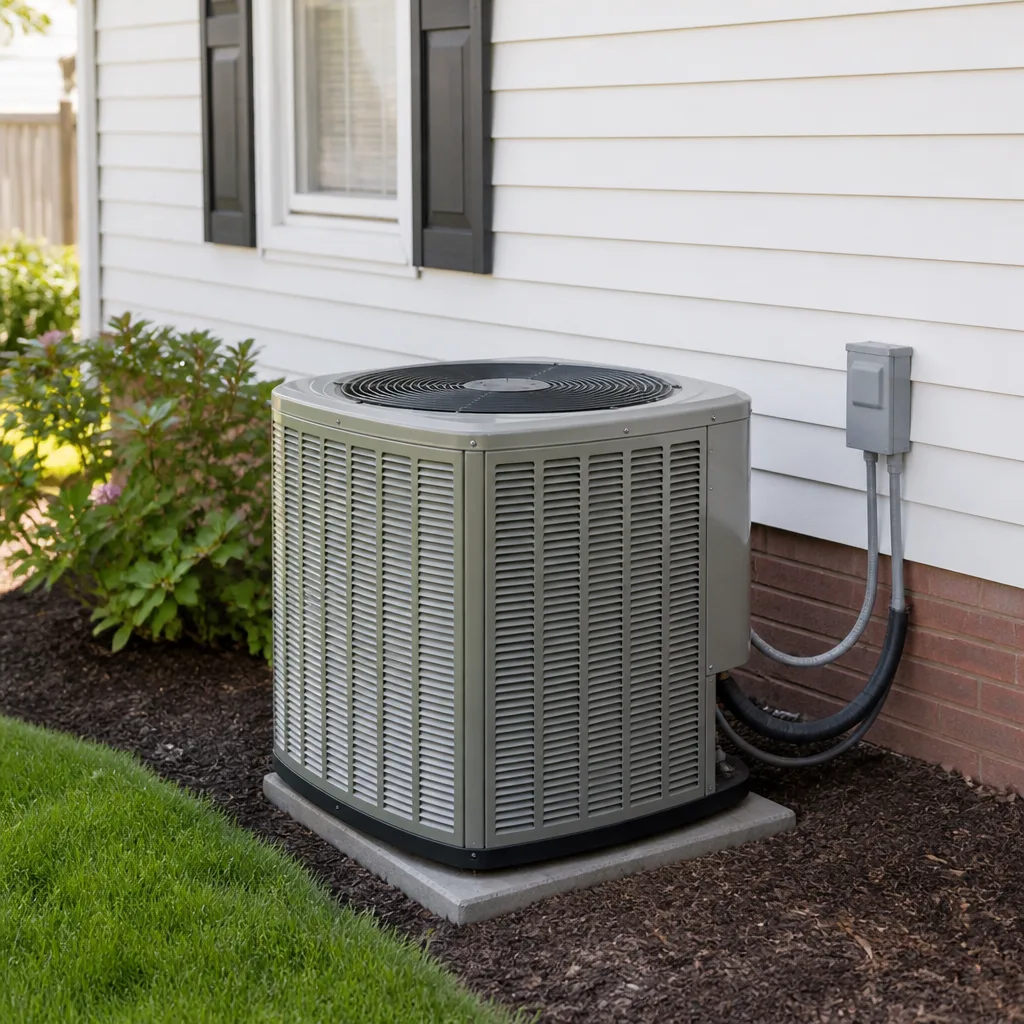
- Kill power to the outdoor unit at the disconnect box on the wall nearby. Never work on a live unit.
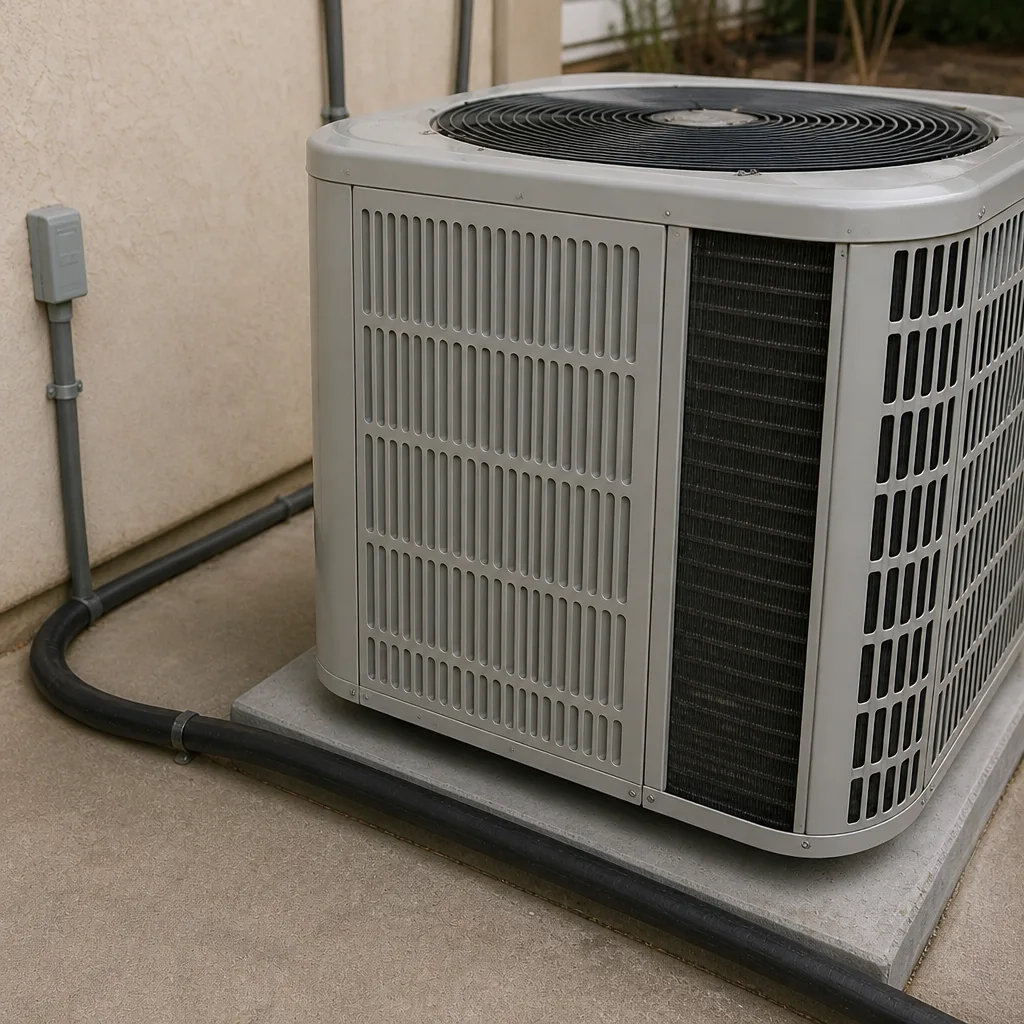
- Look through the fins from the outside. If you can see light through them evenly, they’re clear. If you see a matted gray fuzz or packed dust between the fins, they need cleaning.
- Rinse from the inside out with a garden hose on low pressure. Don’t use a pressure washer; it will bend the fins flat and that’s a repair, not a rinse.
- Let it dry completely, restore power, and run the system. Listen. If it sounds normal and cools normally, you’re done.
- If the coil is still packed after a rinse, or you see bent or crushed fins, or the fan blade is dirty, that’s the line. Call a technician. Coil cleaning beyond a light rinse needs a proper coil cleaner and often a partial disassembly for a Spring Valley unit that’s been through a couple of dust seasons.
We’re not going to walk you into taking a panel off or handling refrigerant lines. Those are jobs where a mistake can hurt you or kill the machine. But a light rinse and a visual check after a dust storm is legitimate homeowner territory, and it saves you real money over a season.
What Protects Your Warranty and What Voids It
Here’s a distinction most homeowners don’t know: your manufacturer’s warranty on a Carrier, Trane, Bryant, or American Standard system generally requires proof of professional maintenance. DIY cleaning is fine, but the paper trail is what protects the parts coverage if a compressor goes at year six.
So the line breaks like this:
Tasks that protect your warranty:
- Keeping a written record of professional tune-ups with dates, readings, and technician sign-off.
- Changing filters on schedule and noting the dates.
- Reporting problems early rather than letting them become bigger repairs.
- Using a licensed contractor for any repair work that enters the sealed system.
Tasks that can void your warranty:
- Adding refrigerant yourself or allowing an unlicensed person to add it. Refrigerant handling requires EPA certification, and any unrecorded addition can void coverage.
- Opening the sealed refrigerant circuit, even just to “check.”
- Replacing major components with aftermarket parts the manufacturer doesn’t list.
- Incorrect electrical work or bypassed safety switches.
If you’re the least bit unsure whether a task is homeowner-safe, ask. A licensed tech will tell you plainly. Often the answer is “that’s on us” and there’s no charge for a quick phone consultation.
What a Real Maintenance Visit Includes and Costs
The $49 tune-up special you see advertised is usually a loss-leader: a quick filter check, a visual look, and a sales pitch. A genuine maintenance visit takes 60 to 90 minutes and includes measured readings. Here’s what actually belongs in the visit, so you can compare.
- Capacitor microfarad readings, compared to the rating on the label.
- Compressor amp draw and voltage at the contactor.
- Superheat and subcooling measured, not guessed.
- Condensate drain flush and test.
- Outdoor coil condition check and rinse if needed.
- Blower motor and belt inspection.
- Thermostat calibration check.
- Written report with readings and findings.
On pricing: in the Spring Valley market, a thorough tune-up typically runs somewhere in the range of $120 to $220 depending on system type and how long it’s been since the last visit. Anything dramatically below that in this market is worth questioning. Free second opinions and second-look inspections are common, and asking for one is fair.
We test the capacitor before anyone says the word “compressor” for a reason. Readings first, numbers second. You should see both on the invoice. If a quote is verbal only and doesn’t show readings, get a second opinion.
Maintenance After a New AC Installation
If your system is brand new, good news: the schedule doesn’t change much, but the first year matters. A freshly installed AC in Spring Valley runs through one full summer and one full dust season before you know how it behaves in our climate. That first year is when installation issues surface, and most of them are still under warranty if you catch them.
What to do in year one:
- Register your system with the manufacturer within 60 days of install (most brands require this for the full parts warranty, and lifetime compressor coverage frequently depends on it).
- Change the filter at the 30-45 day clock from day one. Don’t wait for the “90 days” on the box.
- Schedule a startup tune-up in the first spring, and a post-season check in fall.
- Keep every invoice and reading.
After year one, the March-through-October rhythm above takes over. If you’re sizing a new system, the full picture (load calculation, sizing, rebates, financing) is on the AC Repair & Installation in Spring Valley page. Installation is schedule-and-order work, not a same-day job, so start the conversation early rather than in July.
Why October Matters More Than You Think
If you only remember one thing from this guide, remember October. Most homeowners in Spring Valley schedule nothing in fall because the system seems fine. It usually is. That’s exactly why October is the best time.
Here’s the counterintuitive part: the money in October isn’t in repairs. It’s in what doesn’t break next June. A contactor that pitted over the summer tends to fail on the first hot week of the next year, which is precisely when call volumes peak, technicians are slammed, and any repair costs more in time, stress, and often parts markup. A 15-minute inspection in October that catches a worn part is a fraction of an emergency visit on the 110-degree day.
We also tend to find drain line sludge, coil fouling from the last dust storms of the season, and capacitor drift in October. Those are cheap fixes in fall. As emergency calls the next June, they’re not. Our standing 90-Day Done Right Promise applies to that October work just like any other: if something we touched fails, one call brings us back.
One more reason October pays off: your heat pump or furnace starts running. A dual-purpose system that gets a fall inspection carries both halves of the year. If you’ve been running a Spring Valley heat pump for a while without a fall check, that’s the visit to schedule. The Heat Pump & Mini Split in Spring Valley page has the details for those systems specifically.
Common Mistakes to Avoid
- Following the packaging filter interval. The box says 90 days. Spring Valley dust says 30-45. Follow the dust.
- Skipping the October visit. The system seems fine in September, so it gets pushed to next year. That’s how small summer wear becomes a June emergency.
- Taking the $49 tune-up at face value. Ask what readings it includes. If the answer is “visual inspection only,” it’s not maintenance, it’s a sales appointment.
- Cleaning coils with a pressure washer. It flattens the fins, and a flattened coil is a real repair. Low-pressure garden hose only.
- Adding refrigerant yourself. Illegal without EPA certification and a common warranty-void. Leave the sealed system to a licensed technician.
- Not keeping records. A stack of invoices with dates and readings is what protects a warranty claim. Without it, some claims get denied outright.
- Running an oversized replacement. A slightly oversized AC in our climate short cycles, doesn’t dehumidify well during the monsoon, and wears out its compressor faster. Get a real load calculation before you accept a size.
See the difference
 Before
 After
 Before
 After
 Before
 After
When to Call a Professional
Some things stay in your lane. Filter changes, coil rinses, thermostat batteries, and drain-line water tests are homeowner work. Everything that touches refrigerant, electrical panels, or the sealed system belongs to a licensed technician. Call if you smell burning, if the system blows warm air suddenly, if the breaker trips, if you hear grinding or scraping from the outdoor unit, or if any single room isn’t cooling while others are. Those are not the moments to wait out the season.
Ray’s Heating & Air Spring Valley offers free estimates in Spring Valley. Our phones are answered by a live person around the clock, and there’s a standing free second opinion on any written estimate. Call (833) 620-7288. No trip charge inside our own county, and every job carries the 90-Day Done Right Promise in writing. If it’s not done right, Ray makes it right. Details and services are also on the Ray’s Heating & Air Spring Valley home page.
Frequently Asked Questions
Every three to four months during cooling season, which in our climate means a spring tune-up before startup and a fall inspection after the season ends. That’s two professional visits per year, plus filter checks every 30 days for a homeowner.
Every 30 to 45 days during cooling season and every 30 days during dust-storm season. The 90-day figure on the packaging assumes a cleaner climate than Spring Valley sees.
A light rinse with a garden hose on low pressure, from the inside out, after a dust storm, is fine. Coil cleaning beyond that involves opening panels and coil cleaner, and that needs a technician.
It can. Most manufacturers require documented professional maintenance to keep full parts coverage, especially on the compressor. Keep every invoice with dates and readings. Call (833) 620-7288 for an exact quote on a documented tune-up. Estimates are free.
In our market, a thorough tune-up typically runs $120 to $220 depending on system type and how long it’s been. Anything much cheaper in this market is usually a visual inspection with a sales pitch attached.
In the first spring after install, then again in fall. Installation itself is not a same-day job and is scheduled around load calculations and equipment ordering. Once installed, register with the manufacturer within 60 days and start the filter clock at day one.
The Bottom Line
The advice on every manufacturer’s site assumes you live in a climate with four months of cooling. You don’t. In Spring Valley, your system runs nine months a year under dust, monsoon humidity, and sustained triple-digit heat. That means a two-visit professional schedule (February and October), filter changes every 30-45 days during cooling season, coil rinses after dust storms, and a written record of everything. Skip the $49 loss-leaders. Ask for readings. Keep your warranty paper trail. If your system hasn’t seen either visit this year, that’s the repair you’re going to buy eventually, either as an October tune-up or as an emergency in June.
Reach us any time at (833) 620-7288 for a free estimate. A live person answers around the clock, and we’ll show you the readings before we show you a number.
Written by the team at Ray’s Heating & Air Spring Valley.