
Last updated November 18, 2026
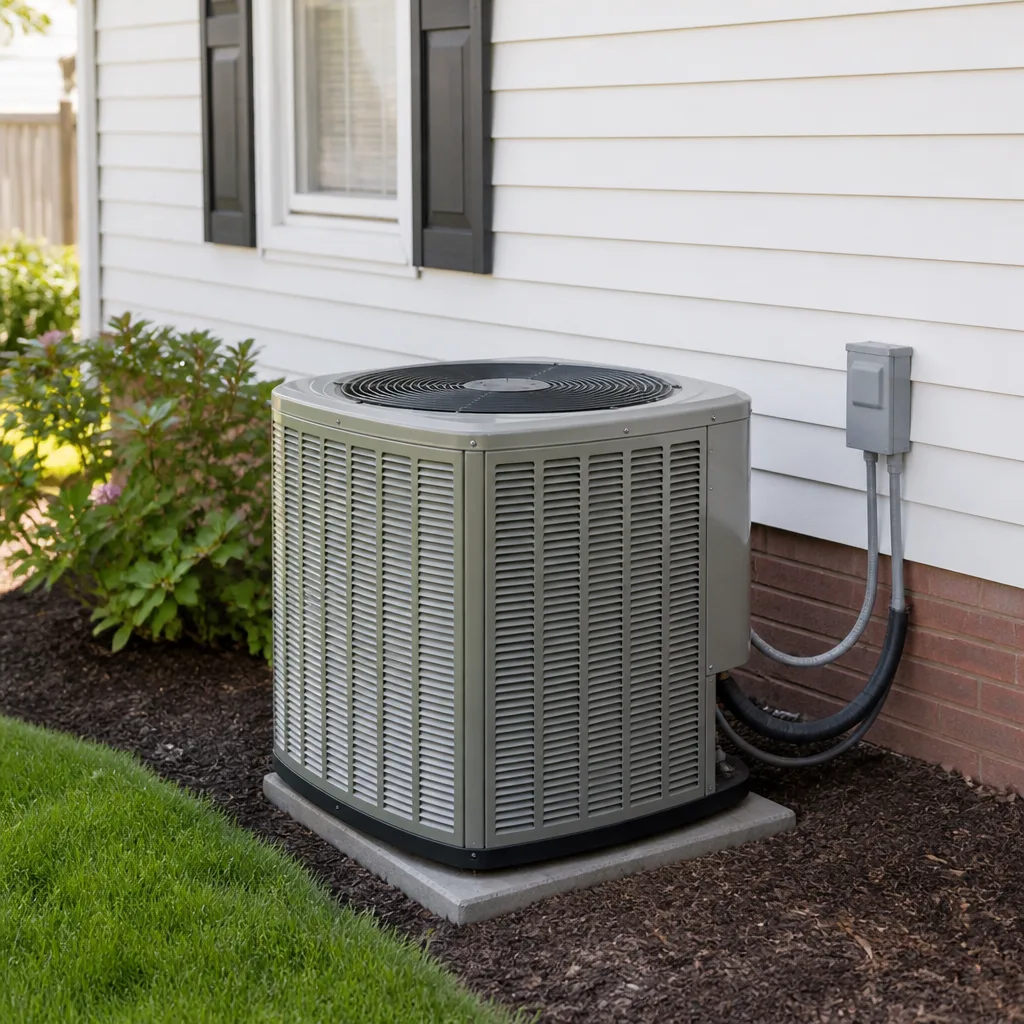 AC repair
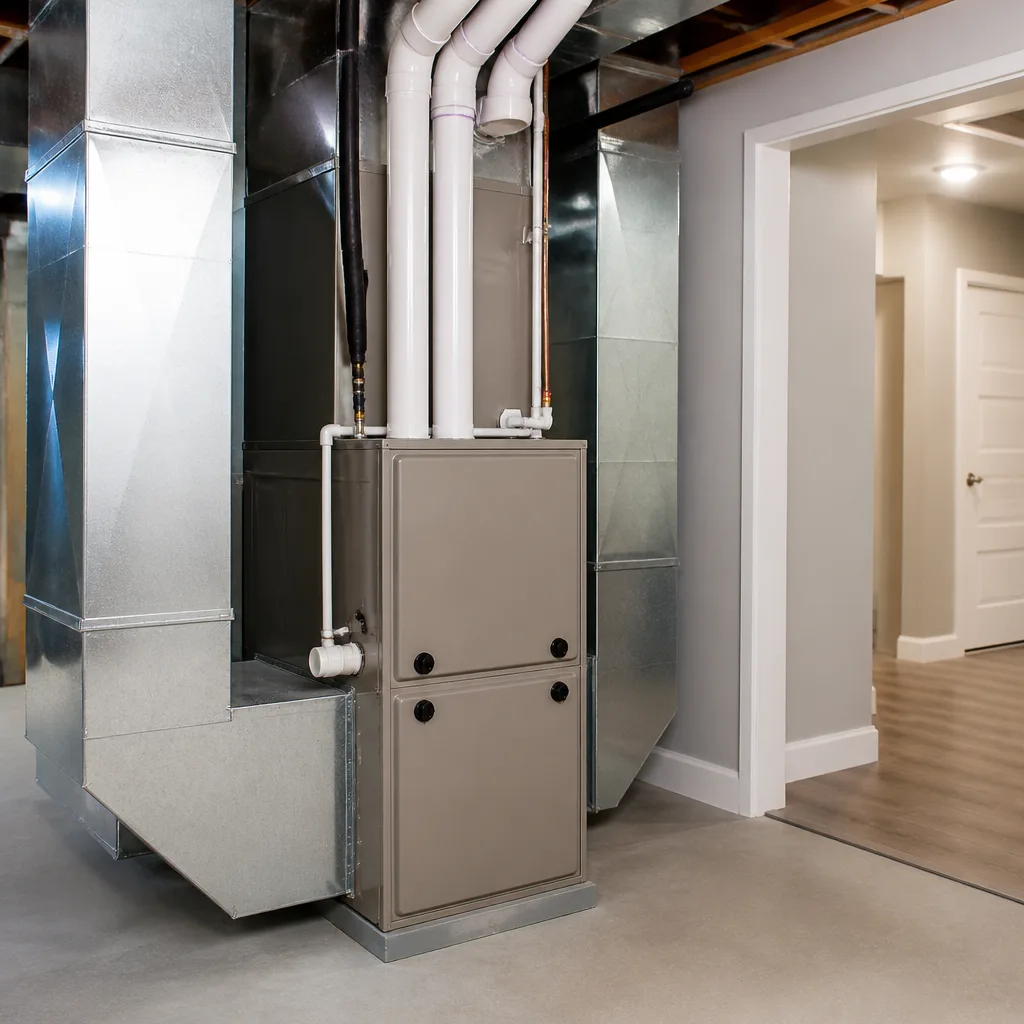 Furnace & heating
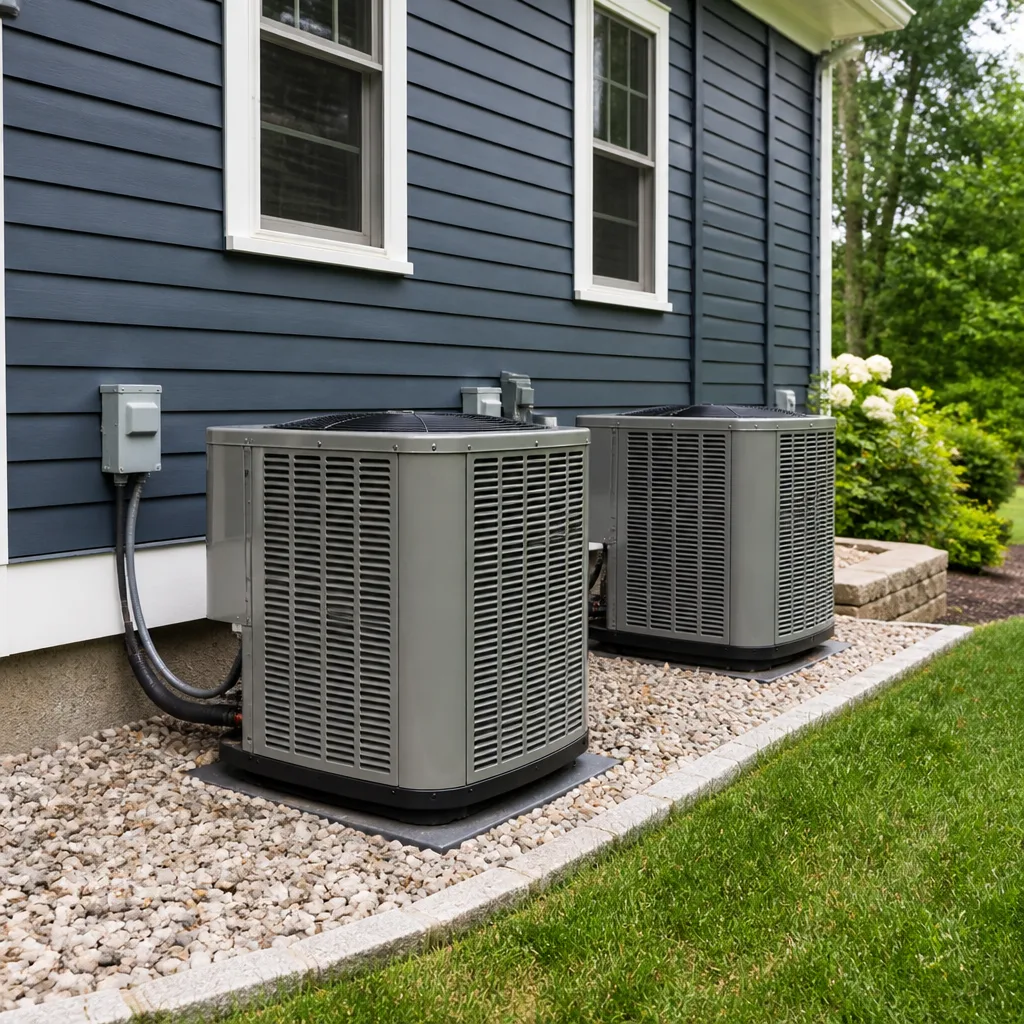 Heat pumps
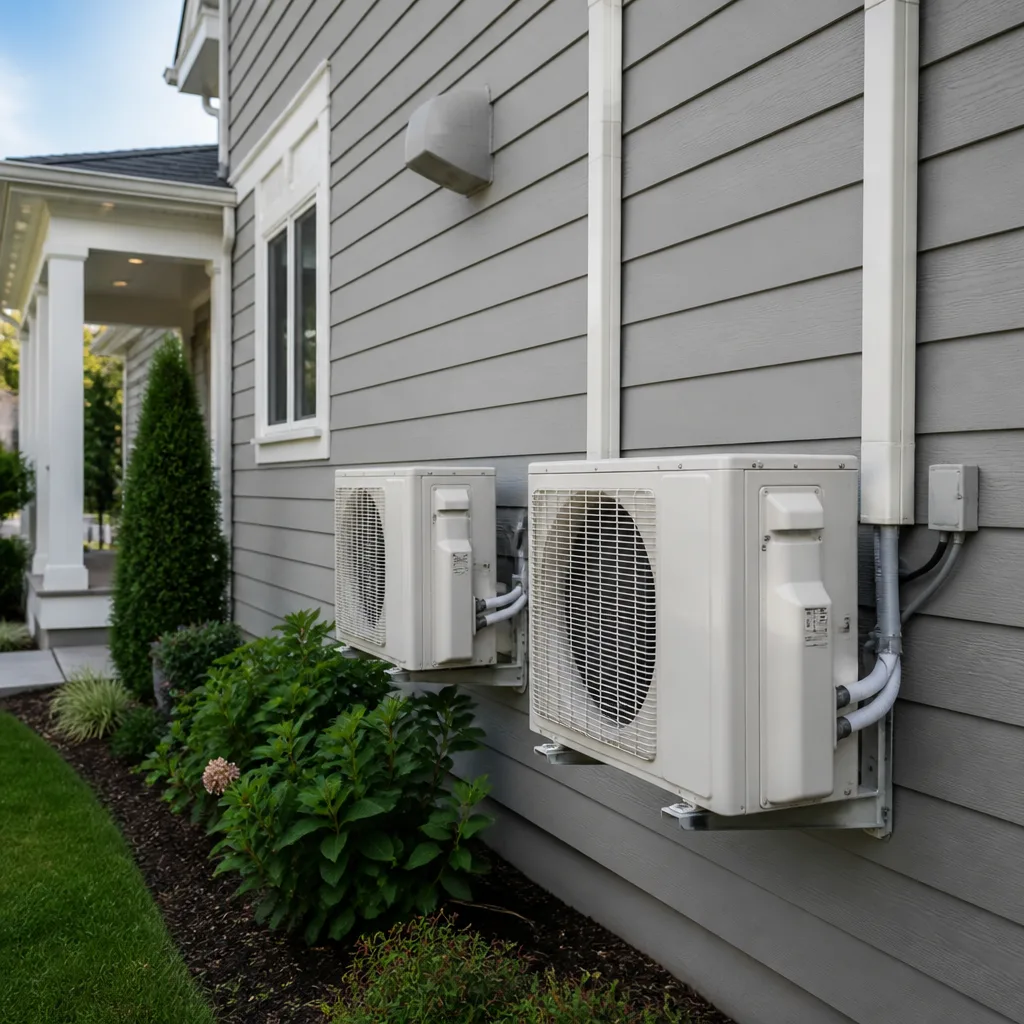 Ductless mini splits
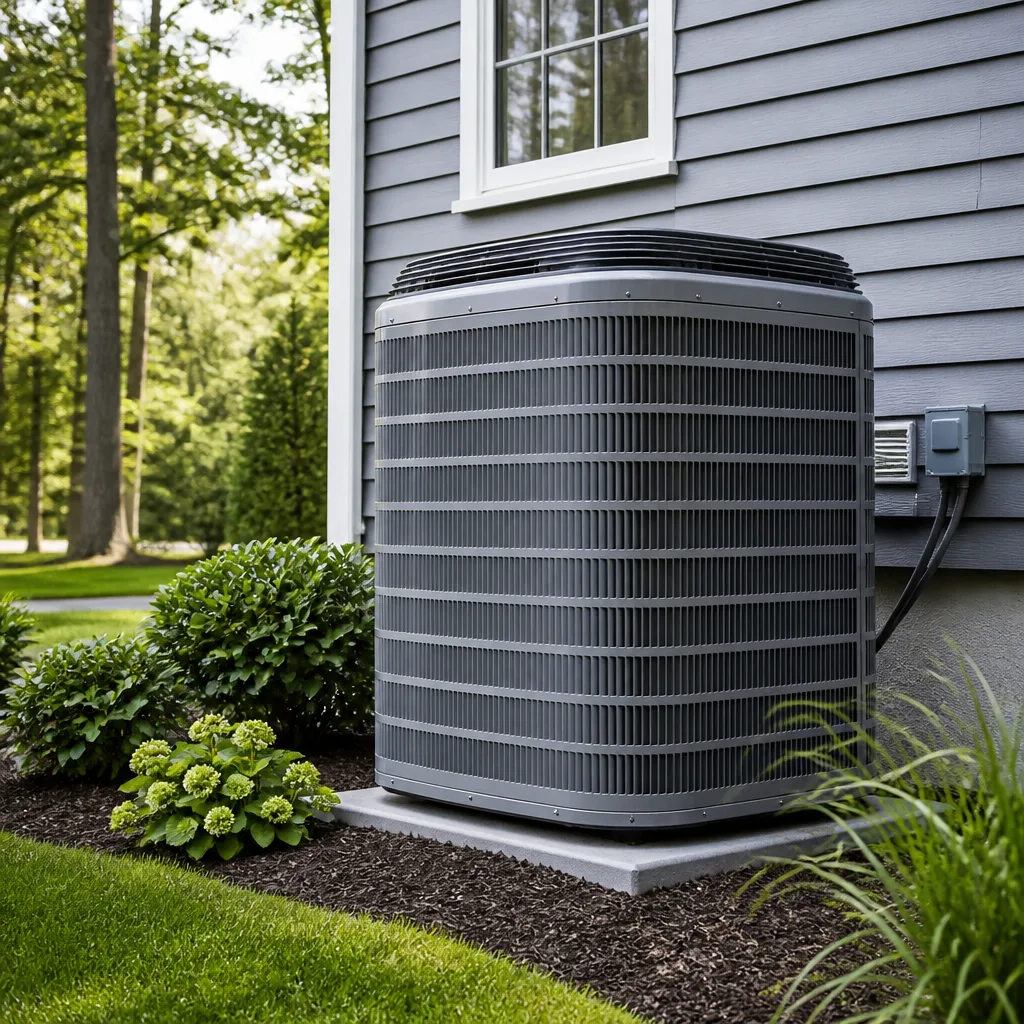 Carrier
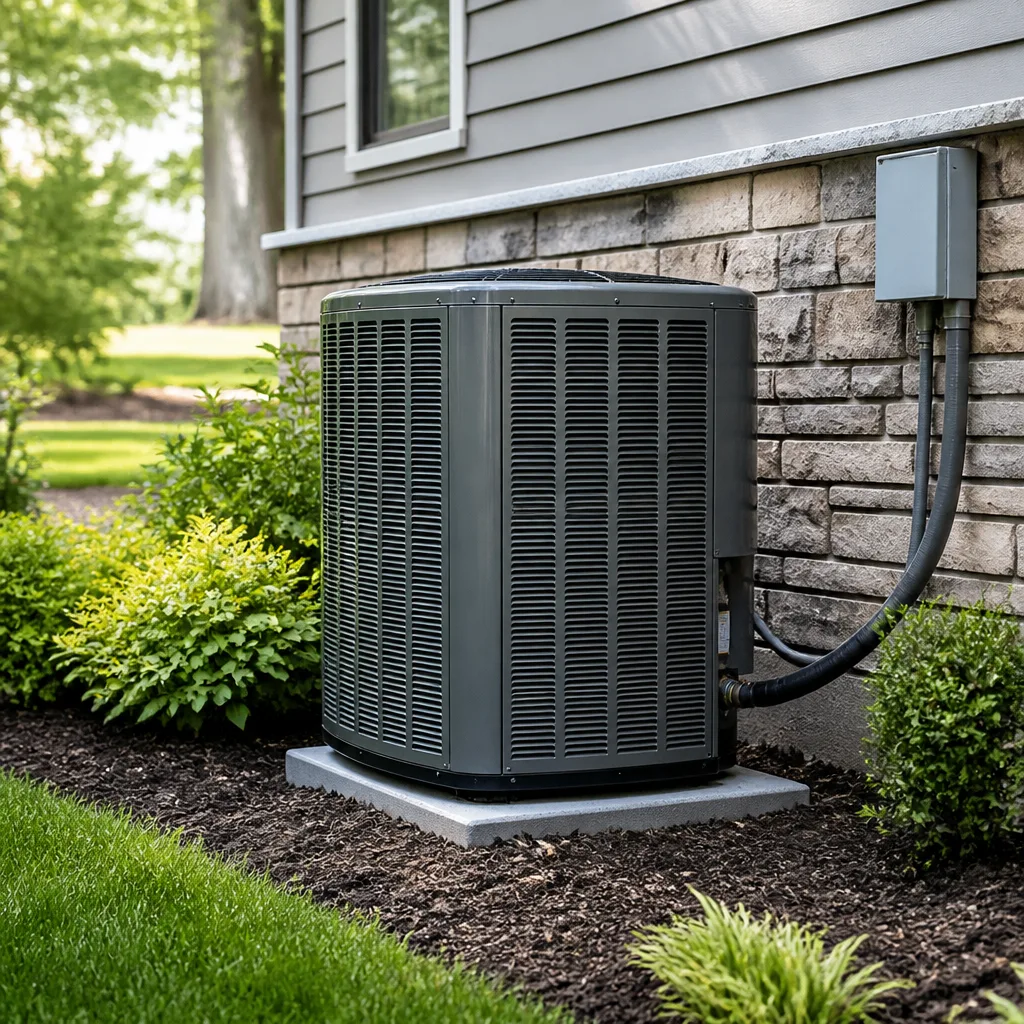 Trane
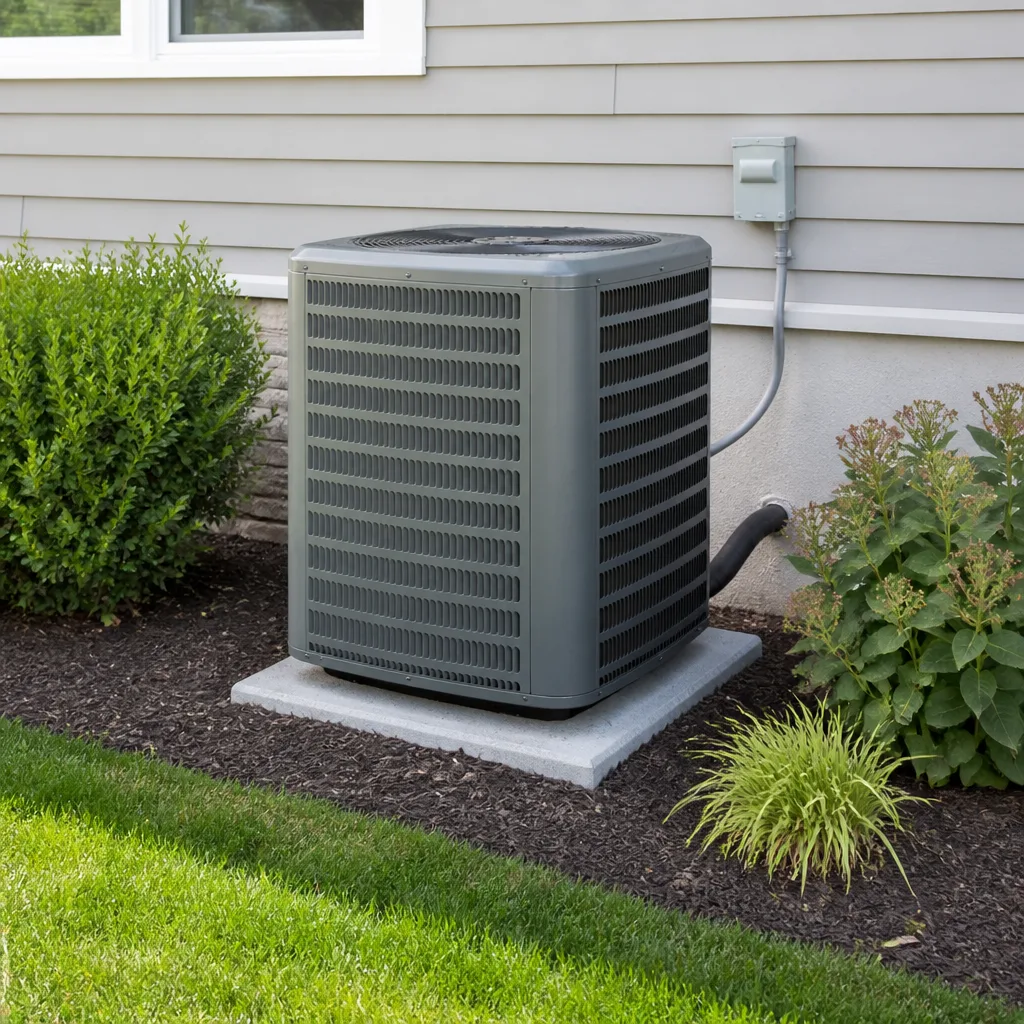 Goodman
Seasonal tune-up and full diagnostic on your Carrier, Trane, or Goodman system - readings shown to you before any repair is proposed
Diagnosis first, numbers second - you approve the repair price before a single part goes in.
Get your free estimateSeasonal HVAC Care for Spring Valley: Year-Round Homeowner’s Guide
Winter in Spring Valley gets cold enough to put a heat pump into defrost mode, and most homeowners don’t learn that until the January bill doubles and nobody can explain why. Here’s the part that surprises people: Spring Valley doesn’t really have four seasons from an HVAC load standpoint. It has two brutal ones and two short transitions, roughly eight total weeks of mild weather where the real work gets done. Miss those windows and your system coasts on luck until the hottest week in July. This guide walks through each micro-season, what your equipment is actually doing, and which tasks you can handle yourself versus which ones need a licensed tech’s hands.
Quick Answer
Year-round HVAC care in Spring Valley means working with the desert’s real rhythm: a long cooling season, a short but genuinely cold heating season with hard freeze nights, and two narrow transition windows in spring and fall when maintenance actually prevents failures. The single highest-value habit is a pre-summer service in April or May, before attic temperatures make the air handler hard to access and before the first 110-degree week stresses a system that sat idle all winter. Spring and fall tune-ups catch the small stuff (capacitors, contactors, filters, refrigerant charge) before it turns into a July emergency.
Styles & brands we work with
- AC repair
- Furnace & heating
- Heat pumps
- Ductless mini splits
- Carrier
- Trane
- Goodman
Table of Contents
- Spring Valley’s Four Micro-Seasons, From a Load Standpoint
- Heat Pump Defrost Behavior in Spring Valley Winters
- Prepping an Attic Air Handler for a 115-Degree Summer
- The Fall Tasks Most Homeowners Skip (and Why That’s the Wrong Call)
- Month-by-Month: DIY Tasks vs. Licensed Tech Tasks
- What a Real Spring Tune-Up Should Include
- Monsoon Dust, Coils, and the June Filter Problem
- When to Stop Maintaining and Start Planning a Replacement
Spring Valley’s Four Micro-Seasons, From a Load Standpoint
Most HVAC advice you’ll read online was written for a climate with four gentle seasons. Spring Valley doesn’t run that way. Here’s how the year actually breaks down when you look at what your equipment is being asked to do.
- Cooling season (roughly May through September). Long, dry, and brutal. Attic temperatures hit 150 to 155 degrees, which means the air handler is working in an oven. This is when compressors fail, capacitors give out, and condensate lines clog. Everything you did in April either pays off now or doesn’t.
- Heating season (roughly late November through February). Short but real. Overnight lows dip below freezing often enough that heat pumps cycle into defrost regularly. This is where heat pump owners who’ve never dealt with defrost call us convinced their system is broken.
- Spring transition (roughly March and April). Mild days, cool nights, low cooling load. This is your best window for a full system service, coil cleaning, and refrigerant check. The tech isn’t sweating through a service call and you’re not paying emergency rates.
- Fall transition (roughly October and early November). Same logic, second window. Cool enough to work comfortably, warm enough that you haven’t needed heat yet. The system you prep now is the one that carries you through the freeze nights.
The eight-ish weeks those transitions cover are when the work that actually matters gets done. Every Spring Valley homeowner we’ve talked to who’s had a July compressor failure has the same story in hindsight: nothing was done in April. The system sat all spring, got hit with the first heat wave, and quit. Ask anyone on your street who’s been through it.
Heat Pump Defrost Behavior in Spring Valley Winters
If you have a heat pump, you will see it go into defrost mode on cold Spring Valley mornings. That’s normal. The outdoor coil ices up when it’s pulling heat out of cold air, and the system periodically reverses itself to melt the ice off. Here’s how to tell normal from a problem.
Normal defrost: cycles on and off every 30 to 90 minutes on cold mornings, runs for a few minutes, and you might see steam or water vapor off the outdoor unit. The indoor blower usually stops or slows during defrost so you don’t get a blast of cold air.
Problem defrost: the outdoor unit stays iced over for hours, ice builds up on the top and sides, the system never seems to fully clear, or your auxiliary heat runs constantly and the bill spikes. That last one is the tell most people miss. A heat pump leaning on aux heat all winter means defrost isn’t completing, and something’s wrong with the reversing valve, the defrost board, or the outdoor sensor.
In our experience across Spring Valley, the single most common heat pump call we get in January isn’t a failed compressor. It’s a defrost board or sensor that’s gone bad, causing the system to run in emergency heat all month. Goodman and Rheem heat pumps are both common in this area and both use defrost boards that fail this way. Catch it in the fall with a proper heating tune-up and you avoid the January surprise.
Prepping an Attic Air Handler for a 115-Degree Summer
Most Spring Valley homes have the air handler in the attic, and that attic is a hostile environment in summer. Before the first real heat wave, walk through these checks. The first few are yours to do; the last one needs a tech.
- Change the filter in April, not June. Spring dust settles into the return and the filter clogs faster than you’d think. A clogged filter in an attic air handler means the blower runs hot, the coil freezes, and cooling capacity collapses. Change it before the season starts, then every 60 to 90 days in summer.
- Check the condensate drain and float switch. The condensate pan fills in summer and if the drain line clogs, water backs up and the float switch kills the system. Pour a cup of water down the drain line in April and watch it flow. If it’s slow, it’s clogged.
- Look at the insulation on the suction line. The cold line running to your air handler should be wrapped. Spring Valley attic heat breaks down that insulation fast, and once it’s gone, the line sweats and loses efficiency. If it looks cracked or missing, get it rewrapped.
- Confirm the attic has ventilation. Attic temps that hit 155 degrees strain the air handler and shorten its life. Passive vents and a ridge vent help. If the attic feels like a sauna in the morning, ventilation is a problem.
- Have a tech check the capacitor and contactor before summer. These two parts fail more in an attic air handler than anywhere else because the heat degrades them. A tech tests the capacitor with a meter, reads the microfarads against the rated value, and replaces it if it’s drifted. That’s a $150-ish part on a service call versus a no-cooling emergency in July.
If you’re in the middle of a cooling repair or considering whether your current system is worth keeping, our AC repair and installation services in Spring Valley cover both paths.
The Fall Tasks Most Homeowners Skip (and Why That’s the Wrong Call)
When the weather finally breaks in October, the last thing anyone wants to think about is their HVAC system. That’s exactly the problem. The fall window is short and it’s when the work that protects you through winter should happen. Here’s what gets skipped.
- The heating tune-up. Most Spring Valley homeowners never get one because heating season is short and “it just works.” Then January hits, the heat pump runs aux heat all night, and the defrost board fails. A fall tune-up catches the defrost board, the reversing valve, and the electric strip heat before winter.
- Testing the heat before you need it. Turn the system to heat on a cool October evening and let it run 20 minutes. If it’s slow to warm, noisy, or smells like burning dust (some dust burn-off is normal, persistent smell is not), you have time to fix it before it matters.
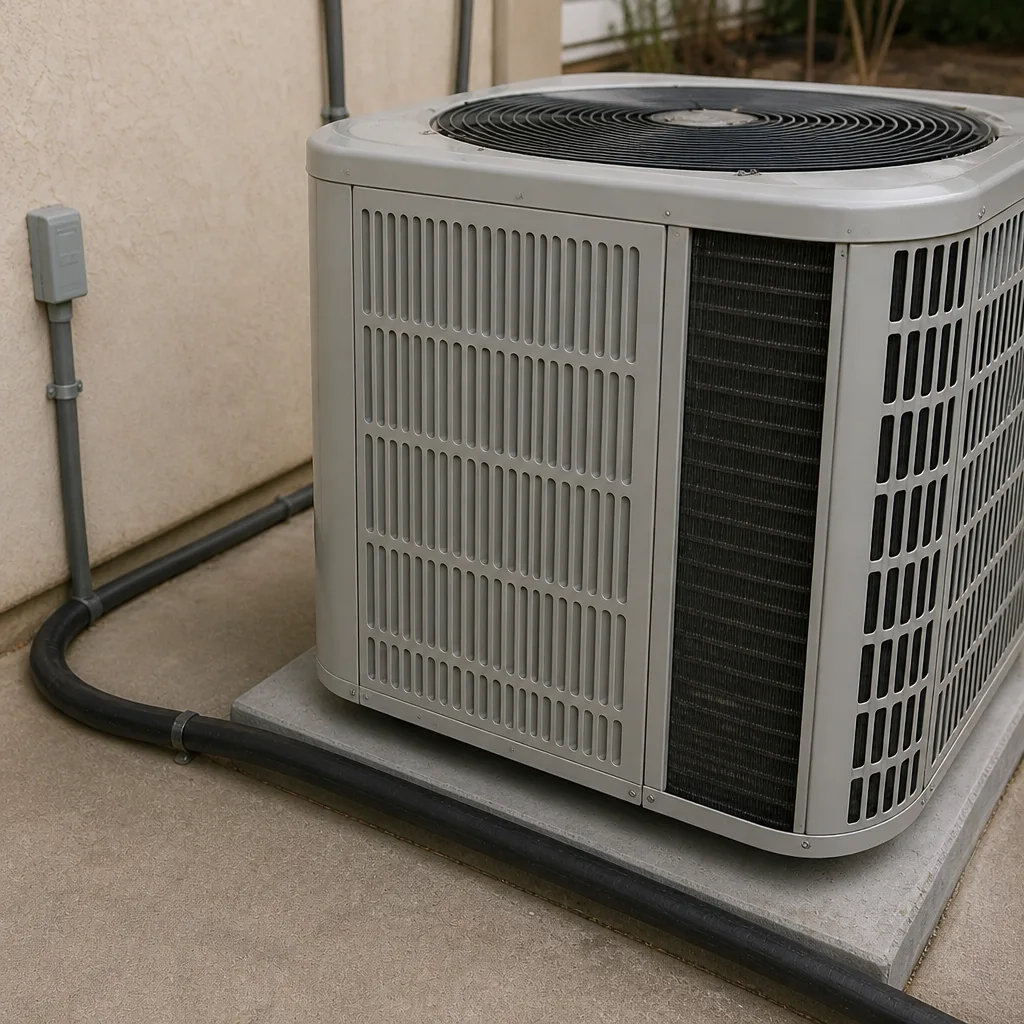
- Cleaning the outdoor coil after summer. Spring Valley summer coats the condenser coil in dust and cottonwood fluff. Left there through winter, it holds moisture and degrades. A coil rinse in October is cheap insurance.
- Checking outdoor unit clearances. Fall is when we see outdoor units surrounded by fallen leaves, stored patio furniture, and firewood. Clear at least 2 feet around the unit so it can breathe in both seasons.
- Replacing the filter again. Summer filter is done. Fall filter change carries you into winter. It’s $20 and 5 minutes.
The fall tune-up genuinely matters in Spring Valley because our heating season is short but cold enough to expose problems. A system that limped through winter without a checkup is a system that surprises you next January. Our heating and furnace service in Spring Valley covers heat pumps, furnaces, and strip heat, and fall is the time to book it.
Month-by-Month: DIY Tasks vs. Licensed Tech Tasks
Here’s the split that actually works. Some tasks are homeowner tasks and always will be. Others require a license, gauges, and an EPA certification to touch refrigerant. Trying to do tech work yourself on a system with 400-volt capacitors and pressurized refrigerant is a good way to get hurt.
Homeowner Tasks (You Can Do These)
- January: watch for abnormal defrost behavior and check the filter. Note any aux-heat dominance on the bill.
- February: filter check. Confirm the outdoor unit isn’t buried in debris.
- April: filter change, condensate drain flush, visual check of attic insulation.
- May: filter change, clear the outdoor unit, test the AC on a mild day before it’s needed.
- July: filter change (the halfway point of cooling season), check the condensate pan for standing water.
- October: heat test, filter change, clear leaves from the outdoor unit.
- November: filter change, confirm no ice buildup on the outdoor unit.
Licensed Tech Tasks (Call a Pro)
- March/April: full AC tune-up. Capacitor and contactor test, coil cleaning, refrigerant charge verification, amp draw check on the compressor and blower.
- May: any repair flagged by the tune-up. Compressor, blower motor, or control board work.
- September/October: heating tune-up. Defrost board test, reversing valve check, electric strip heat amp draw, igniter and flame sensor check on gas furnaces.
- Any time: anything involving refrigerant – charging, leak search, or evacuation requires EPA 608 certification.
- Any time: electrical work inside the air handler, including capacitor replacement (the capacitor holds a dangerous charge even after power is off).
That split is real. Capacitors and refrigerant are where we’ve seen homeowners get hurt trying to save a service call. It’s just not worth it.
What a Real Spring Tune-Up Should Include
Spring tune-ups get marketed as a vague bundle, and a lot of them are just a filter change and a bill. A real spring AC tune-up in Spring Valley should include these, and you should be able to see the readings when it’s done. Readings first, numbers second – you should see both.
- Filter inspection and replacement. Basic, but check it’s actually done.
- Capacitor test with a meter. The tech reads microfarads against the rated value. Marginal capacitors get replaced now, not in July.
- Contactor inspection. Look for pitting and burn marks. A pitted contactor is a no-cooling call waiting to happen.
- Condensate drain flush and float switch test. Confirm the pan drains and the switch actually shuts the system off.
- Condenser coil cleaning. Every spring, without exception, in this climate.
- Refrigerant charge check via superheat or subcooling. The reading, not a guess. A system that’s 10 percent undercharged is working 20 percent harder.
- Amp draw check on the compressor and blower motor. High amp draw is an early failure signal.
- Thermostat calibration and a written report. What was found, what was tested, what was borderline.
If you’re running a Daikin or York system with a variable-speed compressor, the tune-up also includes verifying that the inverter board is running correctly. Those systems need brand-specific diagnostics. Our heat pump and mini-split services in Spring Valley cover those systems, and standard split systems too.
Monsoon Dust, Coils, and the June Filter Problem
Spring Valley doesn’t get a lot of rain in summer, but the monsoon season (roughly July and August) brings dust storms and wind that coat every outdoor coil in the valley. That dust is what kills coil efficiency. A condenser coil packed with dust can’t reject heat, the compressor runs hotter and longer, and the whole system eats itself from the inside. The fix is simple and cheap: hose off the outdoor coil after every visible dust event, and get a professional coil cleaning in the spring and again if the summer dust was heavy.
The June filter problem is different. Because June is when the AC runs hard but the indoor dust hasn’t built up yet, homeowners assume the filter is fine. It’s not. The filter catches the recirculated dust from air flowing through the return all day, every day. In our experience, June is when a filter that looked fine on the first of the month is clogged by the fifteenth. Change it, then change it again mid-July.
When to Stop Maintaining and Start Planning a Replacement
There’s a point where a tune-up is throwing good money after bad. Here’s our honest read on when to shift from maintaining to planning.
- Repairs over $1,500 on a system older than 12 years: start planning. You’re buying years you may not get.
- Two or more refrigerant leaks in 24 months: the system is losing charge faster than you’re saving on repairs.
- R-22 refrigerant: if your system still uses R-22, the cost of a recharge alone can approach replacement on older systems. This one is worth a serious conversation.
- Short cycling combined with rising bills: the compressor is on its way out.
- 15+ years old and running on original components: every summer is borrowed time. Better to plan in spring than to buy in a July emergency.
When replacement is the call, it’s a load-calculated, scheduled install, not a same-day thing. We’ll do a Manual J load calc, size the system properly, order it, and give you a written fixed price before anything is ordered. Carrier, Trane, Lennox, and Rheem are all available. Start with our AC installation services in Spring Valley to talk through the sizing conversation.
Common Mistakes to Avoid
- Waiting until July to call. By the time the first heat wave hits Spring Valley, every HVAC company in the valley is booked. Call in April or May when you have a choice of date.
- Skipping the fall heat tune-up because “it’s just going to be warm in a month.” Spring Valley heating season is short but the freeze nights are real. A defrost board that fails in January is a $400 fix plus a cold house.
- Changing the filter once a year. In this climate, it’s every 60 to 90 days during cooling season. Annual is not enough.
- Blocking the outdoor unit with landscaping or storage. That nice shade tree you planted next to the condenser is starving it of airflow and adding years to its workload.
- DIY capacitor replacement. That capacitor holds a charge that can stop your heart. It’s a $150 service call, not a Saturday project.
- Trusting a “tune-up special” that doesn’t include a capacitor test and a written report. If the tech didn’t test the capacitor and write down the readings, you bought a filter change and a paper towel wipe.
- Ignoring a thermostat that’s “a little weird.” A thermostat reading 2 degrees off is fine. One that reboots or shows a blank screen is a control board problem and it will get worse.
See the difference
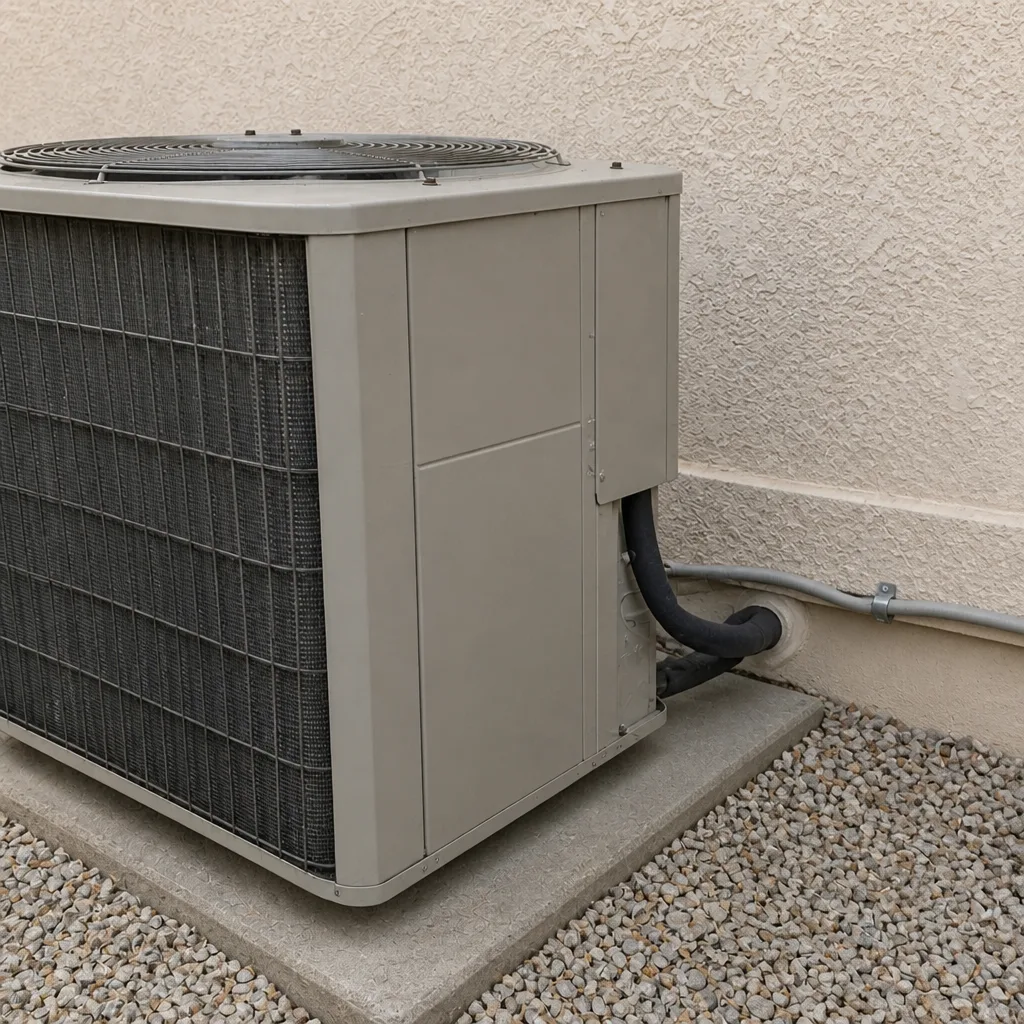
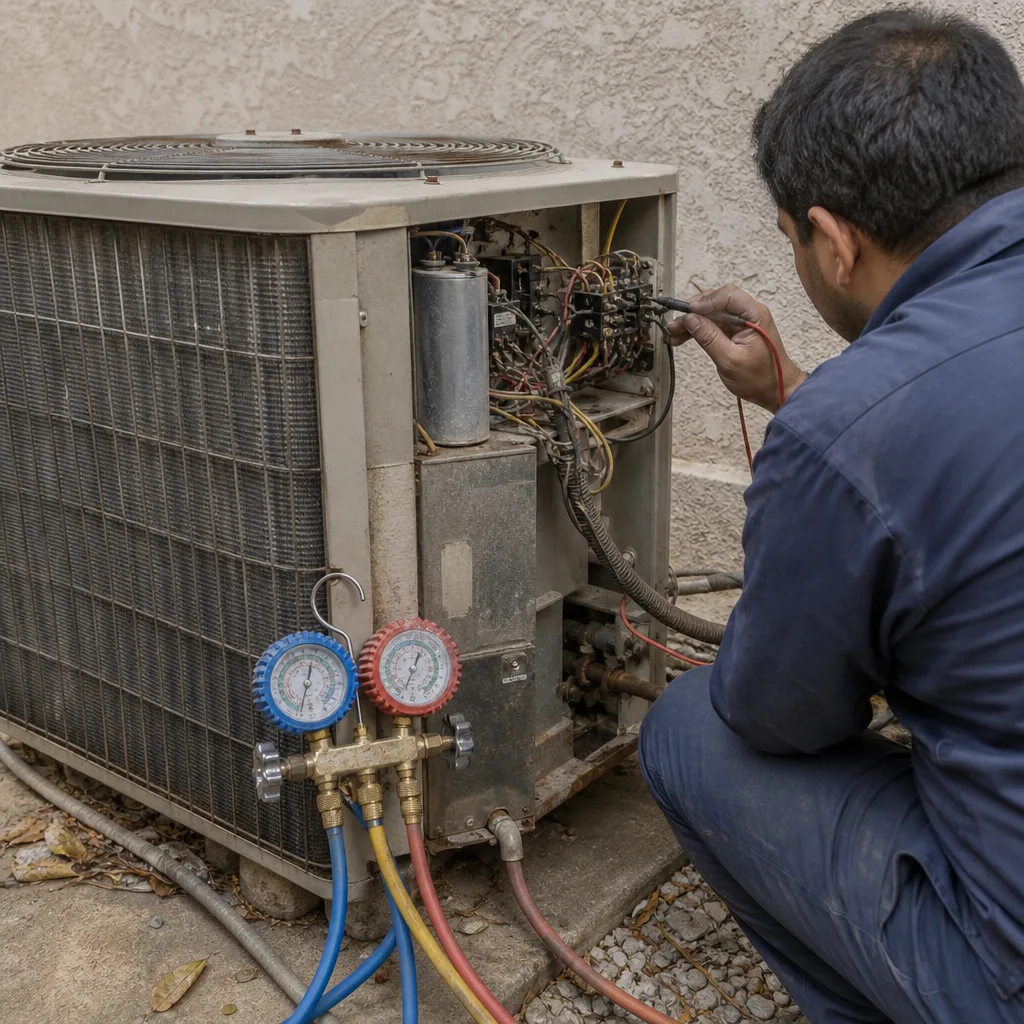 Before
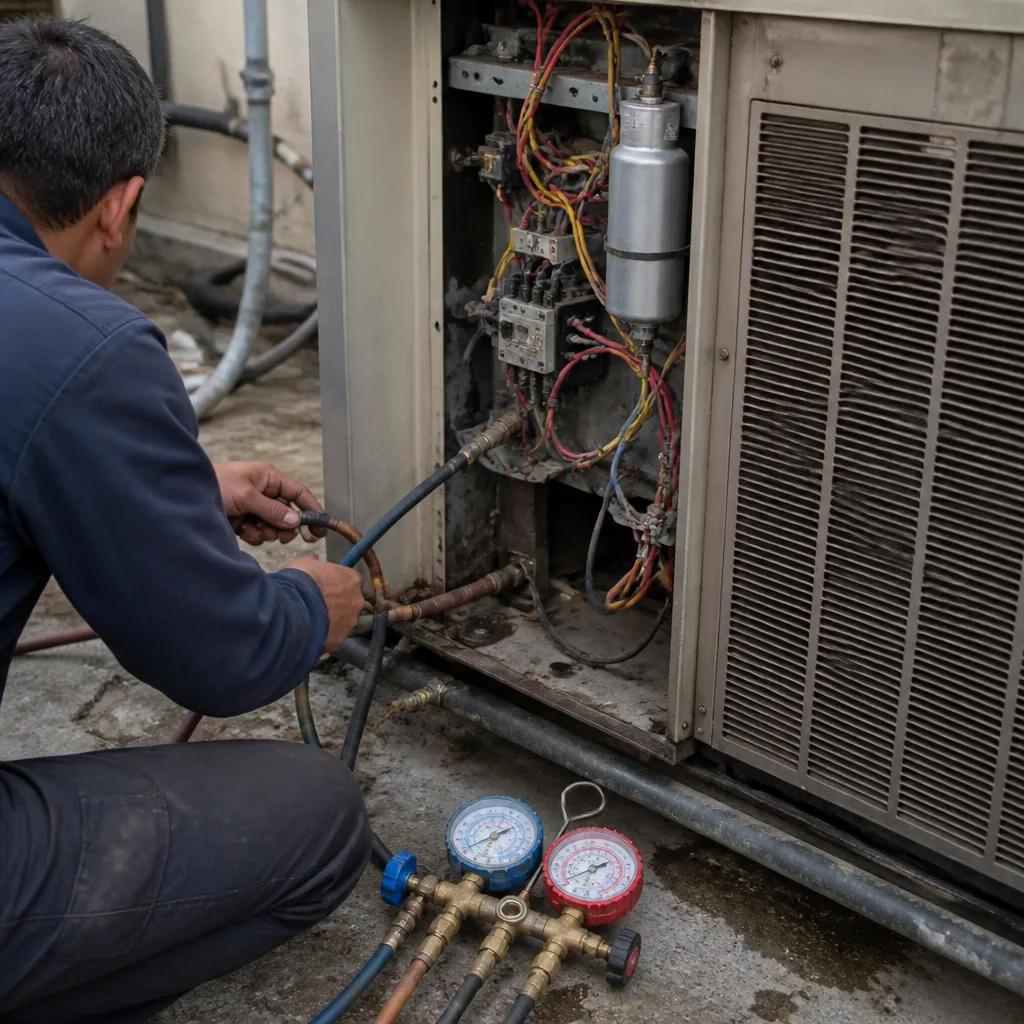
 After
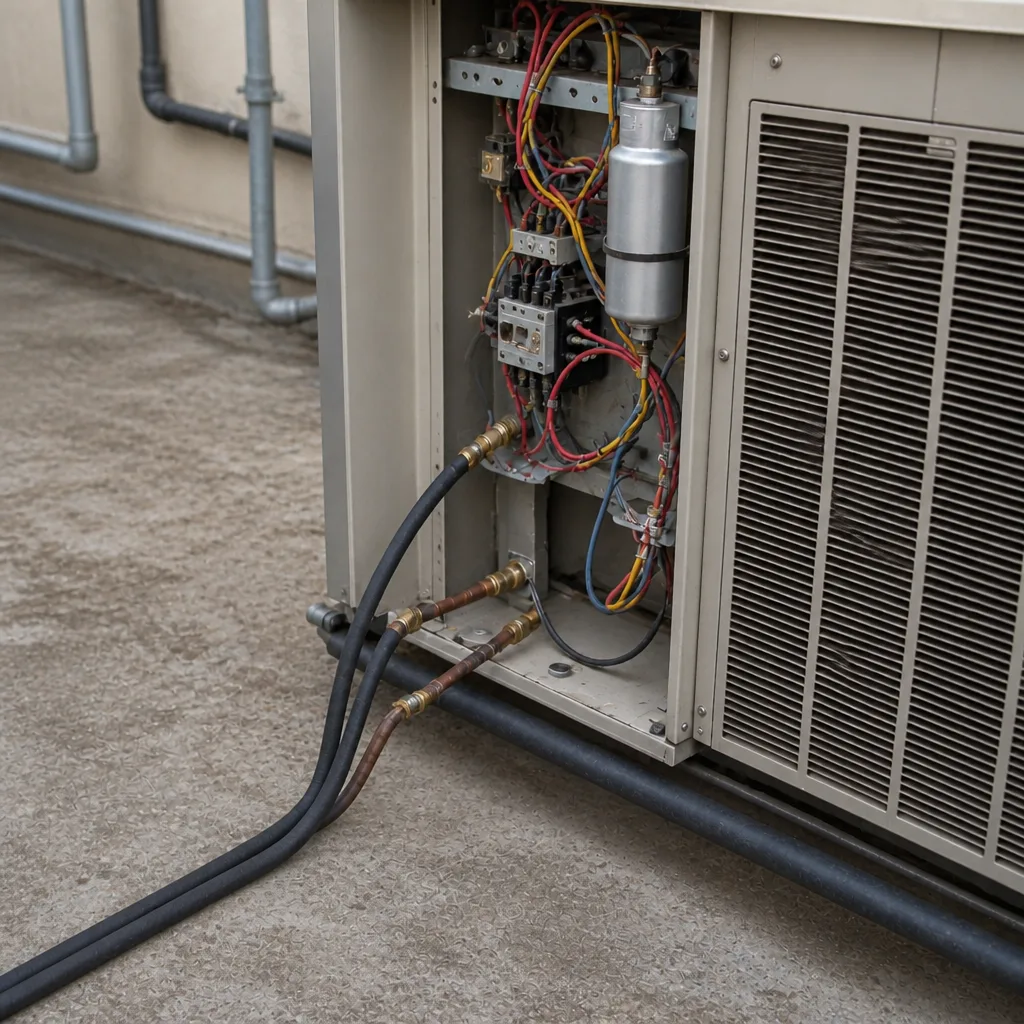
 Before
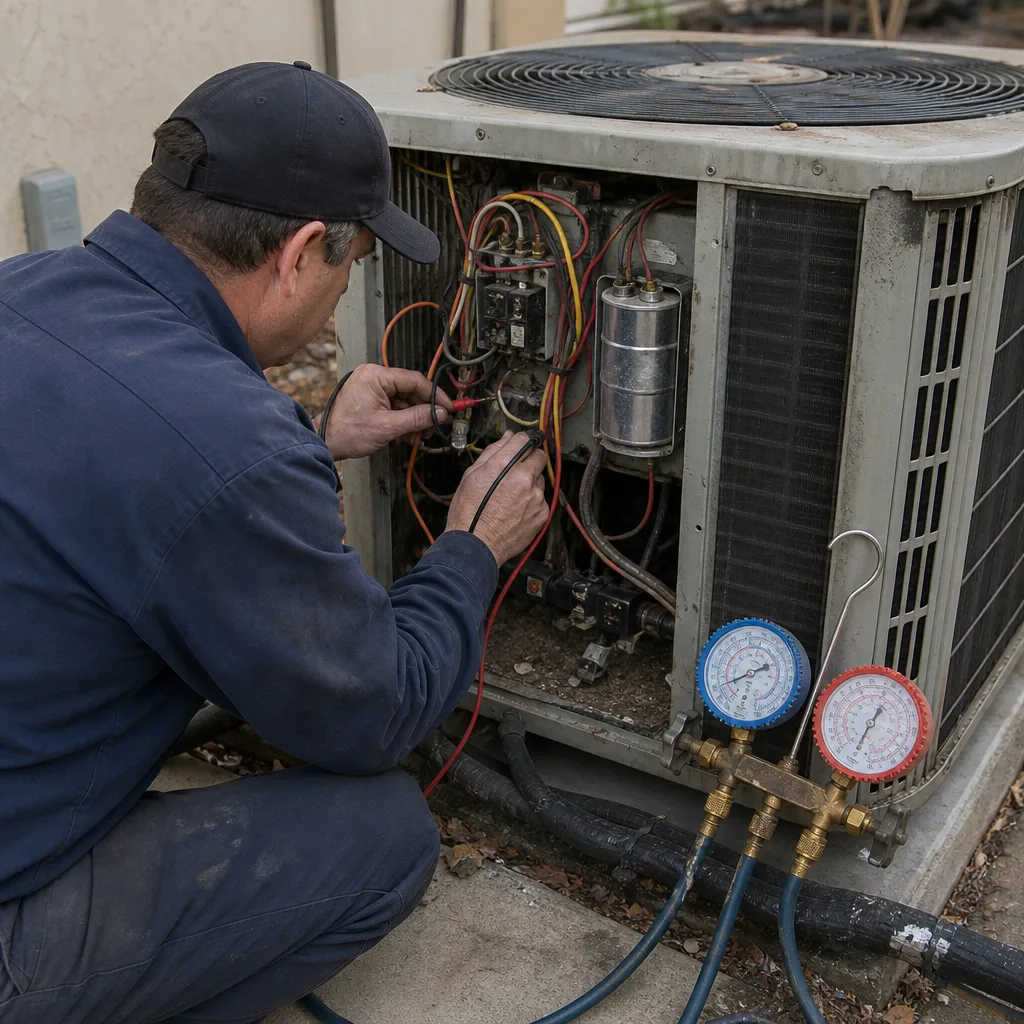
 After
 Before
 After
When to Call a Professional
Call a licensed tech when the work involves capacitors, contactors, refrigerant, compressors, or anything inside the air handler cabinet. Also call when the system has been running abnormal for more than a day – short cycling, running aux heat all night, or struggling to hit setpoint. Those are early warning signs and catch cheap. Ray’s Heating & Air Spring Valley offers free estimates in Spring Valley. Everything we do carries a 90-Day Done Right Promise in writing, and if we didn’t do it right, one call brings us back. Phones are answered by a live person, and there’s no trip charge inside the county. Call (833) 620-7288 for a free estimate.
Frequently Asked Questions
Twice a year: once in early spring before the cooling season and once in early fall before the heating season. The spring service is the more important one because the cooling season is longer and harder on the equipment, but the fall service is what catches heat pump defrost problems before January. If you had to pick only one, do the spring service and add the fall in any year the system is over 10 years old.
Spring Valley winter nights get cold enough that a heat pump cycles into defrost every 30 to 90 minutes on cold mornings, and that’s normal. What’s not normal is the outdoor unit staying iced over for hours, or the system running in emergency heat for days. That points to a failed defrost board, a bad outdoor sensor, or a reversing valve problem, and it needs a tech to diagnose.
Yes. Filter changes and outdoor coil rinsing are homeowner tasks and worth doing yourself. Do not open the air handler cabinet for a capacitor, contactor, or any electrical work, and don’t attempt refrigerant work. A gassed-out capacitor holds a lethal charge, and refrigerant handling requires EPA certification. Those are licensed-tech jobs.
78 degrees during the day and 85 when you’re away is the standard advice and works fine for most homes. The bigger variable in this climate is attic air handler efficiency, not the setpoint. If your system can’t hit 78 on a 110-degree day, that’s not a thermostat problem, it’s an equipment or insulation problem worth a diagnostic.
Yes. The tune-up that matters most is the pre-summer one on a newer system, because the parts that fail first (capacitor, contactor, blower motor) are the ones a tune-up tests. Catching a capacitor that’s drifted 15 percent in April saves you a July no-cooling call. On a system under 10 years, tune-ups run cheap and catch more.
When repairs exceed about $1,500 on a system over 12 years old, when you’ve had two or more refrigerant leaks in 24 months, or when the system still uses R-22 refrigerant. At that point a tune-up is buying time, not saving money. When you’re ready to talk replacement, we do a load calc and give you a written fixed price before anything is ordered.
The Bottom Line
Spring Valley runs on two hard seasons and two short transitions, and the eight weeks of spring and fall are when the year’s maintenance actually happens. The pattern that works: filter changes every 60 to 90 days, pre-summer tune-up in April or May with a capacitor test and a written report, fall heat tune-up before the first freeze night, outdoor coil rinse after every dust event. Homeowner tasks stay homeowner tasks. Capacitors, refrigerant, and defrost boards go to a licensed tech. That’s the whole plan, and it prevents most of the July and January calls we get. The rest is just scheduling it before the calendar forces you to.
Questions about your specific system, or ready to book a spring or fall tune-up? Call Ray’s Heating & Air Spring Valley at (833) 620-7288 for a free estimate. You can also start with our Ray’s Heating & Air Spring Valley home page to see what we cover.
Written by the team at Ray’s Heating & Air Spring Valley.