
Last updated November 18, 2026
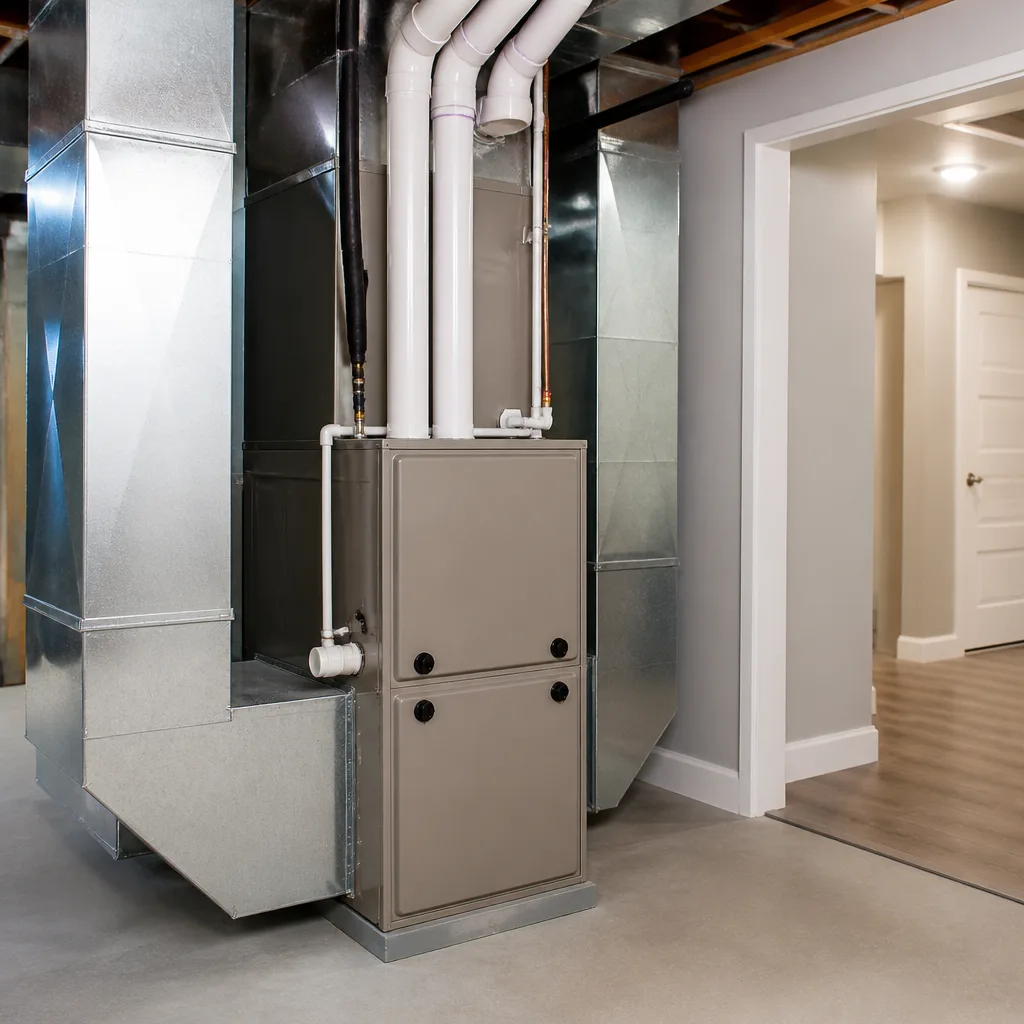 Furnace & heating
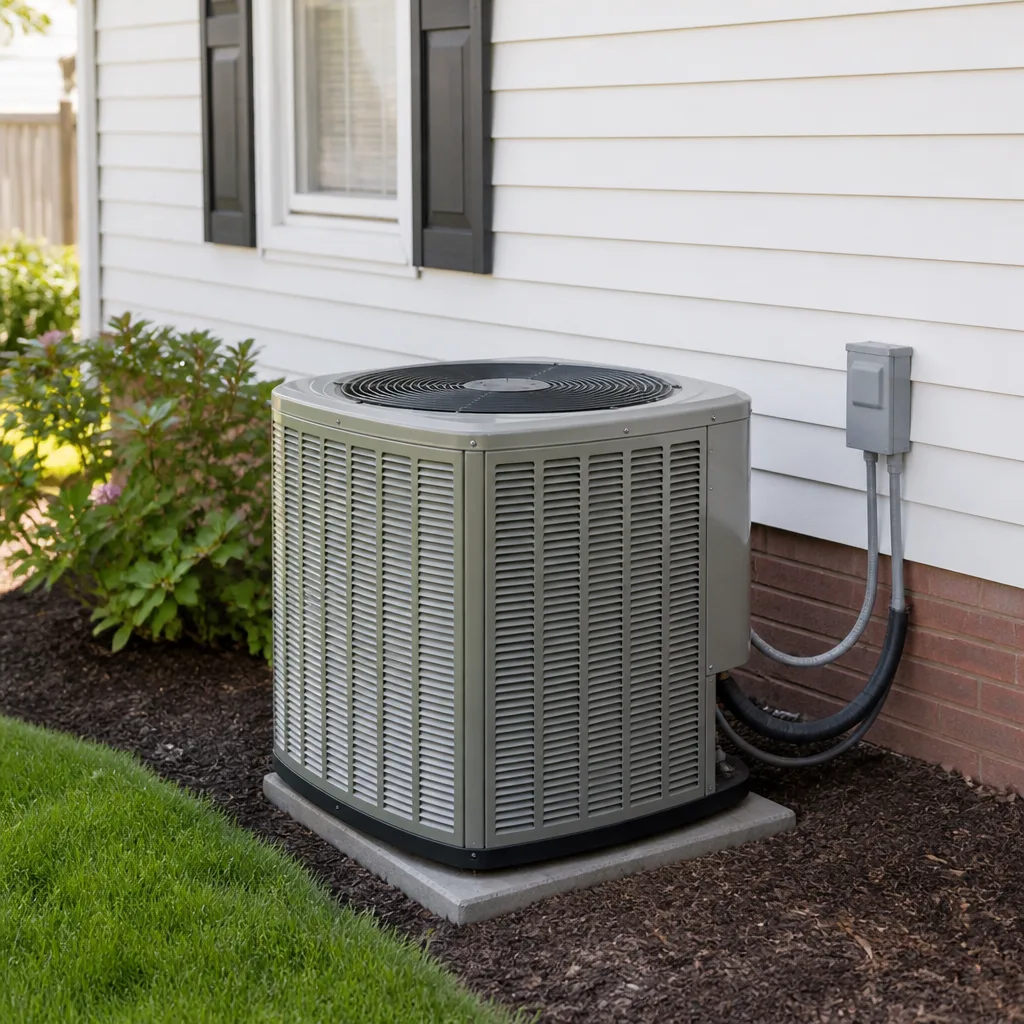 AC repair
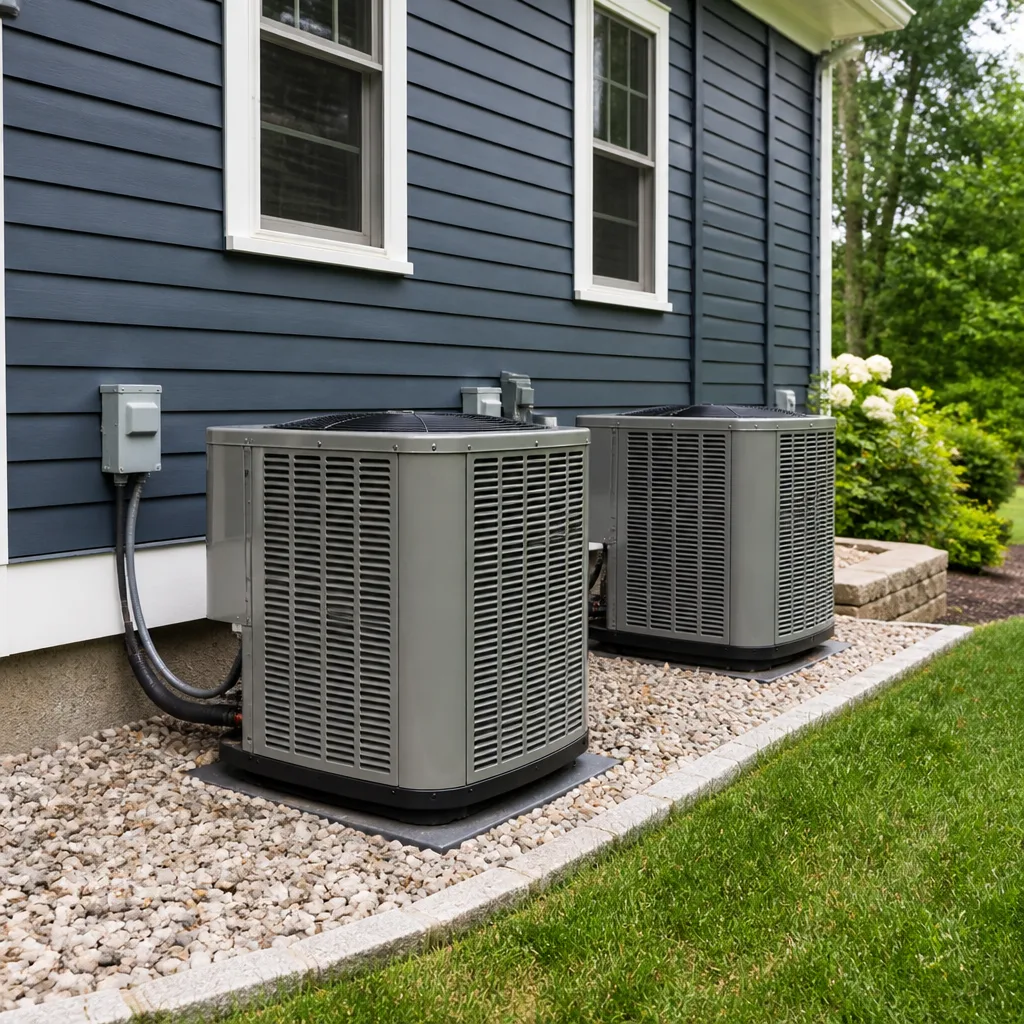 Heat pumps
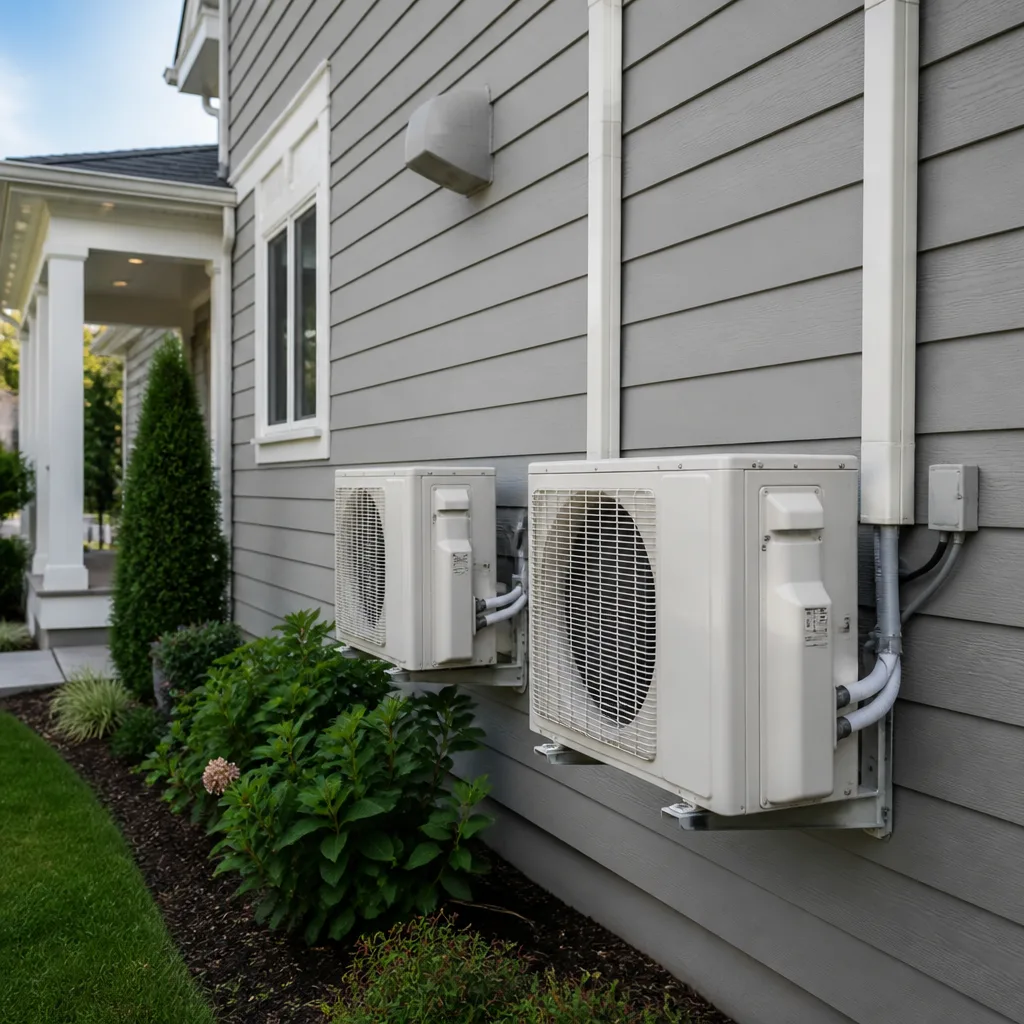 Ductless mini splits
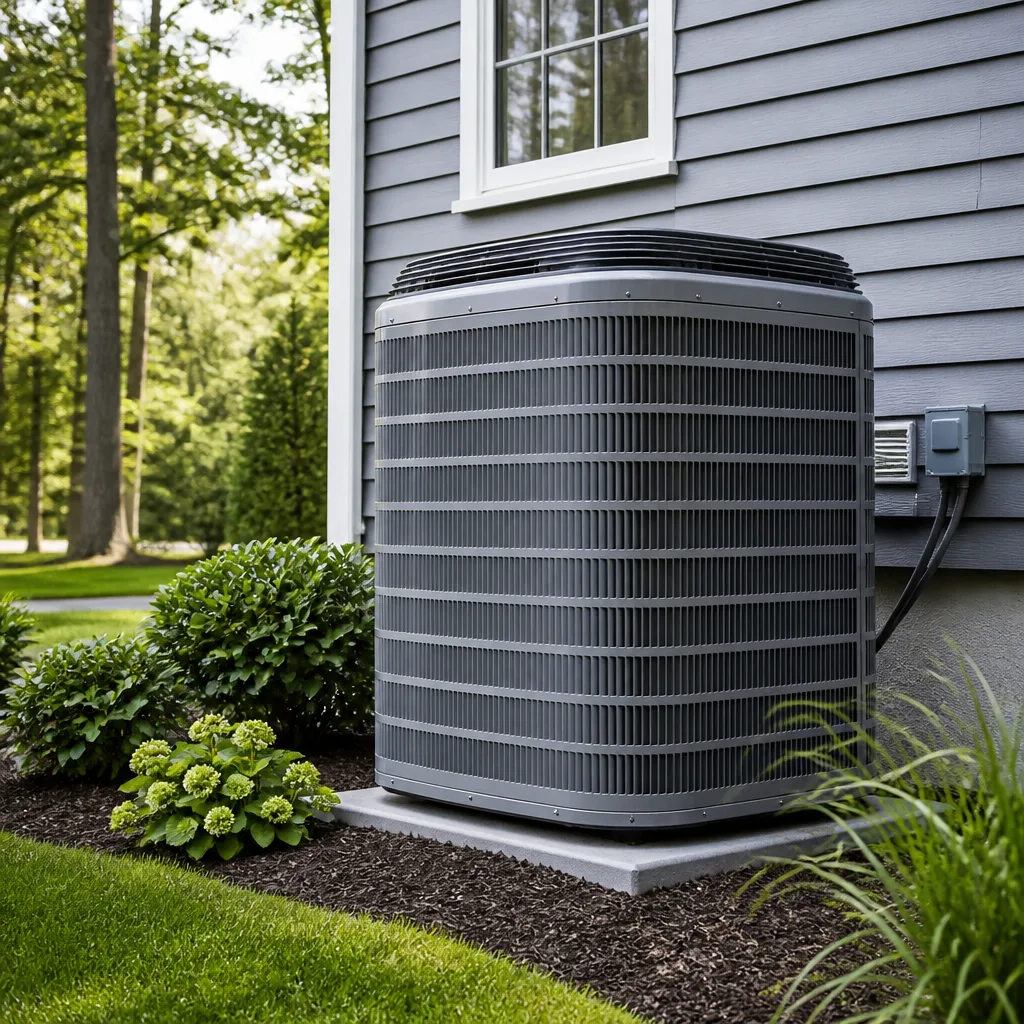 Carrier
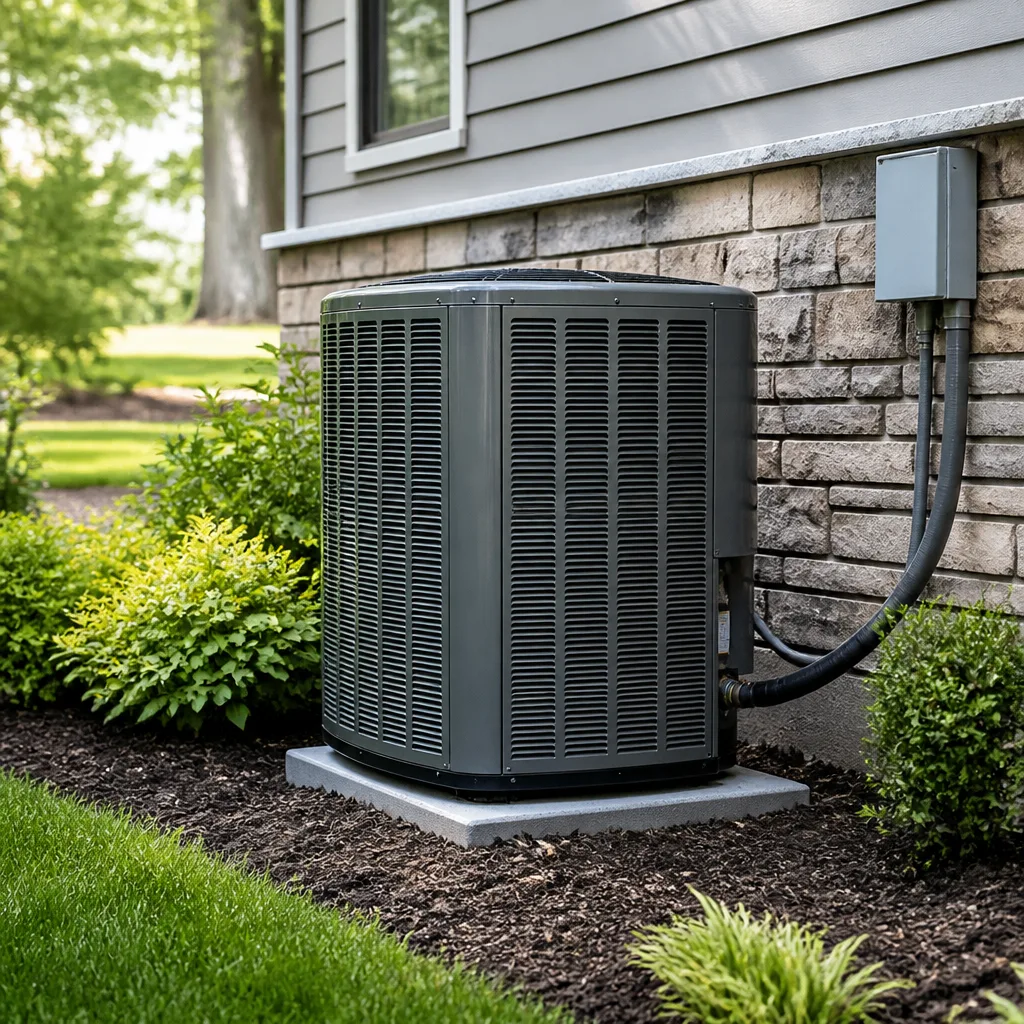 Trane
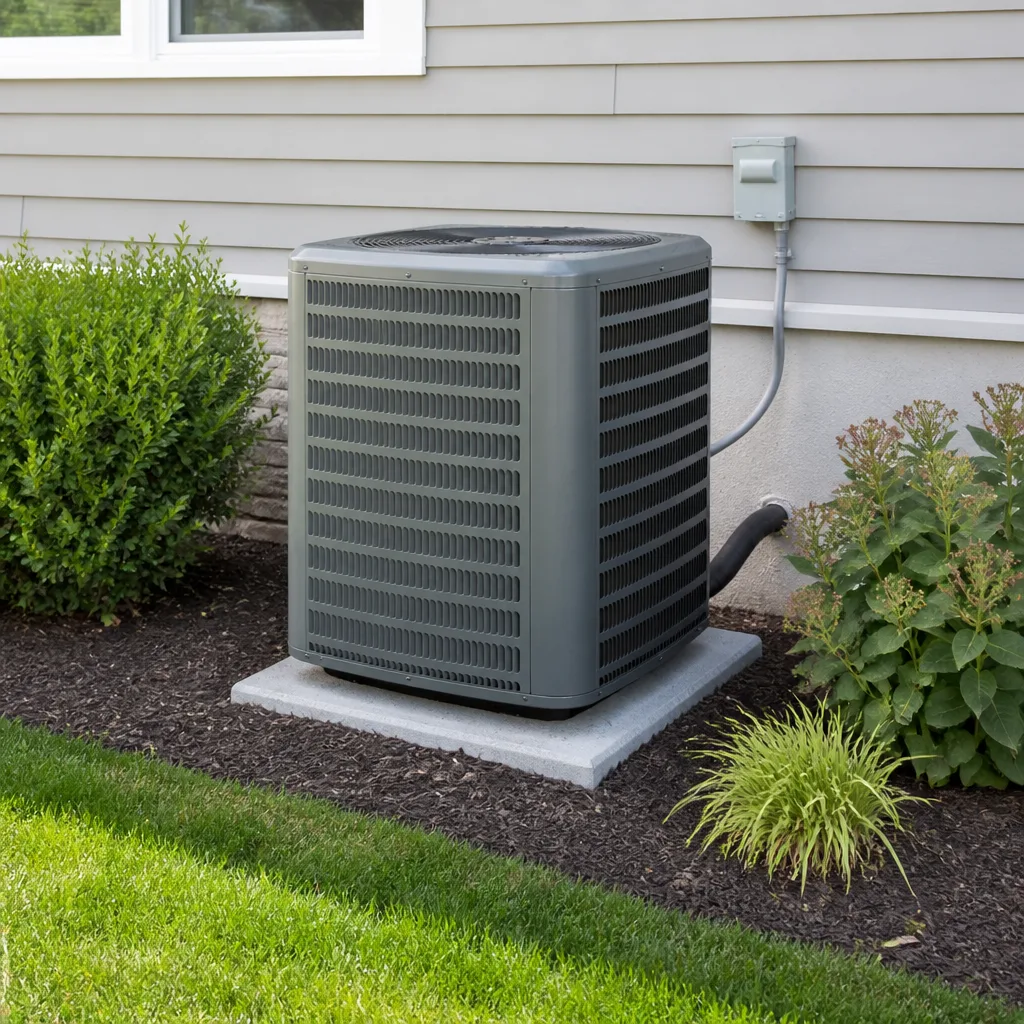 Goodman
Seasonal tune-up and full diagnostic on your Carrier, Trane, or Goodman system - readings shown to you before any repair is proposed
Diagnosis first, numbers second - you approve the repair price before a single part goes in.
Get your free estimateHow Long Does Heating & Furnace Take? Timelines and What to Expect
Here’s the number that surprises Spring Valley homeowners every fall: a furnace replacement is about 4 to 6 hours of actual labor, but the median wait from your first phone call to a finished, running system is 3 to 5 days. That gap is where families freeze. The waiting isn’t the wrench-turning. It’s the calendar math nobody explains upfront: the diagnostic slot, the parts order, the Clark County permit, the install block, the inspection window. In this guide we’ll walk through every stage of a heating job with real hour-and-day estimates, show you which problems get fixed before dinner and which ones turn into a week, and hand you the exact questions that surface a hidden delay before you sign anything.
Quick Answer
A furnace repair like a bad ignitor or flame sensor usually takes 1 to 2 hours once a tech is on site. A full replacement averages 4 to 6 hours of labor but typically takes 3 to 5 days from first call to finished job because of diagnostics, parts sourcing, permits, and scheduling. The job itself is fast; the runway in front of it is what eats the calendar.
Styles & brands we work with
- AC repair
- Furnace & heating
- Heat pumps
- Ductless mini splits
- Carrier
- Trane
- Goodman
Table of Contents
- The Five Phases of a Heating Job, Clocked Honestly
- Same-Day Repair vs. Multi-Day Job: Which Call Are You Making?
- Why Parts Wait (and Why Spring Valley Gets Hit Harder)
- The Clark County Permit Queue Nobody Warns You About
- Installation Day, Hour by Hour
- Real Hold-Up vs. Contractor Stalling
- The Questions to Ask Any Contractor Before You Sign
- When to Call a Professional
The Five Phases of a Heating Job, Clocked Honestly
Most companies quote you the install. Nobody clocks the whole thing. Here’s the real shape of a heating job in Spring Valley, broken into the five stages that actually consume your time.
- Diagnostic visit. Somewhere from same-day to 48 hours out, depending on how deep into the season you are. The visit itself runs 45 to 90 minutes. A gas furnace needs combustion readings, a heat-exchanger visual, airflow checks, and electrical testing. Anyone quoting a fix over the phone without readings is guessing.
- Parts sourcing. Common wear items like ignitors, flame sensors, capacitors, and draft inducer motors are often in a shop’s stock and same-day. Order-only parts run 1 to 3 business days; heat exchangers and control boards can run 3 to 10 days. More on why in a minute.
- Permit pull. For a full replacement, Clark County requires a mechanical permit. That’s generally 1 to 3 business days for the paperwork, sometimes more during peak. Repairs don’t need one.
- Installation day. 4 to 6 hours for a standard furnace swap in a typical Spring Valley ranch or two-story. Longer in tight closets, attics, or where ductwork has to be modified.
- Final inspection. The county inspection is typically scheduled within a few business days of the install. Your system runs before then, but the permit stays open until the inspector signs off.
Add those up and you land right where the median sits: 3 to 5 days from call to closed job. That’s not us being slow. That’s the honest arithmetic of a job that involves a real permit, real parts, and a real inspection. Anyone promising a full furnace replacement in one phone call with no permit is telling you something else is going on.
Same-Day Repair vs. Multi-Day Job: Which Call Are You Making?
Knowing which category your problem falls into is the single biggest factor in how long you’ll wait. Here’s the split in our experience.
Usually same-day or next-day
- Bad ignitor. The most common fall no-heat call. Test it, replace it, usually 1 to 2 hours.
- Flame sensor that’s fouled or failed. Clean, test, replace if needed.
- Failed capacitor or control board on a blower circuit.
- Clogged condensate line on a high-efficiency unit. Common after wet winters.
- Pressure switch or blocked flue on an 80% furnace.
Multi-day job
- Cracked heat exchanger. Combustion safety issue, and the part is order-only. 3 to 7 days typically.
- Full furnace replacement. 3 to 5 days including permit.
- Ductwork repair or resealing. Time depends on access and extent.
- Heat pump changeout. Usually 5 to 7 days including electrical and refrigerant work.
If your system still runs but short-cycles or runs cold, you’re usually in the same-day repair bucket. If it’s dead and you’ve smelled gas, that’s an emergency call right now, not a scheduling question. If it’s just old and tired and you’re weighing a swap, that’s the multi-day job and you have time to plan. Call (833) 620-7288 and we’ll tell you which bucket you’re in before anyone rolls a truck.
Why Parts Wait (and Why Spring Valley Gets Hit Harder)
Spring Valley has a peculiar rhythm. Our cooling season is brutal – 115-degree summer days – so the whole trade is running flat out on AC repair from May through September. When the first real cold snap hits in late October or November, everyone who “kept meaning to call” finally calls at once. That pile-up drains the local parts pipeline.
Here’s the specific pattern we see in Spring Valley:
- Common Carrier and Lennox heat exchangers on 15 to 20-year-old units are back-ordered most falls because the regional supply depot runs thin on last-generation stock. Order-only status can push a heat-exchanger job from 3 days to 10.
- Goodman and Rheem ignitors stay in stock easier – the parts are shared across more model years, so distributors keep them deeper.
- York and Daikin high-efficiency control boards often land in the 3 to 7 day window in fall, when the distributor serves both heating and cooling backlog.
- Special-order flue components and concentric vent kits for high-efficiency retrofits can add a week in the worst case, because Clark County installers are all pulling from the same Las Vegas distribution hubs.
Ray’s rule: if the person on the phone can’t tell you the exact part number on backorder and the expected ship date, ask why. A real hold-up has a name and a tracking number. A vague “parts delay” often doesn’t. If you want the straight talk on your specific system, our Heating & Furnace in Spring Valley page lays out what we handle, or just call and ask.
The Clark County Permit Queue Nobody Warns You About
Any full furnace replacement or heat pump changeout in Spring Valley needs a mechanical permit through Clark County. The permit itself isn’t the slow part – the paperwork typically clears in 1 to 3 business days. What slows things down is the inspection scheduling on the back end. In late fall and early winter, county inspectors are booked out several days because half the valley is doing the same thing you are.
Here’s what a clean permit timeline looks like:
- Contractor files the permit the day you sign the estimate.
- Permit issues in 1 to 3 business days.
- Install happens (usually a day after permit issues).
- Contractor calls for inspection; inspector shows up within 2 to 5 business days.
- Inspection passes, permit closes.
A company that skips the permit skips the inspection – and that’s a problem at resale and with your insurance. Honest contractors build the permit time into your quote. If someone tells you “you don’t need a permit for a furnace swap,” that’s a flag. You do. No exceptions worth risking.
Installation Day, Hour by Hour
Here’s what the day actually looks like for a standard Spring Valley furnace replacement. This is the part where the labor happens, and it’s tighter than you’d think.
- Hours 1 to 2: Tear-out and setup. Old unit disconnected, gas shut off at the valve, electrical isolated, equipment brought in. Drop cloths, floor protection.
- Hours 2 to 3: Airflow and fit check. New unit set, plenum adapted, venting or flue routed. This is where tight closets add time.
- Hours 3 to 4: Gas and electrical. New gas connections pressure-tested, electrical tied into the disconnect, thermostat wired or reconnected.
- Hours 4 to 5: Startup and combustion test. Gas pressure verified, combustion analyzer reading, temperature rise checked, airflow measured.
- Hour 5 to 6: Cleanup and walk-through. Filter installed, system cycled on and off, paperwork handed over, the old unit hauled away.
If your install runs past 6 hours it’s usually ductwork or a tight mechanical closet, not the furnace itself. Ask the person at your door for the reason. A pro can name it. Anyone who can’t explain why the job is running long is worth questioning. If you’re weighing a heat pump instead, our Heat Pump & Mini Split in Spring Valley page covers the differing timeline.
Real Hold-Up vs. Contractor Stalling
Here’s a distinction that saves you money. A legitimate hold-up has evidence: a part order confirmation, a permit number, a scheduled inspection date. A stalling contractor has none of those. Here’s how to tell them apart.
Legitimate hold-up
- They can name the exact part (e.g., “Carrier heat exchanger, part [specific designation], on order through the Henderson depot”).
- They can show you the order confirmation or the distributor’s expected ship date.
- The permit number is on file with Clark County and you can look it up.
- They called you first with the delay – not the other way around.
Stalling for an upsell
- “We’re waiting on parts” with no part number, no estimate, no name.
- The scope of the job quietly grows while you wait – suddenly the whole system “needs to go.”
- No permit pulled, and they tell you none is needed.
- They promise a fast fix only if you approve a bigger job “while we’re already here.”
The fix on your end is simple: ask for the part number and the ship date the minute a company says “delay.” If they can’t produce them, get a second opinion. We’ve always offered a free second opinion on any written estimate, no strings, because a homeowner with two quotes in hand is a homeowner who isn’t getting played.
The Questions to Ask Any Contractor Before You Sign
This is the checklist. Run every one of these before you put a signature on anything.
- What’s the exact part number and expected ship date on the replacement? A real answer is specific.
- Are you pulling a Clark County mechanical permit, and will you show me the number? No permit, no deal.
- How many days from signed estimate to inspection complete? They should give you a number, not a range with “if all goes well” attached.
- Who’s showing up on install day – the same person who quoted me, or a crew I’ve never met? Continuity matters.
- What’s the warranty in writing? Parts warranty, labor warranty, and any workmanship guarantee. On paper.
- Are you licensed and insured in Nevada, and can I see the license number? Verifiable is the whole point.
- What’s the total price, and does it include permit, haul-away, and final inspection? No surprise line items.
Anyone who can answer all seven is worth hiring. Anyone who waffles on two or more is worth calling someone else. If you want a name that answers all seven without a phone tree, that’s what we do.
Common Mistakes to Avoid
- Calling the morning the first freeze hits. In Spring Valley, the coldest week of the year is also the busiest. If you know your furnace is 18 years old, get the diagnostic done in October, not December.
- Approving a repair without readings. If a tech says “compressor” or “heat exchanger” without combustion readings, temperature rise, and a capacitor test first, stop. Ask for numbers.
- Believing “we’ll get to you this week” with no date. A legitimate schedule has a day and a time window. “This week” is not a schedule.
- Skipping the permit to save time. It doesn’t save time. It creates insurance and resale problems in a couple of years, and the county inspection becomes a bigger hassle later.
- Paying the full balance before the inspection passes. A reputable company is fine with holding final payment until the county inspector signs off.
- Not checking the license. Nevada publishes HVAC license numbers for a reason. Look it up. Any honest contractor expects it.
- Treating “back-ordered” as a blanket excuse. Back-orders exist, but they have names and dates. If the story doesn’t, ask questions.
See the difference
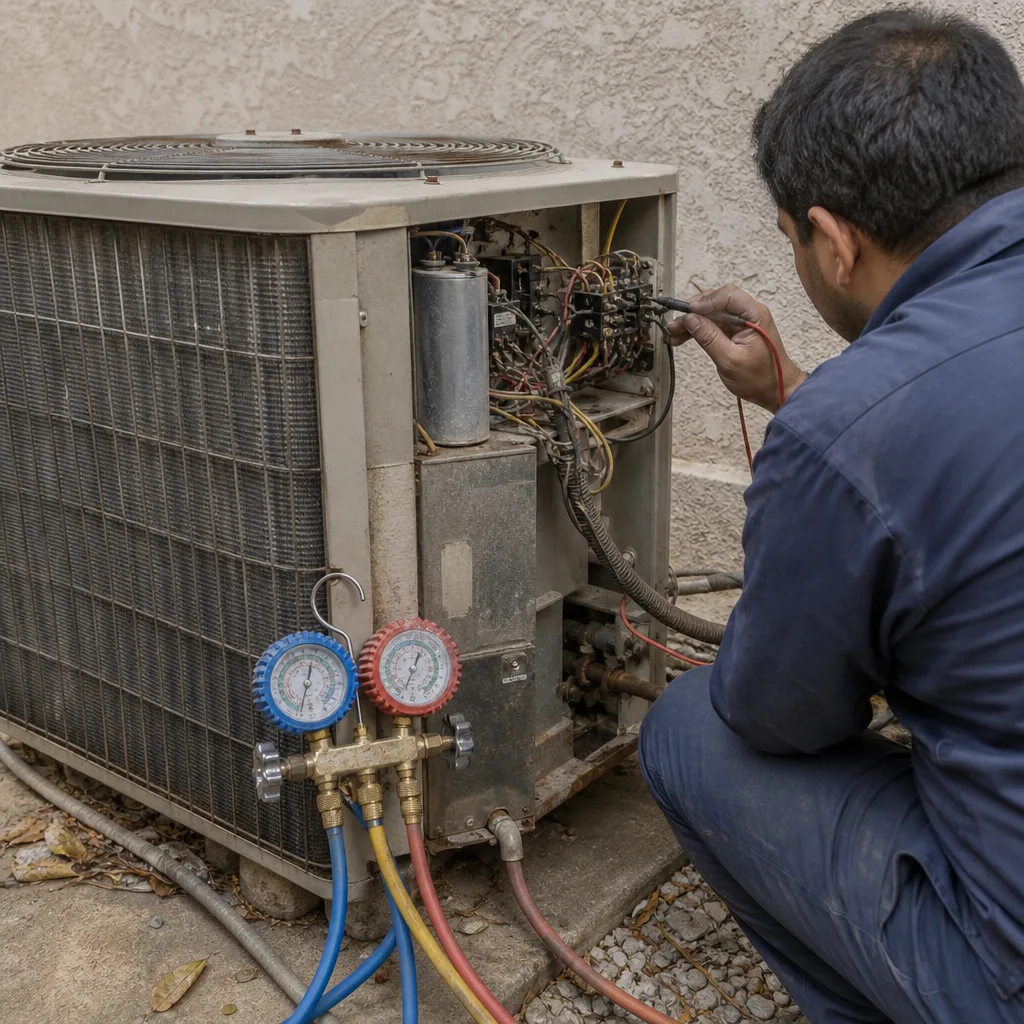 Before
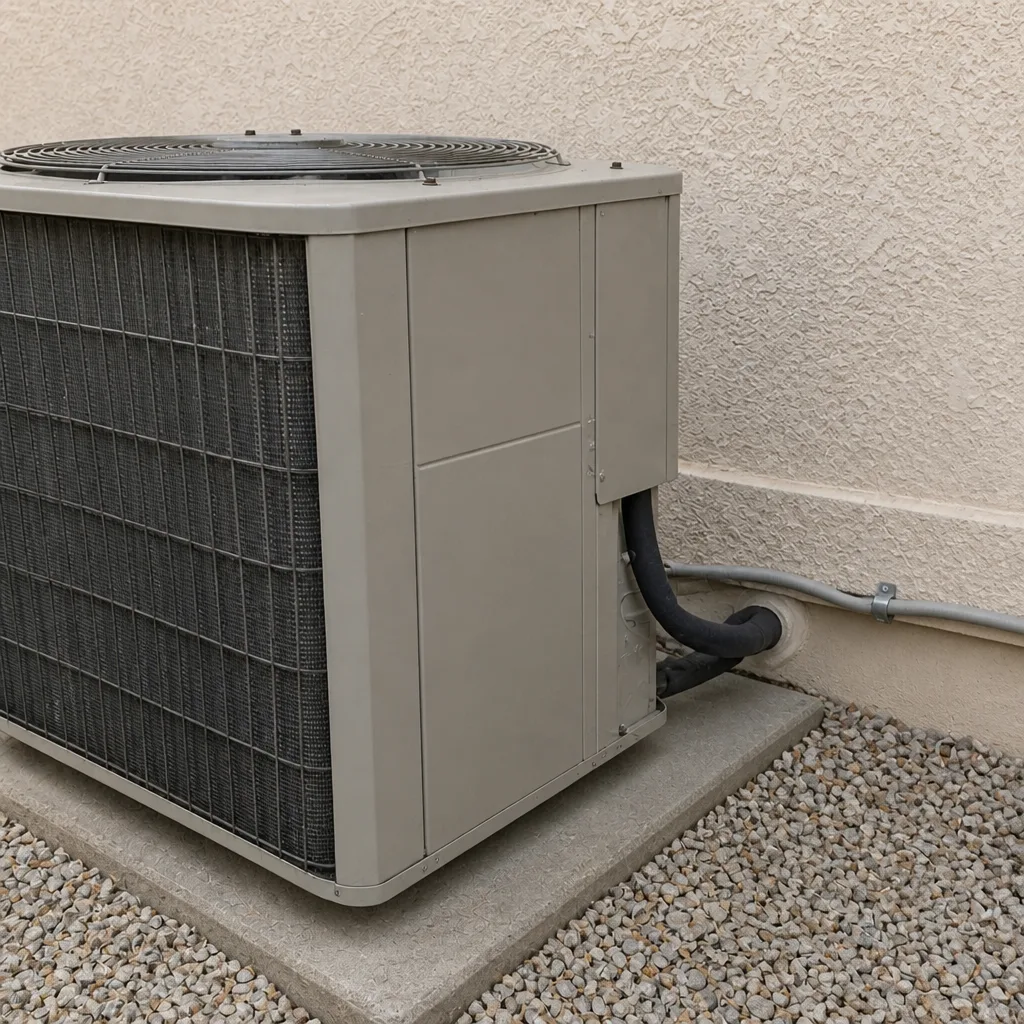 After
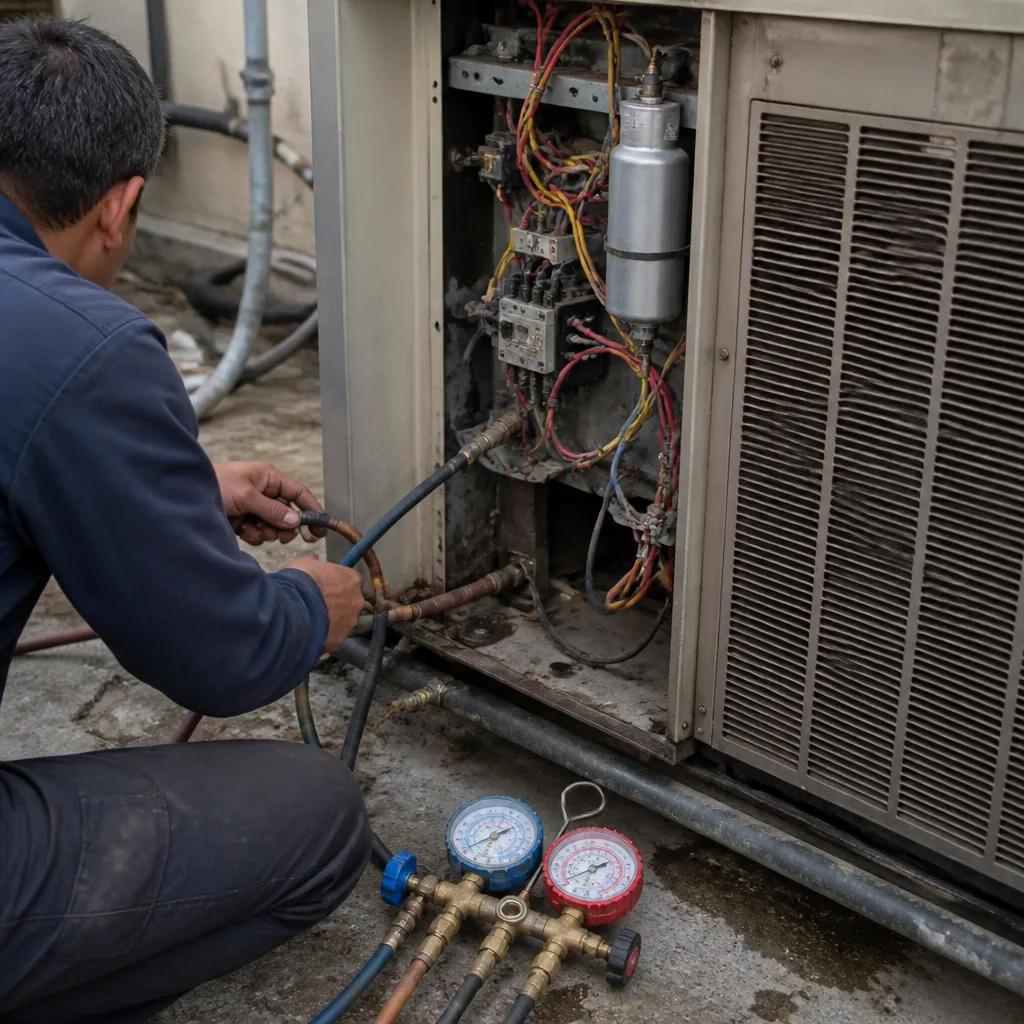 Before
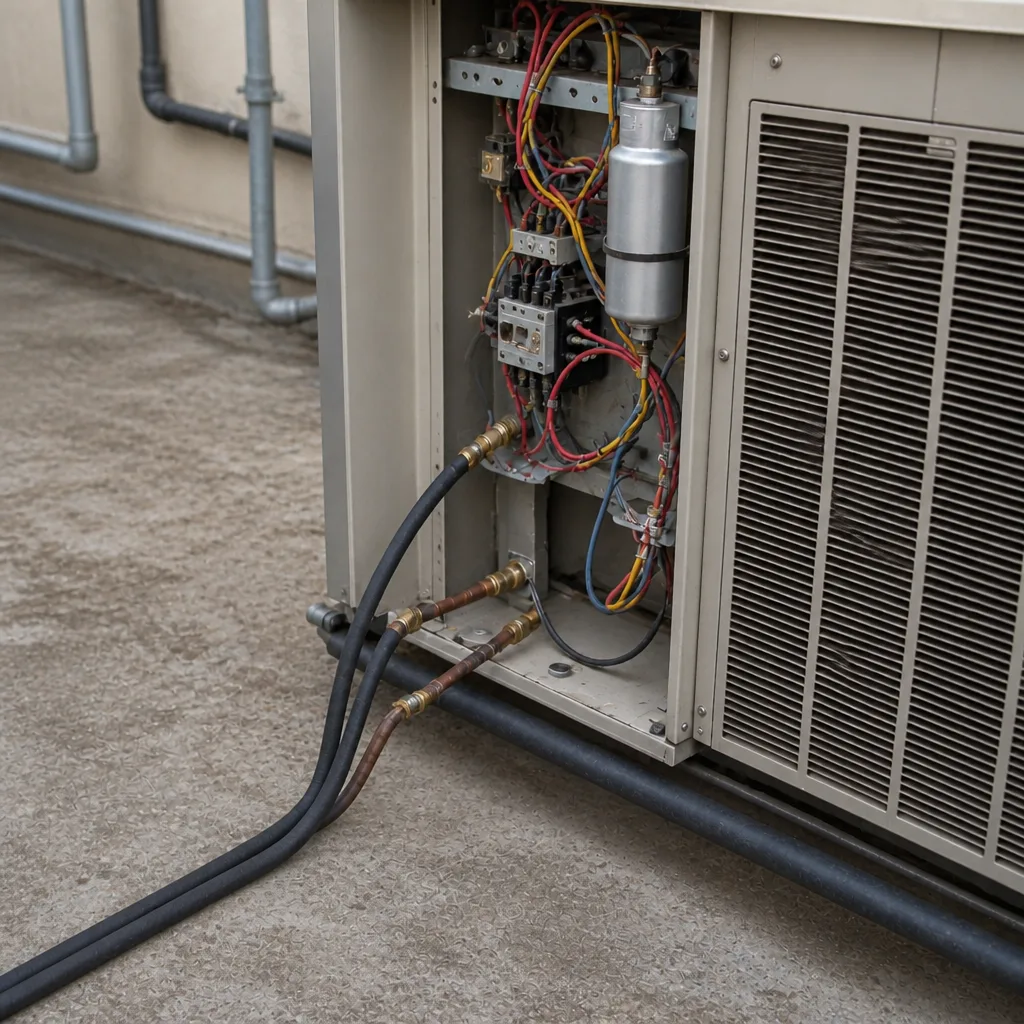 After
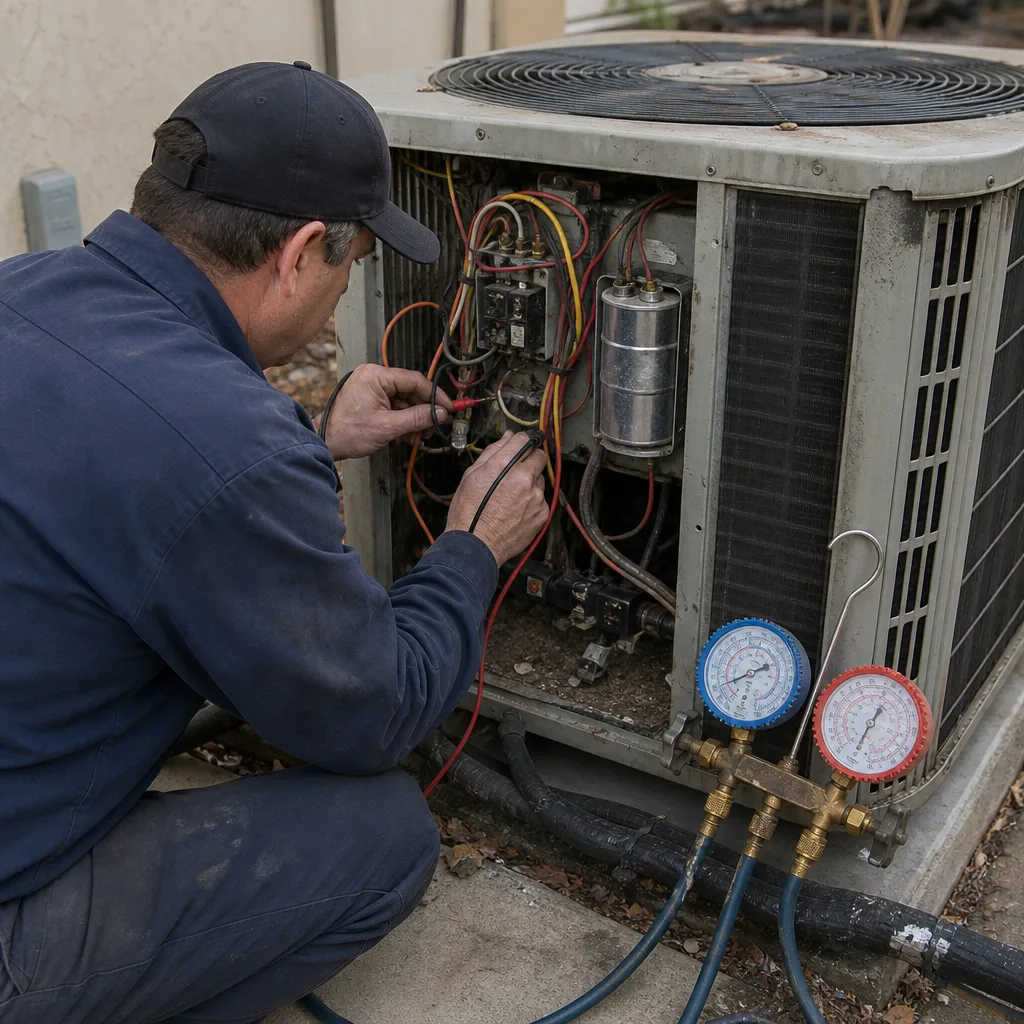 Before
 After
When to Call a Professional
Some jobs you can absolutely handle yourself – changing a filter, resetting a tripped breaker, checking a thermostat battery. But several heating problems are genuinely dangerous and not worth the risk. If you smell gas, get out and call the gas company first, then a professional. If your furnace is short-cycling, showing a flame that rolls out rather than burning steady, or producing soot or a metallic smell, shut it off and call. Cracked heat exchangers can put carbon monoxide into your living space, and no online tutorial is a substitute for a combustion analyzer reading. Same goes for gas line work, electrical panel work, and anything involving 240-volt connections.
If you’re in Spring Valley and you’re not sure, call us – a real person picks up around the clock, including Ray himself at two in the morning. Ray’s Heating & Air Spring Valley offers free estimates in Spring Valley – call (833) 620-7288.
Frequently Asked Questions
Total from first call to closed job: 3 to 5 days typically. Installation day itself is 4 to 6 hours of labor. The gap comes from diagnostics, permitting (1 to 3 days via Clark County), and inspection (2 to 5 days after install). The furnace swap is fast. The calendar is what slows it down. Call (833) 620-7288 for an exact quote – estimates are free.
If it’s an ignitor, flame sensor, capacitor, or a clogged condensate line, yes – usually the same day or next day. Heat exchangers, full replacements, and heat pump changeouts need parts ordering and permits, so they run multi-day. When you call, we tell you which bucket you’re in before we roll a truck. That way you’re not waiting on a promise that was never going to hold.
Spring Valley’s brutal summer AC season leaves the regional parts pipeline thinner than it looks by fall. Common Carrier and Lennox heat exchangers for 15 to 20-year-old units are frequently order-only in October and November. Lead times of 3 to 10 days are typical. The fix isn’t always to wait – sometimes a full unit replacement is the smarter call, and a good contractor will walk you through the math.
Rule of thumb: if the repair costs more than a third of a new system and the unit is past 15 years old, replacement usually wins. If the heat exchanger is cracked, replacement is the safer call regardless of age. If it’s just an ignitor or a control board on a 10-year-old unit, repair all day. Call (833) 620-7288 for a free estimate and a straight answer.
Yes. Clark County requires a mechanical permit for any full furnace replacement or heat pump changeout. The permit itself clears in 1 to 3 business days; the final inspection adds 2 to 5 more business days after install. Any contractor who tells you the permit isn’t needed is telling you something worth checking into before you sign.
Heat pump changeouts typically run 5 to 7 days from call to inspection, versus 3 to 5 for a straight furnace swap. The extra time is electrical work, refrigerant lines, and the more involved startup. Same pattern though – the labor itself is fast, the runway in front of it is what fills the calendar. Our AC Repair & Installation in Spring Valley page covers the cooling side if you’re planning a full year-round swap.
The Bottom Line
The furnace replacement itself is 4 to 6 hours. The full job is 3 to 5 days from first call to closed permit. The gap is where families freeze, and the gap is where honest contractors and stalling contractors look different. A real hold-up names the part, shows the permit, and explains the schedule. A stall keeps you guessing. Know which repair bucket you’re in, run the seven questions before you sign, and don’t let anyone sell you a “same-day full replacement” without a permit and an inspection date attached. That’s the whole clock.
If you want a real answer on your system – a live person, upfront pricing, readings before numbers, and a name that answers the phone at 2 AM – give us a call. Ray’s Heating & Air Spring Valley home has more of how we work, or dial (833) 620-7288 for a free estimate. If you’re on the fence, a second opinion on any written estimate is free, and we’ll tell you straight whether repair or replace is the better call.
Written by the team at Ray’s Heating & Air Spring Valley.