
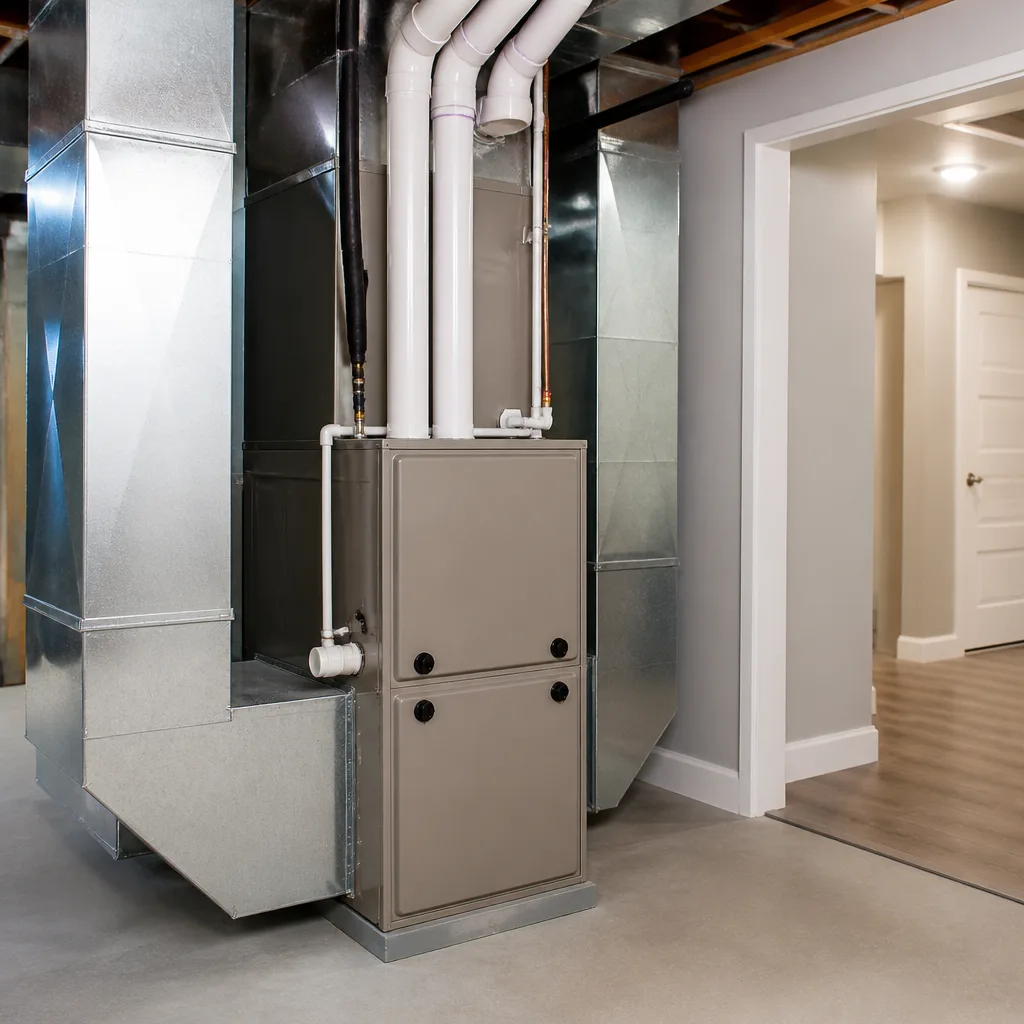
 Furnace & heating
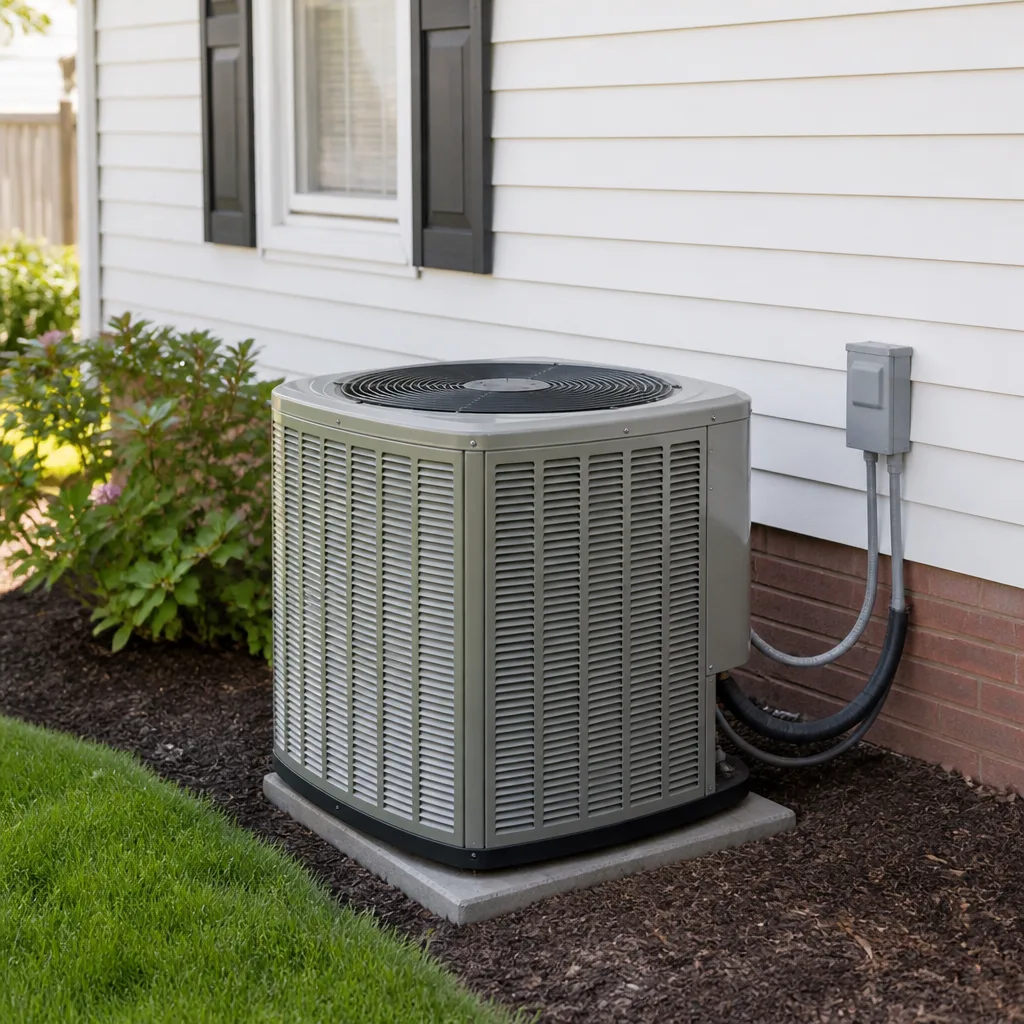 AC repair
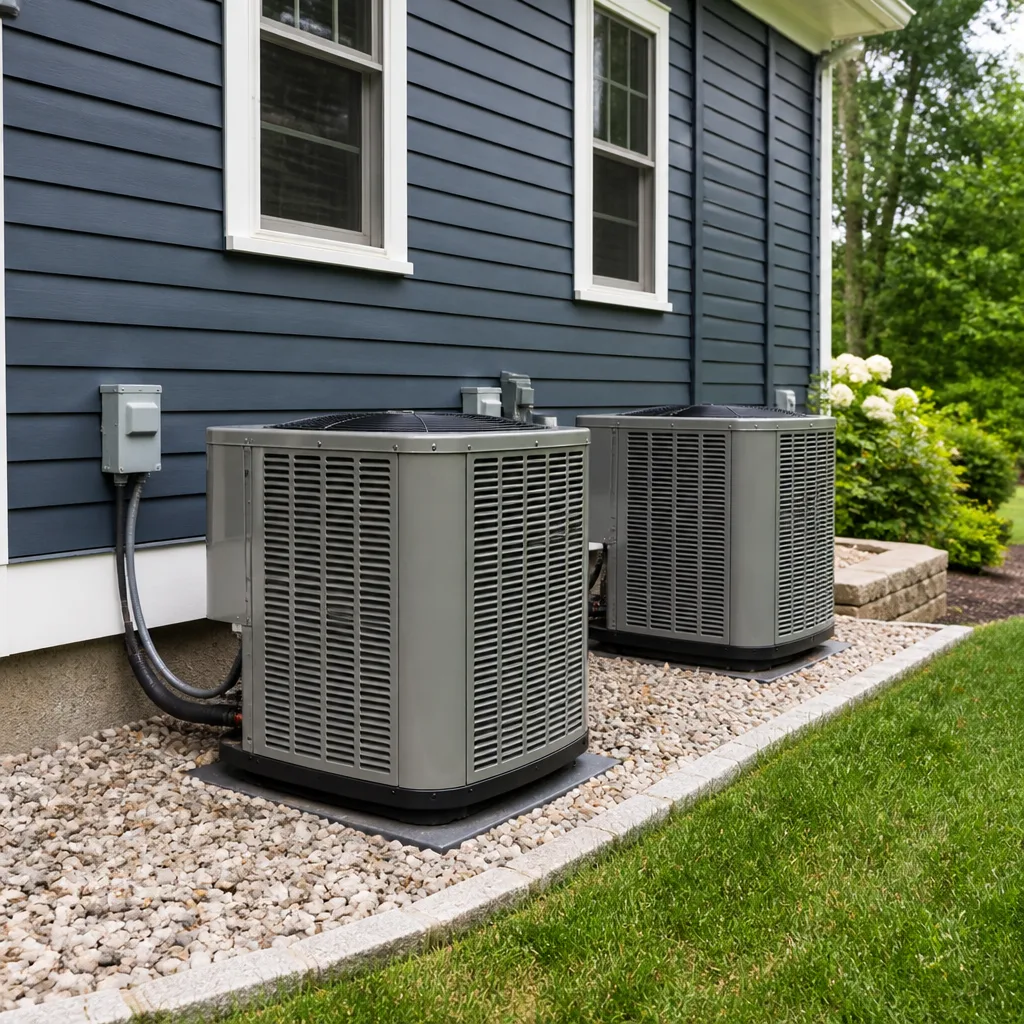 Heat pumps
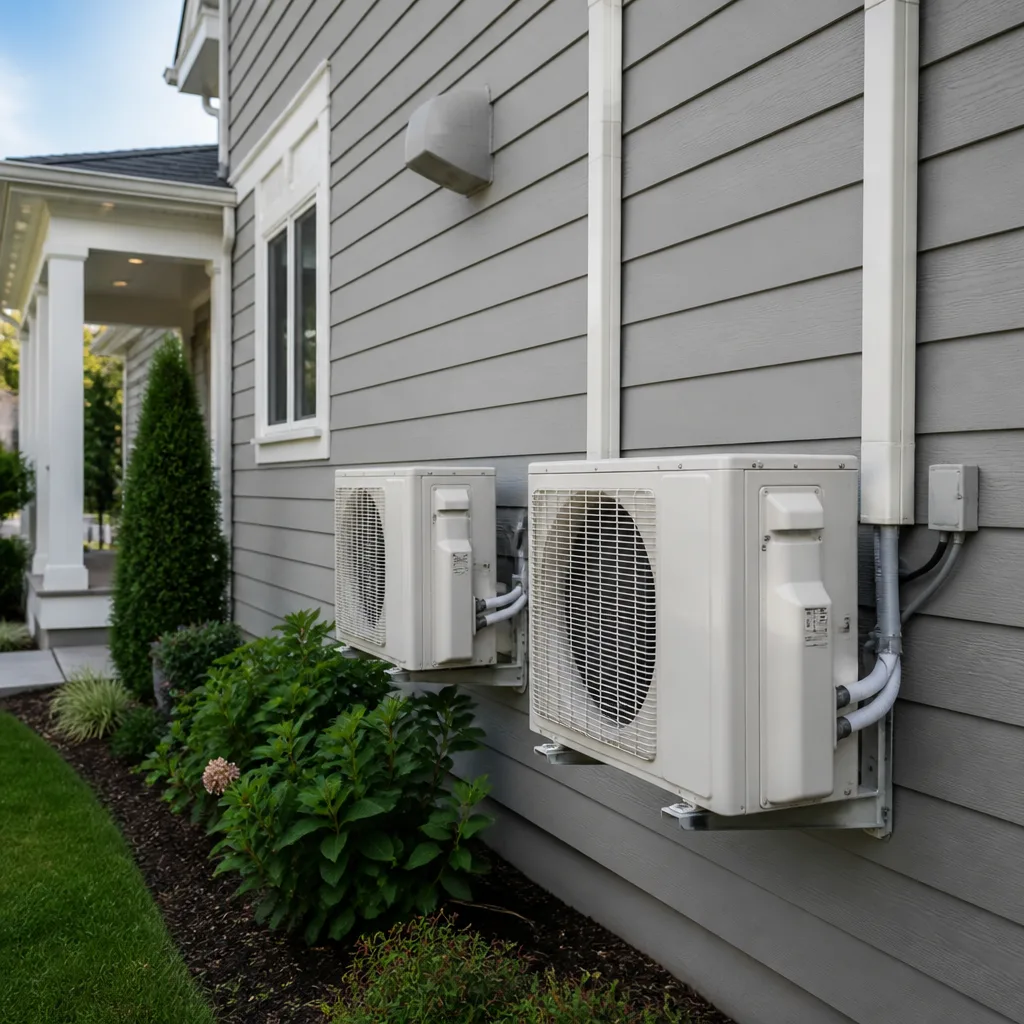 Ductless mini splits
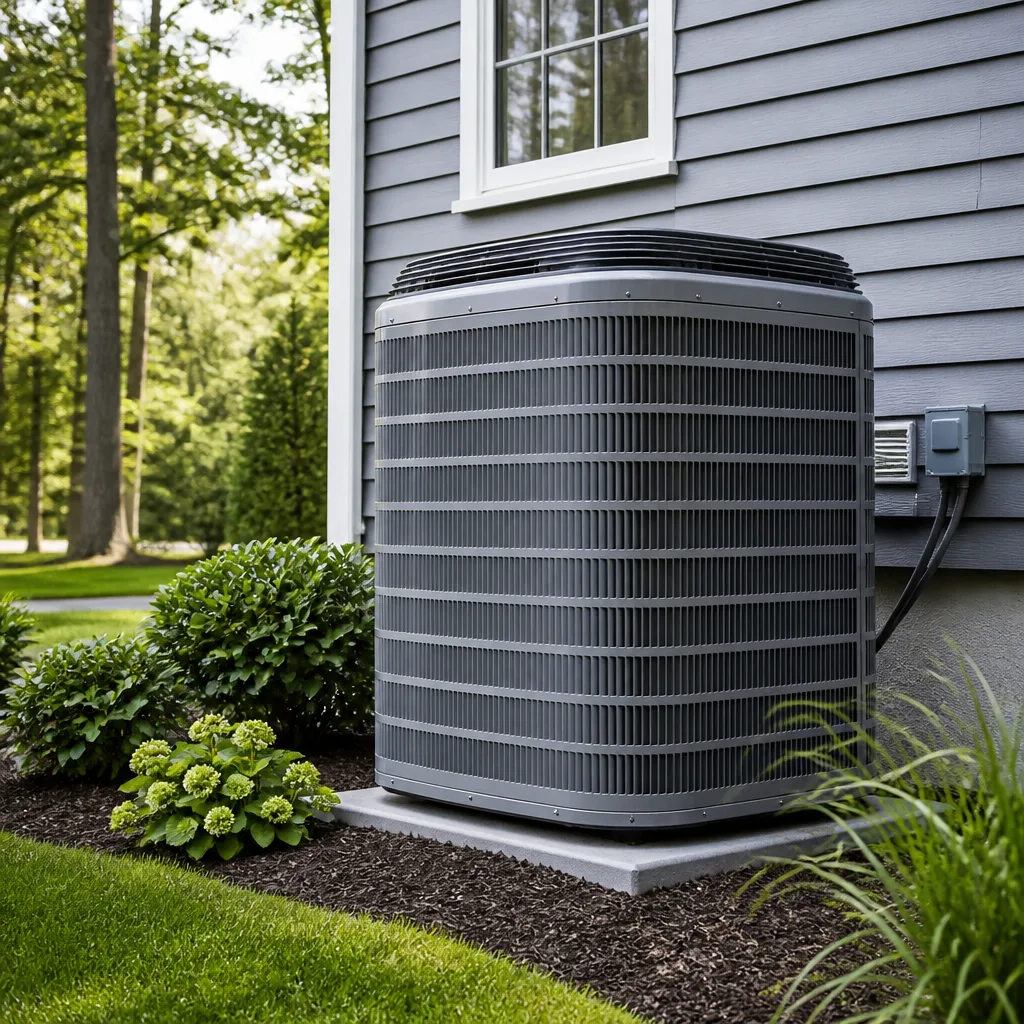 Carrier
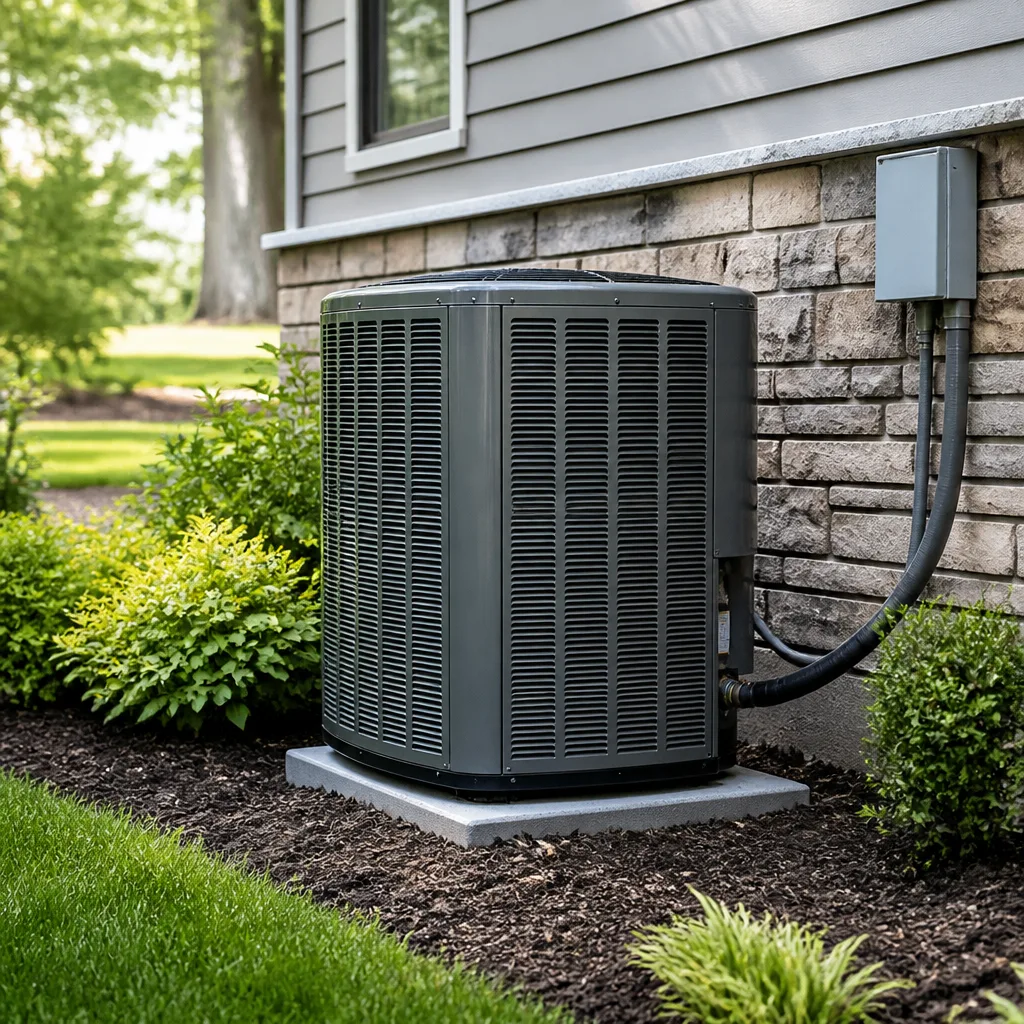 Trane
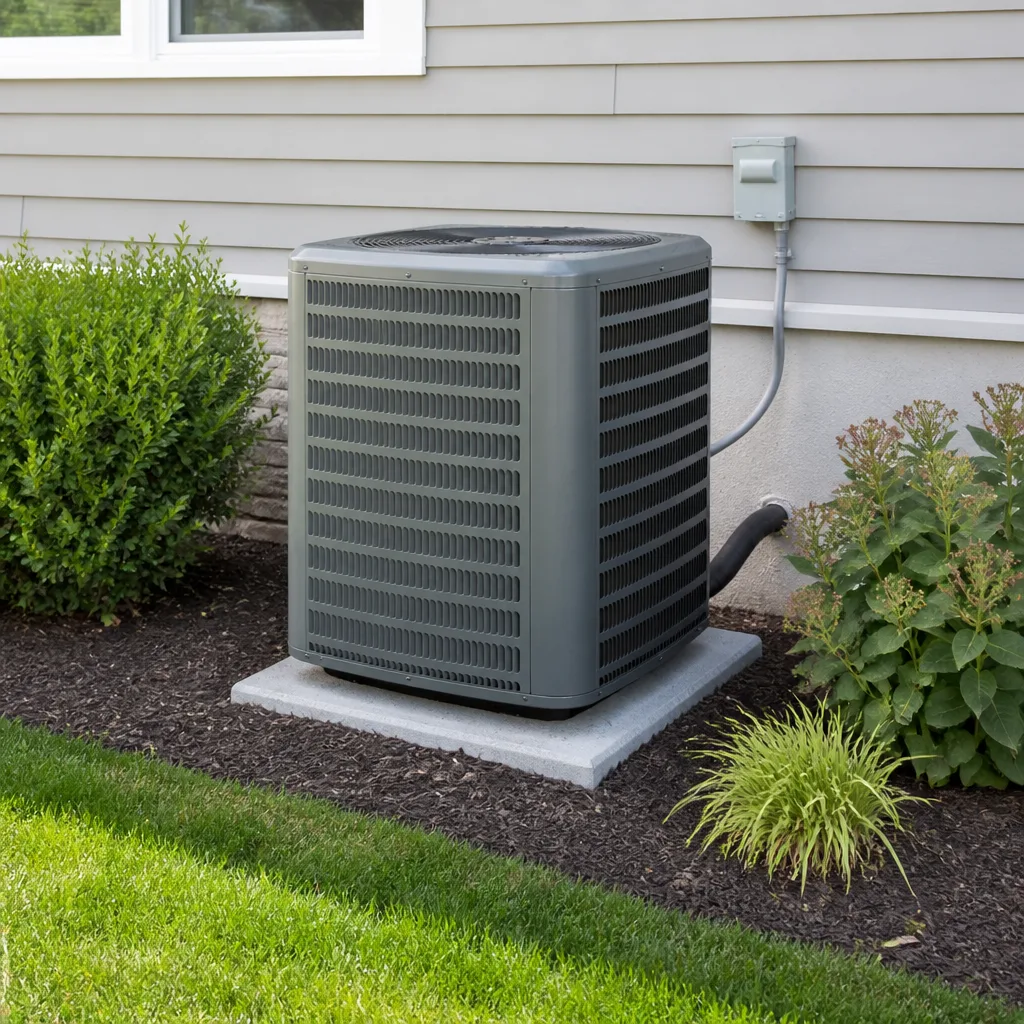 Goodman
Seasonal tune-up and full diagnostic on your Carrier, Trane, or Goodman system - readings shown to you before any repair is proposed
Diagnosis first, numbers second - you approve the repair price before a single part goes in.
Get your free estimateStyles & brands we work with
- AC repair
- Furnace & heating
- Heat pumps
- Ductless mini splits
- Carrier
- Trane
- Goodman
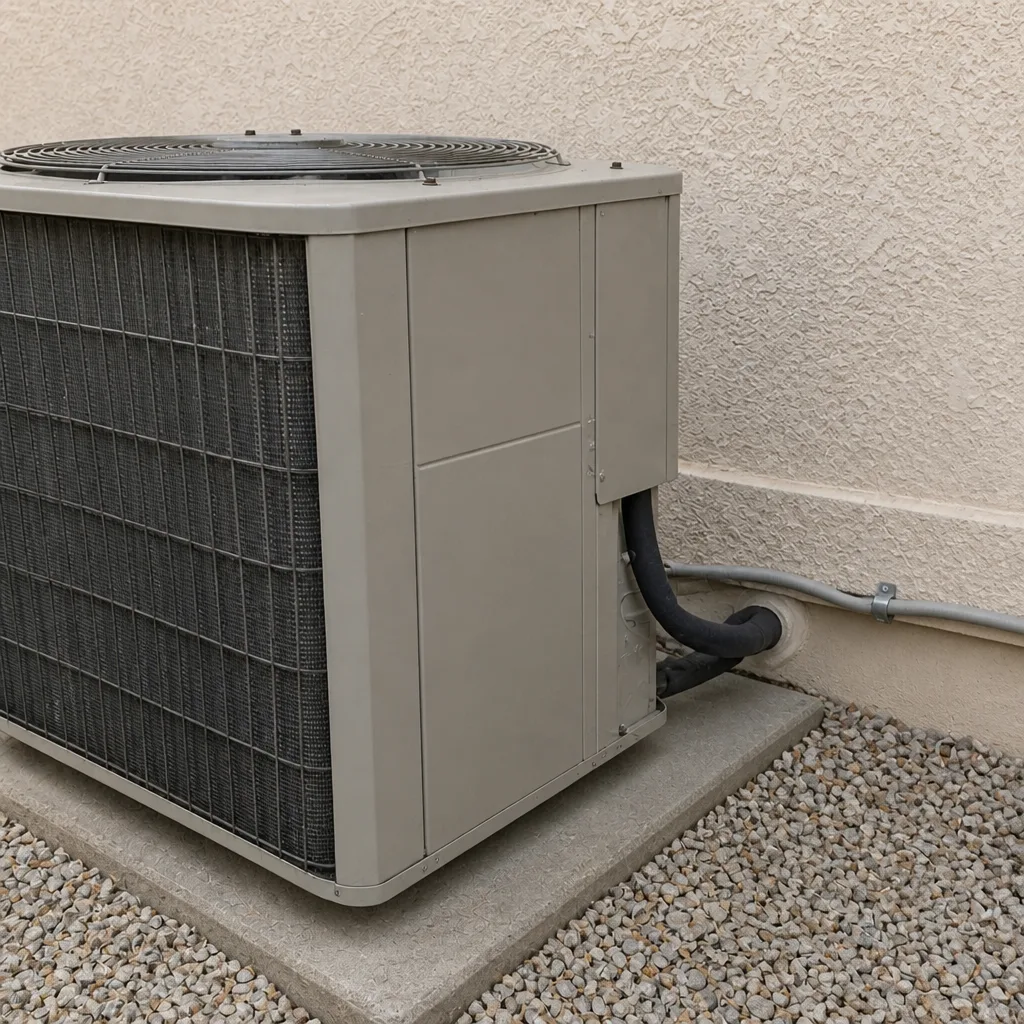
See the difference
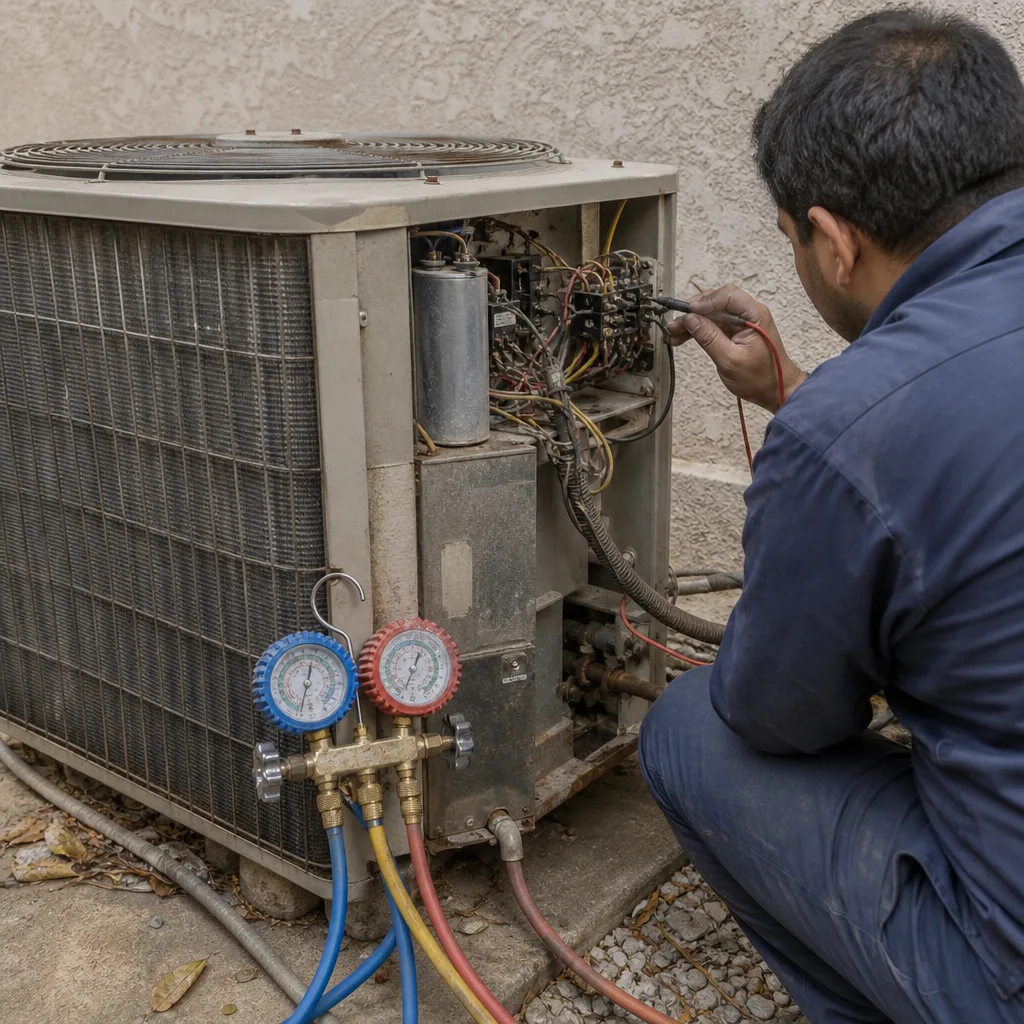 Before
 After
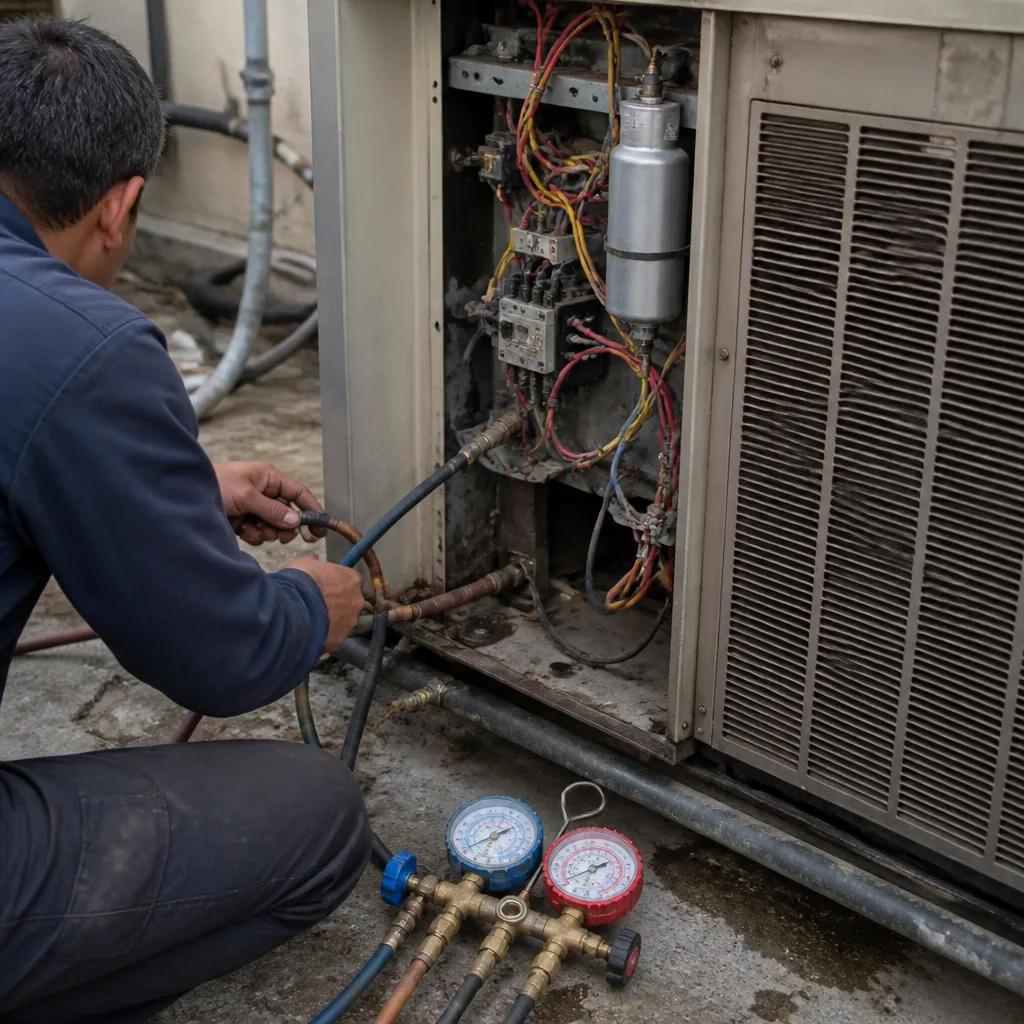 Before
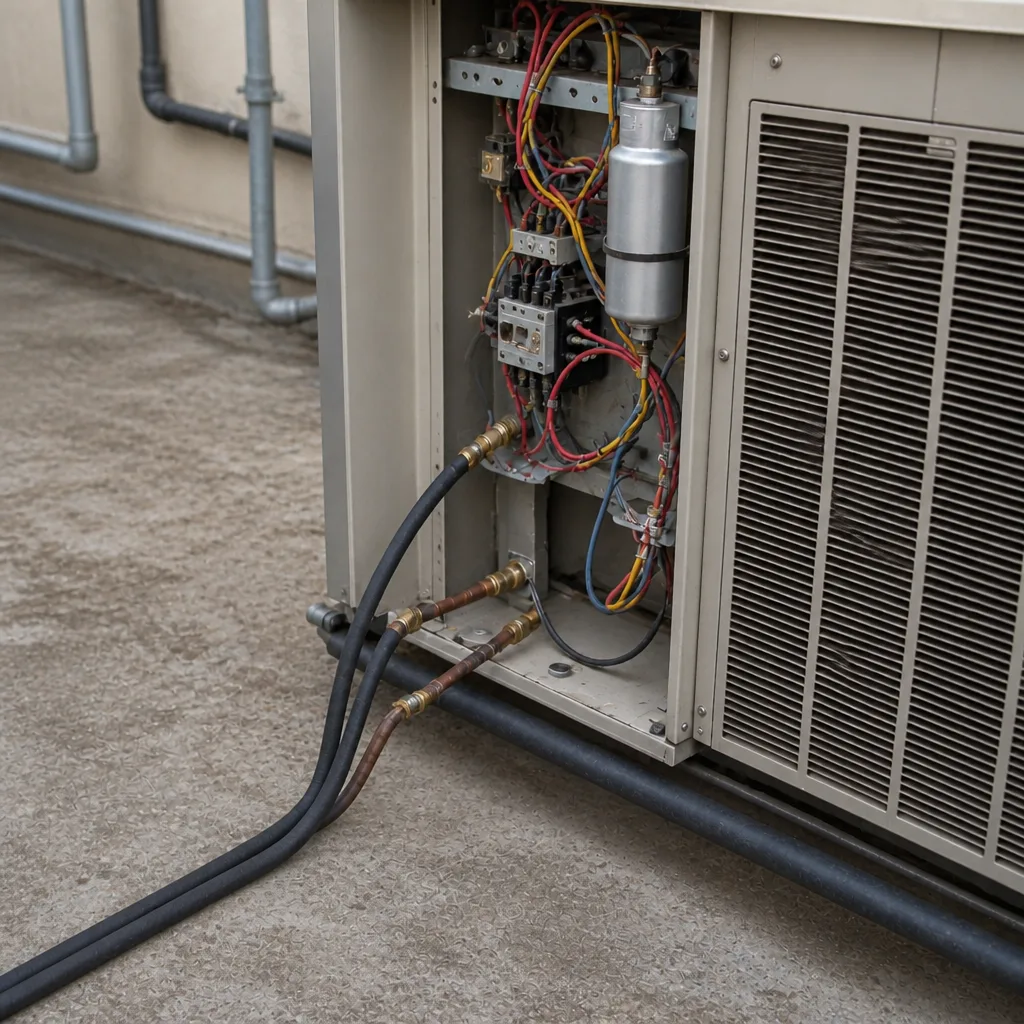 After
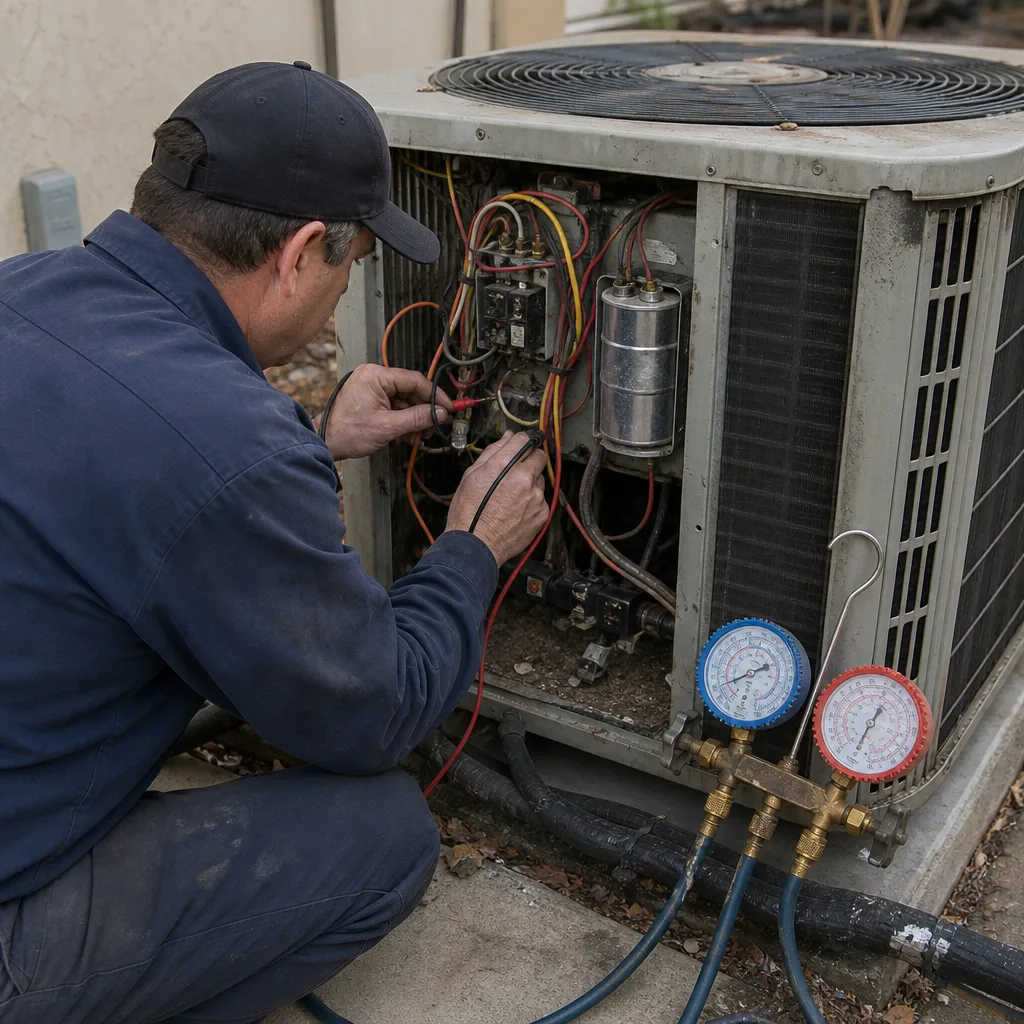 Before
 After
How Often to Replace an HVAC Air Filter in Spring Valley, NV (Hint: Not Every 90 Days)
Replace your HVAC air filter every 30 to 60 days in Spring Valley, and check it visually every 30 days at minimum, because the dust load here runs two to three times heavier than the national average the “change it every 90 days” advice was written for. If you live in a Spring Valley house with a decorative rock yard, plan on 30 days during the windy stretches. This isn’t a sales angle. It’s what the filters look like when we pull them. Call (833) 620-7288 if you want a straight answer on yours.
Why the Standard Filter Advice Falls Short in Spring Valley
Pull your filter out right now. If it’s been in six weeks and you live in a Spring Valley home with crushed granite out front, odds are it looks like it’s been in six months. Two dust sources are working on your house at the same time, and neither one shows up in a national maintenance chart.
The first is valley-floor dust. Spring Valley sits in the heart of the Las Vegas Valley’s dust zone, and the prevailing winds carry fine gypsum and silica particulate straight across the development. That stuff is finer than typical household dust, which means it rides deeper into the filter media before it loads the surface. The second source is your own landscaping. The crushed granite and river rock yards that show up on nearly every block here shed fine rock powder during wind events, and your return air intakes pull it in from the moment the blower kicks on.
What an Overloaded Filter Actually Does to Your System
A choked filter is not a cosmetic issue. It’s the start of a chain of failures, and in a desert climate that chain runs fast. Restricted airflow raises static pressure in the ductwork, the blower motor works harder and runs hotter, and the whole system starts fighting itself.
In winter, that added resistance can trip a furnace high-limit switch and shut the heat down mid-cycle. In summer, reduced airflow across the evaporator coil drops condenser efficiency exactly when you need it most, during the 105°F-plus stretches. We regularly open up systems in Spring Valley that show up for a no-heat call in January with a filter that’s been sitting in place for two years. That filter usually explains about half of what’s wrong.
One more local wrinkle: the July-to-September monsoon season spikes both humidity and wind-driven dust. Coils that have been coated and clogged all spring meet muggy air in August and start sweating, drain pans overflow, and blower motors that were already straining get packed with a muddy paste that can seize them outright. The time to get ahead of that is before the storms, not after.
Your Spring Valley Filter Schedule (Follow What You See, Not the Calendar)
Here’s the schedule we hand to homeowners in Spring Valley. It’s built around what the filter actually looks like, because that’s the only honest measure.
- Check every 30 days, minimum. Slide the filter out, hold it up to the light. A clean filter passes light through easily.
- Replace at the first gray or brown loading. Don’t wait for the calendar date. If it’s darkened across the surface, it’s done.
- Go to a two-week check from July through September. During monsoon wind events, a filter can go from clean to choked in a single dust storm. A visual check costs you thirty seconds.
- Write the install date on the filter frame with a marker. Next time you pull it, you’ll know for certain how long it’s been in there instead of guessing.
- Replace after any major wind event or nearby construction. Grading work down the street or a big dust blow can load a filter in a week.
The 30-day check matters more than any single replacement. You’re not trying to match a number; you’re trying to catch the filter before it starts stressing the blower.
Which Filter Should You Actually Run in Spring Valley?
Thicker media filters (MERV 11 to 13) catch more of the fine silica particulate, and homeowners reach for them thinking more filtration has to be better. In some Spring Valley homes it backfires. Many of the 1980s-to-2000s stucco-and-tile tract homes here still run on the original undersized ductwork, and a high-MERV filter that’s starting to load adds airflow restriction on top of an already tight system. You end up with the same static pressure problems the dust would have caused.
Our recommendation for most of these homes is MERV 8 to 10 on a 30-day check cycle. That catches the bulk of the gypsum and rock dust without choking a system that wasn’t built with extra airflow headroom. If you’ve upgraded your ducts or installed a newer variable-speed system, you can comfortably move up the MERV scale. The filter has to fit the system, not just the aisle at the hardware store.
If you also want to reduce what’s blowing through the house, filtration is one piece of the puzzle. We cover the bigger picture on our Air Quality & Ventilation page, and our Air Quality & Ventilation in Spring Valley guide gets into the local dust and monsoon angles specifically.
How We Handle It on a Service Call
The person at your door checks and photographs the filter condition on every service call, then notes it on the written invoice. Not as an upsell pitch, but because filter condition explains so much of what we find wrong. When we test the capacitor before anyone says the word compressor, the filter is part of that same readings-first conversation. You see what we see.
Ray’s Heating & Air Spring Valley has been owner-operated since 2002, and every job carries the 90-Day Done Right Promise in writing, which means one call brings Ray back if it isn’t right. Our technicians have up to 24 years of experience, all background-checked and uniformed, and they work on Bryant, Carrier, Trane, and American Standard systems along with every other major brand. Phones get answered by a live person around the clock.
One detail worth knowing before you call: outside of filter changes, most of what an overloaded filter causes still needs a set of gauges. AC repair in Spring Valley runs $150 to $650, and furnace repair $150 to $700, but a tune-up is $80 to $200, and catching a strain early on a tune-up beats paying for a blower motor later. If you’re weighing repairs against a new system, an AC installation here runs $3,500 to $7,500, and our home page lays out how we quote that work.
Common Filter Mistakes in Spring Valley Homes
- Leaving a filter in for a full year because “it’s a good one.” High-MERV doesn’t mean long-life, especially with this dust load.
- Running the system with no filter at all after a filter change. That pulls raw rock dust straight into the blower and coil.
- Installing the filter backward. The arrow points toward the airflow, and it matters.
- Ignoring the shallow attic scuttle and original ductwork that make airflow tight to begin with, then adding a heavy filter on top.
- Waiting for a no-heat call in January to think about the filter for the first time that year.
FAQs
Every 30 to 60 days in Spring Valley, with a visual check every 30 days and a check every two weeks during the July-to-September monsoon season. The gypsum and silica dust here loads filters two to three times faster than the national average, so the calendar is a starting point, not a rule. Call (833) 620-7288 and we’ll tell you what your filter condition is telling us.
Yes. A loaded filter restricts airflow, raises static pressure, and makes the blower motor run hotter, and in winter it can trip a furnace high-limit switch and shut the heat down. In summer it cuts condenser efficiency right when the valley is at 105°F or higher. If you’ve been running a filter for a year or more, call (833) 620-7288 for a check.
Not automatically. A MERV 11 to 13 filter catches more fine silica but restricts more airflow as it loads, and in a tract home with the original undersized ductwork that can cause as many problems as the dust it catches. For most Spring Valley homes, MERV 8 to 10 on a 30-day check cycle is the right call. Call (833) 620-7288 if you’re unsure which your system can handle.
Look at whether the system is short-cycling, listen for a blower that sounds strained, and note any rooms that won’t hold temperature. Those symptoms alongside a fresh filter usually point to something beyond filtration. Call (833) 620-7288 for a free estimate and we’ll look at the whole system, not just the filter slot.
If you’d rather have it looked at, Ray’s Heating & Air Spring Valley offers a no-pressure assessment in Spring Valley - call (833) 620-7288. We’ll pull the filter, show you the readings, and give you the numbers before any work starts.
Written by the team at Ray’s Heating & Air Spring Valley, serving Spring Valley, NV.