
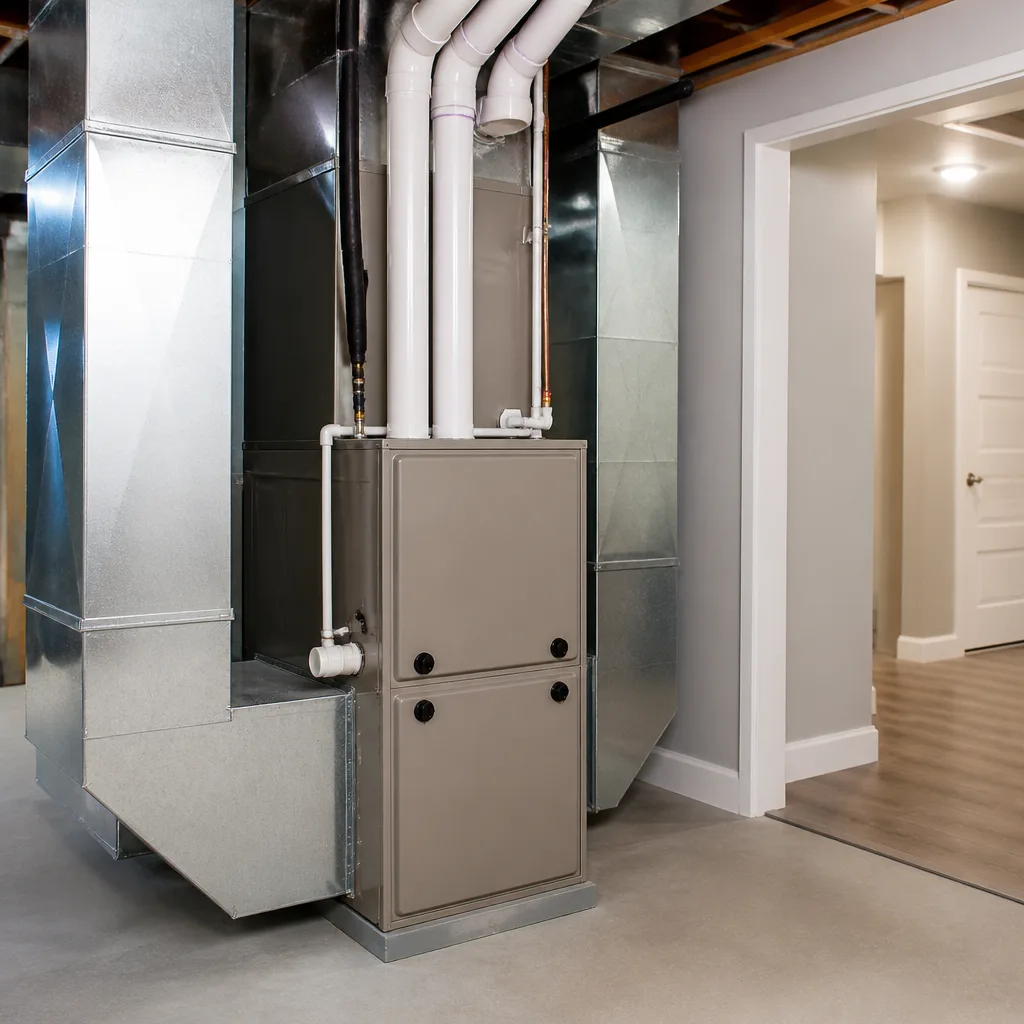
 Furnace & heating
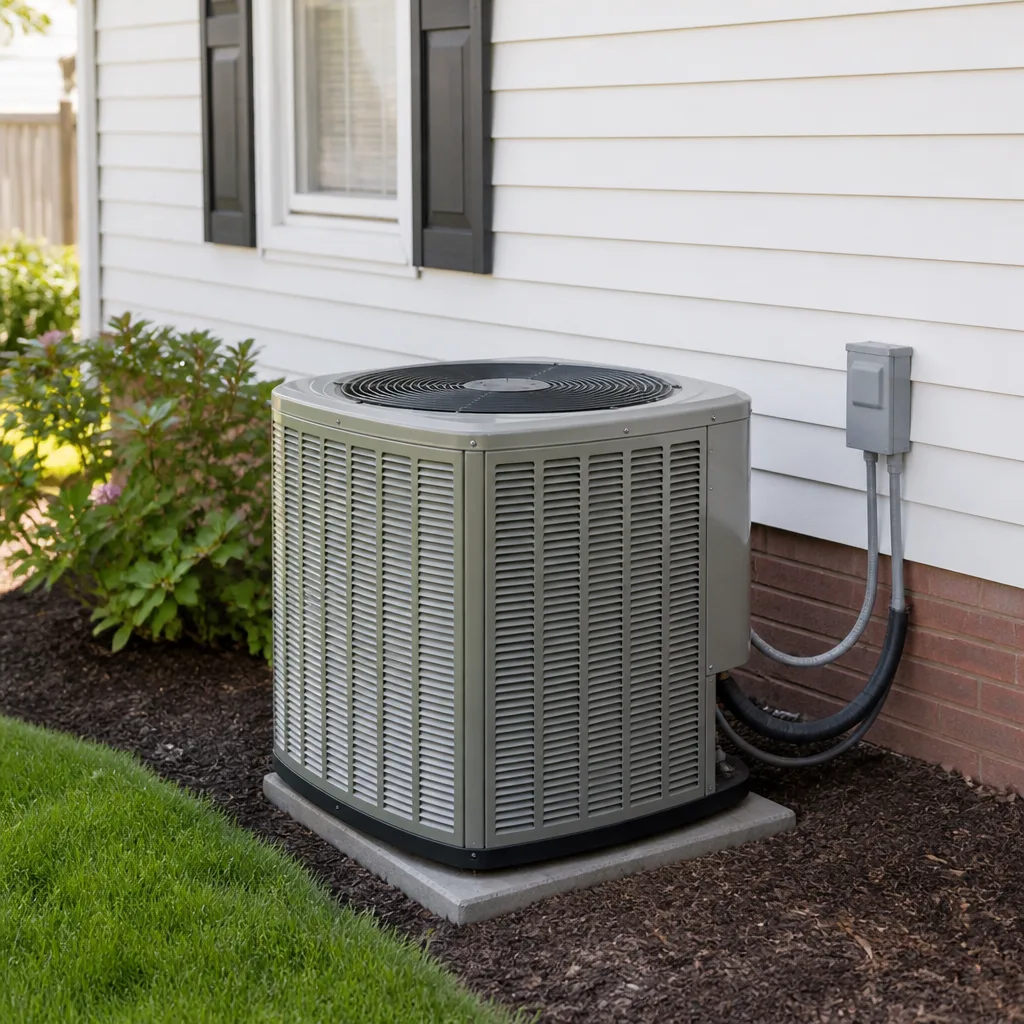 AC repair
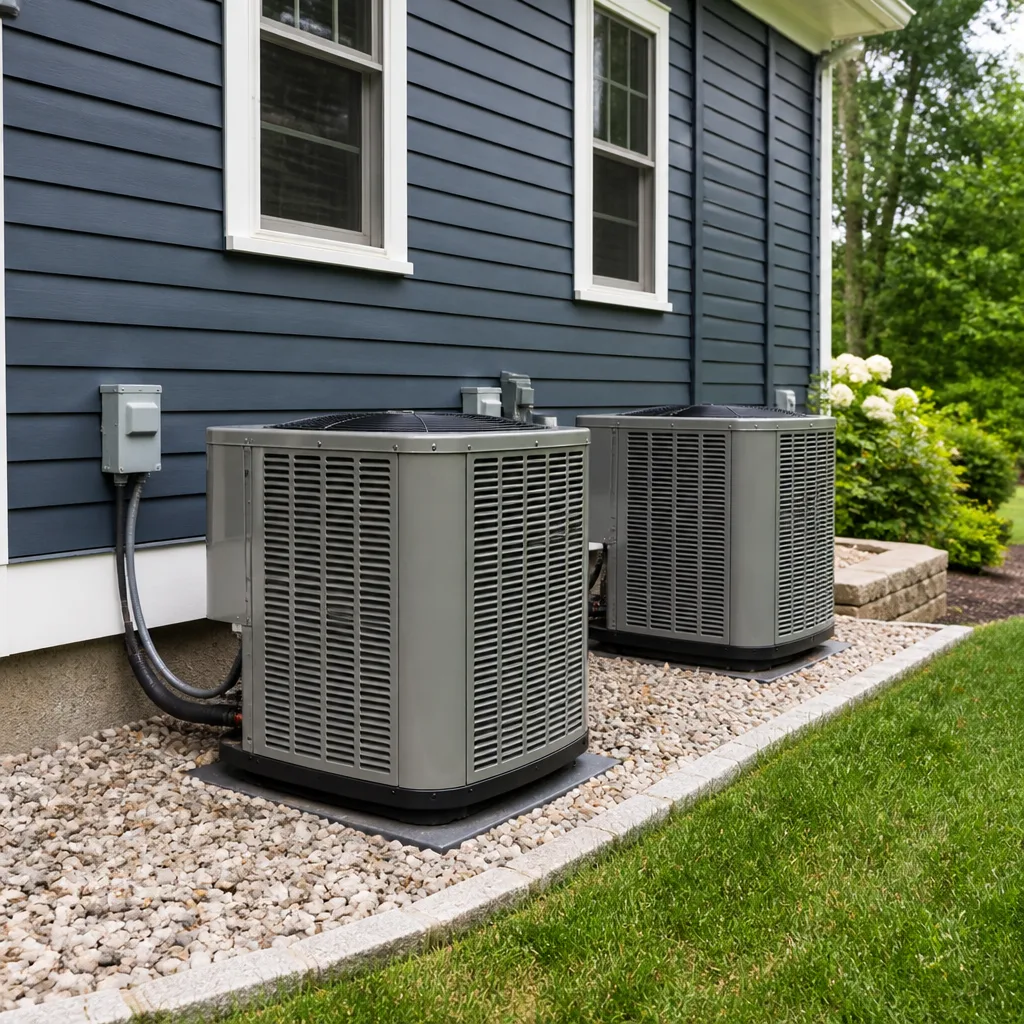 Heat pumps
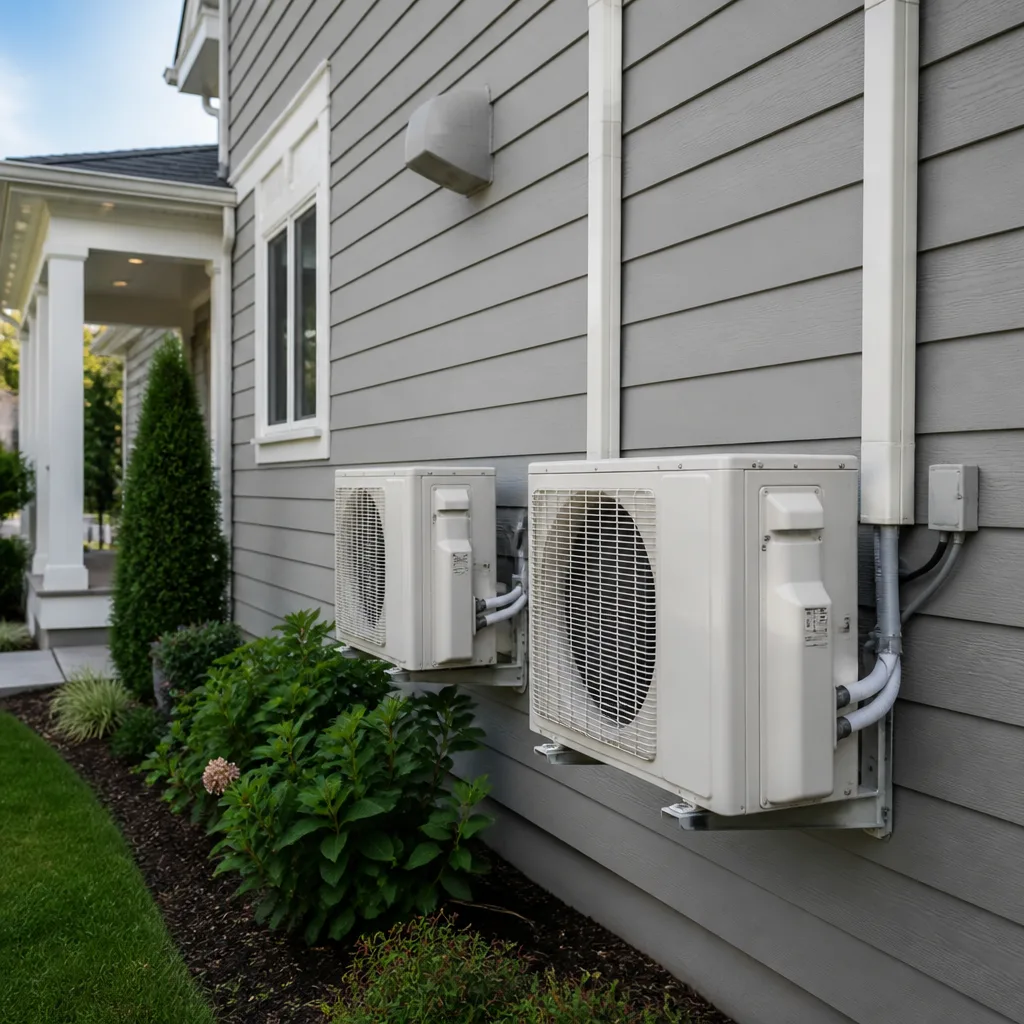 Ductless mini splits
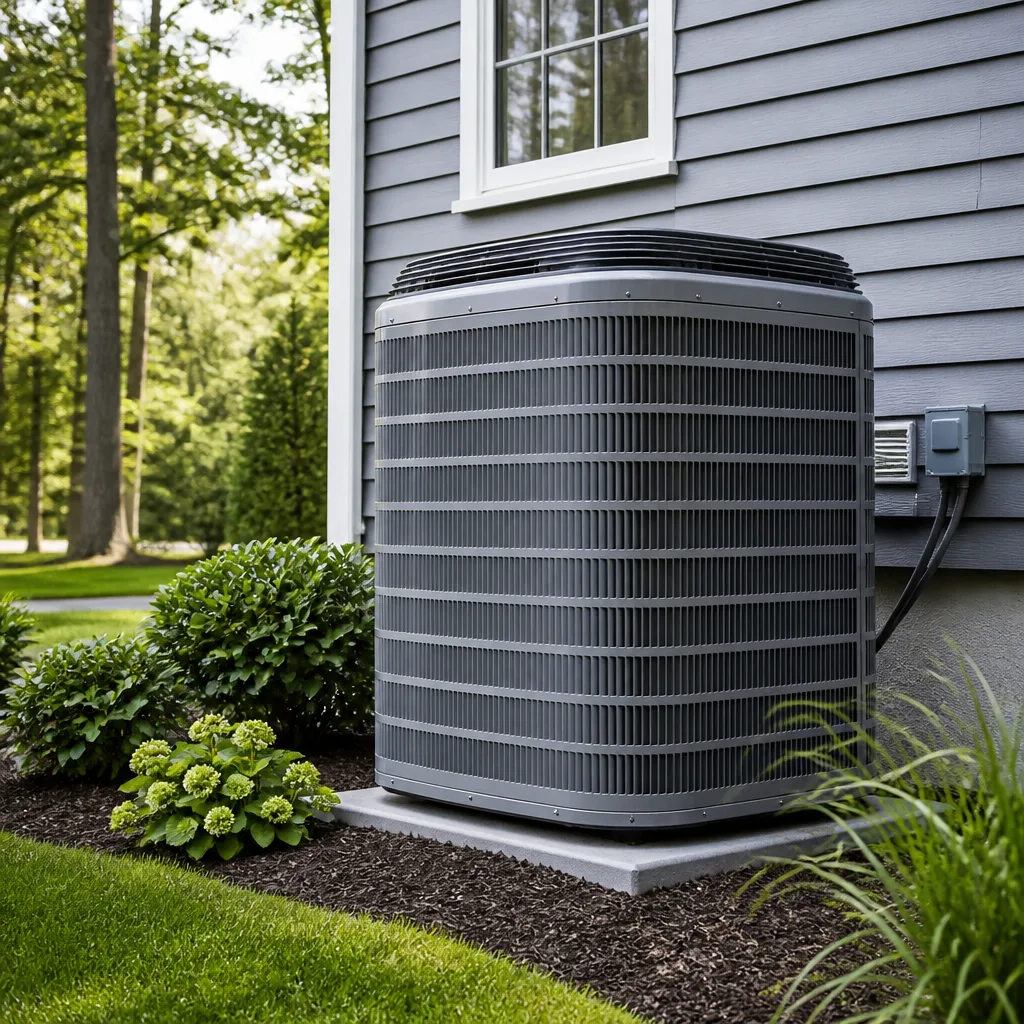 Carrier
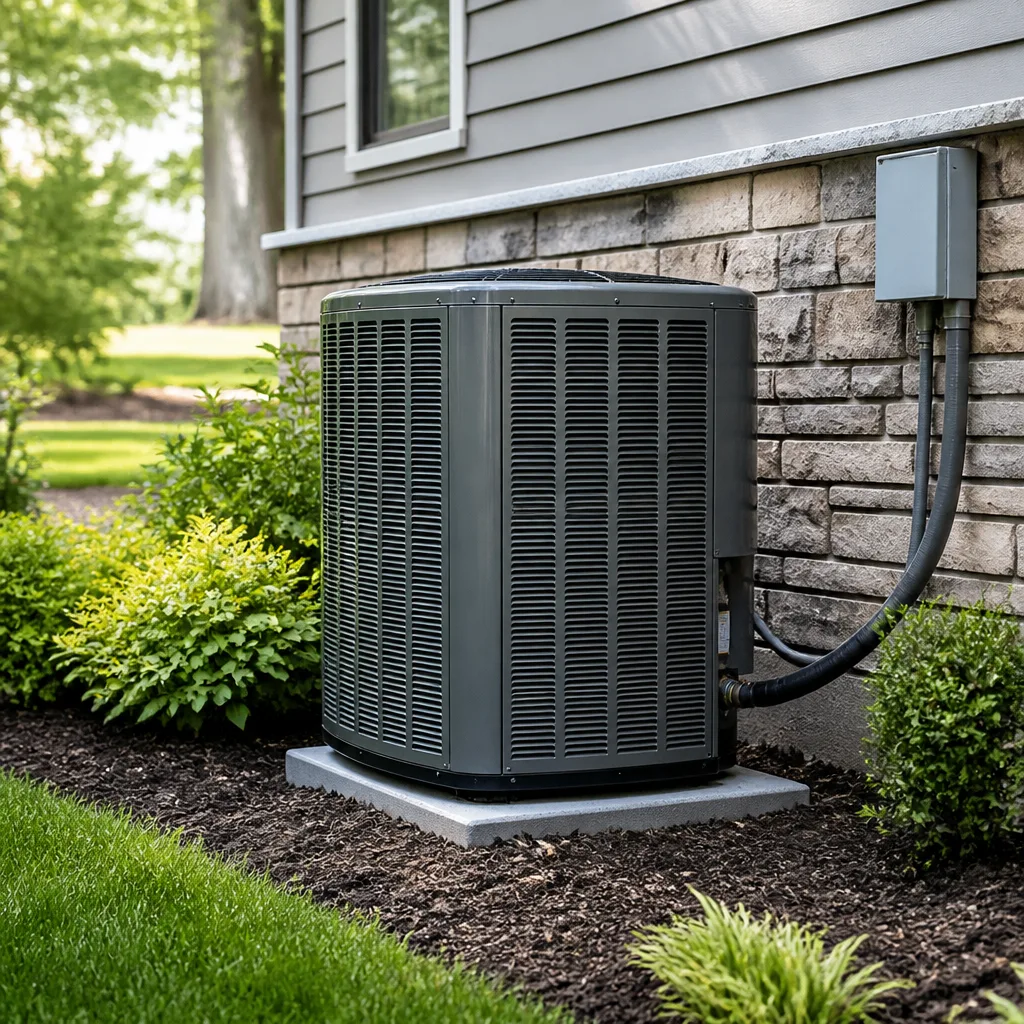 Trane
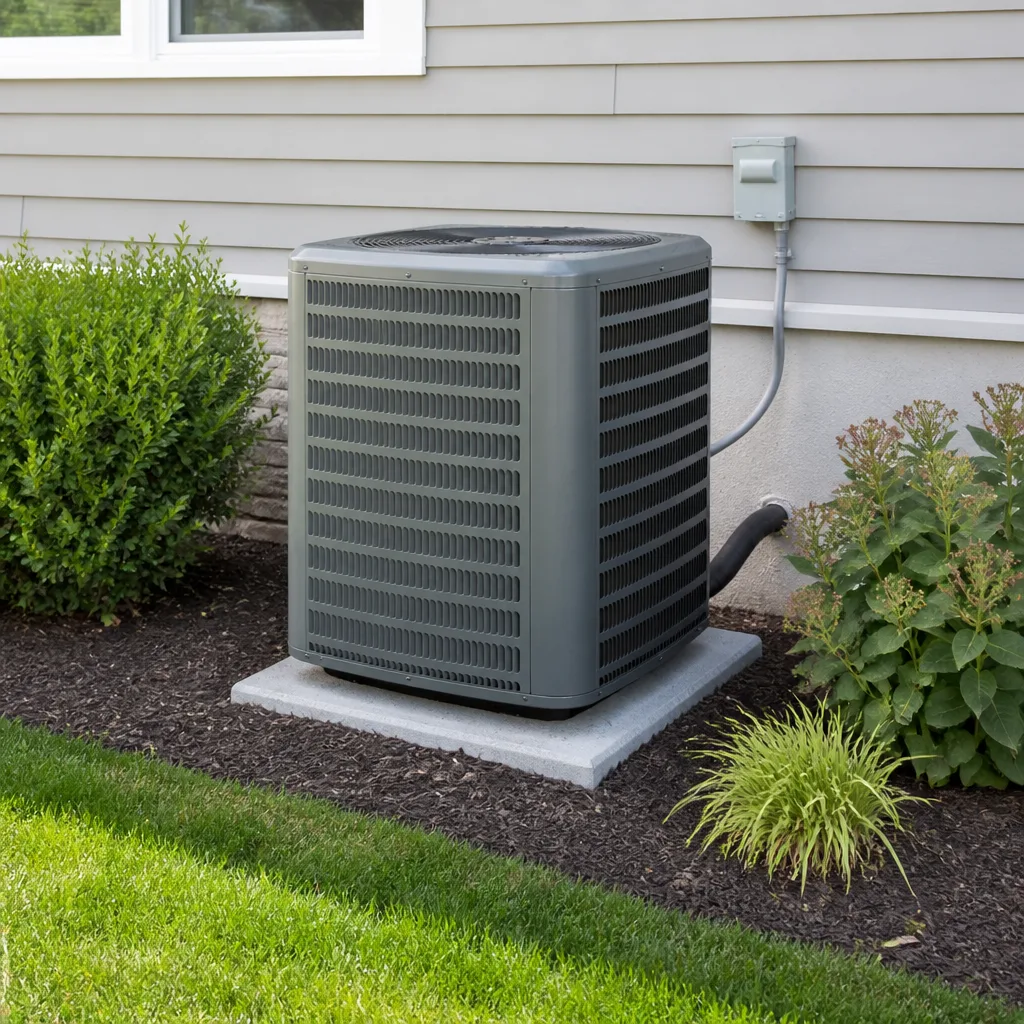 Goodman
Seasonal tune-up and full diagnostic on your Carrier, Trane, or Goodman system - readings shown to you before any repair is proposed
Diagnosis first, numbers second - you approve the repair price before a single part goes in.
Get your free estimateStyles & brands we work with
- AC repair
- Furnace & heating
- Heat pumps
- Ductless mini splits
- Carrier
- Trane
- Goodman
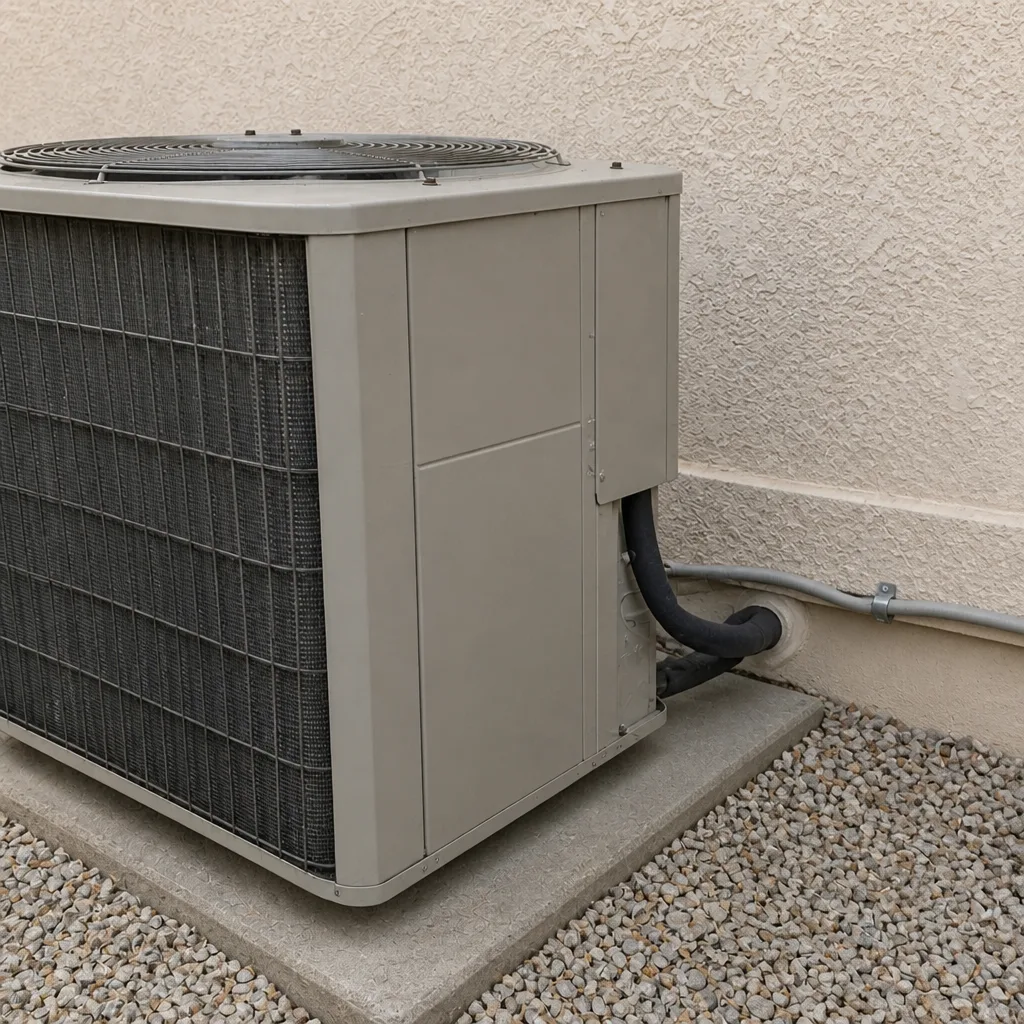
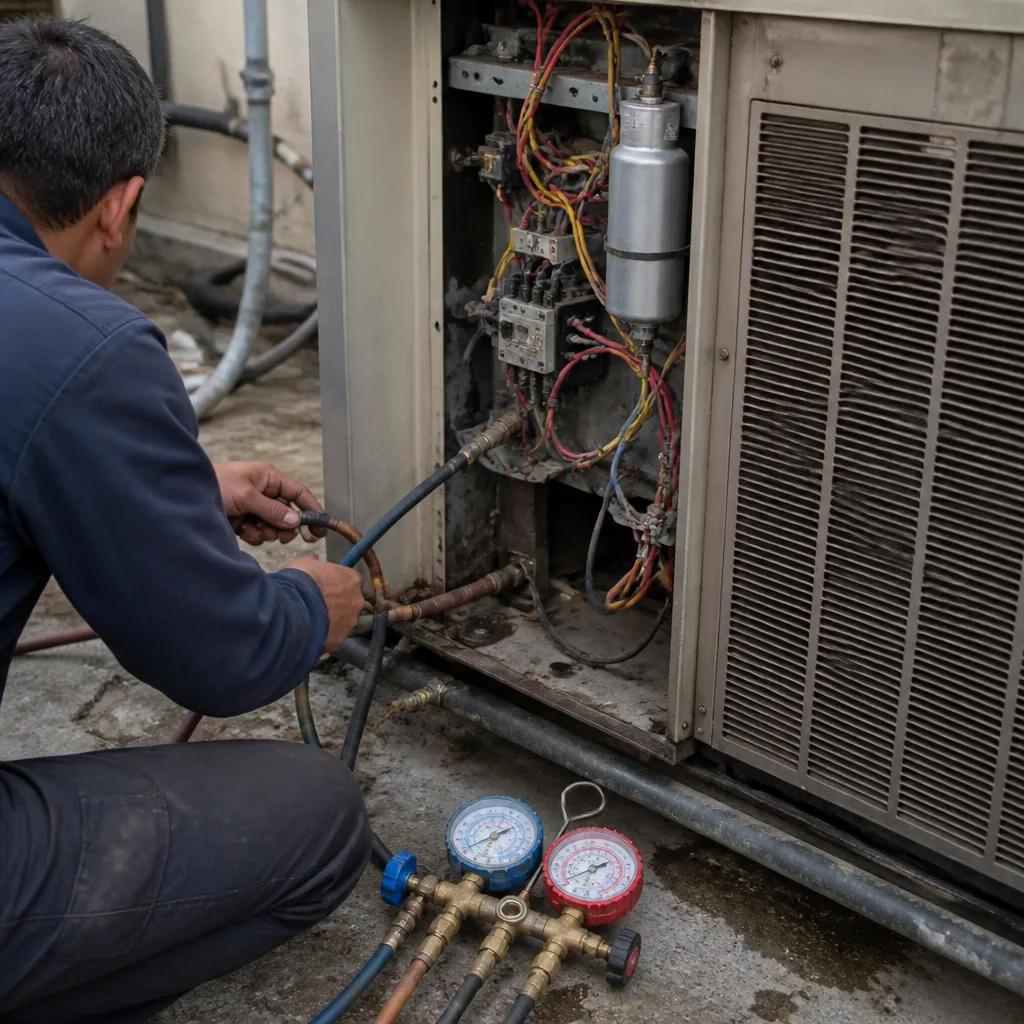
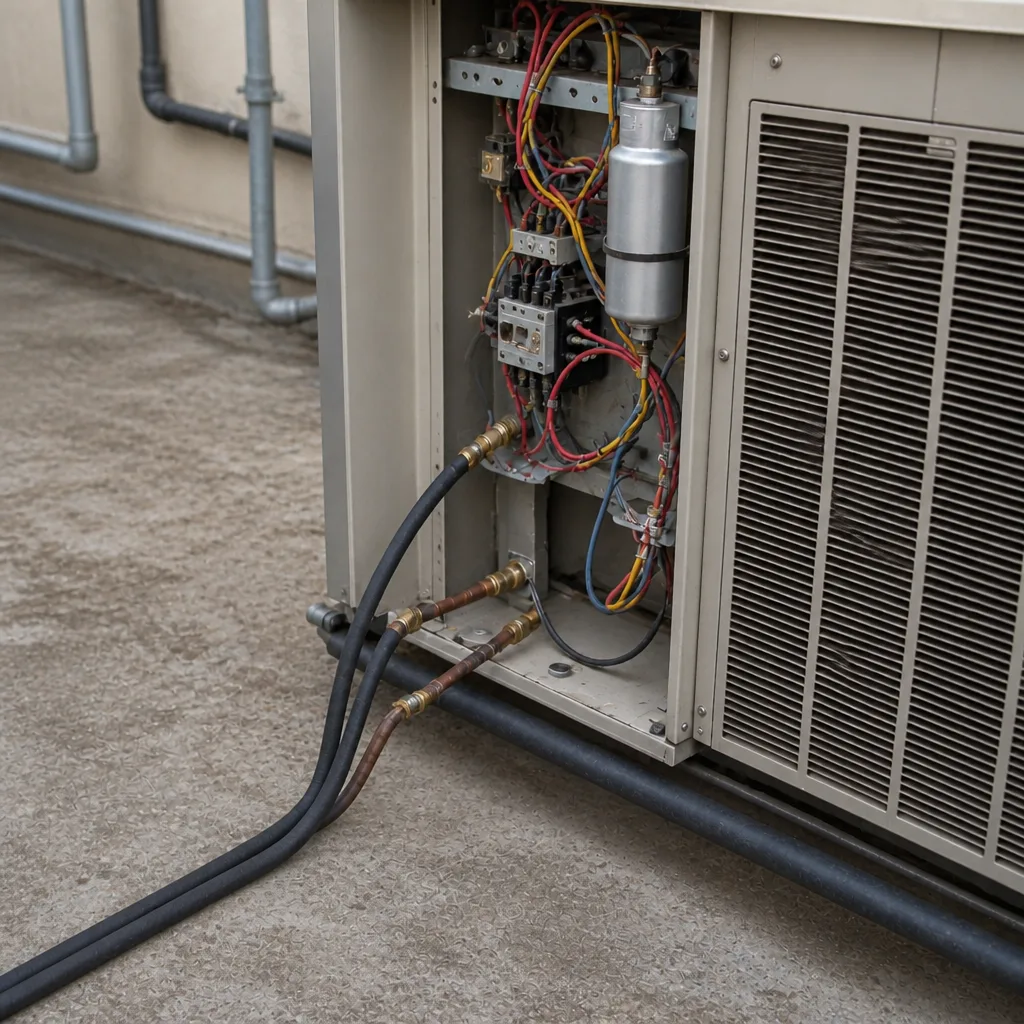
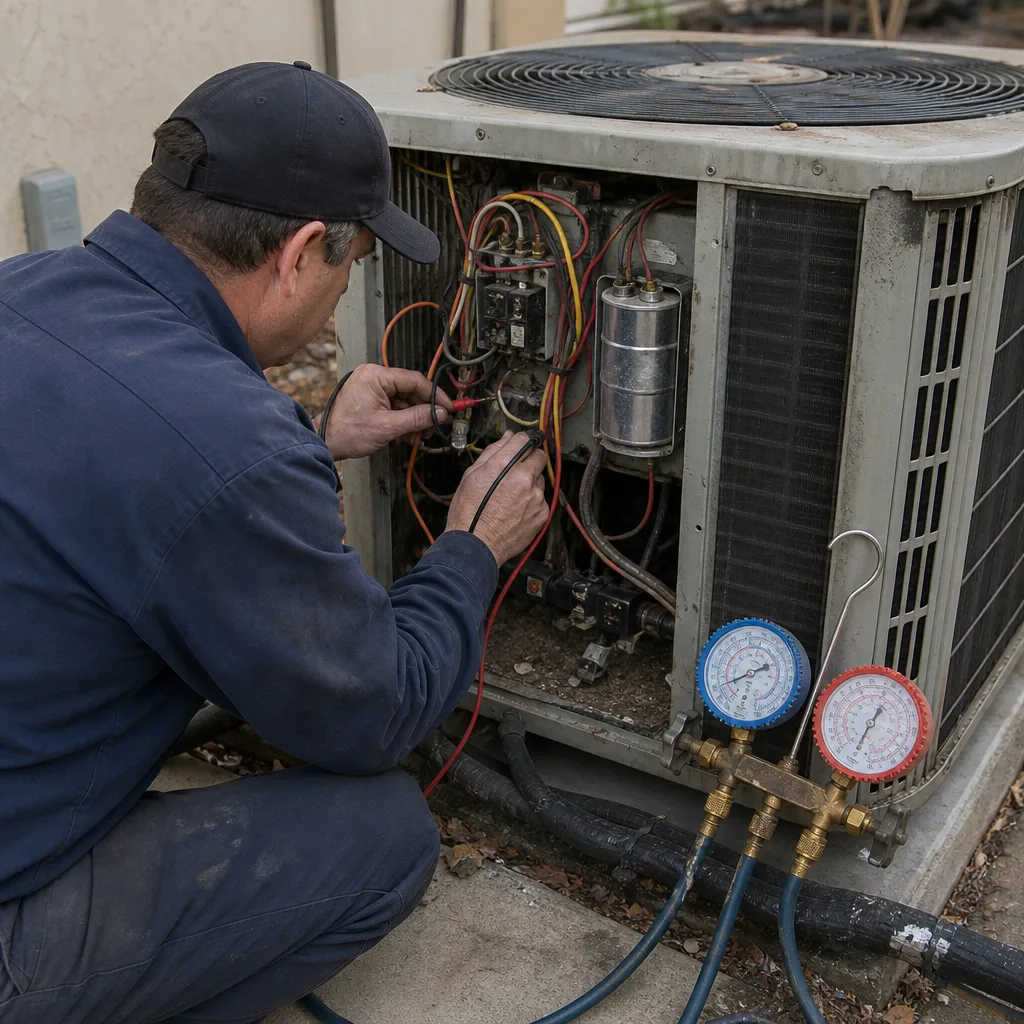
See the difference
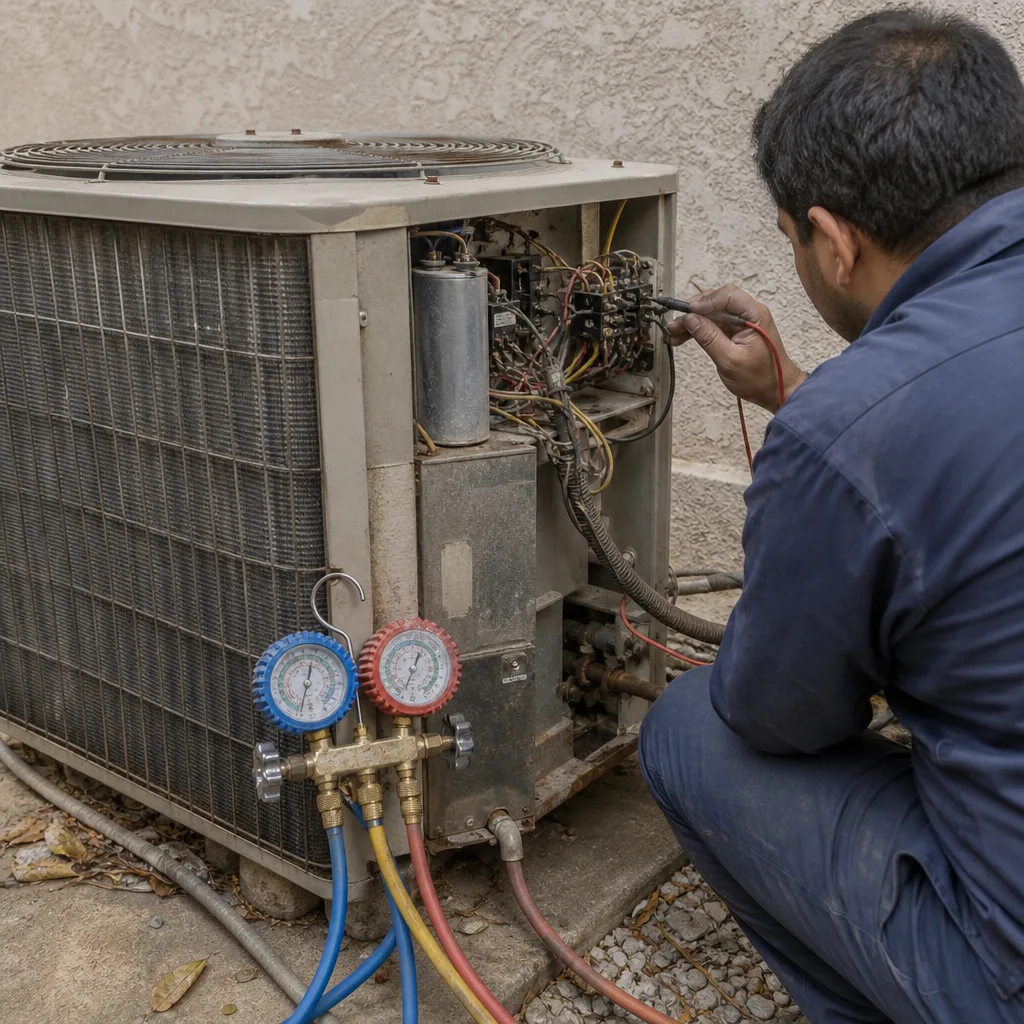 Before
 After
 Before
 After
 Before
 After
Improving Indoor Air Quality in Spring Valley, NV: Stop the Dust at the Coil and the Return First
The single most effective way to improve indoor air quality in Spring Valley, NV, is to stop the source before you filter it: seal the return duct and clean the evaporator coil, because the fine gypsum and silica dust blowing off the valley’s crushed-granite yards is small enough to slip past a standard 1-inch filter and then re-suspend into your rooms every time the blower kicks on. A purifier is the third step here, not the first. Most Spring Valley homes we see need source control and a static-pressure check before anyone talks about a scrubber. If you’d rather have it looked at than guessed at, call (833) 620-7288 and the person at your door will start with readings, not a sales pitch.
Ray’s Heating & Air Spring Valley has been locally owned and owner-operated since 2002, and the reason we lead with source control isn’t a knock on purifiers. It’s that we’ve watched too many homeowners spend $400 on an air scrubber and still sneeze, because the leaky return was quietly pulling that dust back in the whole time.
Why Spring Valley’s Dust Is Different – And Why It Bypasses Your Filter
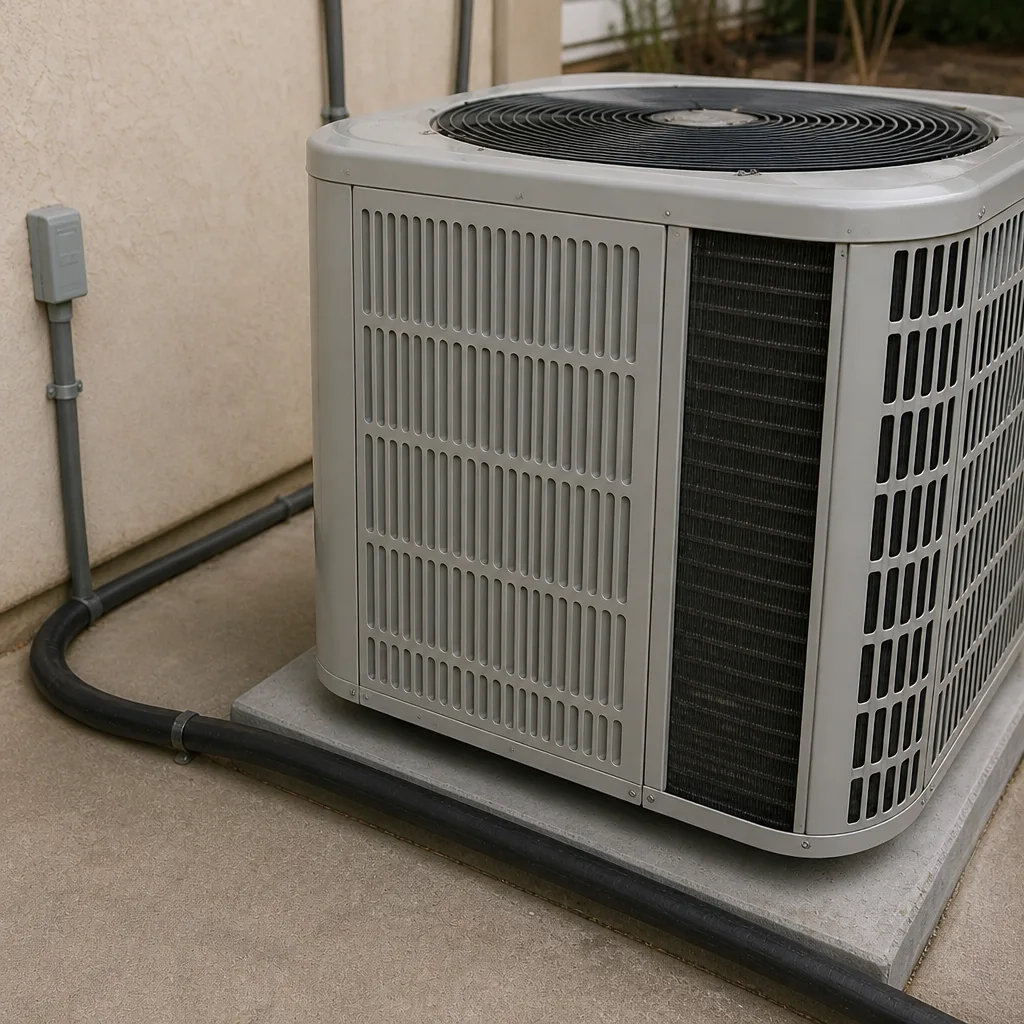
Spring Valley sits in the heart of the Las Vegas Valley’s dust zone. The decorative rock landscaping that shows up in every other front yard – crushed granite, river rock – grinds itself into fine particles during high winds. That’s the same rock that packs condenser fins and causes compressors to run hot, and it’s the same rock your return duct is vacuuming into the house.
Here’s the part most IAQ guides skip: gypsum and silica dust is fine enough to pass straight through a standard MERV-8 filter. It doesn’t just clog the filter – it gets past it, coats the evaporator coil, and settles in the return. Now the coil isn’t an air conditioner anymore; it’s a reservoir. Every time the blower runs, it re-suspends that fine dust into your living room. That’s the loop you’re trying to break.
- The filter isn’t the whole fix. A MERV-8 catches the big stuff and lets the fine dust through. The coil downstream becomes the real collection point.
- Upgrades have a ceiling. Jumping to MERV-11 or MERV-13 helps – but Spring Valley’s 1980s-2000s tract homes often still run the original undersized ductwork, and a denser filter raises static pressure. Push too hard and you starve airflow, which is its own problem.
- The return leaks first. Many homes here have return runs that pull air from the attic or garage instead of the living space. That means you’re filtering air you never wanted in the house to begin with.
This is why we test static pressure and check the return for leaks before recommending any filter change. Upgrade the filter without addressing the duct and you’ve just made the system strain harder against a smaller window.
Monsoon Season Is a Second Air Quality Event in Spring Valley
From July through September, the valley flips from bone-dry to monsoon-muggy in a matter of days. That sudden humidity spike is where Spring Valley’s dust problem turns into a mold problem.
Accumulated dust on the coil and in the drain pan doesn’t stay dusty. It turns to paste. Within days, that paste becomes a substrate for mold and mildew – and now your system is blowing spores and dust together. This is why the national “clean your coil once a year” advice doesn’t quite fit here. In Spring Valley, cleaning timing matters more: get the coil and drain pan cleaned before monsoon season, not after, so the paste never forms in the first place. We routinely see drain pans that overflowed because a system wasn’t sized for latent load when the muggy air arrived.
If you want to go deeper on filtration, ventilation, and duct work for this climate, our home page and the full Air Quality & Ventilation service breakdown both lay out the options.
Windows, Infiltration, and the ROI Most IAQ Guides Miss
Spring Valley’s 1980s-2000s stucco-and-tile tract homes and low-rise condos frequently still have single-pane or early dual-pane windows. Those windows leak enough outdoor air – and outdoor dust – to continuously reintroduce the very particulates you’re trying to filter out.
Sealing infiltration points around windows and doors is often a higher-return step than the purifier most articles push first. You can run the best filter in the county and still lose ground if the house is inhaling dust through every window frame. It’s not glamorous. It works. And it costs less than the air scrubber you were about to buy.
Our Step-by-Step Approach: Readings First, Numbers Second
We don’t recommend a filter, a purifier, or a duct seal until we’ve measured the house. Here’s the actual order we work in.
- Duct leakage check. We find where the return is pulling air from and how much the supply side is losing. A leaky return is the first thing to fix, because everything downstream depends on it.
- Evaporator coil inspection. We look at the coil face and the drain pan for dust coating, and check for the paste that signals moisture problems.
- Static pressure test. Before suggesting any filter upgrade, we measure the system’s airflow limits so we know whether MERV-11 or MERV-13 is safe on your ductwork or will choke it.
- Source control. Seal infiltration points, address return leaks, and clean the coil and drain pan on a monsoon-aware schedule.
- Then, if it still makes sense, filtration and ventilation. Only now does a filter upgrade or ventilation strategy get recommended – sized to your actual duct capacity.
That order is the whole difference. Selling a $400 air scrubber into a leaky return is money thrown at a symptom. Readings first, numbers second – you’ll see both before any work begins.
Frequently Asked Questions About Spring Valley Indoor Air Quality
Here are the questions we hear most from homeowners in Spring Valley – answered the way we’d answer them on your porch.
If your filter keeps loading because fine dust is getting past it and coating the coil, the fix is source control plus a coil cleaning, not a bigger filter alone. When a 1-inch MERV-8 filter loads quickly, it usually means the return is pulling from a dusty space (attic, garage, or a leak) or the coil is already coated and re-suspending particles. Call us and we’ll check the return and the coil before recommending a filter change.
For most Spring Valley homes, MERV-11 is often the practical step up from MERV-8, and MERV-13 can work but only after we confirm your ductwork can handle the added static pressure. Many homes here still run original undersized ducts, and a MERV-13 filter on a choked system can starve airflow. We test static pressure before recommending any rating, so the filter helps instead of hurting.
The best timing is before monsoon season, not after – that’s roughly late spring into early summer here. Spring Valley’s July-September humidity turns accumulated dust into a mold substrate within days, so cleaning before the muggy air arrives prevents the problem instead of reacting to it. Once the paste forms, you’re cleaning mold, not just dust.
No – fix the duct and coil first. A purifier sold into a leaky return is filtering dust that keeps getting reintroduced, so the money goes toward a symptom. Seal the infiltration, address the return, clean the coil, then let a purifier do its job in a house that isn’t fighting it. Our Air Quality & Ventilation in Spring Valley page walks through the options when you’re ready.
What It Costs to Address Air Quality in Spring Valley
Air quality work isn’t a single line item, but here’s what it looks like on a typical ticket. These ranges are market-calibrated for Spring Valley and stay consistent across our pages.
| Service | Typical Range |
|---|---|
| Diagnostic visit (readings, static pressure, duct check) | Covered by truck charge; no trip charge inside our own county |
| Tune-up or coil cleaning | $80-$200 |
| AC repair (coil, drain, airflow issues) | $150-$650 |
| Furnace repair | $150-$700 |
| AC installation (if the system is past saving) | $3,500-$7,500 |
Two standing offers help here: a Free Second Opinion on any written estimate, and a Senior and Veteran 10% discount. We service all major brands, including Lennox, Goodman, Rheem, and York.
One more thing that matters for IAQ work specifically: the 90-Day Done Right Promise is in writing and covers any air quality improvement we install. If a coil cleaning or filter upgrade doesn’t perform the way we said it would, one call brings us back – no hassle – and we figure out why. That’s the whole point of a promise in writing.
When to Call a Pro Instead of Chasing Symptoms Yourself
You can swap a filter. You can caulk a window frame. But once the conversation turns to cleaning a coated coil, checking static pressure against your ductwork, or tracing a leaky return, that’s a job for someone with gauges and a plan. Push a filter upgrade onto the wrong duct system and you can starve airflow. Let a pasted-up coil sit through a monsoon season and you’re cleaning mold.
And here’s where “how much does it cost” gets honest. A diagnostic visit with real readings tells you what’s actually wrong before you spend on a purifier. Our local HVAC and air quality pages both spell out the options, and our spring valley HVAC coverage is built around this dust reality. (That second link keeps its name on purpose – the point is the same: we start with readings.)
If you’d rather have it looked at, Ray’s Heating & Air Spring Valley offers a no-pressure assessment in Spring Valley – call (833) 620-7288 for a free estimate. Someone answers every call, day or night.
Written by the team at Ray’s Heating & Air Spring Valley, serving Spring Valley, NV.