
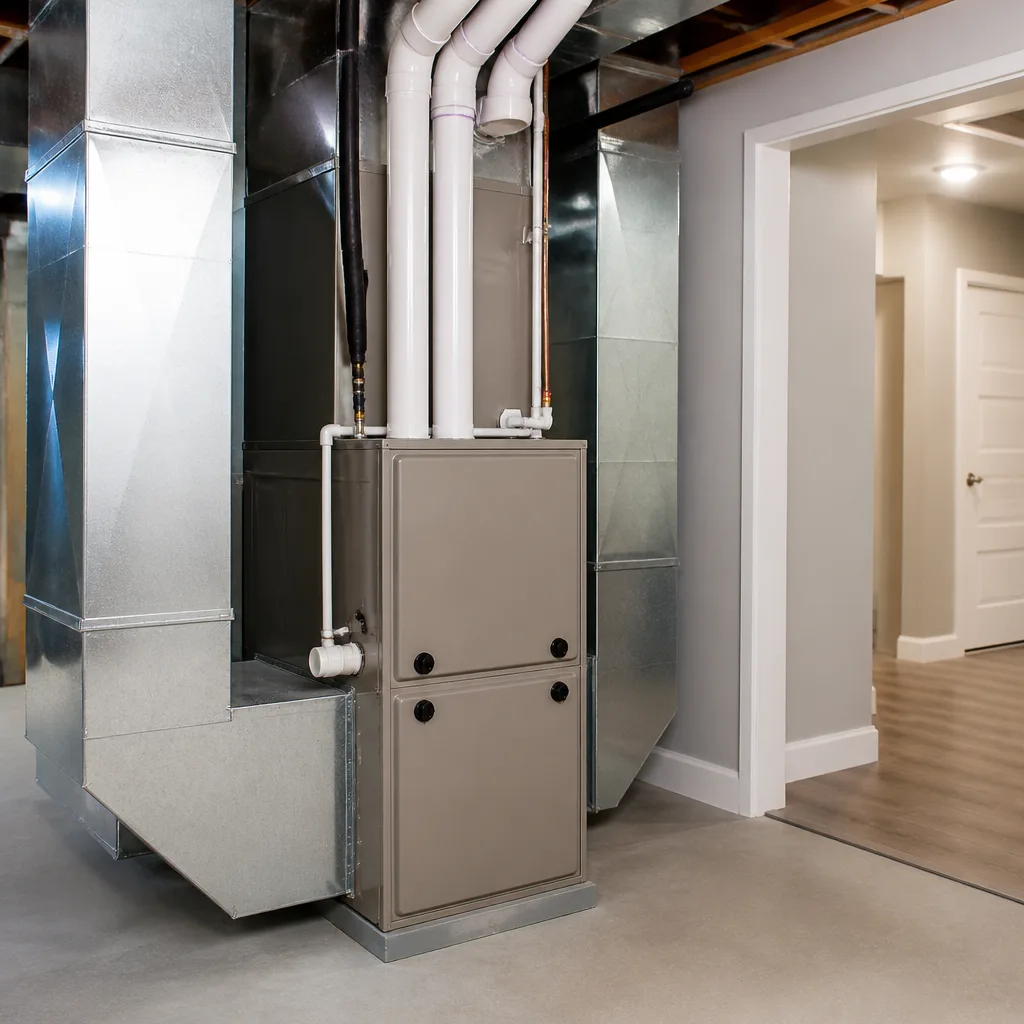
 Furnace & heating
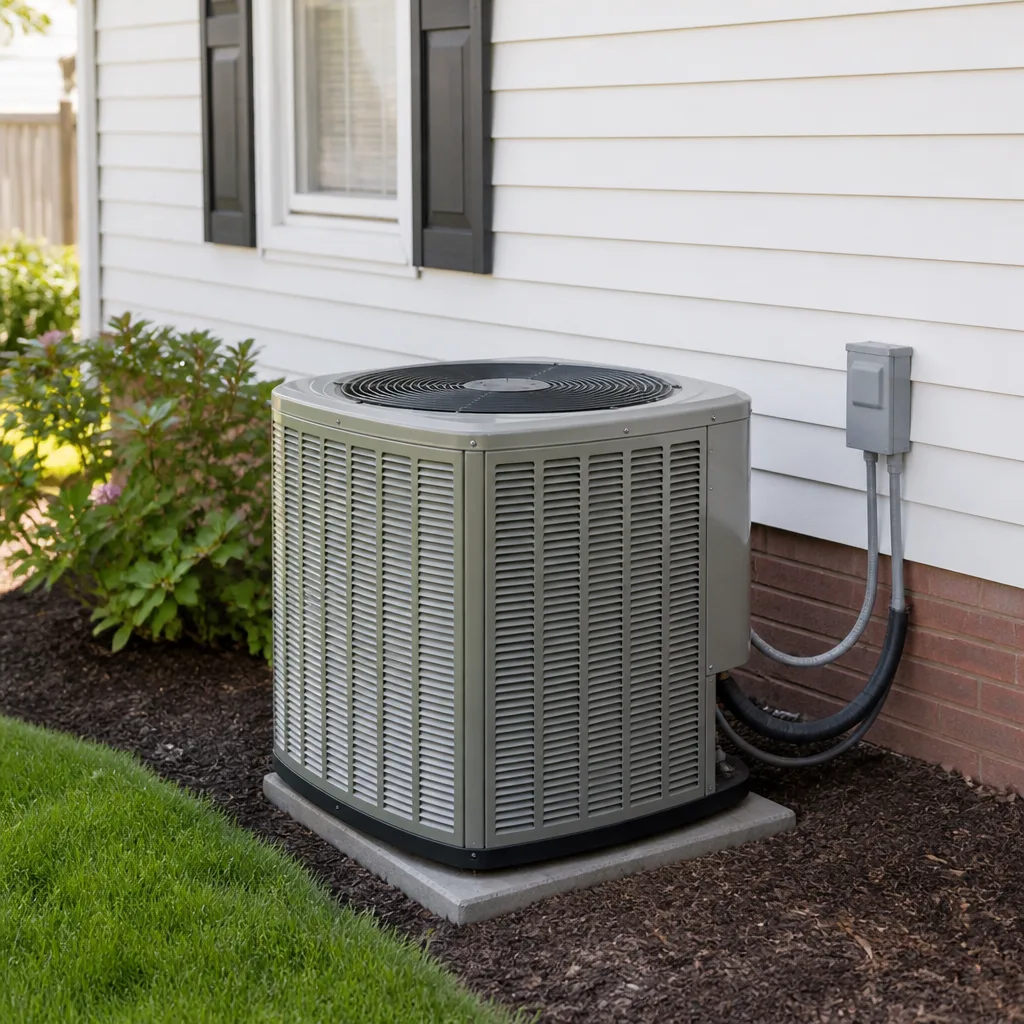 AC repair
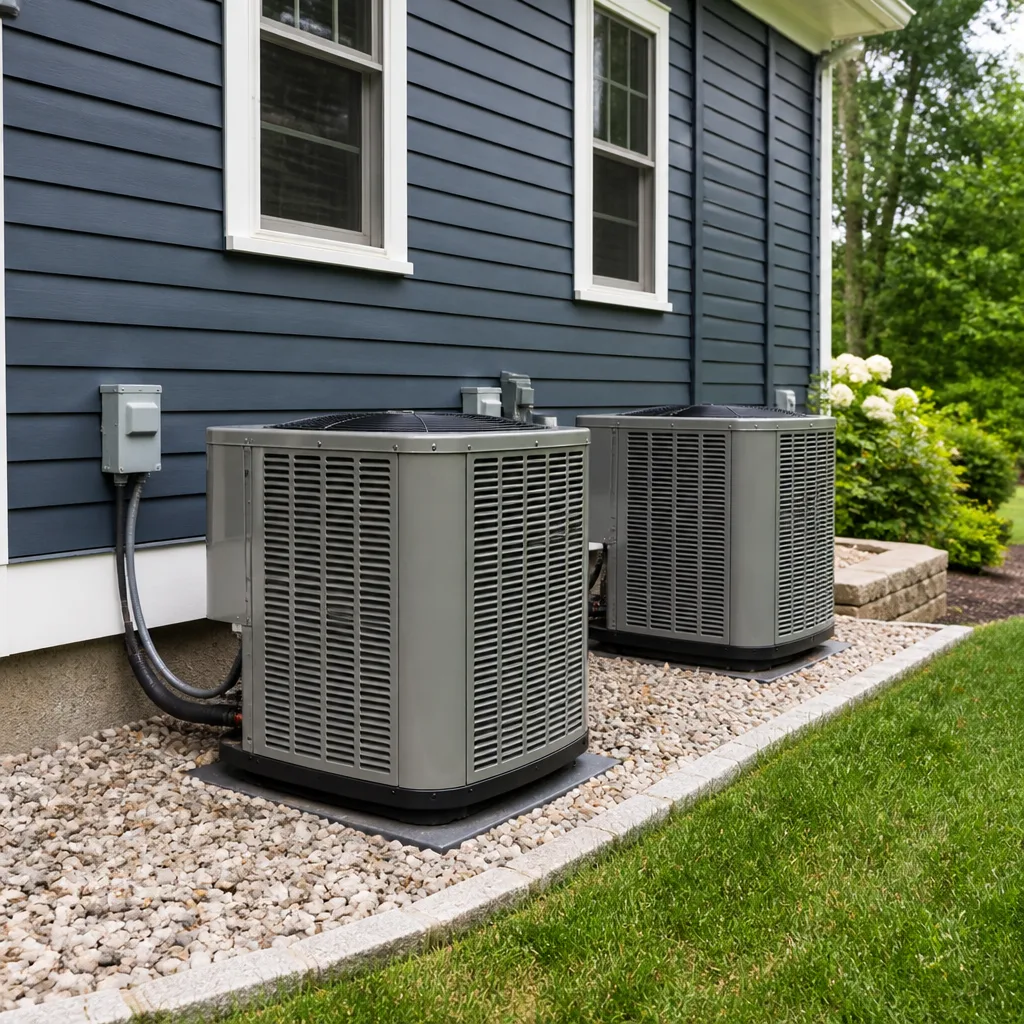 Heat pumps
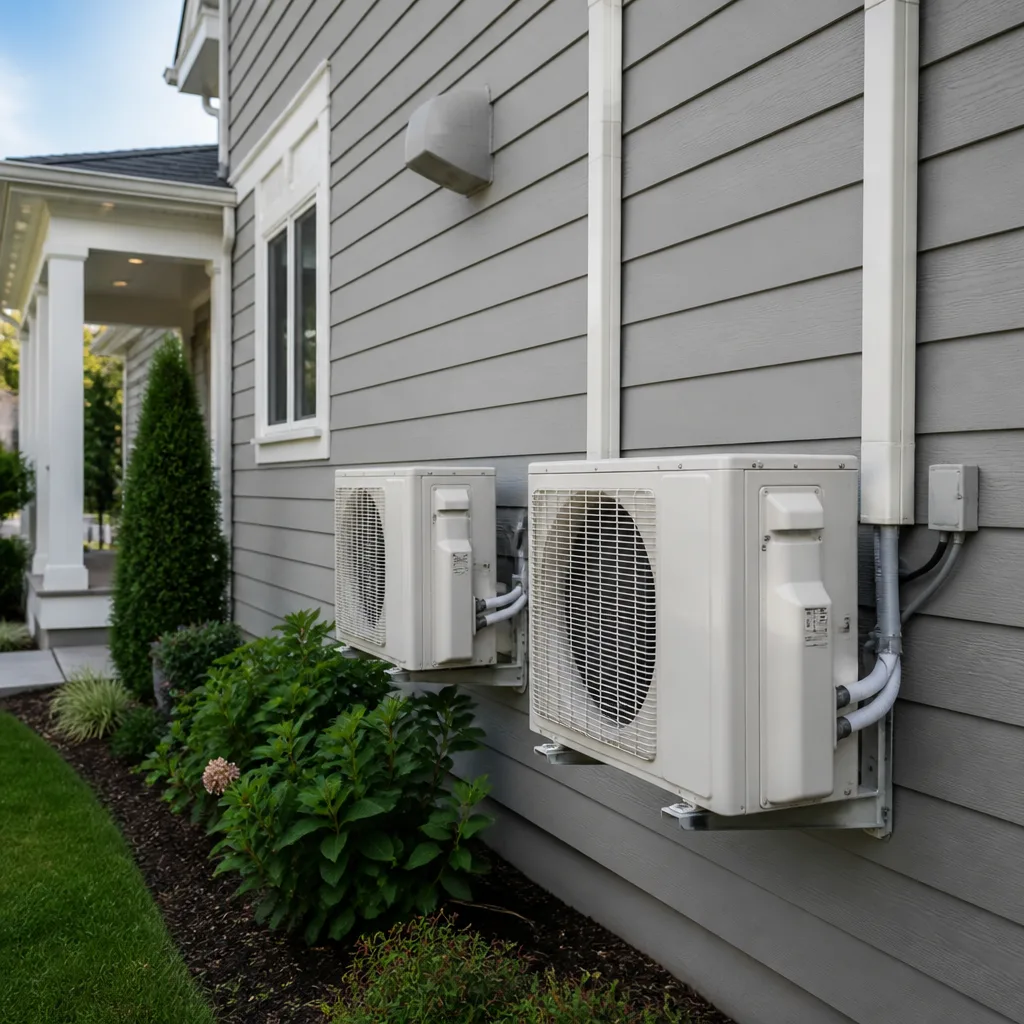 Ductless mini splits
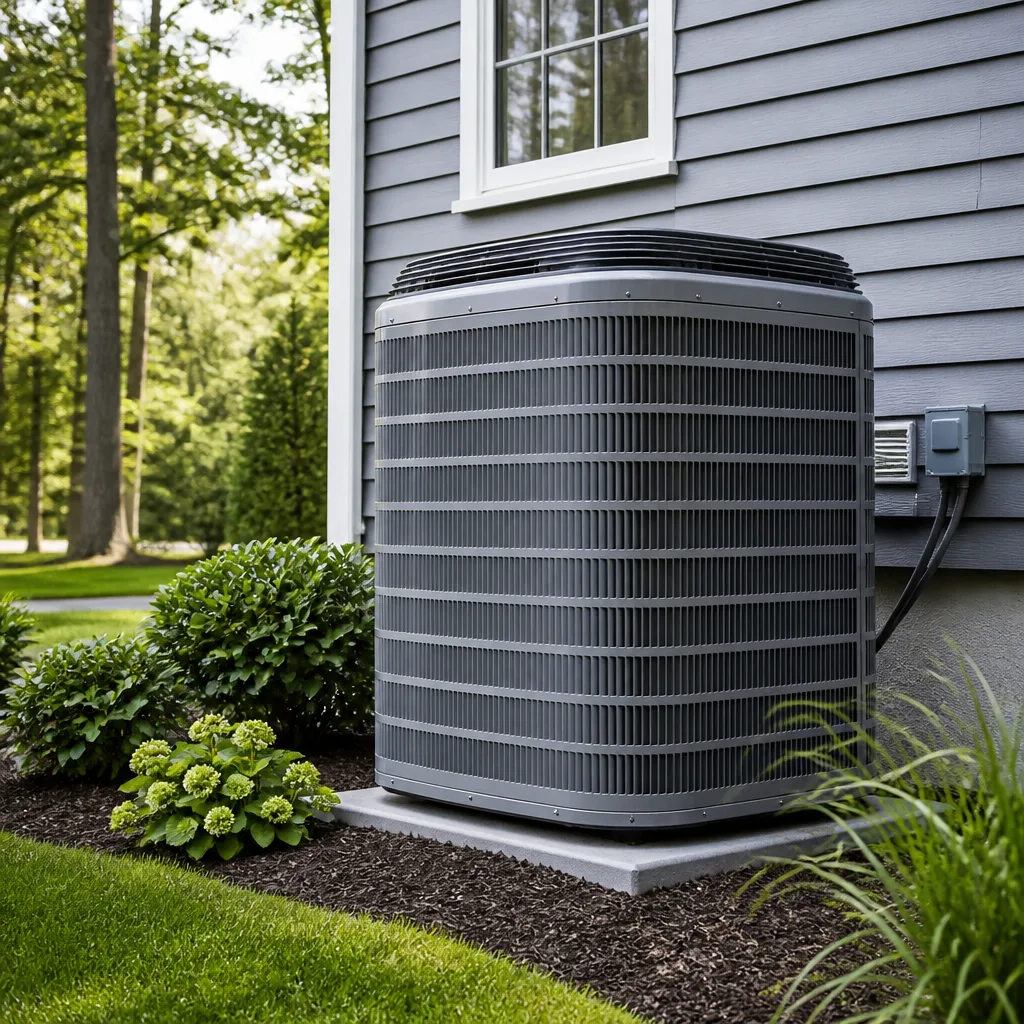 Carrier
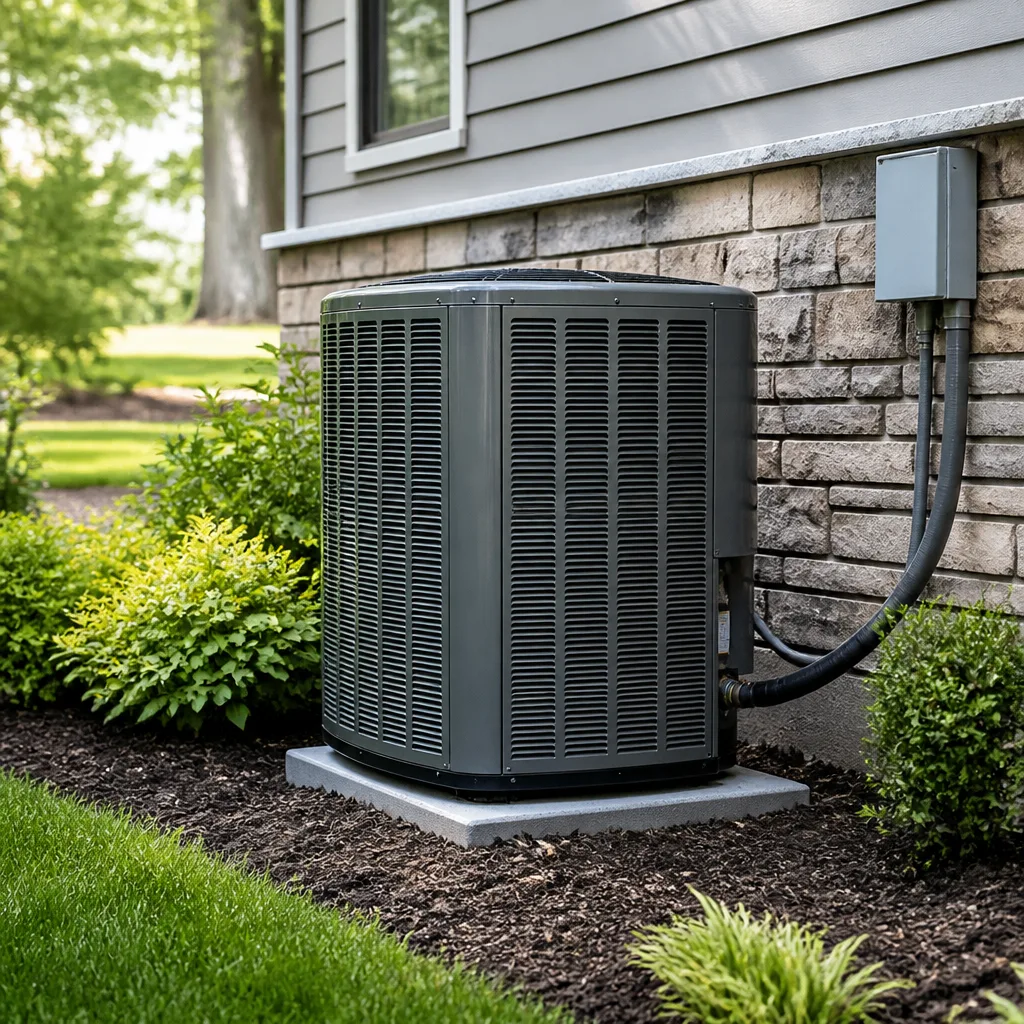 Trane
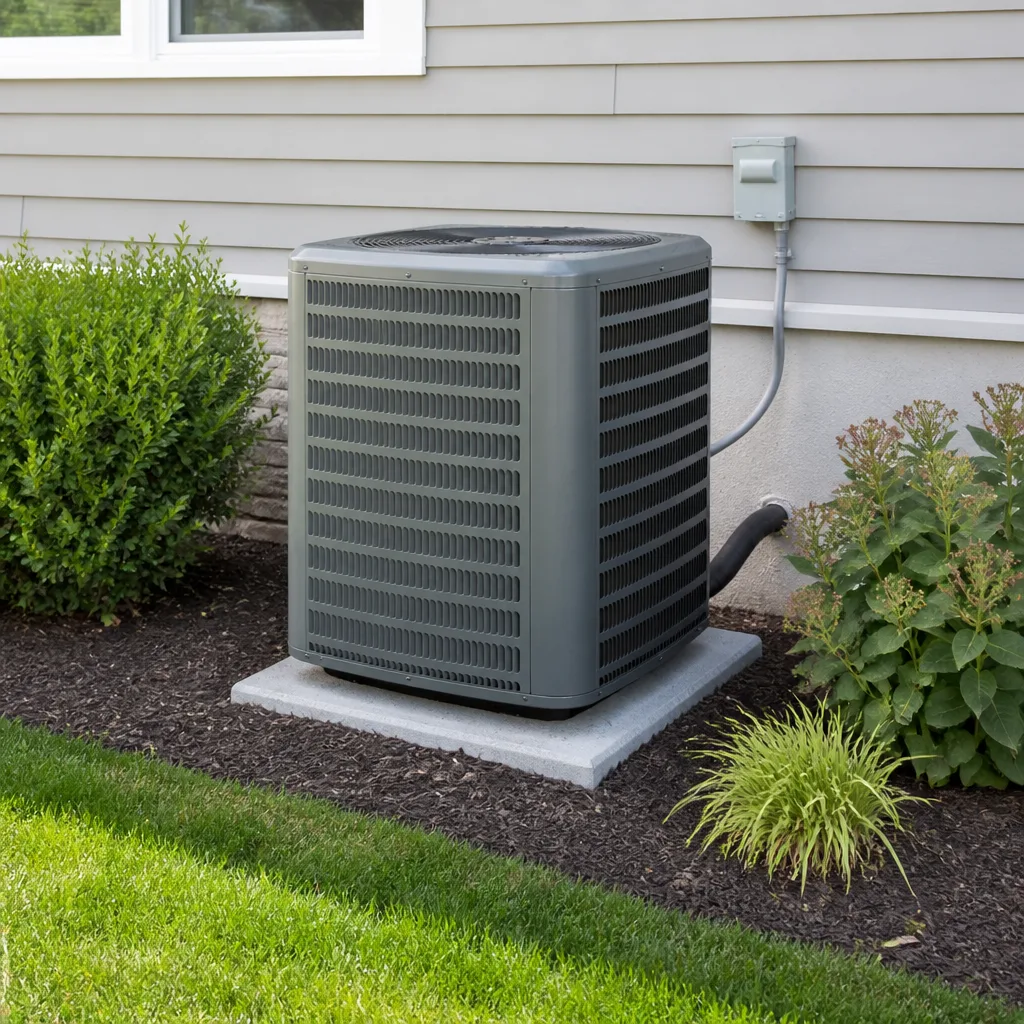 Goodman
Seasonal tune-up and full diagnostic on your Carrier, Trane, or Goodman system - readings shown to you before any repair is proposed
Diagnosis first, numbers second - you approve the repair price before a single part goes in.
Get your free estimateStyles & brands we work with
- AC repair
- Furnace & heating
- Heat pumps
- Ductless mini splits
- Carrier
- Trane
- Goodman
See the difference
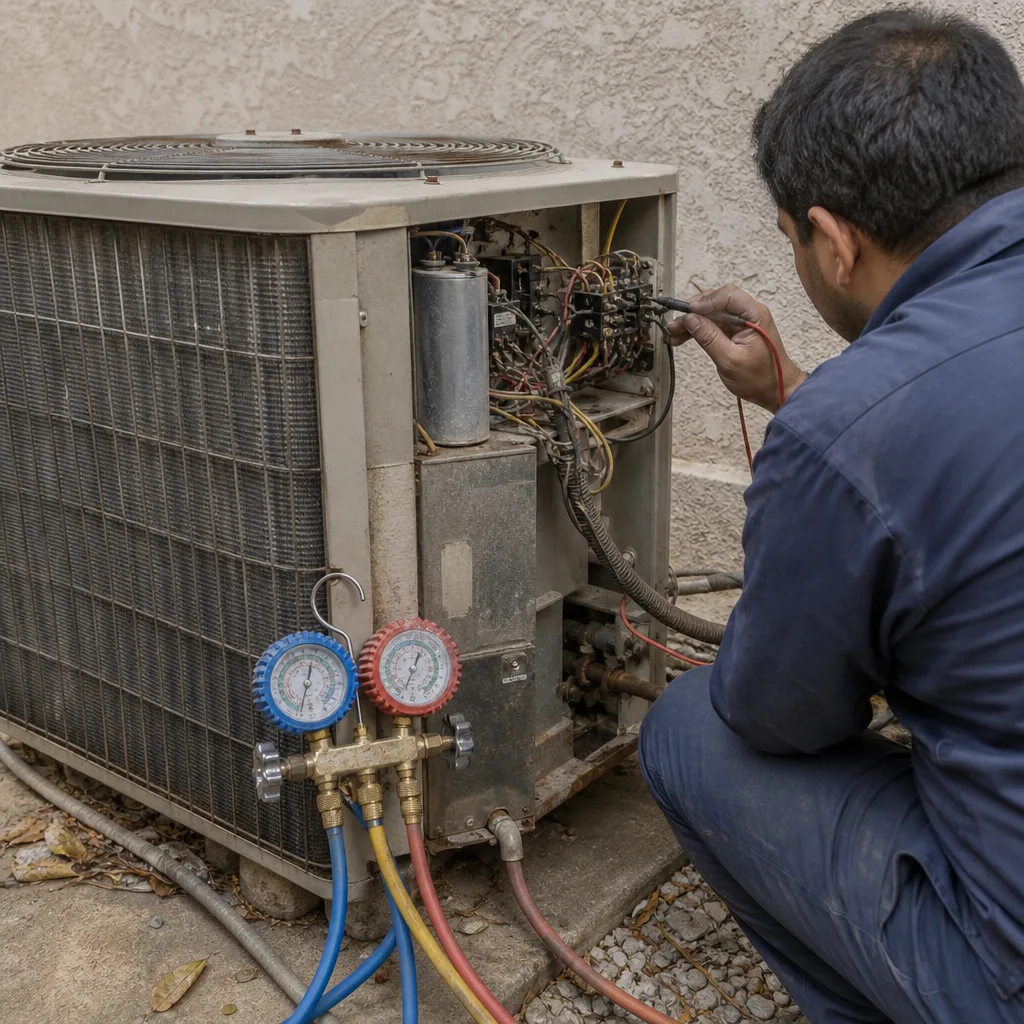 Before
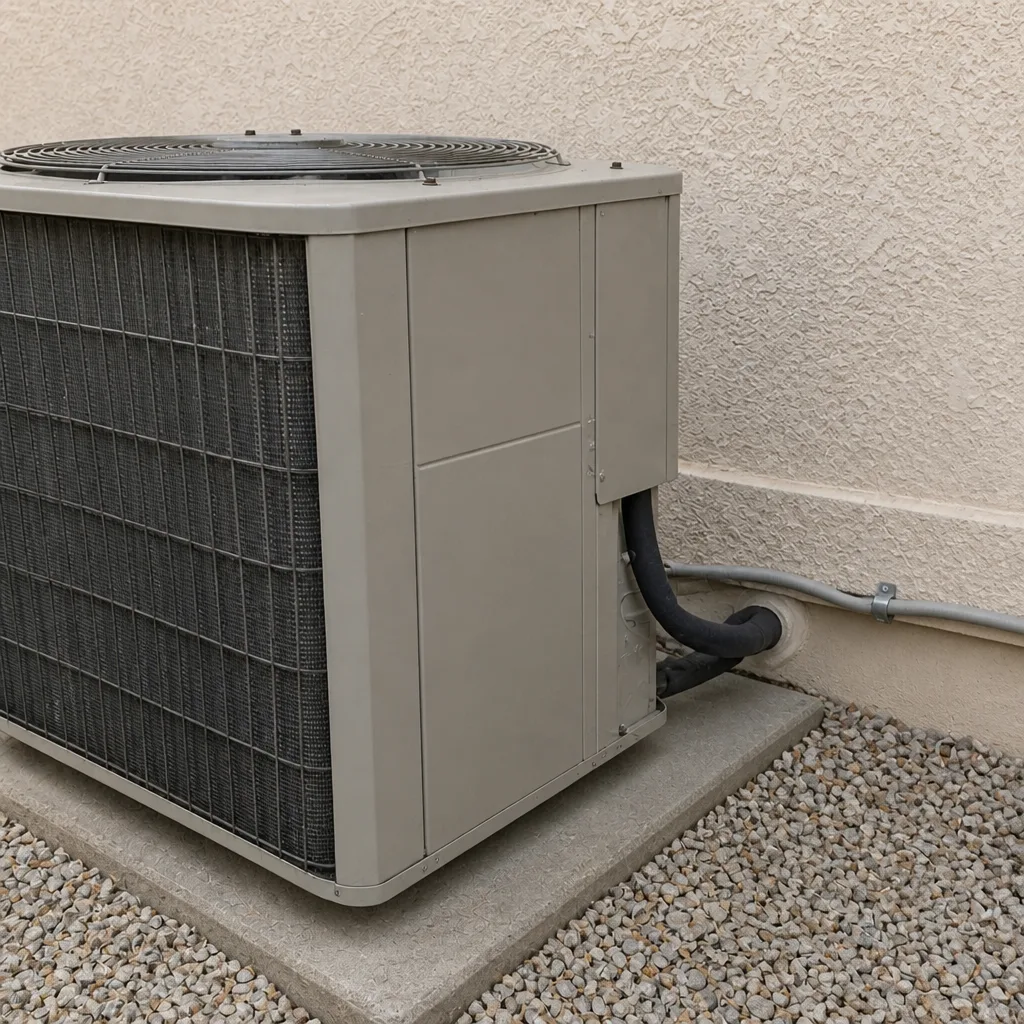 After
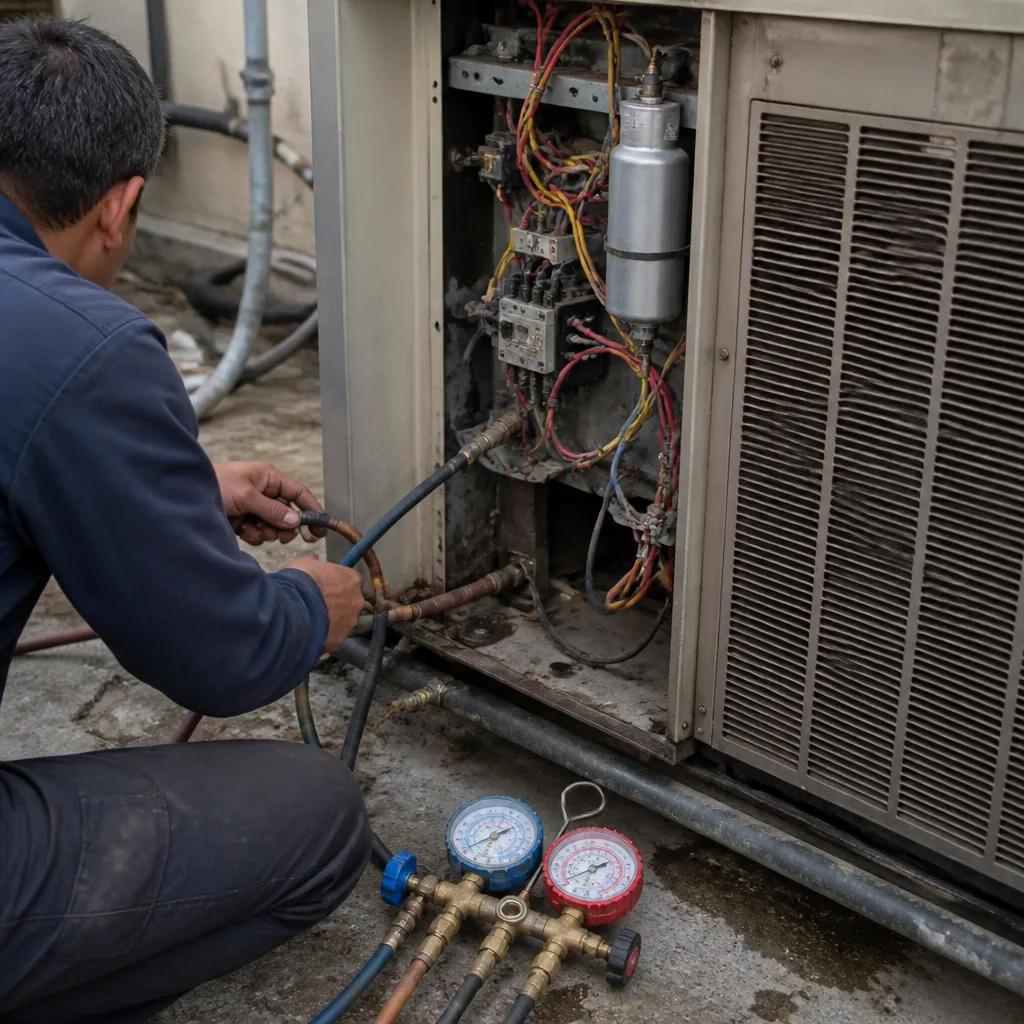 Before
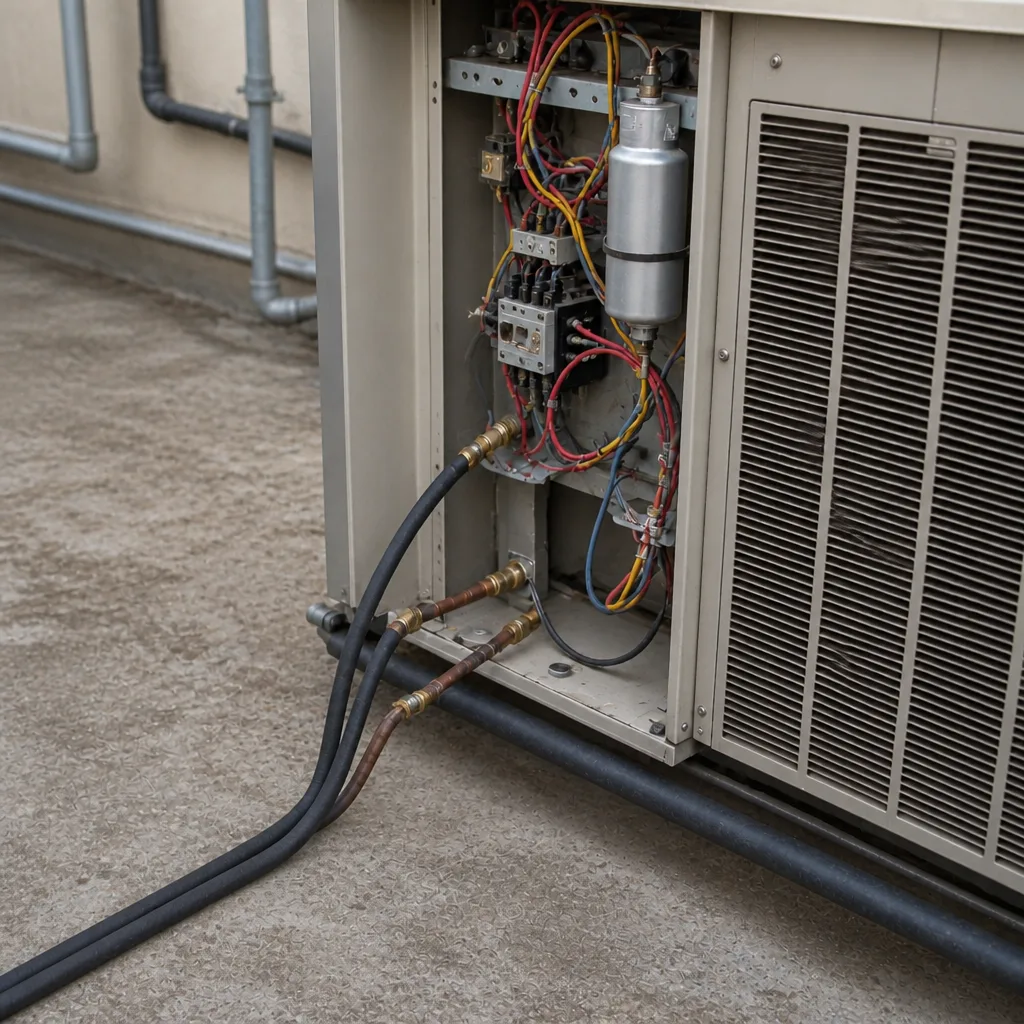 After
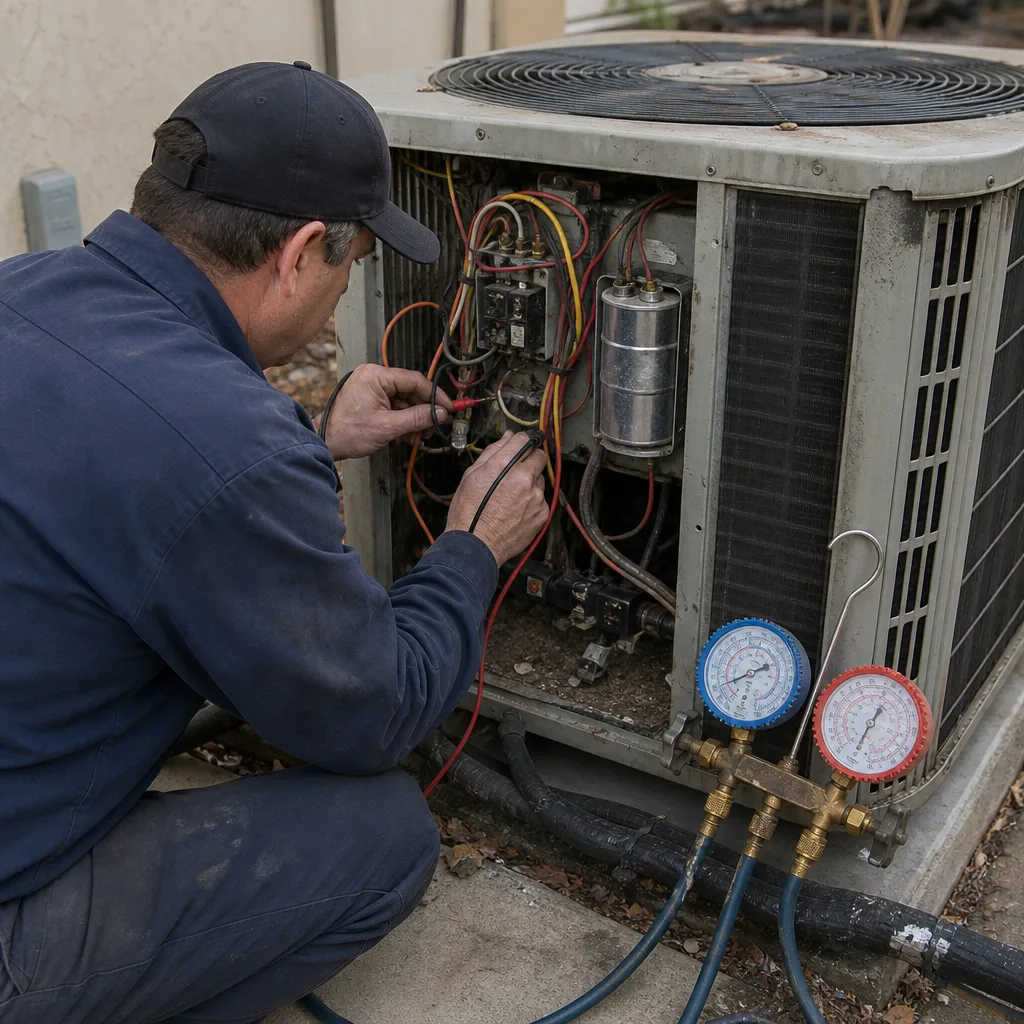 Before
 After
Why Is My AC Blowing Warm Air in Spring Valley, NV?
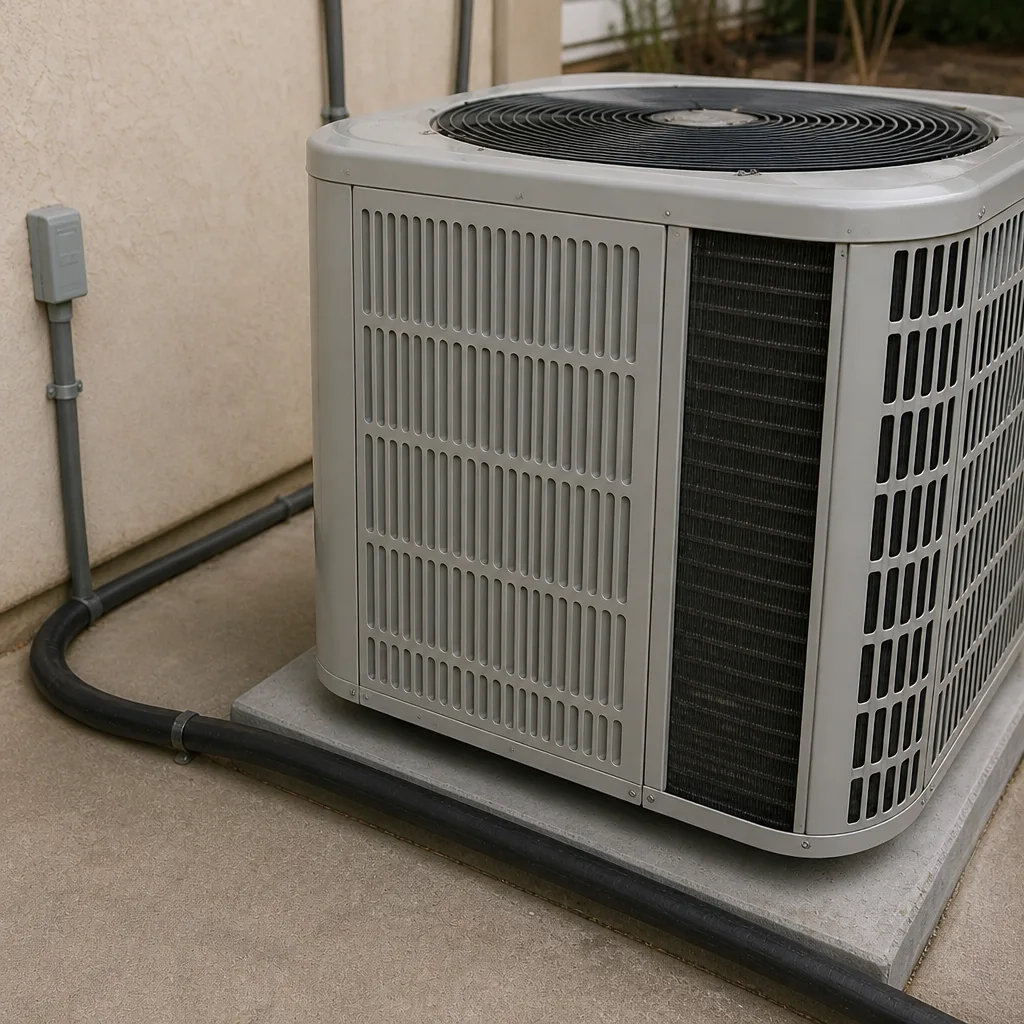
The most likely cause is a condenser packed with crushed-granite and gypsum dust, not a refrigerant leak. In Spring Valley’s rock-yard neighborhoods, fine silica dust gets pulled into the outdoor unit until the fins are 70-80% blocked, airflow through the coil collapses, and the compressor trips on high-pressure lockout. The fan keeps running, the thermostat still reads “cooling,” and the house fills with warm air. A $200 coil cleaning is often the whole fix. Not a $1,500 repair. If you want it looked at, call (833) 620-7288 and someone picks up.
The Test You Can Run Before Anyone Shows Up
Walk outside. Stand a few feet from the condenser. Put your hand near the coil and feel for air moving off it.
If it’s barely moving any, that’s your answer. A healthy condenser pushes a strong, warm stream of air off the top fan. In a Spring Valley home with decorative crushed granite or river rock, that stream can fall off to almost nothing by July. Same house, same thermostats, same symptoms on the inside, completely different bill on the outside.
Here’s the mechanism: rock yards shed fine silica and gypsum dust. Wind drives it into the coil, and unlike cottonwood fluff or grass clippings, this dust doesn’t sit on the surface. It packs into the fins and stays there. The monsoon winds from July through September make it worse. Then the dry heat bakes it on.
This is a Spring Valley problem more than a greener-parts-of-the-valley problem. It’s why the same failing symptom in a rock-yard house on the west side and a house with real lawn two streets over can lead to completely different diagnoses. From inside the house, you’ll never tell the difference.
Why Five Different Problems All Look the Same From Your Living Room
Here’s what makes a warm-air call frustrating for homeowners: from the thermostat forward, they present identically. Blowing air, not cold. Here are the five real causes in Spring Valley order of likelihood, and why you can’t sort them from inside.
- Packed condenser fins. Restricted airflow through the outdoor coil causes high-pressure cutout. Fan runs, air handler runs, no refrigerant actually cycles. Very common here.
- Failed run capacitor. The compressor can’t start or can’t stay running. You’ll hear the outdoor fan but the compressor hums and quits. A $30-$80 part, but only if it’s tested before anyone says the word “compressor.”
- Low refrigerant charge from a leak. The system runs, cools partially, then warms up as pressure drops. Needs a leak search, not a top-off.
- Tripped high-pressure switch from thermal overload. When the condenser can’t shed heat in 108°F air, pressures spike and the safety cutoff kicks in. Reset, cools briefly, cuts out again.
- Failed compressor. The rarest and most expensive. Diagnosed last, not first.
That ordering matters. Every one of these looks like “the AC is on but not cooling.” The only way to tell is to look outside first, then test parts, then read pressures.
Why a System Can “Run” and Still Blow Warm Air
A compressor that trips on high-pressure cutout leaves you with a system that appears to be running normally. The indoor air handler keeps moving air. The outdoor fan keeps spinning. The thermostat still shows “cooling.” But no refrigerant is cycling through the indoor coil, so the air coming out of your vents is room temperature.
Ten minutes later, pressures normalize, the compressor comes back on, and the house cools for a while. Then it trips again. That on-off-trip pattern is the signature of a blocked condenser or an overcharged system running in extreme heat, and it’s the most common thing we see on a Spring Valley roof or pad in August.
How Ray Diagnoses It: Outside First, Compressor Last
Here’s the sequence, and why it matters to your wallet. First, a visual inspection and fin check of the outdoor unit, often with a flashlight raked across the coil to see actual blockage. Second, a capacitor test, measured, not eyeballed. Third, pressure readings, done after the first two, because a dirty coil fakes a low-charge reading.
A clogged condenser can look like a refrigerant problem on gauges. Adding refrigerant to a system with blocked airflow doesn’t fix it and can push pressures further into the danger zone. Readings first, numbers second. You’ll see both before any work starts, and you’ll get the written estimate before any tool comes out of the bag.
That’s also why there’s a standing Free Second Opinion on any written estimate, and No Trip Charge inside the county. If another company quoted a compressor, we’ll look at it for nothing and tell you what we actually find. Our technicians have up to 24 years of experience on these systems, including a lot of Goodman and Rheem units that were retrofitted to R-410A but kept their original undersized ductwork.
Ray’s Heating & Air Spring Valley is owner-operated since 2002, and every heating and cooling job carries the 90-Day Done Right Promise in writing. One call brings Ray back. No voicemail maze, no rotating crew who has never seen your system, day or night.
What to Do Right Now, Before You Call
Three things help, and one is a phone call detail you’ll want to have ready.
- Switch to “fan only.” Let the compressor cool down. It’s already been cycling on and off under stress. If warm air keeps blowing with the system set to fan, that confirms the compressor isn’t running.
- Check the return filter. A clogged indoor filter starves the coil and makes everything worse. Swap it or wash it. Note the size while you’re in there.
- Look at the outdoor unit’s fins. A flashlight angled across the coil shows the packed dust. Note whether airflow off the top feels weak.
When you call, tell us what you found: fan status, filter condition, and whether the fins look packed. That description gets a trained person to the right answer faster, and it’s the kind of detail that shaves time off the visit.
What AC Repair Costs in Spring Valley
Repair jobs in Spring Valley typically run $150-$650. A condenser coil cleaning sits at the low end, a capacitor or contactor swap in the middle, a refrigerant leak repair and recharge toward the top. Full system installation runs $3,500-$7,500, and a seasonal tune-up is $80-$200.
| Job | Typical Spring Valley Range |
|---|---|
| AC Repair | $150-$650 |
| Furnace Repair | $150-$700 |
| AC Installation | $3,500-$7,500 |
| Tune-Up | $80-$200 |
For more on what’s included in a diagnostic visit and installation, see AC Repair & Installation and AC Repair & Installation in Spring Valley.
Should You Repair or Replace?
Repair it if the unit is under roughly 10 years old and the diagnosis is a cleaning, capacitor, or single-component fix. Replace it if the compressor is shot on a system past year 12, or if two repairs land in the same cooling season. In this valley, equipment ages on a compressed timeline. Dry heat and dust do what moisture does elsewhere, and a system that would last 15 years in a milder climate often needs major service by year 10. When that math tips, installation beats another repair, and the same technician can walk you through the options side by side.
FAQs
The compressor is likely tripping on high-pressure cutout while the fan keeps running. Airflow through the condenser is restricted, pressures climb, the safety switch resets the compressor, and air keeps moving through the house at room temperature. In Spring Valley, the usual culprit is crushed-granite dust packed into the condenser fins. Read more on our HVAC services or call for a diagnosis.
Most repairs land between $150 and $650, with a condenser coil cleaning at the low end and refrigerant work higher. You’ll see the readings and the quote before any work begins, so there are no surprises. Call (833) 620-7288 for an exact quote. Estimates are free.
Same-day visits and 24/7 emergency availability are standard for Ray’s Heating & Air Spring Valley. Live person answers every call, including at two in the morning. Call (833) 620-7288 and describe the symptoms.
Homeowners can rinse the outer coil gently with a garden hose, and that helps with surface dust between visits. Packed fins inside the unit and any work involving the compressor, capacitor, or refrigerant lines need a trained professional. High-voltage components and refrigerant handling are not a DIY job. Call for a coil inspection after the monsoon season.
Getting It Looked At
If you’d rather have it looked at, Ray’s Heating & Air Spring Valley offers a no-pressure assessment in Spring Valley - call (833) 620-7288. Free second opinions on any written estimate, no trip charge inside the county, and a 90-Day Done Right Promise in writing on every job. A live person answers, day or night.
Related reading: AC Repair & Installation in Spring Valley | Heat Pump Repair in Spring Valley | Furnace Repair in Spring Valley | AC Maintenance in Spring Valley | Emergency HVAC Service in Spring Valley | Mini-Split Installation in Spring Valley | Indoor Air Quality in Spring Valley | AC Repair in Henderson | AC Repair in Las Vegas | AC Repair in North Las Vegas | AC Repair in Enterprise | AC Repair in Paradise
Written by the team at Ray’s Heating & Air Spring Valley, serving Spring Valley, NV.