
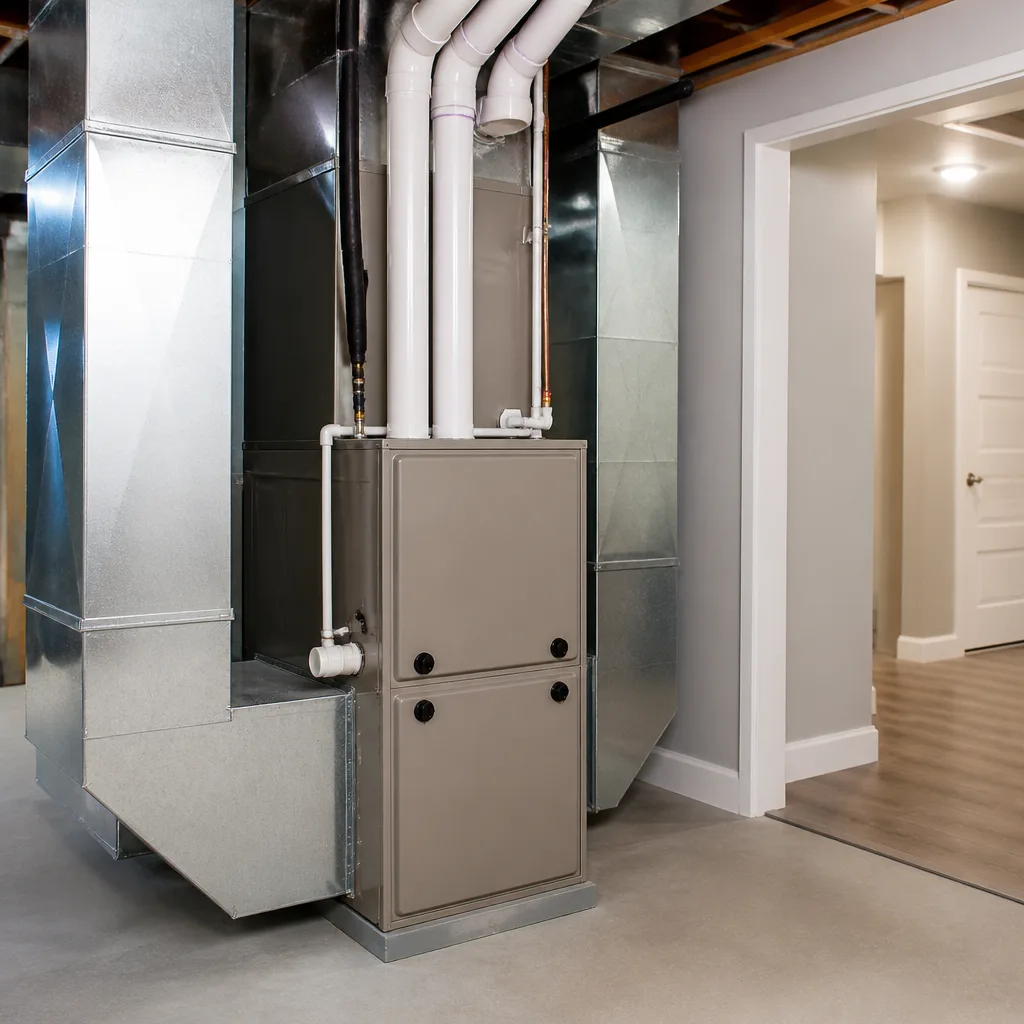
 Furnace & heating
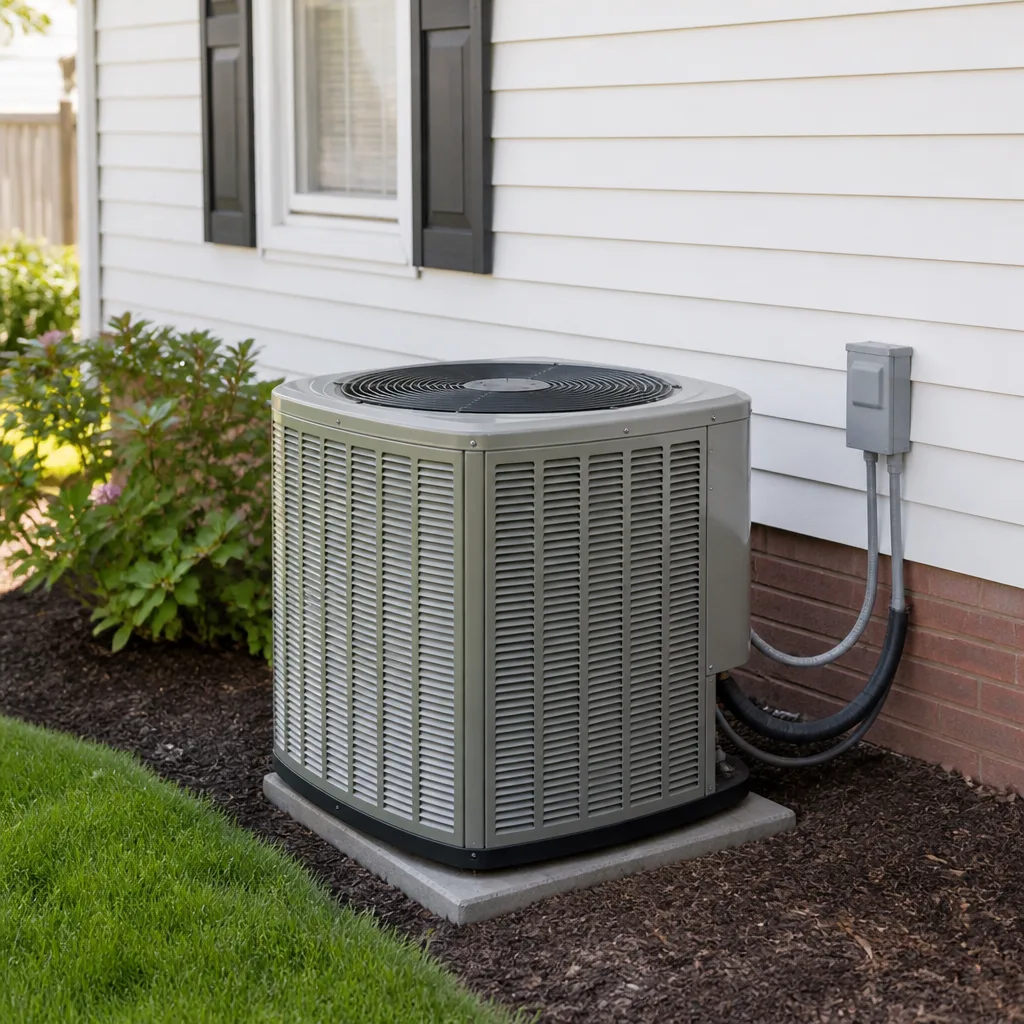 AC repair
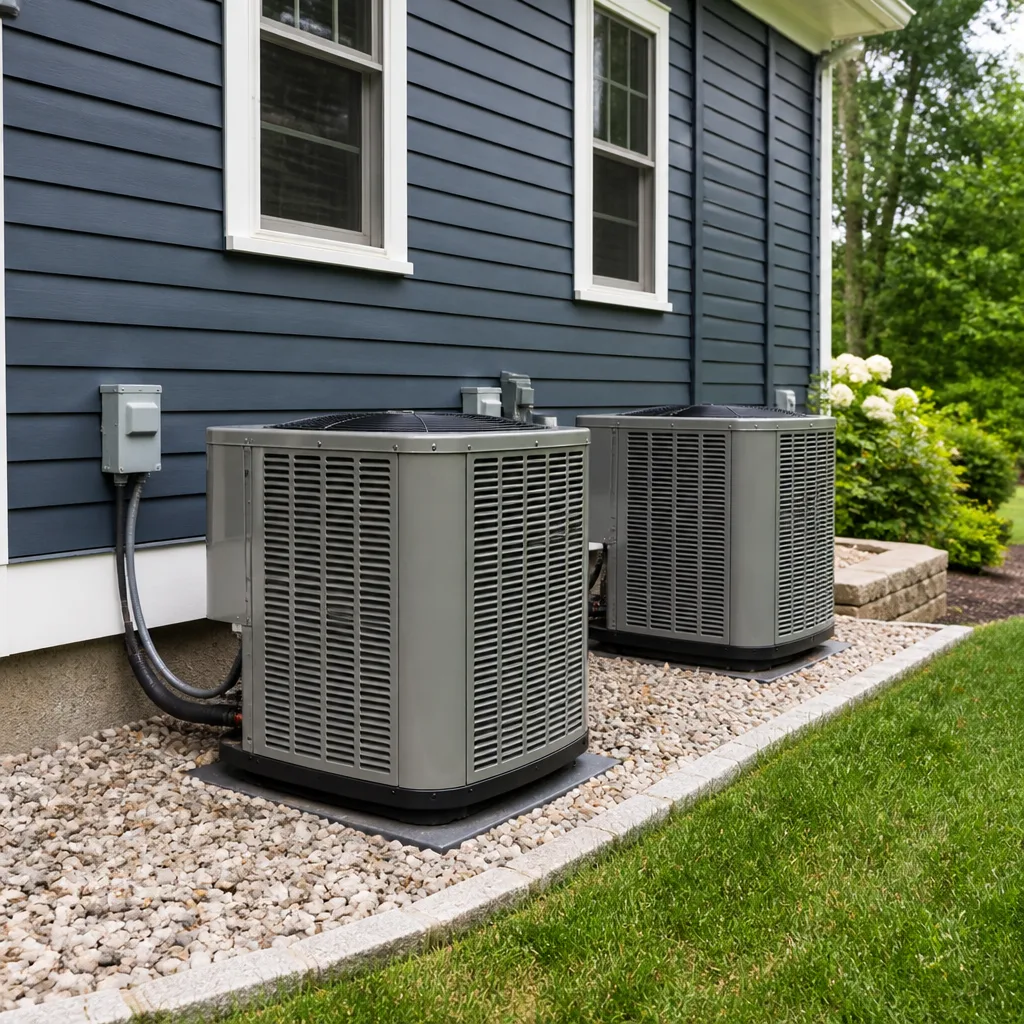 Heat pumps
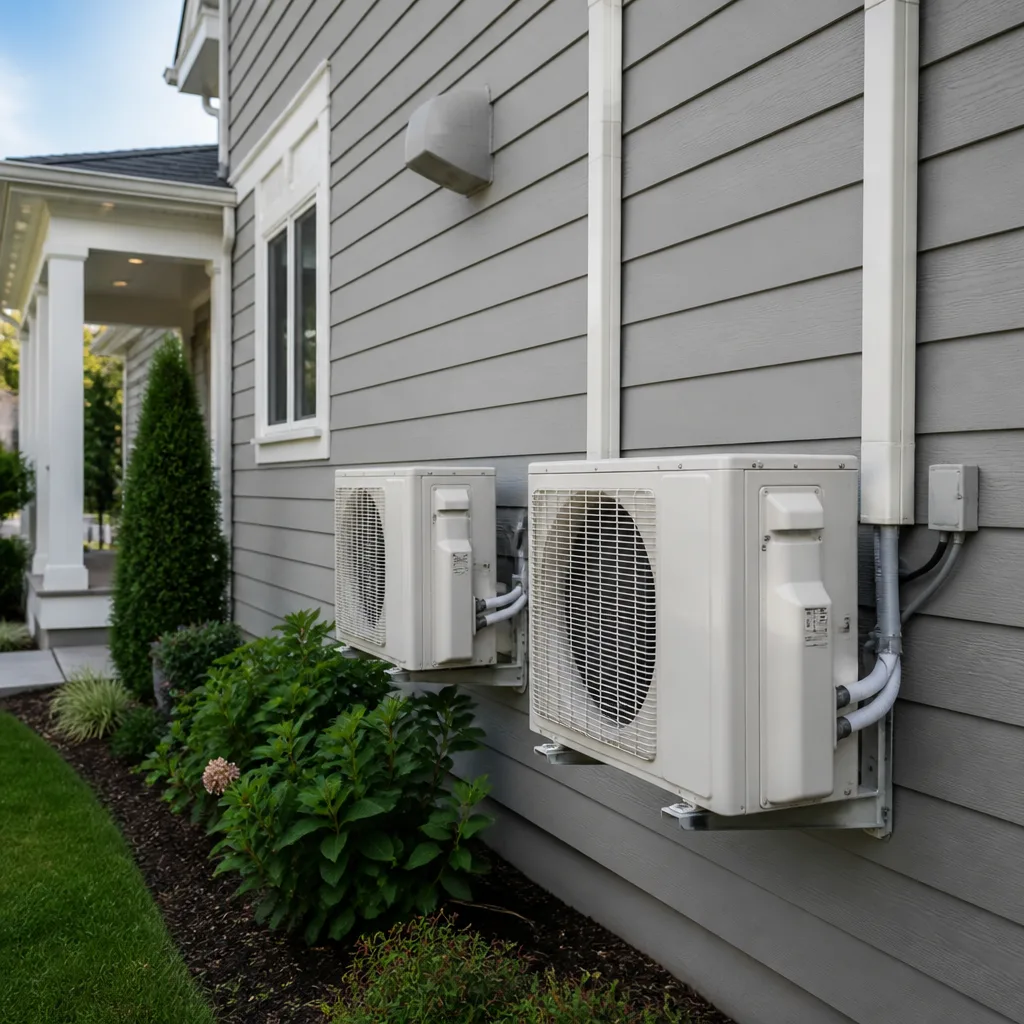 Ductless mini splits
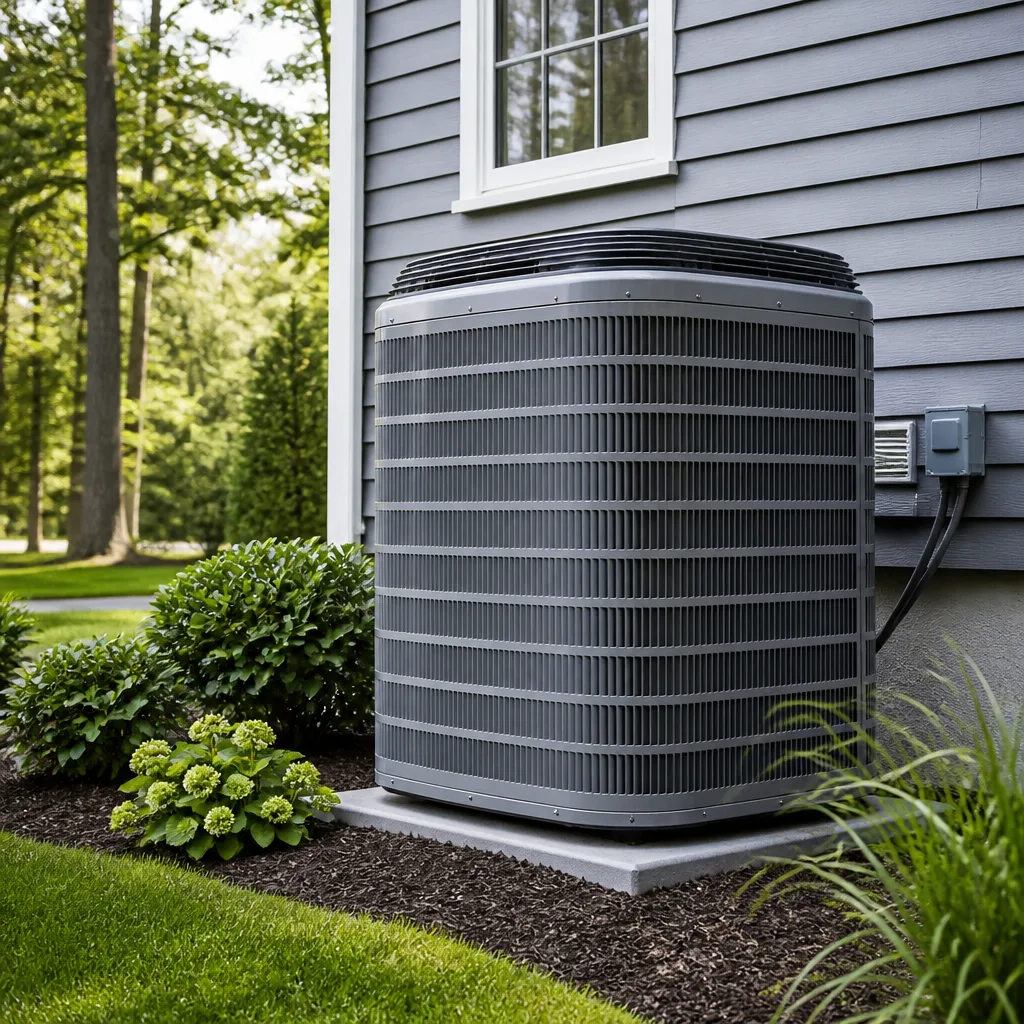 Carrier
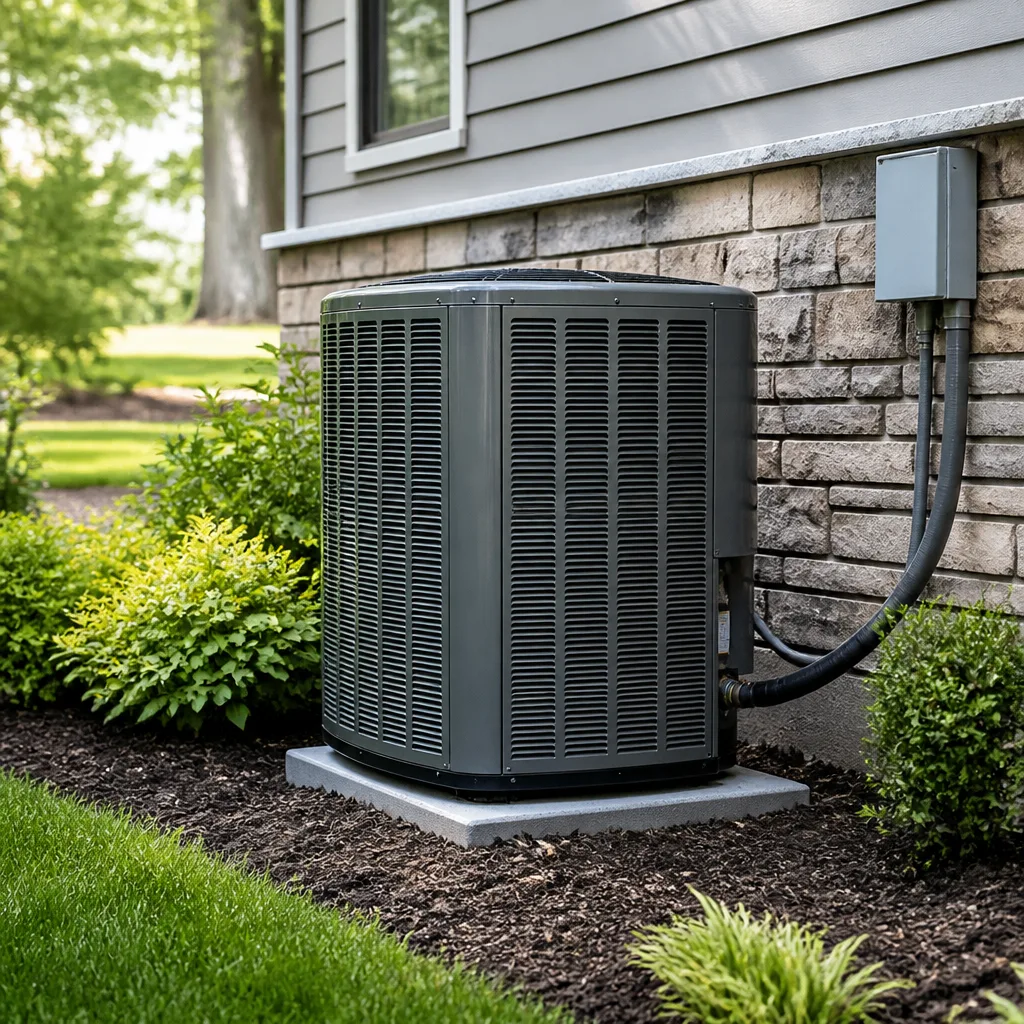 Trane
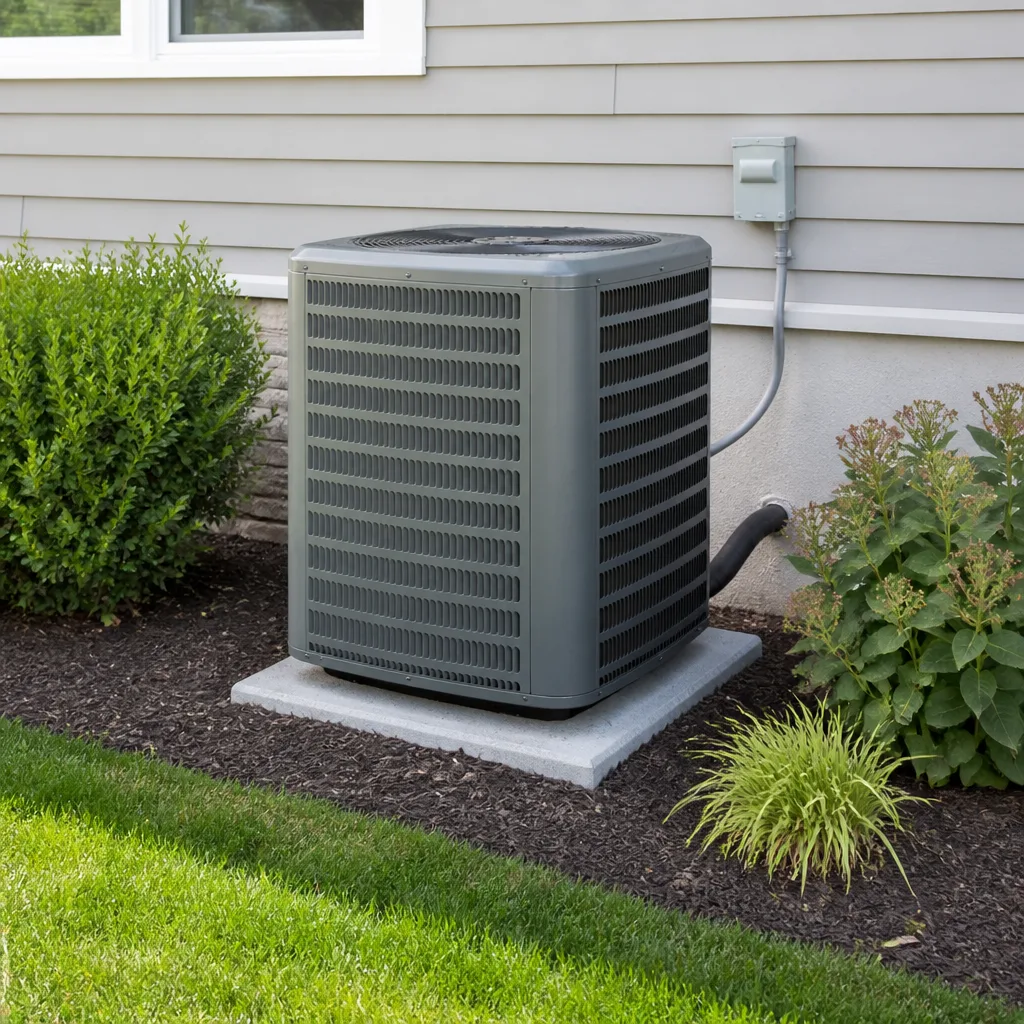 Goodman
Seasonal tune-up and full diagnostic on your Carrier, Trane, or Goodman system - readings shown to you before any repair is proposed
Diagnosis first, numbers second - you approve the repair price before a single part goes in.
Get your free estimateStyles & brands we work with
- AC repair
- Furnace & heating
- Heat pumps
- Ductless mini splits
- Carrier
- Trane
- Goodman
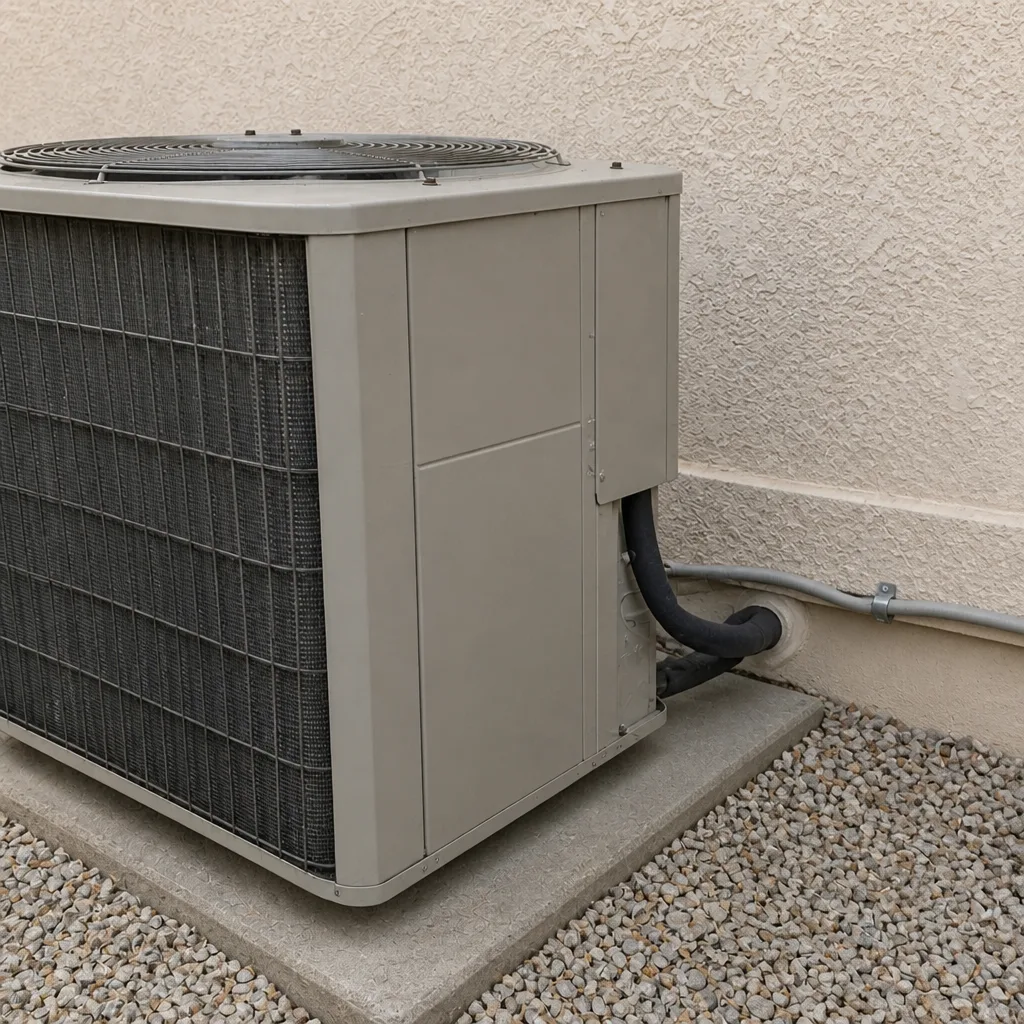
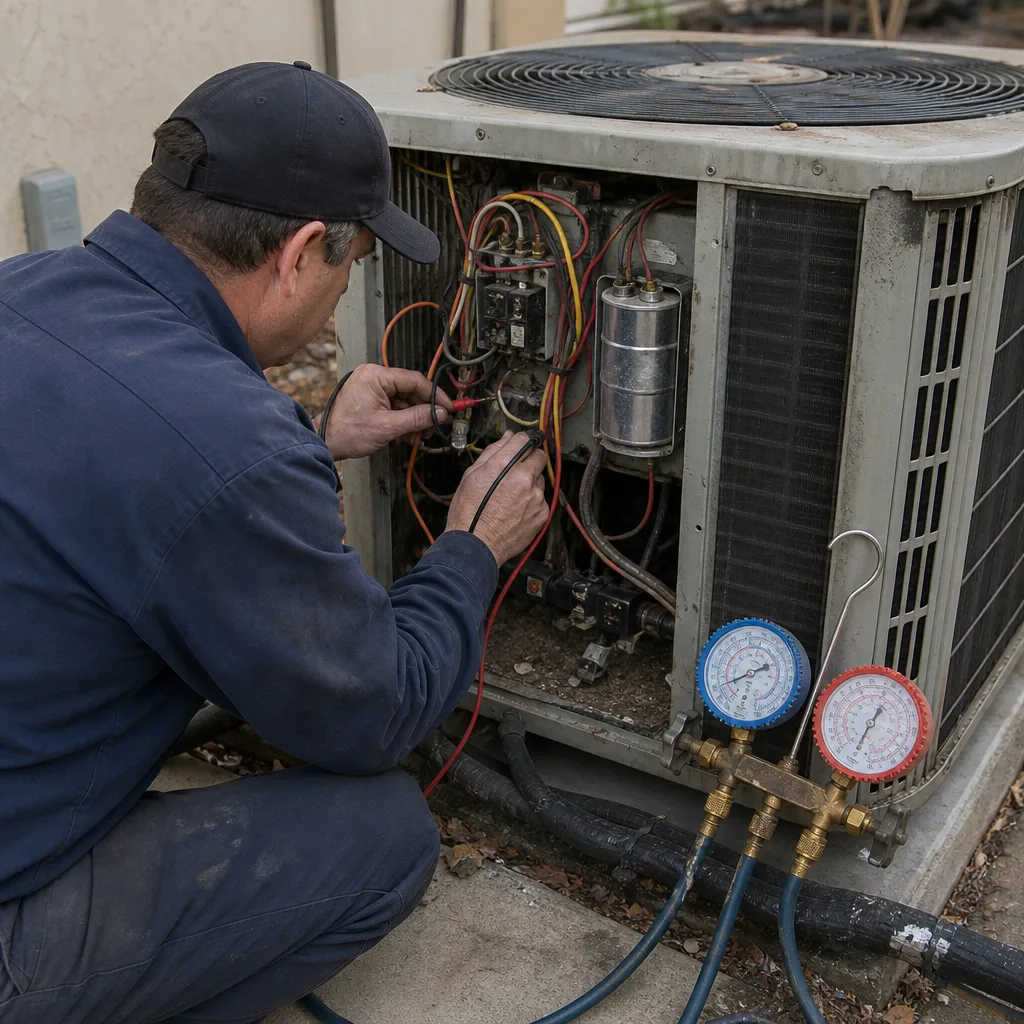
See the difference
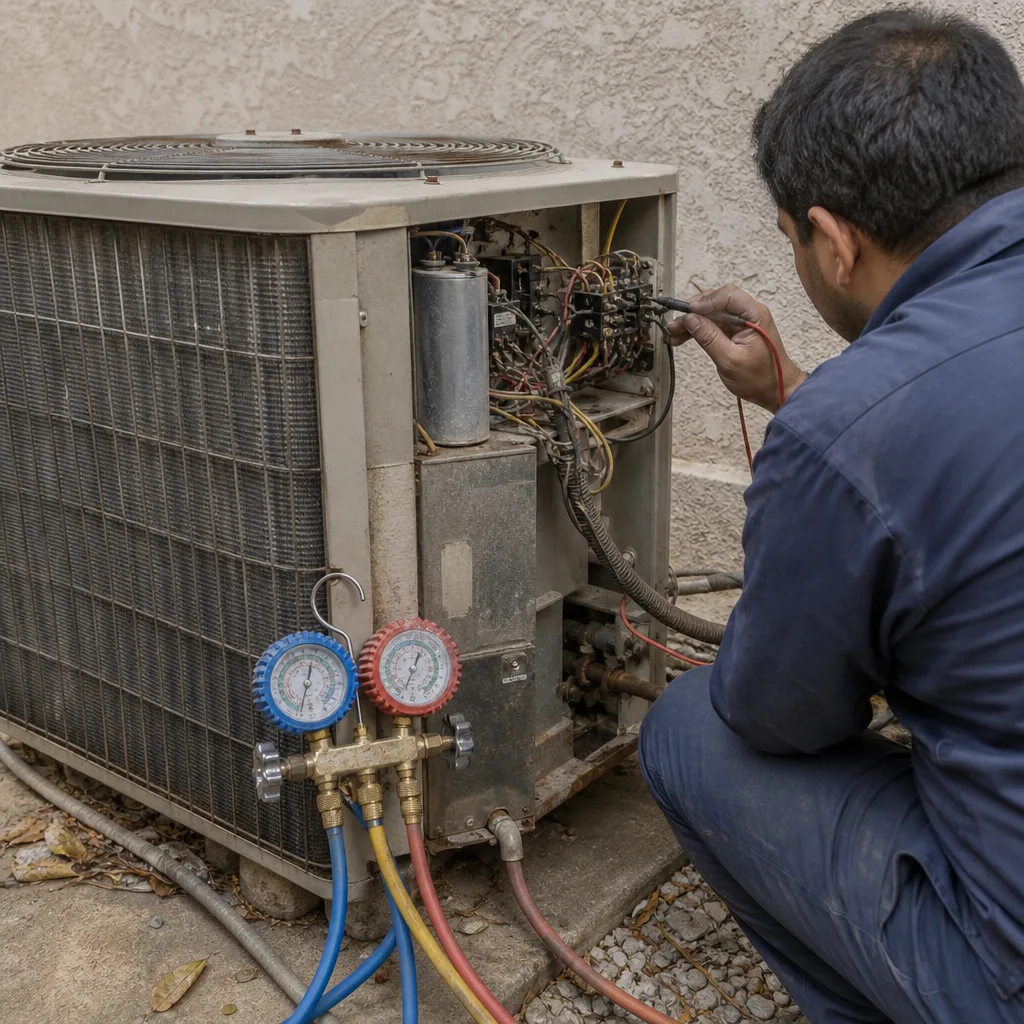 Before
 After
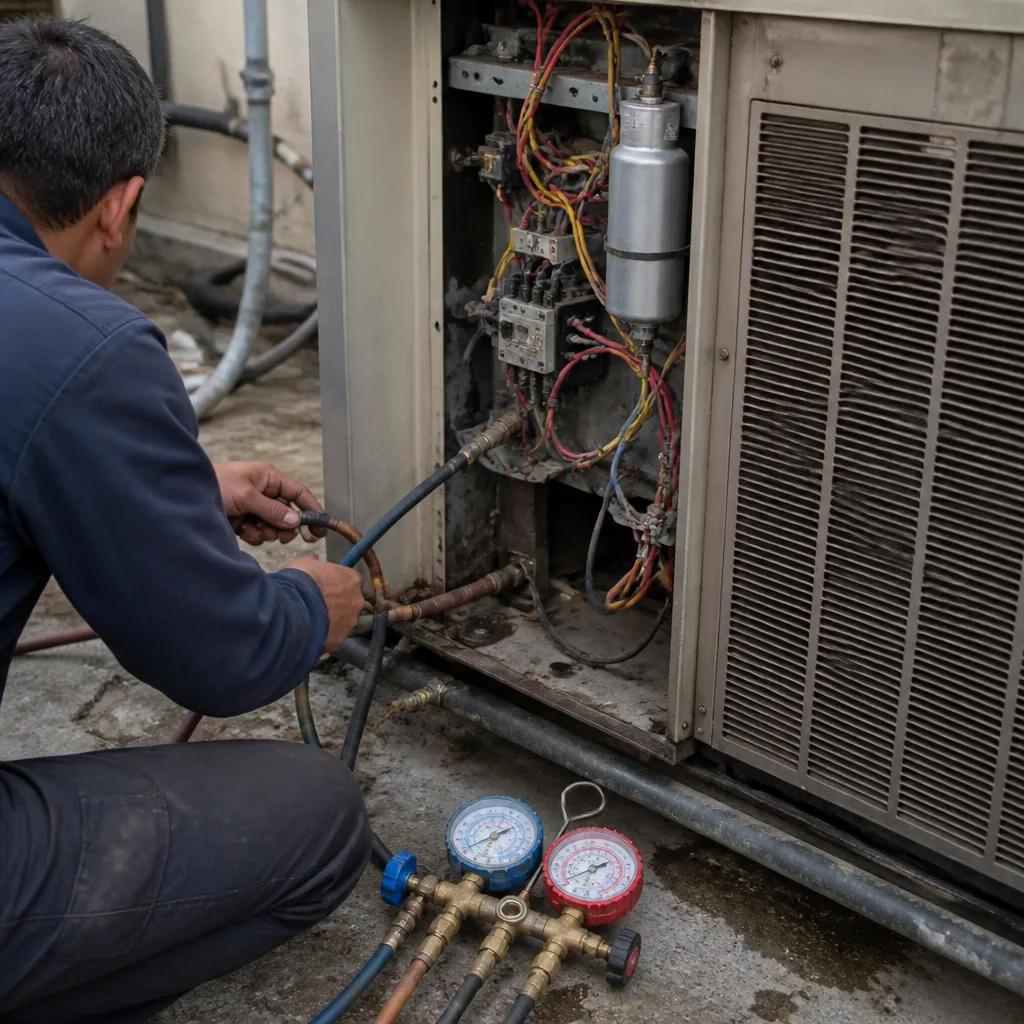 Before
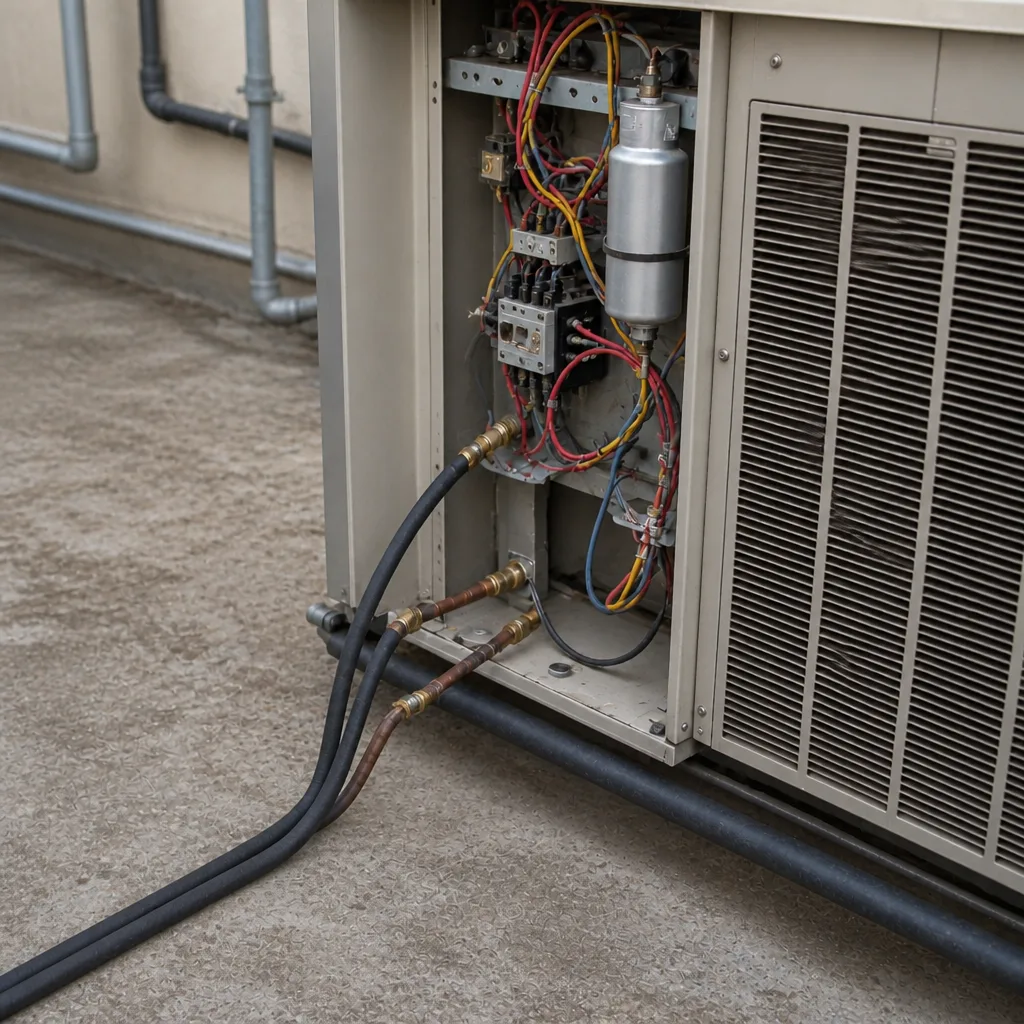 After
 Before
 After
Why Is My AC Not Turning On in Spring Valley? Usually a Tripped High-Pressure Cutout, Not a Dead Unit
The most likely reason your AC won’t turn on during a Spring Valley heat wave is a high-pressure cutout or thermal overload that tripped because the outdoor condenser couldn’t reject heat fast enough – and it will often reset itself once the temperature drops after sundown. That the system runs fine again in the evening doesn’t mean it’s fixed. It means an underlying airflow problem, usually fins packed with rock dust, is still sitting there waiting for the next 108°F afternoon. If you want it checked before the next hot run, call Ray’s Heating & Air Spring Valley at (833) 620-7288.
What’s Actually Happening When Your AC Quits at 4 PM
Your system has a pressure switch on the refrigerant side that opens when head pressure climbs too high, typically because the condenser can’t shed heat as fast as it’s being generated. The compressor also has an internal thermal overload that trips when it runs hot. Both are safety mechanisms. Both reset automatically – the pressure switch when the refrigerant cools, the overload once the compressor cools down.
That’s why so many Spring Valley homeowners describe the exact same afternoon: unit quits at 4 PM on the hottest day of the year, tech gets called, and by 7 PM when the outside temp has dropped 15 degrees the thing kicks back on like nothing happened. The “fix” was sundown. The problem never left.
What trips them in the first place is a condenser that can’t breathe. When airflow across the coil is restricted, the compressor works harder, head pressure climbs, and the system protects itself. Close off that airflow and no condenser built for this equipment class can keep up on a 108°F afternoon.
Why Spring Valley Yards Are Hard on Condensers
This corner of the Las Vegas Valley sits in the heart of the dust zone, and the decorative rock landscaping almost every yard here uses – crushed granite, river rock – is the hidden culprit. During high winds, fine rock dust gets pulled straight into the outdoor unit and packs into the condenser fins. Greener parts of the valley see some of this. Spring Valley sees the worst of it.
Layer in the fact that Spring Valley summer highs routinely run past 105°F, and condensers here spend weeks operating above their design temperature. That fine gypsum and silica dust coats coils faster than in any neighboring suburb, and the monsoons from July through September turn that accumulated dust into a muddy paste. Systems in this neighborhood age on a compressed timeline; a unit that would last 15 years in a milder climate often needs major service by year 10.
- Rock-yard brownout: a condenser that trips on a 108°F afternoon but runs fine at 90°F is showing classic fin-blockage behavior.
- Compressed life span: equipment in Spring Valley’s 1980s-2000s stucco-and-tile tract homes runs hot and dusty, and many still carry the original undersized ductwork from that build era.
- Monsoon mud: dust plus monsoon humidity can seize blower motors and clog condensate lines if the outdoor unit isn’t cleaned seasonally.
The Check Sequence: What to Look at Before You Pay for a Visit
Before you spend a dollar, work through these steps in order. It takes fifteen minutes, and it catches a surprising share of “won’t turn on” calls.
- Thermostat first. Confirm it’s set to COOL and the setpoint is at least 5 degrees below room temp. Replace the batteries if they haven’t been changed this year – a weak thermostat battery can mimic a dead system. Check that the fan setting is AUTO or ON, not a mode you didn’t intend.
- Breaker panel – and the outdoor disconnect. Find the indoor breaker feeding the air handler and the outdoor condenser breaker. Look for a tripped breaker and reset it once. Many Spring Valley homeowners don’t know there’s a separate disconnect box mounted near the outdoor unit – a small grey box on the wall or a pull-out handle on the unit itself. Check that one too.
- The capacitor. A failed run capacitor is one of the most common reasons a condenser won’t start. If you’re comfortable with a multimeter and know how to safely discharge a capacitor, test it against the rated microfarad spec on the label. If that sentence made you uneasy, this is where you stop – capacitors hold a lethal charge even after the power is off.
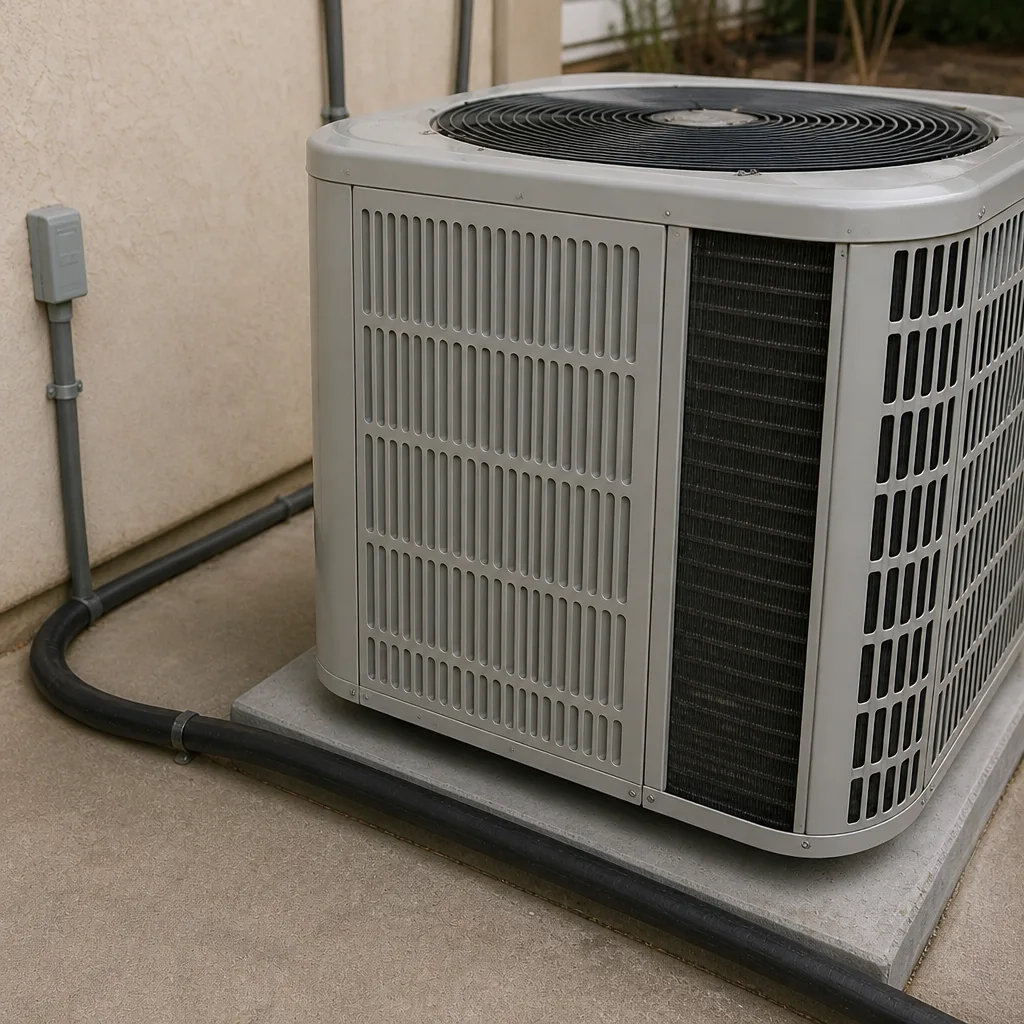
- Condenser condition. Shut the unit off at the disconnect, then look down through the top grille. If the fins look like a dust-coated comb, or you can see rock dust packed between the fins, that’s your airflow problem. A soft rinse with a garden hose from the inside out can help, but packed fins usually need a proper coil cleaning.
Safety note: the refrigerant side and the electrical panel are not DIY territory. High-side pressure and capacitor charges can hurt you badly. If you get to the capacitor and you’re not certain, call a trained technician.
The “It Turned On This Morning” Trap
Ray’s Heating & Air Spring Valley gets these calls every July and August: a homeowner wakes up to a working AC, figures the problem sorted itself out, cancels the appointment, and calls back three days later with a full failure. That pattern is exactly what an intermittently tripping thermal overload looks like. The system is telling you it’s in distress, and a compressor that keeps overheating is weeks, not months, from a real compressor event – which is the difference between a modest repair and a major one. If your AC quit once on a hot afternoon and started up again the next morning, that’s the call to make now, not later.
Readings First, Numbers Second
Ray runs capacitor and pressure readings on every “won’t turn on” call before quoting any part. That matters in Spring Valley, where the wrong diagnosis is what turns a straightforward $150 fix into a $1,500 misfire. Readings first, numbers second – you see both before any work begins. If it’s not done right, the 90-Day Done Right Promise means one call brings Ray back. And if you already have a written estimate from someone else, ask for the free second opinion.
What a Spring Valley “Won’t Turn On” Call Typically Costs
| Service | Typical Range |
|---|---|
| AC repair (diagnostic + repair) | $150-$650 |
| Tune-up / seasonal cleaning | $80-$200 |
| AC installation (if replacement is warranted) | $3,500-$7,500 |
Most Spring Valley calls land in the $150-$650 repair range. If a condenser cleaning and a capacitor are the whole story, you’re at the low end. If the compressor has already been stressed, the numbers climb. Ray services all major brands, including York, Daikin, Bryant, and American Standard – call (833) 620-7288 for an exact quote and a free estimate.
For deeper repair and installation work, see our AC Repair & Installation service, or the full AC Repair & Installation in Spring Valley page. You can also start at our home page to explore the rest of what we do.
FAQs
A high-pressure cutout or thermal overload tripped and then reset once the outside temperature dropped – that’s the single most common explanation for an AC that quits in the afternoon and runs again by evening. It’s not a fixed system. The underlying airflow problem is still there and will trip again on the next hot day. Call (833) 620-7288 to get it checked before that happens.
Most Spring Valley “won’t turn on” repairs run $150-$650, with a seasonal tune-up at $80-$200 and full AC installation at $3,500-$7,500 if replacement is warranted. The actual number depends on whether it’s a tripped breaker, a bad capacitor, packed condenser fins, or a stressed compressor. Call (833) 620-7288 for an exact quote – estimates are free.
You can rinse loose dust off the outside coil with a garden hose from the inside out after shutting off the disconnect, and that’s a reasonable maintenance step. Packed fins between the coil layers usually need a proper cleaning – and anything on the refrigerant or electrical side should be left to a trained technician. Call us if the fins look caked and you want it done right.
Repeated trips from thermal overload stress the compressor every time, and that’s the expensive failure – a compressor event can cost many times a simple repair. A system that has tripped on heat two or three times this summer is running out of margin. Call Ray’s Heating & Air Spring Valley at (833) 620-7288 to get it looked at before the compressor gives out.
Get It Looked At Before the Next Hot Afternoon
If your AC quit once and came back on, that’s the moment to act – not after the full failure. Ray’s Heating & Air Spring Valley runs real diagnostics in Spring Valley, with readings first and numbers second, and every job backs the 90-Day Done Right Promise in writing. Call (833) 620-7288 for a no-pressure assessment and a free estimate.
Written by the team at Ray’s Heating & Air Spring Valley, serving Spring Valley, NV.