
Last updated November 18, 2026
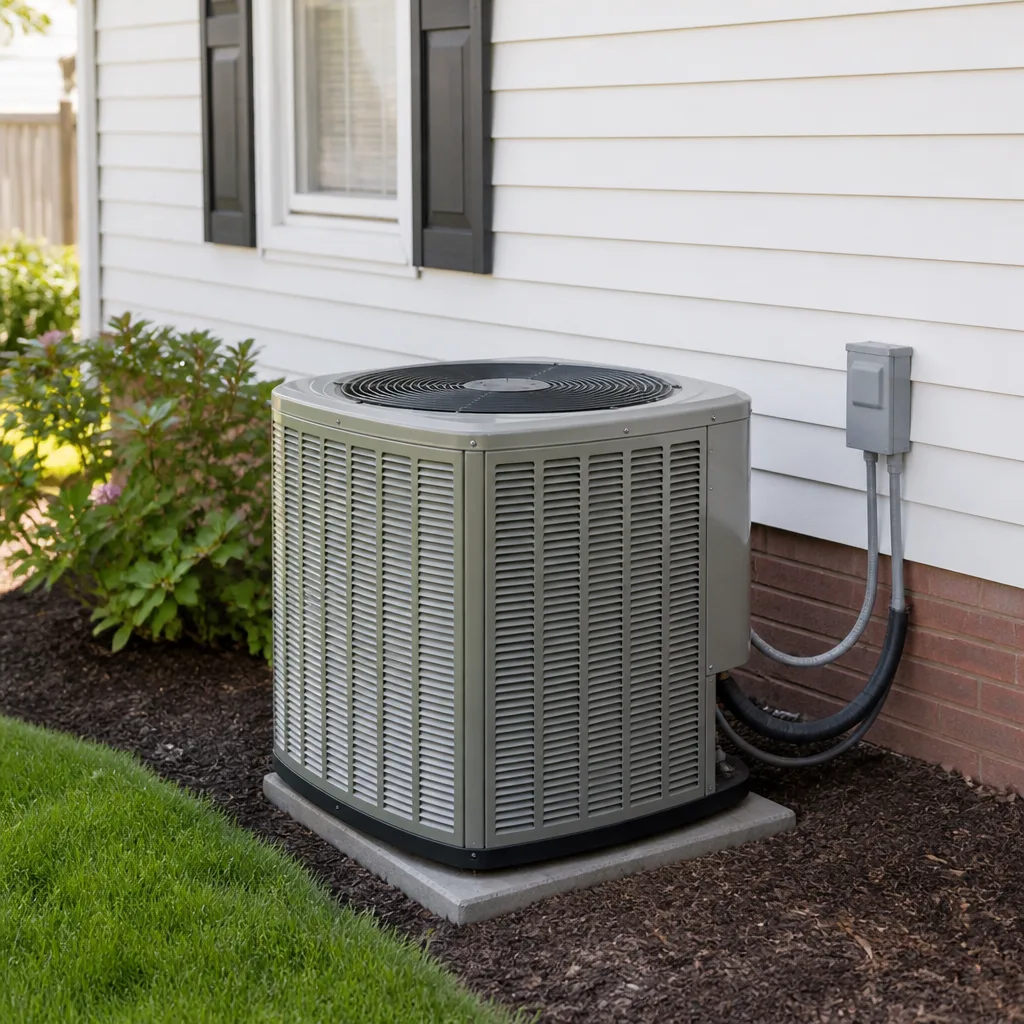 AC repair
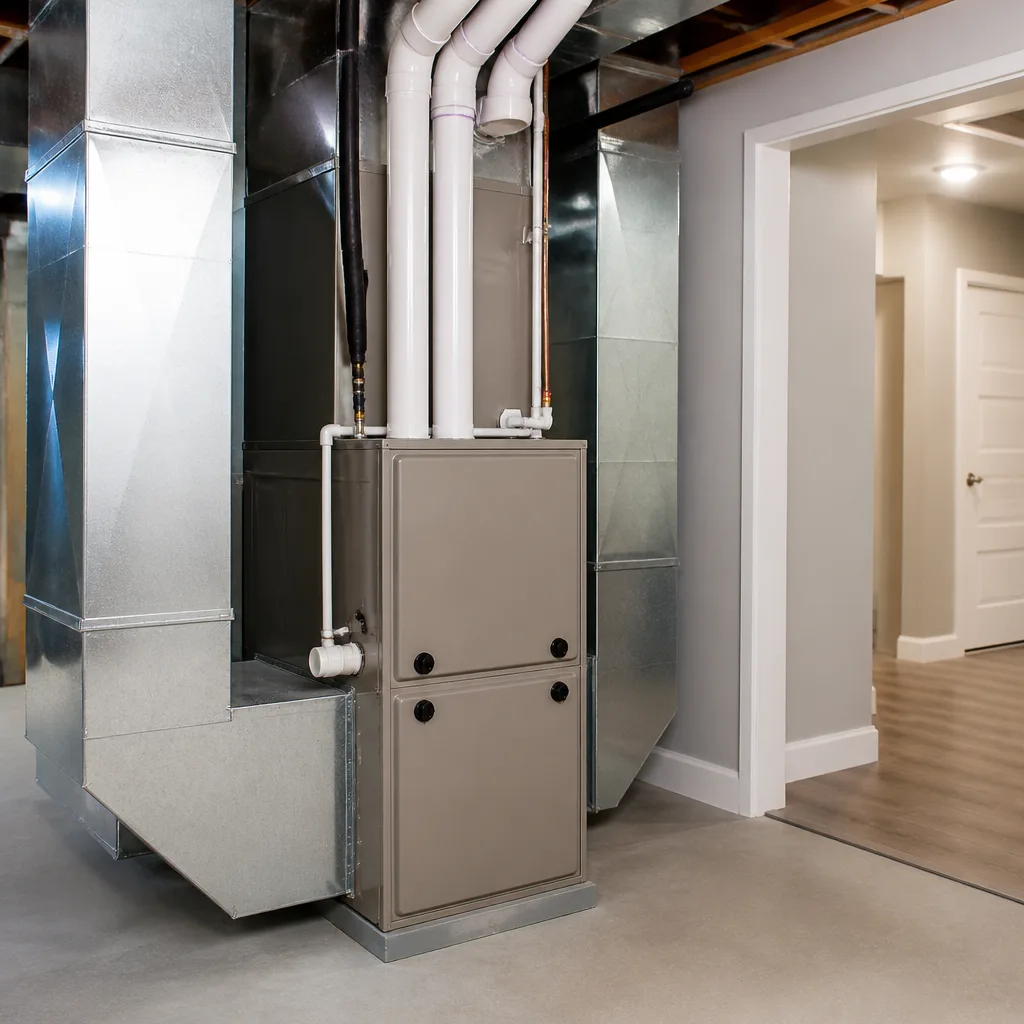 Furnace & heating
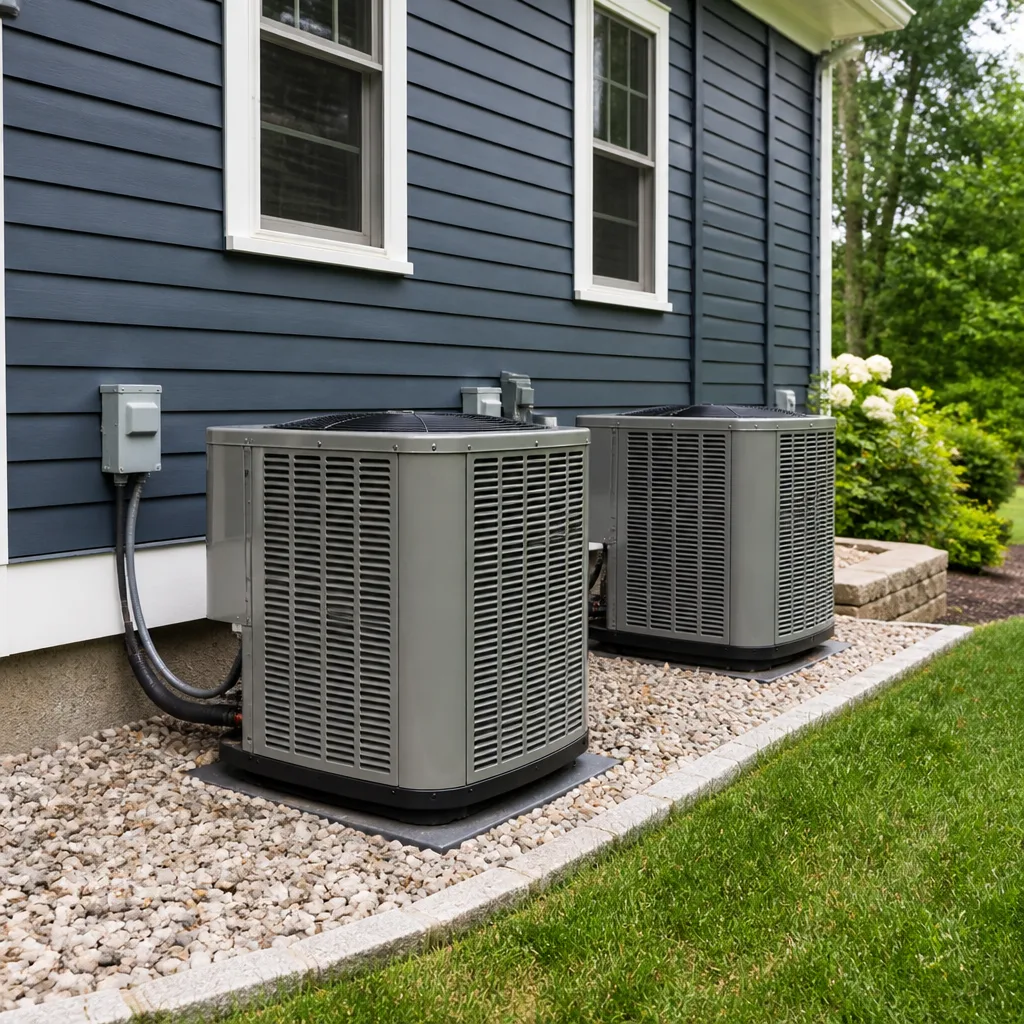 Heat pumps
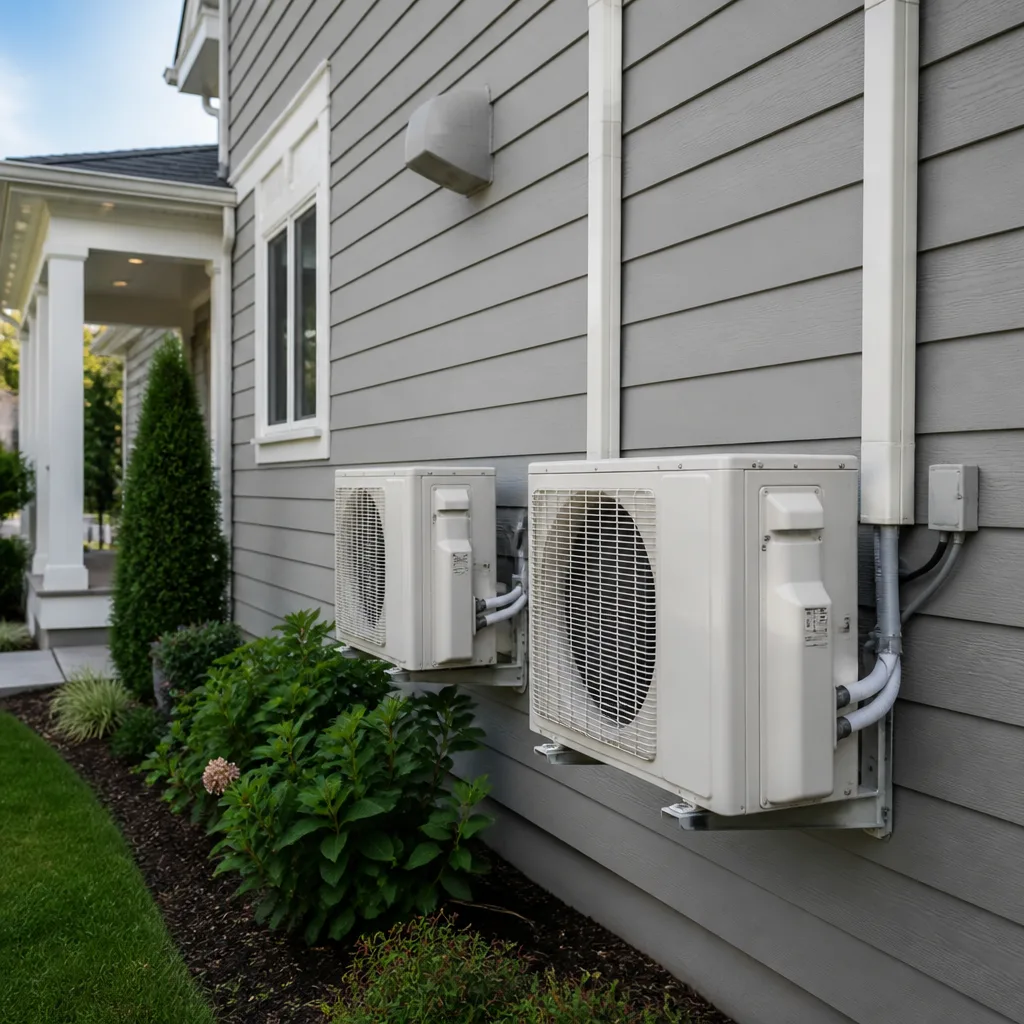 Ductless mini splits
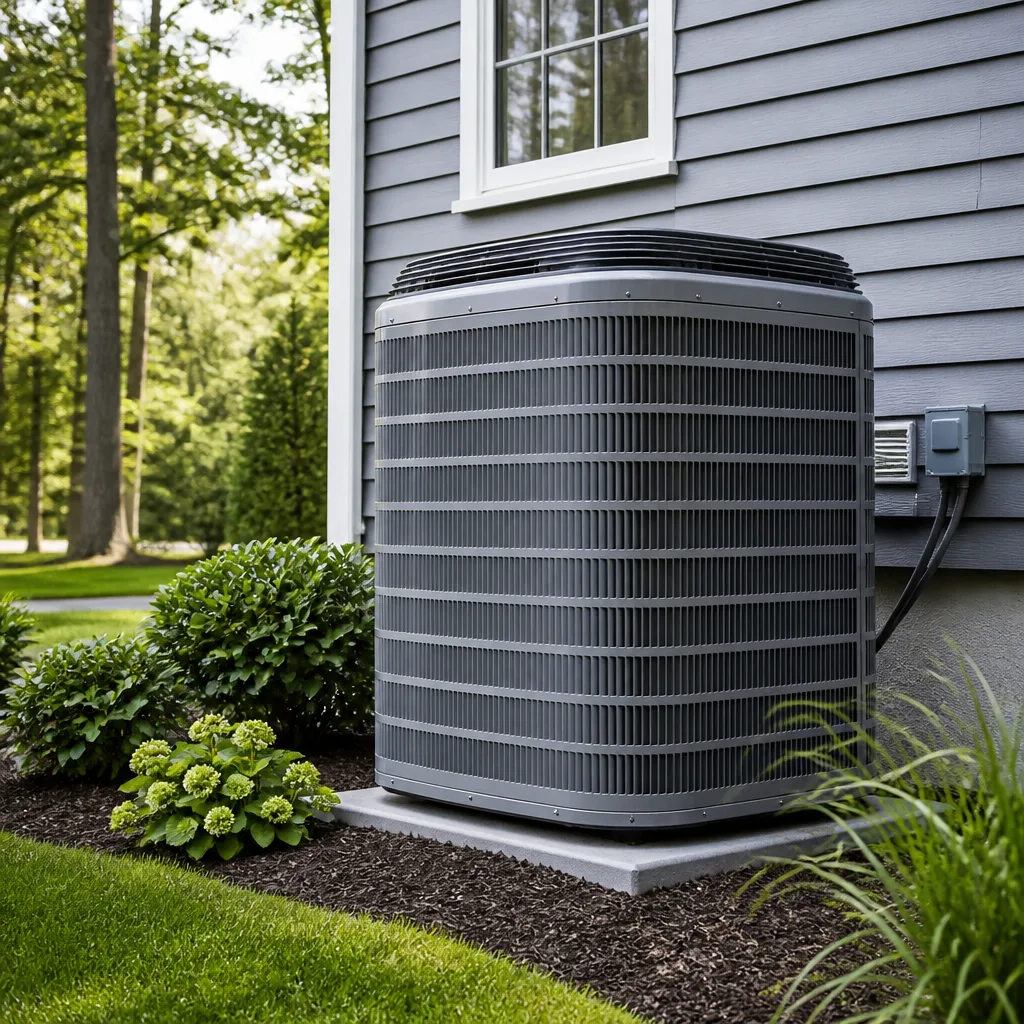 Carrier
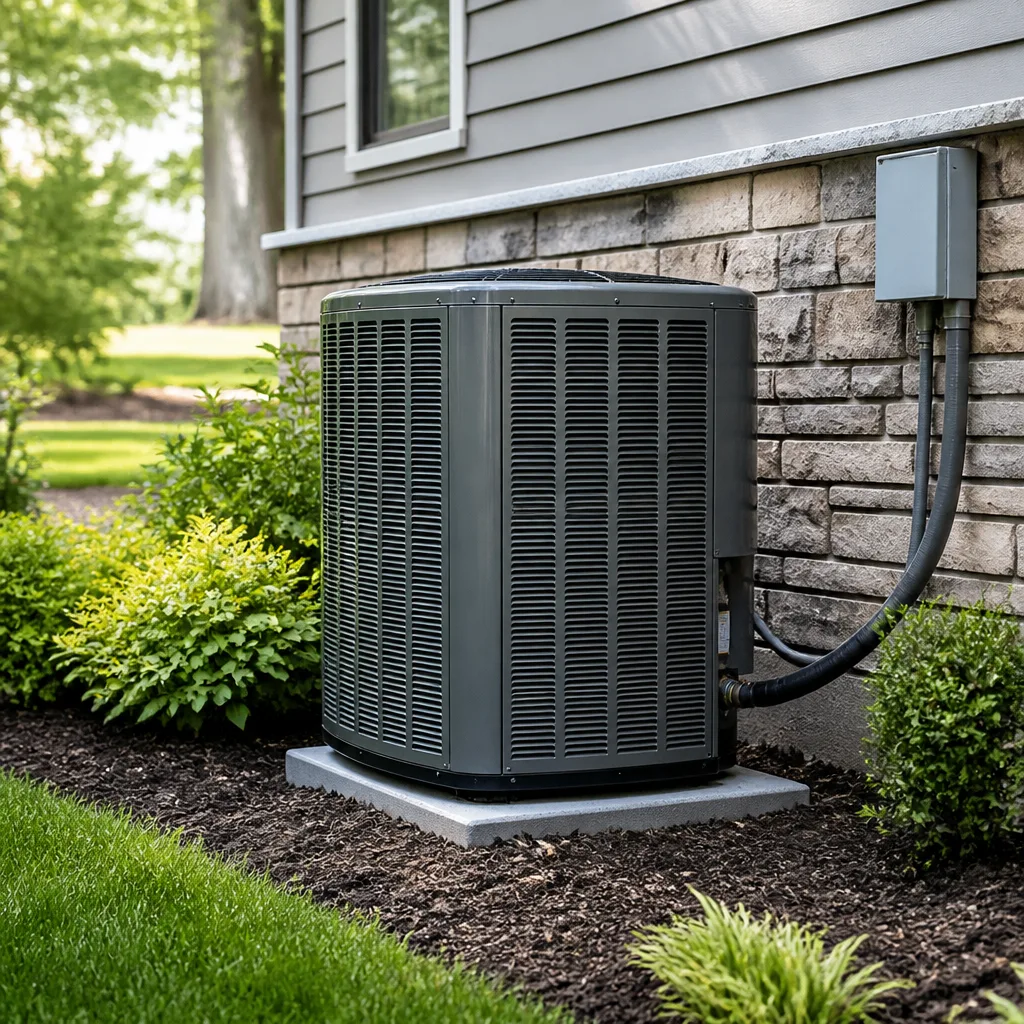 Trane
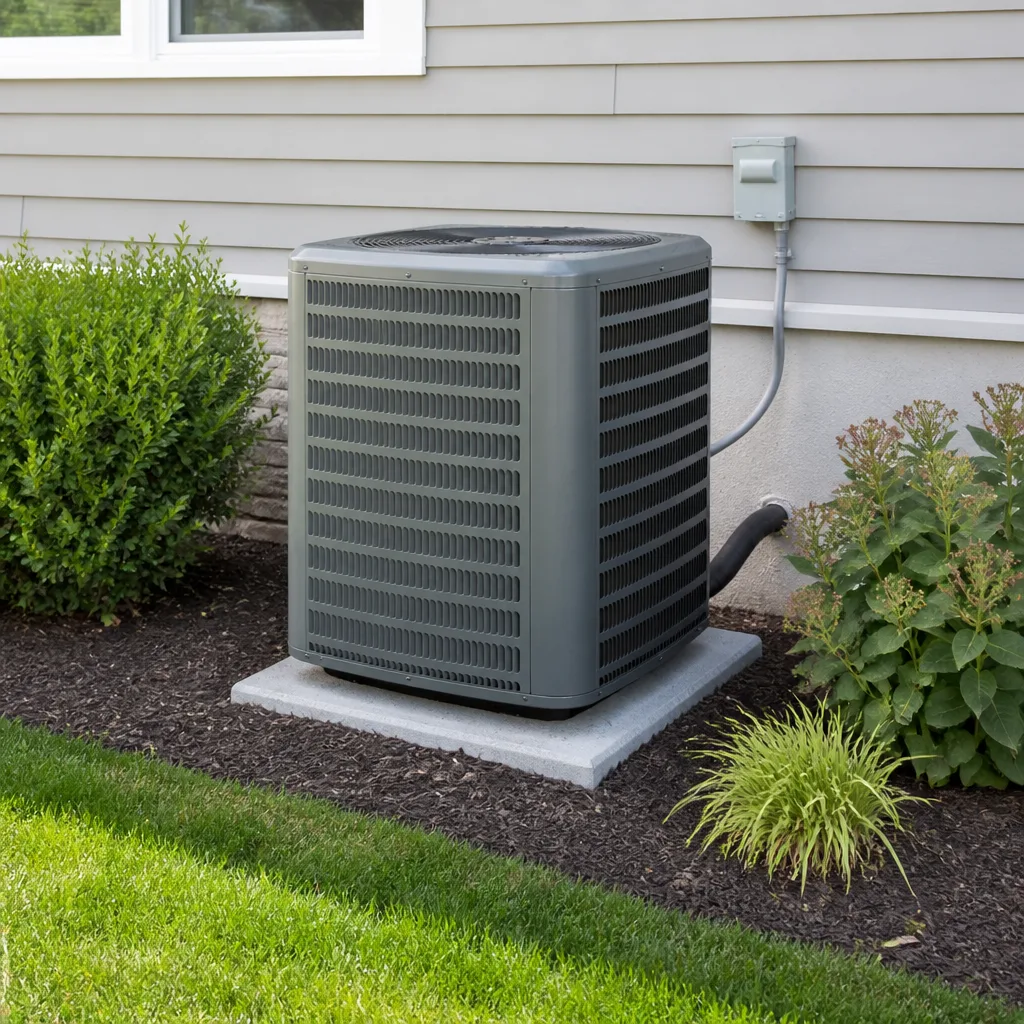 Goodman
Seasonal tune-up and full diagnostic on your Carrier, Trane, or Goodman system - readings shown to you before any repair is proposed
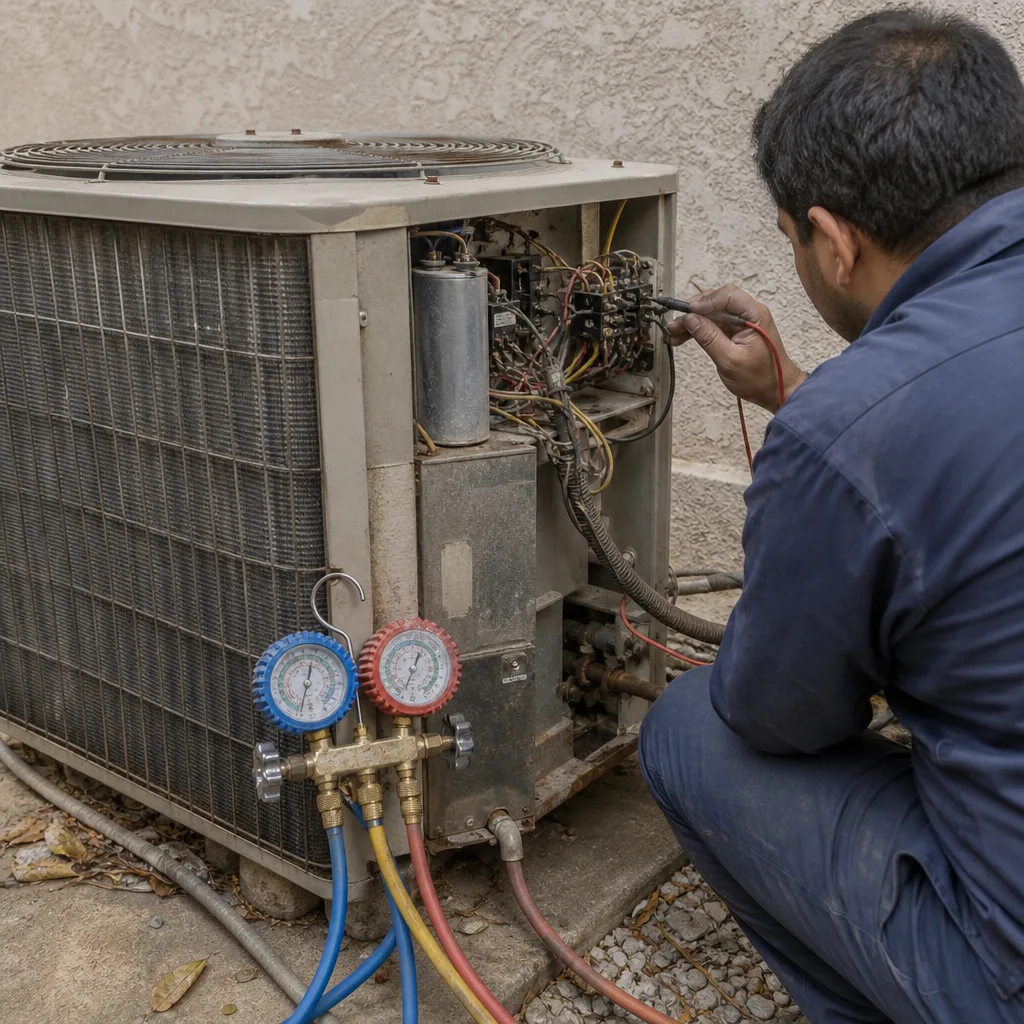
Diagnosis first, numbers second - you approve the repair price before a single part goes in.
Get your free estimateDIY vs Professional Air Quality & Ventilation: What’s Safe to Do Yourself
Plenty of folks have pulled a bathroom exhaust grille, vacuumed a wad of dust off the fan blades, and walked away feeling pretty good about themselves. And that is fine, that one is safe. But far fewer people realize that poking around near a return air plenum without knowing what is behind the drywall has sent carbon monoxide into living spaces. I have walked into that aftermath in Spring Valley more than once. The homeowner was trying to save a hundred bucks and ended up with a bigger, stranger problem. What follows is the honest line between what you can safely do yourself and what will bite you. It comes down to one idea most guides never explain, and I will say it plainly below.
Quick Answer
Safe DIY air quality work is anything downstream of the blower: grilles, registers, filter slots, return covers, and the surfaces you can actually reach. Anything upstream of the blower, meaning the return ducts, the plenum, the combustion path, and the pressure balance of the whole house, is where mistakes turn into backdrafting, carbon monoxide, or a system that pulls dust in from the attic. If a task touches the airflow path before the fan, or touches anything near a gas appliance, that is professional work.
Styles & brands we work with
- AC repair
- Furnace & heating
- Heat pumps
- Ductless mini splits
- Carrier
- Trane
- Goodman
Table of Contents
- The Upstream/Downstream Rule That Changes Everything
- Three DIY Air Quality Jobs That Are Genuinely Safe
- Two Jobs That Look Easy on YouTube but Need a Licensed Tech in Nevada
- Cosmetic or Systemic? How to Tell What Your Ventilation Problem Really Is
- Why Spring Valley Homes Have Their Own Air Quality Problems
- Questions to Ask Before You Agree to Any Ventilation Work
- Common Mistakes to Avoid
- When to Call a Professional
The Upstream/Downstream Rule That Changes Everything
Picture the blower wheel inside your air handler as the midpoint of a river. Everything downstream of it is the supply side, where conditioned air travels out to your rooms through ducts and registers. Everything upstream is the return side, where air gets pulled back in from the house. Here is the part that matters: the return side runs at negative pressure. Your house is literally sucking air through it. That pull is why a loose return duct in the attic does not just leak a little, it inhales whatever is up there. Insulation fibers, dust, rat droppings, and if the duct sits near a flue, combustion gases.
Downstream, a leaking supply duct loses cold air into your crawlspace and costs you money, which is annoying but not dangerous. Upstream, a leaking return duct can change the pressure inside your house enough that a gas water heater stops drafting correctly. That is the whole distinction. Skill has nothing to do with it. A very handy homeowner can still cause a carbon monoxide problem by disturbing the wrong return seam.
In our experience running calls across Spring Valley, the return side is exactly where well-meaning weekend projects go sideways. Somebody tapes a return boot and accidentally seals a combustion air path, or moves a return register to stop a whistle and changes the pressure balance in three rooms. The system does not announce the mistake. It just quietly gets worse. If you want the deep background on how the whole system hangs together, the folks at Ray’s Heating & Air Spring Valley home lay out the pieces, but the short version is this: downstream you can work, upstream you should look, not touch.
Three DIY Air Quality Jobs That Are Genuinely Safe
These are the jobs where a careful homeowner saves real money and does no harm. All three are downstream or fully isolated, so you are nowhere near the pressure balance of the house.
- Swap and correctly size your filters. This is the single highest-value thing you can do. Check the filter monthly in cooling season, and use the size printed on the old filter. A filter that is too thick strains the blower and a filter that is too thin lets dust past. If you have a washable reusable filter, clean it per the manufacturer and let it dry fully before it goes back in. In Spring Valley’s dusty spring months, a filter can load up faster than the label suggests, so look at it, do not just count weeks.
- Vacuum your supply registers and grilles. Pop the grille, vacuum the face and the boot behind it with a brush attachment, and wipe the slats. Dust on a supply grille is downstream dust, plain and simple, and cleaning it is harmless. Do not shove a vacuum hose deep into the duct. You are cleaning the surface, not the duct interior.
- Clean bathroom and kitchen exhaust grilles and fan blades. Cut the breaker, remove the cover, and vacuum the blades and housing. A caked bathroom fan moves almost no air, and grease on a kitchen hood cuts its pull down badly. This is the kind of task that genuinely improves indoor air and costs nothing but a half hour.
Notice what all three have in common: you are touching the parts you can see and reach, and you are leaving the ducts, plenum, and combustion path alone. That is the safe zone. If a project pulls you past that line, stop and get a real look at it. Our AC repair and installation in Spring Valley page covers the supply side in more depth if you want to understand what all that downstream air is doing in the first place.
Two Jobs That Look Easy on YouTube but Need a Licensed Tech in Nevada
This is where I earn my keep. Both of these show up in how-to videos as simple weekend fixes. Both require a licensed technician in Nevada, either because the code says so or because the risk to your family is real. I test before I touch on both of them, and so should anyone working in your home.
The first is anything involving duct sealing near a gas appliance or the return plenum. Videos make duct mastic and foil tape look like a five-minute job. But if the duct you are sealing shares space with a furnace flue, a gas water heater vent, or a return that feeds combustion air, sealing the wrong seam can trap carbon monoxide in the house. Nevada code treats venting and combustion air as life-safety work, and it should. Before anyone seals a duct on the return side, they should know what the pressure readings say first. Readings first, numbers second. That is the only way to know you are not creating a backdraft.
The second is whole-house ventilation and any ductwork tied into a heat recovery ventilator or fresh-air intake. Running new duct, tying a fresh-air intake into the return, or adding balanced ventilation is a load-and-pressure calculation, not a cut-and-fit job. Get it wrong and you either pressurize the house so moist air gets pushed into the walls, or you depressurize it and pull in attic air. A Goodman or Rheem air handler will run happily either way and never tell you the house is now unbalanced. Spring Valley’s dry climate hides the moisture symptoms, which makes a bad install easier to miss.
If a job touches combustion air, venting, or the return plenum, that is not the place to learn on your own house. When the fix runs deeper than a grille, our heating and furnace team in Spring Valley is the call, because they are the ones who can read the draft and pressure numbers before anything gets sealed.
Cosmetic or Systemic? How to Tell What Your Ventilation Problem Really Is
Half the air quality calls I run are cosmetic. The other half are systemic, and the homeowner thought they were cosmetic. Here is how to tell the difference before you spend a dime.
- Dust on a grille that keeps coming back within a week is often cosmetic if it is one grille. If it is every grille in the house and returns faster than a filter change should allow, suspect a return leak pulling attic or crawlspace air.
- A whistling register is usually a pressure problem, not a dirty grille. Whistling means air is being forced through a gap that is too small, which points to duct sizing or a closed damper somewhere in the system.
- Stale or stuffy rooms while others feel fine often means the return path is blocked or the room has no return at all. That is systemic.
- Headaches, a stuffy nose, or a “car exhaust” smell near a gas appliance is a carbon monoxide warning, not a dust problem. Get out, ventilate, and call for a real combustion safety check. Do not troubleshoot this one yourself.
- Moisture on windows in winter or a musty smell in one room can be a ventilation imbalance, especially if you have tightened up the house with new windows.
The tell is repetition and spread. A dust spot in one grille you can clean. A pattern that returns across the whole house is the system talking to you, and you need readings from a tech who knows what to look for. Our heat pump and mini split in Spring Valley page touches on how these systems move air through tighter, well-sealed homes, which is exactly where pressure problems show up first.
Why Spring Valley Homes Have Their Own Air Quality Problems
Spring Valley is not a generic climate, and generic air quality advice falls flat here. We are in the high desert, and that shapes everything. Spring brings wind and dust that loads filters fast and coats return grilles. Summer heat means windows stay shut for months, so whatever is in the ducts recirculates with no fresh air coming in. Winter is dry enough that a lot of folks run humidifiers, which adds moisture to a house that may not be moving air well. Tightening a home with new windows and doors makes all of this more pronounced, because a house that used to breathe through its leaks now depends on its ducts.
I see the same pattern repeatedly in the older neighborhoods: filters that are past due, bathroom fans that have never been cleaned, and a return duct in the attic with a seam that has been quietly pulling dust for years. None of that is dramatic. It just adds up to a house that feels stuffy and dusts constantly. In our experience, a lot of the “bad air” complaints in Spring Valley come down to three plain things: dirty filters, clogged exhaust fans, and a return side that needs a look. Two of those you can handle. The third one, you want eyes on it.
Questions to Ask Before You Agree to Any Ventilation Work
This section exists because I have been the second opinion on too many estimates that were selling work nobody needed. Ask these before you sign, and do not feel bad about it. A straight dealer will answer every one without flinching.
- “Can you show me the readings?” Pressure, draft, and static pressure numbers should be in front of you before anyone recommends a fix. If the answer is “trust me,” that is your answer.
- “What exactly are you sealing or changing, and why does it fix the problem?” A real tech can point at the specific duct or component and explain the consequence.
- “Is any of this combustion safety work?” If yes, they should be licensed for it and should test the appliance before and after.
- “Will you leave me the before-and-after numbers in writing?” That is proof the work did what it claimed.
- “Is this cosmetic or systemic?” Ask them to say which, and to show you why. A cosmetic fix should be priced like one.
- “What is your warranty, and who comes back if it is not right?” You want a name and a written promise, not a call center.
- “Can I get a second opinion on this estimate?” Any shop that gets defensive here is telling you something.
At Ray’s Heating & Air Spring Valley, the free second opinion on any written estimate is a standing offer, not a favor. You should always be able to get a straight read on work this important.
Common Mistakes to Avoid
- Sealing a return duct near a gas appliance without testing first. This is the big one, and it is how backdrafting starts. Always get a combustion safety check before sealing anything on the return side.
- Shoving a shop vac deep into supply ductwork. You can knock loose debris into the system and, worse, damage the duct liner. Clean the grille surface and stop there.
- Using the thickest filter you can find. An over-restrictive filter starves the blower of air and can freeze a coil or strain a motor. Use the size the system calls for.
- Ignoring the bathroom fan until it dies. A caked fan moves almost no air, and by the time it quits it has been useless for a year. Clean it on a schedule.
- Treating every dust complaint as a duct cleaning job. In Spring Valley’s dusty spring, most of it is filters and grilles. Duct cleaning is not the first answer, and often not the answer at all.
- Moving a return register to stop a whistle. That changes the pressure balance of the whole house. The whistle is telling you something, so read it, do not silence it.
- Believing the phone quote. A real price needs real readings. A number given over the phone before anyone has looked is a guess dressed up as a price.
When to Call a Professional
Call a professional when the problem repeats across the whole house, when a gas appliance is anywhere in the picture, when you hear whistling or feel stuffy rooms while others are fine, or when a return duct needs sealing or rerouting. Call immediately if you smell exhaust near a furnace or water heater, if you get headaches in one part of the house, or if dust returns within days of cleaning every grille. Those are systemic signals, and they need readings, not guesswork. Ray’s Heating & Air Spring Valley offers free estimates in Spring Valley – call (833) 620-7288. The phone is answered by a live person around the clock, and the person at your door has seen systems like yours many times over. You will get the readings first and the numbers second, every time.
See the difference
 Before
 After
 Before
 After
 Before
 After
Frequently Asked Questions
Cleaning the grilles and register faces yourself is safe, but cleaning inside the ducts is not a DIY job. The interior of the duct is upstream of the blower, and a wrong move there can damage the liner or stir up debris that then gets pulled through the system. Leave duct interior work to a trained tech with the right equipment.
Yes. A loaded filter chokes airflow, which raises static pressure and can push dust past the filter and into the system. In Spring Valley’s dusty spring months, filters load up faster than the label suggests, so check them monthly in cooling season rather than counting weeks.
A backdraft problem usually shows up as a “car exhaust” smell near a gas appliance, headaches, or a stuffy house even when it is not hot out. If you suspect it, ventilate the house and call a licensed technician for a combustion safety check. Do not try to diagnose this one yourself.
Not on the return side or near any gas appliance. Sealing a return seam can change the pressure balance enough to cause backdrafting. Supply-side sealing far from combustion air is lower risk, but even then, get the pressure readings first so you know the seal is helping and not hurting.
Stuffy rooms while others feel fine usually point to a blocked or missing return path, which is a systemic pressure issue, not a dust problem. That is the kind of thing a technician can diagnose with static pressure readings in a single visit.
You get the same person on the job, backed by a 90-Day Done Right Promise in writing, and a live person on the phone around the clock. The person who shows up has seen your system before and will be here again if you ever need a second look. That is who we are, and Spring Valley homeowners know it.
The Bottom Line
The safe DIY work is all downstream of the blower: filters, grilles, and exhaust fans you can reach. The dangerous work is upstream: returns, the plenum, and anything near a gas appliance, where a well-meaning fix can cause backdrafting or a pressure imbalance. Cosmetically dusty grilles are yours to clean. A systemic pattern across the whole house is a call. In Spring Valley, the dusty spring and shut-window summers make filters and exhaust fans worth staying on top of, and make return-side work worth handing to a professional. Readings first, numbers second. That keeps you safe and keeps your wallet intact. Call (833) 620-7288 for a free estimate, and we will take a look and tell you straight.
Written by the team at Ray’s Heating & Air Spring Valley.