
Last updated November 18, 2026
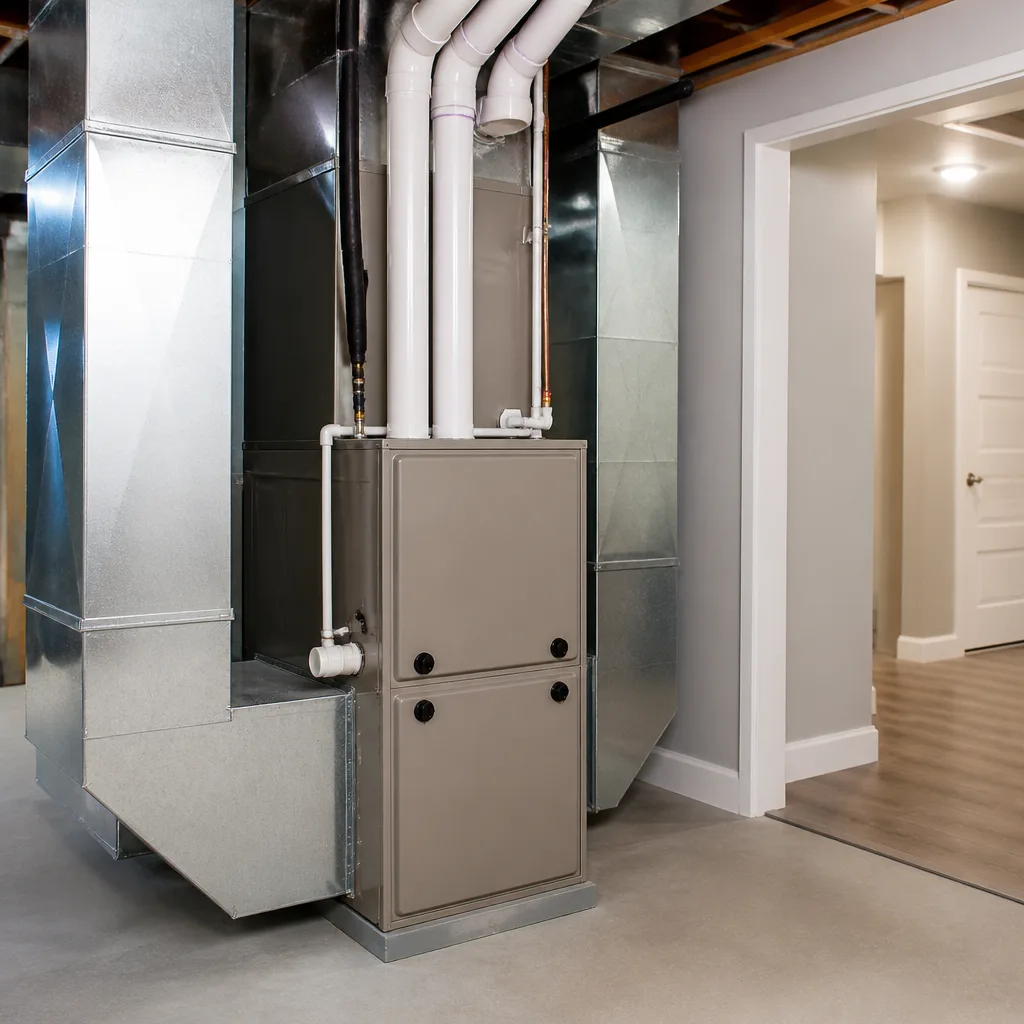 Furnace & heating
 AC repair
 Heat pumps
 Ductless mini splits
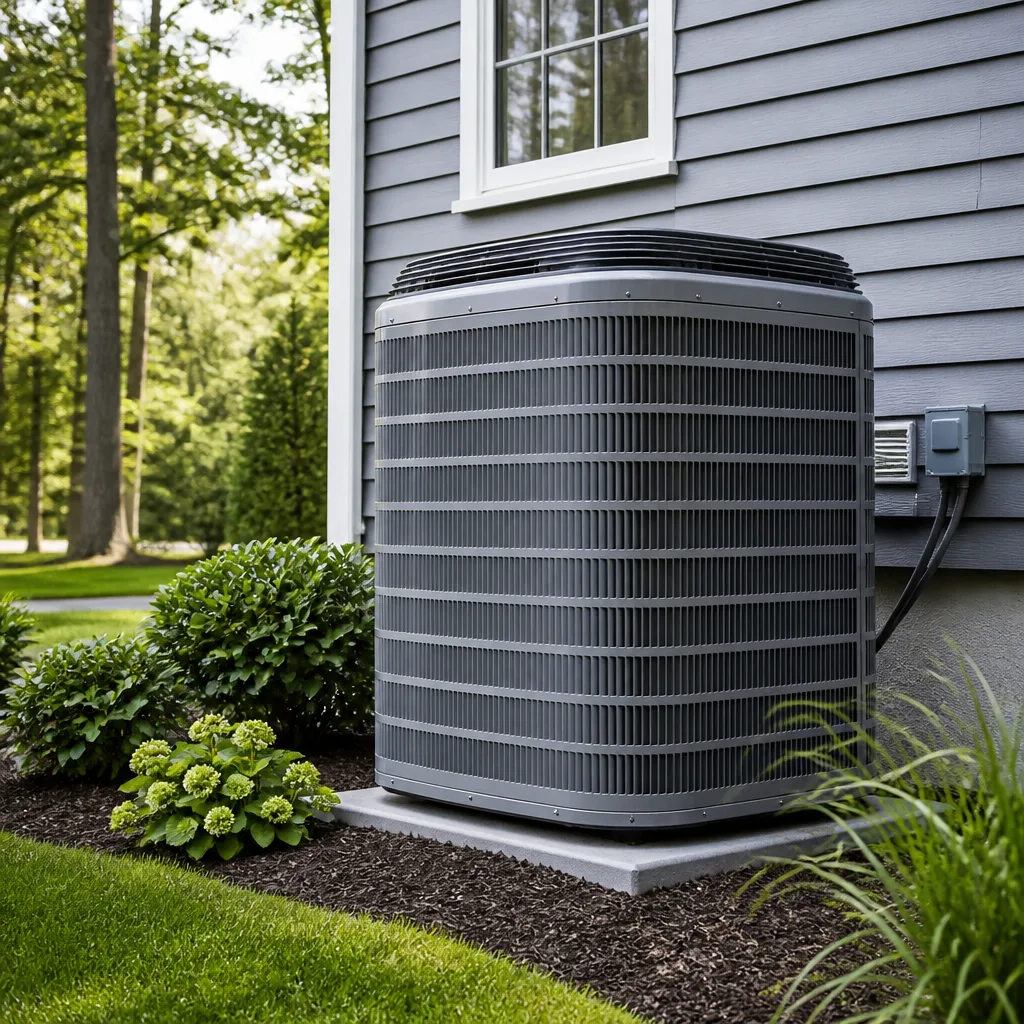 Carrier
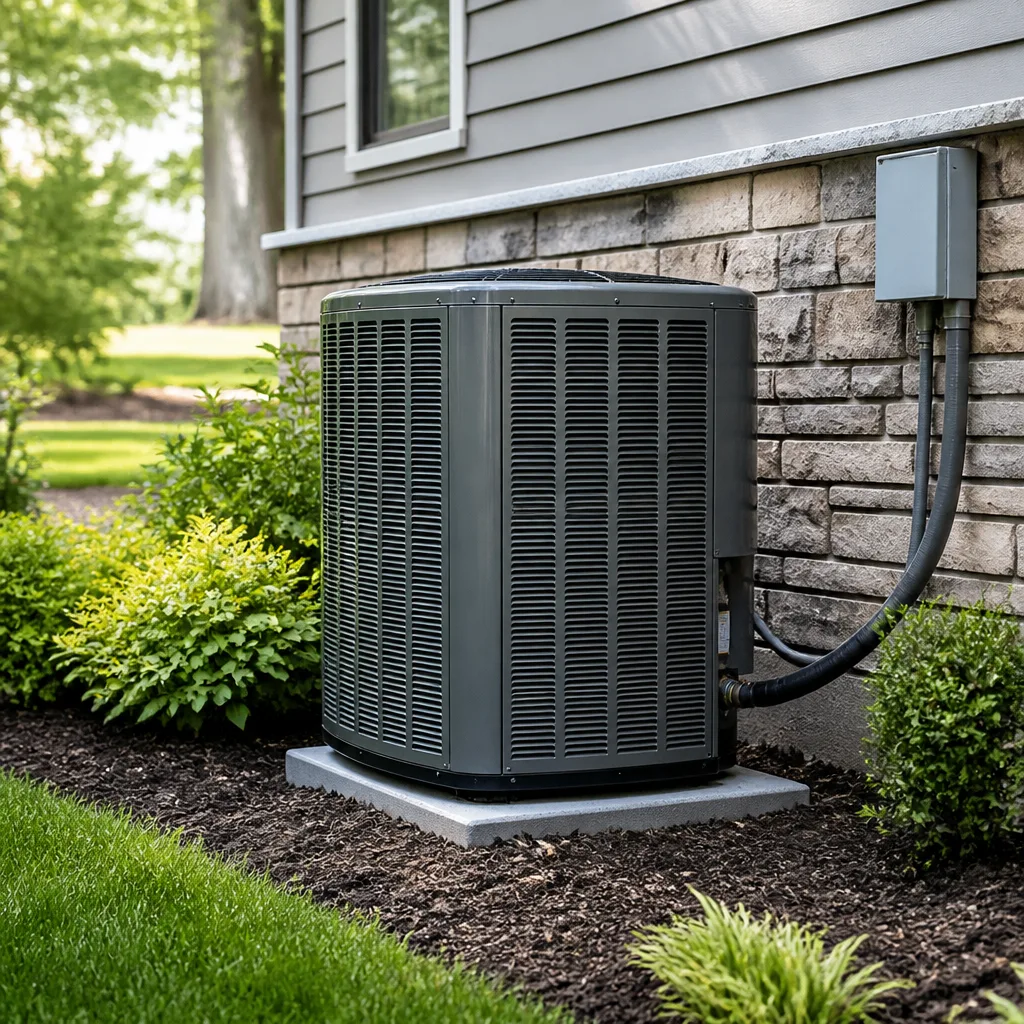 Trane
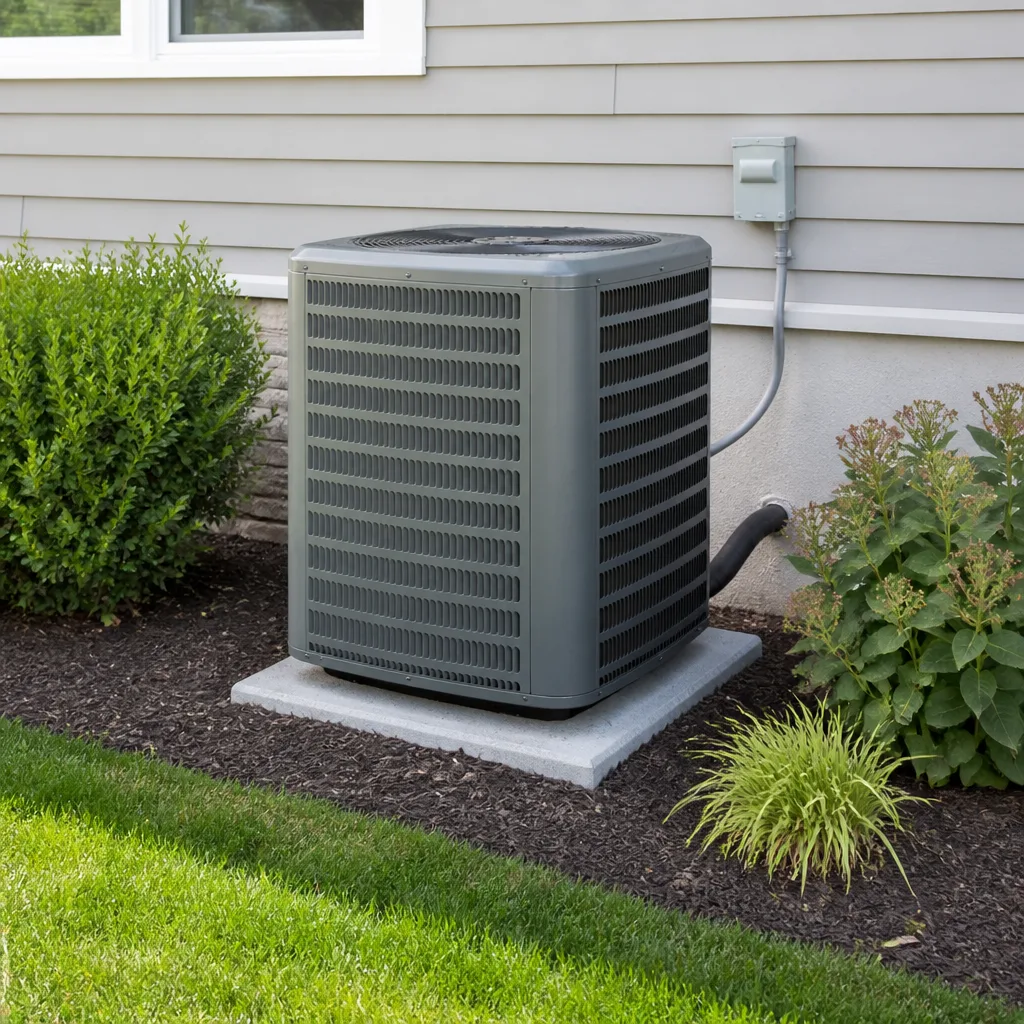 Goodman
Seasonal tune-up and full diagnostic on your Carrier, Trane, or Goodman system - readings shown to you before any repair is proposed
Diagnosis first, numbers second - you approve the repair price before a single part goes in.
Get your free estimateDIY vs Professional Heating & Furnace: What’s Safe to Do Yourself
Cleaning your own flame sensor is a ten-minute job that any careful adult can do safely. Reconnecting a gas line fitting that worked itself loose is a job that has killed people. Both involve opening the furnace cabinet. Knowing which is which is the whole point of this guide.
We’re Ray’s Heating & Air, right here in Spring Valley, and we’ve pulled enough half-finished homeowner repairs out of furnace cabinets to have strong opinions about where that line sits. Gas heat is a different conversation than AC work – the downside of a bad cooling repair is a hot house, and the downside of a bad gas repair is carbon monoxide or a leak. So here’s the frank version: what you can genuinely handle, what Nevada law restricts to licensed techs, and how to run the one safety check every homeowner should know. By the end you’ll know exactly where your furnace work stops and ours starts.
Quick Answer
Filter changes, flame sensor cleaning, thermostat replacement, and visual inspections are safe for a careful homeowner. Anything on the gas side – fittings, the valve, the heat exchanger, combustion testing – is both legally restricted in Nevada and genuinely dangerous, and belongs to a licensed technician. Furnace electrical work sits in the middle: low-voltage thermostat wiring is fine, but line voltage in the same cabinet is not a DIY project.
Styles & brands we work with
- AC repair
- Furnace & heating
- Heat pumps
- Ductless mini splits
- Carrier
- Trane
- Goodman
Table of Contents
- What’s genuinely safe to do yourself
- The tools you’ll actually need
- The gas side: restricted in Nevada and dangerous
- The soap-bubble leak test you can do
- Why furnace electrical is trickier than AC electrical
- The paperwork that matters after gas work
- Common mistakes to avoid
- When to call a professional
What’s Genuinely Safe to Do Yourself
We’re not going to lecture you about staying out of your own furnace. Plenty of the work is basic maintenance, and a homeowner who understands their system takes better care of it than one who’s afraid to open the door. Here’s the honest list of what a capable adult can do safely:
- Filter changes. The single most valuable thing you can do. In Spring Valley, the dust and the summer heat mean a cheap filter can load up in a month during cooling season. Check it monthly, swap it when it’s gray. A 1-inch pleated filter at MERV 8 is right for most homes here; don’t jump to a thick MERV 13 unless your blower can handle the pressure drop.
- Flame sensor cleaning. When your furnace short-cycles or won’t stay lit, a dirty flame sensor is the most common cause. Kill power at the breaker, open the cabinet, find the metal rod in the burner flame path, and gently clean it with steel wool or a dollar bill. Reinstall it the same way it came out. Ten minutes.
- Thermostat replacement. Swapping a basic thermostat for a programmable or smart one is low-voltage work and a genuine weekend project. Label the wires before you pull them.
- Visual inspection and filter-housing cleaning. Look for rust, soot, or water stains. Vacuum out the blower compartment when the power’s off. You’re looking with your eyes, not your hands.
- Keeping the area clear. A furnace needs air. Don’t stack boxes against it or store paint thinner next to it.
That’s a real list, and it covers most of what goes wrong between service calls. Notice what’s missing: nothing here touches gas, nothing here touches line voltage, and nothing here requires you to guess at a reading. Those are the boundaries.
The Tools You’ll Actually Need
You don’t need a truck full of gauges to do the safe tasks. Here’s what earns its place in the toolbox for the homeowner jobs above. Keep in mind that our technicians have up to 24 years of experience with these systems, and most of the specialized diagnostic gear isn’t worth buying for a once-a-year task – which is part of why some jobs stay with us.
- A screwdriver set (Phillips and flathead, a couple of sizes) for cabinet screws and thermostat terminals.
- A multimeter. You’ll use it mainly to confirm power is off before you touch anything inside the cabinet. If you’re comfortable, it also lets you check thermostat continuity.
- Steel wool or a dollar bill for the flame sensor. No sandpaper – it can leave grit that fouls the sensor again.
- A flashlight or headlamp, because furnace closets in Spring Valley homes are dark.
- A shop vac with a brush attachment for the blower compartment and filter housing.
- A spray bottle of soapy water (more on this below) if you want to run the homeowner gas-leak check.
- Nitrile gloves and safety glasses. Cheap insurance.
What’s not on the list: pipe wrenches, gas-rated thread sealant, and combustion analyzers. Those belong to the gas side, and the gas side belongs to a licensed tech. Picking up a wrench and “tightening” a gas fitting is exactly how small leaks become big ones.
The Gas Side: Restricted in Nevada and Dangerous
Here’s where we get direct. Gas piping, gas valve work, and anything that involves breaking a gas connection is not a homeowner task in Nevada – it’s licensed work, and the state takes it seriously. That’s not us being territorial; it’s the law and it’s also just true. A loose gas fitting doesn’t announce itself with a bang. It leaks slowly, and “I smelled a little gas and it went away” is never a DIY situation. If you smell gas, get everyone out, don’t flip switches, and call your gas utility from outside before you call anyone else.
The dangerous parts of the gas side are the ones people underestimate:
- The gas valve and manifold. A fitting that’s over-tightened can crack a flare or strip a thread, and now you’ve created the leak you were trying to fix.
- The heat exchanger. This is the metal boundary between combustion gases and the air you breathe. A cracked heat exchanger can push carbon monoxide into your home. You cannot see a crack with a flashlight; it takes a combustion analyzer and a trained eye.
- Combustion air and venting. A flue that’s partly blocked or a vent that’s improperly pitched sends exhaust the wrong way. In the tight, well-sealed homes going up around Spring Valley, this matters more than it did in older, draftier houses.
The reason we treat gas differently than AC isn’t that gas is scarier in the abstract. It’s that the failure mode is invisible and the consequences are medical. That’s the whole line.
The Soap-Bubble Leak Test You Can Do
You can’t fix gas fittings, but you can absolutely check accessible ones for leaks, and it’s a smart habit. This is a safety check, not a repair. Here’s how to do it right:
- Turn the furnace off at the thermostat. Don’t run it during the test.
- Mix dish soap and water in a spray bottle – roughly one part soap to three parts water. You want visible bubbles, not just suds.
- Spray the accessible gas fittings and the shutoff valve, especially any joint you can reach. Don’t spray the whole pipe; focus on connections.
- Watch for growing bubbles. A single bubble that doesn’t grow is usually just trapped air escaping. Bubbles that keep forming and expanding mean an active leak.
- If you see growing bubbles: shut off the gas at the valve if you can safely reach it, leave the area, and call a licensed technician. Don’t tighten anything yourself.
- If you find nothing, you’ve done a useful check. Wipe the soap off so it doesn’t attract dust.
Do this once or twice a year, and always if you smell gas near the unit. If you find anything, stop. That’s the moment the job changes hands.
Why Furnace Electrical Is Trickier Than AC Electrical
Most DIY guides treat furnace electrical like any other appliance wiring. They miss the one thing that makes furnaces different: a gas furnace cabinet holds both line voltage (120 volts – the stuff that can kill you) and low-voltage thermostat wiring (24 volts – the stuff that’s mostly harmless) in the same metal box. They run close together, and sometimes they share a control board.
Here’s why that matters. When you’re swapping a thermostat, you’re working with 24-volt wires, and it’s genuinely safe as long as the breaker is off. But the moment you open the furnace cabinet to trace a wire or replace a control board, you’re inches from line voltage that may still be live even with the thermostat off. The blower motor, the ignition circuit, and the transformer all sit near the low-voltage stuff. A wrong probe or a slipped screwdriver finds 120 volts fast.
So the practical rule: thermostat wiring at the wall is fine for a careful homeowner; control board and blower work inside the cabinet is not. Always kill the breaker, not just the thermostat, before you go inside – and honestly, if you’re not comfortable with a multimeter and the difference between the two voltage systems, that job’s better left to the person at your door.
The Paperwork That Matters After Gas Work
This is the section most guides skip, and it’s the one that can save you real money. When a licensed technician does gas work on your furnace – a valve replacement, a heat exchanger check, a new gas line – they should leave you a paper trail. What to look for:
- A written invoice that names the work performed, the parts used, and the technician’s license reference. Not a handwritten note on the back of a business card.
- Combustion test readings if gas work affected combustion – carbon monoxide levels in the flue, oxygen, and draft. These are your proof the system was left safe.
- A permit or inspection record where one is required. Significant gas work typically requires a permit in Nevada. The signed-off inspection is your documentation.
- Anything in writing about what was tested and what wasn’t. If the tech didn’t test a component, it should say so.
Why does the paper matter? Two reasons. First, if you ever file a homeowner’s insurance claim related to a heating incident, the adjuster will ask for proof of licensed work and a documented safety check. No paper, no claim. Second, when you sell the house, a buyer’s inspector and the buyer’s lender both want to see that gas work was done by a licensed professional. A documented history keeps a deal from falling apart at the eleventh hour. Keep these in a folder, or photograph them and save them where you can find them years from now.
Common Mistakes to Avoid
- Tightening a gas fitting “just a little.” Over-tightening cracks flares and strips threads, turning a small weep into a real leak. Gas fittings aren’t a feel-it-out job.
- Swapping the thermostat with the breaker still on. Low voltage is gentle, but a short against the wrong wire can fry the control board, and that’s a real replacement cost.
- Cleaning the flame sensor with sandpaper. Grit gets left behind and the sensor fails again in a month. Steel wool or a dollar bill is all you need.
- Ignoring repeated short-cycles in Spring Valley’s shoulder season. When the desert swings between 45 and 75 in a single day, a furnace cycles hard. If yours is short-cycling, that’s a symptom, not a personality quirk.
- Blocking the furnace with storage. “Just for now” becomes permanent, and the unit chokes on its own return air.
- Running a high-MERV filter to catch more dust. On a lot of home blowers, thick filters starve airflow and stress the system. Match the filter to the blower.
- Skipping the gas-leak check after any work near the unit. A five-minute soap test catches small leaks before they become a 2 a.m. call.
When to Call a Professional
Call us when the work touches gas, when you’re smelling gas at all, when the furnace won’t stay lit after you’ve cleaned the flame sensor, or when you see rust or soot on the cabinet – those point at a heat exchanger, and that’s not a flashlight-inspection job. Call when your thermostat swap goes sideways and the display won’t come on, or when you’re standing in front of the cabinet with the breaker on and you’re not sure what you’re looking at. And call when the furnace fails in the middle of a January cold snap and the house won’t hold heat – gas heat is about safety first and comfort second. In our experience around Spring Valley, the jobs that get bigger are almost always the ones that sat too long or got a partial fix from a YouTube video.
Ray’s Heating & Air Spring Valley offers free estimates in Spring Valley – call (833) 620-7288. Phones are answered by a live person, and the same name shows up every visit.
See the difference
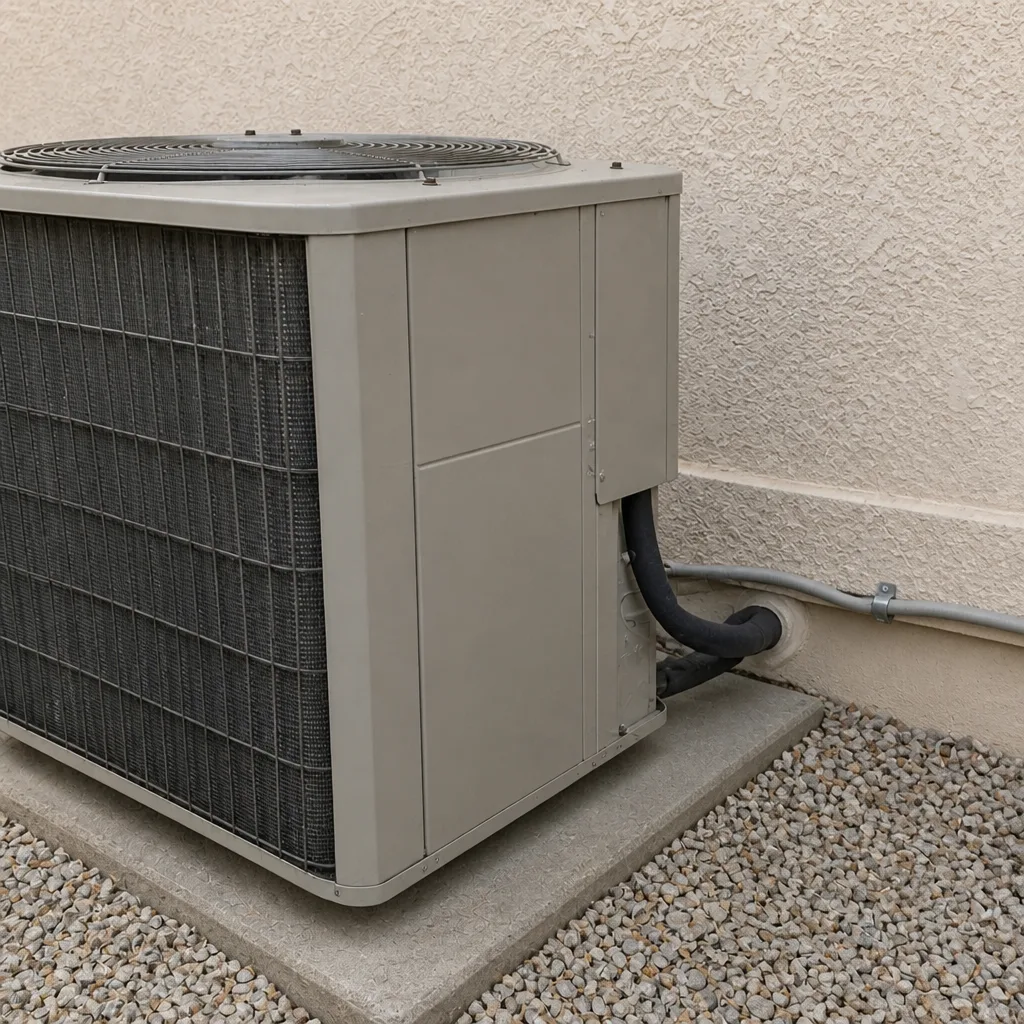
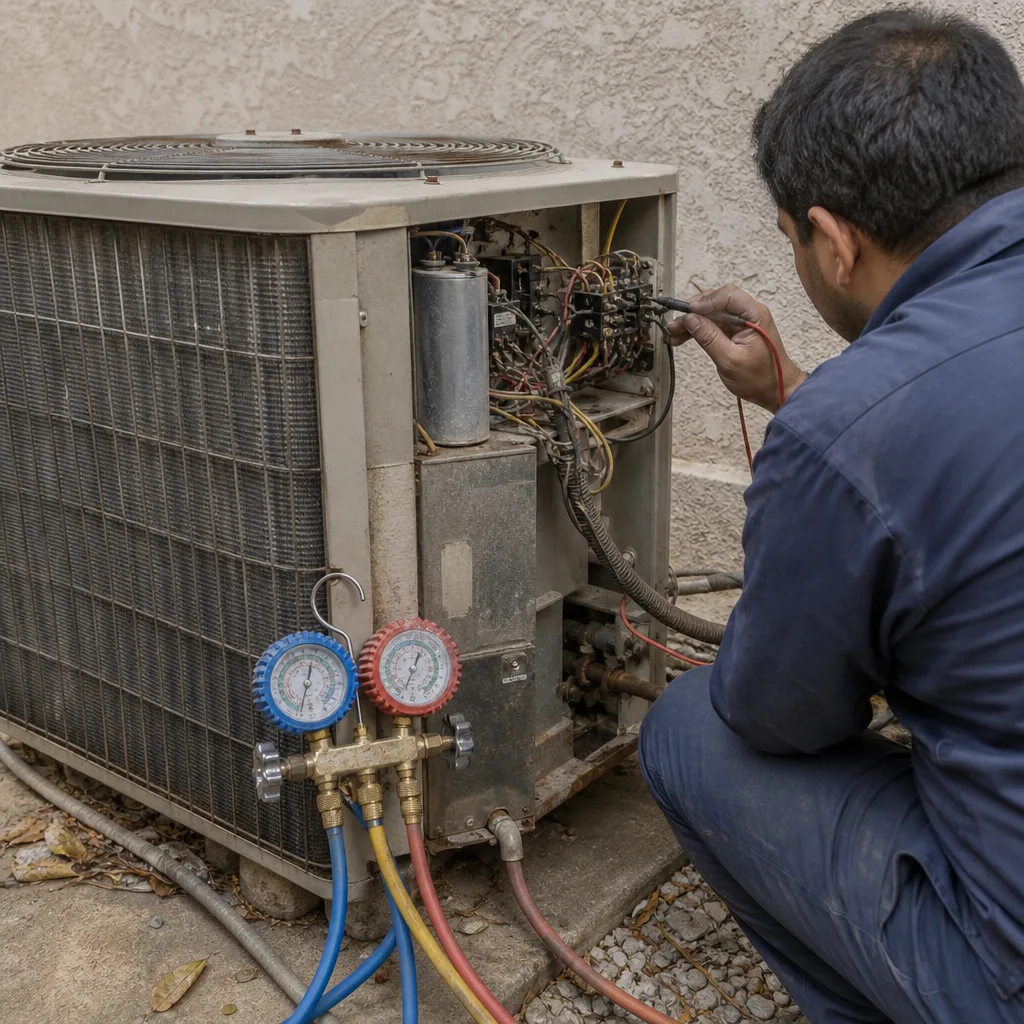 Before
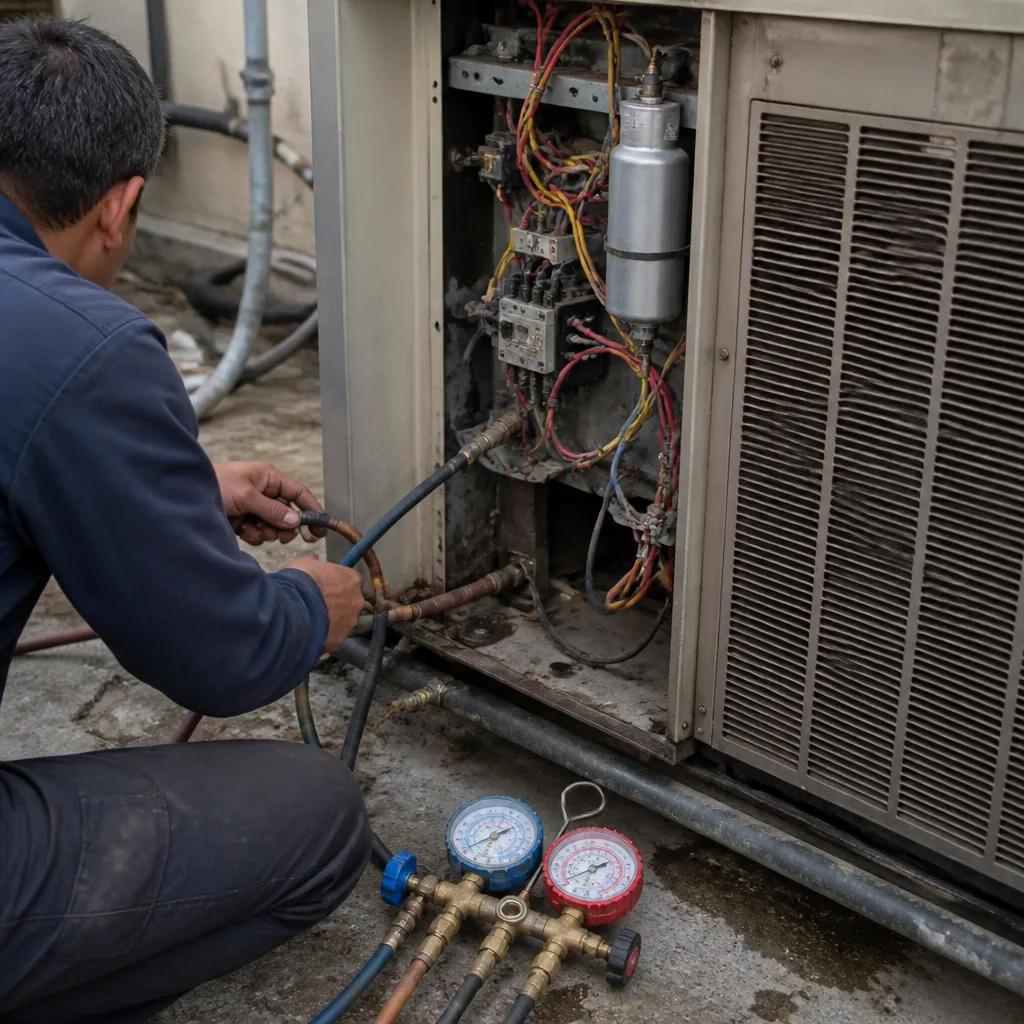
 After
 Before
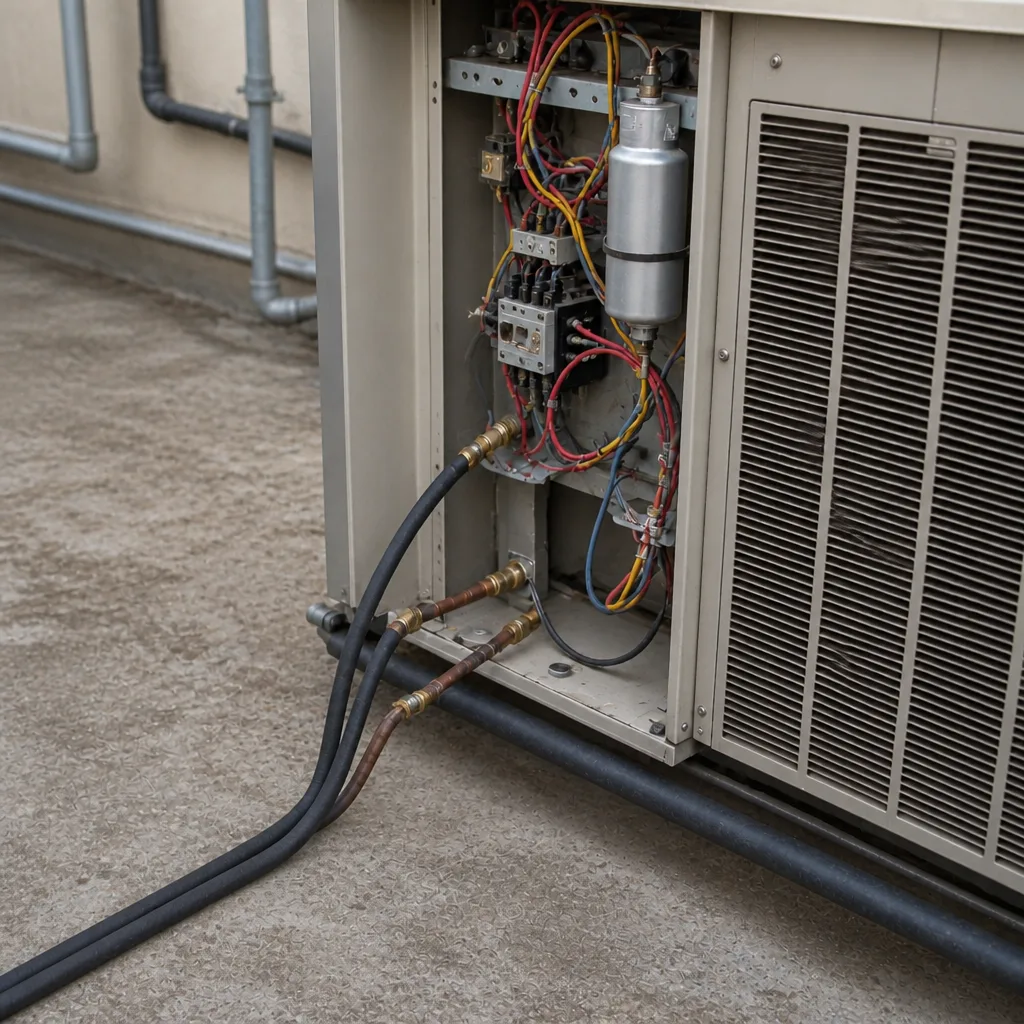 After
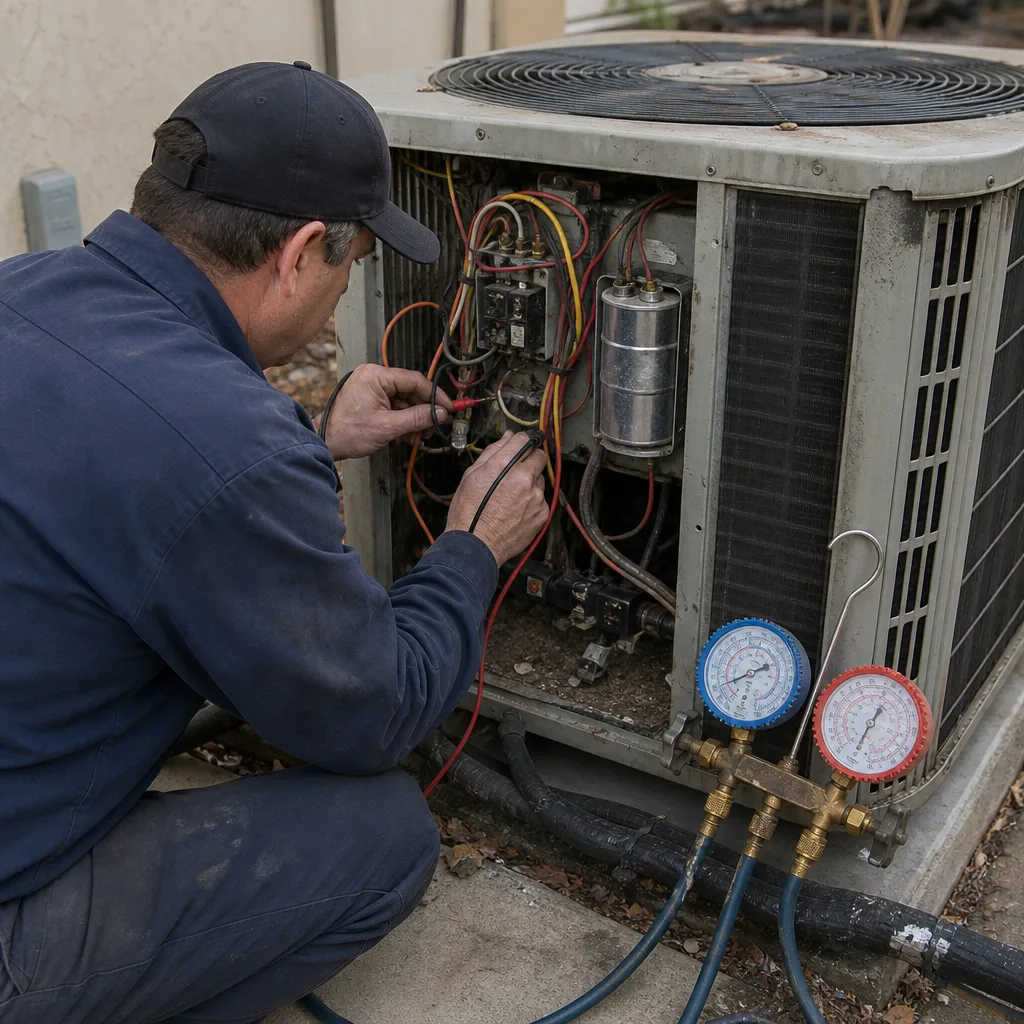 Before
 After
Frequently Asked Questions
No – gas line and gas valve work is licensed work in Nevada, and homeowners can’t legally do it themselves. Routine maintenance like filter changes, flame sensor cleaning, and thermostat replacement isn’t gas work, and you can do those. The line is drawn at the gas connection, and it’s drawn for good reason.
Yes, you can clean your own flame sensor if you’re careful. Kill power at the breaker, find the metal rod in the burner flame path, gently clean it with steel wool or a dollar bill, and reinstall it the same way. If it still won’t stay lit after that, that’s a call to a licensed tech. Call (833) 620-7288 for an exact quote – estimates are free.
A routine heating tune-up in Spring Valley typically runs $90 to $180, and a diagnostic visit for a no-heat call usually lands in a similar range before parts. If gas-side work or a heat exchanger check is involved, the number goes up because the testing is real. You’ll see the readings and the price before any work begins. Call (833) 620-7288 for a free estimate.
A gas furnace cabinet holds line voltage and low-voltage thermostat wiring in the same metal box, inches apart. When you open the cabinet to trace a wire or reach the control board, you’re near live 120-volt circuits even with the thermostat off. AC systems can be dangerous too, but the mixed-voltage setup in a furnace cabinet is the specific thing most DIY guides miss. Kill the breaker before you touch anything.
No – it’s never a DIY situation. Gas smell that fades may still mean an active leak from a fitting that’s cycling closed and open. Get everyone out, don’t flip switches, call your gas utility from outside, then call a licensed technician. Don’t tighten anything yourself.
If your furnace is under 15 years old and the repair is a single part, repair almost always wins. If it’s over 20 years old, needs a heat exchanger, or has been failing twice a heating season, replacement makes more financial sense. In our experience, the older units in Spring Valley homes tend to fail on the heat exchanger or the inducer motor first. Call (833) 620-7288 for a free second opinion on any written estimate.
The Bottom Line
Gas furnace work splits cleanly into three zones. The safe side – filters, flame sensor, thermostat, visual checks – is yours, and doing it well protects your system. The gas side is licensed work in Nevada and genuinely dangerous, and no tutorial changes that. Furnace electrical in the cabinet is the gray middle, and the safe move there is a licensed tech. Run the soap-bubble check once or twice a year, keep every piece of paperwork after any gas work, and don’t let a small job turn into a big one. That’s the whole line.
When a job crosses it, Ray’s Heating & Air Spring Valley home is here. Our Heating & Furnace in Spring Valley team handles the gas side, the electrical side, and the diagnostics that tell you which one you’re dealing with. If cooling season is next on your list, our AC Repair & Installation in Spring Valley page covers what’s safe to do yourself there too, and our Heat Pump & Mini Split in Spring Valley page covers the newer system options if replacement is on the table.
Whether you’re weighing a fix on a Carrier, Trane, or Lennox system or just want a second set of eyes on a no-heat call, we answer live around the clock. Call (833) 620-7288 for a free estimate in Spring Valley – you’ll see the readings and the numbers before any work begins, and every job carries the 90-Day Done Right Promise.
Written by the team at Ray’s Heating & Air Spring Valley.