
Last updated November 18, 2026
 Heat pumps
 AC repair
 Furnace & heating
 Ductless mini splits
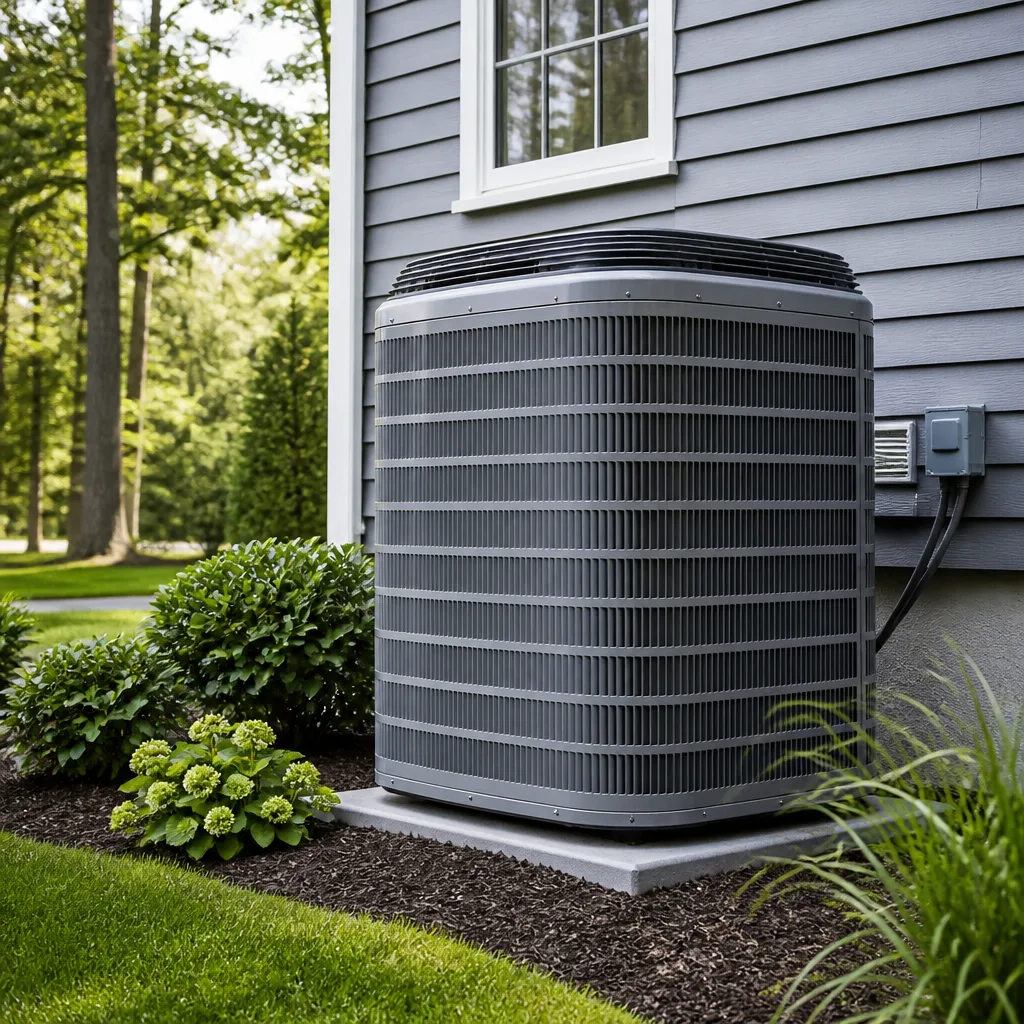 Carrier
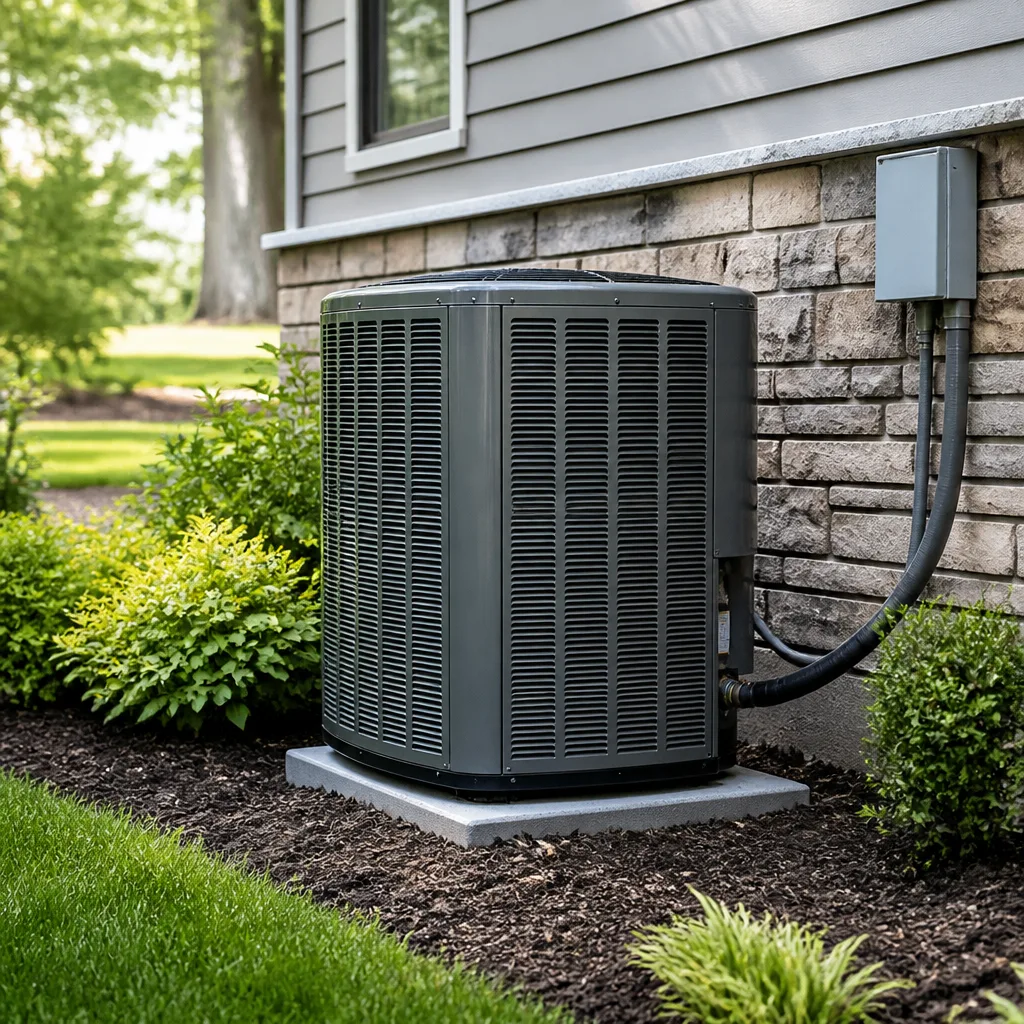 Trane
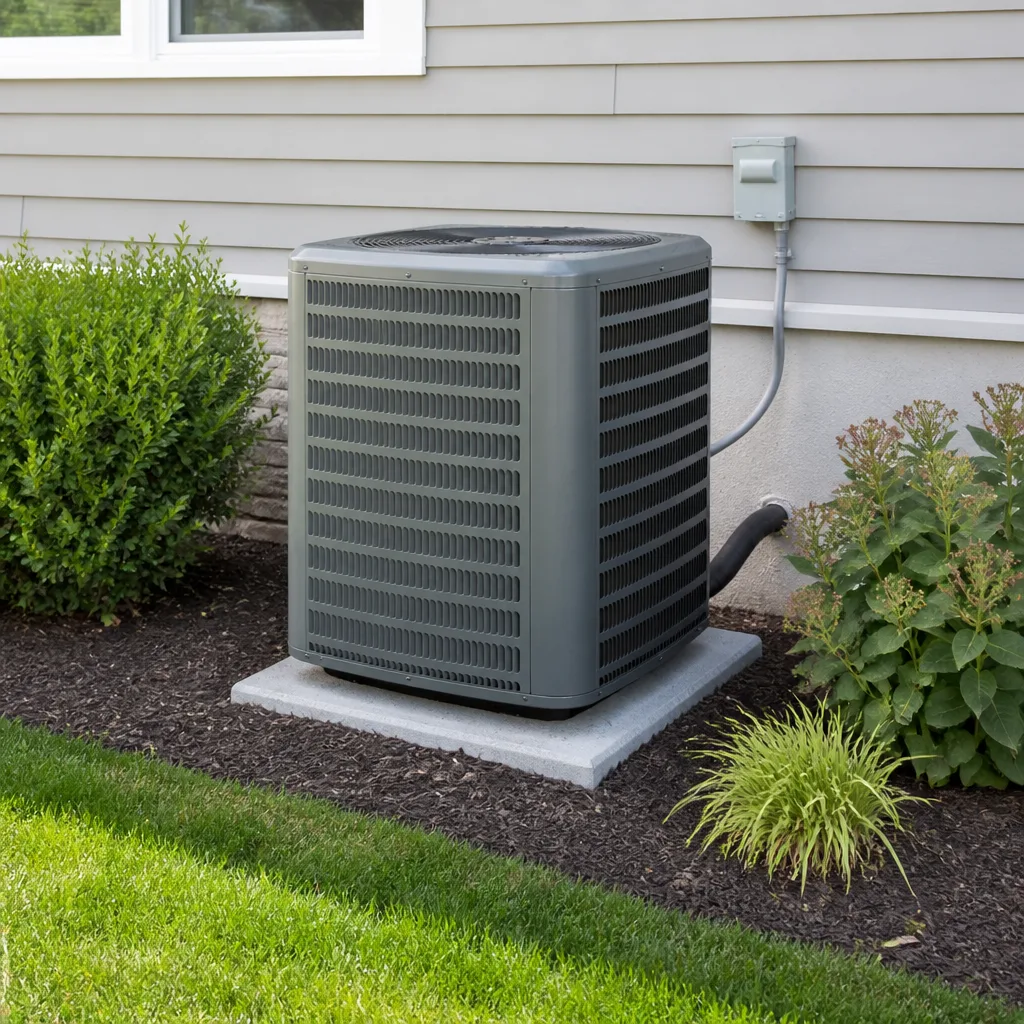 Goodman
Seasonal tune-up and full diagnostic on your Carrier, Trane, or Goodman system - readings shown to you before any repair is proposed
Diagnosis first, numbers second - you approve the repair price before a single part goes in.
Get your free estimateDIY vs Professional Heat Pump & Mini Split: What’s Safe to Do Yourself
DIY mini-split kits are legal to install yourself in Nevada. But the moment you touch the refrigerant line set, federal law says you need an EPA 608 certification, and “I watched a video” is not a defense when the inspector shows up. That’s the line most YouTube tutorials skip right over. This guide draws it honestly: what Clark County permits actually require, what those pre-charged kits really cost and what their warranties say about self-installation, the five mistakes we get called in to fix, and when doing it yourself genuinely saves money versus when it costs you double within two years. Written from Spring Valley, where the summer heat finds every shortcut.
Quick Answer
Cleaning filters, changing a remote battery, and clearing a clogged condensate drain are safe DIY jobs. Anything involving refrigerant, the electrical breaker, or a new line set is not: federal law requires EPA 608 certification to handle refrigerant, most manufacturer warranties require licensed installation, and Clark County requires permits and inspection for new mini-split circuits. DIY kits let you do the mechanical mounting, but a licensed pro should handle the refrigerant connection, the electrical, and the final inspection.
Styles & brands we work with
- AC repair
- Furnace & heating
- Heat pumps
- Ductless mini splits
- Carrier
- Trane
- Goodman
Table of Contents
- What Nevada law and Clark County permits actually require
- The truth about pre-charged DIY mini-split kits
- Does self-installation void your warranty?
- The five DIY mistakes we fix most often
- What’s genuinely safe to do yourself
- DIY vs professional: the real numbers
- Heat pump vs mini-split: the DIY line is different
- When to call a professional
What Nevada law and Clark County permits actually require for mini-split work
Nevada doesn’t have a special “mini-split law.” It has the rules that already exist, and they split into three parts: electrical, refrigerant, and inspection. Each one trips up a different kind of DIY-er.
Electrical. A new mini-split needs a dedicated circuit and a properly sized breaker. In Clark County, adding a new circuit means pulling an electrical permit from the county building department and having the work inspected. That permit covers the disconnect, the whip, and the breaker. Skipping it doesn’t make the work invisible; it makes it a red flag the first time anyone pulls records on your house, including a buyer’s inspector.
Refrigerant. Here’s where the federal rule sits on top of the state one. Under Section 608 of the Clean Air Act, anyone who opens a refrigerant circuit, adds or removes refrigerant, or evacuates a line set must hold an EPA 608 certification. The homeowner exemption that lets you buy refrigerant covers only the final charging of an appliance that’s already assembled. It does not cover cutting, flaring, or brazing a line set. So when a video says “you can legally do this yourself,” read closely: they’re usually describing a pre-charged kit where the refrigerant never leaves a sealed system.
Inspection. If you pulled a permit, the county inspects the electrical rough-in and the final. If you didn’t pull one and the work is discovered later, you may be looking at a retroactive permit, corrections, and a failed inspection attached to your property record.
We see this play out across Spring Valley all the time, especially in the older single-story neighborhoods where a homeowner adds a mini-split to a converted garage or a back bedroom and assumes nobody will look. Somebody always looks.
The truth about pre-charged DIY mini-split kits: cost, brands, and what they leave out
Pre-charged “DIY” mini-splits have a real use case. The line set comes sealed with refrigerant already inside and uses quick-connect fittings, so in theory the homeowner mounts the indoor and outdoor units, runs the pre-charged lines, and plugs in. No vacuum pump, no gauges, no EPA card.
The honest accounting looks like this:
- Kit cost: a single-zone pre-charged kit typically runs $1,200 to $2,200 depending on tonnage and brand, versus $700 to $1,400 for a standard unit of similar capacity.
- What the kit includes: the two units, a fixed-length pre-charged line set, mounting brackets, and a drain hose.
- What the kit does not include: the electrical circuit and disconnect, the permit, the inspection, the concrete pad or wall bracket rated for your wind and sun, and someone to fix it if the quick-connect leaks.
A handful of brands sell into this space. Goodman and Rheem have both offered pre-charged configurations, and a few direct-to-consumer labels build their whole business around it. What you won’t see from the big premium names, including Trane and Lennox, is a strong push into self-install kits, and there’s a reason for that covered in the warranty section.
The catch nobody puts in the thumbnail: the fixed line set length. If the run from your outdoor unit to the indoor head is longer than the kit’s pre-charged length, you can’t stretch it. You either move the outdoor unit or you’re back to a conventional install with a licensed tech. In Spring Valley homes with block walls and narrow side yards, that run often ends up longer than the kit allows, and the savings evaporate.
Does self-installation void your warranty? Usually, yes
Most manufacturer warranties require installation by a licensed contractor, and homeowners find this out at the worst possible moment, usually when the compressor fails in July and the claim comes back denied. The language varies by brand, but the pattern is consistent: the parts warranty is conditioned on proper installation, and proper installation is defined as licensed, and often as following the manufacturer’s commissioning procedure.
There’s a second layer most people miss. Even brands with friendlier self-install policies typically require a startup checklist, torque values on the flares, and documented vacuum. If the unit fails and the manufacturer asks for that documentation, “I followed a YouTube video” is not paperwork.
We’ve had this conversation with homeowners across Spring Valley who installed a Goodman unit themselves two summers ago, saved maybe $900 on labor, and are now facing a denied compressor claim worth more than the original job. The math is not subtle. Call us before you install, not after. We’d rather give you a free second opinion on the estimate than see you eat a failed compressor because a warranty clause got buried on page eleven.
The five DIY installation mistakes we fix most often
When Ray gets called to fix someone else’s mini-split install, it’s usually one of these five. They’re listed in the order we see them, and the first two are the ones that cause real damage.
- Undersized breaker. A 12,000 BTU mini-split typically needs a 20-amp breaker; a 24,000 BTU unit often needs 30. Homeowners often reuse whatever circuit was already in the wall, or match the breaker to the wire gauge without checking the nameplate. An undersized breaker trips under load in a Spring Valley July, and an oversized one on undersized wire is a fire hazard.
- Improper line set pitch. The refrigerant lines need a smooth, consistent slope toward the outdoor unit with no low spots where oil can pool. In our experience, a sagging line set is the single most common cause of compressor failure on a DIY install, and it shows up months later, not on day one.
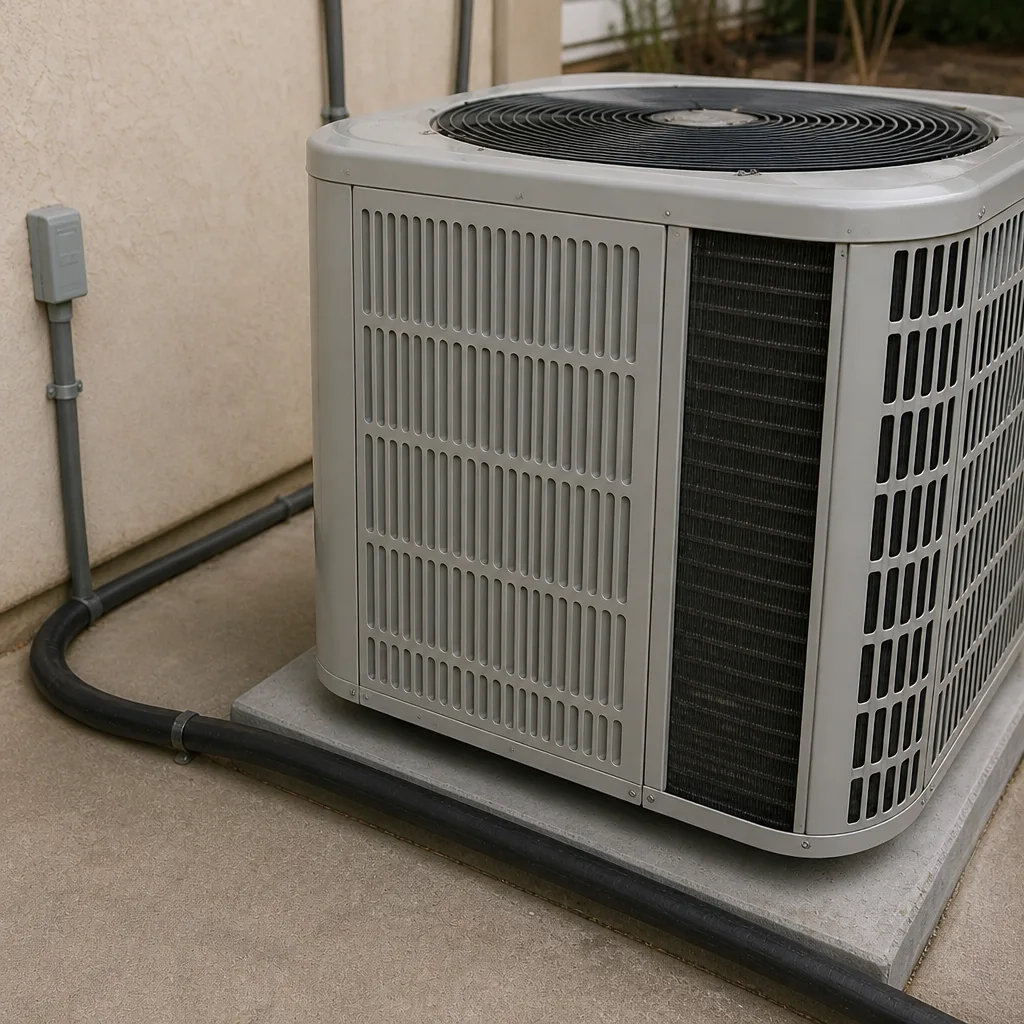
- Insufficient clearance. Outdoor units need airflow clearance on the sides and above. We’ve pulled units out of tight block-wall side yards in Spring Valley where the condenser recirculated its own hot air all summer. It works, badly, until it doesn’t.
- Vapor line insulation gaps. The larger of the two lines carries cold refrigerant; if its insulation is split, taped poorly, or missing at the flare, you get condensation, then corrosion under the insulation, then a leak. It’s a $15 fix done right and a $600 repair done wrong.
- Drain slope errors. The condensate drain needs a continuous downhill slope to the exit point. A level or uphill drain runs fine for two weeks and then backs up into the wall or ceiling. This is one of the few mistakes you can spot early: water stains under the indoor head mean stop and call.
Our Heat Pump & Mini Split in Spring Valley page covers the install procedure step by step, including the commissioning checks that catch these before they become repairs.
What’s genuinely safe to do yourself (and what isn’t)
There’s a real DIY list. It’s just shorter than YouTube suggests. Here’s how we’d draw it for a typical Spring Valley homeowner.
Safe to do yourself:
- Pull, rinse, and reinstall the indoor filter. Monthly during cooling season, more often if you have pets or a lot of dust from the desert wind.
- Change the remote battery, and reprogram the timer or schedule.
- Clear a visibly plugged condensate drain end with a shop vac, if it’s accessible and above the pan.
- Keep the outdoor unit clear of debris, leaves, and stored items.
- Check the breaker is on before you call anyone.
Not safe, and often not legal, to do yourself:
- Opening the refrigerant circuit, flaring, brazing, evacuating, or charging. Federal EPA 608 certification required.
- Adding a circuit, breaker, or disconnect. Permit and inspection territory in Clark County.
- Any electrical work inside the outdoor unit.
- Anything requiring the unit to come off the wall or be repositioned.
The pattern is simple: if it involves a tool the average homeowner doesn’t own, it’s probably not a homeowner job. That said, the person at your door should be happy to walk you through what’s safe, and if they charge for that conversation, that’s a data point.
DIY vs professional: the real numbers in Spring Valley
Framing the choice as “labor savings” misses half the math. Here’s the honest side-by-side for a single-zone 12,000 BTU mini-split in Spring Valley, using typical local figures.
- DIY kit approach: $1,400-$2,200 for kit, plus $150-$400 for electrical, permit, and inspection if you do it correctly, minus your own weekends. Range: $1,550-$2,600.
- Professional installation: $2,400-$3,800 fully installed, including permit, electrical, commissioning, and warranty registration. Range on the higher end if a new circuit is needed.
- Cost of fixing a bad DIY install: $600-$1,800 depending on whether the fix is electrical, line set, or drain. Sometimes more if the compressor is gone.
The DIY math only wins if nothing goes wrong, and in our experience the failure rate is not small. On the other side, a professional install usually includes the permit, the warranty registration, and a callback if something’s off. Since 2002 we’ve handled this Spring Valley market, and the pattern hasn’t changed: the homeowner who saved $1,200 on a self-install is the same one who calls us two summers later with a failed compressor and a denied claim.
If you’re comparing a self-install against a written estimate, bring us the estimate and we’ll give you our free second opinion. That standing offer exists for exactly this decision.
Heat pump vs mini-split: the DIY line moves, and why
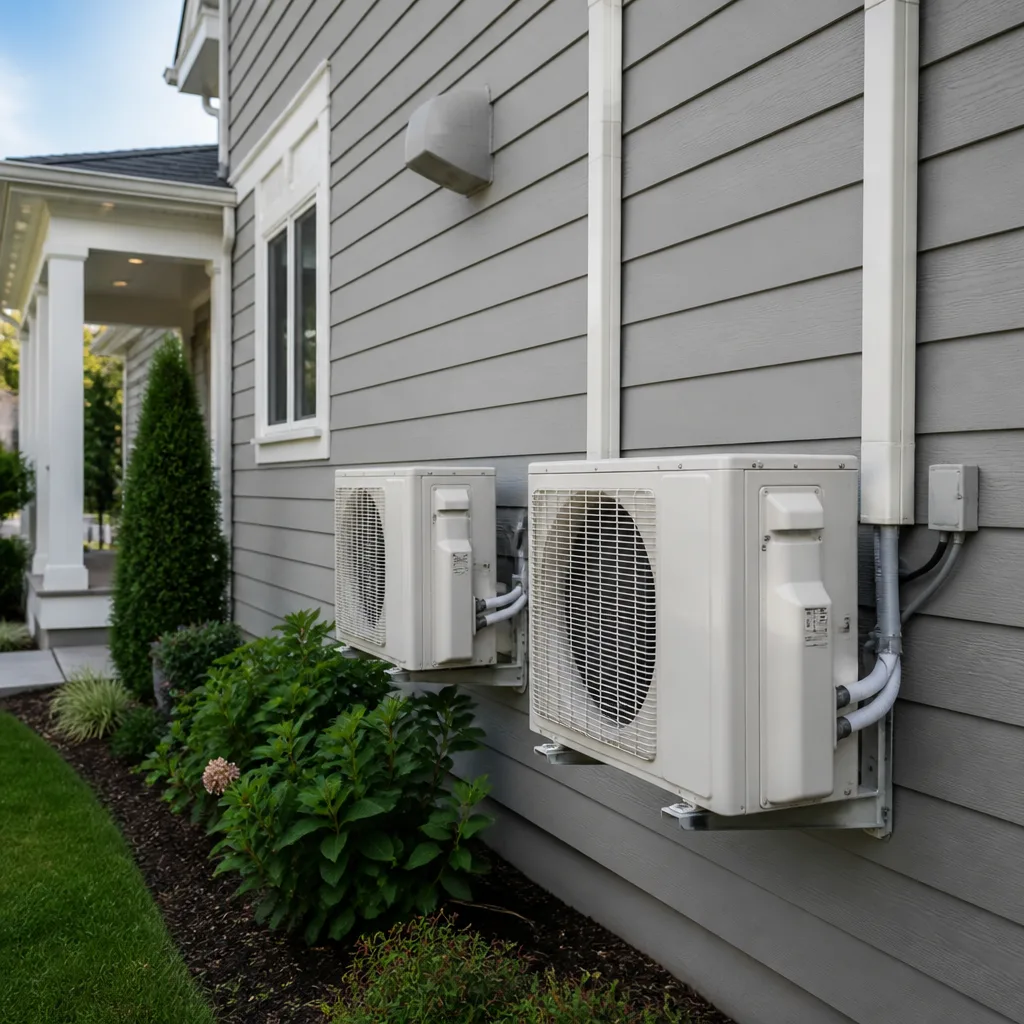
People use these terms interchangeably, but the DIY calculation differs. A mini-split is usually a ductless, single- or multi-zone unit serving one or two rooms. A full heat pump is often a whole-home system, tied into ductwork or a multi-zone setup, and can run 3 to 5 tons.
For mini-splits, the pre-charged kits exist because the refrigerant volume is small and the connection is mechanical. For full heat pumps, there’s no real DIY kit market: the system is commissioned, tested, and balanced, and the permitting is more involved. A 3-ton heat pump for a Spring Valley home with a converted 1970s floorplan is not a weekend project, and anyone telling you it is has never pulled a permit in Clark County.
Electric heat pumps also add a piece most videos skip: the backup or aux heat strip, which needs its own breaker and, in older Spring Valley panels, sometimes a service upgrade. If your panel is a 100-amp that’s already full, the electrical piece alone can exceed the equipment cost. This is exactly the kind of thing a quick walk-through catches and a video can’t.
See the difference
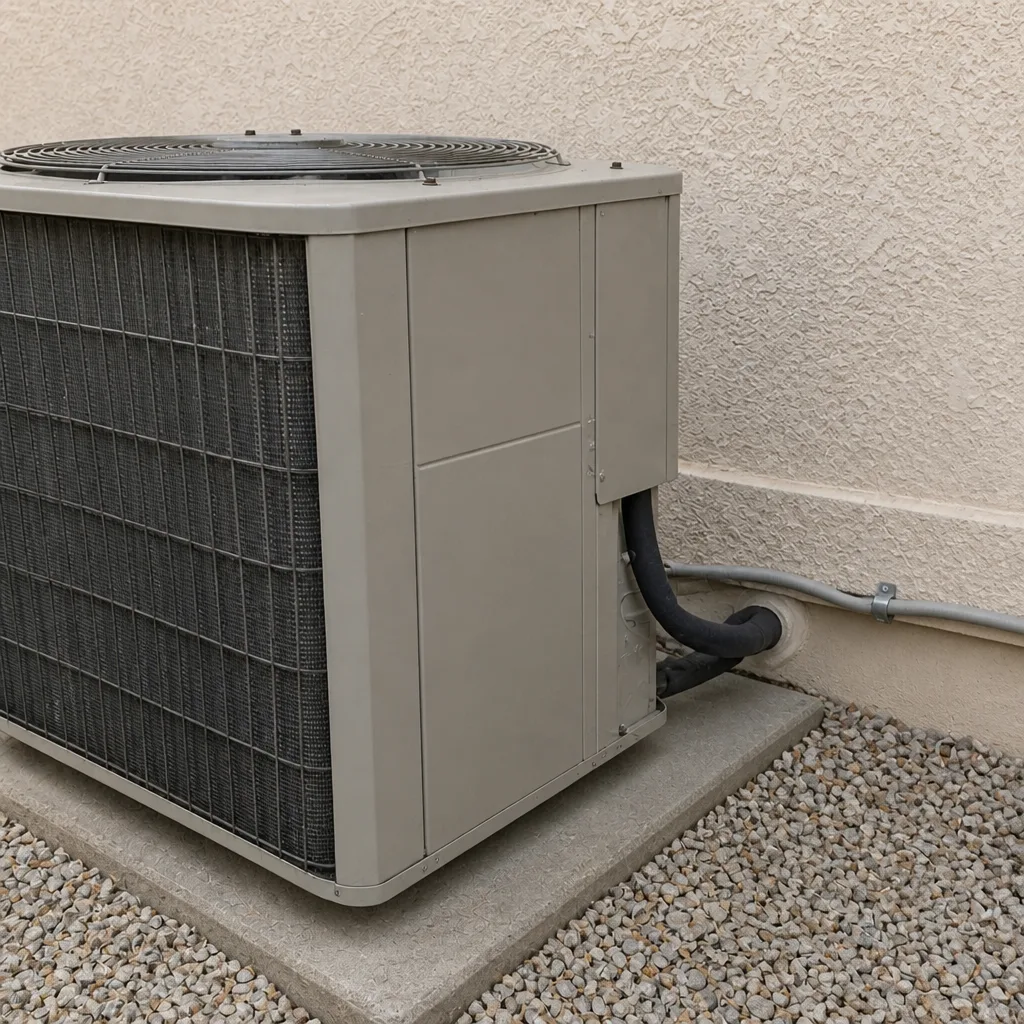
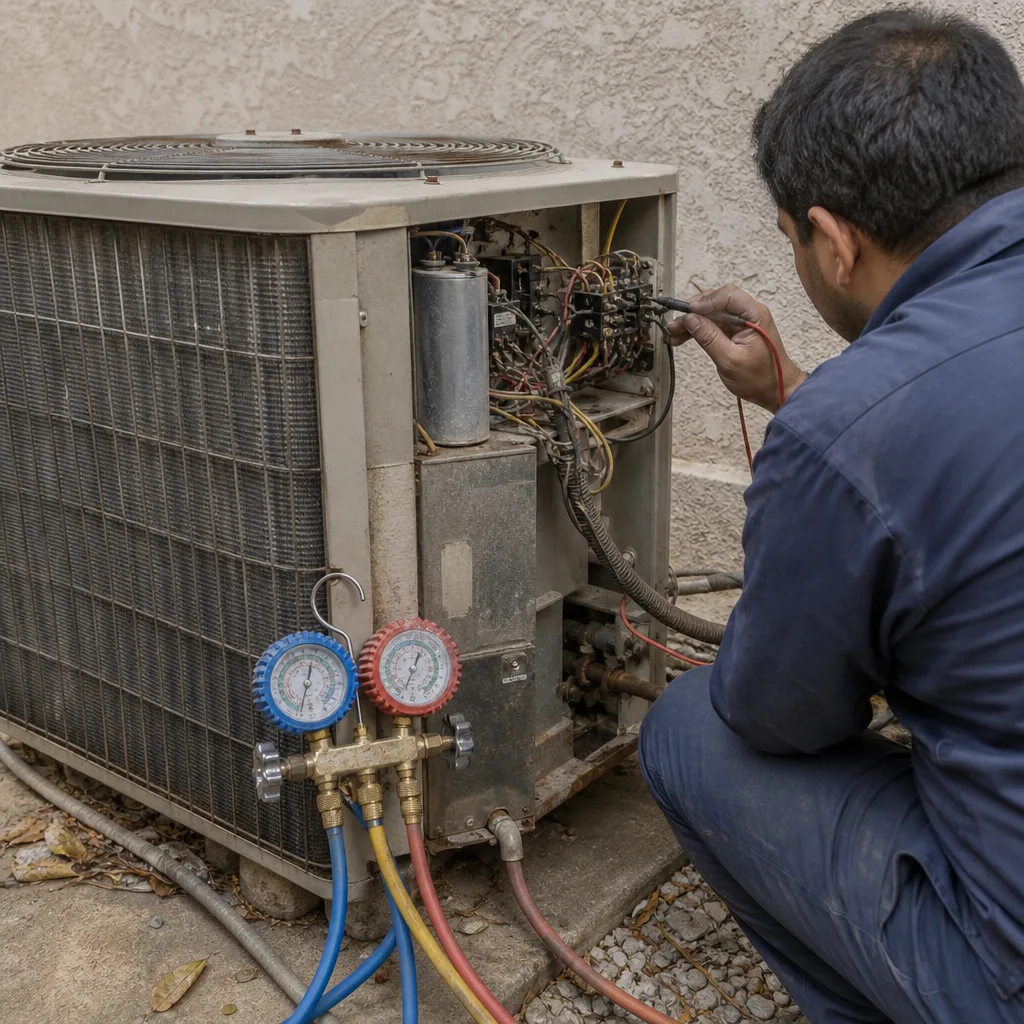 Before
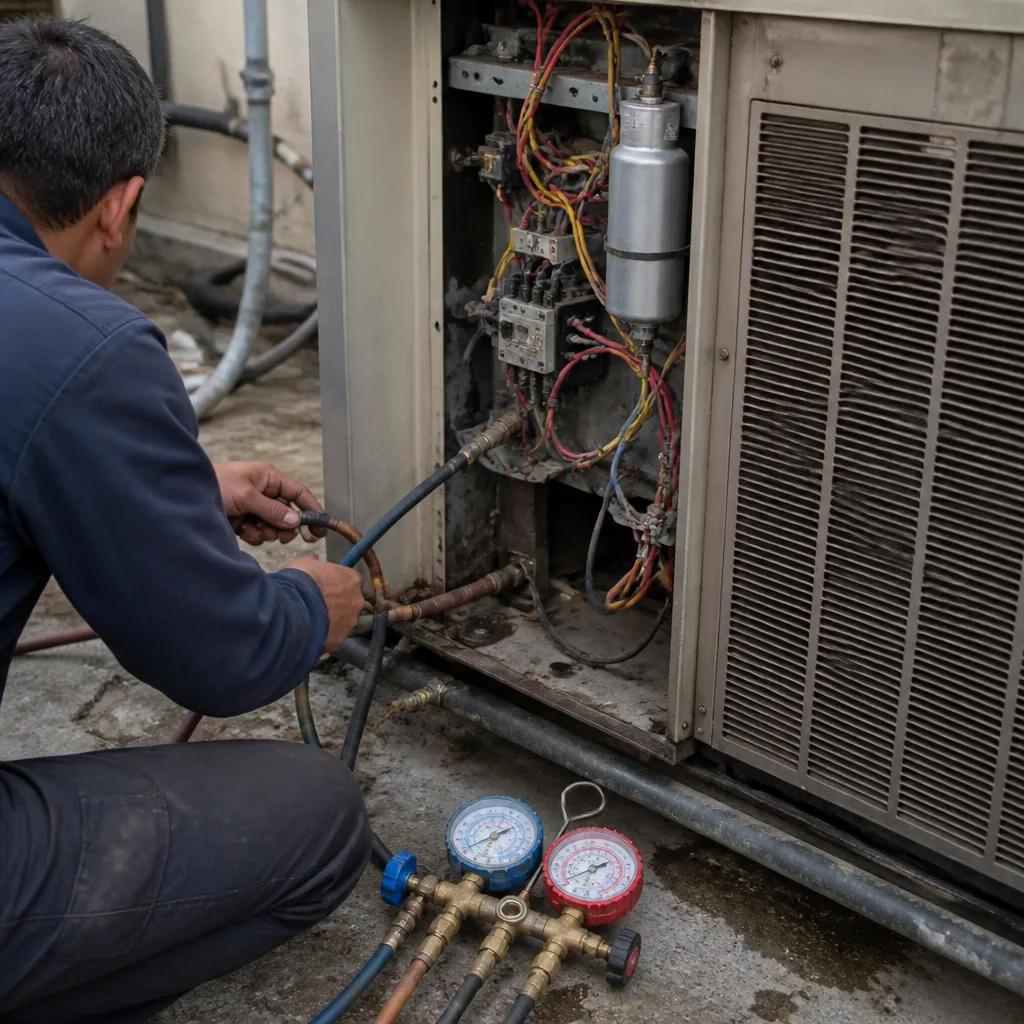
 After
 Before
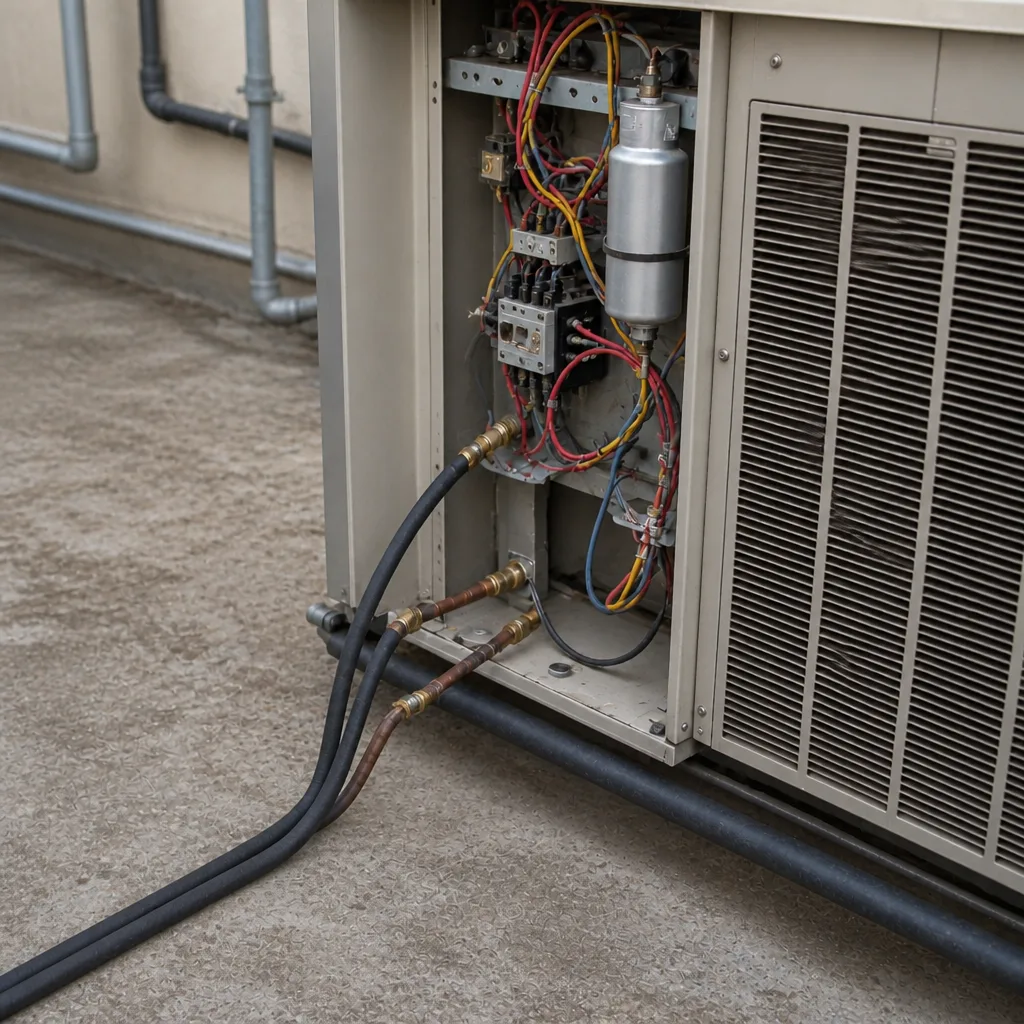 After
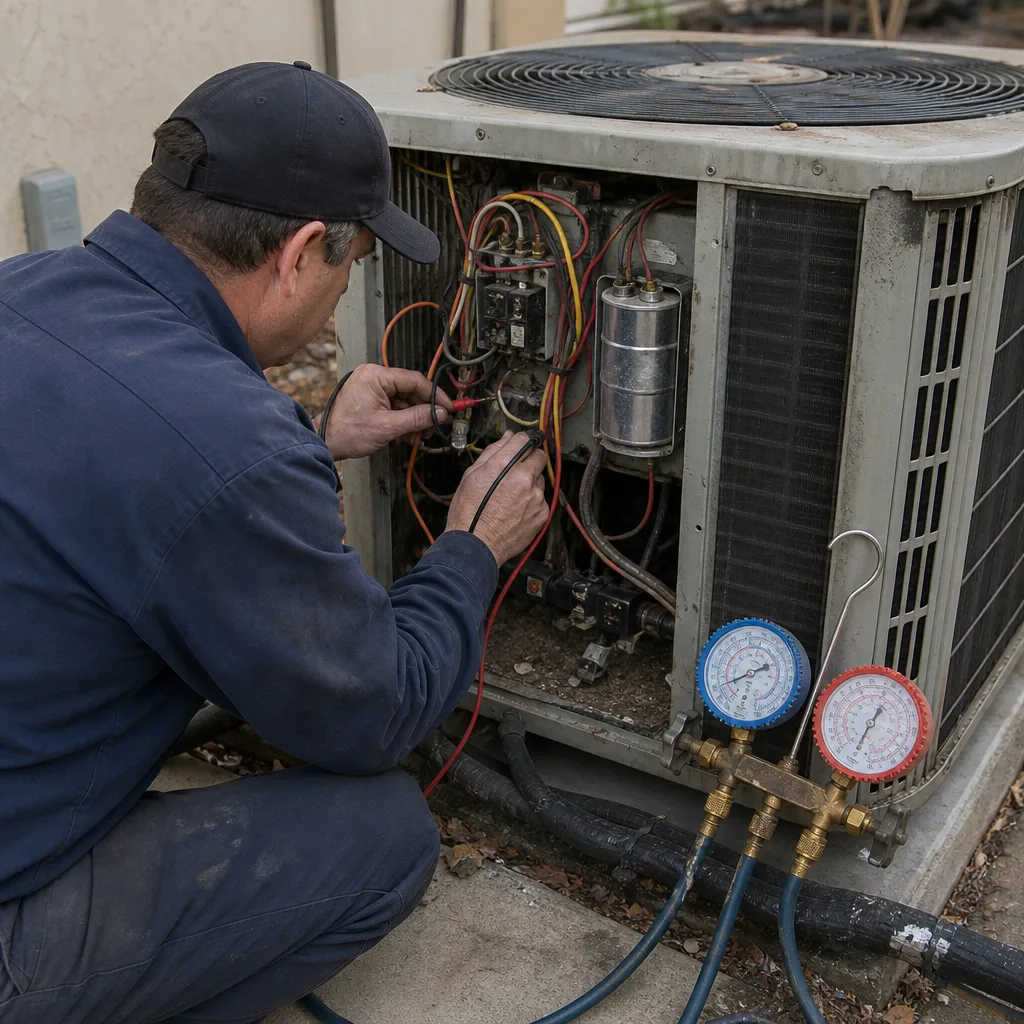 Before
 After
Common Mistakes to Avoid
- Trusting the “no permit needed” video. Adding a circuit in Clark County needs a permit. Missing that step puts a red flag on your property record that shows up at resale or insurance review.
- Buying a kit for a line-set run longer than the kit. Pre-charged kits have a fixed length. Measure first. If the outdoor unit has to go on a block wall or around a corner in a Spring Valley side yard, the kit probably won’t reach.
- Reusing the old breaker “because it fits.” The breaker matches the wire and the nameplate of the unit, not the hole in the panel.
- Stretching the vapor line insulation. A split or gap at the flare causes condensation and corrosion for the next five years.
- Assuming the warranty covers you. Most manufacturer warranties require licensed installation. Read the clause before the unit goes on the wall, not after.
- Ignoring the drain slope. A level drain runs fine for two weeks and then backs up into the ceiling below.
- Skipping commissioning readings. Superheat, subcooling, and static pressure are how you know it’s right. Without them, you’re guessing that it works.
When to Call a Professional
Call a licensed professional for anything that touches the refrigerant circuit, the breaker box, or the line set. That covers new installs, line set modifications, evacuations, charges, and any electrical work inside the outdoor unit. Call us immediately if you see water staining under the indoor head (drain problem), if the breaker trips repeatedly (electrical or short), or if the outdoor unit is running but not cooling (refrigerant or compressor, and you want the readings before anyone says the word “compressor”).
If you’re mid-project on a DIY install and something’s not adding up, that’s the cheapest call you’ll make all year. Ray’s Heating & Air Spring Valley offers free estimates and a free second opinion on any written estimate in Spring Valley. Call (833) 620-7288.
Frequently Asked Questions
Yes, you can legally mount the units and connect pre-charged line sets yourself, but you cannot open or modify the refrigerant circuit without EPA 608 certification, and any new electrical circuit requires a Clark County permit and inspection. The mechanical mounting is DIY; the refrigerant and electrical work is not.
In most cases, yes. Manufacturer warranties for units like Trane, Lennox, Goodman, and Rheem typically require installation by a licensed contractor, and a denied claim usually shows up when the compressor fails. Read the warranty language before you buy the kit.
Typical Spring Valley figures run $2,400 to $3,800 fully installed for a single-zone 12,000 BTU system, including permit, electrical, and commissioning. A DIY kit runs $1,550 to $2,600 once you add the permit and electrical, which is why the savings shrink fast. Call (833) 620-7288 for an exact quote on your home.
The five we fix most: undersized breaker, improper line set pitch, insufficient outdoor clearance, vapor line insulation gaps, and drain slope errors. The first two cause the most expensive repairs because they damage the compressor and the electrical, not just the cosmetics.
Yes. Pull, rinse, and reinstall the indoor filter monthly during cooling season, and more often if you have pets. Filter cleaning, remote batteries, and clearing an accessible drain are all safely DIY in Spring Valley’s dusty climate.
They work when the line set length, electrical capacity, and mounting location all match. They fail when the run is too long, the breaker is wrong, or the unit needs a permit the homeowner skipped. The kits aren’t the problem; the planning is.
Bring us the kit specs and a photo of the install location. Our AC Repair & Installation in Spring Valley page covers what we check, and our Ray’s Heating & Air Spring Valley home page lists the free second opinion on any written estimate. It costs nothing to ask first.
The Bottom Line
The safest DIY list for a mini-split is filters, remote batteries, clearing a drain, and keeping the outdoor unit clear. Everything else, including the refrigerant line set, the breaker, and the line set pitch, is a licensed job for a simple reason: federal law, county permits, and manufacturer warranties all point the same way. If you’re planning an install, call us before you buy the kit, not after. A 15-minute conversation and free estimate can save you the cost of fixing a mistake later, and if you’re still shopping, our Heating & Furnace in Spring Valley team can walk you through heat pump versus mini-split for your specific floorplan. Call (833) 620-7288 for a free estimate. Phones are answered by a live person, and every job carries our 90-Day Done Right Promise in writing.
Written by the team at Ray’s Heating & Air Spring Valley.