
Last updated November 18, 2026
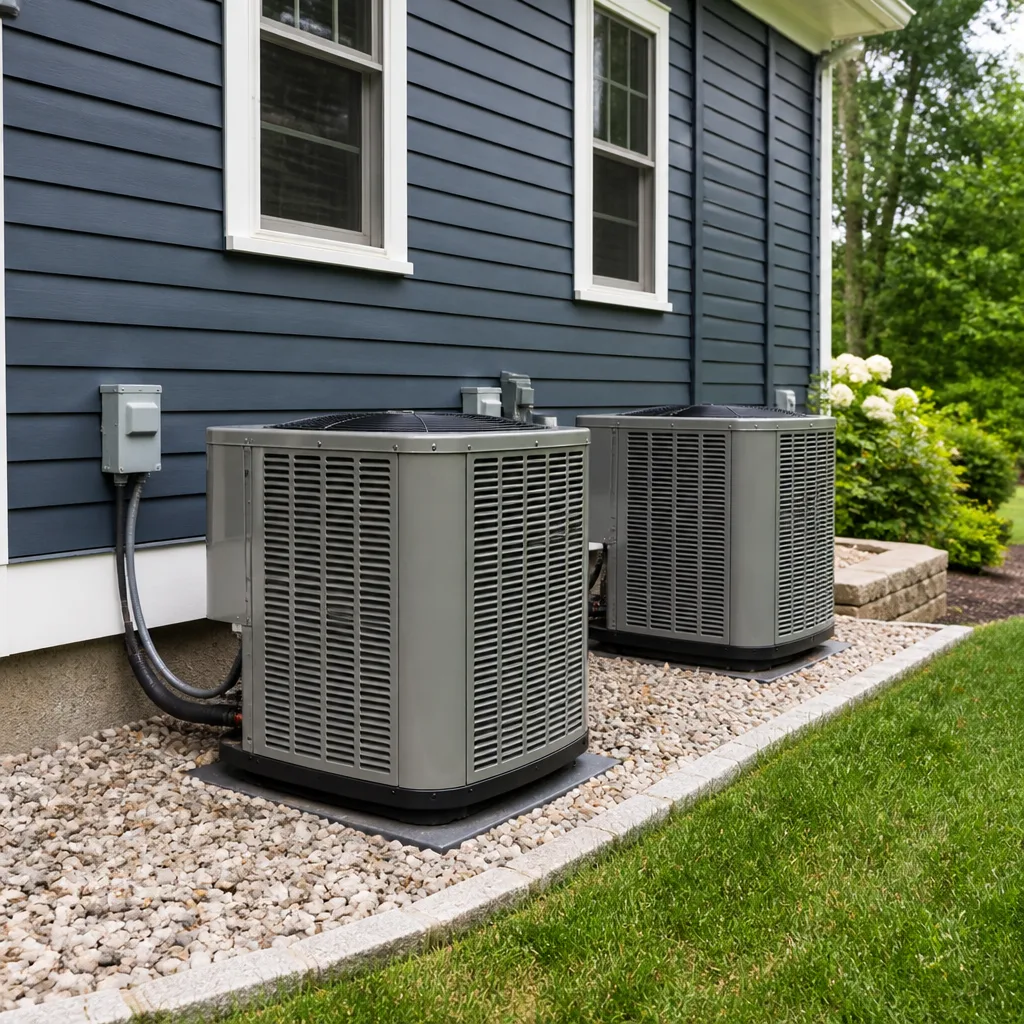 Heat pumps
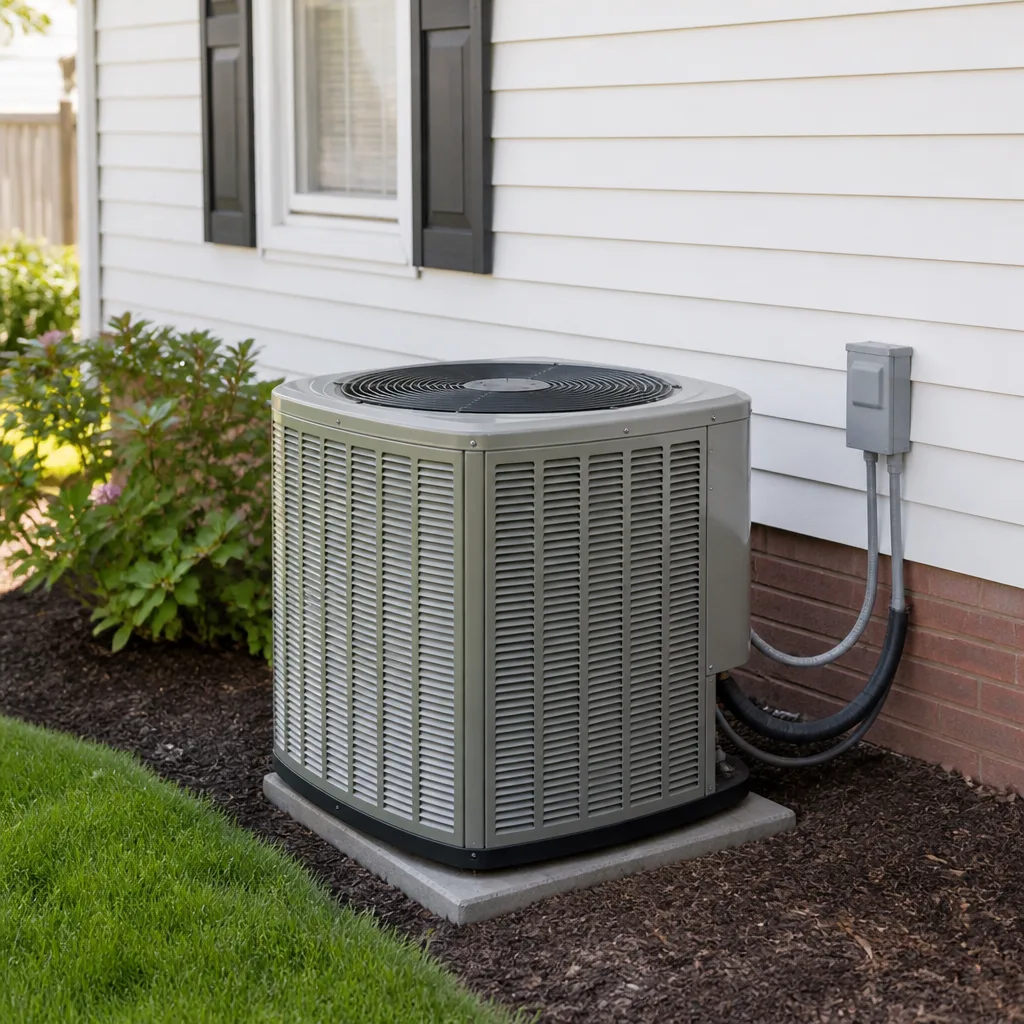 AC repair
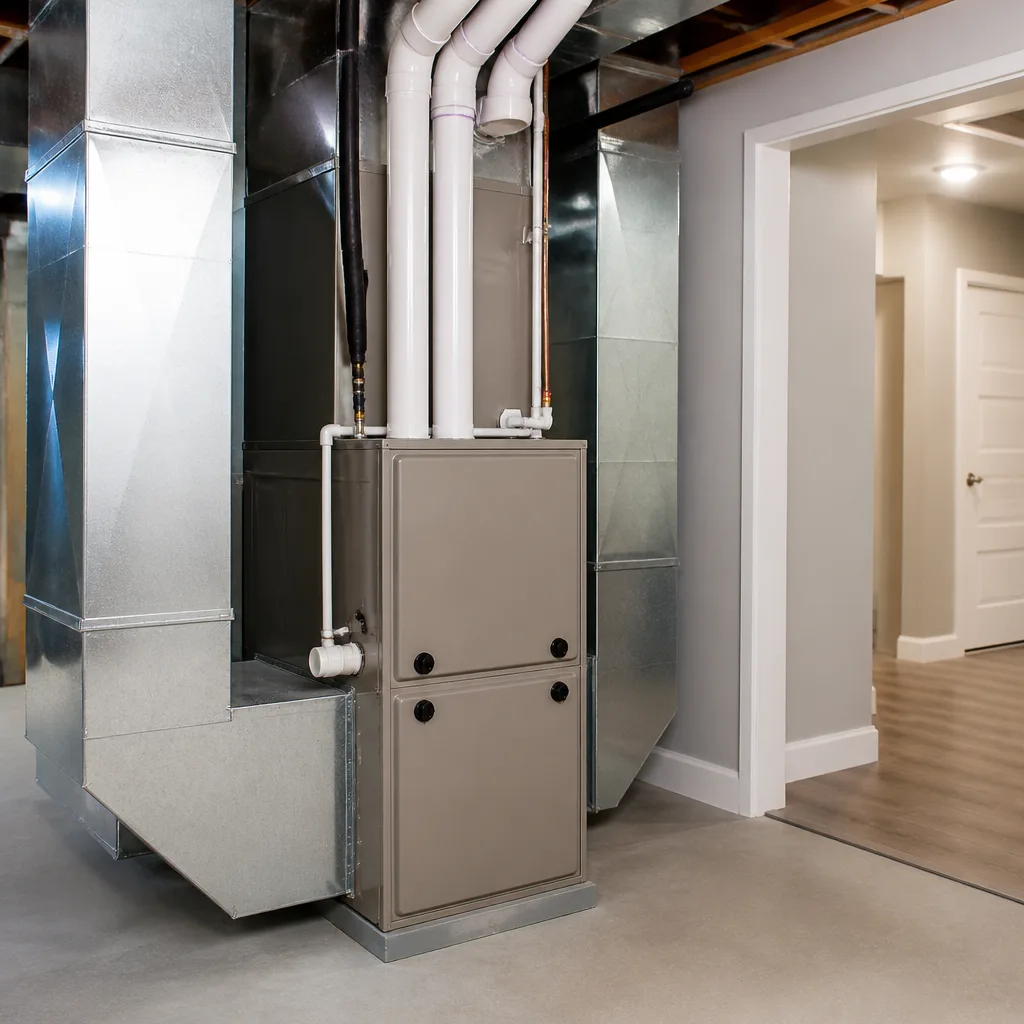 Furnace & heating
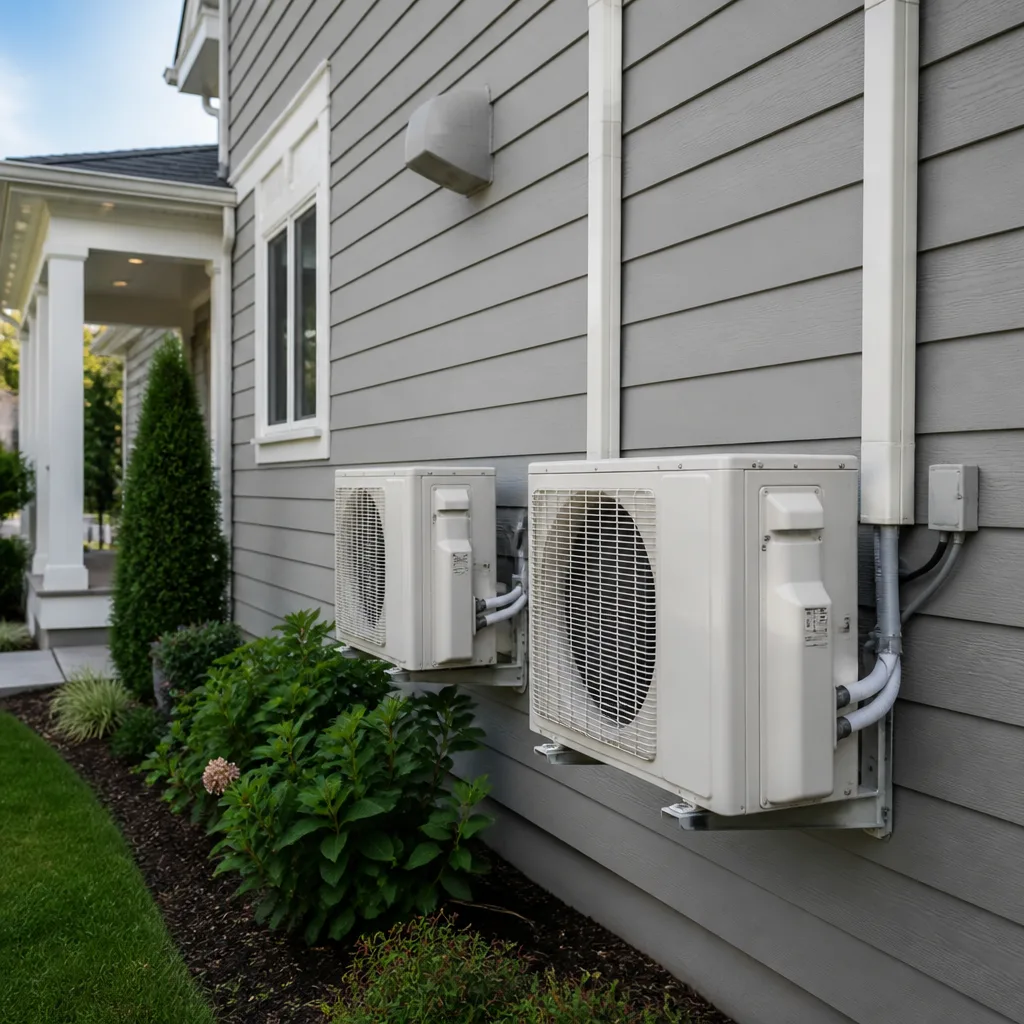 Ductless mini splits
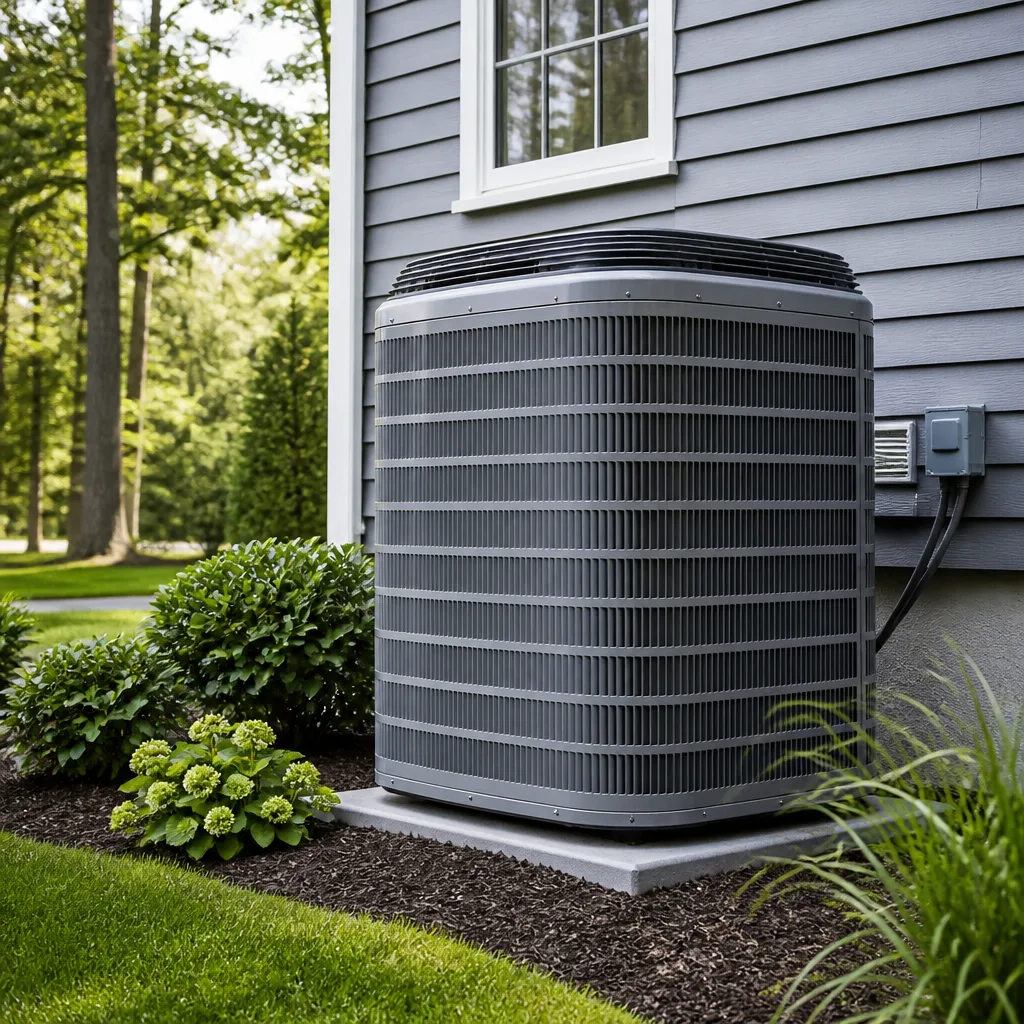 Carrier
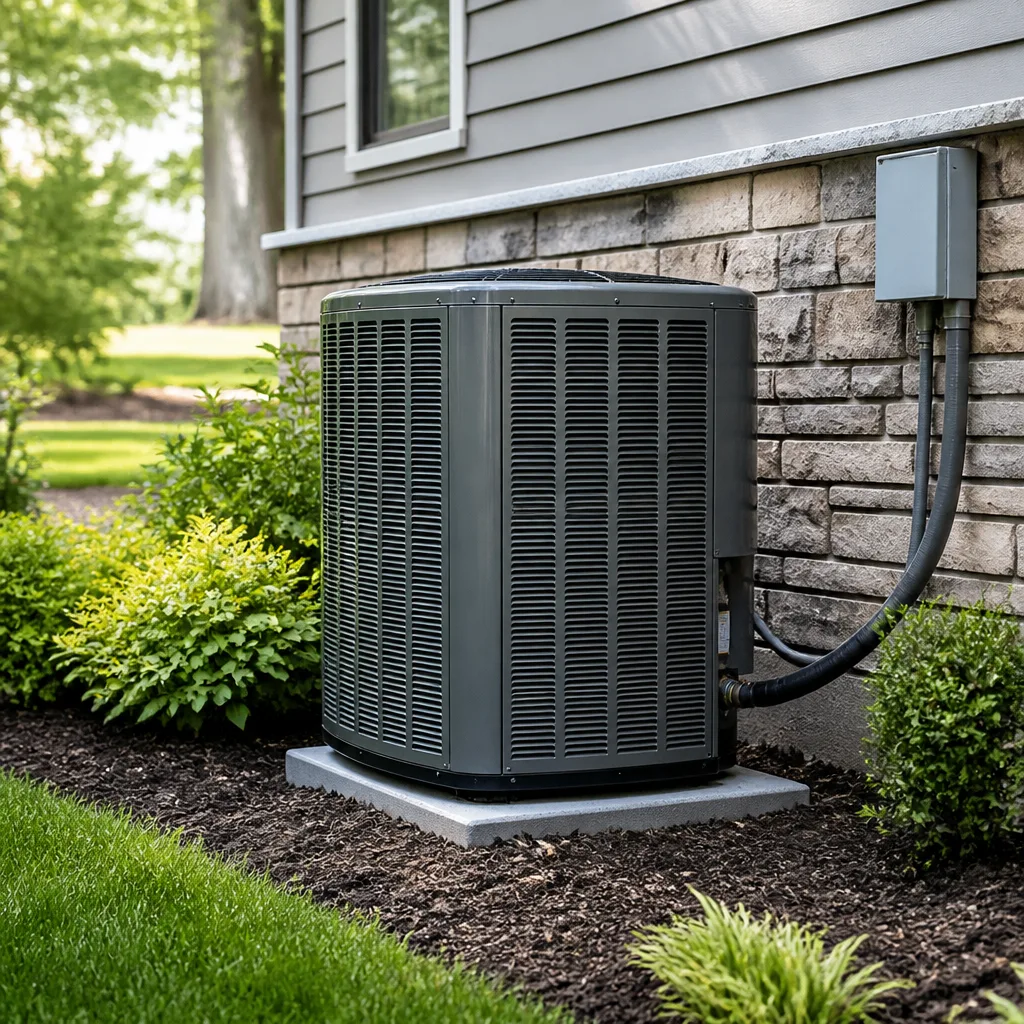 Trane
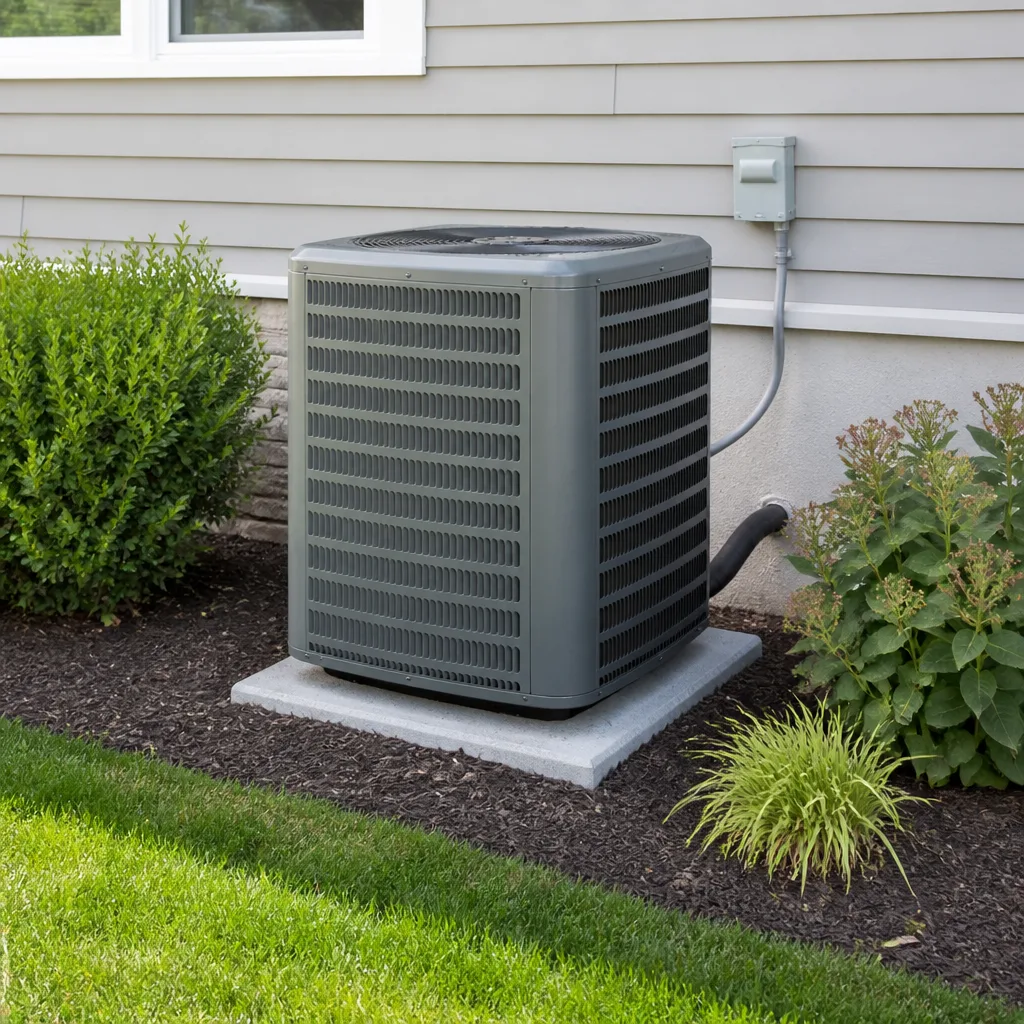 Goodman
Seasonal tune-up and full diagnostic on your Carrier, Trane, or Goodman system - readings shown to you before any repair is proposed
Diagnosis first, numbers second - you approve the repair price before a single part goes in.
Get your free estimateHeat Pump & Mini Split Maintenance Schedule: What to Do and When
A mini-split filter that gets cleaned every three months in Seattle needs cleaning every three to four weeks in Spring Valley during dust event season. Manufacturers don’t put that in the manual because they don’t write manuals for your zip code. The “low maintenance” label on the box is technically true, but low doesn’t mean none, and here in the desert a Portland schedule will leave you with a failed head by year four. What follows is a month-by-month maintenance calendar built for Spring Valley’s actual seasons, honest guidance on what you can do yourself versus what needs a tech, and what a real annual service visit should include. We’ve watched enough clogged coils and rotted drain pans to know the difference.
Quick Answer
Mini-split and heat pump maintenance in Spring Valley runs on a four-season cycle: a pre-summer startup in March covering filters, coils, and refrigerant checks; a mid-summer coil and drain inspection in July; a post-dust-storm outdoor unit check in September; and winter heat-mode prep in November. Filters need cleaning every three to four weeks during dust season, and a full professional service visit once a year keeps the system efficient and catches small problems before they get expensive.
Styles & brands we work with
- AC repair
- Furnace & heating
- Heat pumps
- Ductless mini splits
- Carrier
- Trane
- Goodman
Table of Contents
- Why a Desert Maintenance Schedule Is Different
- The Month-by-Month Schedule for Spring Valley
- Filter Cleaning: The Single Most Important Habit
- Indoor Coil Cleaning: What You Can Do vs. What Needs a Tech
- The Outdoor Unit in Desert Conditions
- The Condensate Drain Line Everyone Skips
- What a Real Annual Professional Visit Includes
- Common Mistakes to Avoid
Why a Desert Maintenance Schedule Is Different
Spring Valley sits in a bowl of wind-blown dust, and the native landscaping around most homes here, rock mulch, decomposed granite, and crushed gravel, throws fine grit into the air every time the wind picks up. That grit goes straight into your mini-split’s intake. A system running in a humid climate deals with moisture and mold; a system running in Spring Valley deals with silica dust coating the blower wheel, packing into the coil fins, and grinding away at the bearings. Same machine, entirely different failure mode.
The other factor is the monsoon. From roughly July through September, Spring Valley gets bursts of humidity that push condensate production way past what a dry-climate installer plans for. Drain lines that ran fine all spring suddenly carry a steady trickle of water, and any clogs or slope problems that were invisible in May show up as water stains on the ceiling in August. That’s why the schedule below puts a drain check right before monsoon season, not after.
Most factory maintenance intervals are written for average conditions across the whole country. Average doesn’t exist here. In Spring Valley, we shorten filter intervals by half during dust events and inspect outdoor coils twice as often as a coastal installer would. If you’re running a heat pump as your primary system, the stakes are higher still, because the unit works year round. See our Heat Pump & Mini Split in Spring Valley page for how we size and service these systems locally.
The Month-by-Month Schedule for Spring Valley
Here’s the calendar we recommend to every Spring Valley homeowner with a ductless system or heat pump. Print it, stick it to the inside of the garage door, and you’ll never miss a service window.
March: Pre-Summer Startup
- Clean or replace every indoor filter.
- Clear landscaping debris from around the outdoor unit and confirm at least two feet of clearance on all sides.
- Run the system in cool mode for a full cycle and confirm it reaches temperature.
- Check the condensate drain pan and line for standing water or algae.
- Schedule the professional spring visit, ideally before the first 95-degree day.
July: Mid-Summer Coil and Drain Check
- Inspect the indoor coil for dust buildup (you can see the first few rows through the intake with a flashlight).
- Flush the condensate drain line with a cup of distilled white vinegar to head off algae before monsoon humidity arrives.
- Listen for rattles or buzzing at the outdoor unit; loose fan blades and failing capacitors both announce themselves this time of year.
September: Post-Dust-Storm Inspection
- After a major wind event, pull the filter and rinse it, even if it was cleaned two weeks ago.
- Look at the outdoor coil fins through the grille; if they’re dull instead of shiny, they need cleaning.
- Check the ground around the pad for gravel or rock that has shifted against the unit.
November: Winter Heat-Mode Prep
- Test the system in heat mode for a full cycle and time how long it takes to reach setpoint.
- Clean the filter one more time before heating season.
- Confirm the outdoor unit’s defrost cycle is working (you’ll see steam or hear the reversing valve shift during a cold morning start).
- Schedule the annual professional service if you haven’t already.
Filter Cleaning: The Single Most Important Habit
Nothing you do matters more than clean filters. A clogged filter chokes airflow, which drives up the coil temperature, which makes the compressor work harder, which shortens the life of the most expensive part in the system. In Spring Valley’s dust, we tell homeowners to clean filters every three to four weeks during active dust season and every six to eight weeks otherwise. The manual probably says every three months. The manual wasn’t written for your street.
Here’s the honest process, and it takes about five minutes:
- Turn the unit off at the remote or breaker.
- Open the front panel on the indoor head and slide out the mesh filters.
- Rinse them under lukewarm water from the clean side, not the dirty side, so you push dust out rather than into the mesh.
- Let them air dry completely, standing them on edge rather than laying flat.
- Slide them back in and close the panel firmly. If they’re torn or the frame is warped, replace them.
If your system also runs a media cabinet filter at the air handler, that one needs replacing every one to three months depending on how dusty your yard is. In our experience, homes on larger lots with exposed dirt or gravel driveways go through filters much faster than homes near paved streets. If you’re noticing a musty smell when the system starts, that’s a sign you waited too long. More on that in the drain line section below.
Indoor Coil Cleaning: What You Can Do vs. What Needs a Tech
This is where most homeowners get into trouble. The indoor coil on a mini-split head sits behind the filter and accumulates a layer of fine dust that a filter alone won’t stop. You can see the edge of it through the intake grille. What you can safely do yourself is limited, and we want to be honest about where the line is, because getting this wrong can bend fins or damage the coil coating.
What a homeowner can do:
- Wipe the visible face of the coil with a soft-bristle brush or a dry microfiber cloth.
- Spray a no-rinse coil cleaner onto the visible coil surface according to the can directions, letting it foam and drain naturally.
- Vacuum the blower wheel area carefully with a brush attachment, if you can reach it without removing panels.
What needs a tech:
- A chemical wash of the full coil, which requires removing the front cover and sometimes the blower assembly.
- A drain line flush and pan cleaning, because the coil drains into the pan and a dirty pan undoes the coil work.
- Any coil that has visible mold, mildew, or a persistent musty smell, because the source is usually the blower wheel and the back of the coil, which you can’t reach from the front.
We’ve pulled blower wheels out of Spring Valley mini-splits that looked like they were wrapped in felt. Filters don’t catch everything, and the dust that sticks to a wet blower wheel stays there. If your indoor head hasn’t had a proper cleaning in two years or more, a professional deep clean is usually worth it. Same goes for the coil on a full heat pump air handler; the process is similar but requires a little more care around the refrigerant lines. Our AC Repair & Installation in Spring Valley page covers what that visit involves.
The Outdoor Unit in Desert Conditions
The outdoor condenser works harder in Spring Valley than almost anywhere else because the ambient air temperature it’s rejecting heat into is higher, and it’s carrying dust. That combination means the outdoor coil clogs faster, and a clogged outdoor coil in July will make the system shut down on high pressure before it ever cools the house properly.
Three things to check on the outdoor unit:
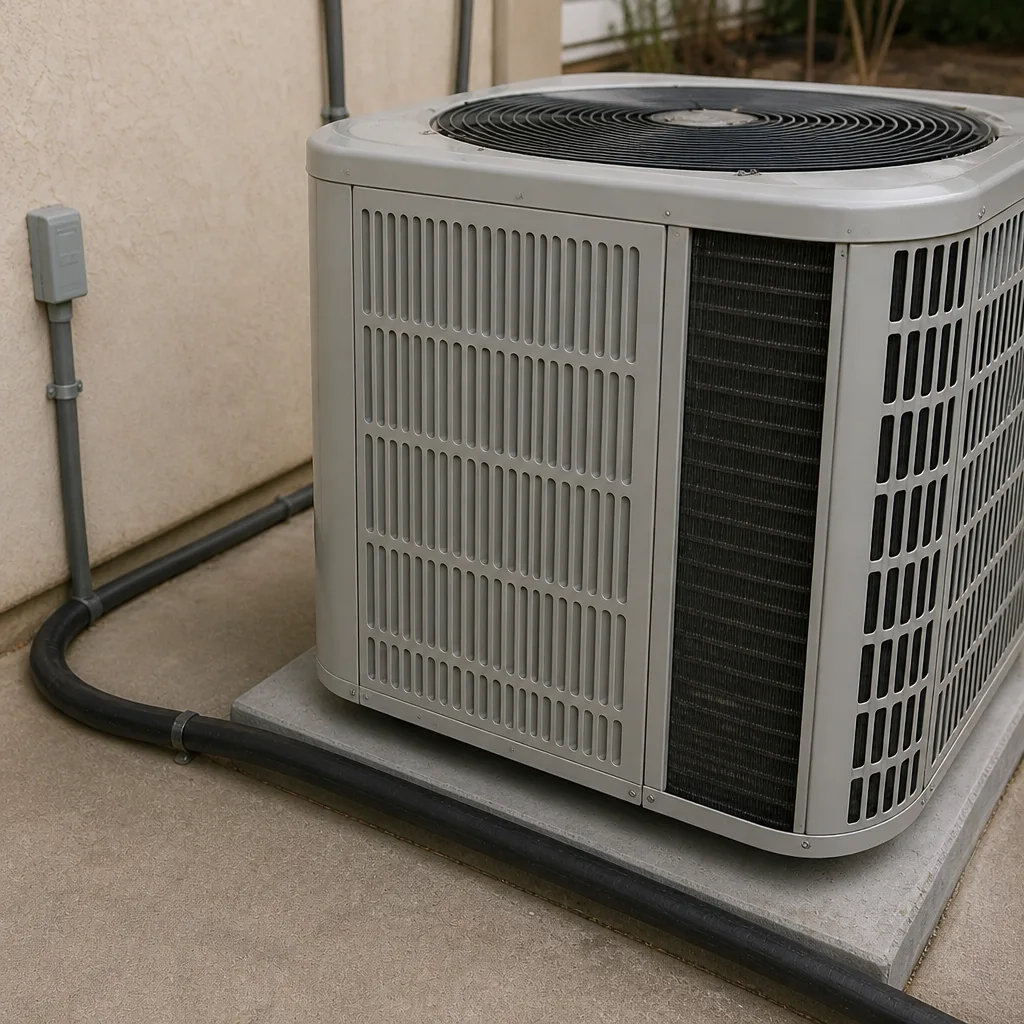
- Clearance from landscaping rock. Spring Valley yards love decorative rock, and it shifts every time it rains or the wind blows. Keep at least two feet clear on all sides and make sure no rock or gravel is piled against the coil grille. Gravel bouncing into a running fan can bend fins and crack the blade.
- Debris around the condenser. After a windstorm, tumbleweeds, palm fronds, and dust drifts can pile up against the unit. Pull them away, then hose down the coil from the inside out with a gentle spray, not a pressure washer.
- Bent fins. The aluminum fins on the outdoor coil bend easily, and once they’re flattened the air can’t pass through. You can straighten them yourself with a fin comb, which is a cheap plastic tool that comes in different tooth pitches matched to the fin spacing. Gently rake the comb through the fins in the direction they were bent, a few rows at a time. If more than a small patch is flattened, that’s a tech job.
If your system is a Carrier, Trane, or Lennox unit, the fin spacing on the outdoor coil varies, and a fin comb sized wrong will do more harm than good. When in doubt, leave it alone and let a pro handle it.
The Condensate Drain Line Everyone Skips
Here’s the maintenance item that causes the most preventable damage in Spring Valley homes. The condensate drain line carries water out of the indoor unit and away from the house. When it clogs, water backs up into the drain pan, overflows, and starts soaking drywall, ceiling tile, and the inside of the wall cavity. Then it grows mold. We’ve seen it happen in a matter of days during a humid monsoon week.
What causes the clog? Mostly algae, sometimes dust that has turned into a sludge, and occasionally insects that nest in the drain outlet. The fix is simple: flush the line with a cup of distilled white vinegar once a month during cooling season, and again just before monsoon season. This is a five-minute job and it costs almost nothing.
What you can’t always do yourself is the deeper flush. If the line is already partially clogged, vinegar won’t cut through it. A tech uses a wet/dry vacuum on the outlet side and a drain brush, plus a drain pan treatment that slows algae growth for months. If you see water stains near the indoor head, standing water in the pan, or a musty smell when the system kicks on, the line is already clogged and it needs professional attention before it does real damage.
While you’re checking the drain, check the indoor unit’s pan for rust or cracks. Older pans can crack from age, and no amount of flushing fixes a pan that leaks. If your system is already over a decade old and the pan is failing, that’s usually the moment to weigh repair against replacement.
What a Real Annual Professional Visit Includes
Not every service visit is equal. A quick filter change and a handshake is not a maintenance visit, and if a contractor finishes in under forty-five minutes on a mini-split or heat pump system, they’re skipping the work that actually matters. Here’s what a proper annual visit should include:
- Filter and intake check, with a note on what condition they were in.
- Full indoor coil and blower cleaning, including removal of the front cover so the coil can be washed properly.
- Condensate drain flush and pan treatment.
- Outdoor coil cleaning and fin comb pass on any bent fins.
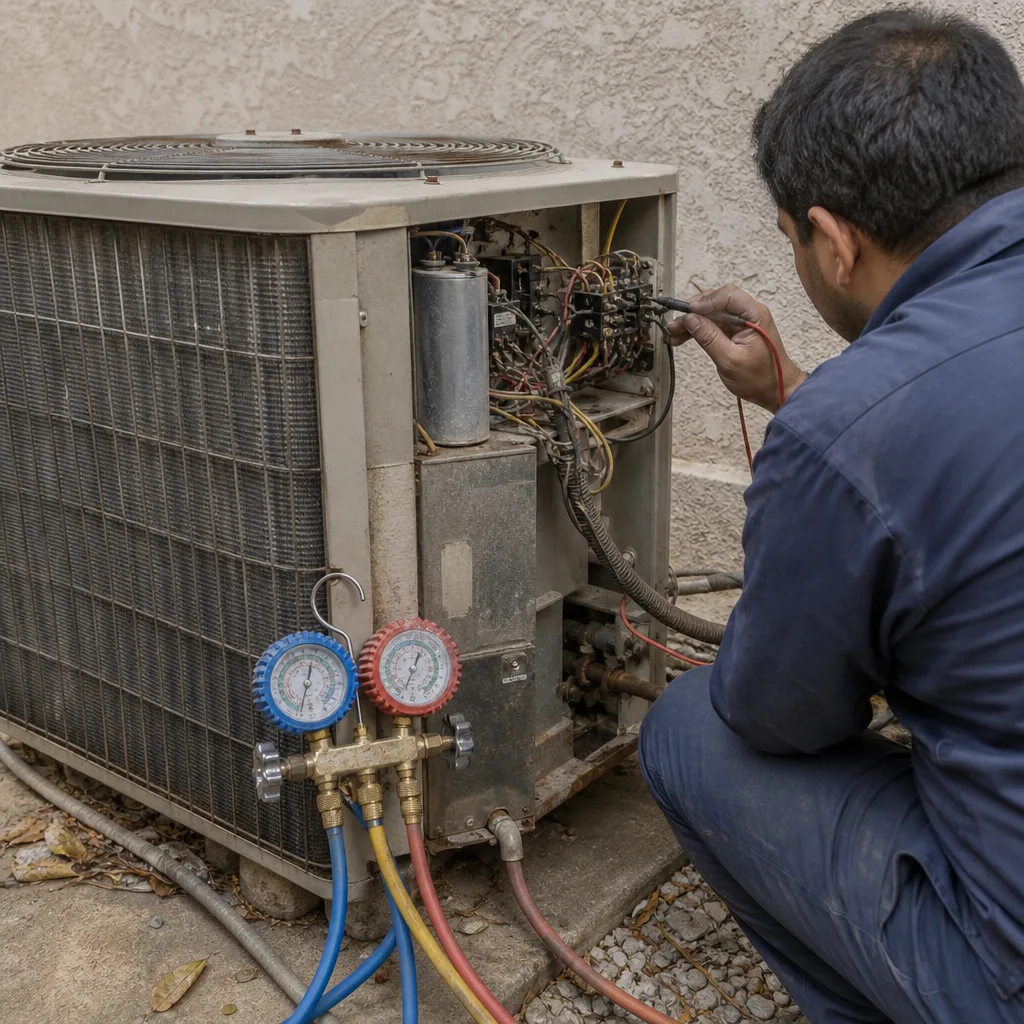
- Electrical check, including capacitor testing and contactor inspection, with the readings written down.
- Refrigerant charge check using superheat or subcooling, not just a pressure reading.
- Full operational test in both heating and cooling modes, with a measured temperature split.
- A written report of what was found, what was done, and what to watch.
In the Spring Valley market, a proper annual service visit runs somewhere in the range of $150 to $250 per system, more if it’s a heat pump that needs both heating and cooling mode testing, or if the indoor head is heavily soiled and needs a full deep clean. Less than that usually means a shortcut. If you’re not sure what your last service actually covered, ask for the readings. A tech who tests the capacitor and writes down the numbers will be happy to show you. That’s how we work: readings first, numbers second, and you see both. For heating-side tasks, our Heating & Furnace in Spring Valley page covers what a heat-mode inspection looks like.
Common Mistakes to Avoid
- Following the manual’s three-month filter interval year round. In Spring Valley, dust season demands every three to four weeks. Wait three months and you’ll be cleaning a clogged blower wheel instead.
- Skipping the condensate drain flush before monsoon. A clogged drain in August turns into ceiling stains and mold inside the wall within days.
- Pressure washing the outdoor coil. A pressure washer bends fins flat and can drive water into the electrical compartment. Use a hose, a gentle spray, and a fin comb.
- Piling gravel or rock against the outdoor pad. It’s a common look in desert landscaping, but rocks bounce into a running fan and bend fins. Keep two feet clear.
- Assuming “low maintenance” means “no maintenance.” Mini-splits need less than a ducted system, not none. A neglected head typically fails at year four, not year ten.
- Accepting a service visit that took 30 minutes. A real inspection takes at least an hour. Ask for the readings and the written report.
- Running the system with a musty smell. A musty smell means biological growth somewhere in the air path. Filters alone won’t fix it; the coil and blower wheel need cleaning.
See the difference
 Before
 After
 Before
 After
 Before
 After
When to Call a Professional
Some things are filter-cleaning jobs. Others need a trained tech with gauges, a vacuum pump, and a fin comb. Call a professional if you see water stains or standing water near the indoor head, if the system ices up on the indoor coil, if you smell burning or musty odors, if the outdoor unit rattles or won’t start, or if the system runs constantly and never reaches setpoint. Any work that involves refrigerant, electrical components, or opening the sealed refrigeration circuit is not a homeowner job, and getting it wrong can cost you the compressor. For those calls, Ray’s Heating & Air Spring Valley offers free estimates in Spring Valley, with a live person answering every call around the clock. Call (833) 620-7288 and we’ll schedule a diagnostic visit.
Frequently Asked Questions
Once a year for a full professional service, plus filter cleaning every three to four weeks during dust season. Spring Valley’s dust load means the annual visit is non-negotiable, and the filter habit is what keeps the system running between visits. Skipping either shortens the system’s life noticeably.
You can wipe the visible face and use a no-rinse coil cleaner on what you can reach, but a proper chemical wash of the full coil and blower wheel requires removing panels. If the head hasn’t been opened in two years or more, book the professional clean. It’s the fastest way to restore lost efficiency.
Musty smell almost always means biological growth on the coil or blower wheel, usually fed by a clogged or slow-draining condensate line. Flush the drain line with vinegar first. If the smell stays, the coil and blower need a professional clean, and it’s worth doing before monsoon humidity makes it worse.
Expect roughly $150 to $250 per system for a full annual service, more for a heat pump that needs both heating and cooling mode tests or for a deep indoor clean. Call (833) 620-7288 for an exact quote, and ask for the readings and a written report so you know what was actually checked.
Look at the fins through the grille. If they’re dull or clogged with dust, they need cleaning. After a dust storm, assume they do. Rinse from the inside out with a hose, never a pressure washer, and rake any bent fins straight with a properly sized fin comb.
It’s lower maintenance than a full ducted system, but “low” isn’t “none,” and desert dust changes the math. In Spring Valley, a mini-split that gets filters cleaned every three to four weeks and an annual service typically lasts well past a decade. One that gets the Seattle schedule fails much sooner.
The Bottom Line
Mini-splits and heat pumps work well in Spring Valley, but only if the maintenance schedule matches the climate. Clean filters every three to four weeks during dust season, flush the condensate drain monthly in cooling season, clear the outdoor unit after every wind event, and book one real professional service per year in spring or fall. The March / July / September / November cycle above is the one we give every homeowner here. None of it is hard. All of it is cheaper than a failed compressor. If you want a second set of eyes on your system, we’re happy to take a look. Visit our Ray’s Heating & Air Spring Valley home page for everything we do in the area, then call (833) 620-7288 for a free estimate.
Written by the team at Ray’s Heating & Air Spring Valley.