
Last updated November 18, 2026
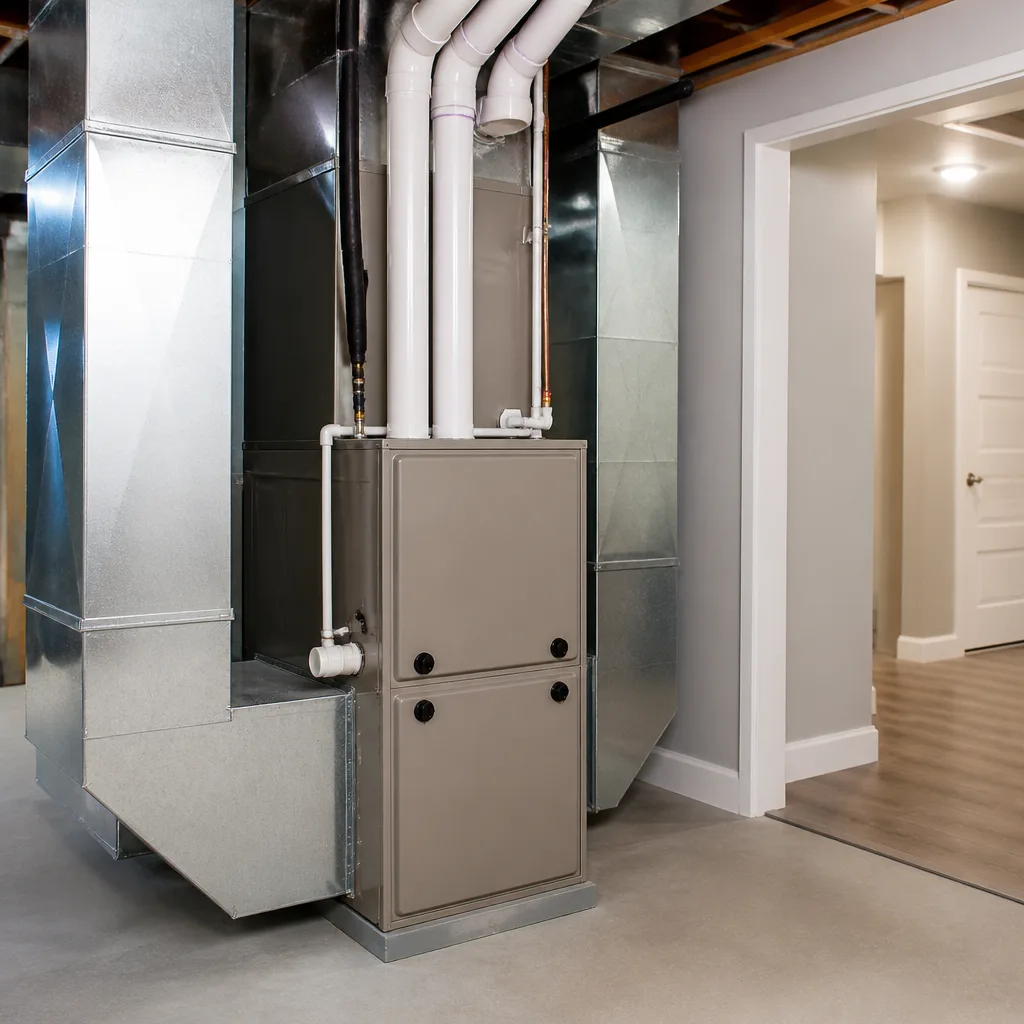 Furnace & heating
 AC repair
 Heat pumps
 Ductless mini splits
 Carrier
 Trane
 Goodman
Seasonal tune-up and full diagnostic on your Carrier, Trane, or Goodman system - readings shown to you before any repair is proposed
Diagnosis first, numbers second - you approve the repair price before a single part goes in.
Get your free estimateHeating & Furnace Maintenance Schedule: What to Do and When
If you schedule furnace maintenance in November in Las Vegas, you’re scheduling it at the same time as 40,000 other homeowners who all had the same idea when the first cold morning hit. The tech who shows up is booked solid and working fast. Schedule in September and you get the unhurried version. That gap – booked solid versus unhurried – is the whole reason this guide is built as a countdown instead of a yearly checklist. We’ve watched Spring Valley homeowners get squeezed into the first two weeks of December for years, and the systems that fail are usually the ones that waited. What follows is a September-through-March calendar, worked backwards from December 1st, so your furnace is ready two weeks before the cold snaps arrive instead of on the same day everyone else remembers to call.
Quick Answer
A furnace in Spring Valley should be professionally serviced in September or early October, before the November rush, then checked again in January at mid-season. Between those visits, homeowners should replace filters monthly during heating season, test carbon monoxide detectors in October, and clear the area around the furnace before any technician arrives. The countdown below stages every task so the system is fully ready by mid-November – two weeks before the first hard cold of the Las Vegas valley.
Styles & brands we work with
- AC repair
- Furnace & heating
- Heat pumps
- Ductless mini splits
- Carrier
- Trane
- Goodman
Table of Contents
- The September-to-March Countdown, Month by Month
- What to Do Before the Technician Arrives
- Parts That Degrade From Desert Heat in the Off-Season
- Testing Carbon Monoxide Detectors and Placing Them Right
- A Real Tune-Up vs. an Inspection That’s a Sales Visit
- Questions to Ask Before You Book
- Common Mistakes to Avoid
- Frequently Asked Questions
The September-to-March Countdown, Month by Month
Most furnace schedules say “annual service.” That word hides everything that matters. In the Las Vegas valley, a furnace sits idle for eight or nine months in 100-degree-plus heat, and the wear that happens during that idle stretch is real. So the countdown is about staging tasks so nothing gets skipped, and so the system is genuinely ready before the cold arrives. Here’s how we break it down for Spring Valley homes.
- September – book the professional tune-up. Call early, get on the schedule before the November wave. If your system is a Rheem or a York, note the model so the tech can bring the right parts. September visits get the full hour, not a 20-minute scan.
- October – carbon monoxide detector test and filter swap. Test every CO detector, replace the batteries, and change the furnace filter. Walk the exterior flue and vent terminations to make sure nothing nests in them (more on that below).
- October – do a first-run test. Turn the heat on for 10 minutes on a mild evening. Listen for odd noises, check that warm air reaches the farthest register, and note anything that smells off. Write it down before you forget.
- November – clear the area and stage the second filter. A furnace needs breathing room. Pull stored boxes, paint cans, holiday decor – anything within three feet of the unit. Buy the next filter now so you aren’t digging for one in January.
- December – first hard cold, watch for symptoms. No heat, short cycling, a smell you can’t identify: call. Reacting in December is fine if it’s small. Reacting in December to a system you’ve neglected since last winter is where the real money goes.
- January – mid-season check and filter change. The second filter change of the heating season. Glance at the flame if you have a window on the burner compartment; a healthy flame is steady and mostly blue, not lazy and yellow.
- February – listen for changes. Rattles, rumble on startup, a whoosh you didn’t hear in December. These are the sounds the desert heat leaves behind, and early catch is cheap.
- March – last filter change and off-season prep. Another filter swap, and a decision: do you want an early spring service to catch anything before the AC takes over? In Spring Valley, that transition happens fast.
Eight steps over seven months. None of them are hard. The point is that none of them happen on the same day as everyone else’s.
What to Do Before the Technician Arrives
A furnace tune-up is billed at labor rates. Replacing a filter is not labor-rate work. Neither is moving a box. If you handle the simple stuff before the technician pulls into the driveway, the professional hour is spent on the parts that actually need a trained eye. We’ve seen plenty of homes in Spring Valley where the first 15 minutes of a paid visit went to clearing clutter and swapping a filter – that’s money for a five-minute chore.
Before a scheduled tune-up, do this yourself:
- Replace the filter. Note the size on the old one – most Spring Valley homes run a 16x25x1 or 20x25x1, but check yours. Buy two so the February swap is already on hand.
- Clear three feet around the furnace. Boxes, holiday bins, brooms, the shop vac. If the unit sits behind a wall of stored stuff, the tech can’t safely see the flue, the gas line, or the burner compartment.
- Vacuum the return grille. Dust and pet hair collect on the intake side and throttle airflow. A quick pass with the brush attachment every few weeks helps more than people expect.
- Write down the symptoms. “It takes a while to warm up” is vague. “It runs for 20 minutes before the vent feels warm” is a useful clue. Note the dates and times the system acted up.
- Have the model and serial number ready. A photo of the data plate on the furnace door saves the tech from crawling around to read it. Rheem, Bryant, and Daikin tags can be tucked in odd spots.
- Note the thermostat setting and schedule. If you’ve programmed a setback for the workday and it never seems to reach temperature by the time you’re home, say so. That’s a diagnostic, not an inconvenience.
Do those six things and the professional hour is spent on burners, blowers, the heat exchanger, and actual readings – not the chores. If you own a heat pump in Spring Valley rather than a gas furnace, the prep list is similar, though the mid-season task list changes: see heat pump and mini-split service in Spring Valley for that side of things.
Parts That Degrade From Desert Heat in the Off-Season
“It worked fine last year” is the most expensive sentence in the HVAC business. In Spring Valley, a furnace sits unused through a summer that regularly hits 110 degrees, and a few specific components take the brunt of it. These are the parts worth looking at in September even if the system ran perfectly last February.
- The blower motor and its capacitor. Belts and bushings dry out in low-humidity heat, and capacitors drift out of spec. We test the capacitor before anyone says the word compressor – same principle on the blower side. A tired capacitor looks fine until the motor tries to start cold.
- Rubber and plastic components. Hoses, gaskets, vent seals, and the small rubber dampers on the inducer. Desert heat cooks rubber. Cracked vent seals are a carbon monoxide concern, not a nuisance.
- The condensate line and drain pan. Even on a furnace, the high-efficiency models run condensate in winter – but the line sat dry and full of dust all summer. A plugged line on the first cold morning turns into a shutdown.
- The heat exchanger. This is the safety item. Cracks and micro-fissures don’t always announce themselves, and a cracked exchanger leaks exhaust into the supply air. Any tech worth the money inspects the exchanger with a camera or mirror and tells you what they saw.
- The igniter and flame sensor. Both sit in the burner compartment and both go through thermal cycling. An igniter that survived last year can still be brittle. The flame sensor collects a thin carbon film over the summer and often just needs cleaning – no parts, no charge if it’s caught early.
- The exterior flue and vent termination. Desert wind carries dust and debris into vent caps and chimney screens. Birds and wasps love a warm vent. A blocked flue is a serious safety issue, and it happens more than people think in rural and exurban Spring Valley properties.
We’ve also seen gas valves and blower door gaskets that dried out over a summer of ambient attic heat – especially on older units. If the system is more than 15 years old, the September visit is worth a hard look at whether it’s a keeper or a candidate. That conversation is a lot easier in September than in December.
Testing Carbon Monoxide Detectors and Placing Them Right
Every furnace startup in a forced-air home should include a carbon monoxide ritual, and it should be walked through before the first cold snap, not after. A gas furnace produces carbon monoxide as a byproduct of combustion, and the flue takes it outside – unless the flue is blocked, the heat exchanger has failed, or the vent has pulled apart at a joint. Any of those, and CO comes into the house instead. The detectors are the only thing that catches it before symptoms do.
How to test the detectors
- Press and hold the test button on each detector until the alarm sounds. That verifies the sensor and the alarm – not just the battery.
- Replace the batteries in every detector at the October visit. Don’t wait for the chirp. Once a year, same weekend as the first filter swap.
- Check the manufacture date on the back of each detector. Most CO detectors are good for 5-10 years from the date stamped on the unit. If it’s past that, replace the whole detector, not just the battery.
- Clear dust from the sensor openings with a soft brush or the vacuum brush attachment. Dust in the sensor is a common cause of false alarms and missed readings.
- Do the test with the furnace running, so you’re testing under realistic conditions rather than on a quiet summer afternoon.
Where to place them in a forced-air home
Placement matters as much as function. A CO detector on the ceiling near the ceiling fan is not doing what you think. For a forced-air house in Spring Valley:
- One on every sleeping floor, ideally in the hallway outside the bedrooms. If your house is a single story and the bedrooms cluster on one side, that’s the location.
- One near the furnace closet or utility room. If the furnace shares space with a water heater or a washer-dryer, all the more reason. CO from any gas appliance settles in the same room.
- Knee height or lower. CO is roughly the same density as air, so it mixes. But it typically stays near the height of the appliance that produces it, and detectors placed near the floor catch a leak faster than a unit near the ceiling.
- Not directly above the furnace flue. That spot catches normal trace exhaust on startup and trips false alarms. Two to three feet away is a better call.
- Not in a garage. Vehicles produce CO and the detector won’t protect your house from that. Kitchen and bathroom humidity also cuts sensor life; keep detectors out of those rooms.
If a detector goes off and you’re not sure why, get everyone out of the house, call the fire department from outside, and don’t run the furnace until someone’s had eyes on it. That’s not a tune-up call – that’s an emergency. On the gas side of the house: see heating and furnace service in Spring Valley.
A Real Tune-Up vs. an Inspection That’s a Sales Visit
A tune-up and an inspection can cost the same and do completely different things. The gap matters to a Spring Valley homeowner who’s already been burned by an outfit that quoted one number on the phone and another at the door. A real tune-up is a set of measurements and cleanings. A sales visit is a scroll-through with a pitch at the end. The trick is knowing which one you booked, before the van pulls in.
What a legitimate tune-up includes
- Combustion readings at the flue: CO, oxygen, and temperature. Numbers on a printout, not “looks fine.”
- Gas pressure check at the manifold, tested against the manufacturer’s spec for your model.
- Burner inspection and cleaning, including the flame sensor and the igniter.
- Blower wheel and motor check, including the capacitor (tested, not replaced on a guess).
- Heat exchanger inspection with a camera or mirror, called out as good, questionable, or failed – in those words.
- Flue, vent, and drain line inspection, including the exterior termination.
- Filter verification – what’s in there, and what it should be.
- A written report with the readings and what was found. Not a verbal summary in the driveway.
What a sales visit looks like: no tools, no readings, a clipboard, and a recommendation that you replace the system before it “fails.” A capacitor gets called a compressor. A dirty sensor gets called a bad control board. If the first thing a tech says is that you need a new furnace, ask to see the readings. A number tells you something. A vibe does not.
Questions to Ask Before You Book
Before a Spring Valley homeowner hands their furnace schedule to any company, four questions will tell you most of what you need to know. Ask them on the phone. The answers matter more than the price.
- “What tests will the tech actually run, and will I get a written copy?” A company that can list the combustion readings, gas pressure, and heat exchanger check without stumbling is a company that runs them. “Full inspection” without specifics is a non-answer.
- “Is the price fixed, or does it depend on what the tech finds?” Upfront pricing is a real thing, but so is a price that expands after a filter swap. The job should have a published rate, not a ladder.
- “Who is coming, and will it be the same person next time?” Continuity is underrated. A tech who has seen your Rheem or your Bryant before knows its quirks. A rotating cast doesn’t.
- “If you find something, what’s the process from there?” Some companies hand you a quote on the spot. Others let you get a second opinion. The right answer for a cautious homeowner is one where you’re not being pushed to decide on the spot with the tech standing in your kitchen.
No honest answer to any of those four gets you the runaround. It’s also how you avoid paying for a visit that turns out to be a sales call in a technician’s shirt. If it helps, our AC repair and installation page for Spring Valley describes the same readings-first approach for the cooling side – the standard shouldn’t change between seasons.
Common Mistakes to Avoid
- Waiting until November to schedule. You end up with a technician who is on their eleventh call of the day. The Spring Valley furnace that needs the most time gets the least.
- Treating the filter as optional. A clogged filter starves the blower and drives up temperature rise. In a dusty Spring Valley summer, “check the filter” turns into “replace the filter” more often than people expect.
- Skipping the CO detector test. The detector is the safety net. If it’s dead or out of date, the only warning is the symptom – and the symptom is a headache you’ll blame on something else.
- Calling the exterior vent cap “fine” without looking. Screens, nests, and debris are common in rural and exurban Spring Valley properties. Blocked vents are a carbon monoxide issue, not a cosmetic one.
- Letting a “free inspection” that’s actually a sales visit pass for a tune-up. Ask the four questions. Ask for readings. If the tech can’t produce a number, you’ve been sold a visit, not a service.
- Trusting “it worked fine last year” for a system over 15 years old. A furnace that ran last February can still be one cold night from a shutdown. Old units deserve a real look, not a wave.
- Doing the filter and clutter yourself, except when you forget. Paying a labor rate for a five-minute chore is the easiest mistake to avoid. Handle it before the tech arrives.
See the difference
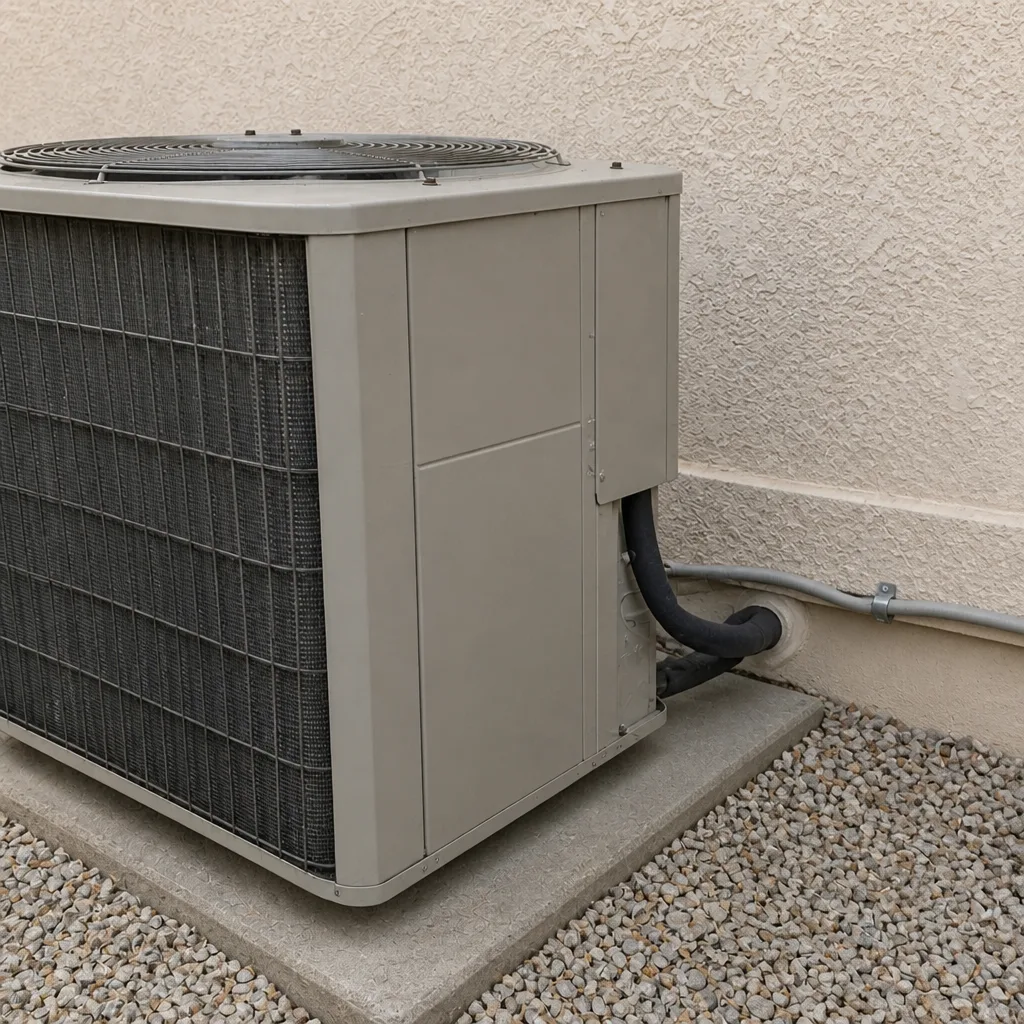
 Before
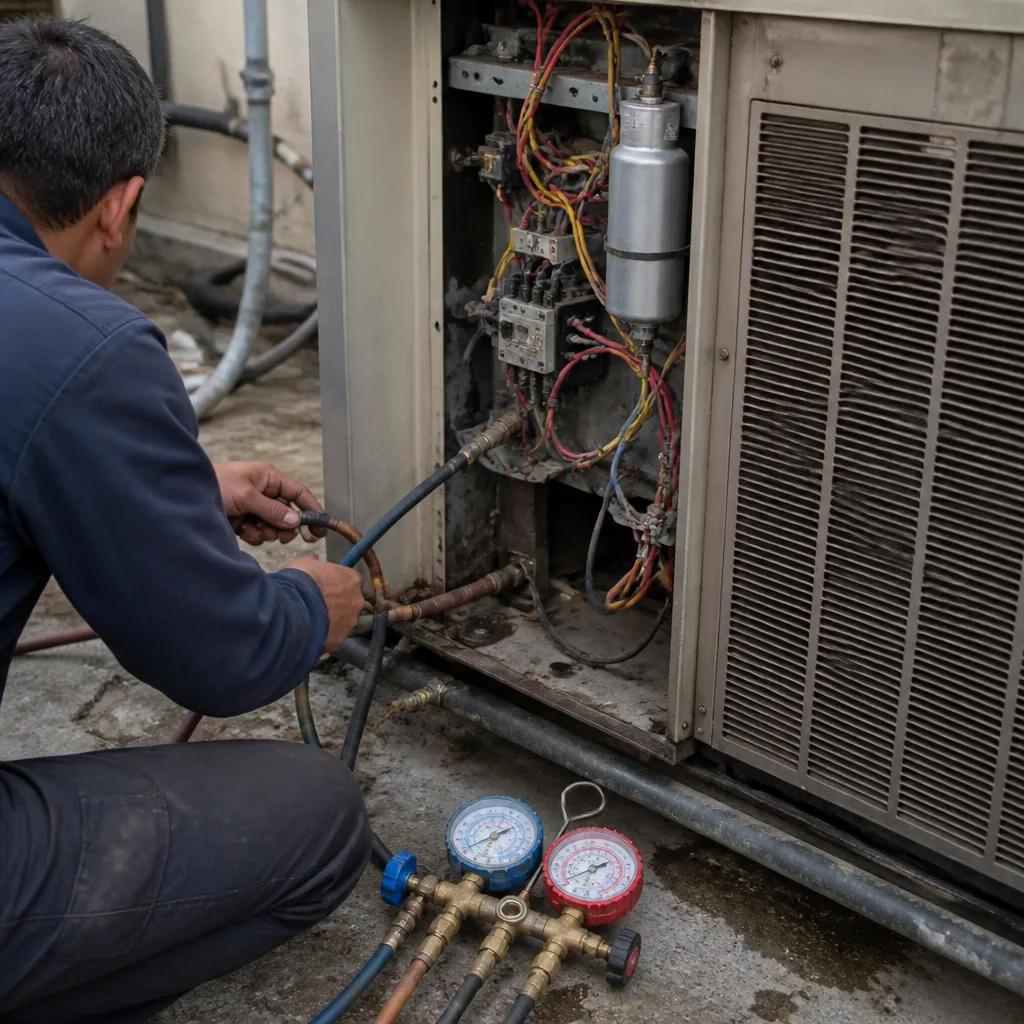
 After
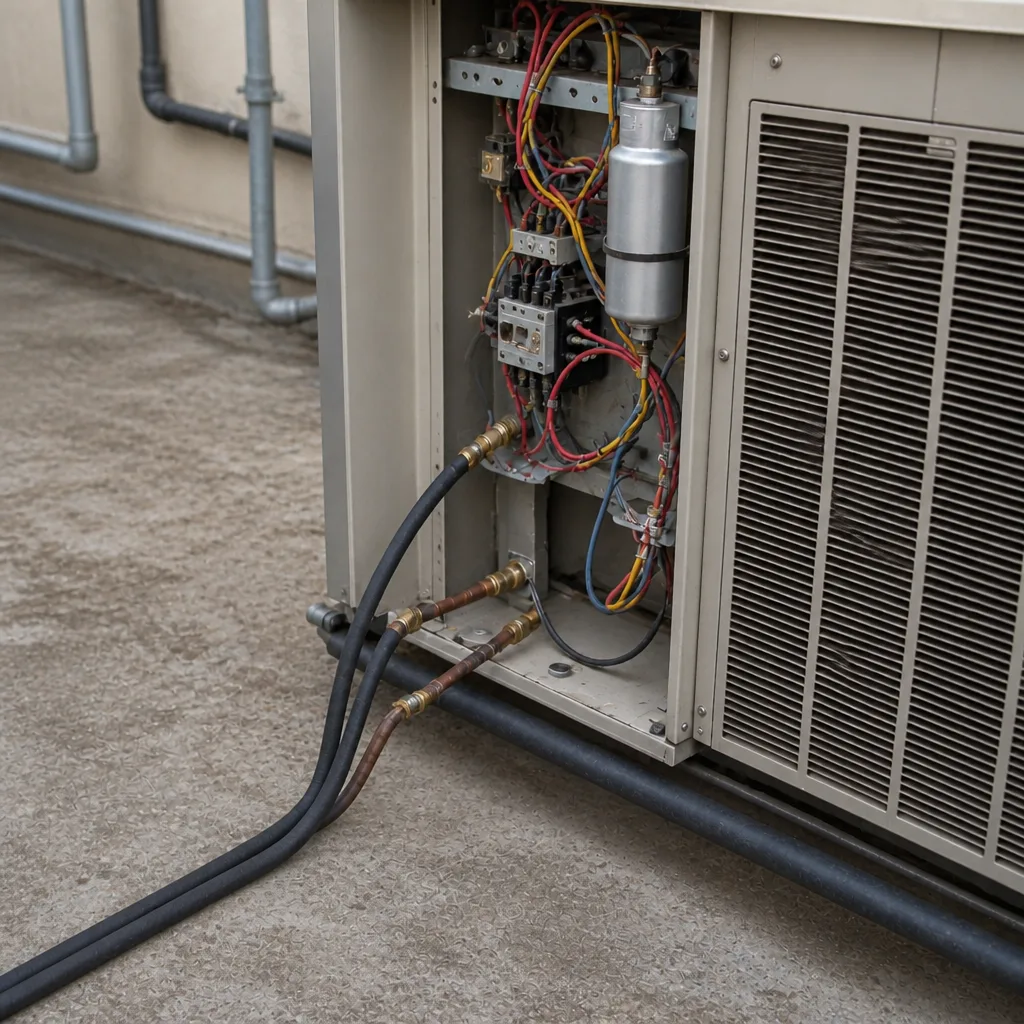
 Before
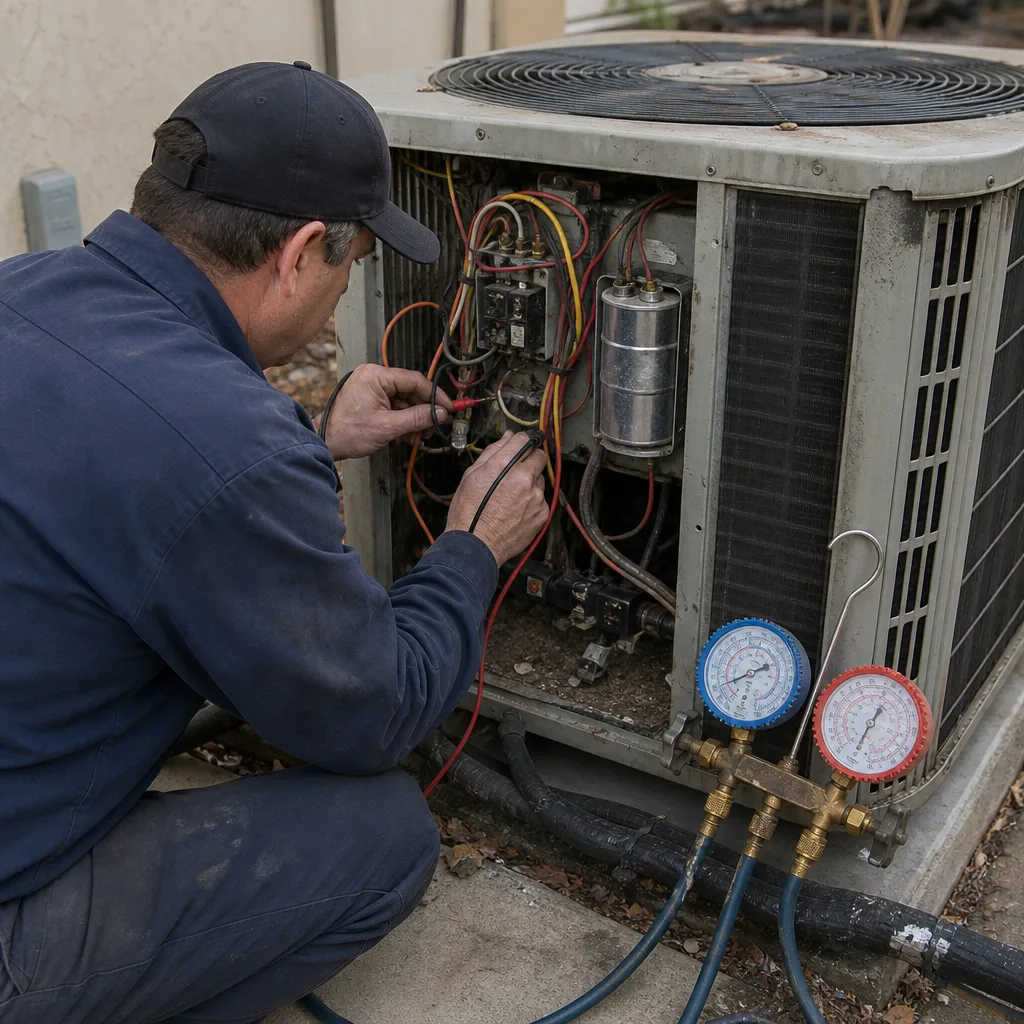
 After
 Before
 After
When to Call a Professional
Some jobs are maintenance. Some are emergencies. Calling a professional is the right move when: the CO detector goes off; you smell gas near the furnace; the system shuts off mid-cycle and won’t restart; the blower runs but no warm air reaches the farther registers; the flame looks lazy and mostly yellow; or you see soot on the burner compartment or the wall around the flue. Those last two especially – those are not tune-up items. Gas-related symptoms in a forced-air furnace deserve a trained eye immediately, and no homeowner should be opening the burner compartment to investigate on their own. The furnace is a gas appliance with a heat exchanger and a flue, and a misdiagnosed issue there can be dangerous.
If you’re not in an emergency but you’re behind on the countdown, or you simply don’t know the last time the system had a real tune-up, a scheduled visit covers it. Ray’s Heating & Air Spring Valley offers free estimates in Spring Valley – call (833) 620-7288. Homeowners here get a live person on the phone, at any hour, and the same name on the job when the visit is done.
Frequently Asked Questions
Once a year is the minimum, and in the Las Vegas valley we recommend a September service plus a January mid-season check. The September visit handles the off-season degradation; the January check catches anything that showed up after the first cold spells. If you want the full picture of what happens on the heating side, our heating and furnace service page for Spring Valley walks through it. Call (833) 620-7288 for a free estimate.
Yes, and by a wide margin. A scheduled September tune-up is billed at the published rate with no after-hours premium. A December emergency call on a system that’s failed – especially during a cold snap – costs more, and often comes with a repair on top. The countdown exists to keep you on the cheap side of that split.
Replace the filter, clear three feet around the unit, vacuum the return grille, and write down the symptoms. If you can, take a photo of the model and serial plate on the furnace door so the tech knows what they’re dealing with before they arrive. Do not open the burner compartment or the gas valve on your own – those are professional territory.
Yes. A detector that doesn’t sound when the test button is held is a detector you can’t count on. Replace batteries annually, test every unit, dust the sensors, and replace any detector older than its manufacturer’s lifespan – usually 5-10 years from the manufacture date stamped on the back. Placement matters as much as function: every sleeping floor, near the furnace, not directly above the flue.
Ask what tests will be run and whether you’ll get a written report. Ask if the price is fixed. Ask if the same tech will come back next year. A real tune-up comes with combustion readings, gas pressure numbers, and a heat exchanger inspection, on paper. A sales visit comes with a clipboard and a replacement quote. The four questions in this guide will separate the two on the phone.
Yes, and especially if the system is over 15 years old. “Worked fine last year” is the sentence we hear most often right before we find a cracked heat exchanger or a dried-out capacitor. Desert heat degrades rubber, seals, and capacitors whether the system runs or not. The September visit is how you find out what last winter’s run couldn’t tell you.
The Bottom Line
The Spring Valley furnace schedule works backwards from December 1st, not forwards from “sometime this fall.” September tune-up, October detector test and first filter, November prep for the cold, January mid-season check, March prep for the AC. Do the simple stuff yourself, ask the four questions before you book, and treat the carbon monoxide detectors as part of the startup ritual, not an afterthought. The furnace will be ready by mid-November, two weeks before it has to be. That’s the whole game. If you’d rather have someone walk through the countdown with you, our team at Ray’s Heating & Air Spring Valley will. Call (833) 620-7288 for a free estimate.
Written by the team at Ray’s Heating & Air Spring Valley.