
Last updated November 18, 2026
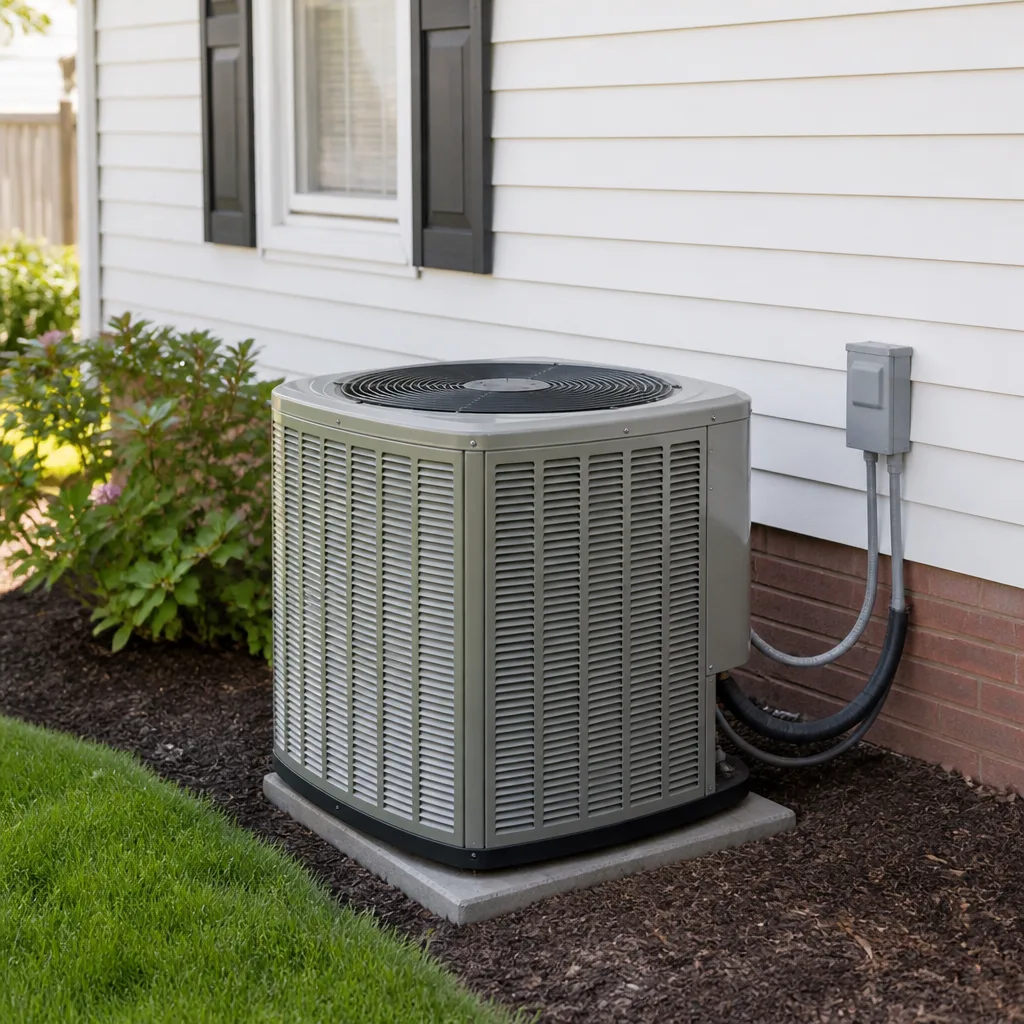 AC repair
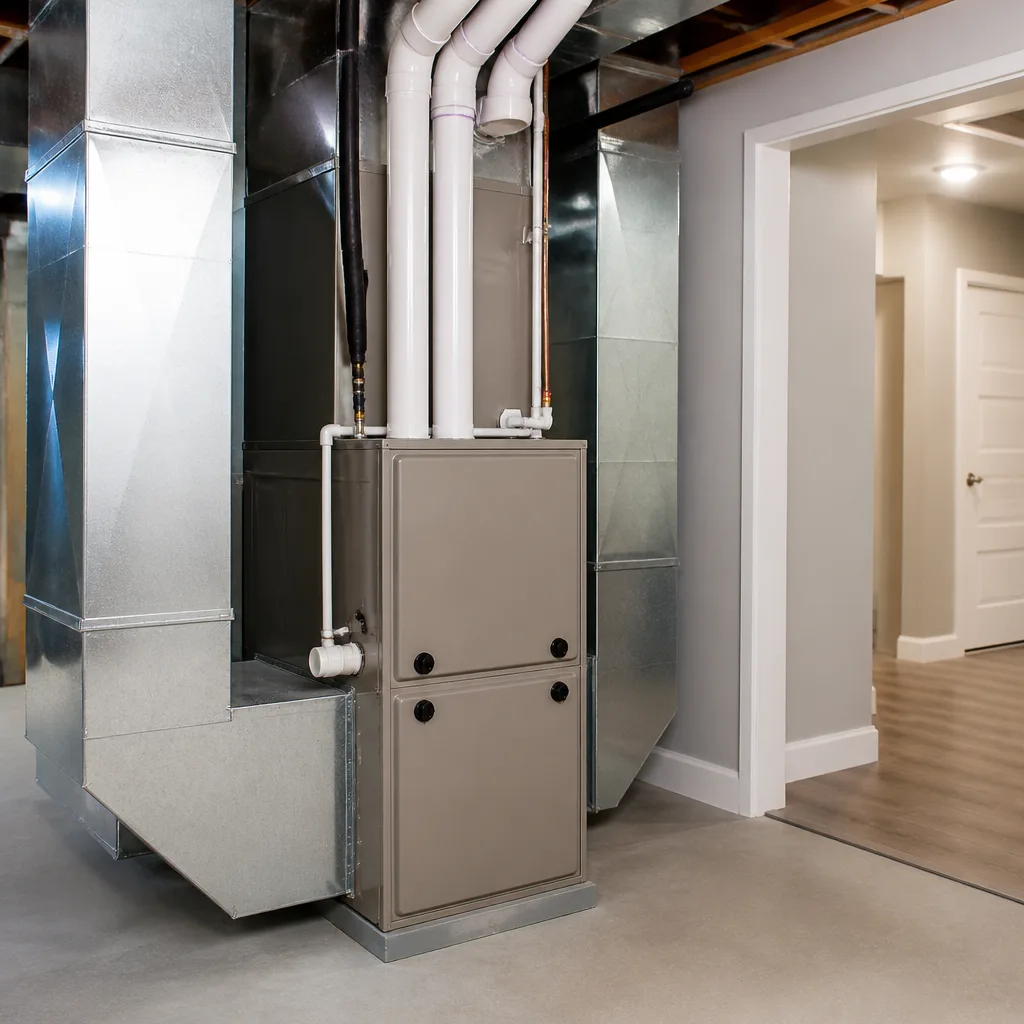 Furnace & heating
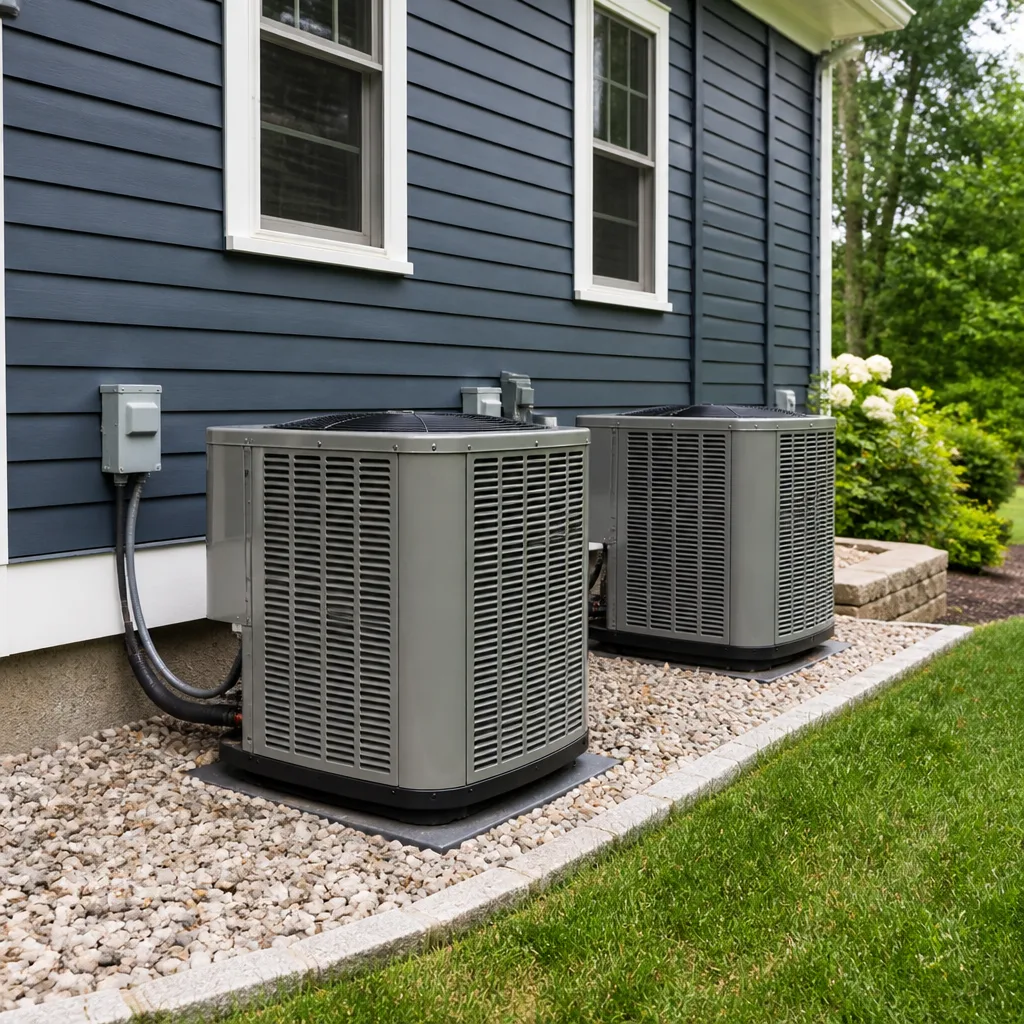 Heat pumps
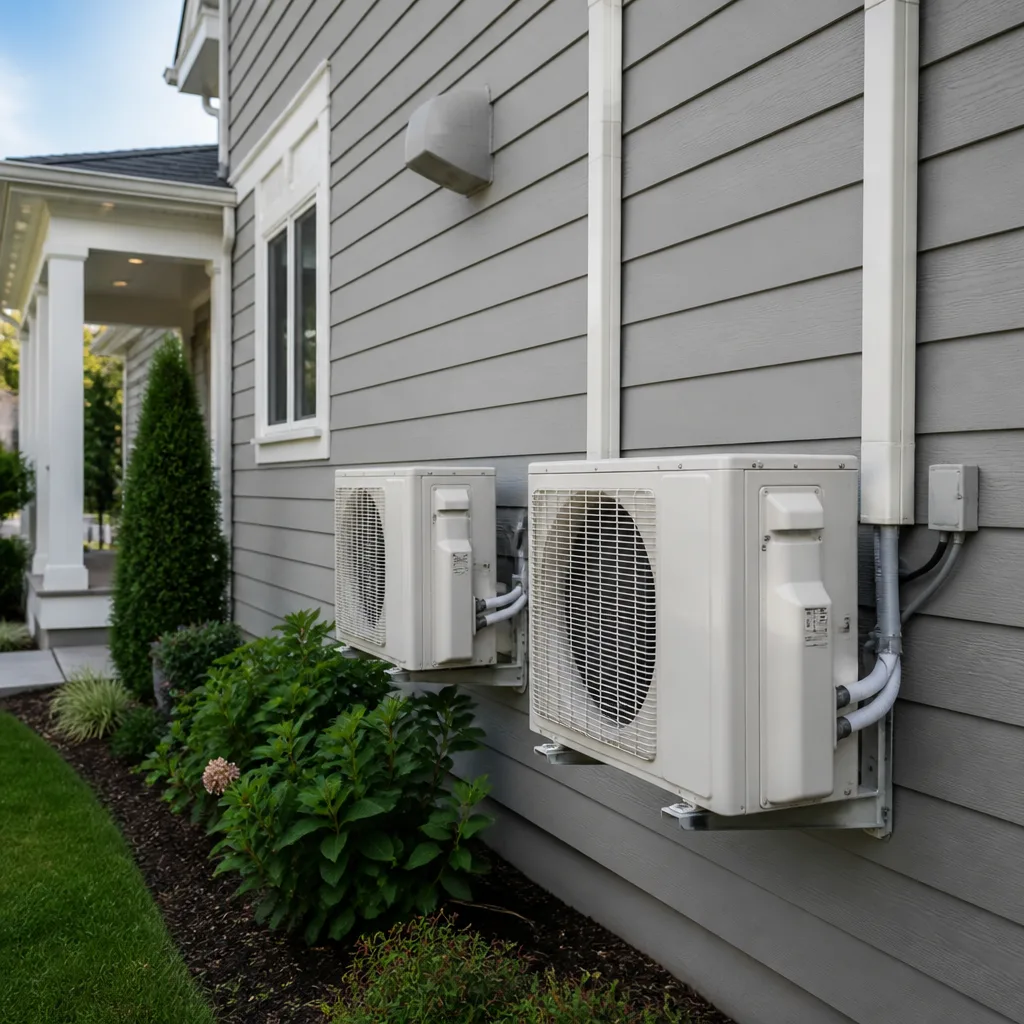 Ductless mini splits
 Carrier
 Trane
 Goodman
Seasonal tune-up and full diagnostic on your Carrier, Trane, or Goodman system - readings shown to you before any repair is proposed
Diagnosis first, numbers second - you approve the repair price before a single part goes in.
Get your free estimateHVAC Permits, Codes & Inspections in NV: What You Need to Know
Real estate agents around Spring Valley will tell you it happens at least once a month: a home sale falls apart because an air conditioner was swapped out three years earlier without a permit, and now the buyer’s lender won’t close. Clark County doesn’t send a letter. It doesn’t knock on the door. You find out at the worst possible moment, usually at the closing table, when the title company runs the permit history and finds nothing on record for a job that clearly required it. This guide walks through exactly which HVAC jobs in Clark County legally need a permit, which are maintenance-only exceptions, how to look up whether a past contractor pulled one on your house, what an unpermitted install does to an insurance claim if the system causes a fire or flood, how inspections work here, and what it actually takes to fix work that was done wrong. If you live in Spring Valley and you’ve ever wondered whether the last person who touched your system did it by the book, this is the page for you.
Quick Answer
In Clark County, any HVAC work that changes the system itself (a full replacement, a new install, a refrigerant or electrical alteration, a new circuit, or a duct system change) requires a permit and inspection. Routine maintenance, filter swaps, thermostat battery changes, and cleaning don’t. If a prior contractor skipped the permit, you can retroactively permit the work through Clark County Development Services, but it usually requires a site inspection and can cost a few hundred dollars depending on the scope, and an unpermitted system can complicate a homeowner’s insurance claim and stall a home sale.
Styles & brands we work with
- AC repair
- Furnace & heating
- Heat pumps
- Ductless mini splits
- Carrier
- Trane
- Goodman
Table of Contents
- Which HVAC Jobs in Clark County Legally Require a Permit?
- What Doesn’t Need a Permit: The Maintenance-Only Exceptions
- How to Check If a Contractor Pulled a Permit on Your House
- What an Unpermitted HVAC Install Does to an Insurance Claim
- The Inspection Timeline in Clark County and What a Fail Means
- How to Retroactively Permit Work a Previous Contractor Did
- What Retroactive Permitting Costs in Clark County
- Common Mistakes to Avoid
Which HVAC Jobs in Clark County Legally Require a Permit?
The short version: if the work touches the mechanical system, the electrical circuit feeding it, or the refrigerant loop, it needs a permit. Clark County follows the 2018 International Mechanical Code (IMC) and the 2017 National Electrical Code (NEC) as adopted through the Southern Nevada building code cycle, and both treat HVAC as a permitted trade. Clark County Development Services issues the permit, and a county inspector signs off before the meter counts as a finished job.
Here’s what typically triggers a permit in Spring Valley and the rest of unincorporated Clark County:
- Full system replacement (condenser, air handler, coil, or the whole matched set) – always.
- New construction or a new system install where there wasn’t one before – always, and usually includes a load calculation.
- Adding a mini-split head or a new zone to an existing system – yes, both mechanical and electrical.
- Running a new dedicated 240V circuit for a heat pump or condenser – electrical permit required.
- Duct system replacement or significant rework (adding, removing, or resizing trunk lines and registers) – yes.
- Changing refrigerant type from R-22 to R-410A or R-454B, including a new coil – yes.
- Relocating the condenser or air handler – yes.
The one that catches Spring Valley homeowners most often is the “same size, same spot” swap. A contractor tells you it’s a like-for-like replacement so no permit is needed. That’s wrong. A 3-ton to 3-ton condenser replacement is still a mechanical permit. Full stop.
If you’re planning a replacement and want to understand how a permitted job differs from a handyman special, our AC Repair & Installation in Spring Valley page is the place to start.
What Doesn’t Need a Permit: The Maintenance-Only Exceptions
Not every visit requires a permit, and a contractor who tells you otherwise is selling you paperwork. The county doesn’t want to see a permit for every filter change, and neither does anyone else. These are the routine items that fall under maintenance, not construction:
- Changing filters, belts, or a blower motor of the exact same make and model (no electrical alteration).
- Cleaning coils, condensate lines, and drain pans.
- Replacing a failed capacitor, contactor, or igniter with the same spec part.
- Replacing a thermostat with a wire-for-wire compatible model (no new wiring).
- Recharging refrigerant to the manufacturer’s spec after a leak repair (the repair itself may still trigger, the recharge alone doesn’t).
- Seasonal tune-ups and safety inspections.
Here’s where Spring Valley gets specific: summer highs regularly run past 110°F, and systems work harder here than in almost anywhere else in the country. That means parts fail more often than the national average, and people call somebody out to fix them fast. Fast is good. Fast and unpermitted is not. Anything a tech touches that involves a new part number, a new wire, or a new component on the refrigerant loop crosses the line from maintenance into permitted work.
If you’re not sure whether the job on your list is a repair or a permit job, our Ray’s Heating & Air Spring Valley home page lists the specific services we run and which ones come with a county permit pulled as part of the job.
How to Check If a Contractor Pulled a Permit on Your House
You can find out in about ten minutes, and it’s free. Clark County Development Services maintains a public permit portal (Accela) that lets anyone search by address. You don’t need to be the owner. You don’t need a contractor license. You just need the address and a few minutes.
Here’s the step-by-step:
- Go to the Clark County Development Services online permit portal. Search “Clark County Nevada building permit search” and click the Accela link on the county site.
- Search by address, not by contractor name. Contractor names change, DBA filings change, and a business that pulled permits under one name may be dissolved. The address is what gets recorded.
- Look at the permit type and status. You’re looking for anything labeled “Mechanical,” “HVAC,” or “Residential – Mechanical.” Status should read “Finaled” or “Closed.” “Issued” or “Open” means the permit exists but was never signed off.
- Pull the inspection history. A permit that shows a final inspection date with a “Pass” is a clean job. No inspections logged means the work happened but was never verified.
- Download or print the record. If you’re selling the home, keep this. If you’re buying, request it before close of escrow.
What you’ll find in Spring Valley is often one of three outcomes: a clean permit with inspections, no permit at all on a system that clearly needed one, or a permit that was pulled but never finalized. That third case is common and quietly dangerous, because it looks like a permit at a glance but a title company will flag it like an open permit, which can hold up a sale.
We’ve walked dozens of Spring Valley homeowners through this lookup after a rough experience with another outfit. If the records come back cleaner than you expected, great. If they don’t, our Heating & Furnace in Spring Valley team can tell you exactly what the county will want before you list the house.
What an Unpermitted HVAC Install Does to an Insurance Claim
Here’s the part most homeowners don’t learn until it’s too late. Your homeowner’s insurance policy almost always contains a clause requiring that work on the dwelling be performed by licensed, permitted contractors. If an HVAC system installed without a permit is later implicated in a claim (a fire at the air handler, a water loss from a condensate line the county never inspected, a carbon monoxide incident from a furnace that was never signed off) the insurer has grounds to deny or reduce the claim. Not every claim. Not every insurer. But the clause exists, and it’s used.
This is why we say “read the fine print” and mean it. A few things worth knowing:
- Fire claims at the air handler or electrical disconnect are the most commonly denied, because investigators will pull the permit history as part of the origin and cause report.
- Water damage from a condensate pan or line the county never saw can be denied under the same exclusion.
- Subrogation is where it gets worse: if your insurer pays a neighbor for damage caused by your unpermitted system and later discovers the permit gap, they can pursue you personally for what they paid out.
- Coverage caps and premium hikes can follow a claim of any size when a permit gap is found, especially in Clark County where the loss history is closely tracked.
If you bought a Spring Valley home in the last ten years, there’s a real chance the previous owner’s HVAC work was never permitted. The 2010s saw a wave of investor-flipped homes across Spring Valley, Enterprise, and the southwest valley generally, and flipped homes are where we see the highest rate of unpermitted HVAC swaps. If the seller’s disclosure said “newer AC” and the permit record is blank, that’s a conversation you want to have with your insurance agent.
The Inspection Timeline in Clark County and What a Fail Means
In Clark County, the permit process usually runs like this: the contractor pulls the mechanical and electrical permits (often the same day for over-the-counter residential work), the rough-in inspection happens before equipment is energized, and the final inspection happens after startup and commissioning. From permit to final, most residential HVAC replacements run three to ten business days depending on inspector availability and whether anything needs a correction. Peak season (May through September here) can push that out another week.
An inspection can fail for reasons that have nothing to do with the equipment. Spring Valley failures we’ve seen come down to:
- No load calculation on file for a change-out (Manual J required on replacements in Clark County).
- Refrigerant line sizing that doesn’t match the manufacturer’s spec for the matched set.
- Condensate overflow switch missing on an attic or secondary drain pan.
- Electrical disconnect not within sight of the condenser, or not properly sized.
- Ductwork not sealed at the plenum or trunk transitions, or flex duct sagging past the county limit.
- Combustion air not verified on a furnace in a tight closet (relevant to Heat Pump & Mini Split in Spring Valley change-outs where a gas furnace stays in place).
A failed inspection isn’t the end of the world, but it stalls the job. The contractor has to correct the item, schedule a re-inspection (usually within three to five business days), and often cover any material cost themselves. A reputable contractor will. We’ve known plenty of truck-and-a-cell-phone operations that won’t, which is why an open or failed permit follows some homeowners for years.
How to Retroactively Permit Work a Previous Contractor Did
Yes, you can pull a permit after the work was already done. Clark County calls this a “permit-after-the-fact” or retroactive permit, and it’s more common than you’d think. The process is straightforward but slower than a standard permit, and it always requires an inspection of the existing work.
- Document the existing system. Photograph the nameplate, the electrical disconnect, the condensate plumbing, the line set, and the equipment model and serial numbers.
- Call Clark County Development Services and ask for the mechanical permit counter. Tell them you have an existing install with no permit on record and you want to file a permit-after-the-fact.
- File the permit application. You’ll need a licensed contractor to sign the application. A homeowner can file in some cases for their own residence, but most counties push this to a licensed tradesman.
- Prepare for an inspection. The inspector will look at the same items as a new install inspection: load calc, line sizing, condensate safety, electrical, duct sealing.
- Correct deficiencies. If the install fails (common on flips and quick swaps), the contractor fixes the item, then a re-inspection is scheduled. Sometimes this means a full re-install of a piece of equipment.
- Get the final sign-off and keep the recorded permit. This is the document your insurer and title company will want to see.
If you’re in Spring Valley and you’re staring at a system that was installed without a permit, don’t panic. This is fixable, and it’s a whole lot less expensive to fix on your own timeline than it is the week of a closing.
What Retroactive Permitting Costs in Clark County
Costs depend on scope and jurisdiction, but here’s what we’re typically seeing in Spring Valley and the surrounding unincorporated county. These are real ranges, not marketing numbers, and they include the permit fee plus the inspection time.
- Permit fee, residential mechanical only (like-for-like replacement): $100 – $200
- Permit fee, mechanical + electrical combined: $180 – $320
- Permit-after-the-fact surcharge (some cases, when the county treats it as unpermitted work): $50 – $250 on top of base fees
- Contractor fee to file, document, and manage the retroactive permit: $200 – $500 depending on what corrections the inspection turns up
- Correction work (condensate switch, disconnect, duct sealing, line set fix): $150 – $1,200 depending on scope
- Full system re-install if the inspection finds the work isn’t salvageable: replacement pricing, not permit pricing
For context: an unpermitted HVAC issue that surfaces during a home sale can delay the closing by weeks, and a buyer’s lender has the right to demand the work be corrected and permitted before the loan funds. A $400 permit retroactively filed today beats a $4,000 concession at the closing table in three months. We’ve watched both happen in Spring Valley.
Common Mistakes to Avoid
- Believing “same size, same spot” skips the permit. It doesn’t. A like-for-like replacement is still a permitted mechanical job in Clark County, and any contractor who says otherwise is either wrong or protecting their own margin.
- Not pulling the permit history before you buy. If you’re buying in Spring Valley, ask your realtor to pull the permit record on the HVAC equipment as part of your inspection contingency. Ten minutes at the kitchen table can save the whole deal.
- Accepting a hand-written invoice without a permit number. A proper invoice should show the permit number or say “no permit required” with a reason. If it’s blank, ask.
- Hiring the lowest bidder on a change-out. The bid that’s $800 under everyone else usually has a reason, and unpermitted work is one of the most common ones. The savings end up costing you at resale.
- Assuming “the county will never find out.” The county finds out when you sell, when you file a claim, or when a neighbor calls in a complaint. Every one of those is worse than paying for the permit now.
- Letting a permit sit “open” for years. An open permit is a red flag for lenders and title companies, worse than no permit in some cases because it implies the work was never finished.
- Skipping the Manual J. Clark County requires a load calculation on change-outs, and a lot of Spring Valley systems are oversized by a ton or more. An oversized system short-cycles, wears out faster, and never quite cools the house evenly in July.
See the difference
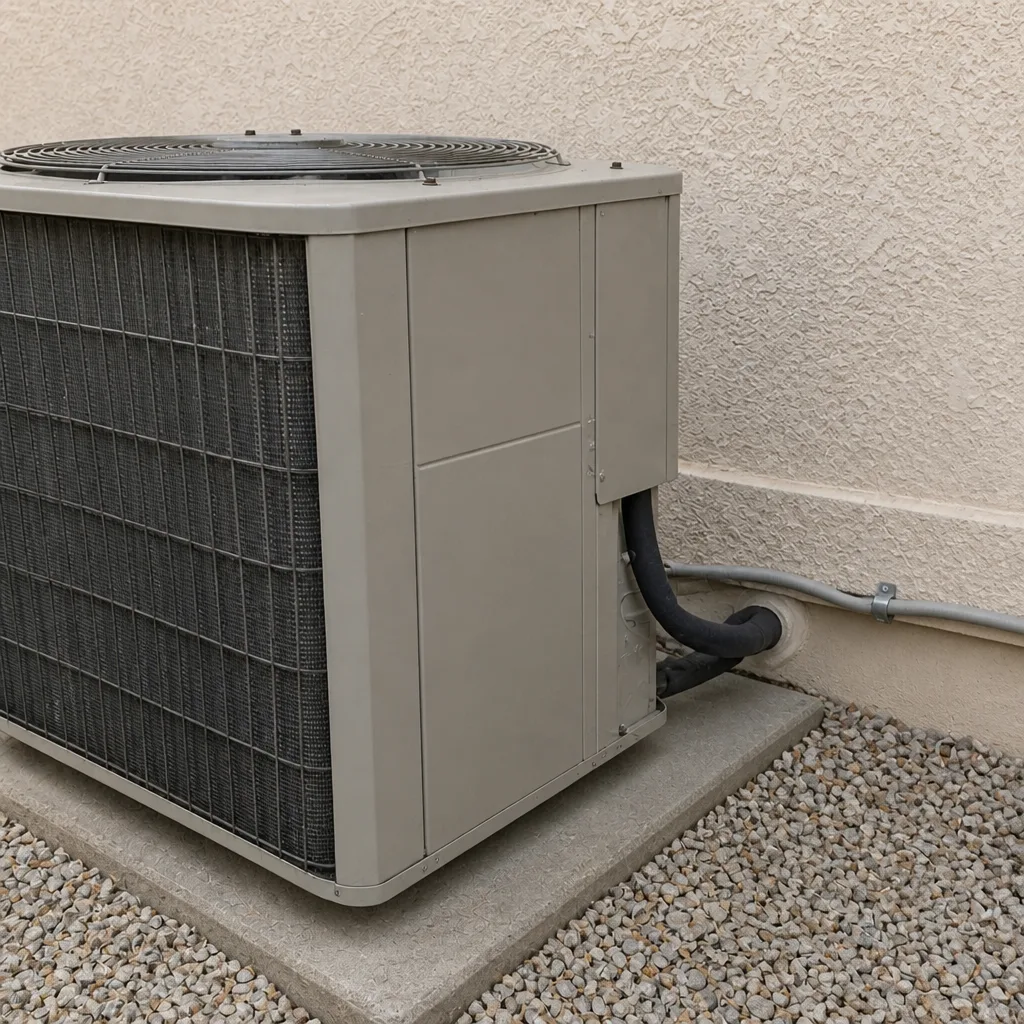
 Before
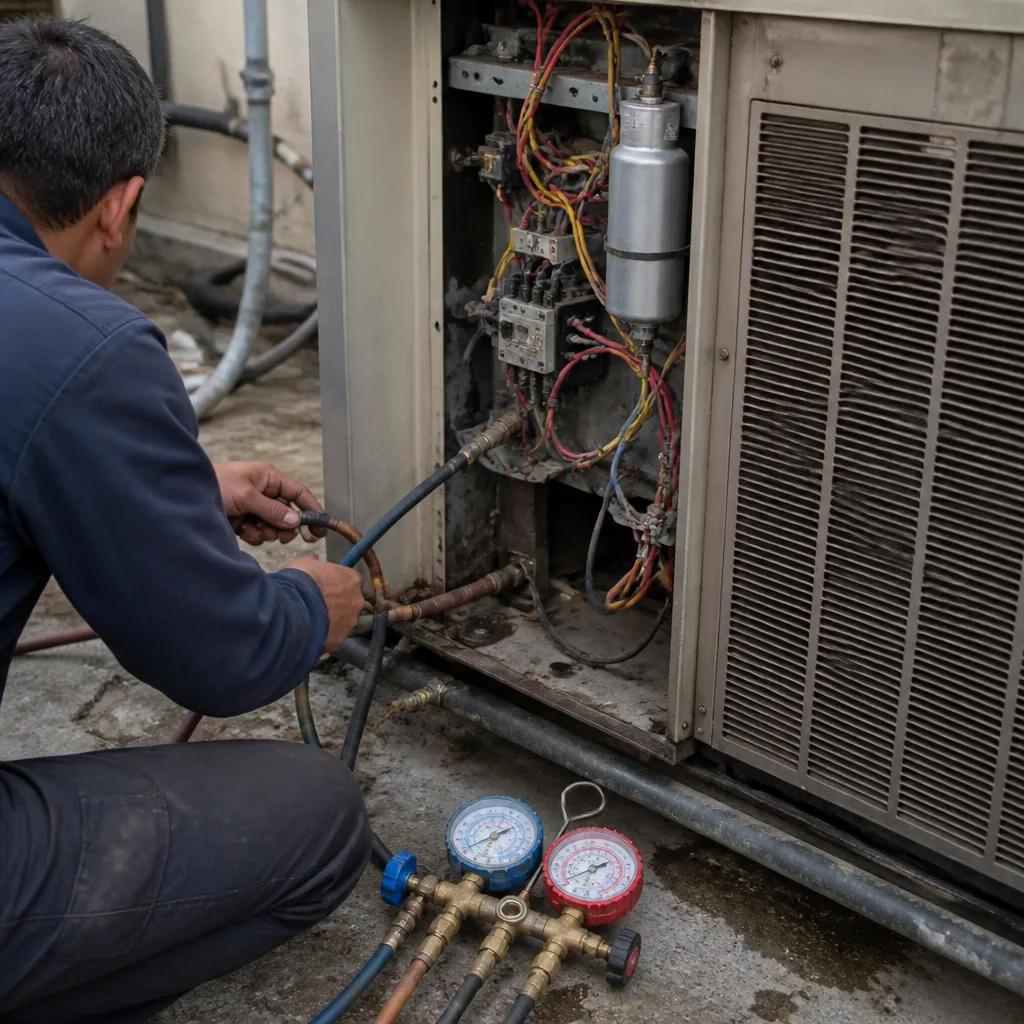
 After
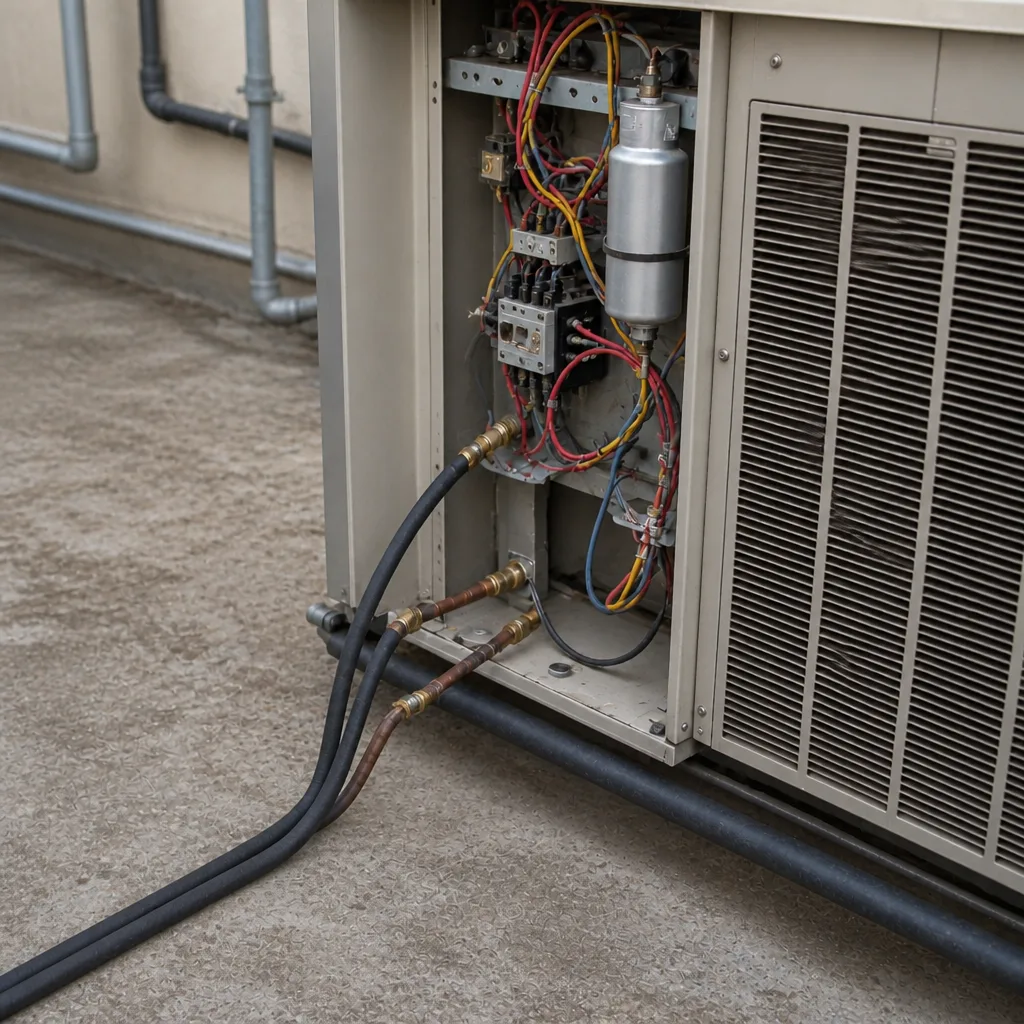
 Before
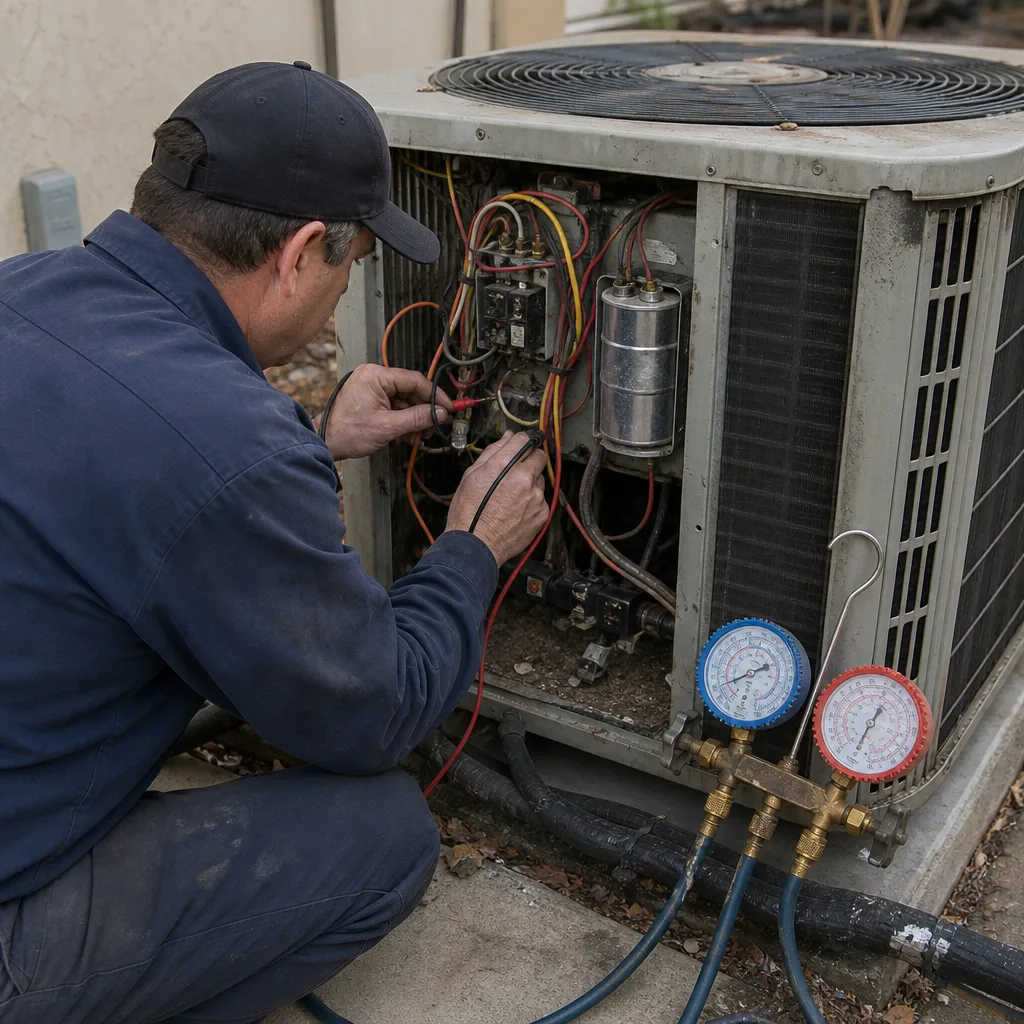
 After
 Before
 After
When to Call a Professional
If you’re staring at any of these, call us before you decide what to do next. You’ve just bought a house in Spring Valley and the permit history on the HVAC is blank or open. You’re getting ready to sell and want the system clean on paper first. Your insurer has asked for permit records on a claim. A previous contractor told you a change-out didn’t need a permit. Your system was installed by a flipper and you don’t have documentation. Or you’re planning a replacement or a mini-split addition and want to know what the county will want before anyone touches a wrench. Ray’s Heating & Air Spring Valley offers free estimates in Spring Valley – call (833) 620-7288. We’ll run the permit lookup with you, walk you through what the county will inspect, and if a previous contractor left you holding a problem, we’ll tell you what it takes to square it with Clark County Development Services.
Frequently Asked Questions
Yes. Any HVAC replacement, even a same-size, same-location change-out, requires a mechanical permit and an inspection in Clark County. The “like-for-like” claim is one of the most common permit myths we correct, and it’s the single biggest reason Spring Valley homes end up with unpermitted HVAC on the record. If a contractor quotes you a replacement without mentioning the permit, ask them directly, and if the answer is no, call (833) 620-7288 for a second look.
Expect roughly $150 to $500 for the permit fee plus contractor time, and another $150 to $1,200 in correction work if the inspection turns up anything the county wants fixed. The exact number depends on whether it’s mechanical only or mechanical plus electrical, and whether the inspector requires a full rework. Call (833) 620-7288 and we’ll quote you the real number before we file anything.
It can, yes. Most homeowner policies require that dwelling work be performed by licensed and permitted contractors, and insurers use that clause to deny or reduce claims when the permit record is missing. It’s most common on fire claims at the air handler and water losses from condensate lines, because investigators pull the permit history as part of the origin report. If you’re not sure whether your system was permitted, call us to run the lookup before a claim happens, not after.
Most residential replacements in Spring Valley go from permit to final inspection in three to ten business days. Peak summer can push it a week or so longer because the county’s inspection schedule fills up. A retroactive permit takes considerably longer, usually two to four weeks from filing to final, because it always requires a site inspection. Call (833) 620-7288 if you need a realistic timeline for your specific job.
Nothing catastrophic. The contractor corrects the deficiency, schedules a re-inspection, and covers any material cost for their own work. Re-inspection is usually scheduled within three to five business days. The problem is when the contractor doesn’t come back, which is one of the ways a permit ends up open for years. If you’ve been left with an open permit by another contractor, call us – one call brings us back, and we’ll finish what they started.
Yes, adding a mini-split head, a new zone, or a new dedicated circuit requires both a mechanical and an electrical permit. A single-head mini-split install on an existing circuit usually needs the mechanical permit only. Spring Valley sees a lot of mini-split additions on room conversions and garage apartments, and it’s a job that’s easy to skip the paperwork on. Call (833) 620-7288 if you want the county requirement checked before the work starts.
The Bottom Line
An HVAC permit in Clark County isn’t paperwork for its own sake. It’s a record, and records are what lenders, insurers, and title companies actually rely on when money is on the line. Any system change in Spring Valley needs one. Maintenance doesn’t. If you’re not sure which category your job falls into, or you’re staring at a blank permit history after a Spring Valley home purchase, the fix is straightforward and less expensive than the alternative. Pull the record, talk to a licensed contractor who will pull the permit as part of the job, and get it cleaned up before a claim or a closing forces the issue. That’s the whole guide in one paragraph.
Written by the team at Ray’s Heating & Air Spring Valley.