
Last updated November 18, 2026
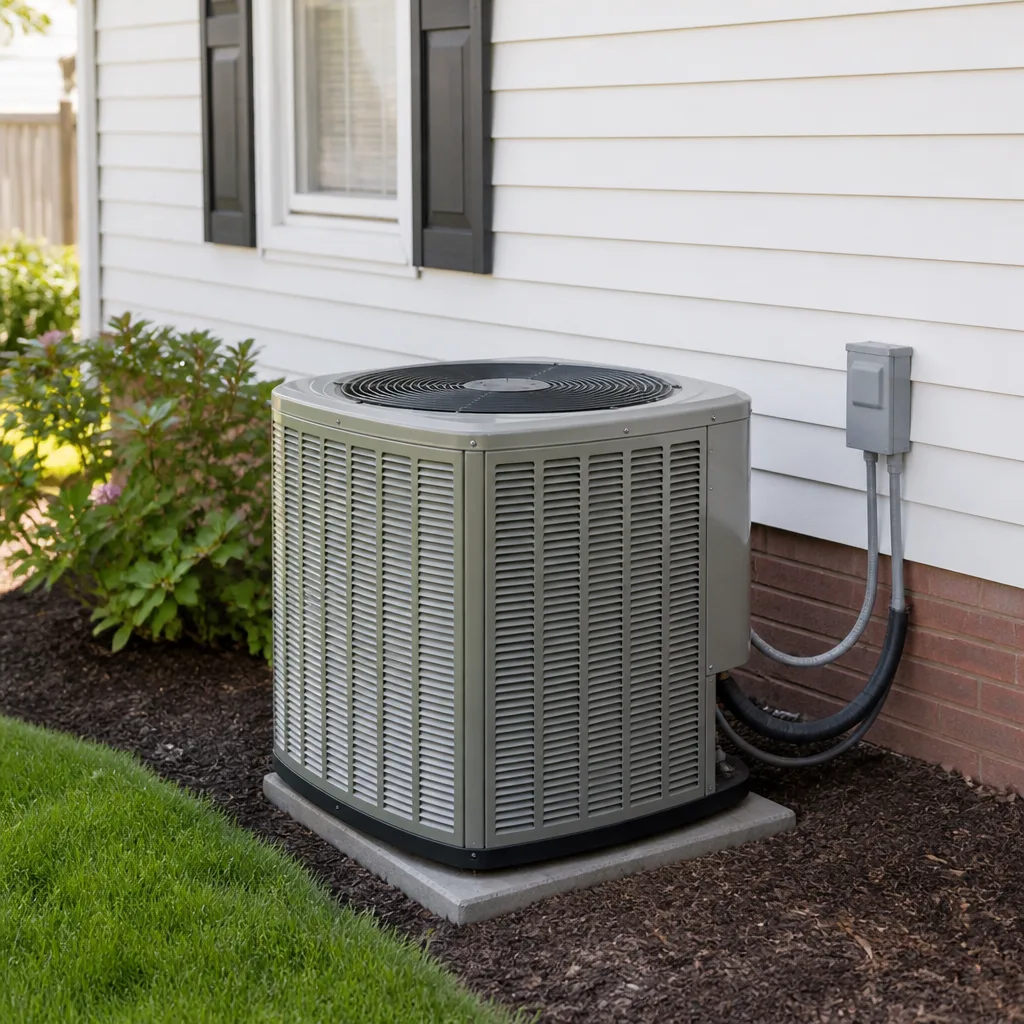 AC repair
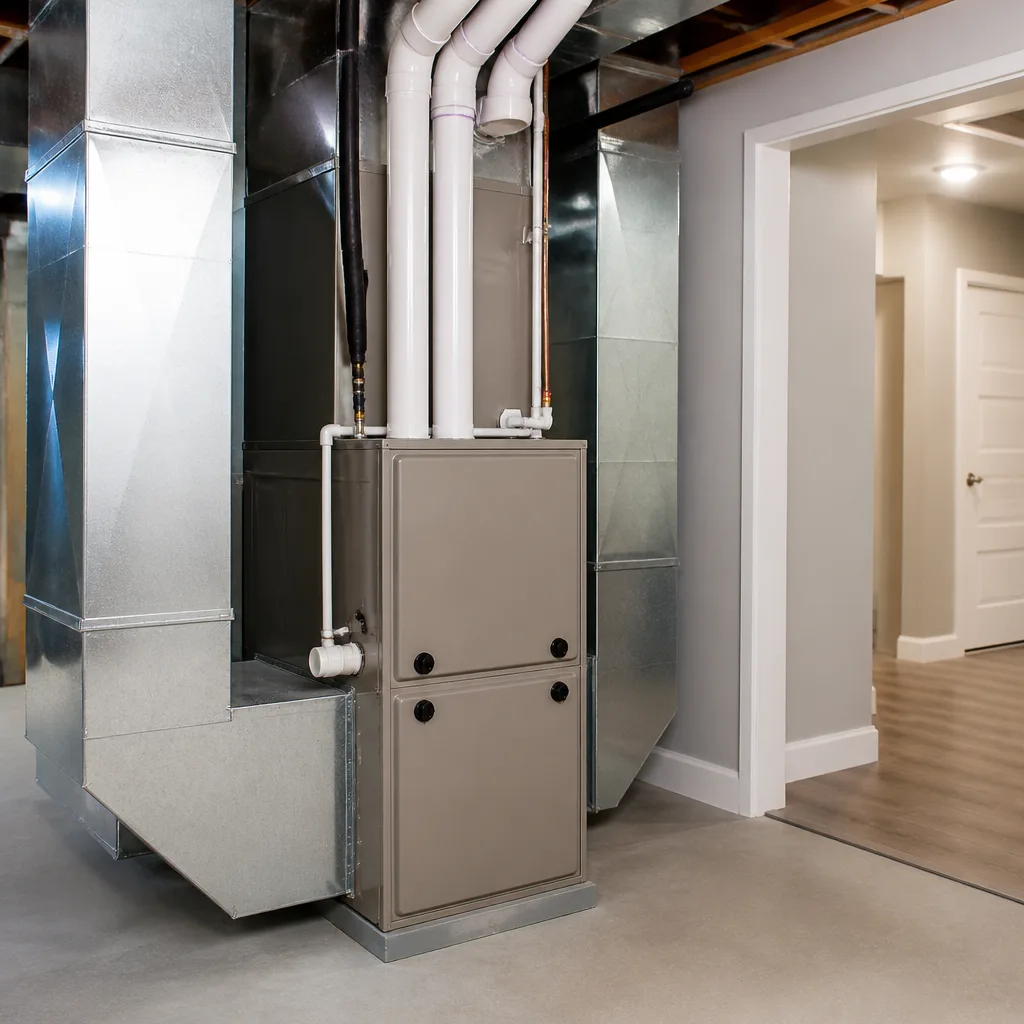 Furnace & heating
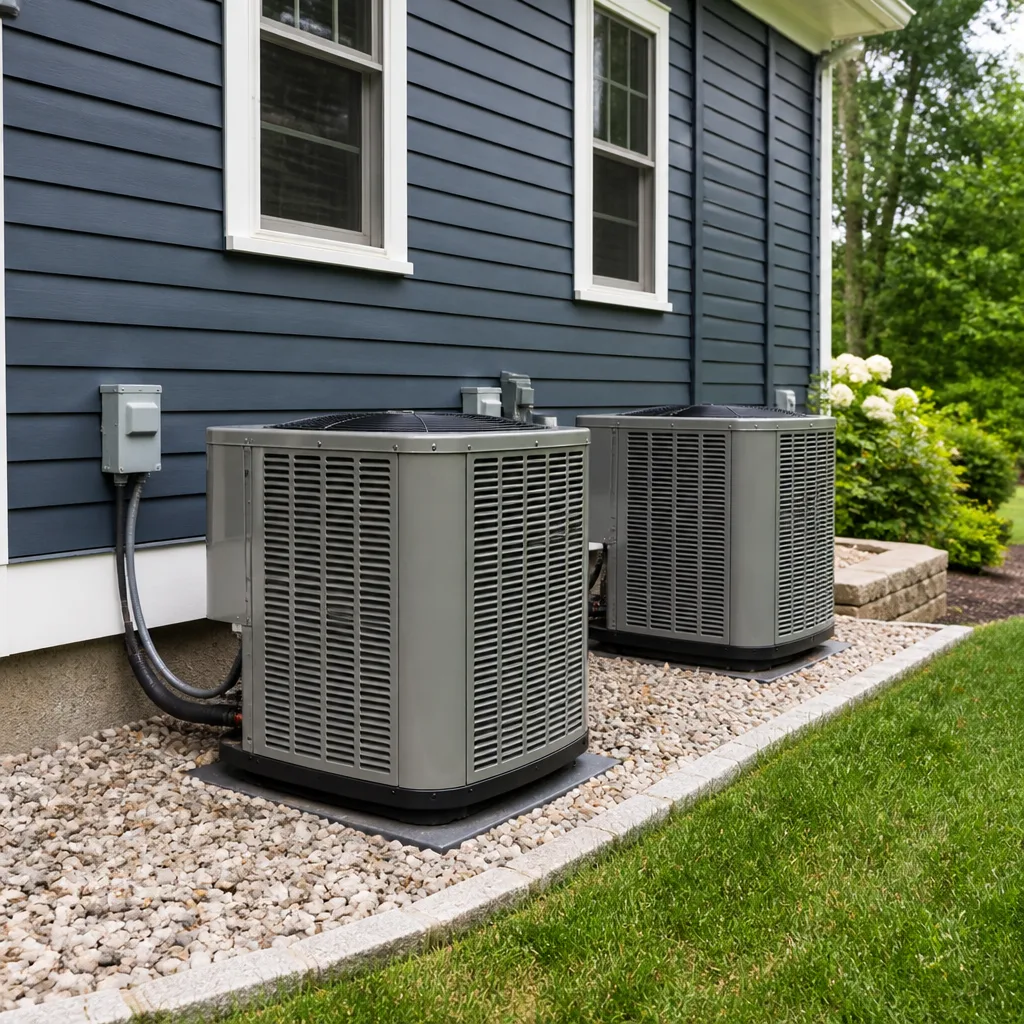 Heat pumps
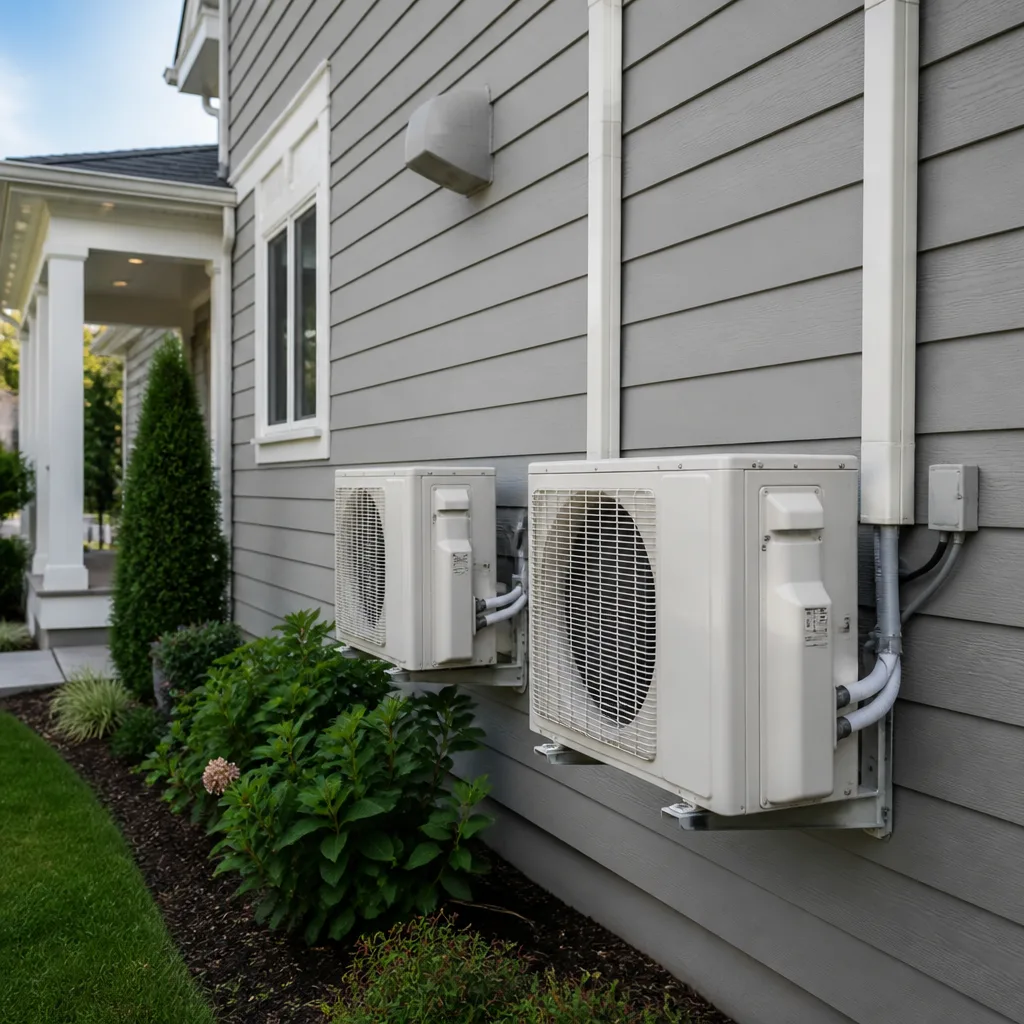 Ductless mini splits
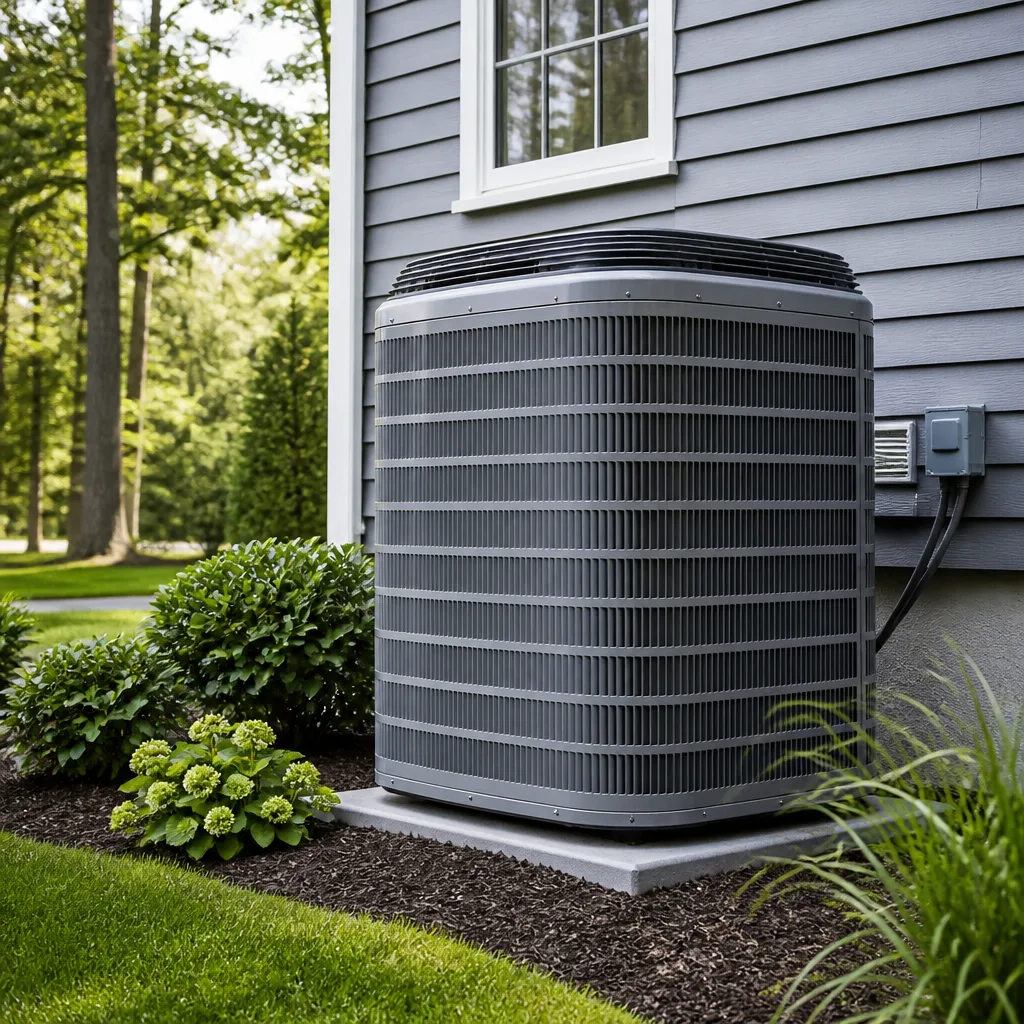 Carrier
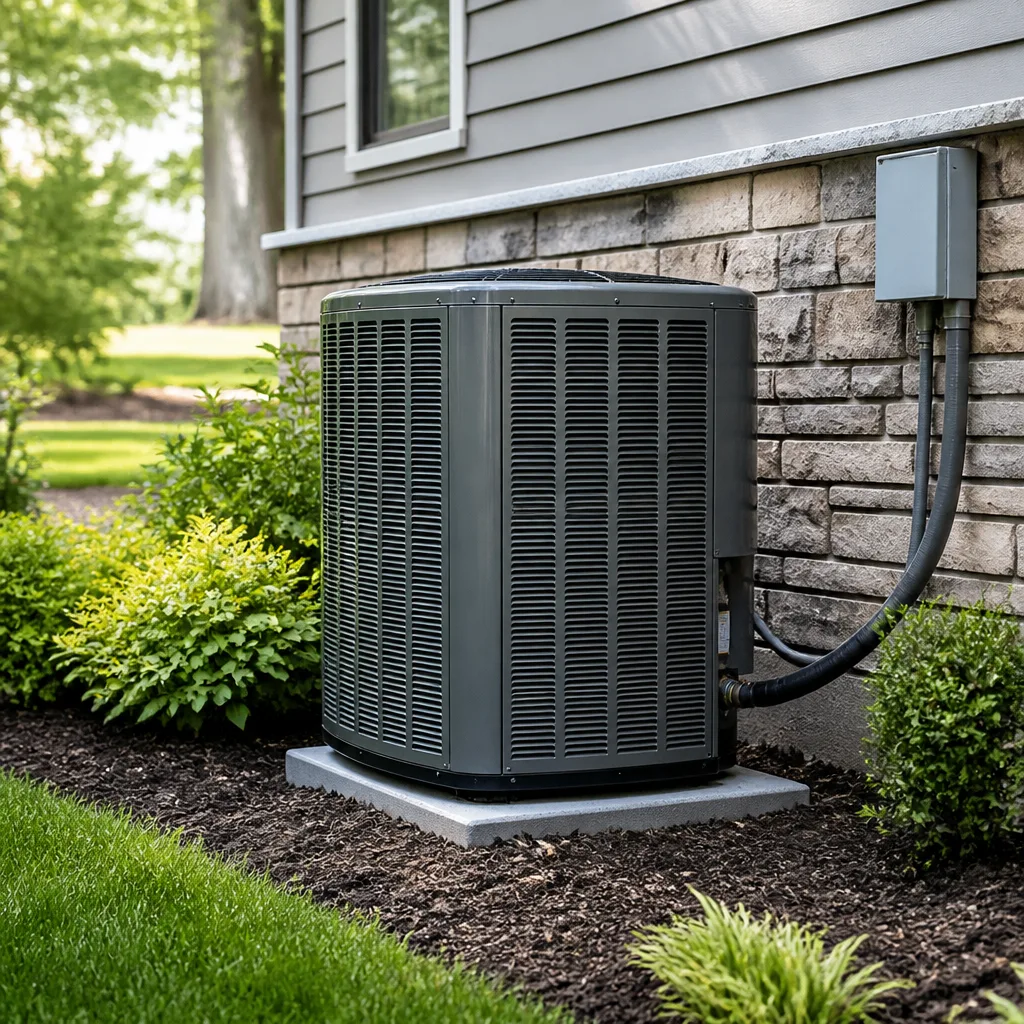 Trane
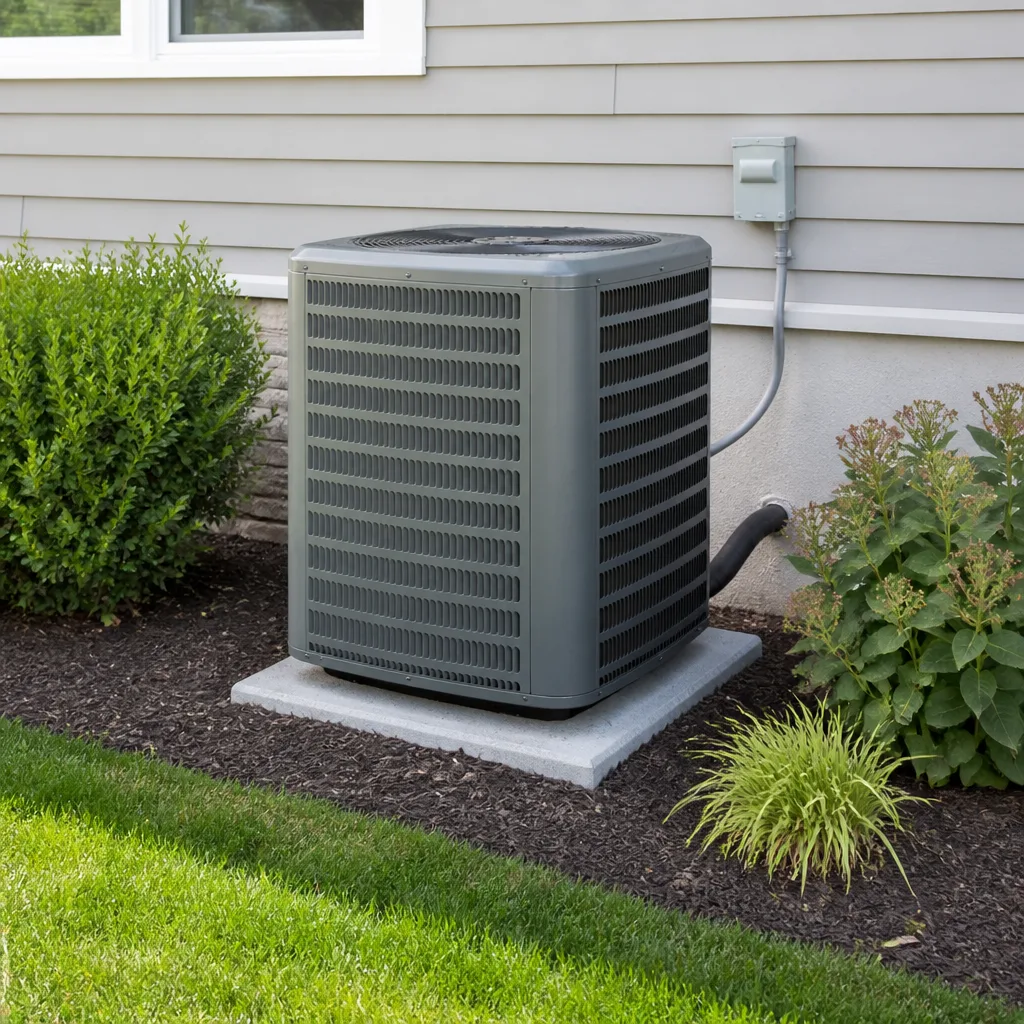 Goodman
Seasonal tune-up and full diagnostic on your Carrier, Trane, or Goodman system - readings shown to you before any repair is proposed
Diagnosis first, numbers second - you approve the repair price before a single part goes in.
Get your free estimateEmergency & Commercial HVAC Troubleshooting: Common Problems and How to Fix Them
The complaint we hear most from folks who called a national chain first goes like this: “They told me I needed a whole new unit. Turned out to be a twelve-dollar capacitor.” That’s not a knock on every big company, but it is the reason this guide exists. Most troubleshooting articles are written to get you to pick up the phone, not to help you understand what’s actually wrong. So here’s the version we’d walk you through on the porch: the real checks in the right order, what each symptom means, and what to say when you call so the diagnosis starts before anyone pulls into your driveway. We’re writing from Spring Valley, where a July afternoon can hit 108 and the difference between “wait till Monday” and “we need someone today” is a very real thing.
Quick Answer
Before you call anyone, run four checks in this order: the breaker, the thermostat, the air filter, and the outdoor disconnect switch. Those four account for a surprising share of “emergency” no-cool calls and cost nothing to verify. If the unit still won’t run after those, the problem is almost always electrical, refrigerant, or mechanical, and you can usually tell which by what the system is doing. Frozen coil, tripped high-pressure switch, and compressor lockout are the three summer emergencies that matter most, and each one has a specific cause worth understanding before you agree to any repair.
Styles & brands we work with
- AC repair
- Furnace & heating
- Heat pumps
- Ductless mini splits
- Carrier
- Trane
- Goodman
Table of Contents
- The Four Checks to Run Before You Call Anyone
- Electrical, Refrigerant, or Mechanical? Reading the Symptom
- The Three Summer Emergencies in Spring Valley Heat
- What to Tell the Technician When You Call
- Ten-Minute Homeowner Fixes vs. Real Failures
- When It’s a Commercial System: What’s Different
- How to Describe a Problem So You Don’t Get Quoted for Work You Don’t Need
- Common Mistakes to Avoid
- When to Call a Professional
- Frequently Asked Questions
The Four Checks to Run Before You Call Anyone
These four steps take about ten minutes, need no tools beyond a flashlight, and rule out a good chunk of what looks like a failure but isn’t. Do them in order. Write down what you find, because that information is genuinely useful to whoever shows up.
- The breaker. Find your air handler breaker in the main panel and the outdoor condenser breaker in the sub-panel or at the disconnect box. Look for a switch that’s tripped to the middle. Flip it fully off, then firmly on. If it trips again within a minute, stop and call. A breaker that keeps tripping is telling you something is shorted or drawing too much current, and that’s a technician’s job.
- The thermostat. Check the mode (cool, not heat), the fan setting (auto, not on), and the setpoint. Then check the batteries if yours uses them. A thermostat with dead batteries acts exactly like a blown system. In Spring Valley, we see a lot of programmable thermostats from the mid-2000s that lose their schedule after a power blink and just stop calling for cool.
- The air filter. Pull it. If it’s gray and matted, replace it. A filter choked with dust starves the system of airflow, which can freeze the indoor coil and, on a hot day, push the compressor into a high-pressure lockout.
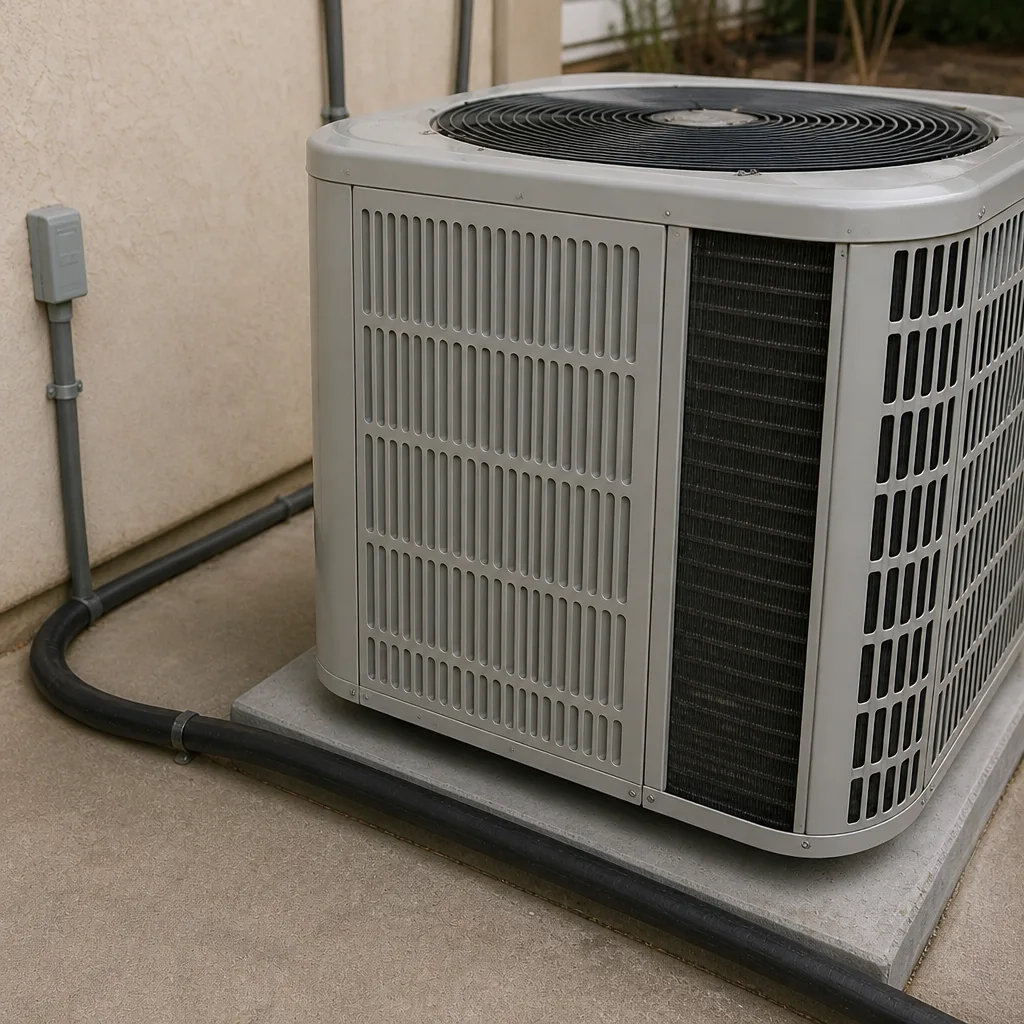
- The outdoor disconnect switch. That small box on the wall near the condenser usually holds a pull-out handle or a lever. Make sure it’s seated and the lever is down. Kids, pets, yard crews, and one good windstorm can knock these loose, and the unit just sits there humming nothing.
If all four check out and the system still runs hot or not at all, the issue lives inside the equipment and you’re past the point where a homeowner should keep poking. That’s when a real diagnostic conversation starts. Our AC Repair & Installation in Spring Valley page covers how that visit runs.
Electrical, Refrigerant, or Mechanical? Reading the Symptom
This is the part most guides skip, and it’s the part that keeps you from getting quoted for the wrong repair. The equipment tells you which of three buckets the problem falls into if you know how to listen. Here’s how we break it down.
Electrical symptoms
- No sound at all from the outdoor unit, but the indoor fan blows. That points to the contactor, the disconnect, the run capacitor, or the control board.
- A clicking sound every minute or two, then nothing. That’s usually a contactor trying to pull in and failing, or a capacitor that’s drifted out of spec.
- Tripped breaker that resets fine once and then trips again. Short or excess current draw. Stop resetting it.
Refrigerant symptoms
- The indoor coil ices over while the outdoor unit keeps running. Low refrigerant, restricted airflow, or a metering problem.
- The outdoor unit’s copper lines frost up near the service valve. Same family of causes.
- Cool air at the register but never cold, and the compressor runs continuously. Low charge is one suspect, but restricted airflow and a failing valve look identical from the thermostat.
Mechanical symptoms
- A hard metallic rattle or clunk from the condenser, especially on startup. Worn bearings, a loose fan blade, or failing internal parts.
- The compressor hums but doesn’t start, then trips on thermal overload. Locked rotor or a bad start component.
- Water on the floor near the air handler on a Spring Valley summer day. Almost always a clogged condensate drain, not a mechanical failure, and it’s the problem we see most in the older single-story neighborhoods where the drain runs long distances through hot attics.
The Three Summer Emergencies in Spring Valley Heat
Once the outside temperature holds above 105 for a stretch, the emergency calls sort into three patterns. Knowing what caused each one is the difference between a quick fix and a replacement conversation.
Compressor lockout
The compressor tries to start, hums, and shuts down on internal overload. In our experience, the cause is usually a failed run capacitor, a bad start capacitor, or a stuck contactor, not a dead compressor. That’s why we test the capacitor before anyone says the word compressor. A $200-ish repair versus a multi-thousand-dollar one, and the only way to know is to put a meter on it. Anyone who quotes a compressor over the phone is guessing.
Frozen indoor coil
The coil freezes because it isn’t getting enough airflow or enough refrigerant. Choked filters, blocked returns, and a failing blower motor cause the airflow side. A low charge causes the refrigerant side. You can’t tell which from the ice. The system has to be thawed and the pressures read before the diagnosis is honest, which is why a good tech won’t promise you a number until they’ve seen it.
Tripped high-pressure switch
On a 110-degree afternoon, a condenser with a dirty coil or a failing outdoor fan will throw its high-pressure switch to protect the compressor. The unit shuts down, the house warms, and it looks like a total failure. Nine times out of ten, a coil cleaning and a fan check get it running again. In Spring Valley, dust from new construction and the dry-season winds coat outdoor coils fast, so a rinse schedule matters more here than in wetter climates.
What to Tell the Technician When You Call
The best calls we take are the ones where the homeowner has a short, specific story. That lets the diagnosis start before we’re in the driveway. Here’s the script we’d hand you.
- What the system is doing: “Running but blowing warm,” “not running at all,” “short-cycling every few minutes,” or “frozen line outside.”
- How long it’s been happening: “Since the storm Tuesday,” “started this morning,” “been getting worse for a week.”
- What you’ve already checked: breaker, thermostat batteries, filter, disconnect. Say so, and say what you found.
- The equipment age and brand if you know it. “2009 Rheem” or “Goodman, maybe ten years old” gives us a head start on parts and common failures.
- Whether it’s the indoor fan, the outdoor unit, or both that are silent.
- Any noises: clicking, humming, rattling, or a hard clunk on startup.
A tech who shows up and asks four of those questions before touching anything is a good sign. A tech who quotes a number before asking any is a red flag.
Ten-Minute Homeowner Fixes vs. Real Failures
Some problems look like emergencies and aren’t. Others look minor and turn into a compressor failure by Thursday. Here’s the honest split.
Ten-minute homeowner fixes
- Tripped breaker (once). Reset it. If it holds, you’re done.
- Dead thermostat batteries. Swap them and re-check the schedule.
- Clogged air filter. Replace it. Also check that no return vents are blocked by furniture or rugs.
- Loose disconnect switch. Reseat the pull-out or lever.
- Clogged condensate drain. If you know the drain’s access point and can clear it with a wet/dry vac, this one’s safe. If you can’t find it, leave it.
- Thermostat set wrong. Mode, fan, setpoint. Happens more than anyone likes to admit.
Real failures that need a licensed tech today
- Refrigerant leaks. Refrigerant is a pressurized, regulated substance. Handling it requires licensing and equipment. Don’t add anything from a can.
- Breaker that trips twice. That’s a short. Stop resetting it.
- Compressor lockout or a hard mechanical noise. Repeat attempts can damage the compressor beyond repair.
- Frozen coil with the outdoor unit still running. Shut the system off at the thermostat and call.
- Electrical burning smell or scorched wiring. Shut off the breaker at the panel and call immediately.
When It’s a Commercial System: What’s Different
Commercial troubleshooting in Spring Valley runs on a different clock. A small restaurant or shop off the main corridors can’t afford a two-day wait, and the equipment itself has failure modes that don’t show up on a house. Rooftop units, split systems serving multiple zones, and packaged systems all share a few recurring problems.
- Economizer dampers stuck. A rooftop unit that’s pulling in outside air at 108 degrees when it shouldn’t is a common summer failure. The actuator sticks and the unit fights itself all afternoon.
- Multiple zones fighting. One zone calls for heat while another calls for cool, and the system never settles. That’s a controls problem, not a refrigeration problem.
- Filter banks choked. Commercial systems run long hours with high airflow. A filter schedule that works for a house fails in a shop that runs 12 hours a day.
- Condensate overflow switches tripping. Long condensate runs through hot ceilings clog faster here. A float switch that trips every afternoon usually means a drain that needs clearing, not a new unit.
Commercial work also means scheduling around the business. That’s a conversation worth having before anyone shows up. The details live on our Heat Pump & Mini Split in Spring Valley page for commercial-style systems.
How to Describe a Problem So You Don’t Get Quoted for Work You Don’t Need
The single biggest protection against getting quoted for the wrong thing is a specific description. Vagueness gets filled in with the worst-case scenario. Specifics get filled in with the actual diagnosis.
Here’s a comparison that comes up a lot. “My AC isn’t working” gets a phone tech guessing and a quote that might come in high. “The indoor fan blows but the outdoor unit is silent, the breaker’s fine, and the filter is clean” gets you a call that opens with a capacitor test rather than a replacement pitch. That’s the whole game.
We’ve seen this play out in neighborhoods all around Spring Valley, and the homeowners who give the clearest picture consistently get the most accurate quotes. It’s not about knowing HVAC. It’s about reporting symptoms the way a nurse reports them to a doctor: what’s happening, when it started, what you tried, what you saw.
The upfront-pricing side of this is on our Heating & Furnace in Spring Valley page for the heating season version of the same conversation.
Common Mistakes to Avoid
- Resetting a breaker that trips twice. It’s telling you something’s shorted. Forcing it can turn a repair into a replacement.
- Adding refrigerant from a can. It’s a regulated substance, it needs licensing to handle, and adding it without finding the leak just moves the problem down the road.
- Running a frozen system hoping it thaws. The compressor keeps working with no safe return path, and it can fail. Shut it off at the thermostat and call.
- Taking a phone quote as a real price. Anyone who quotes you a firm number before reading your system is guessing, and guesses have a way of growing when the tech arrives.
- Replacing the whole unit on a bad-capacitor symptom. A compressor that won’t start isn’t necessarily dead. It needs a meter on it, not a replacement pitch.
- Ignoring a slow clogged condensate drain. In Spring Valley, that water ends up on the ceiling drywall or in a closet, and the repair bill grows fast.
- Forgetting to check the outdoor disconnect. It’s a two-second check and it’s missed constantly.
When to Call a Professional
Call when the four checks are clean and the system still won’t cool. Call when the breaker trips twice. Call when you see ice on the indoor coil or frost on the outdoor lines. Call when there’s a burning smell, a hard mechanical noise, or water where water shouldn’t be. Call when the equipment uses a refrigerant you can’t identify. And call when the system is a commercial one that serves customers or employees, because a commercial outage compounds fast.
For everything on that list, and for the questions you’d rather ask a human than a website, we answer the phone around the clock, every day. Ray’s Heating & Air Spring Valley offers free estimates in Spring Valley, and there’s no trip charge inside the county. Call (833) 620-7288 and you’ll reach a live person, not a voicemail maze.
Frequently Asked Questions
You can safely handle the four baseline checks: breaker, thermostat, filter, and outdoor disconnect. Anything involving refrigerant, compressor work, or opening the equipment requires a licensed technician. Refrigerant handling in particular is regulated and genuinely dangerous to attempt without the right tools and training.
In Spring Valley during a heat wave, the three usual suspects are a dirty filter choking airflow, a tripped high-pressure switch from a dirty outdoor coil, or a compressor that’s locked out on a failed capacitor. Start with the filter. If the outdoor unit is running and the house isn’t cooling, that’s a call to (833) 620-7288.
It’s urgent, not quite an emergency. Turn the system off at the thermostat so the compressor doesn’t keep working against a blocked coil. A frozen coil means low airflow or low refrigerant, and both need a technician to diagnose properly. Don’t try to thaw it with heat or a hair dryer.
Electrical problems usually show up as no sound at all, a click-then-nothing pattern, or a breaker that keeps tripping. Refrigerant problems usually show up as ice or frost on the coil and lines while the outdoor unit keeps running. If you can’t tell, describe the symptom honestly and let the tech read the readings.
Tell them the system type (rooftop, split, packaged), the number of zones, whether one zone or all zones are affected, the hours the business needs cool air, and what you’ve already checked. That last part saves real time. Our commercial work in Spring Valley runs on scheduled service windows around your business hours, so having that information ready helps.
Yes. Readings first, numbers second. You see the meter readings and the price before any work begins, and the 90-Day Done Right Promise is in writing on every job. That’s how it should work in Spring Valley, and it’s how it works here.
The Bottom Line
Most “emergency” HVAC calls aren’t emergencies once you’ve run the four baseline checks: breaker, thermostat, filter, disconnect. Of the ones that are real, nearly all fall into three patterns during a Spring Valley summer: compressor lockout from a failed capacitor, a frozen coil from low airflow or low charge, and a tripped high-pressure switch from a dirty outdoor coil. The skill that protects you most is describing the symptom clearly, because a specific description gets you an accurate diagnosis instead of a guess. For anything involving refrigerant, compressor work, or a system that won’t come back after two breaker resets, call a licensed technician and stop poking. We answer every call in person, 24/7.
For the broader picture of who we are and what we do across the valley, start at Ray’s Heating & Air Spring Valley home, and call (833) 620-7288 for a free estimate.
Written by the team at Ray’s Heating & Air Spring Valley.
See the difference
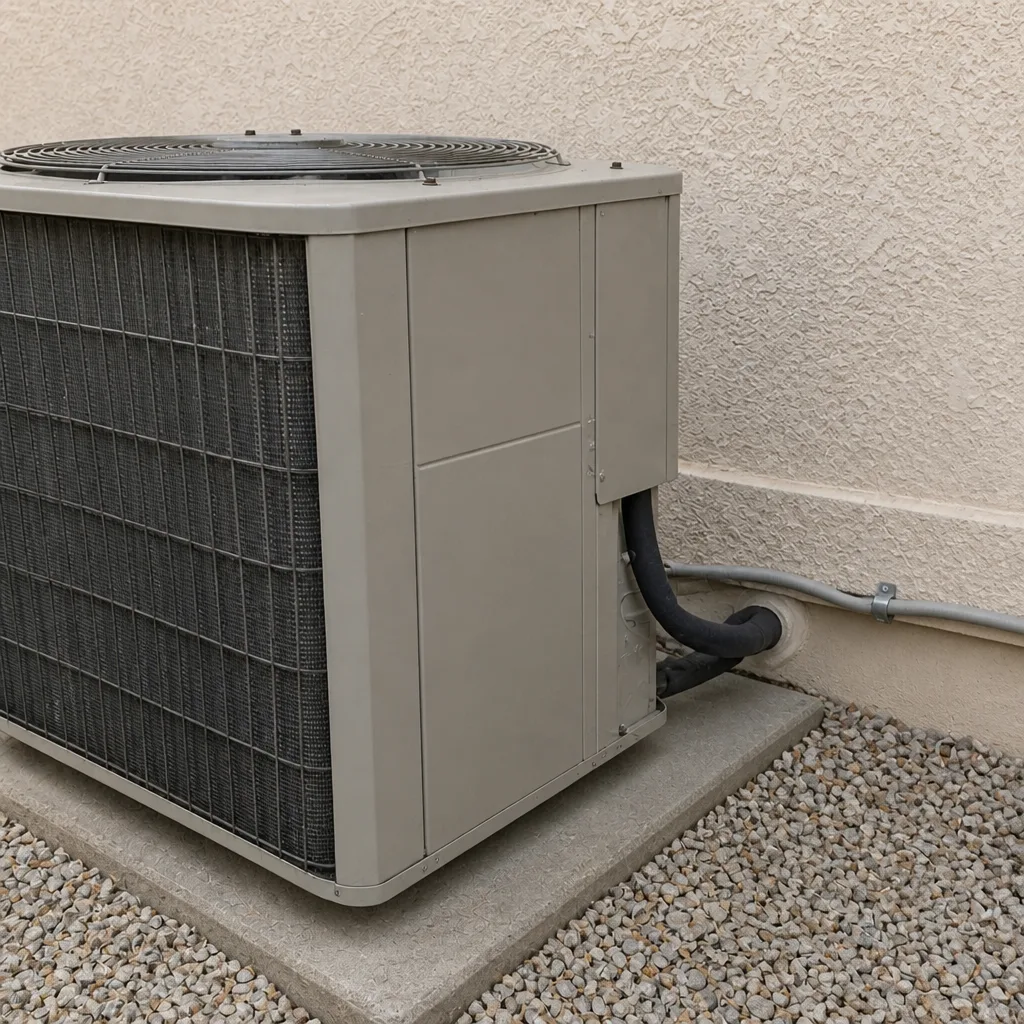
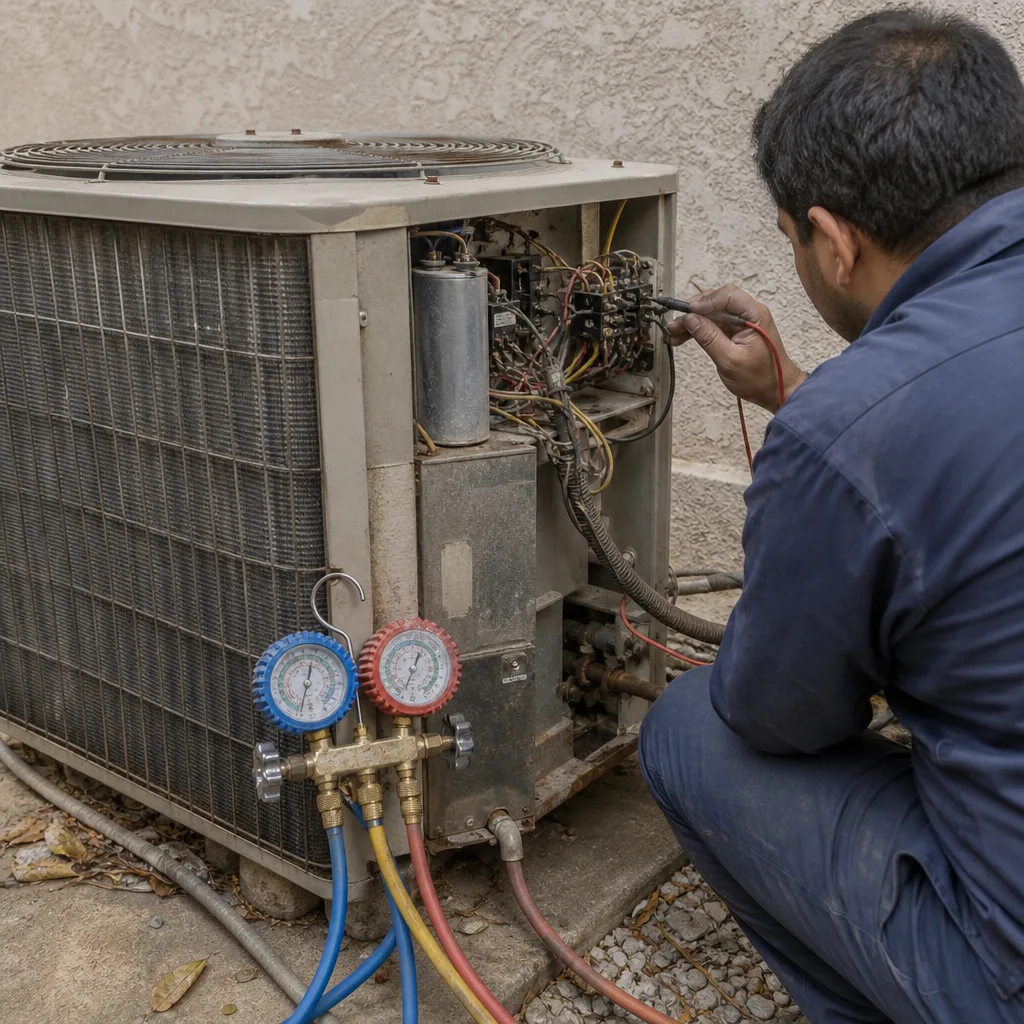 Before
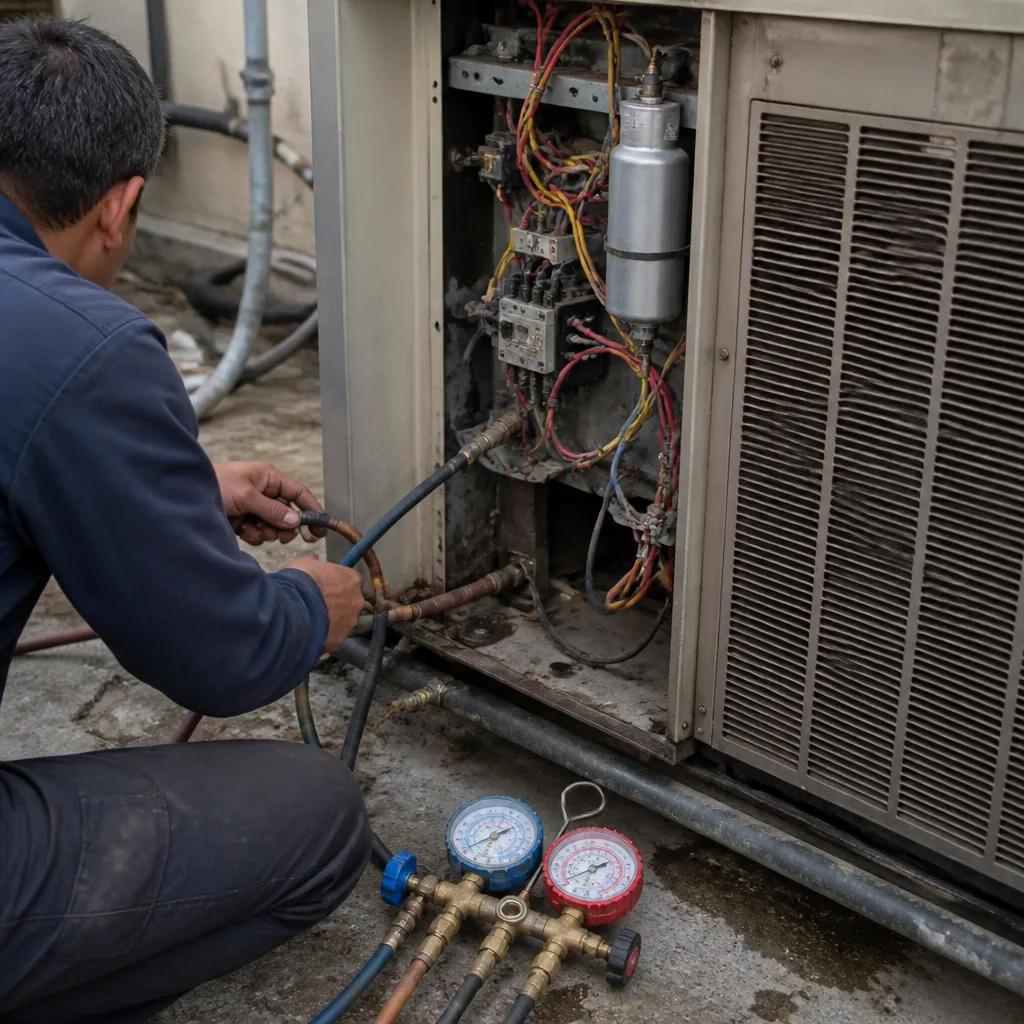
 After
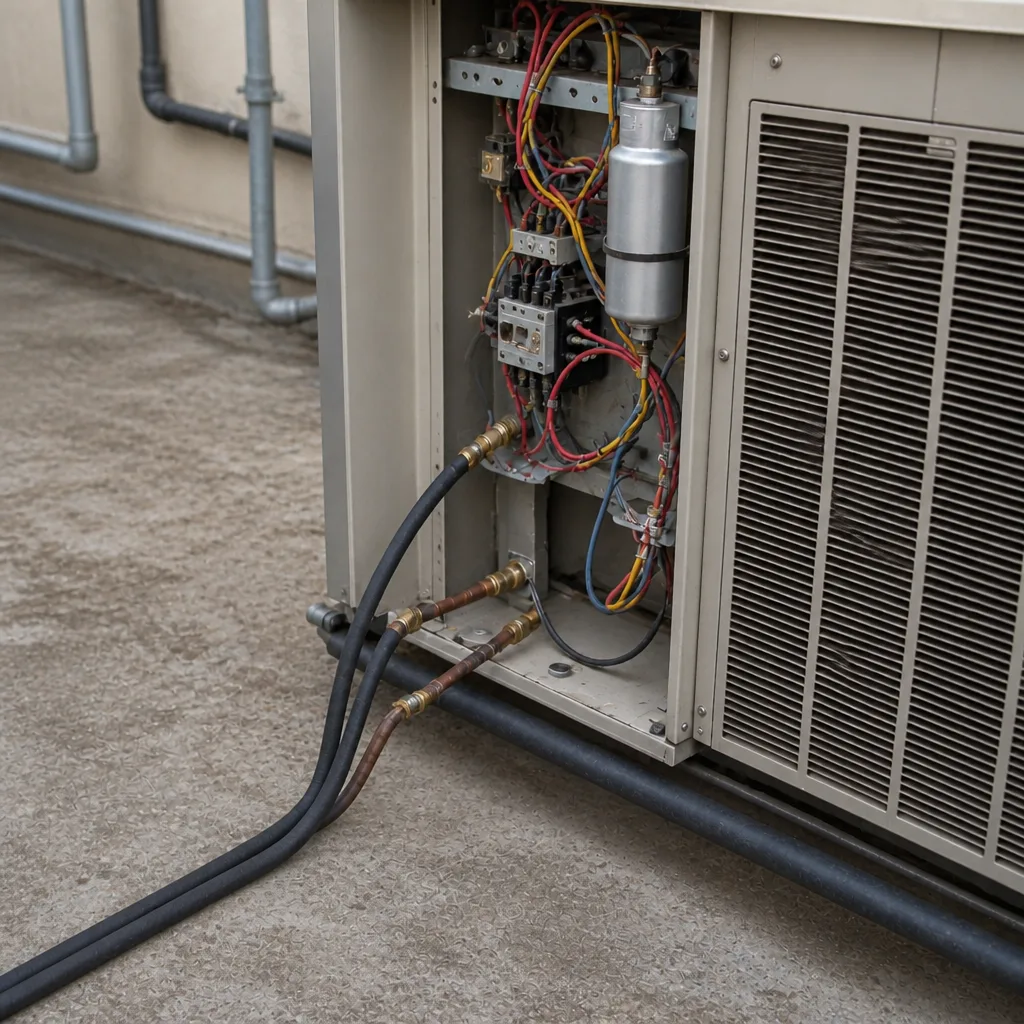
 Before
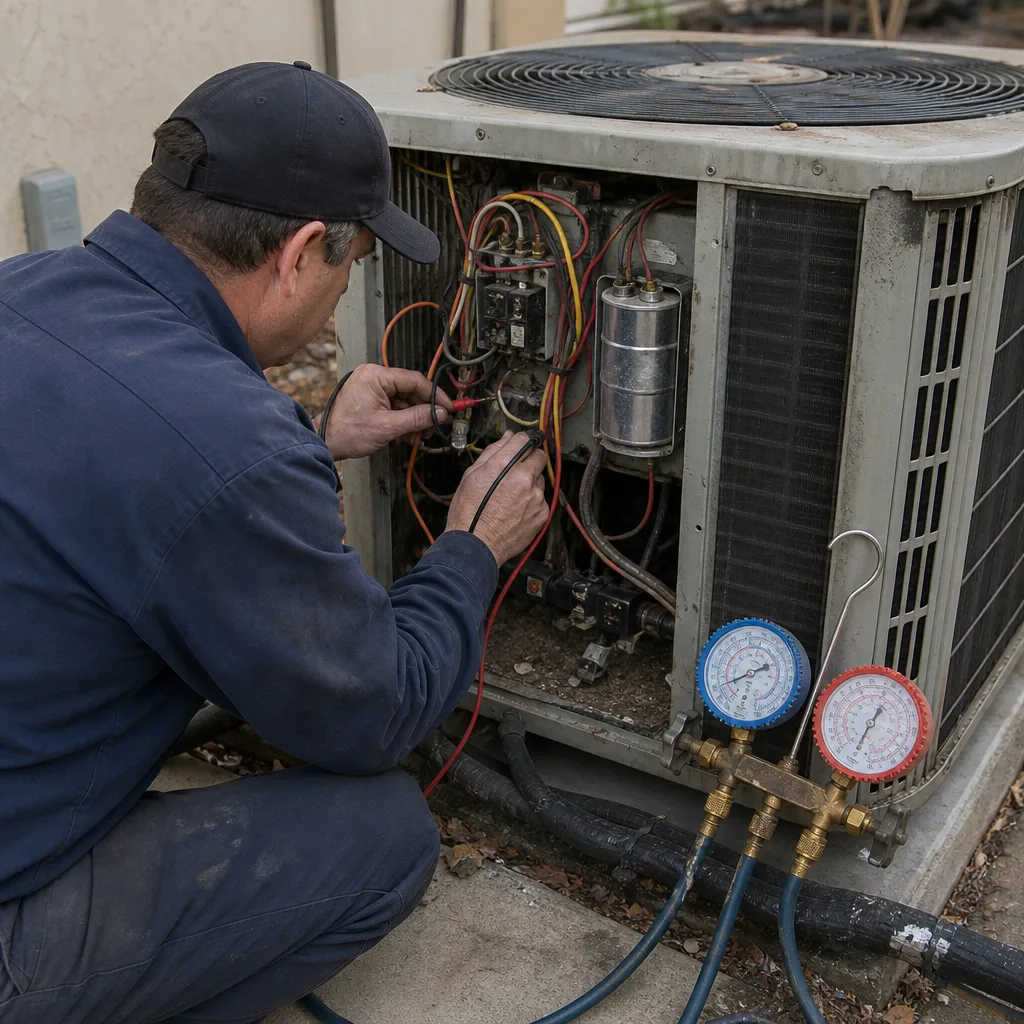
 After
 Before
 After