
Last updated November 18, 2026
 AC repair
 Furnace & heating
 Heat pumps
 Ductless mini splits
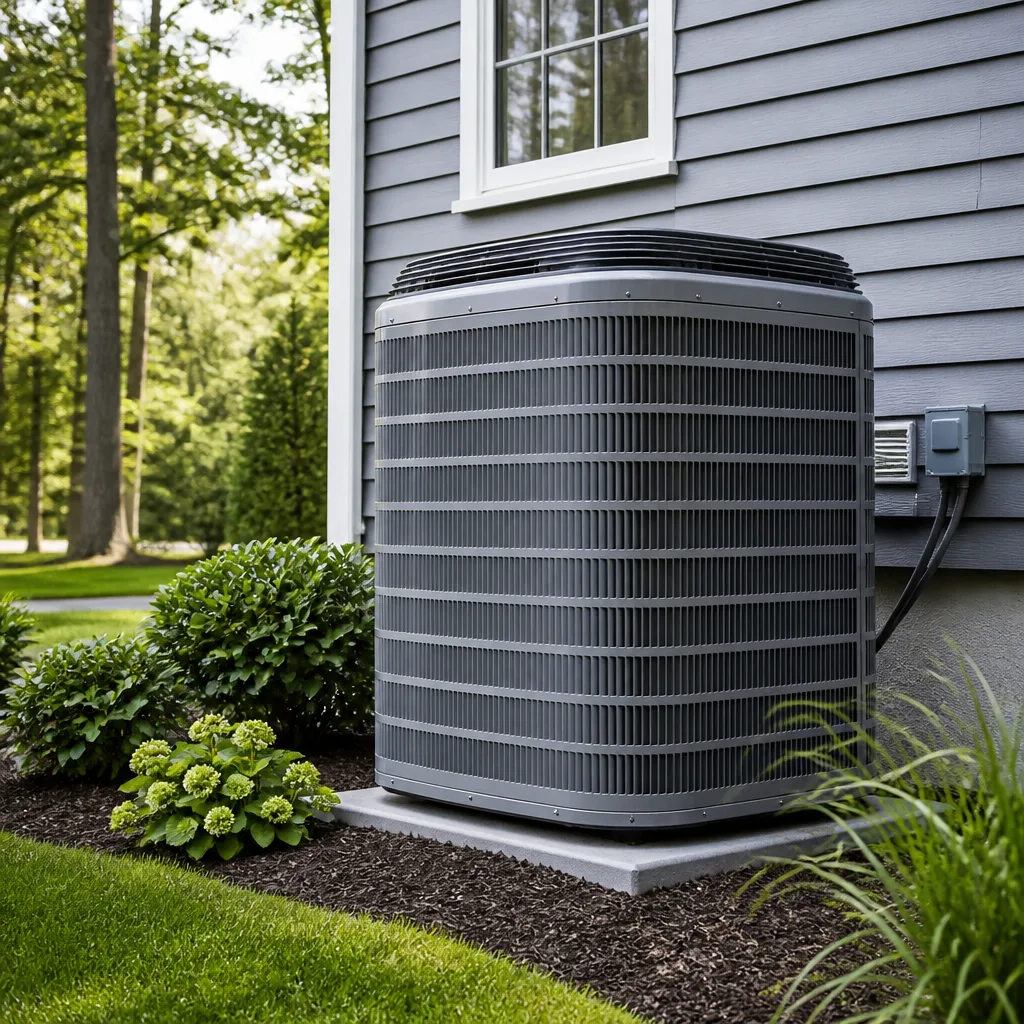 Carrier
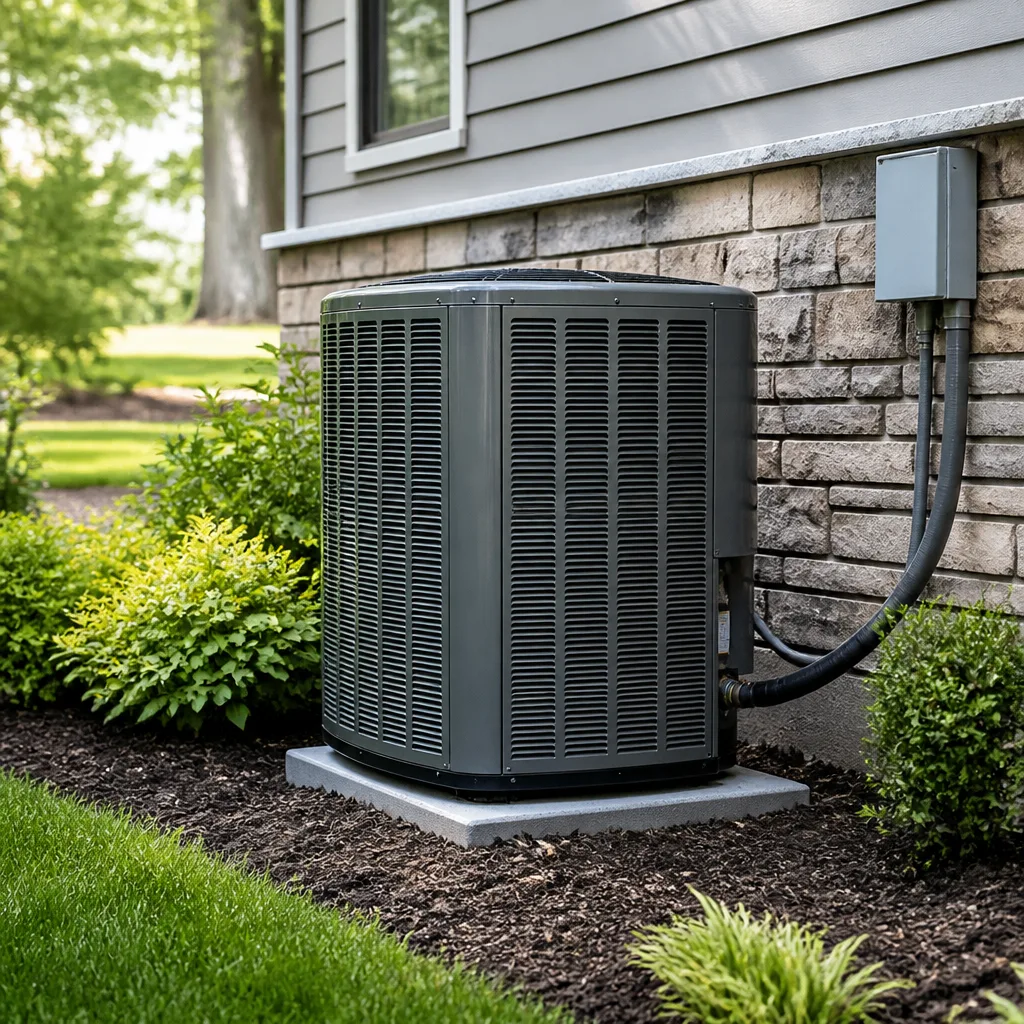 Trane
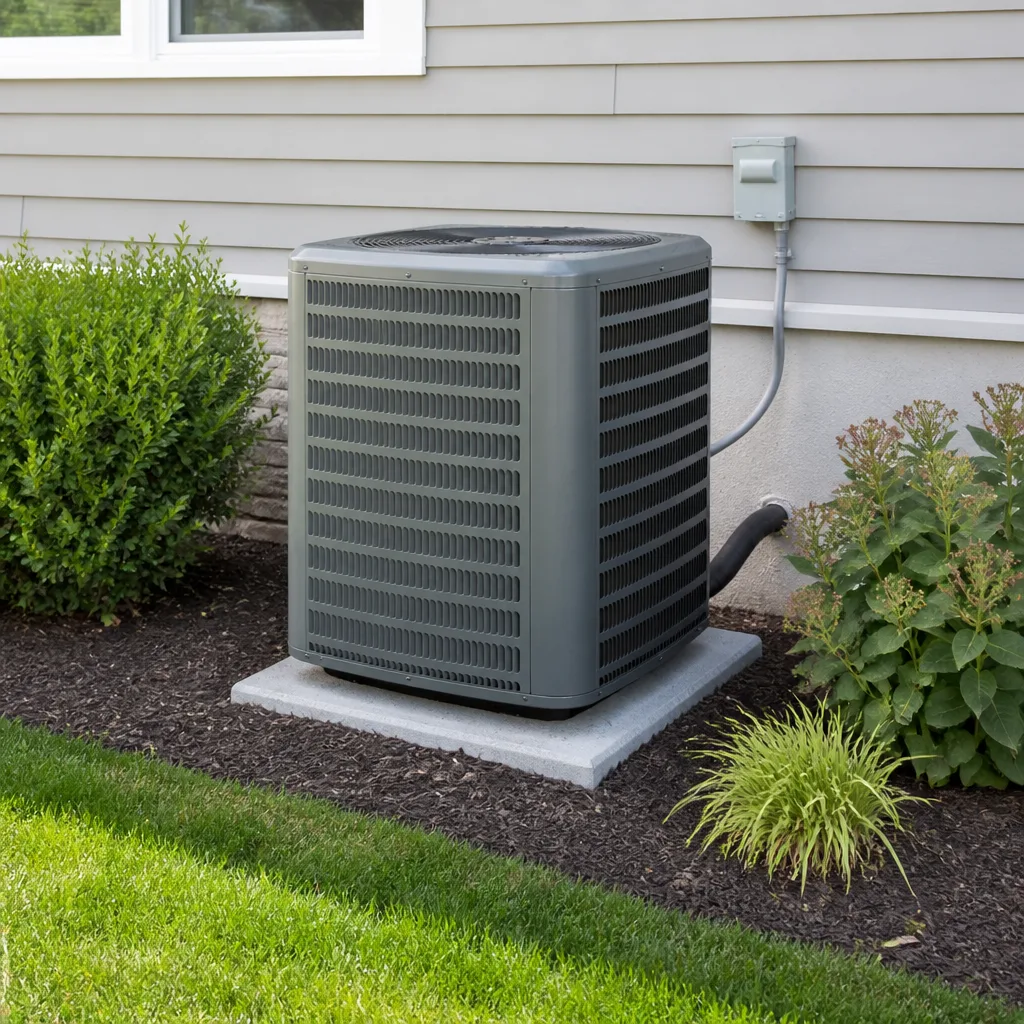 Goodman
Seasonal tune-up and full diagnostic on your Carrier, Trane, or Goodman system - readings shown to you before any repair is proposed
Diagnosis first, numbers second - you approve the repair price before a single part goes in.
Get your free estimateDIY vs Professional HVAC: The Spring Valley Homeowner’s Decision Guide
Replacing a run capacitor yourself can save you $200 and takes about twenty minutes, provided you watch the right video and cut the power first. Touching the refrigerant lines without an EPA 608 certification, on the other hand, is a federal violation with fines that start in the tens of thousands of dollars. Both facts belong in the same guide because both jobs get lumped under the word “HVAC,” and that’s how people get hurt or wind up paying twice. We’ve watched Spring Valley homeowners do a filter swap in ten minutes and we’ve watched a warranty vanish over a $30 part installed wrong. This guide draws the line honestly: what you can safely handle, what you shouldn’t touch, and why.
Quick Answer
You should handle filter changes, thermostat swaps, condensate drain clearing, and occasionally a capacitor replacement yourself. You should not touch refrigerant, compressors, gas lines, or anything that requires a torch, a recovery machine, or a license. Everything in between comes down to tools, warranty exposure, and how much an afternoon in a 150-degree Spring Valley attic is actually worth to you.
Styles & brands we work with
- AC repair
- Furnace & heating
- Heat pumps
- Ductless mini splits
- Carrier
- Trane
- Goodman
Table of Contents
- What Spring Valley Homeowners Can Safely Do Themselves
- The EPA 608 Line: Why Refrigerant Work Isn’t a Gray Area
- Why Spring Valley Attics Raise the Stakes
- How a DIY Attempt Voids a Manufacturer Warranty
- The Capacitor Case: A Real Example of the Line
- Tools Worth Owning vs. Tools Only a Tech Needs
- Repair or Replace? The Spring Valley Math
- When a “Maybe It’s Just the Filter” Turns into a Real Emergency
What Spring Valley Homeowners Can Safely Do Themselves
Start here, because we’re not going to pretend everything requires a professional. There are four jobs that belong in your hands, and doing them right will save you money over the life of the system. All four are on the low-voltage or no-voltage side of the machine, and none of them risk injury if you cut power first.
- Filter changes. Every 60 to 90 days in a typical Spring Valley home, and every 30 days from May through September if you have pets or you’re near a dusty stretch of open desert. A clogged filter is the number-one cause of frozen coils we see, and it’s a ten-minute job.
- Thermostat swaps. Modern programmable and smart thermostats run on 24-volt low-voltage wiring. Match the wire labels on the old unit to the new one, photograph the old connections before you pull them, and turn off the air handler breaker first.
- Condensate drain clearing. In a dry climate it’s easy to forget these exist, but the drain line from your air handler clogs with algae and dust. A wet/dry shop vac on the exterior drain stub, or a short brush kit from the hardware store, will solve most slow-drain problems without a service call.
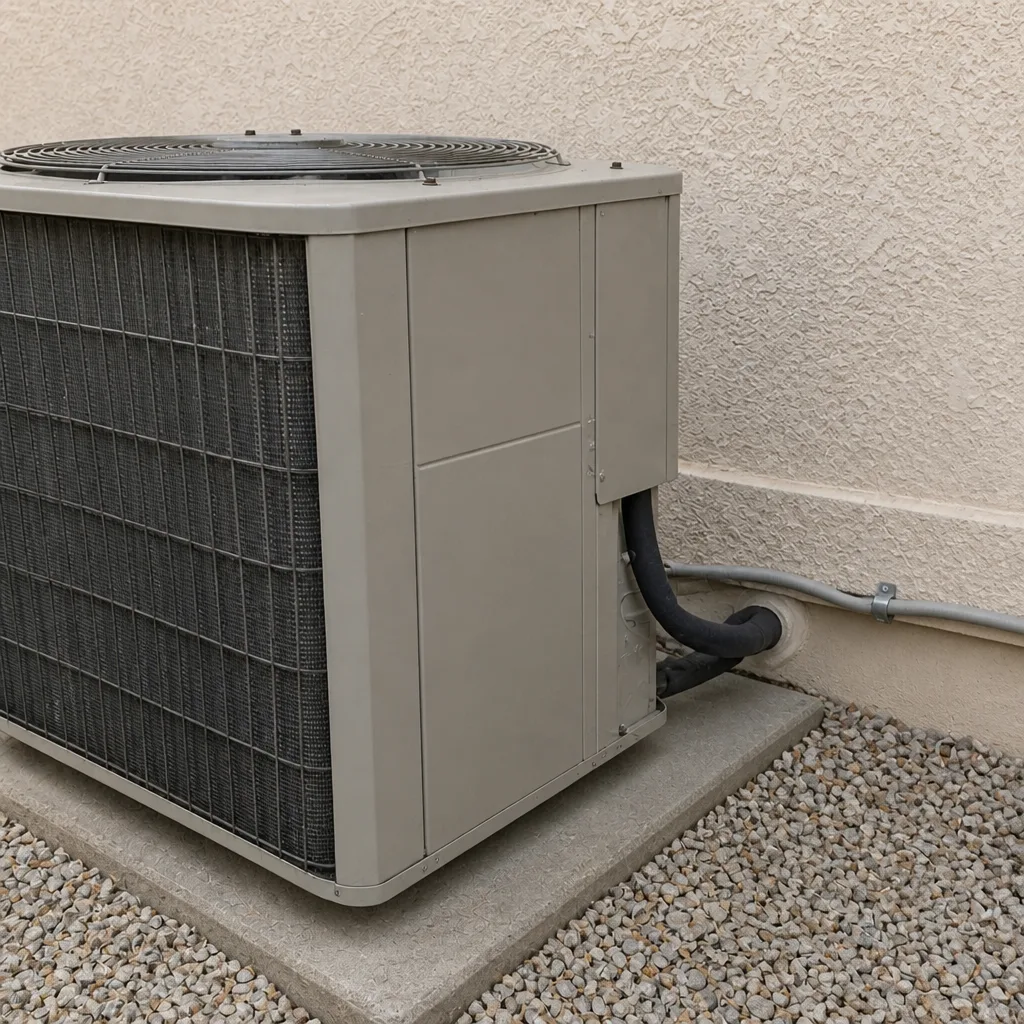
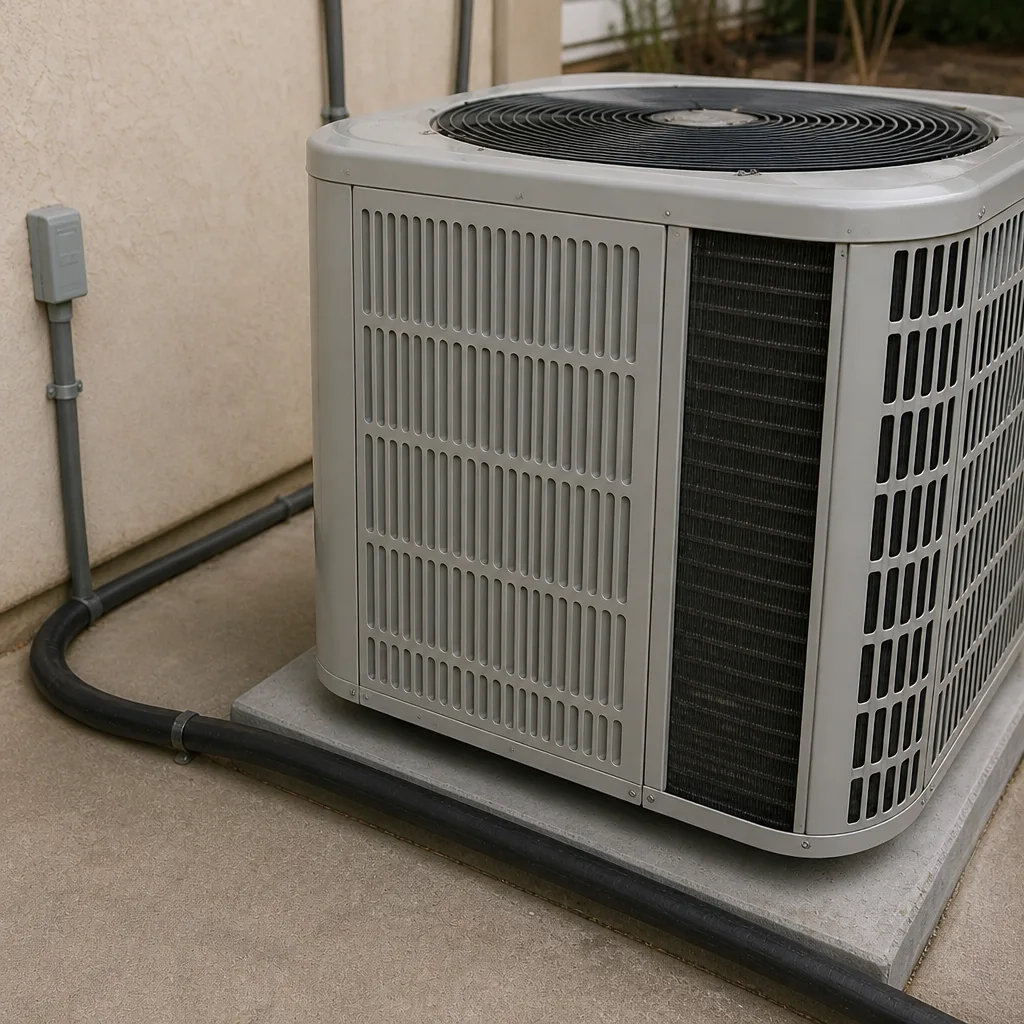
- Outdoor unit cleaning. Pull the disconnect, hose the condenser coils from the inside out, and clear cottonwood fluff and debris from between the fins. We do this once a season on our own units and it buys years of efficiency.
That’s the honest list. If your system is failing, call a Ray’s Heating & Air Spring Valley home pro. If it’s just clogged or dirty, grab a filter and a hose.
The EPA 608 Line: Why Refrigerant Work Isn’t a Gray Area
Refrigerant handling is where DIY advice online goes badly wrong. Under Section 608 of the Clean Air Act, anyone who opens a refrigerant circuit, evacuates a system, replaces a compressor, or recharges lines must hold a valid EPA Section 608 certification. This is federal law, not a local preference. The penalties for knowingly venting refrigerant or performing the work without certification start around $44,539 per day per violation, and they are not theoretical. The EPA has collected on them.
You cannot legally buy most refrigerants in bulk without the cert either. That means a homeowner “top-off” kit you see on some retail site is either a drop-in substitute with a different chemistry (voiding the manufacturer spec), or a product sold to someone who doesn’t realize the personal fine is real. Spring Valley sits in a climate where systems run hard eight months of the year and lose a bit of charge as a matter of course. A low charge on a Lennox or a Goodman isn’t something to red-neck through with a can and YouTube. It’s a leak diagnosis, which is the actual problem.
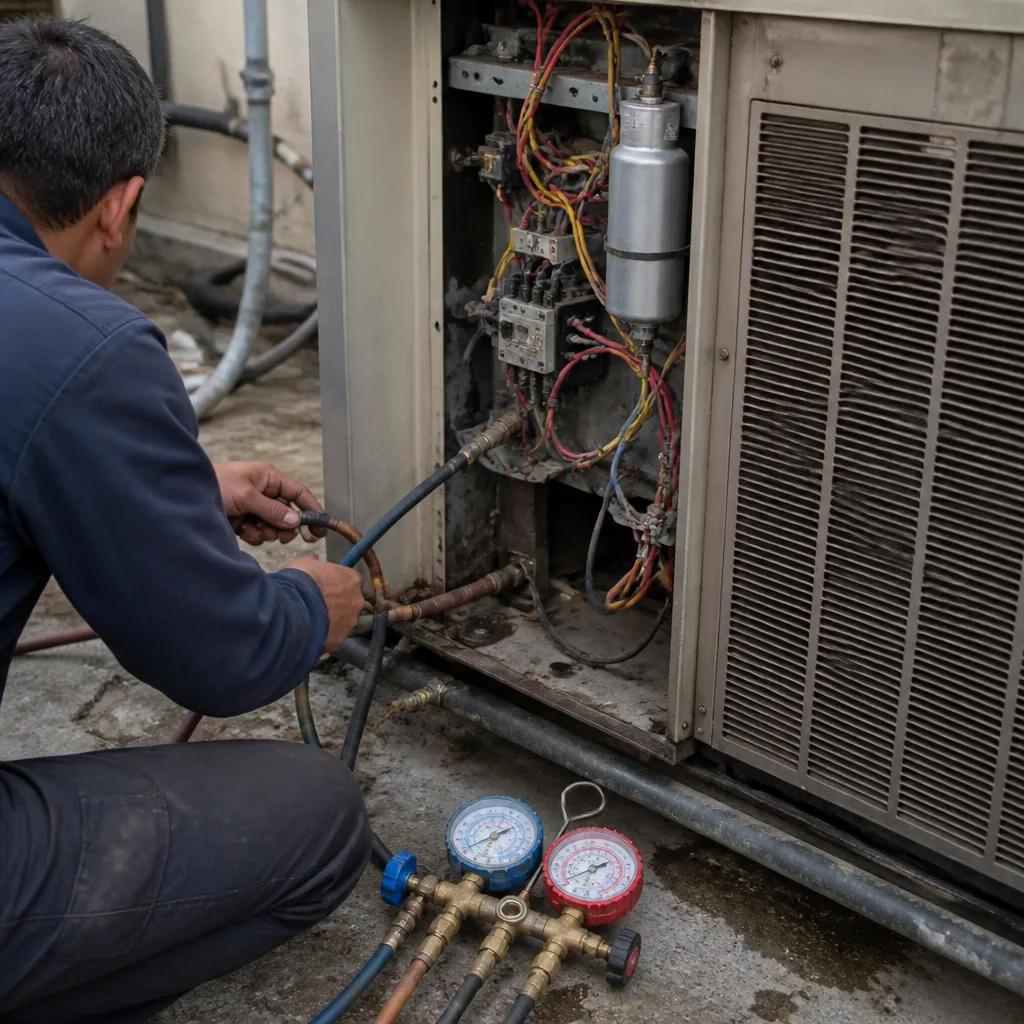
Here’s what that diagnostic step looks like when we do it. We use electronic leak detection and pressure readings, not guesswork. We check the evaporator, the line set, the service valves, and the brazed joints. A system that’s low on R-410A or R-32 got low because something opened up, and adding refrigerant without finding the leak is just delaying the same call six weeks. The EPA fine is the version of that story with a federal marshal in it.
Why Spring Valley Attics Raise the Stakes
Spring Valley is not a mild climate, and attic work here is not the same job it is in Omaha. From June through September, an unfinished attic in a Spring Valley ranch home routinely hits 150 degrees Fahrenheit by mid-morning. Attic temperatures above 130 degrees are considered unsafe for prolonged work, and above 150 degrees the risk of heat stroke rises dramatically even for acclimated adults. We don’t take this lightly, and neither should you.
There are three specific risks a homeowner faces the moment they climb into a Spring Valley attic in summer:
- Heat exhaustion and heat stroke within twenty minutes, especially if you go up in the middle of the afternoon rather than early morning.
- Falling through drywall, because older Spring Valley homes often have insulation levels measured in R-11 to R-19 rather than current code, which means the joists are buried and hidden under layers of blown fiberglass. You can’t see where to step.
- Electrical exposure, because the air handler’s power feeds and low-voltage control wiring share a tight mechanical closet that isn’t designed for a casual inspection.
The rule we tell our own families: if the attic is over 130 degrees, wait. If you’re doing anything requiring balance, light, and reaching into a unit, that’s a two-person job with a phone ready. If you’re not sure, call us. A trained pro knows what a normal blower wheel cavity looks like versus one with a cracked hub, and they know how to work in the heat safely without guessing.
How a DIY Attempt Voids a Manufacturer Warranty
Almost every residential HVAC warranty we read contains language about “installation and repairs must be performed by a licensed contractor” and “evidence of improper installation voids coverage.” Manufacturers use that clause in real claims. We’ve watched it happen in Spring Valley specifically, on two-year-old systems where a homeowner replaced a compressor relay or a run capacitor, got the wiring wrong on the second try, and cooked the compressor a season later. The manufacturer denied the claim when the failure pattern showed an electrical signature inconsistent with a factory install.
Here’s how it plays out in practice. A homeowner watches a five-minute video on replacing a start capacitor in a York condenser. He buys a generic capacitor from a hardware store, hooks it up, and the compressor starts. Two summers later the compressor burns out at the start winding. The extended warranty company asks for service records. There are none for the DIY capacitor. The claim gets denied on the grounds of “unauthorized service,” and a $2,400 covered repair becomes a $2,400 out-of-pocket bill plus a new system quote. That’s the actual math.
Lennox, Rheem, Goodman, and York all publish similar clauses in their standard residential equipment warranties. The consistent requirement isn’t decorative. When our team does an install or repair, you get a paper trail the manufacturer recognizes.
The Capacitor Case: A Real Example of the Line
We said at the top that a capacitor swap is a legit DIY job. We stand by that. It’s also the single most common place where a well-intentioned homeowner stops saving money and starts losing it. Here’s how the line gets drawn.
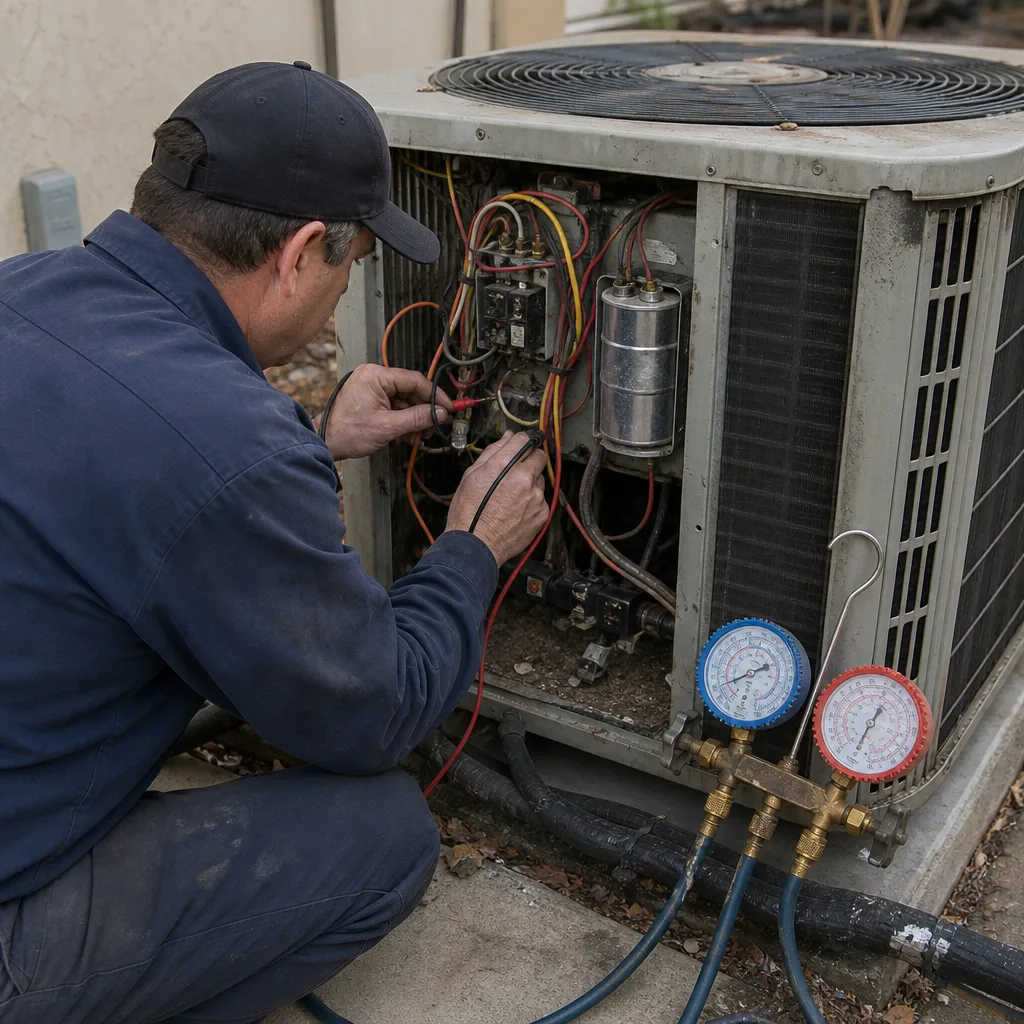
A run capacitor on a residential condenser is a metal-can component that costs $15 to $45 depending on microfarad rating and voltage. The swap itself is two or three wire leads, a bracket, and disconnecting the unit at the breaker and pulling the disconnect before you touch anything. When it goes, the symptoms are specific: the outdoor fan won’t spin, the compressor hums and clicks off, or the whole system trips the breaker on startup. If you test the capacitor with a multimeter that has a capacitance setting, you’ll see the actual reading versus the rating printed on the side. This is the point where any good tech, ours included, checks the capacitor before anyone says the word compressor.
Where it becomes a pro job: if the capacitor has visibly bulged or leaked oil, that often points to a larger electrical problem. If you replace it and the new one fails within a few weeks, you have a voltage or compressor problem, not a capacitor problem. If the unit is a dual-run capacitor with three terminals and you’re not confident in the wiring, don’t guess. And if you have a York, Rheem, or Lennox unit under warranty, the $40 part isn’t worth risking the claim. The threshold is this: single-run capacitor, unit out of warranty, you’re confident with a meter. Otherwise call.
Tools Worth Owning vs. Tools Only a Tech Needs
We get asked all the time which HVAC tools are worth the money. Here’s the honest split, based on what we carry on the truck and what we tell our own neighbors to keep in the garage.
Tools a Spring Valley homeowner benefits from owning:
- A decent multimeter with a capacitance setting ($60 to $120). Tests capacitors, verifies power is off at the disconnect, and confirms thermostat wiring.
- A wet/dry shop vac you already own. Condensate clearing, coil cleaning, and dust removal.
- A fin comb ($10) for straightening bent condenser fins after cottonwood season.
- A set of insulated screwdrivers and a non-contact voltage tester ($20 to $40). Non-negotiable for anything you do inside a control panel.
- A rechargeable headlamp, because every attic and mechanical closet you own is darker than it looked from the hallway.
Tools that only make sense for a working tech:
- Refrigerant gauges and a recovery machine. Hundreds of dollars, worthless without the EPA cert that lets you use them legally.
- An electronic refrigerant leak detector (the pro-grade kind, not the $30 version).
- A vacuum pump and micron gauge for evacuating a system after a repair.
- A combustion analyzer for gas furnace work. This is a life-safety tool, not a diagnostic toy.
- A manometer for static pressure testing. Measuring airflow is a system-level job, not a component-level one.
If you’re buying the second list to save money, stop. You’ll spend more than the repair costs, and you’ll still need a licensed pro to do the actual work. If you’re buying the first list, you’re making a smart investment in your system’s lifespan.
Repair or Replace? The Spring Valley Math
This is the question behind most of the calls we get, and the honest answer is different for every system. There’s no universal cutoff, but there are two rules that hold across almost every Spring Valley home we’ve serviced.
The first is the $3,000 rule. If a single repair is going to cost 40% to 50% of the cost of a new system, and the existing unit is fifteen years old or more, replacement usually wins over the long term. Below that threshold, repair almost always wins. The second rule is frequency. Two or more major repairs within a two-year window means the system is telling you something, and continuing to patch it costs more than a written quote for new equipment.
Spring Valley makes this calculation a little sharper because our cooling season is long. A system that’s limping through summer on a failing compressor here runs eight months of the year, not four. That doubles the wear on a system that would average out in a milder climate. If your Lennox or Goodman is 14-plus years old, running a compromised compressor, and adding refrigerant every spring, the ROI math clearly points toward replacement with a properly sized system. If it’s six years old with a bad capacitor, repair, obviously. Call (833) 620-7288 for a free estimate and a second opinion on any written quote you’ve already received. For more on the specific tradeoffs, see our AC Repair & Installation in Spring Valley page.
When a “Maybe It’s Just the Filter” Turns into a Real Emergency
Some symptoms are never a filter. If you smell gas near the furnace, that’s an emergency call to your gas utility first and to us second. If you see scorching or melting at the electrical disconnect, that’s a fire risk and you should shut the system down at the breaker and call. If the outdoor unit trips the main panel breaker every time it starts, that’s not the capacitor you think it is; it’s a short, a compressor winding failure, or a wiring fault, and it needs a pro with a meter and a torque spec.
Living through a Spring Valley summer without cooling is a health risk, particularly for the senior and veteran households we serve most often. An indoor temperature that climbs above 90 degrees Fahrenheit for more than a few hours is a genuine safety concern for people over 65, and we treat it that way. Our phones are answered by a live person around the clock, every day, and Ray himself picks up at two in the morning if the call routes to him. That’s not a marketing line; it’s how we’ve run since 2002. When a cooling failure hits on a 115-degree afternoon, we want you to be able to talk to a person, not a voicemail maze.
Common Mistakes to Avoid
- Resetting the breaker three times before calling. If the breaker trips twice, the system is telling you something. A third reset can do real damage to a compressor that was trying to survive the first two.
- Adding refrigerant from a can. Illegal without EPA 608 certification, and it masks the actual leak. The problem comes back worse within a season.
- Skipping the filter during summer. In Spring Valley, dust loads up a filter fast. A dirty filter in June costs you more in efficiency than the filter change saves you in skipping it.
- Going into an attic in August without a plan. Heat stroke is not a joke, and it happens fastest to people who thought they’d be in and out in ten minutes. Take water. Take a phone. Go before 9 a.m.
- Assuming a hardware-store capacitor matches the spec. Microfarad ratings and voltage tolerance must match or exceed the OEM spec on the label. A near-match is a future failure.
- Doing DIY repairs on a system under manufacturer warranty. The paper trail matters. A $40 part can void a four-figure compressor claim when the manufacturer sees unauthorized service.
- Trusting a phone quote instead of a written one. A Spring Valley contractor who won’t put the price on paper before work starts is a contractor you should walk from. Ask for a second opinion if you’re not sure.
See the difference
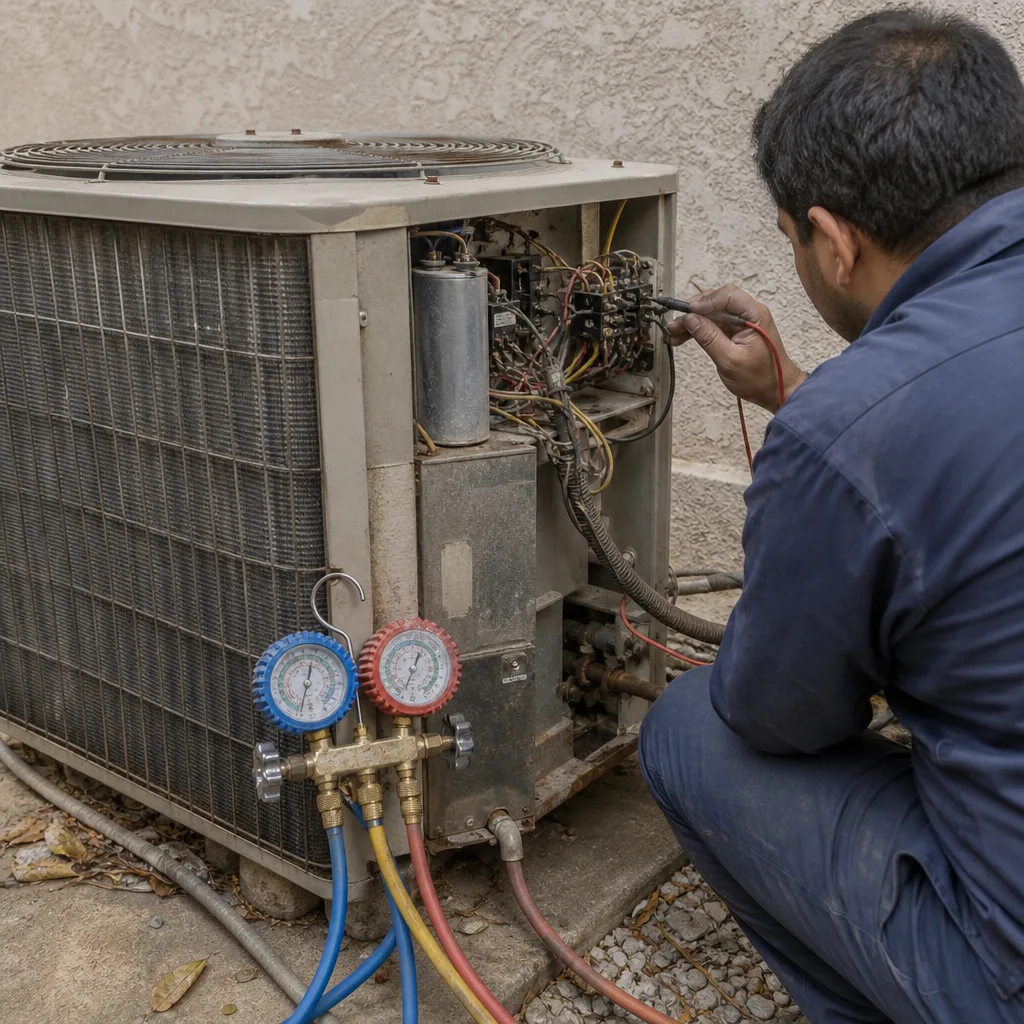 Before
 After
 Before
 After
 Before
 After
When to Call a Professional
Call a professional the moment your problem crosses any of these lines: refrigerant involvement, compressor diagnosis, gas or electrical work beyond a thermostat swap, a system under manufacturer warranty, or anything in the attic on a summer day when the temperature inside that space is climbing past 130 degrees. Also call us when the symptom changes faster than you can keep up with, or when a “small” repair feels like it’s turning into the third one this year.
Ray’s Heating & Air Spring Valley offers free estimates in Spring Valley. Every job we take on carries the 90-Day Done Right Promise in writing: if it’s not done right, one call brings Ray back. We also offer a standing Free Second Opinion on any written estimate you’ve already received, and no trip charge inside the county. Call (833) 620-7288 and you’ll get a live person, any hour. For the full range of what we work on, see Heating & Furnace in Spring Valley and Heat Pump & Mini Split in Spring Valley.
Frequently Asked Questions
Yes, in most cases, and it’s the one electrical component we’d genuinely suggest a confident homeowner can handle. Cut power at the breaker and pull the outdoor disconnect first, verify the microfarad rating on the label, and test with a meter before removing anything. If the unit is under a manufacturer warranty or the capacitor has bulged or leaked oil, call a pro instead.
No. Refrigerant handling requires a valid EPA Section 608 certification under federal law, and the fines for violations start in the tens of thousands of dollars per incident. This applies in Spring Valley and across Nevada equally. If your system is low on refrigerant, the actual problem is a leak, and diagnosing a leak is the job.
Often, yes. Nearly all residential equipment warranties from Lennox, Goodman, Rheem, York, and other major brands require licensed installation and authorized repair. If a subsequent failure shows a signature inconsistent with factory service, the manufacturer can and does deny the claim. The paper trail from a licensed repair protects your coverage.
Routinely 150 degrees Fahrenheit by mid-morning in June through September. That’s well into heat-stroke territory for prolonged work, and it’s why we schedule our own attic appointments early. If you’re doing work up there, go before 9 a.m., take a phone, and don’t work alone.
Refrigerant handling, compressor diagnosis, gas furnace work including combustion analysis, any electrical work beyond a thermostat swap, and anything requiring a torch or a recovery machine. If the fix requires opening the sealed refrigerant loop or working inside a gas appliance, it’s a licensed professional job.
Use the $3,000 rule. If the repair costs 40% to 50% of a new system and the unit is fifteen years old or older, replacement generally wins. If the repair is much less and the system is younger, repair. Call (833) 620-7288 for a free estimate and a second opinion on any written quote. Estimates are free.
The Bottom Line
The line between DIY and professional HVAC isn’t about scaring you away from a $15 filter. It’s about knowing where the safe repairs end and the licensed work begins. Change the filter. Swap the thermostat if you’re careful. Clear the drain. Match the capacitor spec and cut the power if you’re confident. Beyond that: refrigerant, compressors, gas, warranty-protected systems, and summer attic work belong in a professional’s hands. The cost of a DIY mistake in those categories is rarely just the part. It’s the $44,539 federal fine, the $2,400 compressor the manufacturer won’t cover, or an afternoon in a 150-degree attic that could end in heat stroke. Know the line, and call when you’re on the wrong side of it.
Ray’s Heating & Air Spring Valley is locally owned and owner-operated, and Ray answers the phone himself when the call routes to him. Name, address, and license number are published. If you want a live person, a written estimate, and a face you’ll see again at the hardware store, call (833) 620-7288 for a free estimate.
Written by the team at Ray’s Heating & Air Spring Valley.